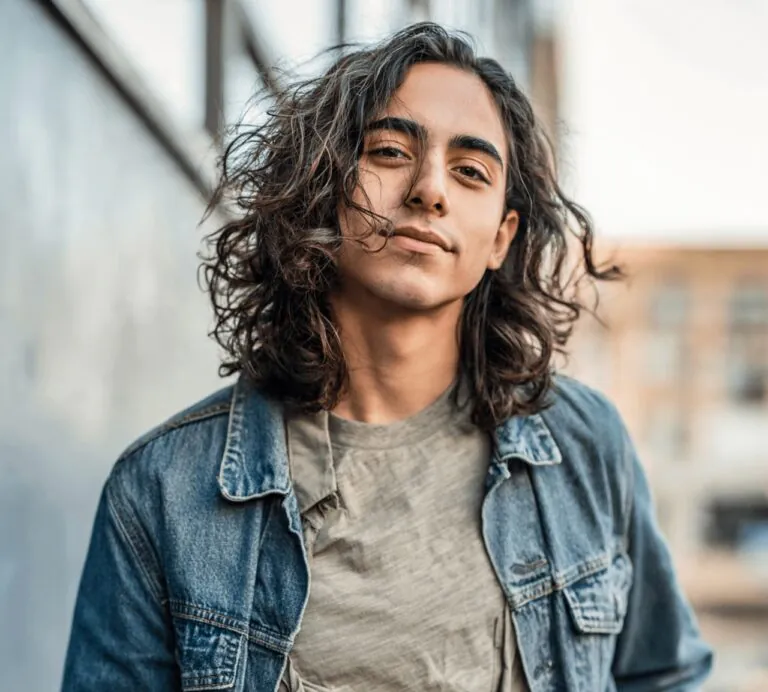
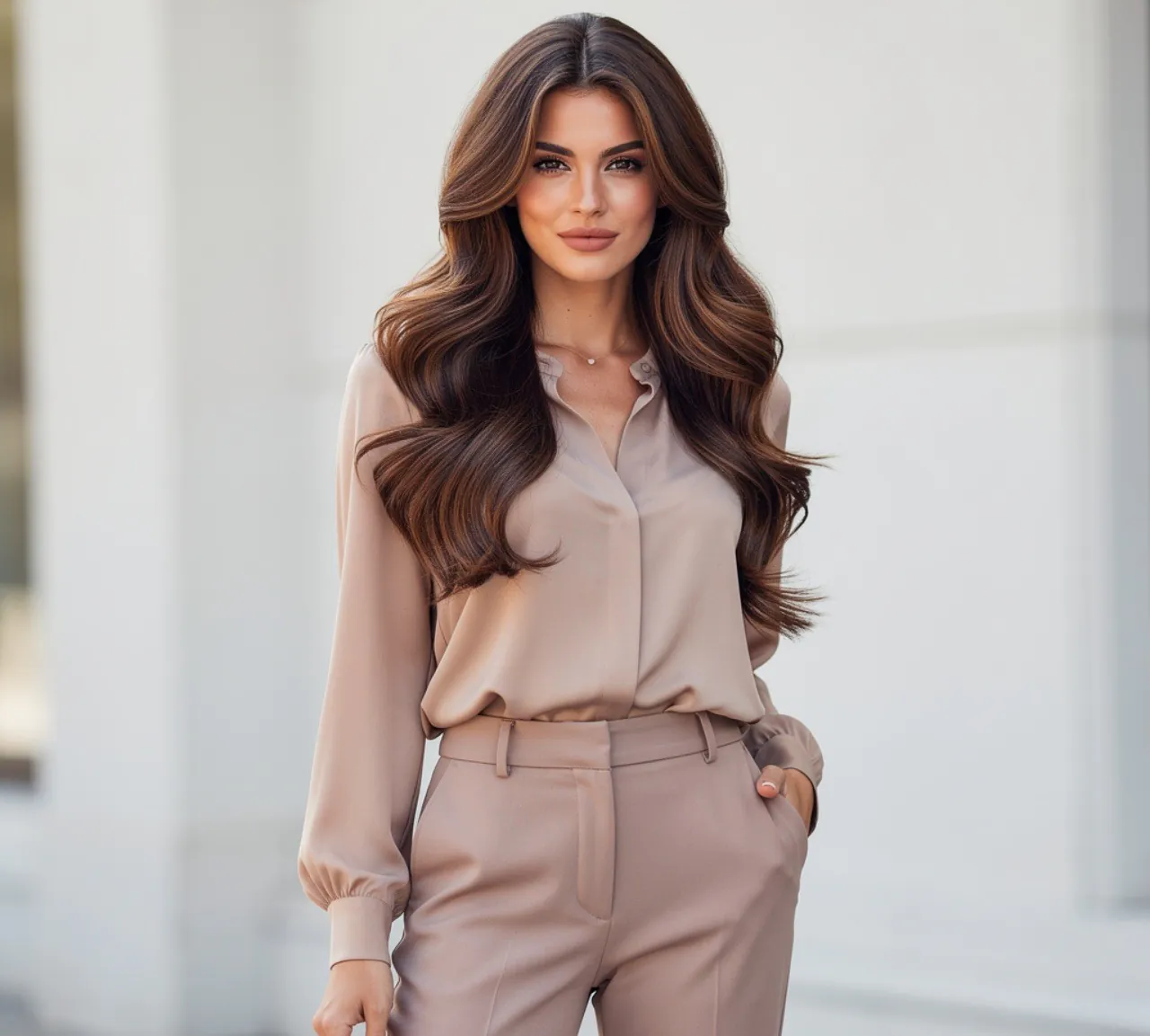
14 Trending Hairstyles for Long Thick Hair That Work With Your Volume And Texture
Scrolling through Pinterest searching “hairstyles for long thick hair,” hoping to find something that actually accounts for the fact that your hair has a personality of its own and refuses to behave like the fine, wispy strands in most tutorial photos? You are definitely not alone in that experience. Most hairstyle sites show styles modeled on medium-density hair, leaving thick-haired people wondering why the same braid looks twice as heavy, why the same bun refuses to stay pinned, and why their ponytail consumes an entire elastic within three uses. This article takes a completely different approach. Every style here is explained with thick hair specifically in mind, covering how to manage bulk, reduce weight, and use natural density as an advantage rather than a daily obstacle.
14 Hairstyles for Long Thick Hair
The fourteen styles below cover a wide range of occasions, textures within the thick-hair category, and personal aesthetics, so whether your thick hair is straight, wavy, or curly, you will find several styles worth saving and bringing to your next salon appointment with genuine confidence.
1. Long Layers with Thinning Throughout for Long Thick Hair
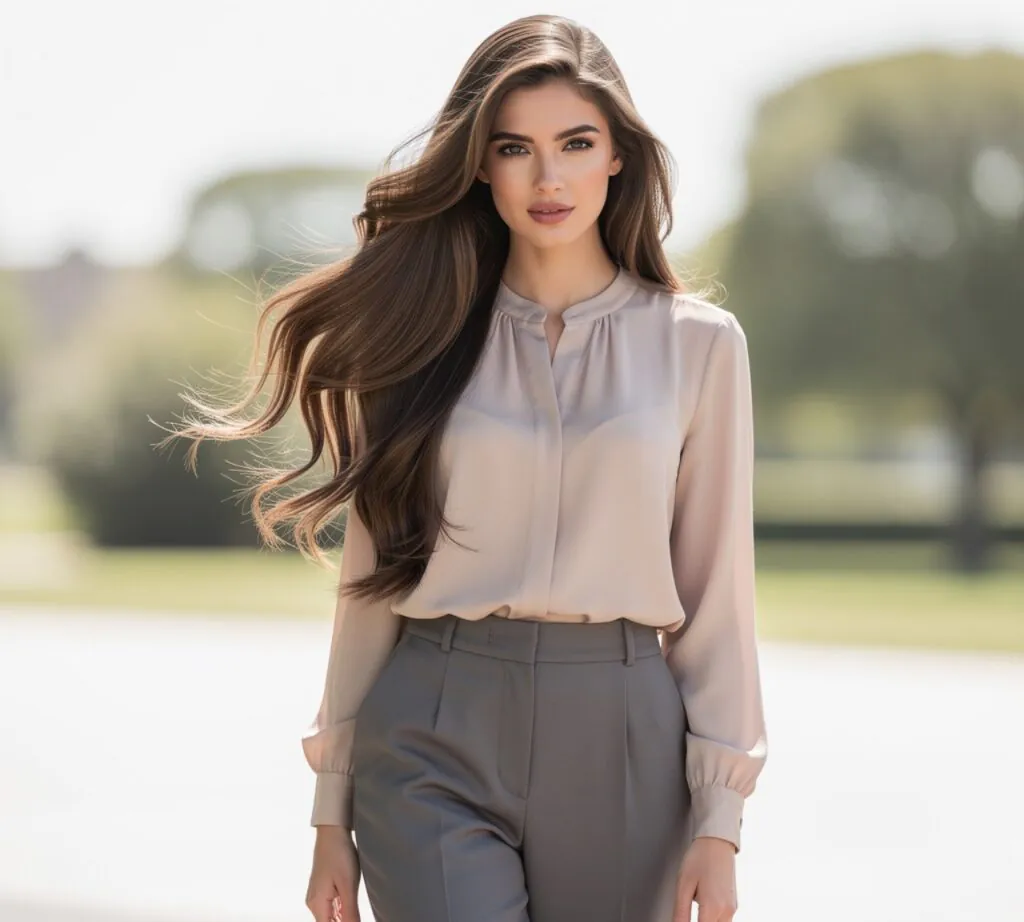
Long layers combined with internal thinning through the mid-lengths and ends removes significant bulk from thick hair without reducing the overall visual length, transforming a heavy, triangular silhouette into one with genuine movement and flow. A skilled stylist uses thinning shears specifically through the underneath sections, preserving outer surface smoothness while dramatically lightening the internal density. This suits every face shape since the layering gets customized to frame particular features while reducing weight throughout. Straight and wavy thick textures benefit most visibly from this technique. A lightweight smoothing cream applied to damp hair before air-drying or blow-drying controls frizz without adding the heaviness that richer products can create on already-dense strands.
2. High Thick Ponytail for Long Thick Hair
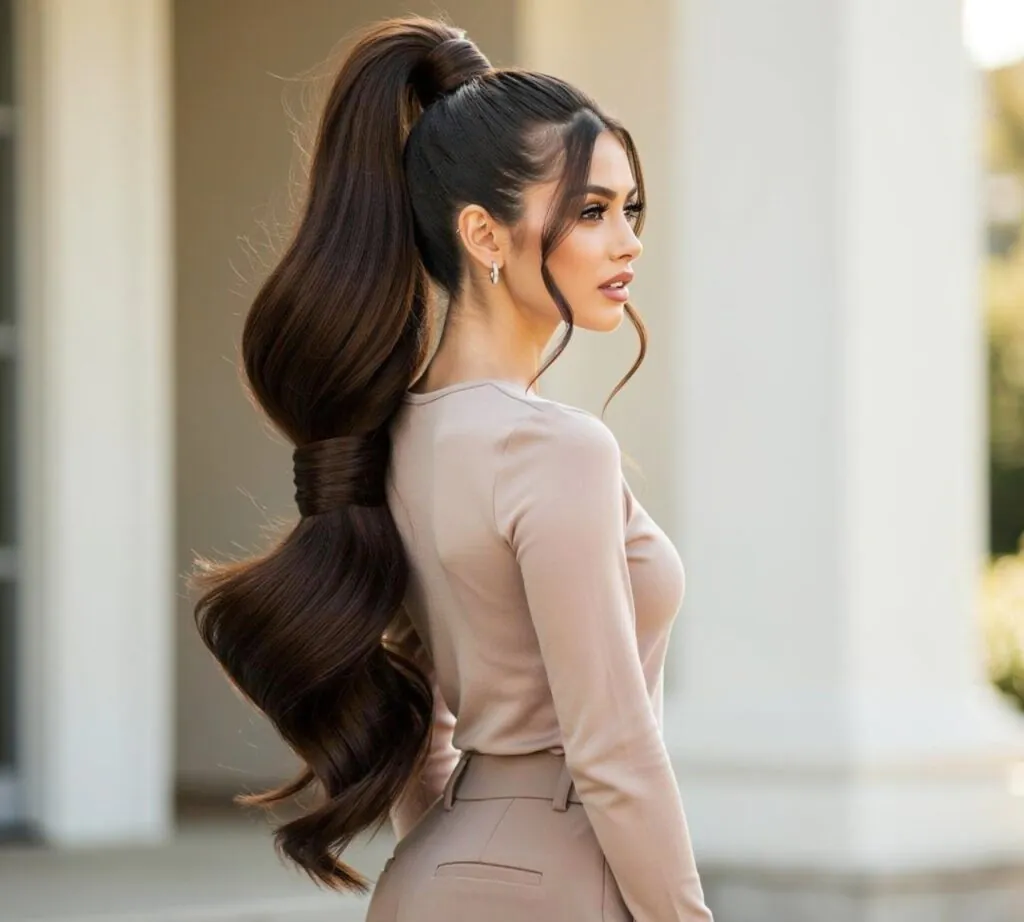
A high ponytail on long thick hair creates a dramatically full, voluminous tail that looks genuinely impressive rather than simply adequate, using the natural density that thinner hair types would need multiple hair extensions to replicate. Gathering all length at the crown and securing with two or three strong elastics rather than a single one prevents slipping and supports the substantial weight effectively. Round and oval face shapes suit this high placement particularly well. People wanting a polished, high-impact look for events, workouts, or confident everyday wear favor this style for the show-stopping fullness it produces effortlessly. Wrapping a section of hair from the tail around all visible elastics creates a refined finish that hides the hardware beneath genuinely beautiful thick volume.
3. Low Sleek Bun for Long Thick Hair
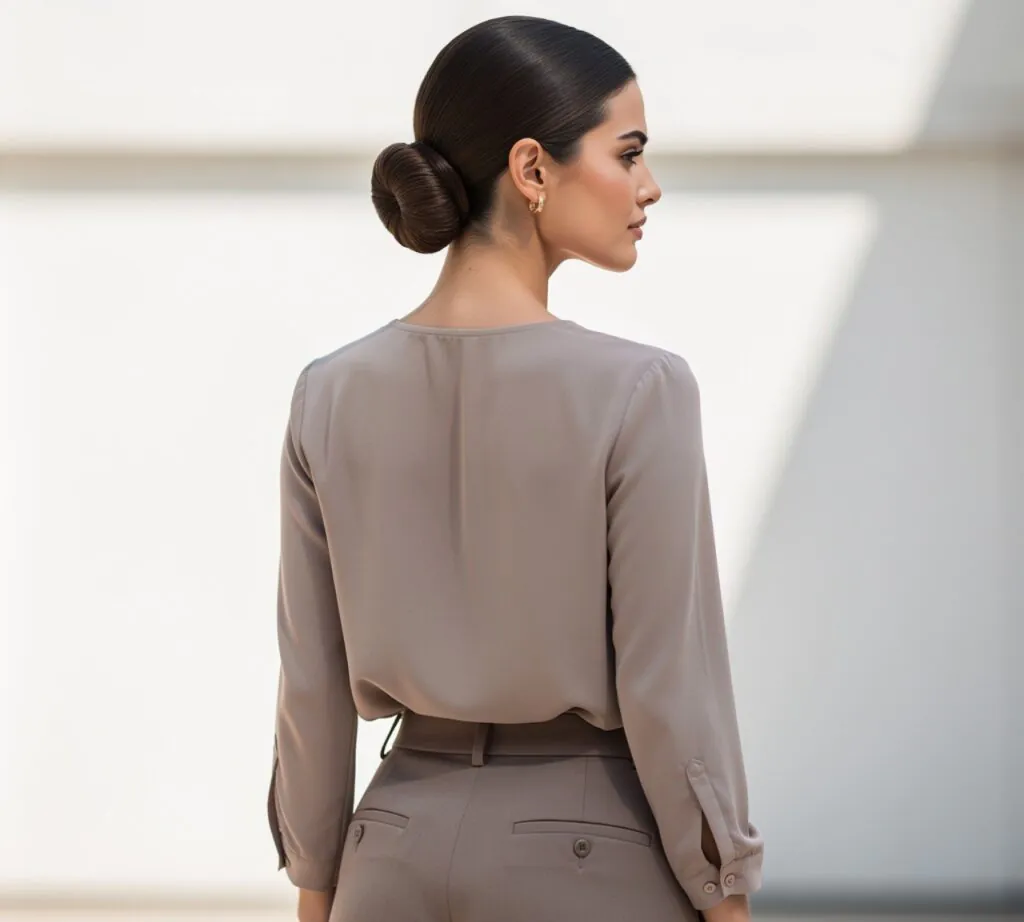
Gathering long thick hair into a low bun at the nape requires more pinning than thinner hair but produces a dramatically fuller, more substantial knot that looks luxuriously dense and polished. Dividing the length into two sections, twisting each tightly before wrapping them together into the bun, manages bulk more effectively than attempting to wrap everything at once. Oval and heart-shaped faces particularly suit this low, centered placement. Professionals and people attending formal events consistently choose this style for its combination of elegant restraint and visible density that thinner hair simply cannot produce. Securing with at least six crisscrossed bobby pins through the base, rather than relying on a single elastic, holds the substantial weight reliably through long days and active evenings.
4. Dutch Braid for Long Thick Hair
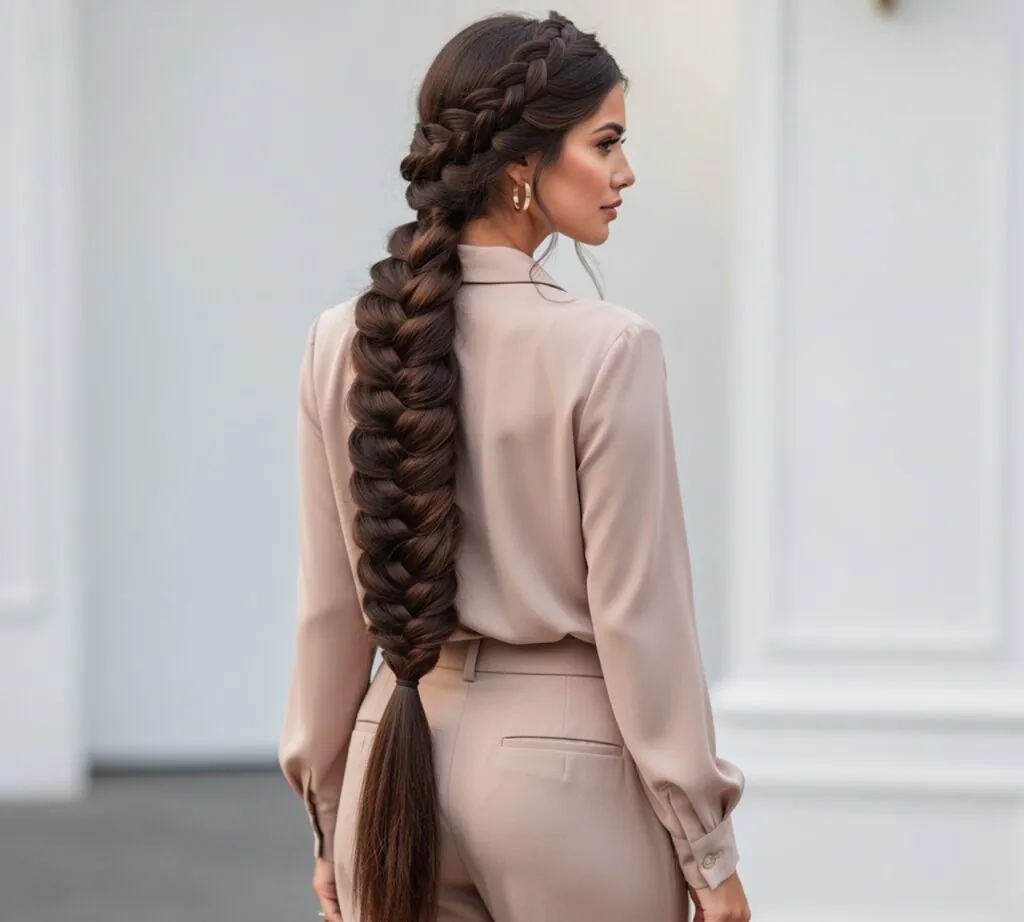
A Dutch braid worked through long thick hair produces an extraordinarily full, raised plait that sits prominently above the head rather than lying flat against it, showcasing the density in a way that makes the braid look genuinely remarkable compared to the same style on thinner hair. This style suits every face shape and every thick texture, from straight to coily. Athletes and active people love this style for its security, since thick hair grips braided sections powerfully and resists loosening through even the most vigorous movement. Braiding with slightly damp or lightly product-coated hair manages frizz along the plait surface and keeps individual sections cleanly defined rather than merging into one heavy, undefined mass.
5. Long Layers with Curtain Bangs for Long Thick Hair
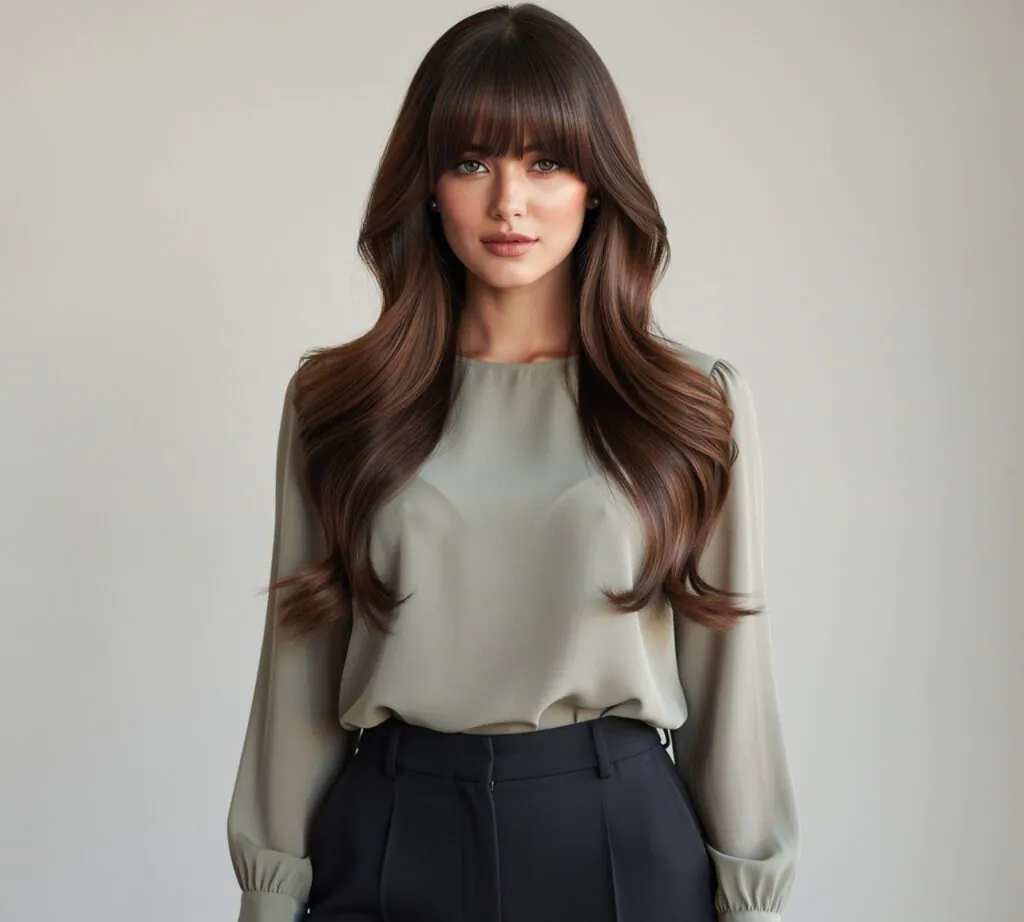
Curtain bangs on long thick hair introduce a face-framing detail that draws attention toward the eyes and cheekbones while the layers throughout the length manage weight and prevent the bottom-heavy silhouette that unstyled thick hair naturally forms. The bangs themselves should be cut slightly longer and more open than on thinner hair, since density causes bangs to sit heavier and appear shorter than their actual cut length. Round, square, and oval face shapes all suit this combination well. Using a round brush to train the bangs outward while blow-drying prevents them from lying flat against the forehead under their own weight. A light-hold spray keeps the swept shape through humidity and movement throughout the day.
6. Half-Up Half-Down with Volume for Long Thick Hair
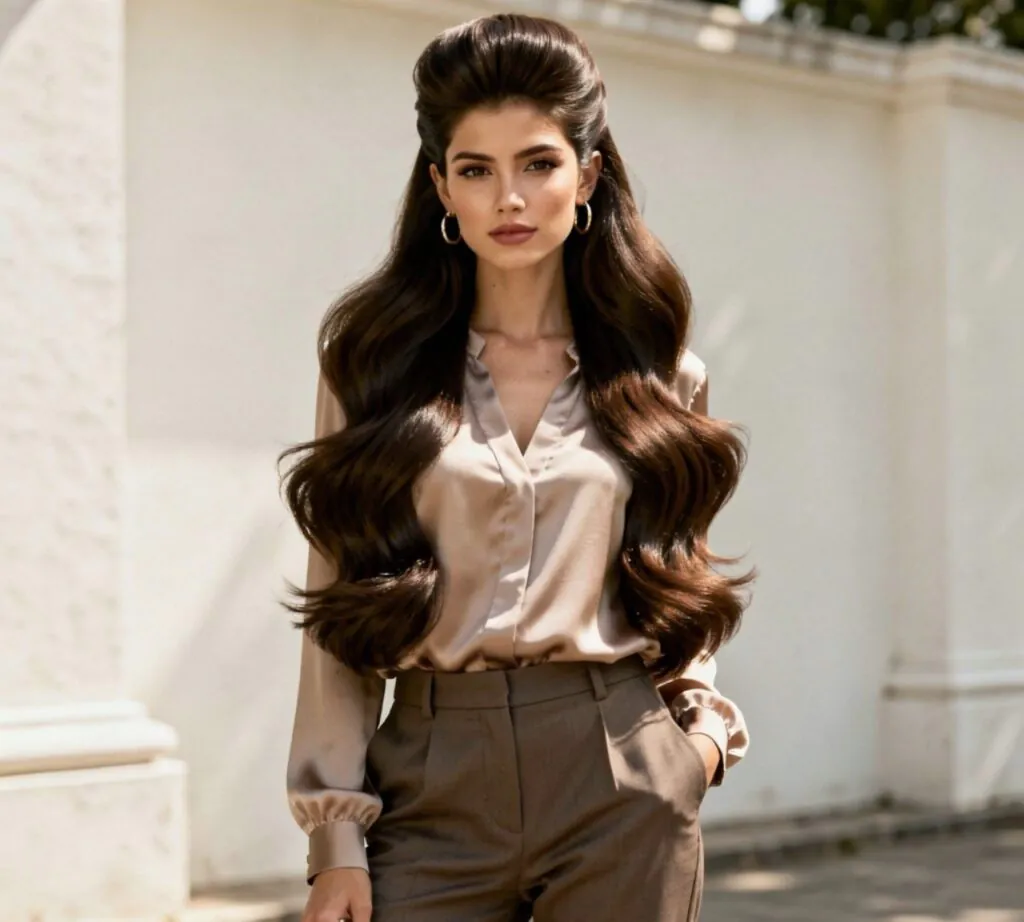
This style gathers the top crown section and secures it while leaving the remaining thick length flowing freely below, creating an impressive combination of controlled upper styling and dramatic lower volume that showcases density at its most beautiful. This style suits wavy and straight thick textures particularly well, since the natural weight of the lower section creates a gorgeous, substantial flowing finish. Heart and oval face shapes particularly benefit from this balanced approach. Adding a slight texture spray to the loose lower section before styling enhances natural movement without weighing the already-dense strands further down. Securing the upper section loosely rather than tightly prevents the gathered part from looking compressed or flat against the crown.
To see more options for long hairstyles including bangs CLICK HERE
7. Wolf Cut for Long Thick Hair
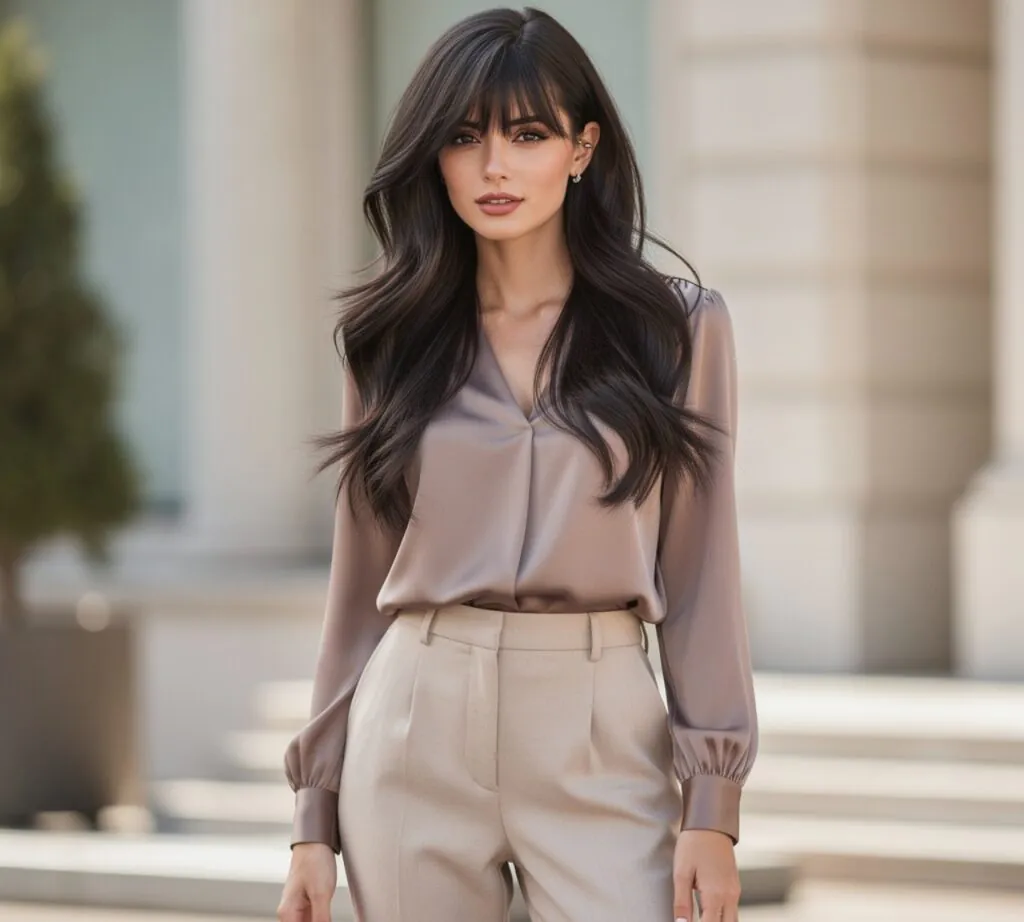
The wolf cut specifically benefits thick hair because its heavily layered structure removes bulk from the crown while building intentional volume and texture throughout, transforming density from a management problem into the style’s primary visual feature. Shorter layers near the crown create effortless lift, while longer cascading sections below maintain impressive length and movement. Square and oval face shapes suit this cut’s bold, expressive silhouette most naturally. People with thick wavy or curly textures find this cut particularly transformative, since the layering works with rather than against natural movement. Applying a light mousse to damp sections before diffusing or air-drying brings out the layered texture and prevents the crown from collapsing under the weight of dense strands.
8. Long Shag Cut for Long Thick Hair
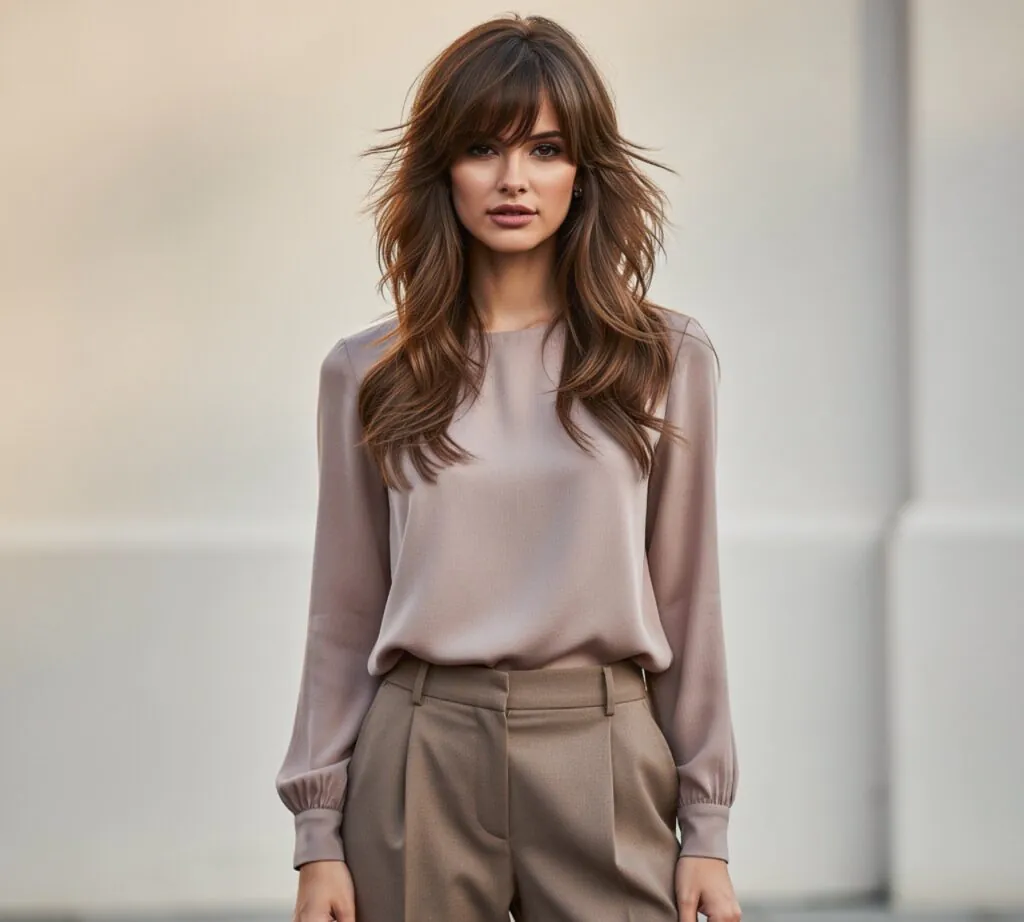
The shag cut distributes thick hair’s density through multiple choppy layers throughout the entire length, reducing bulk comprehensively while creating a deliberately textured, lived-in silhouette with significant visual interest. Wispy or curtain bangs often accompany this cut, adding further face-framing detail that softens the forehead. This style suits thick wavy or slightly curly textures most impressively, since the layering enhances rather than suppresses natural movement. Round and heart face shapes benefit from the layers drawing volume away from the widest points. Texturizing paste worked through dry ends after styling enhances the choppy, deliberate texture and prevents the dense hair from merging back into one heavy, undifferentiated mass between washes.
9. Braided Low Ponytail for Long Thick Hair
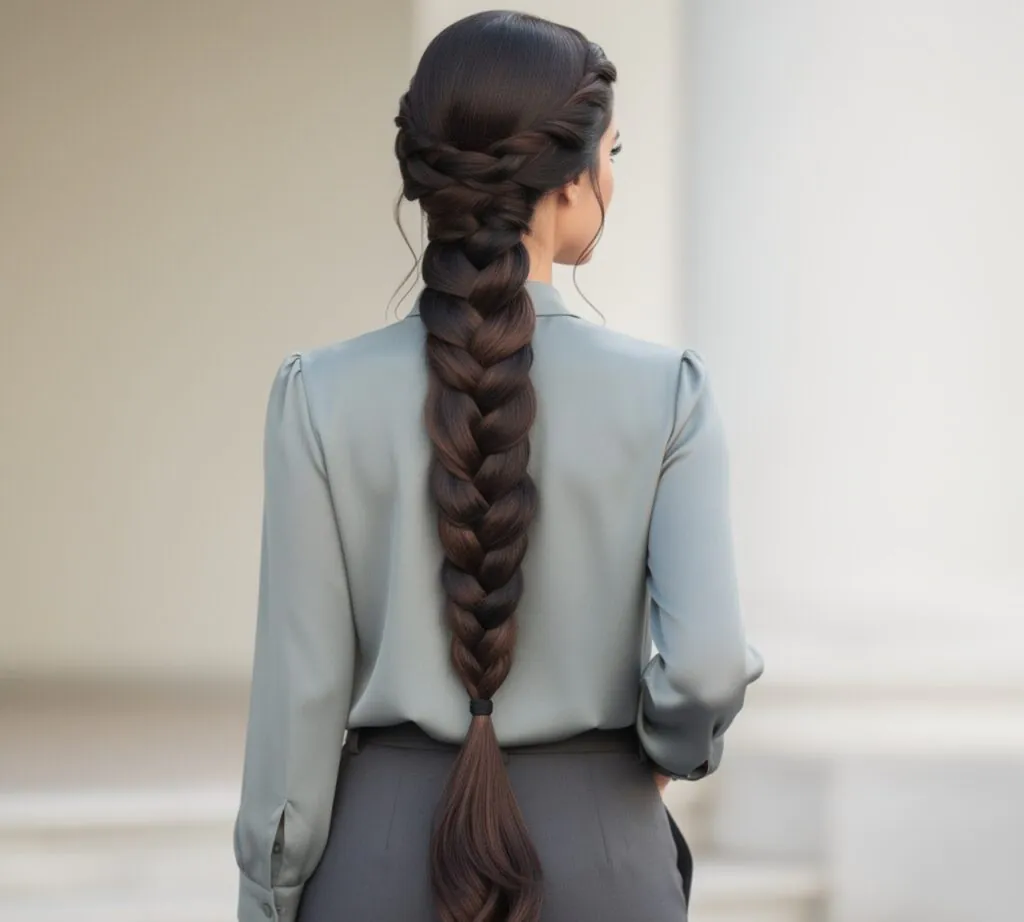
Braiding the entire ponytail section after gathering it at the nape manages the swinging, heavy tail that thick-haired people find particularly distracting during daily movement, producing a structured, weighted plait rather than a dense, bouncing tail. This style suits straight to wavy thick textures most naturally, though every texture can achieve it. Oblong and oval face shapes suit this low, centered placement particularly well. Professionals and active people both favor this variation because the braided tail remains controlled and weighted close to the body rather than swinging heavily against the back during movement throughout the day. A tight elastic at the very end of the braid, combined with a small amount of smoothing serum along the surface, keeps the plait polished and defined.
10. Space Buns for Long Thick Hair
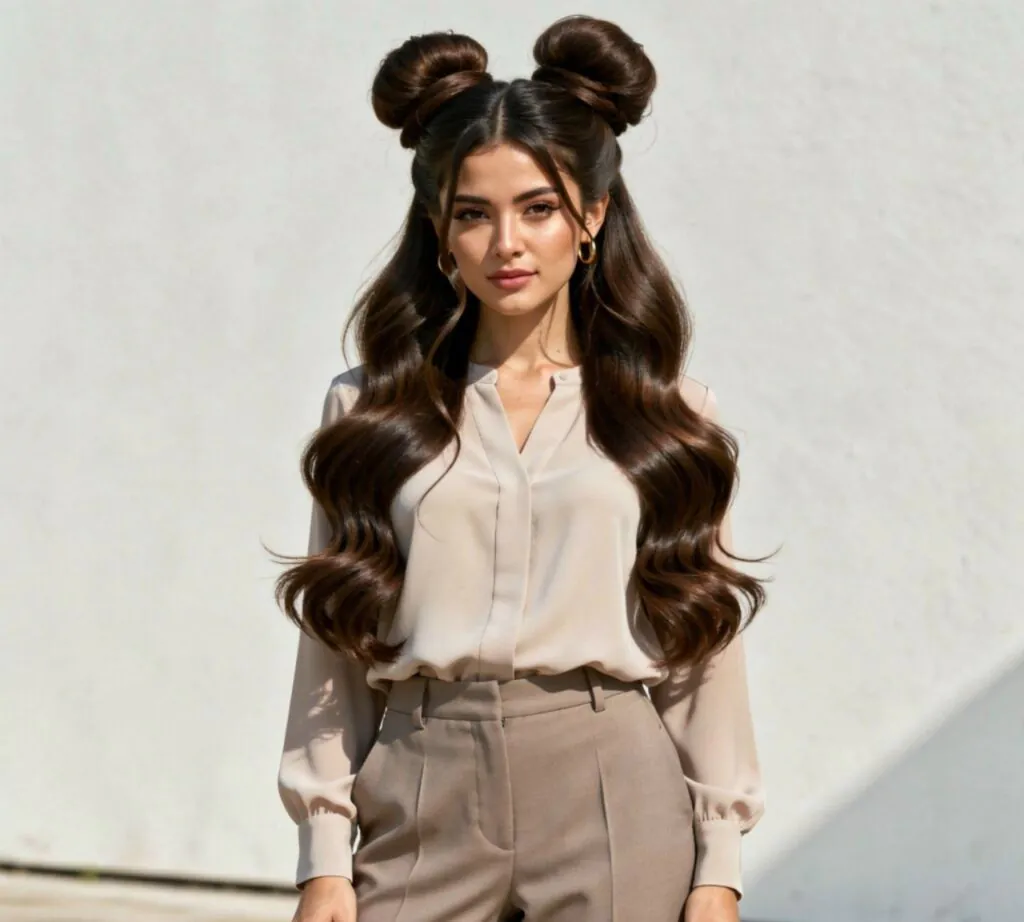
Two compact buns positioned symmetrically at the upper sides of the head distribute long thick hair’s considerable weight evenly across the head, preventing the neck strain a single heavy bun can cause during long days. This style suits medium to thick hair most securely, and long thick hair produces the most dramatically full, visually impressive double buns without any padding or additional volume techniques. Round and heart face shapes suit this placement particularly well. Dividing hair precisely down the center before sectioning ensures both buns carry equal weight and sit symmetrically. Securing each bun with two elastics plus four crisscrossed bobby pins manages the substantial density reliably through active, movement-heavy days.
11. Sleek Straight, Blown Out for Long Thick Hair
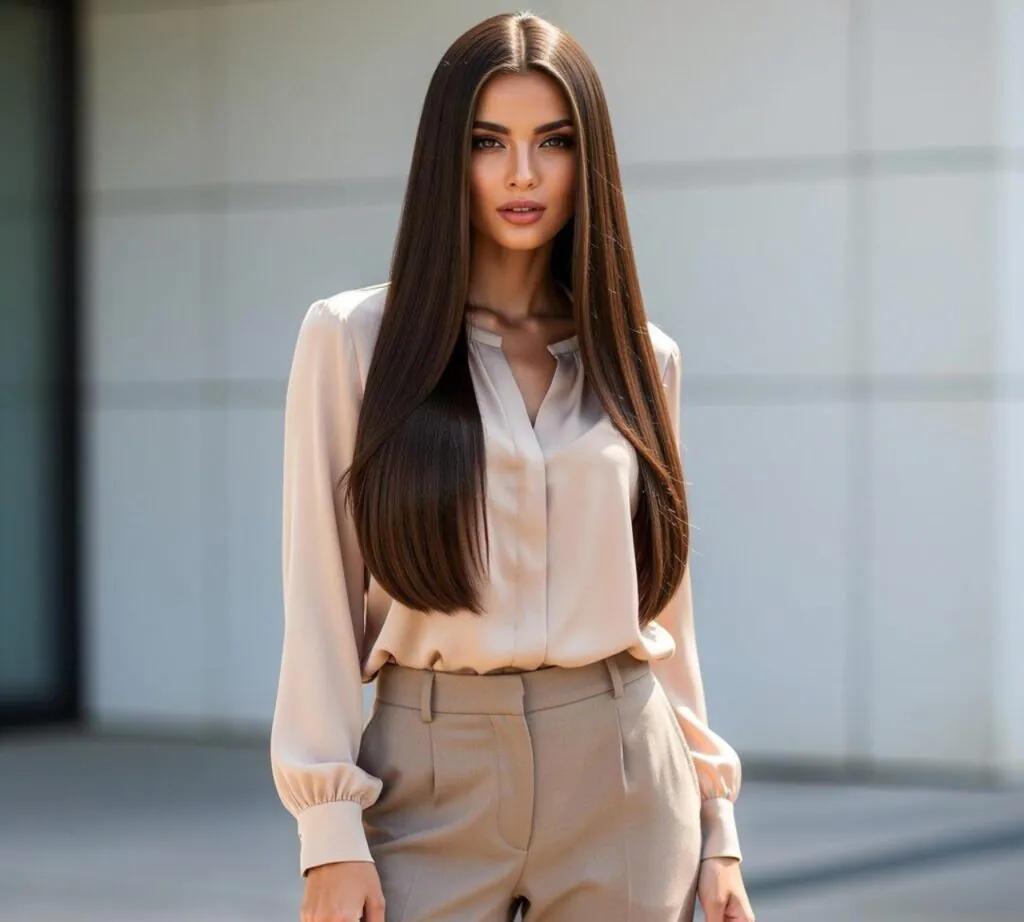
Long thick hair blow-dried completely smooth and straight creates a dramatically sleek, glass-like finish that channels the density into a polished, sophisticated silhouette rather than allowing it to expand outward into unwanted volume. This style works on straight to wavy thick textures most effectively, requiring a paddle brush, high-powered dryer, and section-by-section technique to achieve genuine smoothness. Oval and oblong face shapes look particularly striking with this sleek, high-shine result. A quality heat protectant applied before drying prevents the cumulative damage that frequent heat use on thick hair can cause over time. Finishing with a small amount of shine serum through the ends seals the cuticle and maintains the glass-like surface through humidity.
12. Twisted Updo for Long Thick Hair
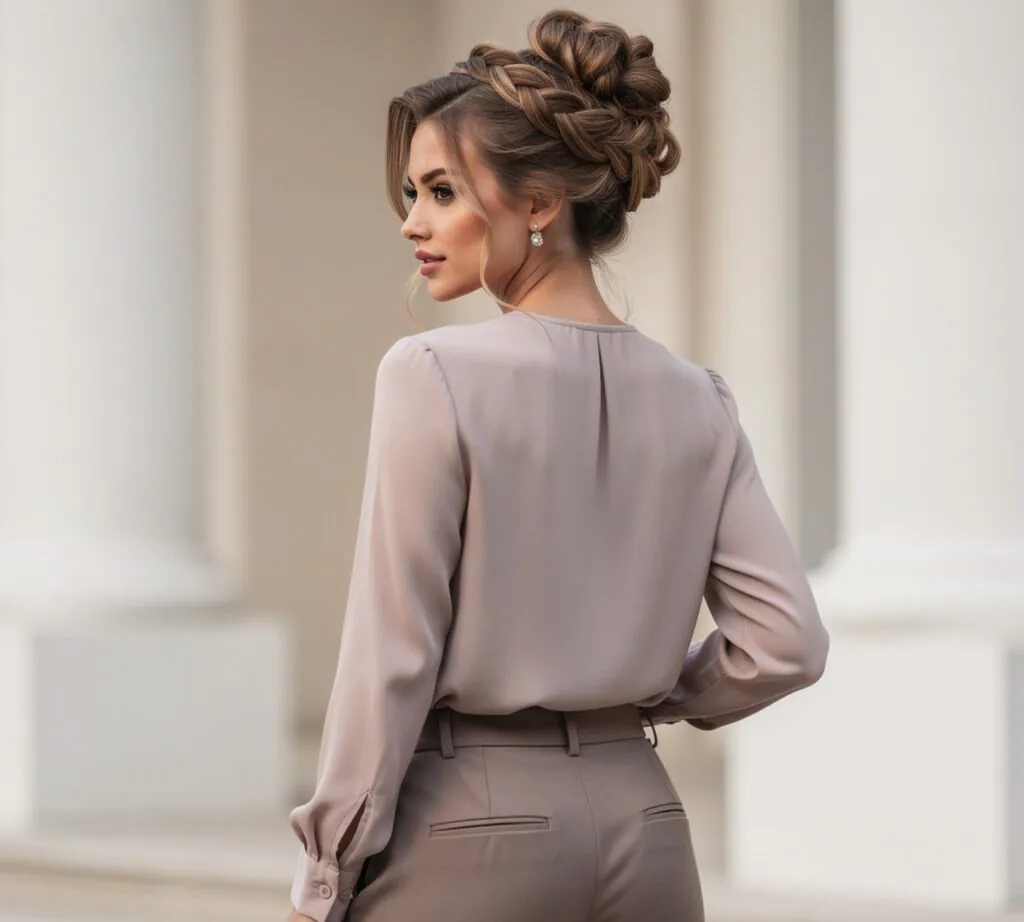
A twisted updo divides thick hair into multiple sections, twists each independently, then pins them together at the back of the head in a gathered, multi-textured arrangement that manages bulk by distributing it across several structured components rather than attempting to contain it in one place. This style suits every thick texture from straight to curly and flatters every face shape equally. People attending weddings, formal events, or important social occasions consistently choose twisted updos for their ability to transform long thick hair’s density into a genuinely impressive, sculptural finish that thinner hair cannot replicate. Securing each twist with multiple pins hidden beneath the arrangement prevents individual sections from releasing under the weight of surrounding density.
13. Thick Fishtail Braid for Long Thick Hair
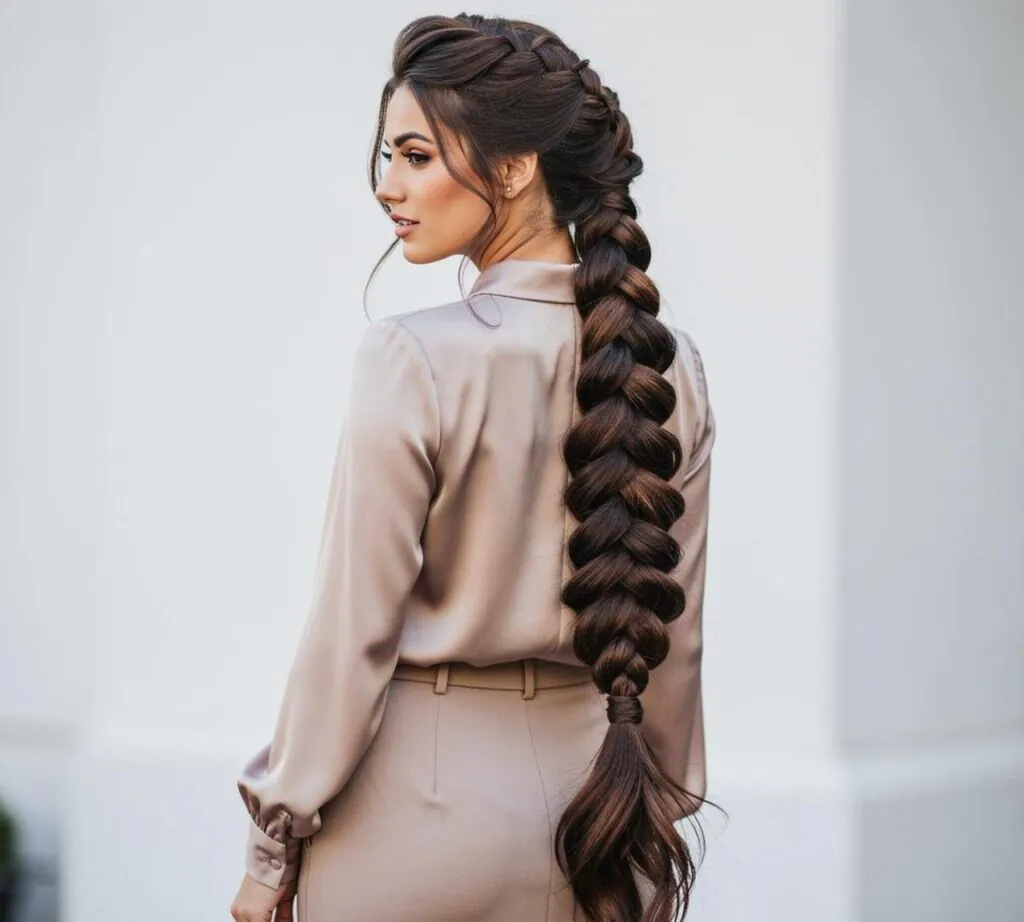
The fishtail braid’s small, alternating cross-sections create a uniquely detailed, almost woven surface texture that looks far more intricate and deliberate than a standard three-strand braid, and long thick hair makes the finished fishtail appear genuinely luxurious due to the sheer density each small section contains. This style suits straight to wavy thick textures most clearly and flatters oval and heart face shapes particularly well. People wanting a statement style for outdoor events, casual days, or social occasions favor the fishtail specifically for its impressive visual result relative to the straightforward technique it actually requires. Gently pulling the sides of each completed section outward widens and puffs the braid into an even fuller, more dramatic finished appearance.
14. Long Thick Hair with Balayage Color for Long Thick Hair
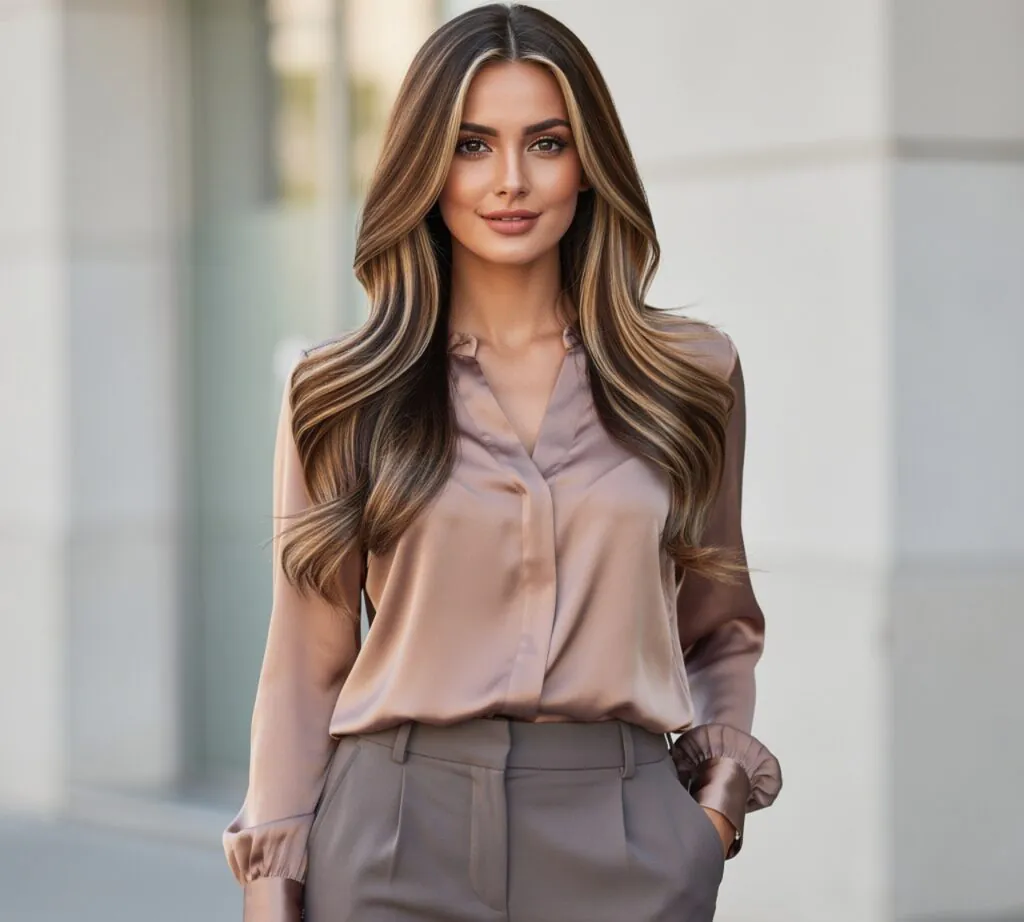
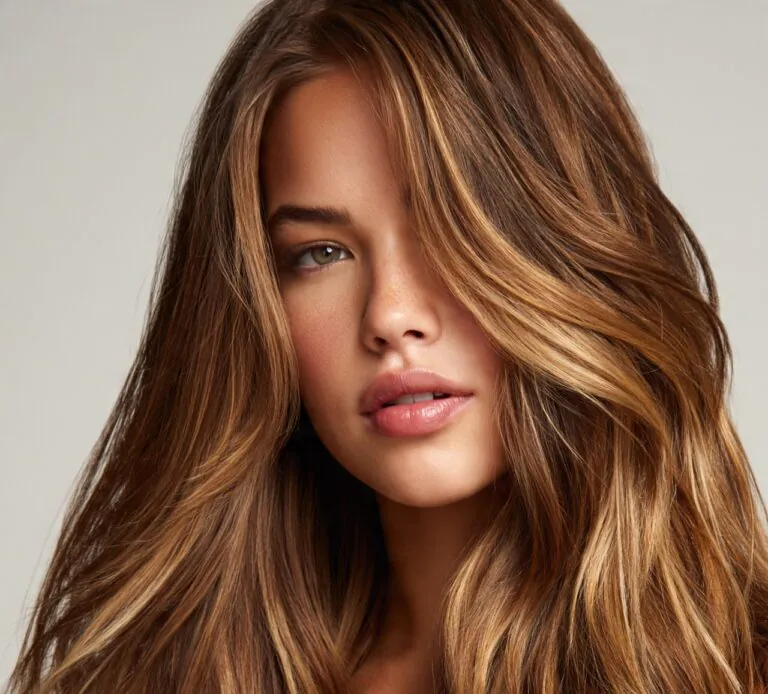
Balayage hand-painted color adds dimension throughout long thick hair’s density, breaking the visual mass into lighter and darker zones that create the perception of movement and depth even when the hair itself remains completely still. Straight or gently wavy thick hair showcases balayage most clearly since the smooth surface allows color gradients to read distinctly from root through ends. Every face shape benefits from the face-brightening effect well-placed balayage creates near the front sections. People wanting a low-maintenance color approach favor this technique since the soft, painted transition grows out naturally without harsh demarcation lines. A monthly conditioning gloss treatment and weekly sulfate-free washing maintain both the color vibrancy and the softness that thick hair needs to remain manageable.
How to Choose the Right Hairstyle for Long Thick Hair
Choosing the right hairstyle for long thick hair starts with understanding which styles actively manage bulk versus which ones simply ignore it and allow the density to create unwanted heaviness or width. Layered cuts, thinning techniques, braids, and twisted styles all manage bulk purposefully, redirecting density into structure or movement. Completely blunt, one-length cuts without layering, while flattering on thinner hair types, often create a triangular, bottom-heavy silhouette on thick hair that no amount of daily styling fully corrects. Discussing thinning and layering options specifically with your stylist ensures the cut itself does most of the managing work before styling even begins.
Your specific thick texture also shapes which styles translate most effectively from a reference photo to your actual hair. Thick straight hair suits sleek blowouts, Dutch braids, and low buns particularly well. Thick wavy hair shines in wolf cuts, shag cuts, and fishtail braids that embrace rather than suppress natural movement. Thick curly hair benefits most from cuts that remove weight without disrupting curl pattern, favoring twisted updos and naturally worn styles over anything requiring extensive heat straightening to achieve.
Best Cuts and Styling Approaches for Long Thick Hair
Fine hair looks for ways to add volume that thick hair already has in abundance, meaning thick-haired styling focuses almost entirely on the opposite priority, managing, directing, and reducing bulk rather than building it. Long layers with internal thinning represent the single most impactful technical decision for long thick hair, since this approach works at the cut level rather than relying on daily styling effort alone. Face-framing pieces cut specifically to the individual’s face shape draw attention toward features while the thinned underlayers reduce the visual mass that often overwhelms facial proportions on thick-haired people.
Styling products for long thick hair should be lightweight, since heavier creams and serums add weight to already-dense strands that can become difficult to lift or move. Mousse, light texturizing sprays, and volumizing serums that enhance without weighing down suit thick hair far better than rich butters or heavy smoothing creams designed for drier, finer textures. Finishing sprays with flexible rather than stiff hold also maintain thick hair’s natural movement without stiffening the density into an immovable mass.
Styling and Maintenance Tips for Long Thick Hair
Long thick hair requires consistent deep conditioning to stay soft and manageable, since the sheer density of strands means moisture distributes more slowly from roots through ends compared to finer textures. Weekly deep conditioning treatments prevent the dryness that can make thick hair feel coarse, resistant to styling, and prone to frizzing on the outer surface. Washing every two to three days rather than daily maintains the natural oil balance that thick hair needs to remain cooperative and supple without becoming heavy or flat at the roots.
Blow-drying thick hair section by section, starting from the underneath layers upward, ensures each section dries fully rather than leaving damp interior strands that cause hidden frizz and heaviness hours after styling. Regular trims every eight to ten weeks prevent split ends from traveling upward through dense strands, which can create unexpected texture inconsistencies that disrupt otherwise clean styles. A wide-tooth comb used on conditioned, wet hair detangles without breakage far more effectively than a brush on wet thick strands, which tend to tangle significantly more densely when saturated with water.
How to Ask Your Hairstylist for This Look
Walking into a salon with long thick hair and communicating precisely what you need takes a slightly different approach than for thinner textures, since the specific tools and techniques your stylist uses matter significantly more when managing genuine density. Save reference photos from this article or your Pinterest board before your appointment, since showing photos alongside clearly stating that you have thick hair helps your stylist calibrate exactly how much thinning, layering, or bulk removal to incorporate into the cut. Without that context, even an experienced stylist may under-thin the first time, requiring a follow-up visit sooner than necessary.
Ask specifically about whether the stylist will use thinning shears or point-cutting techniques, since different bulk-removal methods produce different finished textures and asking directly ensures you understand what the cut involves before it begins. Discussing how the style will behave as it grows between appointments helps you anticipate when the weight starts returning and schedule your next visit accordingly. Asking direct questions like “will this layering prevent the triangle shape as it grows” or “how much thinning do you recommend for my density” ensures every appointment produces a result that genuinely works for your specific texture rather than a generic version of the style.
Frequently Asked Questions
What is best for hairstyles for long thick hair?
Long layers with internal thinning throughout the mid-lengths and ends represent the single most effective haircut for long thick hair, since this approach removes bulk at the source rather than relying on daily styling alone. Wolf cuts and shag cuts offer equally effective alternatives for people wanting a more textured, expressive finished silhouette with built-in bulk management through comprehensive layering.
How do I stop long thick hair from looking too heavy?
Internal thinning at the salon removes weight most effectively at the source, while lightweight styling products prevent additional heaviness from accumulating daily. Blow-drying in sections rather than all at once lifts each layer properly and prevents the dense underneath from dragging the styled surface downward throughout the day. Choosing styles like braids and twisted updos that manage bulk structurally also visually reduces the perception of heaviness considerably.
Does thick hair need more frequent trims?
Long thick hair generally benefits from trims every eight to ten weeks rather than the twelve-week schedule thinner hair sometimes tolerates, since dense strands develop split ends that travel upward faster through the sheer volume of individual hairs involved. Regular thinning refreshes between full trims can also help manage returning bulk before it becomes visually overwhelming or difficult to style comfortably again.
What products work best for long thick hair?
Lightweight mousses, flexible-hold texturizing sprays, and lightweight leave-in conditioners suit long thick hair best, since these add control and definition without adding the weight that heavier butters and rich creams create on already-dense strands. Avoiding silicone-heavy products also prevents buildup that can make thick hair feel progressively heavier and more difficult to style between clarifying washes.
Can long thick hair be worn straight easily?
Yes, though achieving genuinely sleek straight results on long thick hair requires section-by-section blow-drying with a paddle brush, followed by a flat iron through small sections for full smoothness. A strong heat protectant is non-negotiable, since thick hair often requires higher heat settings or longer tool contact to achieve complete smoothness, increasing the cumulative heat exposure significantly compared to thinner textures.
What styles should thick hair avoid?
Completely blunt, one-length cuts without any layering or thinning tend to create a triangular, bottom-heavy silhouette on long thick hair that daily styling struggles to correct. Very tight, sleek styles without any internal thinning can also make density appear overwhelming rather than impressive. Styles that add volume at the sides specifically, rather than directing it upward or backward, may also emphasize width in ways that feel less flattering for people with rounder face shapes.
Final Thoughts
Long thick hair represents one of the most genuinely enviable textures in the entire hair spectrum, offering natural fullness, impressive braid volume, and luxurious density that other hair types spend significant money trying to replicate through extensions and volumizing treatments. The key to loving your thick hair lies in choosing cuts and styles that direct its density purposefully rather than simply attempting to contain it, working with your specific texture honestly, and communicating clearly with your stylist about thinning and layering needs. Save your favorites, bring clear references to every appointment, and start seeing your thickness as the remarkable advantage it genuinely is.