14 Long Pixie Hairstyles That Look Soft, Chic, and Easy to Style
Scrolling through Pinterest, searching “long pixie hairstyles,” somewhere between wanting to chop everything off and needing reassurance that a shorter cut can still feel versatile, feminine, and genuinely flattering? You’re definitely not alone in that search. Most hairstyle sites show a wall of photos with zero explanation of which pixie length suits which face shape, which version requires daily styling versus almost none, or how to grow one out gracefully. This article takes a completely different approach. You’ll get honest explanations behind each style, clear guidance on who it suits, and practical advice so you can walk into your next salon appointment knowing exactly what to ask for.
14 Long Pixie Hairstyles
. The fourteen styles below cover a wide range of textures, face shapes, and lifestyle needs, so whether you’re making the chop for the first time or looking to evolve an existing pixie, you’ll find several looks worth saving before your next visit.
1. Classic Long Pixie with Side Sweep
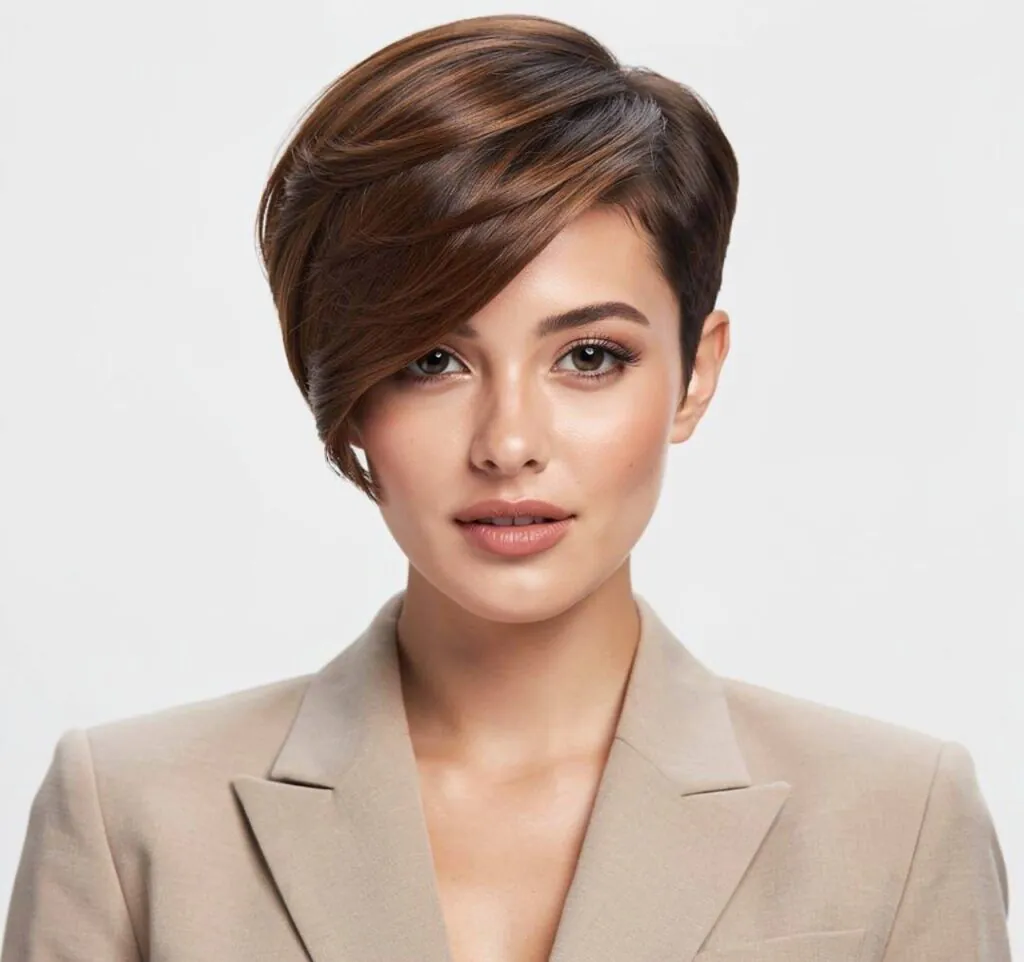
The classic long pixie keeps significant length on top, typically between two and four inches, while tapering the back and sides short for a clean, polished contrast. The top length gets swept to one side, creating a soft diagonal line that frames the forehead beautifully. This style suits oval, heart, and square face shapes particularly well, since the side sweep introduces a gentle asymmetry that softens strong angles. Straight to wavy hair holds this swept shape most easily throughout the day. A small amount of pomade worked through damp hair, then combed to one side and blow-dried, locks the sweep in place without stiffness or excessive shine.
2. Long Pixie with Textured Top
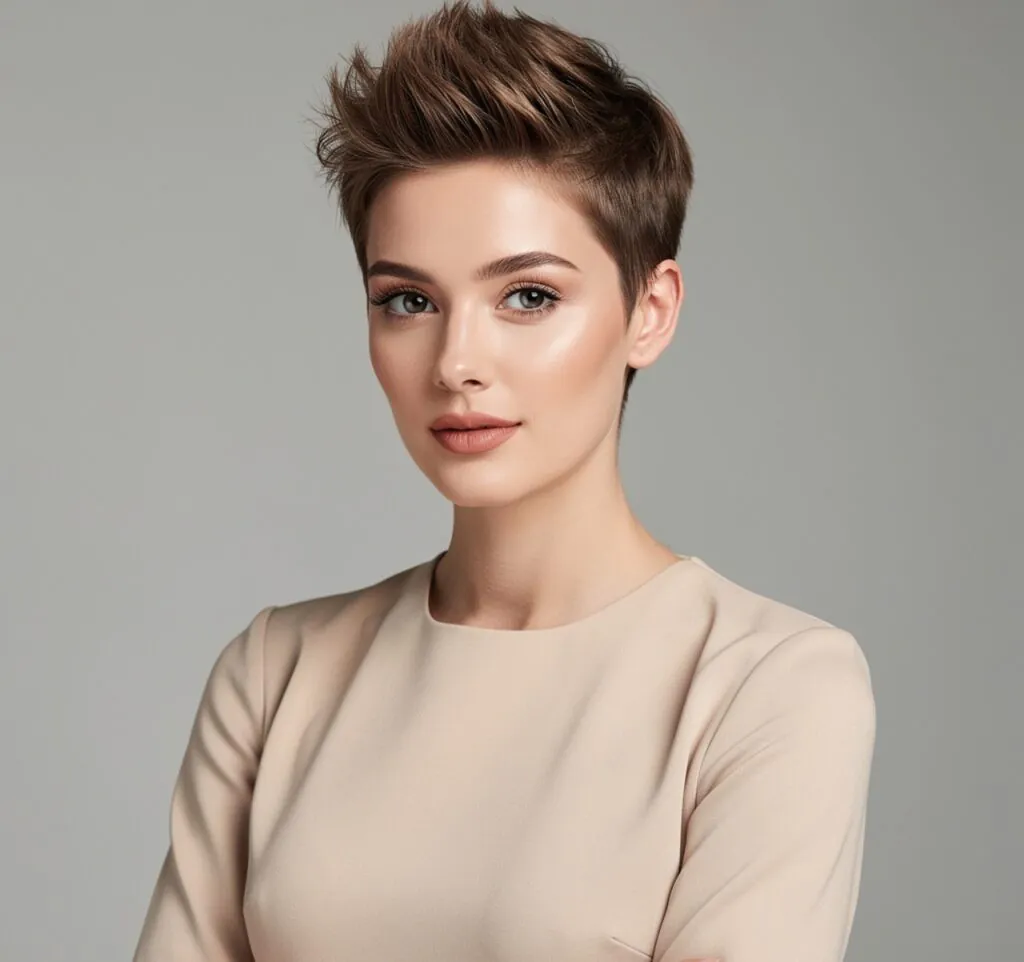
Rather than lying flat or swept, the top section of this variation gets styled upward and tousled for a deliberately undone, rock-inspired finish. This style suits straight and wavy hair types particularly well, since both textures respond to texturizing paste without becoming overly frizzy or flat. Square and oval face shapes benefit from the added height this tousled top provides, drawing the eye upward and creating a dynamic silhouette. People drawn to an edgy, expressive aesthetic gravitate toward this version consistently. Working a small amount of matte paste through dry fingertips and scrunching upward through the top section creates the effortlessly textured finish this variation relies on.
3. Long Pixie with Curtain Bangs
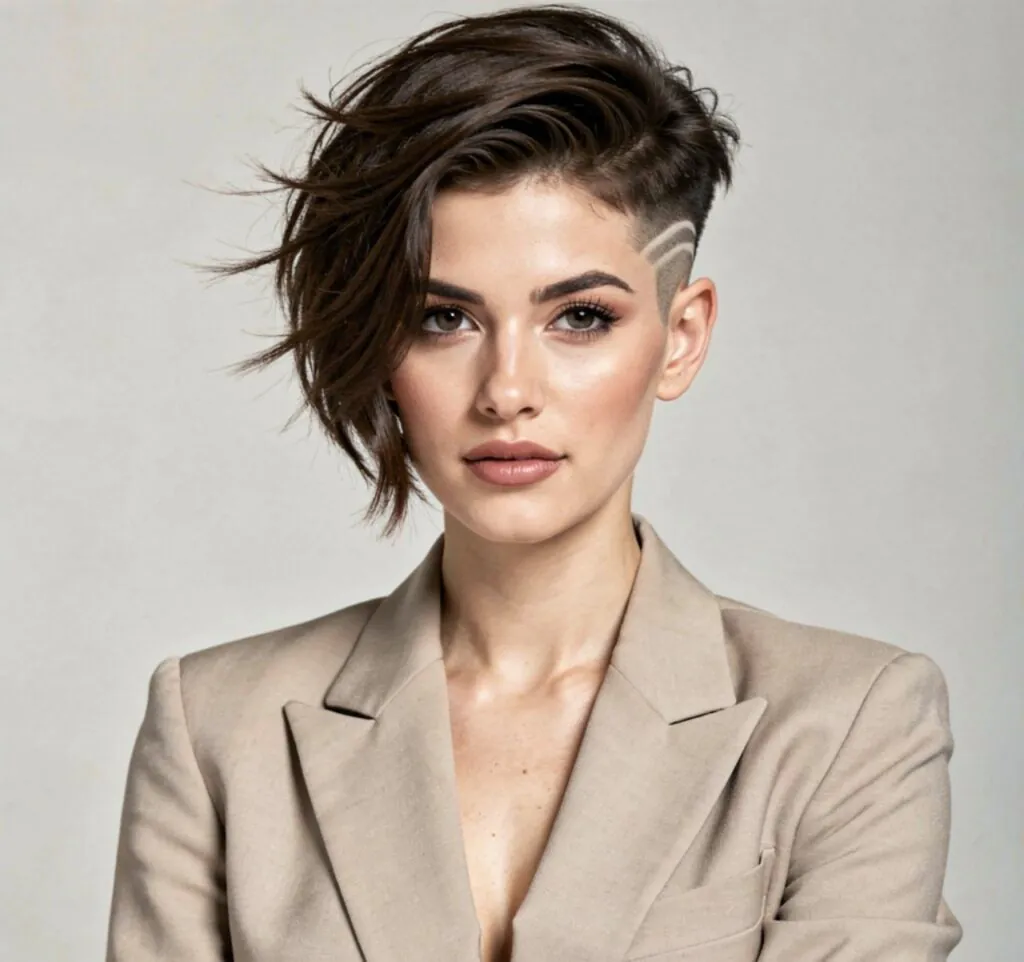
Curtain bangs on a long pixie sweep gently outward from a center part, framing the forehead and cheekbones while the rest of the top remains longer and slightly tousled. This detail suits round, square, and long face shapes equally well, since the outward sweep creates soft horizontal width without adding bulk. Straight to lightly wavy hair handles this combination most naturally, requiring only a round brush and quick blow-dry to achieve the swept shape. People wanting a softer, more romantic take on the traditional pixie often choose this variation. A light-hold spray preserves the curtain shape through wind and movement without making bangs look stiff or overdone.
4. Long Pixie with Undercut
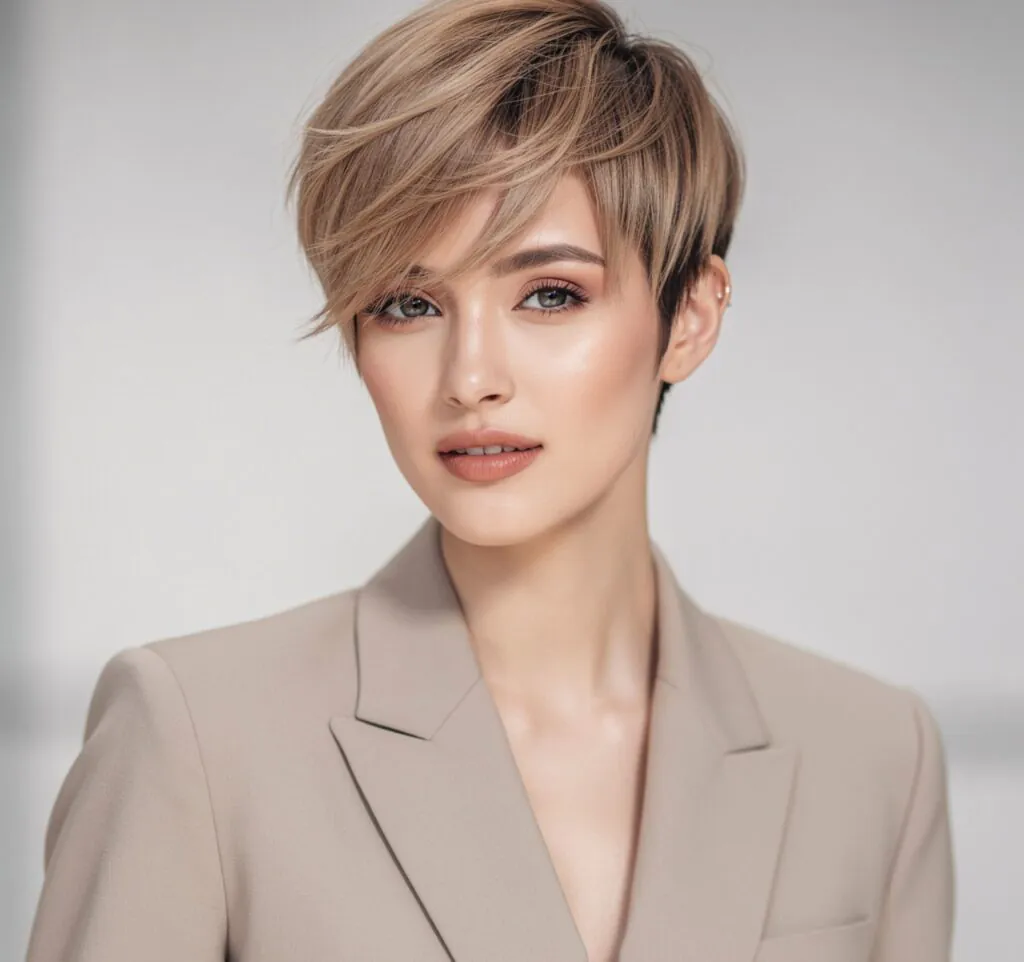
This variation pairs a dramatically tapered or shaved section beneath the longer top, creating bold contrast between the buzzed sides and the flowing length above. The undercut suits thick or medium hair types especially well, since the top needs enough density to look substantial against the closely cut sections beneath. Diamond and oval face shapes look particularly striking with this contrast, since the clean sides expose facial structure beautifully. People drawn to an edgy, fashion-forward aesthetic consistently choose this version. Regular trims every three to four weeks on the undercut sections keep the contrast crisp and intentional rather than blending awkwardly into the top.
5. Long Pixie with Wispy Bangs
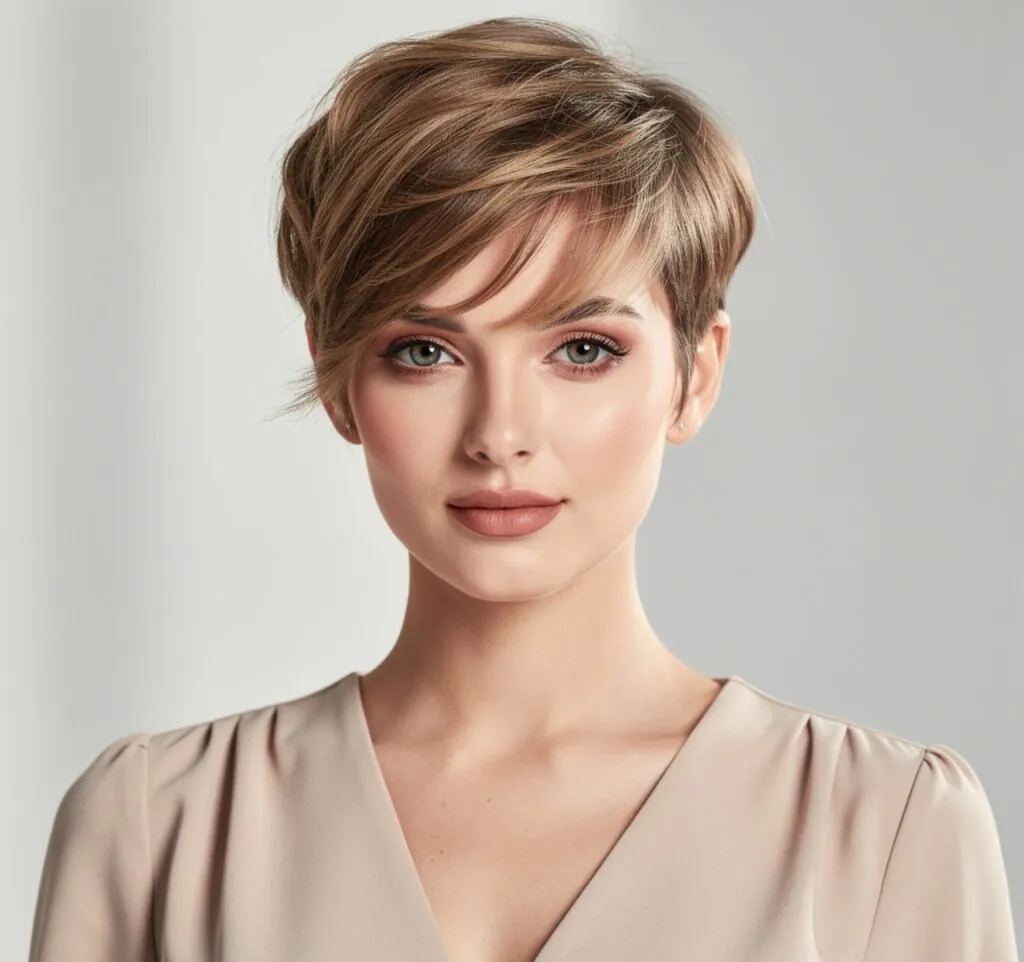
Wispy, feathered bangs on a long pixie fall lightly across the forehead without covering it fully, adding a delicate, vintage-inspired detail that softens the overall look significantly. This style suits fine to medium hair particularly well, since the individual strands need to remain visible and airy rather than clumping together. Round and oval face shapes suit wispy bangs most flatteringly, as the light coverage avoids adding unnecessary weight near the brow line. People wanting a feminine, effortless pixie often choose this delicate fringe variation. A small amount of lightweight serum applied to the tips before blow-drying keeps the wisps defined without becoming stiff or greasy.
6. Long Pixie, Sleek and Polished
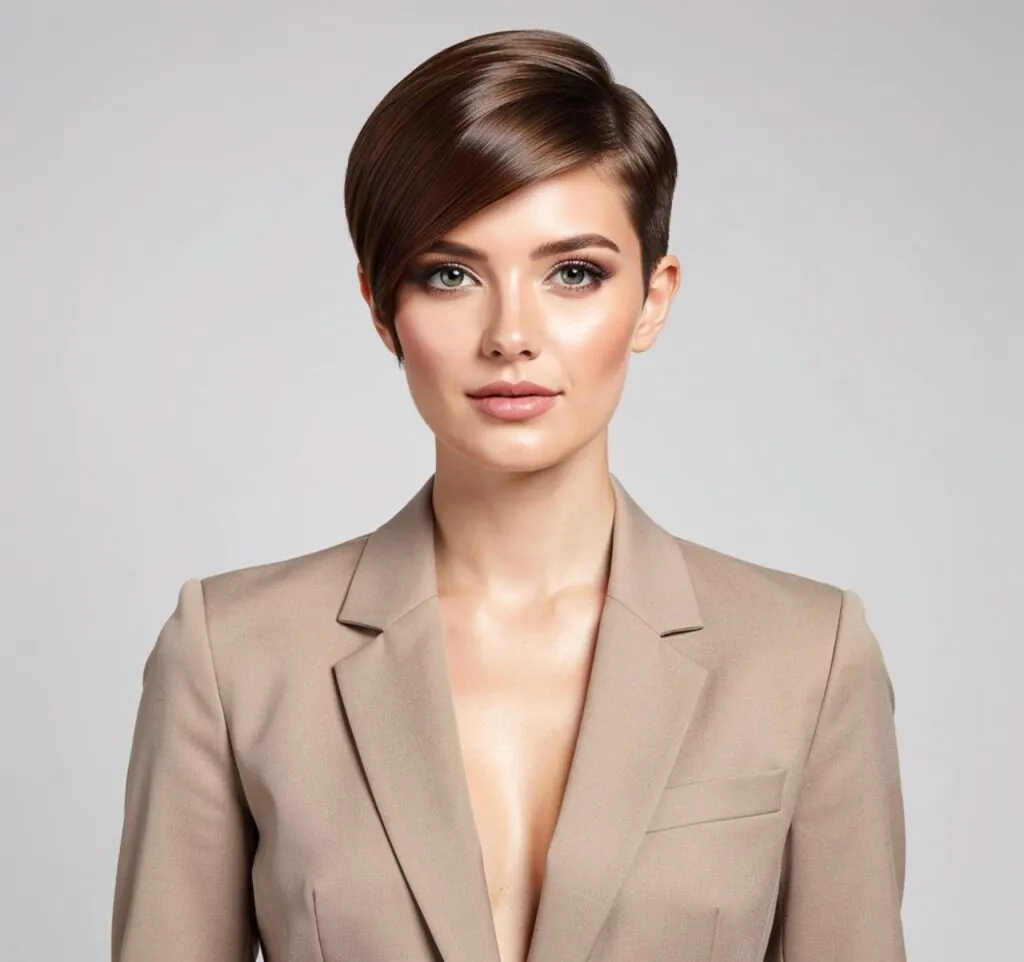
This variation takes the long pixie’s natural silhouette and removes all texture, instead smoothing every section flat and sleek for a polished, professional finish suited to formal occasions or office environments. Straight hair handles this style most effortlessly, since the smoothing technique requires minimal product and heat. Oblong and oval face shapes look particularly refined with this sleek finish, as the lack of texture draws full attention to facial structure. Professionals and minimalists favor this version for important meetings or events. A flat iron used over small sections after blow-drying, followed by a tiny amount of shine serum, creates a mirror-like finish throughout.
To see more options for long hairstyles for boys CLICK HERE
7. Long Pixie with Natural Curls
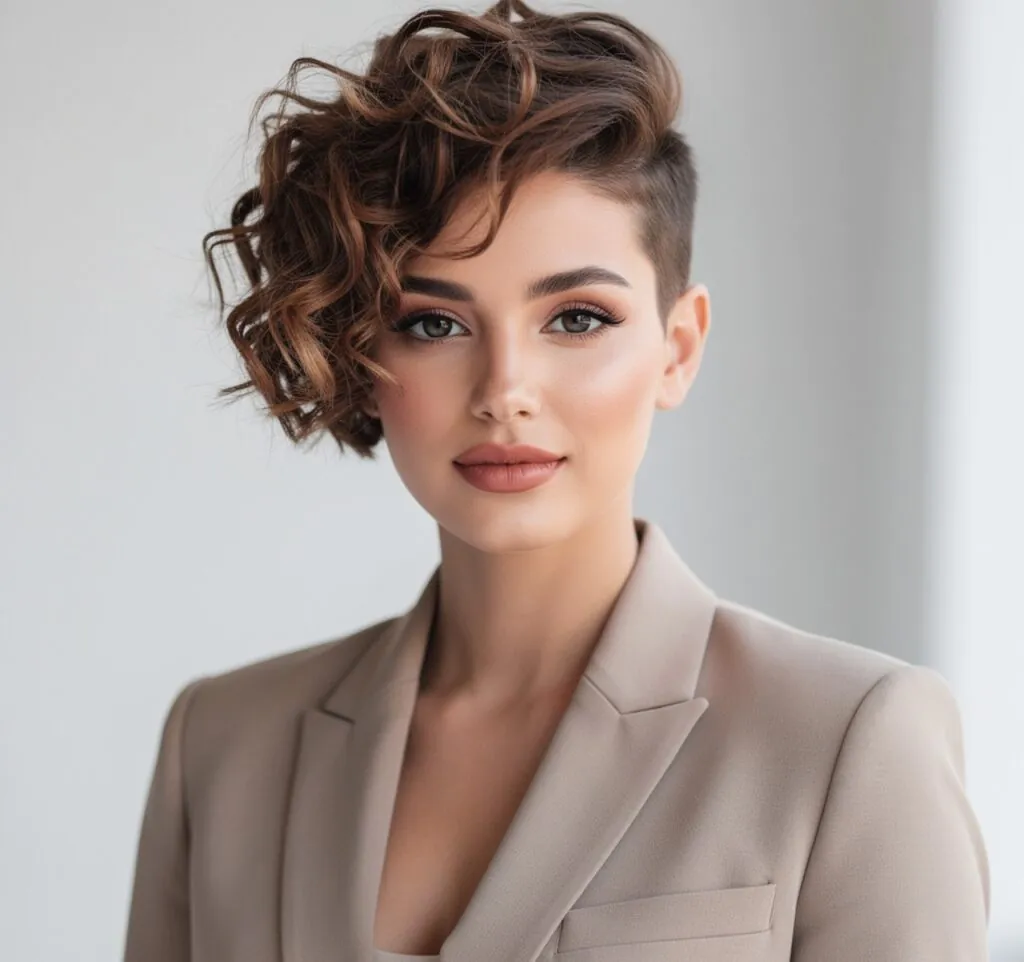
Allowing natural curl pattern to define the longer top sections of a pixie creates voluminous, bold texture that makes this cut look dramatically different from its straight-haired counterpart. This style obviously suits curly and coily hair types best, since the natural spring creates effortless definition without any additional styling tool involvement. Round and heart face shapes benefit from the volume curls add around the temples and cheeks. People embracing their natural texture while wanting a short, manageable cut favor this variation strongly. A curl-defining cream applied to damp sections, combined with diffusing or simply air-drying, keeps curls defined and frizz-free throughout the day.
8. Long Pixie with a Deep Side Part
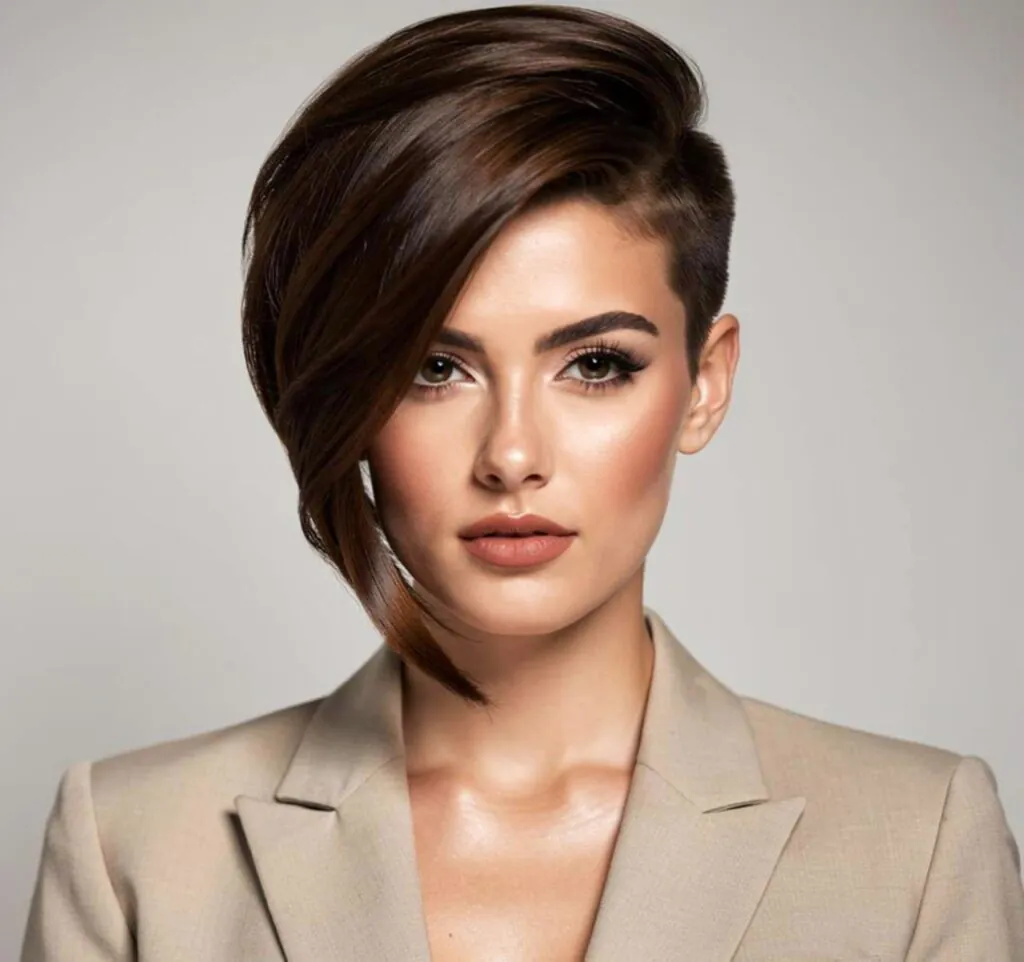
A deeply shifted part on a long pixie creates bold asymmetry, pushing a significant wave or sweep of top length dramatically to one side while the other side stays closely cut. This variation suits straight to wavy hair most easily, since the weighty top section needs to hold its directional shape against the shorter side. Square and round face shapes benefit most, since the dramatic diagonal line breaks up width and softens angles simultaneously. People wanting an Old Hollywood glamour-inspired take on the pixie often choose this deeply parted, swooping variation. Blow-drying the top section toward the heavier side using a round brush creates lasting volume and direction.
9. Long Pixie with Defined Waves
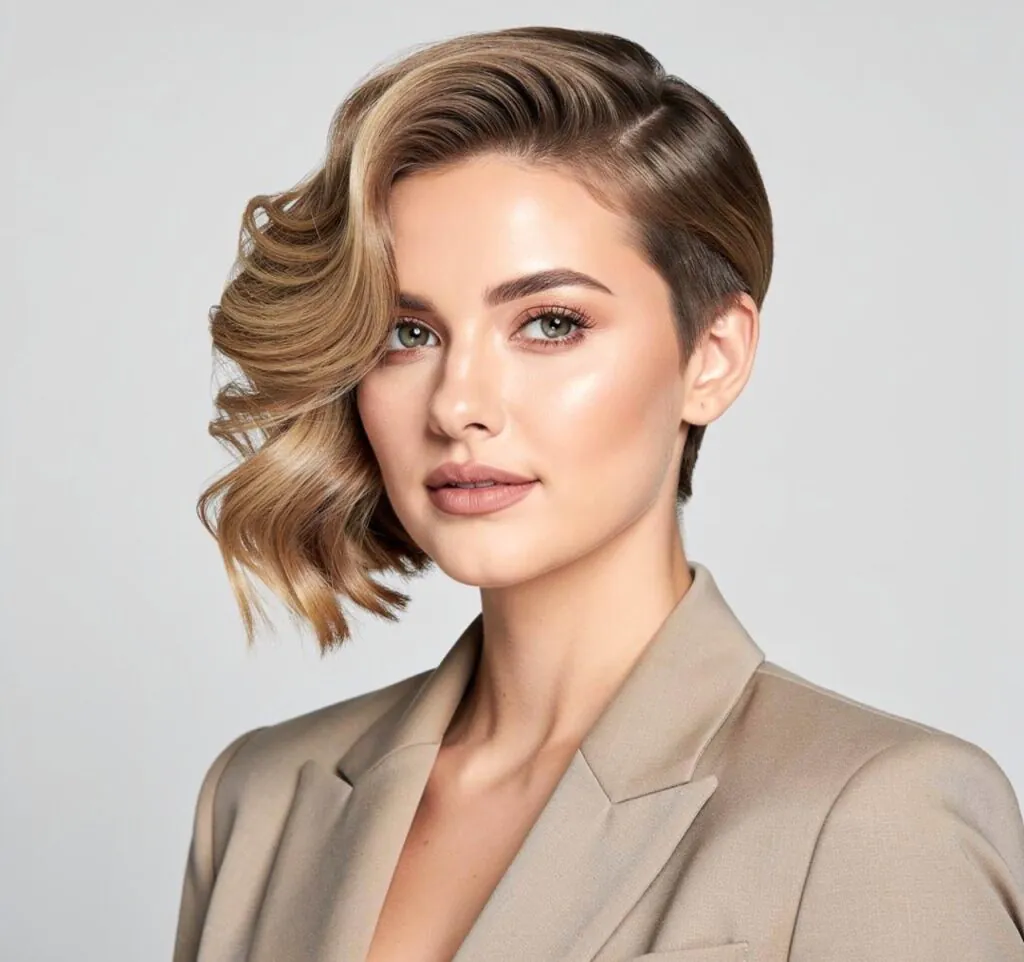
Rather than tousled texture or sleek smoothness, this variation adds defined, structured waves through the longer top section, creating a polished yet feminine finish. Wavy hair types achieve this most naturally, though straight hair can replicate it using a small-barrel curling iron on the top sections. Heart and oval face shapes suit this style particularly well, since the defined waves add romantic softness without excessive volume. People wanting a pixie that transitions easily from workday to evening favor this more refined textured variation. A light-hold mousse applied to damp hair before diffusing or waving enhances the wave definition and longevity throughout the day.
10. Long Pixie with Tapered Neckline
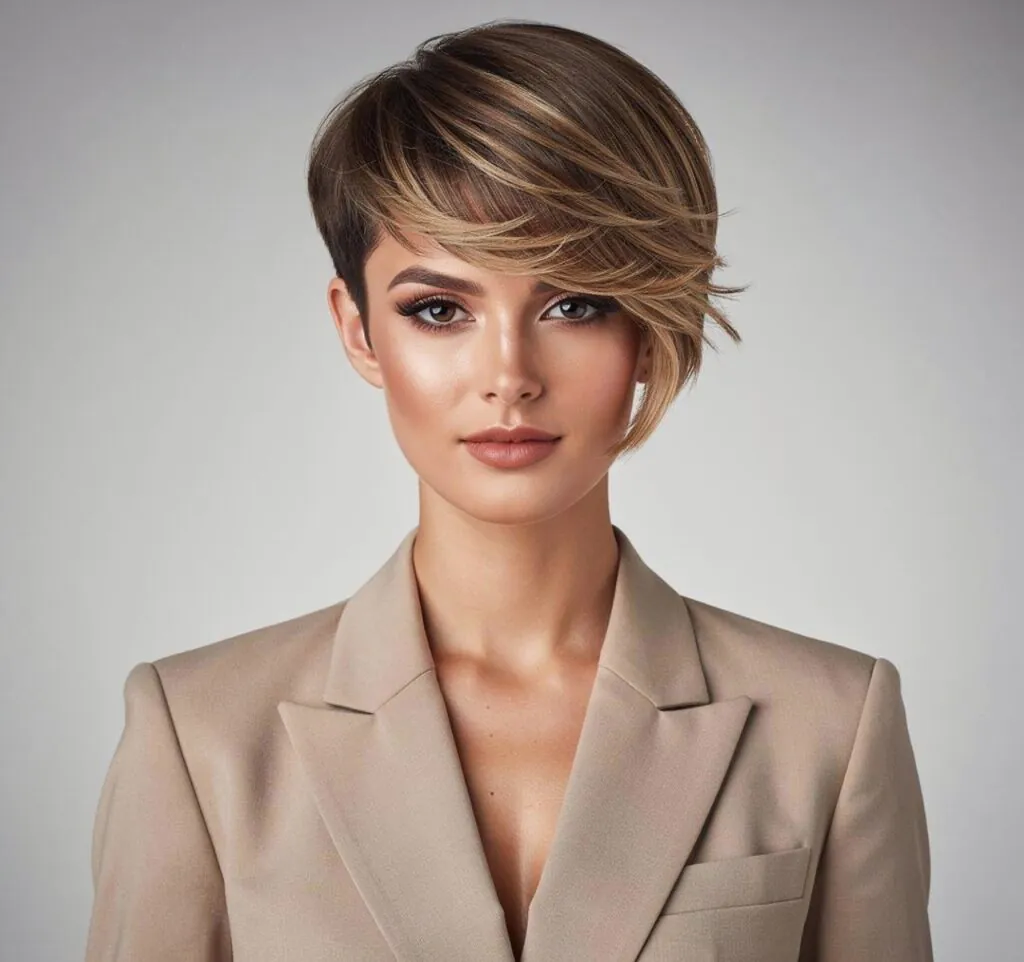
A tapered neckline carefully fades the hair shorter and shorter toward the neck, creating a clean, precise finish at the back that elevates the entire cut’s overall polish. This technical detail suits every hair type and complements every face shape, since the tapering happens behind the head rather than framing facial features. People wanting a long pixie that looks immaculate from every angle, including from behind, favor this neckline style. Regular trims every three to four weeks maintain the taper’s precise fade, preventing the back from growing out into an uneven, undefined shape that undermines the clean silhouette.
11. Long Pixie with Bold Color
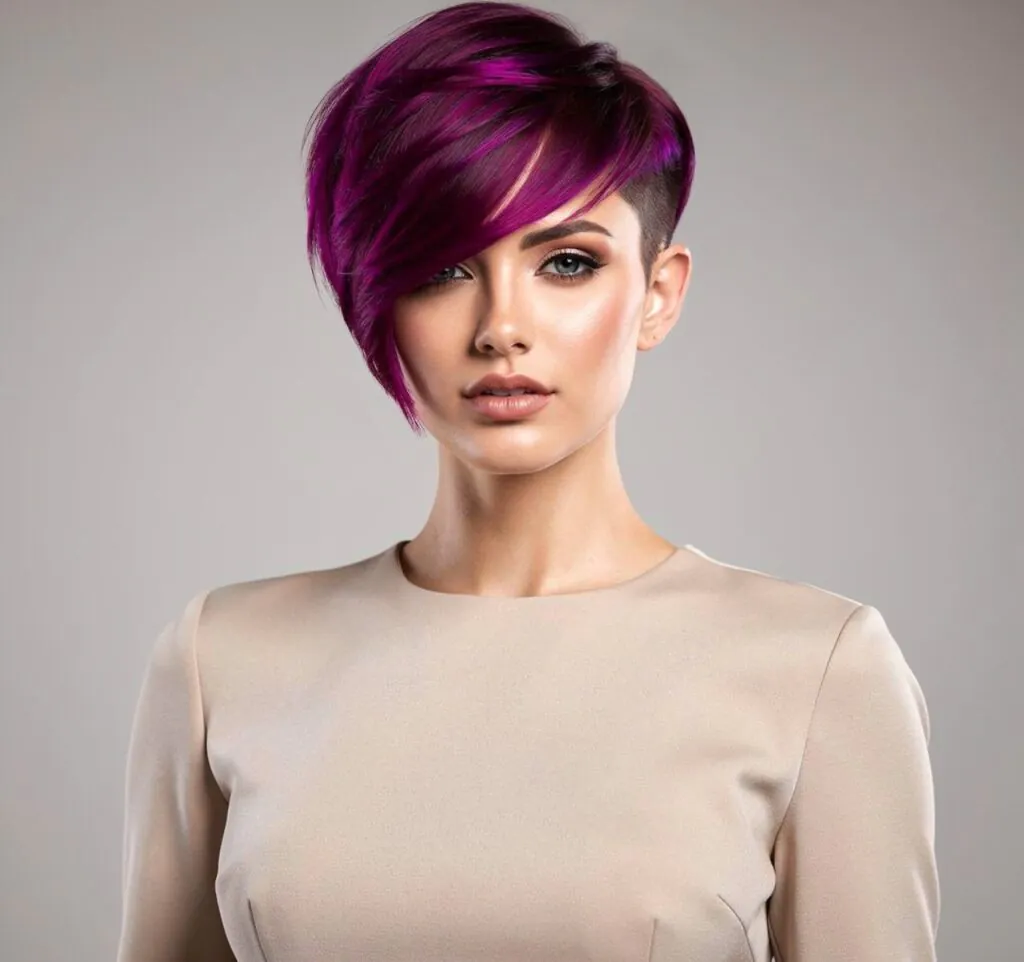
Pairing a long pixie with a bold, statement color, whether a vivid fashion shade, a rich deep tone, or a bleached platinum finish, amplifies the cut’s natural edge and confidence dramatically. Short hair showcases color particularly well since the eye travels across the entire head quickly, meaning every tone and highlight reads clearly without competing length. Every face shape can wear bold color on a pixie, since the color itself doesn’t alter proportions. People making a lifestyle or identity statement often combine this cut with adventurous color. A color-protecting shampoo and weekly toning treatment maintain vibrancy between salon appointments.
12. Long Pixie, Grown-Out and Shaggy
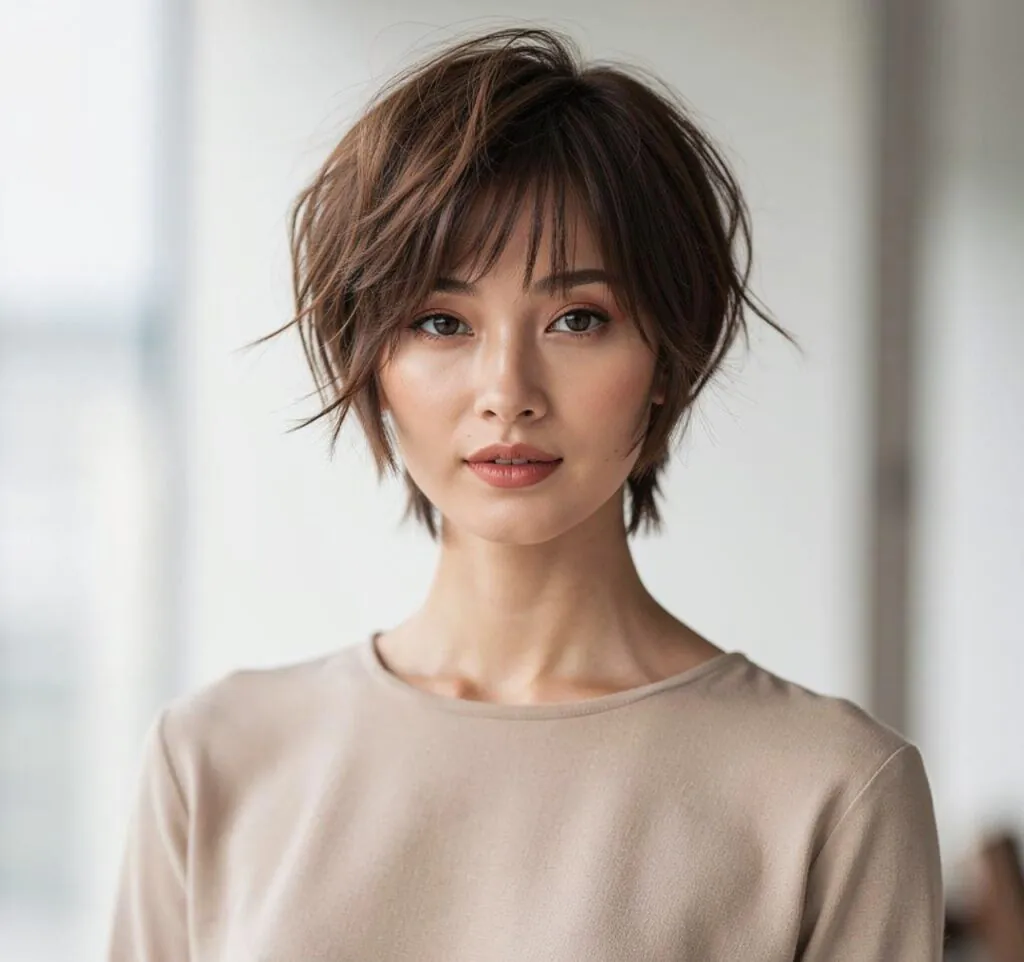
As a long pixie grows beyond its original shape, a deliberately shaggy, lived-in approach embraces the in-between length rather than fighting it, creating a relaxed, bohemian variation. This style suits wavy and curly textures most naturally, since the natural movement fills out the growing sections without looking unintentionally neglected. Oval and heart face shapes handle this looser silhouette particularly well. People growing a pixie into a longer style often adopt this approach to maintain a finished, intentional look during the transition. Light texturizing spray scrunched through dry hair preserves the relaxed, effortless appearance this variation depends on entirely.
13. Long Pixie with Temple Fade
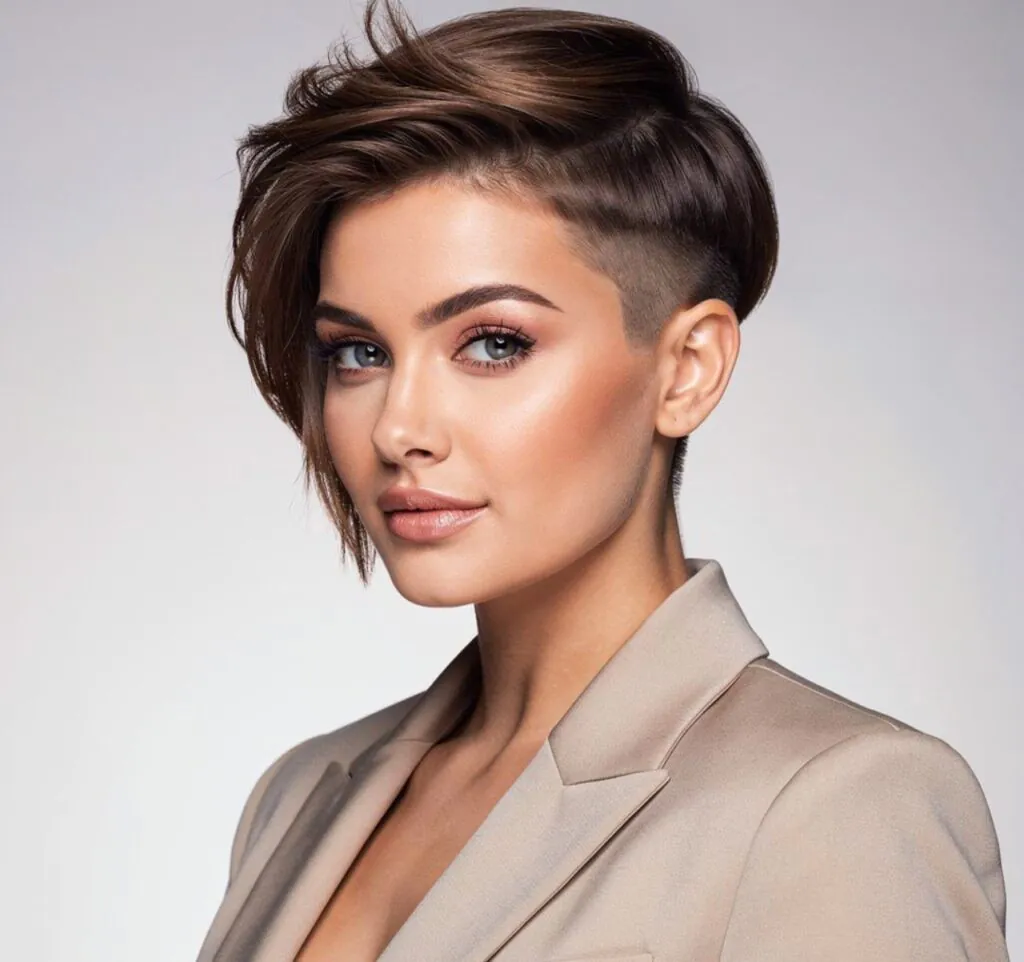
A temple fade shaves or closely buzzes the hair directly above and around the ears, blending into the longer top section through a gradual fade that creates a sharp, modern finish. This variation suits medium to thick hair particularly well, since the top needs enough density to contrast effectively with the faded temple areas. Diamond and square face shapes look striking with this precise detailing, as the clean fade exposes bone structure near the temples. People wanting a more barbershop-influenced, contemporary pixie favor this technically detailed variation. Maintaining the fade requires visits every two to three weeks to prevent the blended sections from growing out unevenly.
14. Long Pixie with Layers Throughout
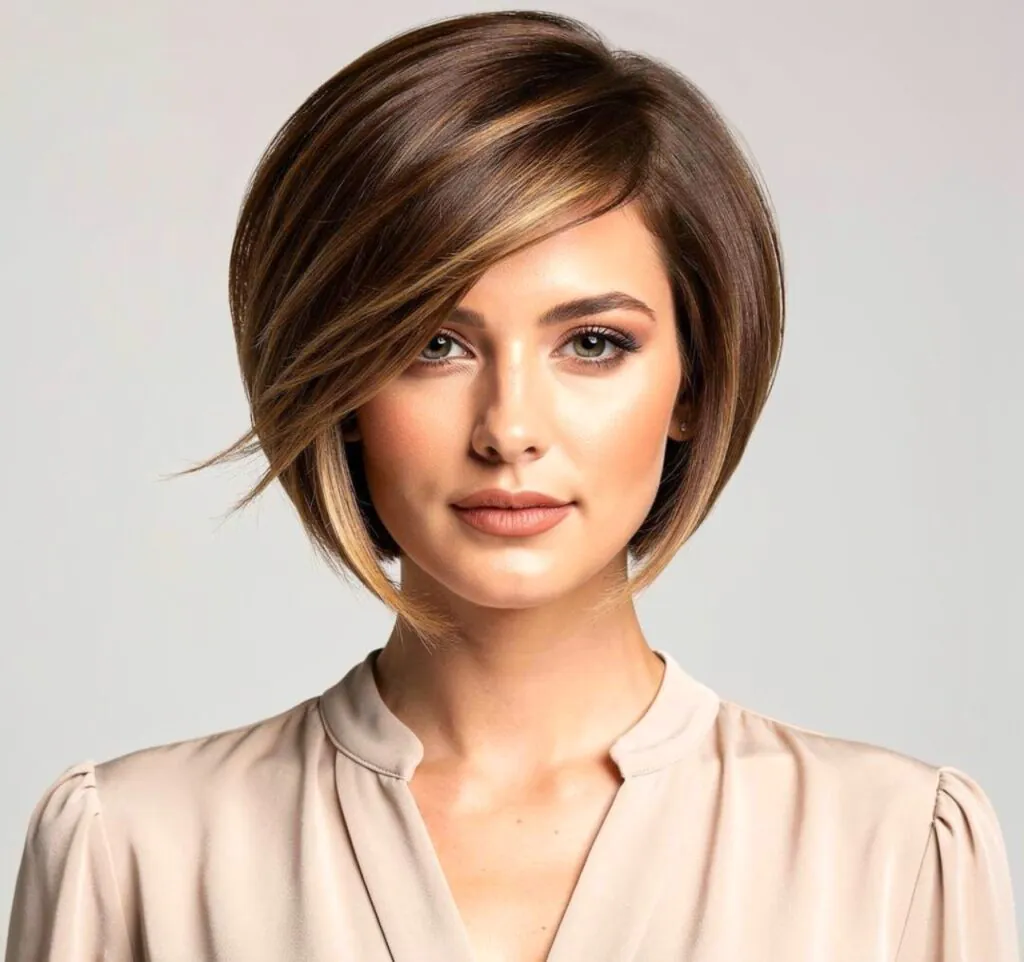
Adding layers throughout every section of the long pixie, rather than simply keeping the top long and the sides short, creates a softer, more blended silhouette that moves fluidly rather than sitting in one fixed shape. This style suits fine to medium hair particularly well, since the layers add movement and volume without requiring a dramatic length difference between sections. Round and oval face shapes handle this softer version most flatteringly. People wanting a long pixie that feels less structured and more feminine often choose this thoroughly layered approach. Air-drying with a small amount of curl cream through the tips encourages the layered sections to fall naturally and expressively.
How to Choose the Right Long Pixie Hairstyle
Choosing the right long pixie starts with understanding your face shape honestly, since this cut frames the face far more directly than longer styles that allow for covering or softening through extra length. Oval faces have the widest flexibility across every variation, while round faces benefit from added height through tousled or upswept tops. Square faces soften beautifully with side sweeps, curtain bangs, or wispy fringe, while heart faces suit slightly fuller sides that balance a pointed chin. Long faces benefit from width-adding texture or waves rather than sleek, close-cut finishes that emphasize length further.
Your natural texture plays an equally critical role, since a long pixie dramatically showcases whatever texture your hair naturally produces at short lengths. Curly or wavy hair often surprises people by thriving in a long pixie, since the natural volume fills out the top section beautifully. Straight hair offers the most styling versatility, since it can be swept, tousled, or slicked depending on the occasion. Being honest with your stylist about your texture, your daily styling tolerance, and your desired maintenance frequency ensures the variation they cut actually suits your real life rather than just a single reference photo.
Best Hair Types and Face Shapes for a Long Pixie
Fine hair typically benefits most from layered or textured variations, since these approaches add the illusion of density that fine hair naturally lacks. Thick hair handles undercuts, tapered necklines, and bold shaved details well, since the density provides enough top volume to contrast dramatically with shorter sections. Curly and coily textures suit natural, defined, or shaggy variations most authentically, since fighting natural texture in a short cut requires far more daily effort than simply embracing it.
Regarding face shapes, oval faces suit every variation listed above without adjustment. Round faces look most balanced with height at the crown and shorter sides. Square faces soften with wispy or curtain bangs and side sweeps. Heart faces balance with slightly fuller temples or defined waves. Long faces benefit from width at the sides or across the top rather than close-cut, sleek finishes that extend the visual length further downward.
Styling and Maintenance Tips for a Long Pixie
A long pixie requires more frequent salon visits than longer styles, since the shorter sections grow noticeably faster relative to the overall length. Most variations need a trim every four to six weeks to maintain the shape, contrast, and intention of the original cut. Going longer between appointments allows the sides and back to grow out of proportion with the top, creating an undefined, in-between look that loses the pixie’s characteristic sharpness.
Daily styling typically takes far less time than most people expect before getting their first pixie, since the shorter overall length dries faster and requires product only on the top section. Matte texturizing paste for tousled styles, pomade for swept or slick finishes, and curl cream for natural textures cover the three main styling scenarios most long pixie variations call for. A quality dry shampoo extends the time between washes comfortably, since shorter hair tends to show oil near the roots faster than longer styles do.
How to Ask Your Hairstylist for This Look
Asking clearly and specifically for a long pixie makes an enormous difference in the result, since “long pixie” alone covers a wide spectrum of lengths, textures, and technical details. Save reference photos from this article or your Pinterest board before your appointment, since showing your stylist exactly what length you want on top, how short you prefer the sides, and what the neckline should look like eliminates guesswork entirely. Mention your natural texture upfront, since a skilled stylist adjusts the cut specifically for how your hair actually behaves rather than how it appears in a photo.
Discuss maintenance expectations honestly, including how often you’re willing to come in for trims and how much time you spend styling each morning. Some variations, like the undercut or temple fade, demand more frequent visits than a softer, layered version. Asking direct questions like “how short will the sides actually be” or “will I need a flat iron daily for this finish” ensures you leave with a style that genuinely fits into your lifestyle rather than one that looks perfect only on the day you leave the salon.
Frequently Asked Questions
What exactly is a long pixie hairstyle?
A long pixie typically keeps two to four inches of length on top and around the face while tapering the back and sides shorter, sitting between a traditional cropped pixie and a bob in overall length. This longer top section creates versatility for sweeping, tousling, waving, or pinning, while still maintaining the ease and lightness associated with short pixie cuts.
Does a long pixie suit round face shapes?
Yes, a long pixie can absolutely suit a round face shape when styled with added height at the crown and kept closer on the sides. Avoiding too much fullness at cheek level and instead directing volume upward creates elongation that balances round proportions effectively. Tousled tops, swept styles, and wispy bangs all work particularly well for this shape.
How often does a long pixie need trimming?
Most long pixie variations need a trim every four to six weeks to maintain the shape and contrast between the longer top and shorter sides. Undercuts and temple fades require visits every two to three weeks to stay sharp, while softer, layered variations tolerate slightly longer gaps without losing their overall shape entirely.
Can thick hair wear a long pixie comfortably?
Absolutely, thick hair suits a long pixie particularly well when the stylist incorporates texturizing or thinning techniques into the cut. Undercuts, tapered necklines, and shaved sections work especially effectively on thick hair, since the density provides strong contrast against the shorter sections without looking sparse or flat on top.
How do I style a long pixie without it looking flat?
Applying a matte texturizing paste or volumizing mousse to damp hair before blow-drying upward through the top section prevents flatness effectively. Blow-drying with a round brush while directing the top section away from the head, then scrunching lightly with fingertips while still warm, adds lasting lift and texture that holds throughout the day.
Is a long pixie a good option for growing out a short pixie?
Yes, a long pixie is actually one of the most flattering transitional styles during a grow-out phase, since a stylist can intentionally shape the in-between length into a deliberate style rather than leaving it undefined. Adding layers, embracing texture, or adopting the shaggy variation makes the grow-out period feel like a chosen style rather than an awkward accident.
Final Thoughts
Long pixie hairstyles offer a surprisingly versatile, confidence-boosting range of options for anyone ready to embrace shorter hair without losing the ability to express genuine personal style. The key to loving your cut lies in choosing a variation that honestly suits your face shape, texture, and daily routine rather than one that only appeals in a reference photo. Save your favorites, bring clear references to your stylist, and walk into your next appointment feeling genuinely prepared and excited for the change ahead.