15 Beautiful Braid Hairstyles for Long Hair You’ll Want to Try
Searching Pinterest for braid hairstyles for long hair and finding page after page of gorgeous images with zero explanation is one of the most common frustrations among people genuinely trying to level up their everyday styling routine. You admire the intricate plaits, the cascading fishtails, the bohemian crown braids, yet nobody tells you which technique suits your hair texture, how long each style realistically takes, or what to say when you sit down in the salon chair. That gap between inspiration and execution keeps too many people cycling through the same basic three-strand braid day after day.
15 Braid Hairstyles for Long Hair
his guide bridges that gap completely. Instead of another visually appealing but practically useless image list, you’ll find fifteen braid hairstyles for long hair explained with genuine depth, including who each style flatters, what products make it last, which techniques your stylist needs to know, and how each braid holds up through a full day of work, school, or celebration. Long hair is genuinely one of the best canvases for braiding because added length creates room for complexity, layering, and the kind of intricate detail that shorter styles simply cannot achieve.
1. Classic Three-Strand Braid
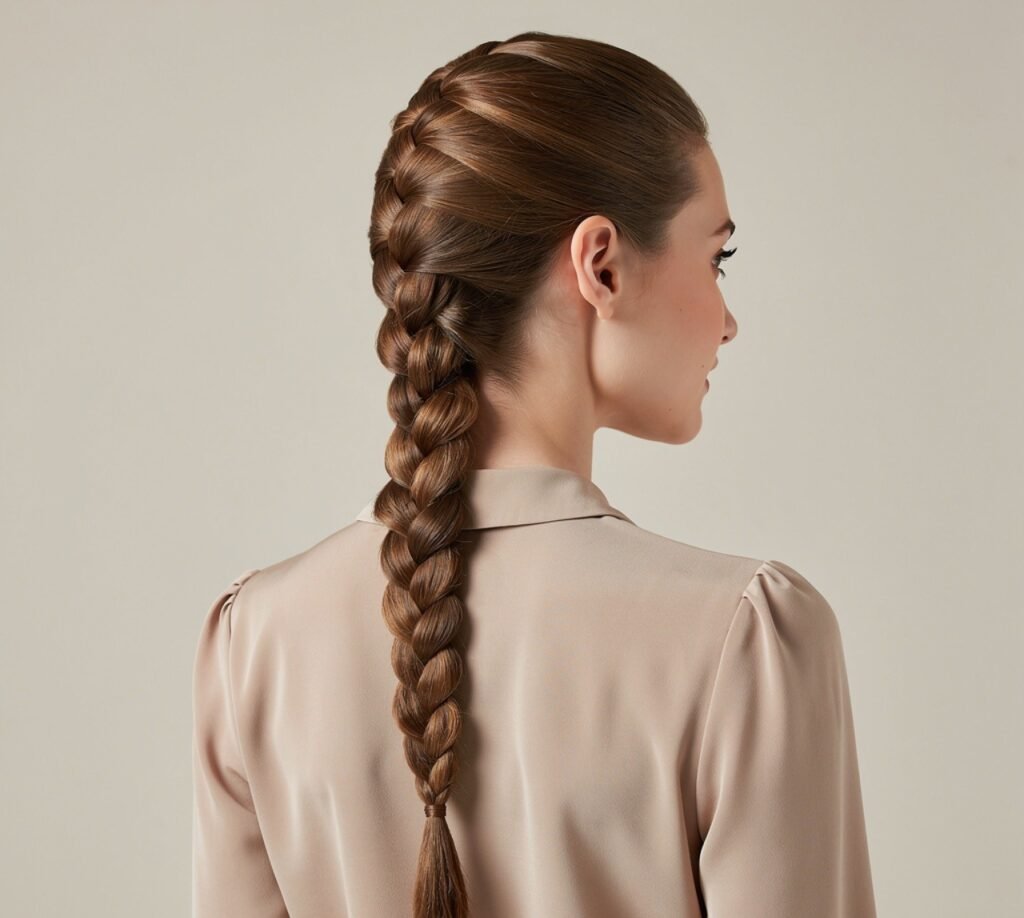
The classic three-strand braid remains the foundation of all braiding techniques, yet it delivers timeless elegance for long hair that never feels outdated or boring. This simple, universally flattering style suits every hair texture and practically every face shape, making it the most accessible starting point for anyone building their braiding repertoire. Fine hair benefits from a texturizing spray applied before braiding for added grip, while thick hair needs sectioning into clean, even portions to prevent bulk. Gently pull each section apart after securing for a fuller, more voluminous finish that photographs beautifully from every angle.
2. Fishtail Braid
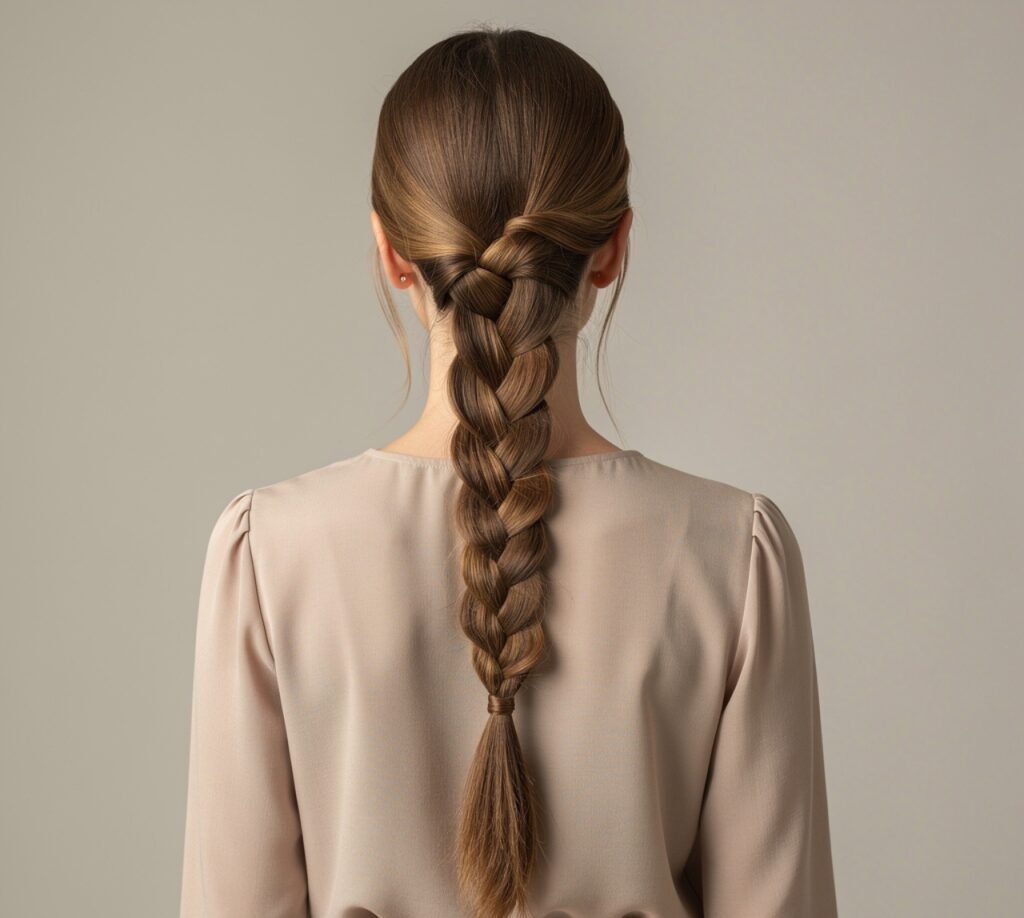
A fishtail braid divides long hair into two sections and alternates small strands from each side across the middle, creating a woven, intricate-looking pattern that appears far more complex than the technique actually demands. This style suits people with medium to thick long hair and flatters oblong, oval, and heart face shapes especially well through its lengthening, vertical silhouette. Apply a light-hold texturizing spray before starting to add grip and prevent slipping throughout the day. Pull sections apart generously after completing the braid for a dramatically fuller, bohemian finish.
3. Dutch Braid
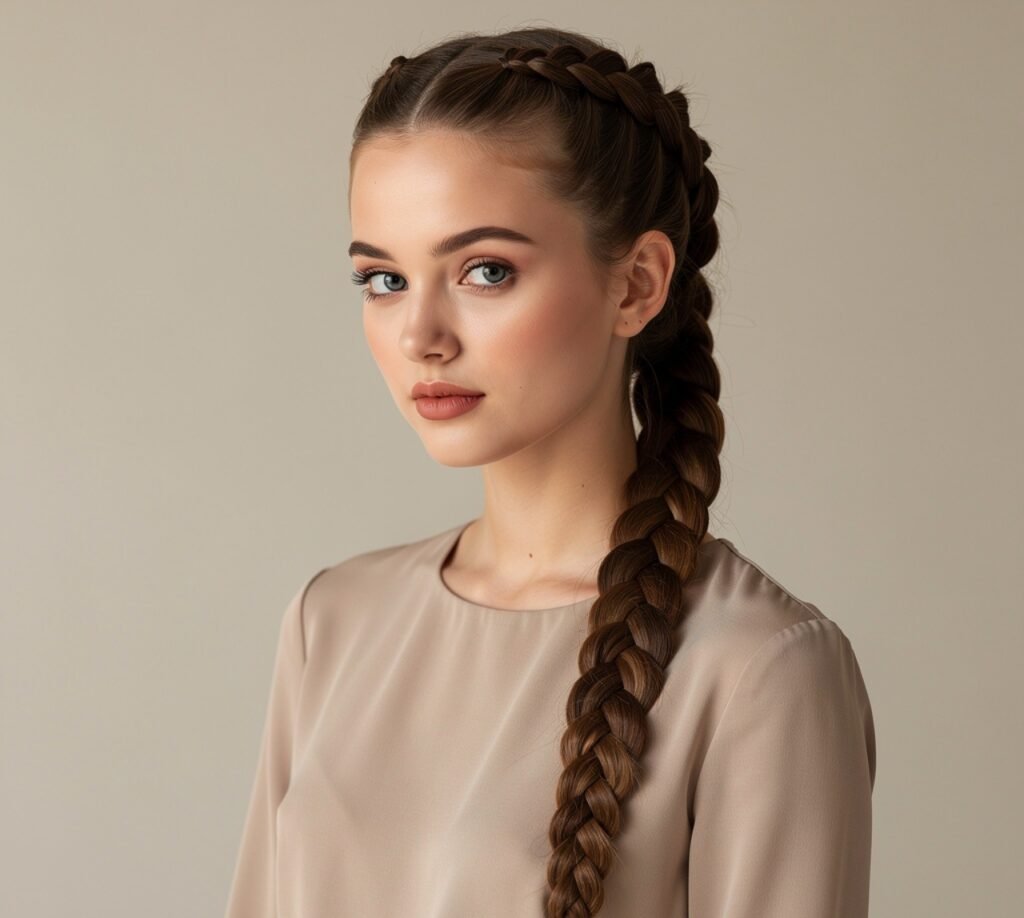
A Dutch braid, often called an inside-out or reverse braid, crosses sections underneath rather than over the top, creating a raised, three-dimensional plait that sits prominently on the surface of long hair. This bold technique suits people with medium to thick hair and works beautifully for athletic activities, outdoor events, and everyday wear alike. Oval and round face shapes benefit from the central symmetry a single Dutch braid creates. Ask your stylist to pancake the sections after braiding, meaning gently pulling each loop outward, to create a wider, fuller braid with genuine visual impact.
4. French Braid
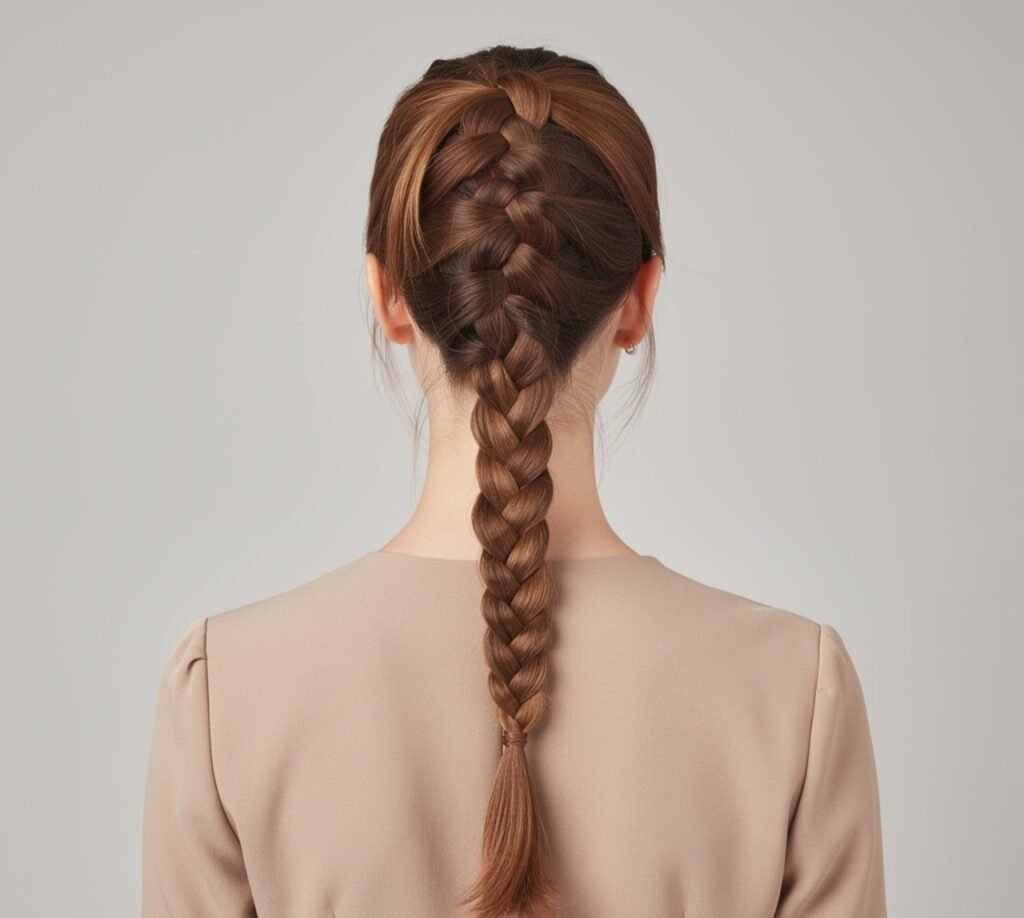
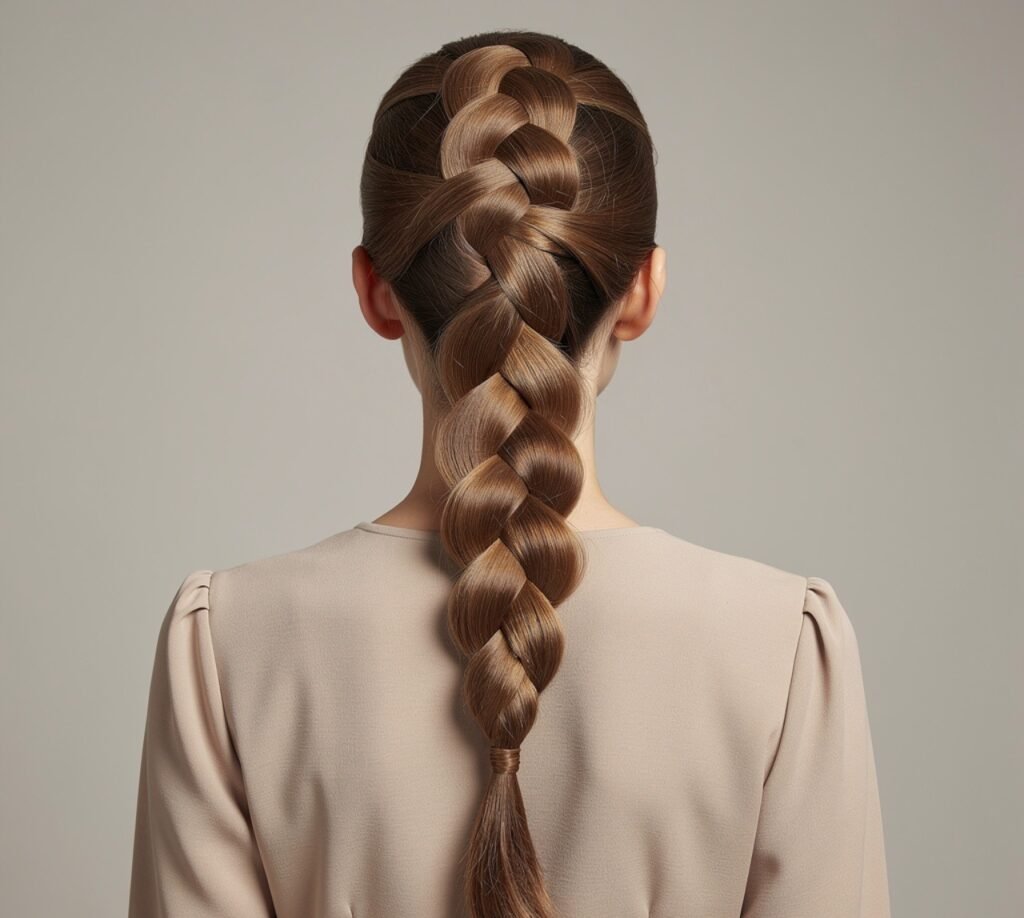
A French braid begins at the crown and gradually incorporates new sections of hair as it travels downward, creating a smooth, close-to-the-scalp plait that transitions beautifully into a free-hanging braid at the nape. This style suits every hair texture and flatters round, square, and oval face shapes by drawing the eye upward and creating vertical proportion. Lightly mist hair with water or a detangling spray before braiding to keep sections smooth and manageable throughout. Ask your stylist for a slightly loosened French braid rather than a tight one, since a relaxed finish photographs more naturally.
5. Double Dutch Braids
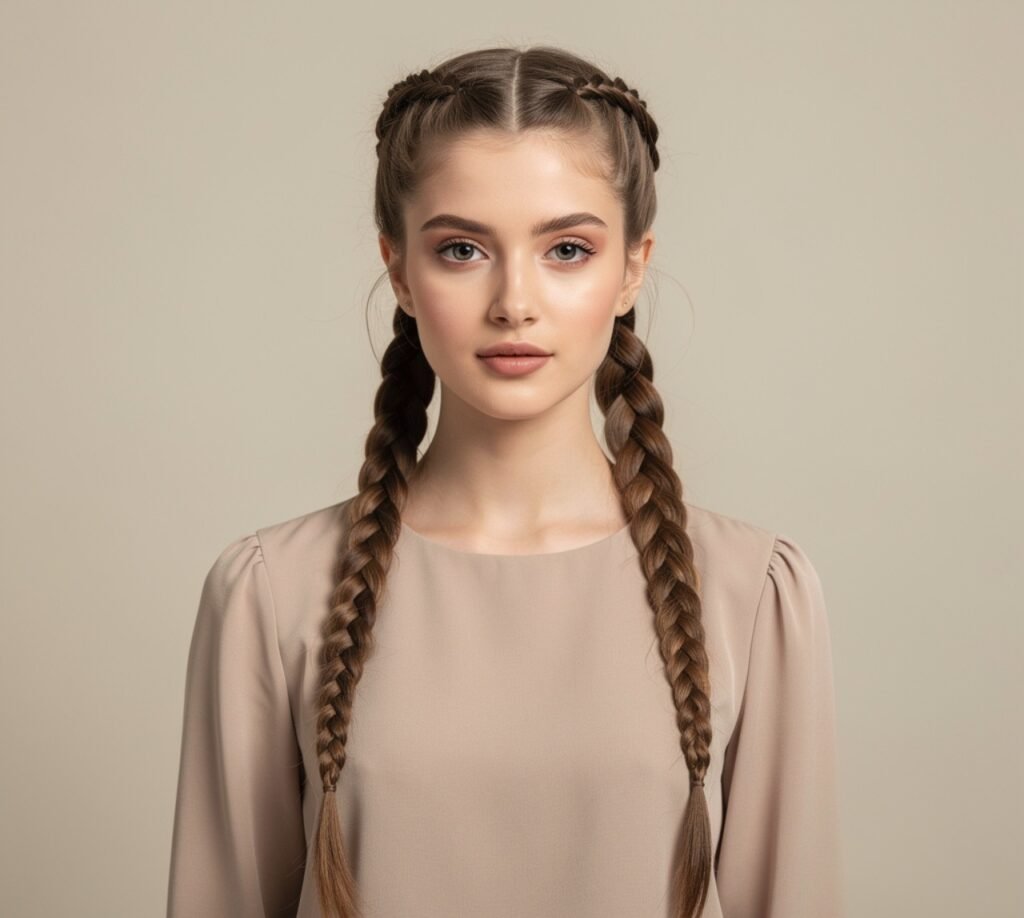
Double Dutch braids divide long hair into two equal sections and braid each side simultaneously in a Dutch technique, creating two raised, parallel plaits running from the hairline to the nape. This sporty yet stylish look suits every hair texture and flatters round and square face shapes by creating symmetrical, lengthening lines on either side of the face. Apply a strong-hold gel along the parting before braiding to keep sections neat and prevent baby hairs from escaping throughout the day. This style holds remarkably well through exercise, wind, and long active days.
6. Waterfall Braid
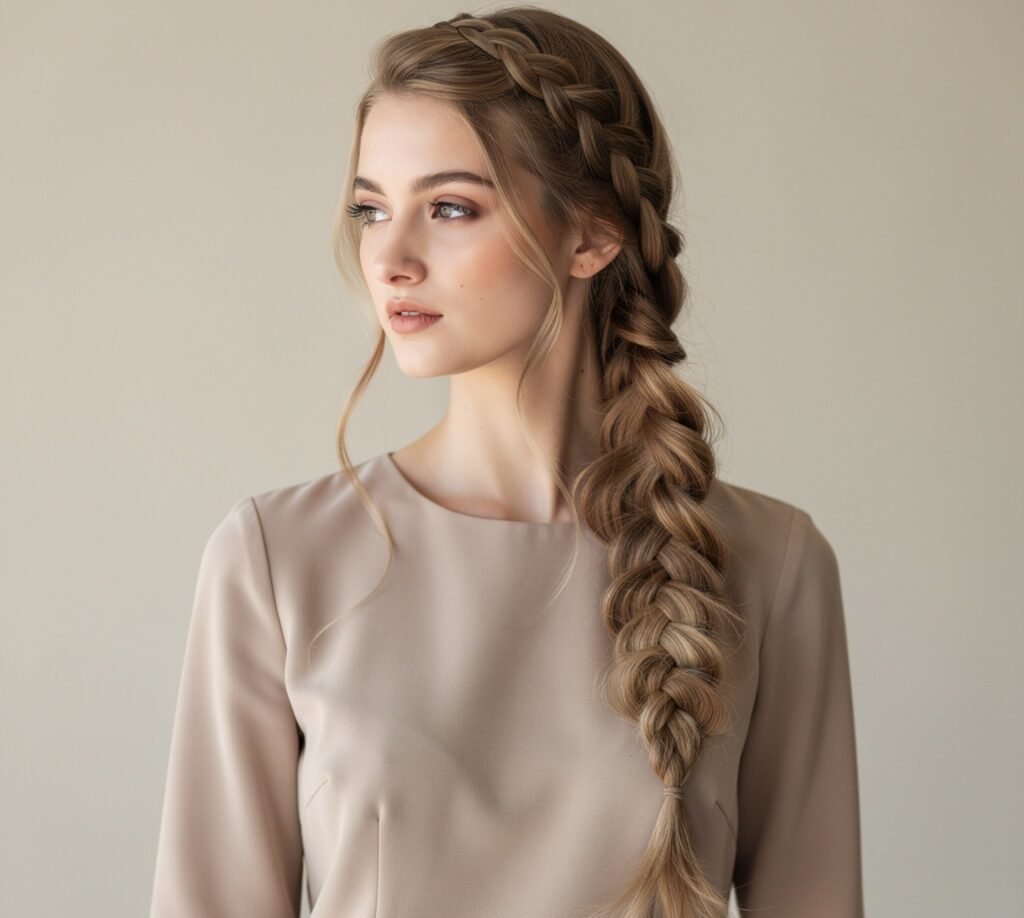
A waterfall braid cascades diagonally across long hair by dropping strands downward as it travels instead of incorporating them back into the braid, creating a flowing, romantic effect that mimics the movement of falling water through the length. This delicate technique suits people with medium to thick long hair and flatters heart, oval, and diamond face shapes beautifully. Pair this braid with loose, soft waves beneath for a bridal or boho-inspired look, and use a flexible-hold spray to maintain the cascading sections without stiffness throughout the day.
7. Crown Braid
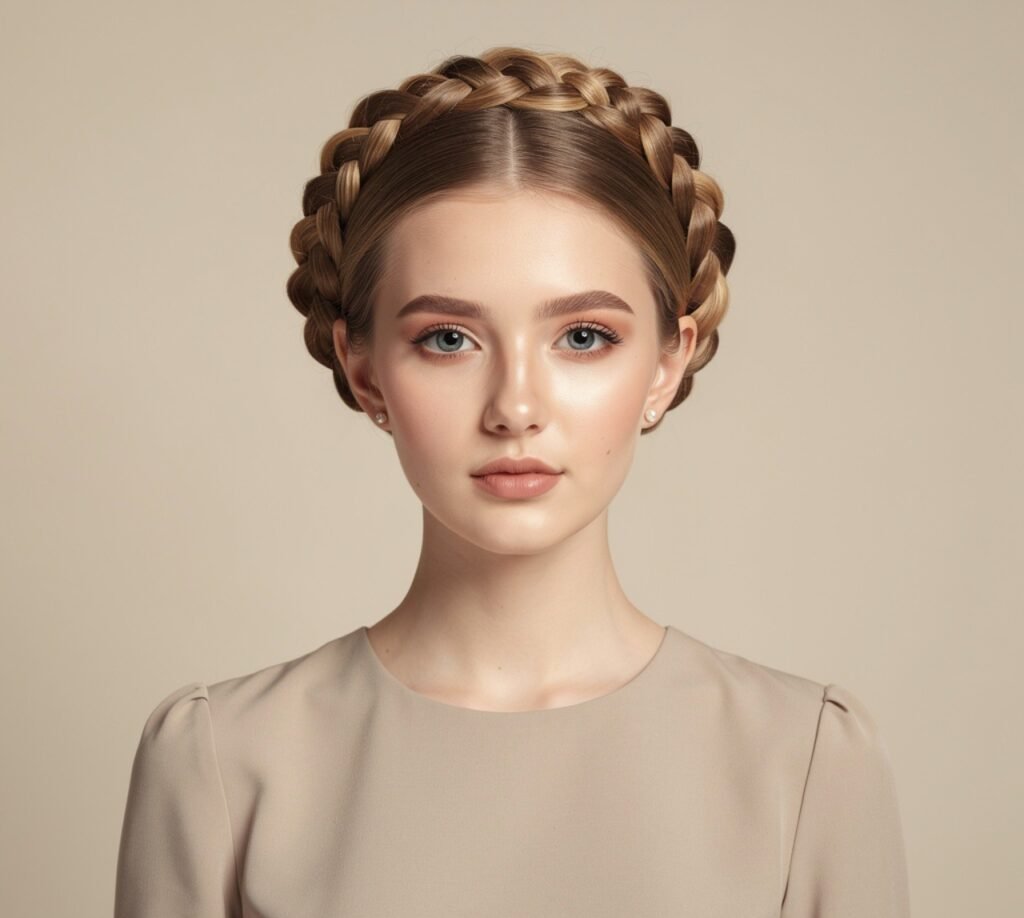
A crown braid wraps a single French or Dutch braid around the entire head like a halo, keeping all long hair elegantly secured while creating a romantic, regal silhouette. This style suits people with medium to long hair and flatters nearly every face shape due to its balanced, symmetrical placement around the head. Heart and oval face shapes wear this style particularly well. Ask your stylist for a Dutch technique rather than a standard French braid, since Dutch braids sit higher and read more boldly in photographs, especially when decorated with small flowers or jeweled pins.
To see more options for hairstyles long CLICK HERE
8. Side Braid
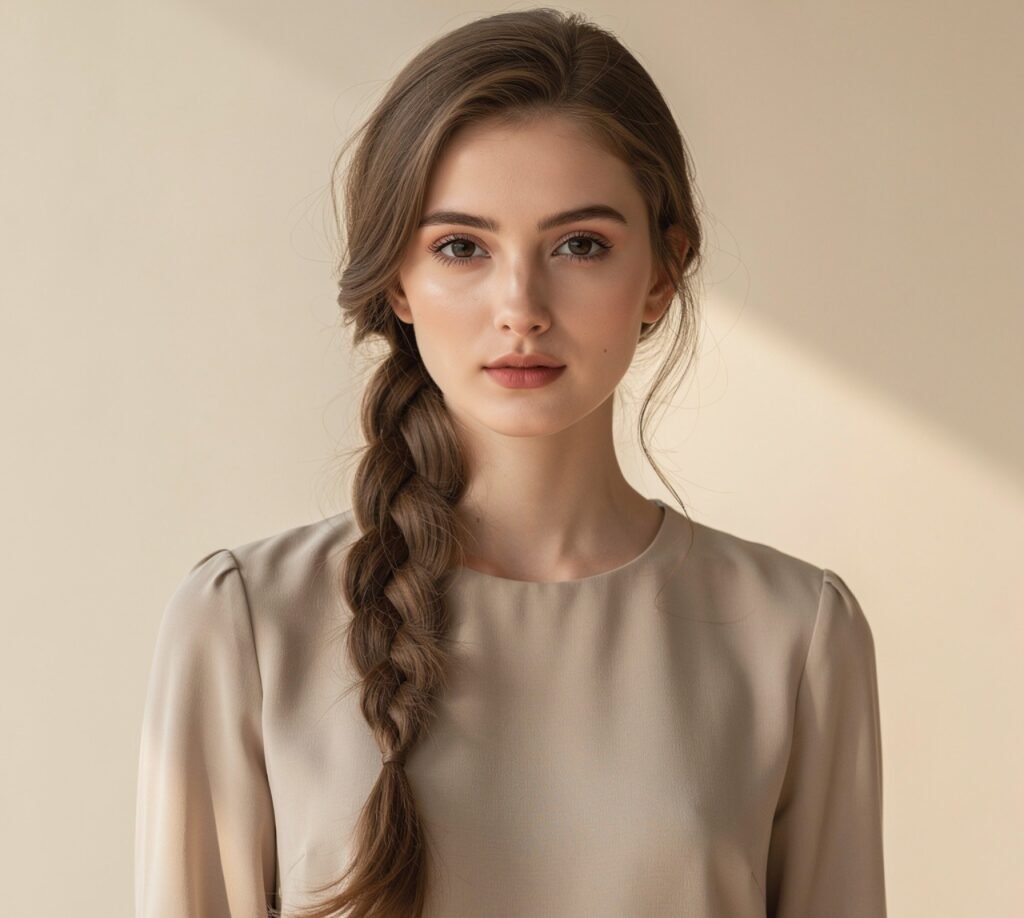
A side braid sweeps all long hair to one shoulder before braiding from the nape or mid-section downward, creating an asymmetrical, romantic look that balances elegance with accessibility. This style suits every hair texture and flatters square and round face shapes by softening stronger jawlines through asymmetrical placement. Use a three-strand, fishtail, or Dutch technique depending on the formality of the occasion. Apply a shine serum after completing the braid to enhance color dimension and give the plait a polished, healthy-looking finish throughout the day.
9. Boho Braided Half-Up Style
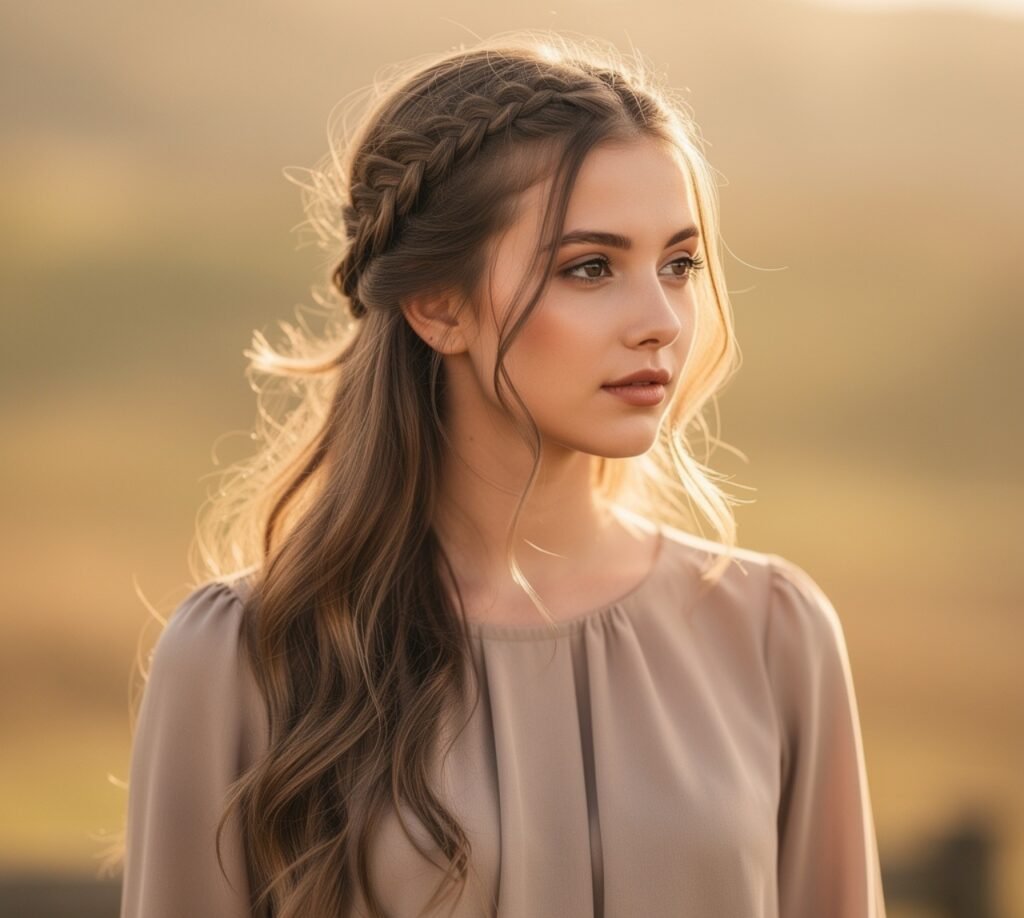
A bohemian half-up braided style pulls two small braids back from the temples and joins them at the crown while leaving the remaining long hair flowing freely beneath, merging structured detail with relaxed movement. This style suits people with long wavy or textured hair and flatters heart, round, and oval face shapes beautifully. Request a Dutch or rope twist technique for the front sections to create additional dimension and texture, and ask your stylist to leave loose, face-framing waves throughout the remaining length for a cohesive, effortlessly romantic finish.
10. Four-Strand Braid
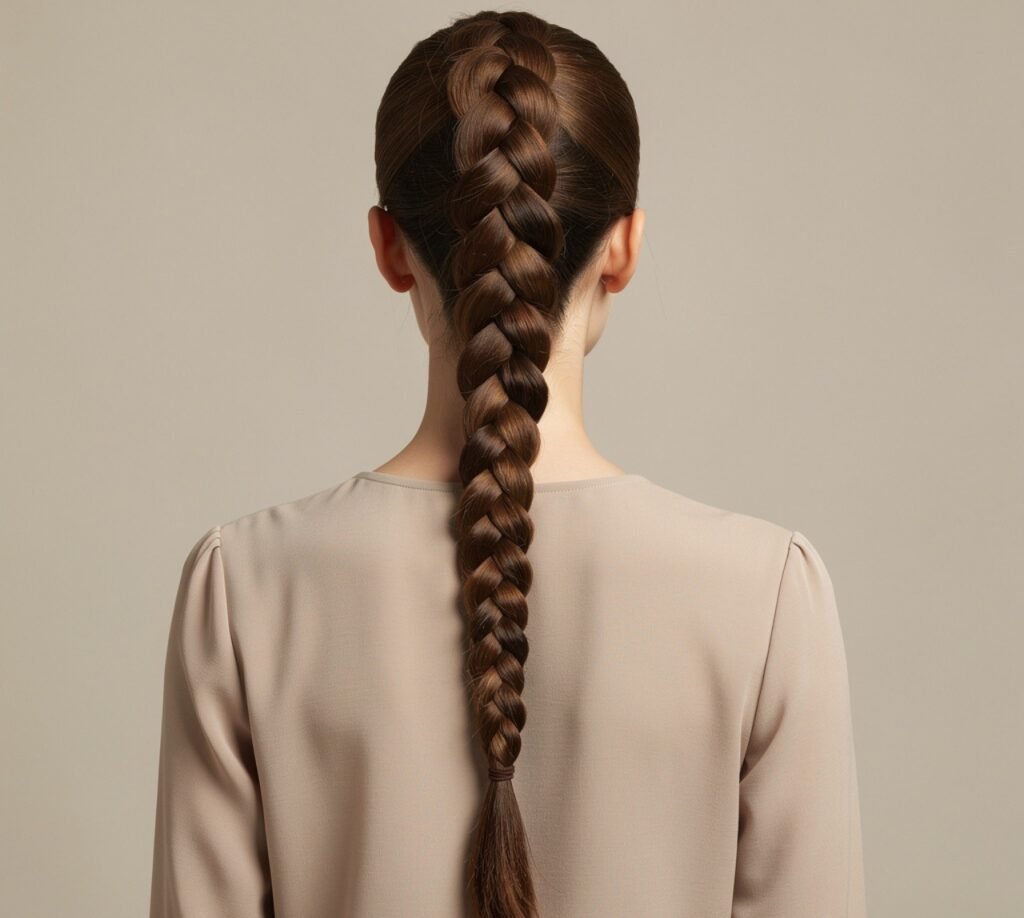
A four-strand braid uses one additional section beyond a classic three-strand braid to create a wider, more intricate-looking plait with a distinctive woven pattern running through the center. This intermediate technique suits people with thick to very thick long hair, since finer textures can lack enough body to make the pattern clearly visible. Oblong, oval, and square face shapes all complement this bold, detailed silhouette. Ask your stylist to demonstrate the weaving pattern during a consultation, and request a texturizing paste applied before braiding for maximum hold and definition.
11. Braided Ponytail
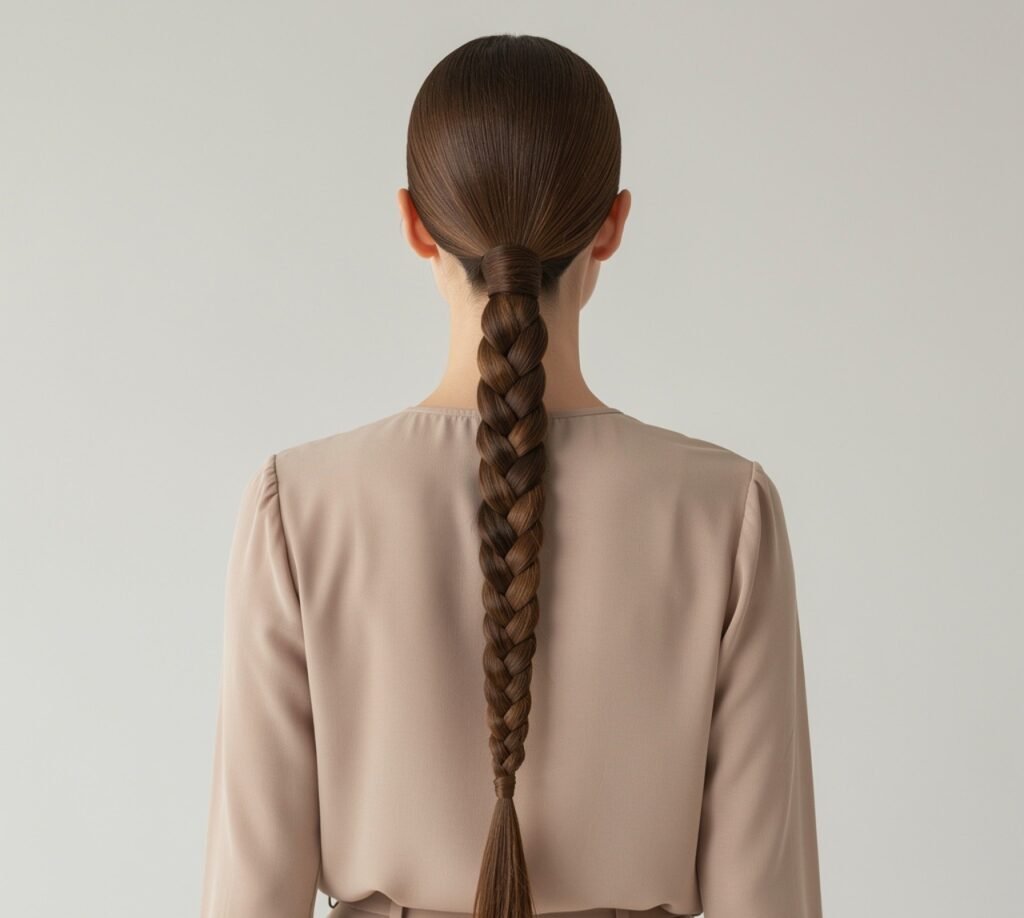
A braided ponytail elevates a simple ponytail by incorporating a Dutch or fishtail braid running through the entire length of the tail, adding texture and visual interest to an otherwise straightforward style. This look suits people with medium to long hair and flatters round and oval face shapes through the lengthening, vertical effect. Request a Dutch braid for dimension that catches light beautifully in photographs, and gently pull the braid apart after securing for a fuller, more voluminous finish. Wrap a small strand over the elastic base for a polished, seamless finish.
12. Rope Twist Braid
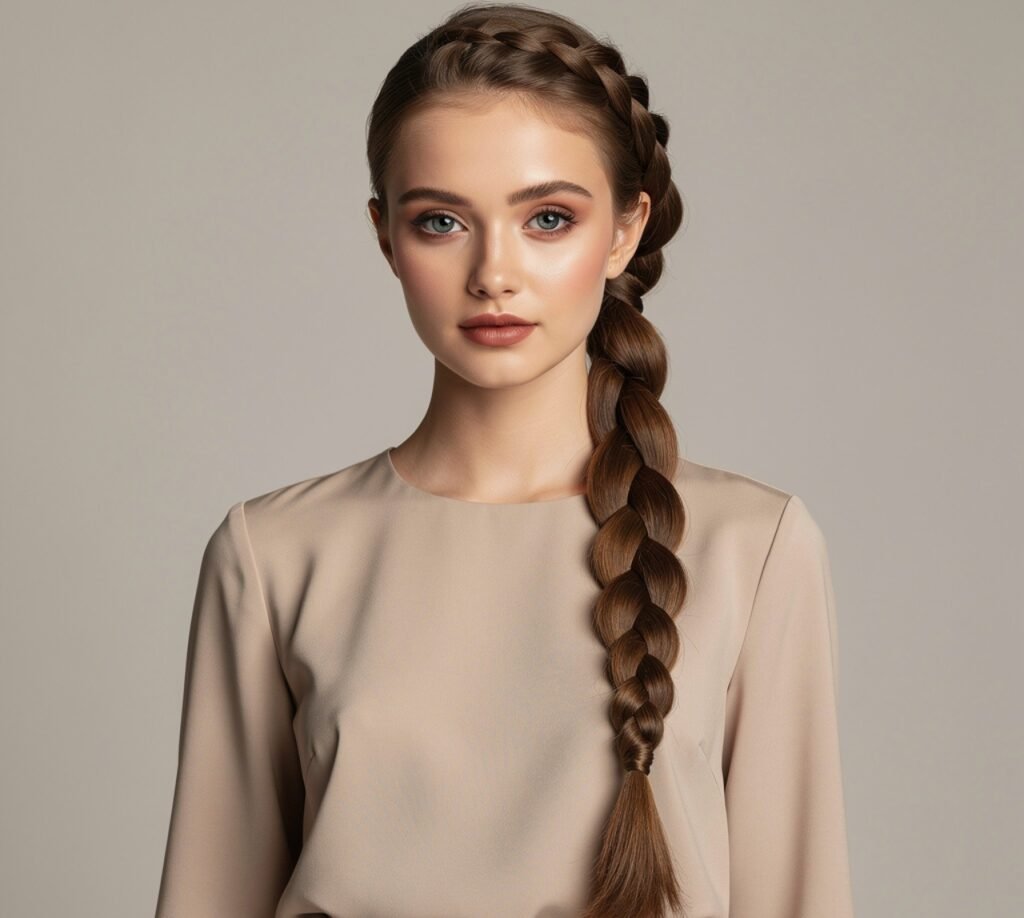
A rope twist braid divides long hair into two sections, twists each independently in one direction, then wraps them around each other in the opposite direction, creating a spiral, rope-like pattern throughout the length. This simple yet striking style suits every hair texture and flatters nearly every face shape due to its clean, elongated silhouette. Apply a light-hold texturizing spray before twisting to enhance grip and definition, and pull the twist apart gently afterward for added volume and a softer, more relaxed finish throughout the day.
13. Braided Updo for Long Hair
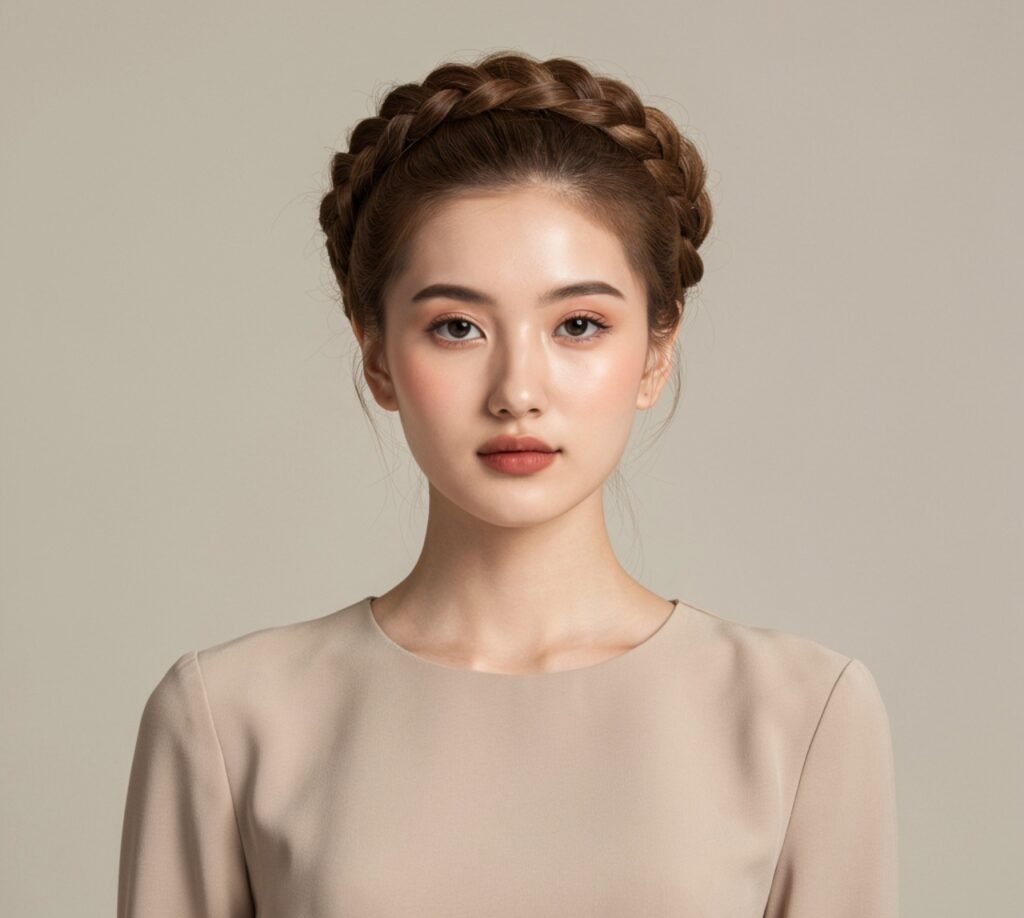
A braided updo for long hair combines multiple braiding techniques, including French, Dutch, or fishtail sections, woven together and pinned into a structured yet romantic updo at the back of the head. This intricate style suits people with medium to thick long hair who want a polished, occasion-ready look without a traditional bun or chignon. Long, oval, and heart face shapes benefit from the added height and dimension this style creates. Ask your stylist about incorporating small jeweled pins or pearl accents throughout the braided sections for subtle, elegant sparkle.
14. Lace Braid
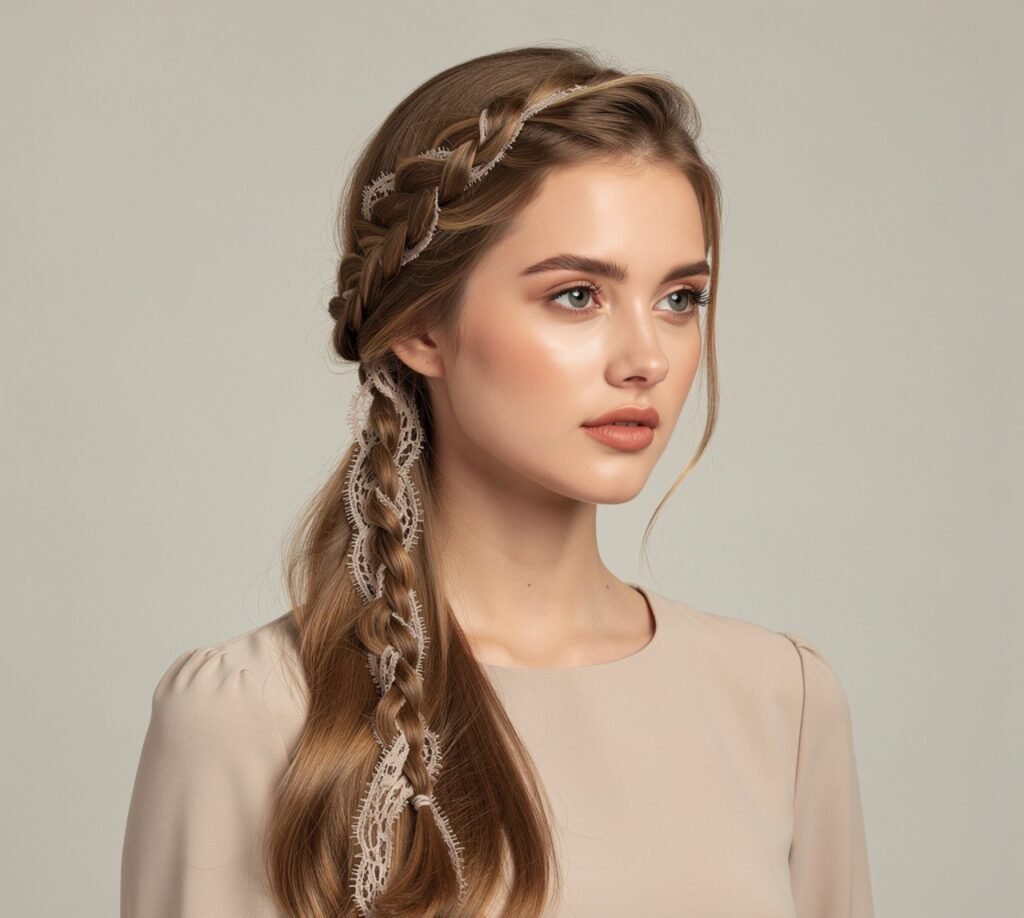
A lace braid works similarly to a French braid but only adds new sections from one side rather than both, creating an airy, delicate plait that lines the edge of the hairline or travels gracefully across the top of the head. This feminine technique suits people with long, fine to medium hair and flatters oval, heart, and diamond face shapes through its soft, face-adjacent placement. Pair a lace braid with loose curls or waves throughout the remaining length for a bridal or garden-party-appropriate style that photographs beautifully in natural lighting.
15. Infinity Braid
An infinity braid creates an interlocked, figure-eight pattern by splitting a ponytail into two sections and repeatedly looping one through the other, producing a unique, eye-catching texture that appears genuinely complex. This advanced-looking style suits people with medium to thick long hair and works wonderfully for creative workplaces, festivals, and social occasions where distinctive styling earns compliments. Oval and oblong face shapes complement the bold, elongated pattern this braid creates. Ask your stylist to demonstrate the technique during a trial session and request a strong-hold texturizing spray for maximum definition.
How to Choose the Right Braid for Long Hair
Choosing your ideal braid hairstyle starts with honestly assessing your hair’s natural texture, your available styling time, and the occasion you’re preparing for. Casual, everyday braids like three-strand or rope twists take under five minutes, while intricate styles like crown braids or infinity braids require practice and additional time. Fine hair benefits from texturizing products that add grip, while thick hair needs clean sectioning to prevent bulk. Always consider your face shape too, since the placement and direction of a braid significantly influences how flattering the overall result appears.
Best Hair Types and Face Shapes for Braided Styles
Long hair offers unmatched versatility for braiding, but pairing each technique with the right face shape enhances results considerably. Oval faces suit every braid style listed here without adjustment, while round faces benefit from elongating styles like single center braids or braided ponytails that create vertical proportion. Square faces look stunning with softer side braids or waterfall braids that soften angular jawlines, and heart-shaped faces pair beautifully with crown braids or boho half-up styles that balance a narrower chin throughout the day.
Styling and Maintenance Tips for Braided Long Hair
Braids hold best on second-day hair rather than freshly washed hair, since natural oils and dry shampoo provide grip that makes sections easier to control. Use a lightweight texturizing spray rather than heavy creams near the scalp, since buildup weakens hold and causes braids to loosen prematurely. Always secure the end with a snag-free elastic and spray lightly with a flexible-hold finishing spray for lasting wear. Sleep with braids in a loose silk scrunchie to prevent frizz and preserve the braid pattern overnight.
How to Ask Your Hairstylist for This Look
Walking into your salon appointment prepared makes an enormous difference in achieving your desired braided style. Bring multiple reference photos showing the braid from front, back, and side angles, since stylists rely heavily on visual reference rather than verbal description alone. Mention your hair’s natural texture, your daily styling time, and the occasion you need the style for. If you want to learn how to recreate the braid yourself at home, ask your stylist to walk through the technique step by step during your appointment so you leave with both the style and the skill.
Frequently Asked Questions
1. What is the easiest braid hairstyle for long hair?
A classic three-strand braid remains the easiest option for long hair, since it requires no additional technique beyond alternating three sections and works beautifully on every texture and face shape.
2. How do I keep braids from getting frizzy throughout the day?
Apply a lightweight anti-humidity spray before braiding, use a fine-tooth comb to smooth each section before incorporating it, and finish with a flexible-hold spray to seal the braid against moisture and movement.
3. Do braids work on fine or thin long hair?
Yes, braids actually add visual volume and texture to fine hair, and styles like fishtail and waterfall braids suit finer textures especially well since their delicate patterns complement lighter hair density.
4. How long do braided hairstyles last on long hair?
Most braided styles last one to three days depending on hair texture, product use, and activity level, with Dutch and French braids typically holding their structure longest through active, busy days.
5. What products help braids stay neat and defined?
A light-hold texturizing spray applied before braiding, a flexible finishing spray applied after, and a small amount of edge-control gel along the hairline form the ideal product combination for clean, lasting braids.
6. Can I braid long hair without heat tools?
Absolutely, braiding is entirely heat-free and actually one of the best protective styling choices for long hair, since it reduces daily manipulation, minimizes breakage, and preserves length over time.
Conclusion
Long hair and braiding techniques were genuinely made for each other, since added length creates the canvas that allows every plait, twist, and woven pattern to reach its full visual potential. By understanding your face shape, hair texture, and styling goals beforehand, you can confidently move beyond the basic three-strand braid and explore the full, impressive range of braided styles your long hair makes possible. Use this guide as your starting reference, practice a new technique each week, and watch your everyday styling routine transform completely.