16 Best Long Shag Hairstyles for a Rock-Chic, Layered Look in 2026
The shag haircut has survived every decade since the 1970s for one simple reason: it makes hair look interesting without requiring a complicated daily routine. Yet most articles covering long shag hairstyles reduce this rich, layered category to a grid of images with a single descriptive sentence beneath each one, leaving readers no closer to understanding which version suits their texture, which one their stylist can actually execute, or what the difference between a choppy shag and a layered shag really is when you’re sitting in the salon chair. That disconnect between inspiration and information is exactly what this guide corrects.
16 Long Shag Hairstyles
Each of the sixteen styles in this guide includes a thorough explanation of the cut itself, who it flatters most, how to style it at home, and what to tell your stylist so the result actually matches the photograph you walked in with.
1. Classic 70s Long Shag
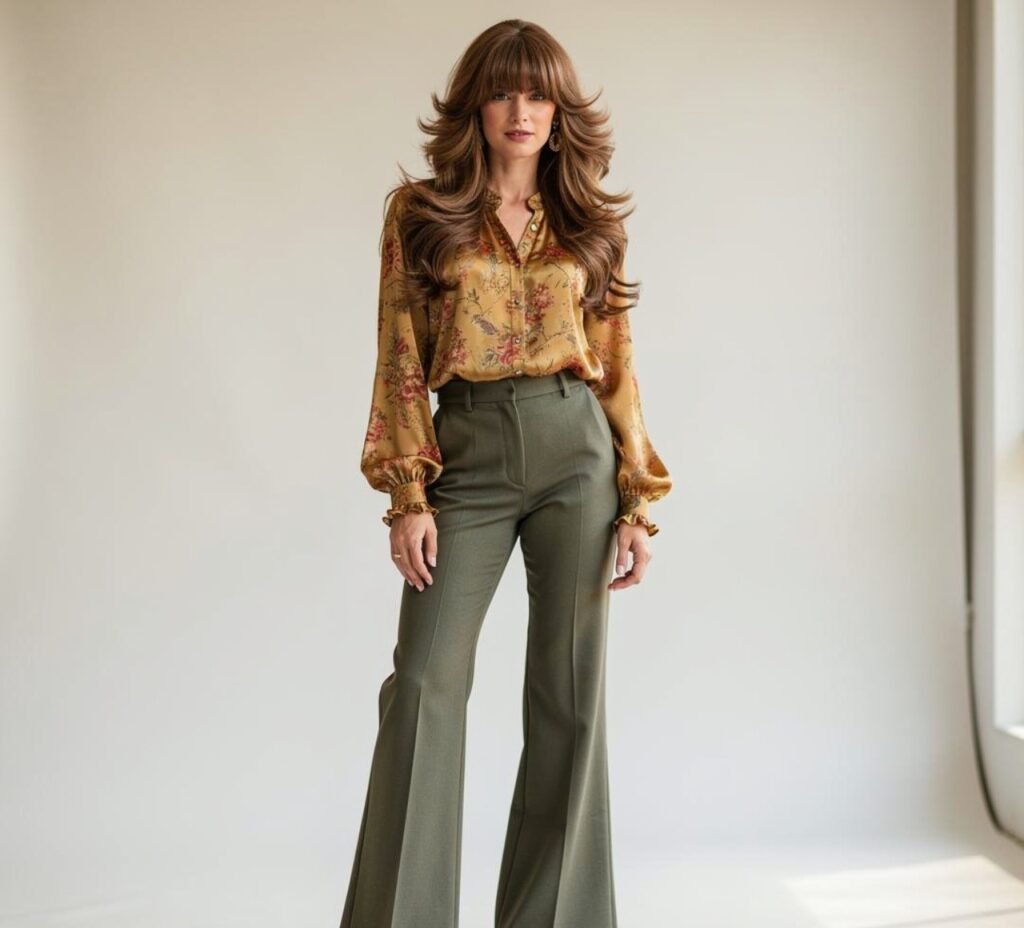
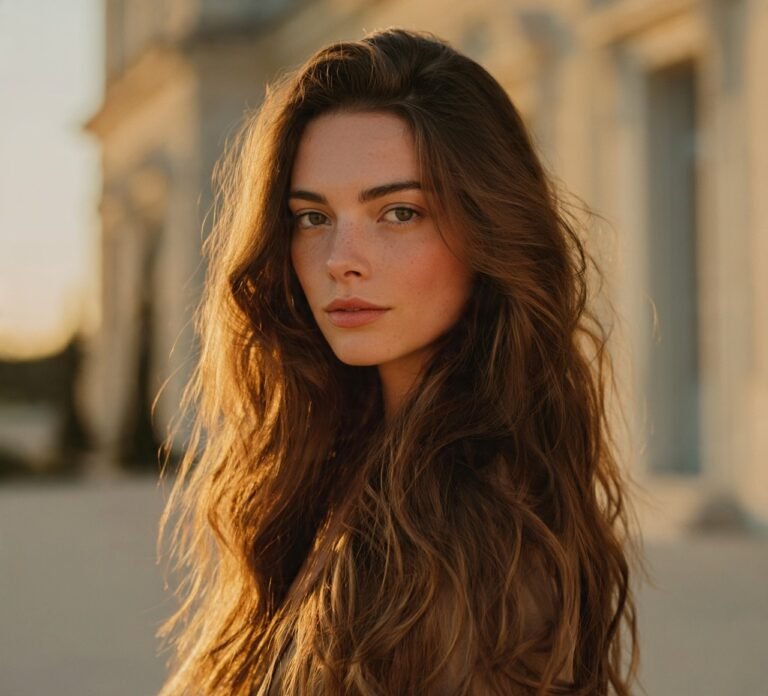
The classic 70s long shag draws directly from the decade that invented the style, combining face-framing layers that begin at the cheekbones, choppy midlength layers throughout the body of the hair, and feathered ends that flip outward rather than curling under. This version suits straight and slightly wavy hair that naturally holds the feathered finish without heavy product, and it flatters oval and heart-shaped faces by adding significant width at the cheeks through those dramatic face-framing layers. Women with a retro-leaning personal style who appreciate vintage rock-and-roll aesthetics tend to feel immediately at home in this cut. A round brush used during blow-drying flips the ends outward in the exact way this decade-defining style demands. Curtain bangs parted down the center complete the full 70s picture.
2. Curtain Bang Long Shag
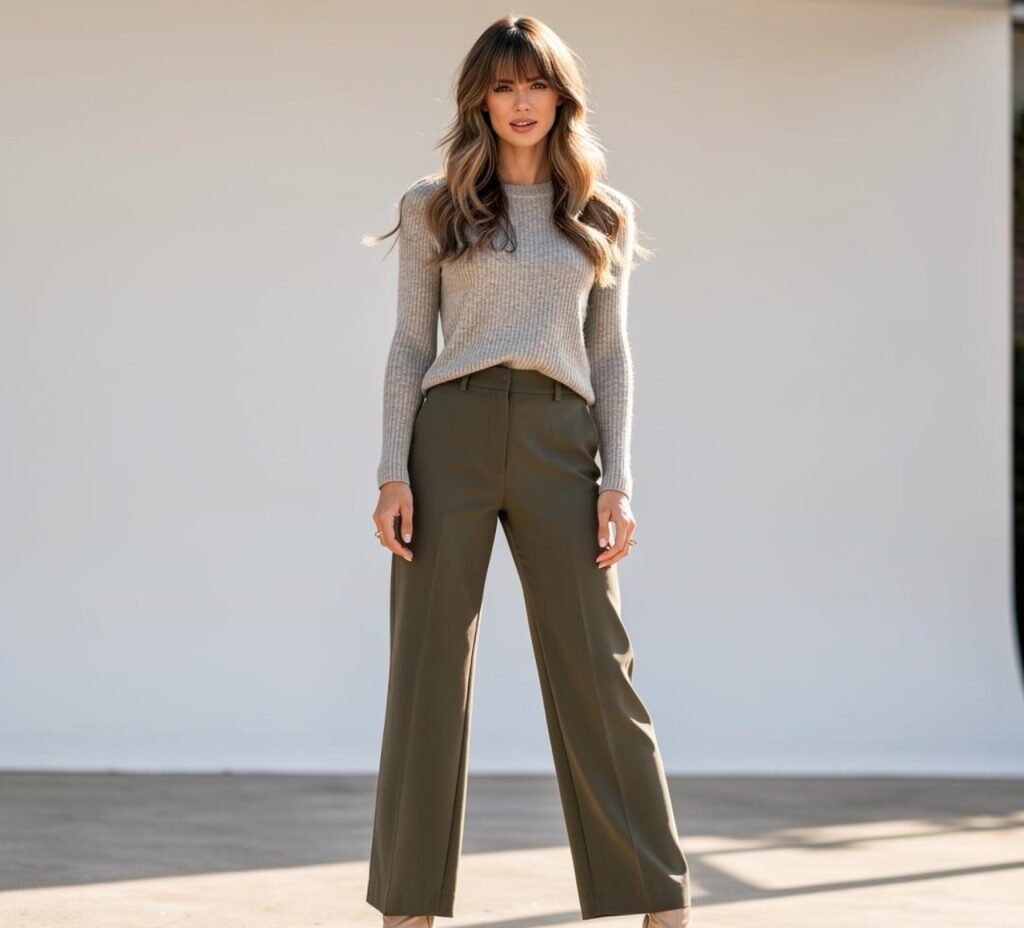
A curtain bang long shag pairs the signature choppy layering of the shag cut with a center-parted fringe that sweeps outward toward both temples, framing the face softly rather than cutting straight across the forehead. This is arguably the most requested long shag variation in recent years because the curtain bang suits nearly every face shape and adds an immediately recognizable French-girl quality to the overall look. Fine and medium hair textures hold curtain bangs most naturally, since heavier hair requires more frequent blow-drying to maintain the swept shape. Oval and oblong faces benefit especially from the horizontal framing the bangs create across the upper third of the face. A small round brush used exclusively on the bang section after washing maintains the outward sweep throughout the day.
3. Wavy Long Shag
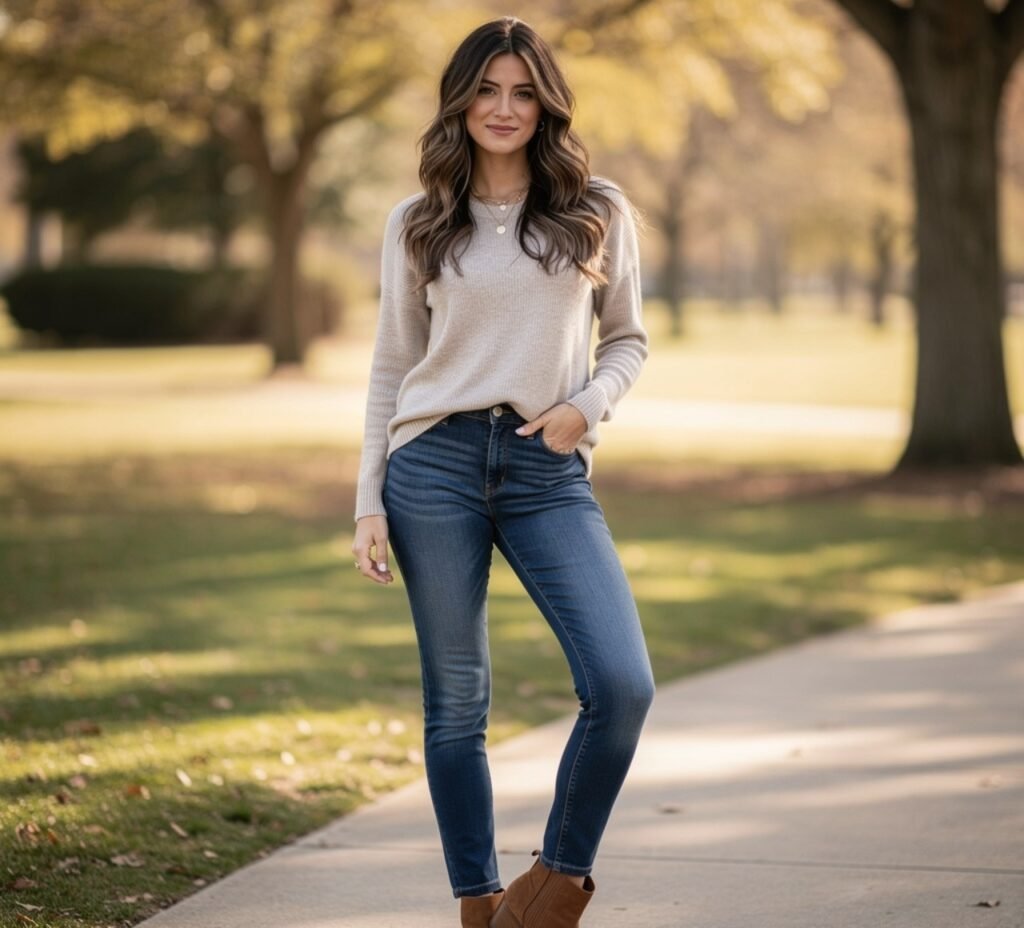
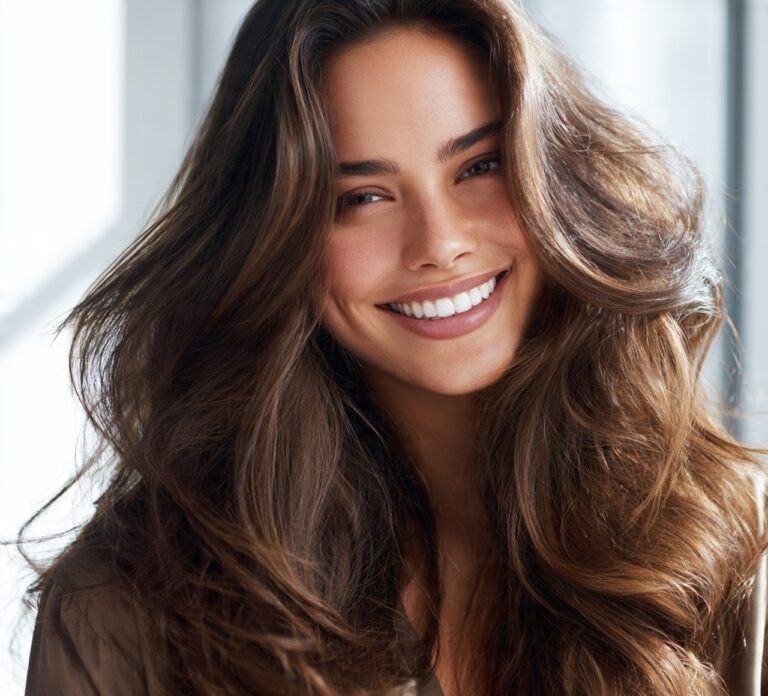
A wavy long shag is specifically cut to enhance and celebrate natural wave patterns throughout the hair, with layers positioned at intervals that allow each wave to bounce and move freely rather than clumping into a heavy, shapeless mass at the ends. This cut suits women with type 2a through 2c wave patterns who have struggled to find a haircut that works with their texture rather than flattening it. It flatters round and oval face shapes beautifully, since the waves add soft, natural movement around the jaw without creating excessive bulk. Low-maintenance women who prefer air-drying over blow-drying find that a wavy long shag practically styles itself once the cut is executed correctly. A curl-enhancing cream or mousse scrunched through soaking-wet hair before air-drying defines the wave pattern most effectively.
4. Curly Long Shag
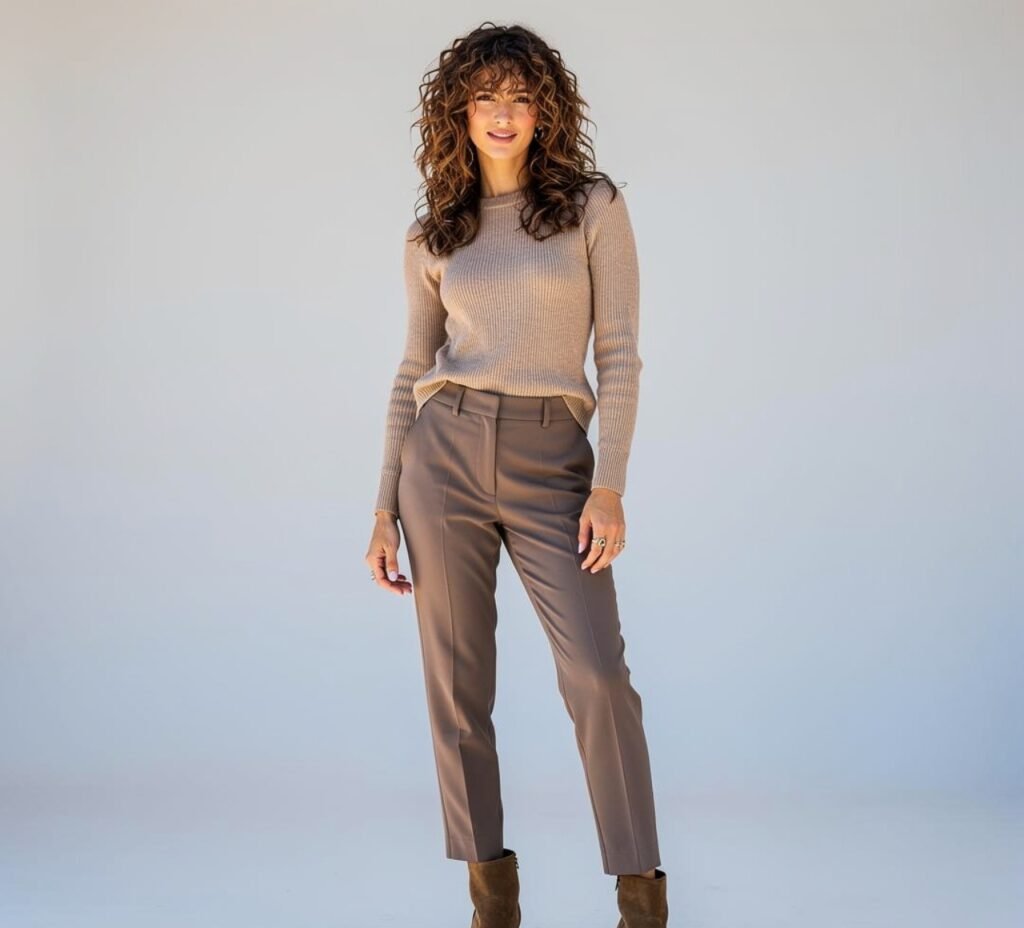
A curly long shag applies shag cutting principles specifically to naturally curly hair, using a technique called curl-by-curl cutting that respects the individual spring factor of each strand rather than cutting hair in straight lines that distort curl patterns when dry. This style suits women with type 3a through 3c curl patterns who want shape, definition, and movement without sacrificing the length they’ve worked to grow. It flatters heart and oval face shapes, creating a rounded, full silhouette that feels intentional rather than accidental. Women who embrace their natural curls and follow a devoted curl care routine find this cut dramatically improves the overall definition of their curl pattern. Diffusing with a hair dryer on a low-heat setting rather than air-drying produces the best combination of volume and definition for this style.
To see more options for quick hairstyles for long hair CLICK HERE
5. Choppy Layered Long Shag
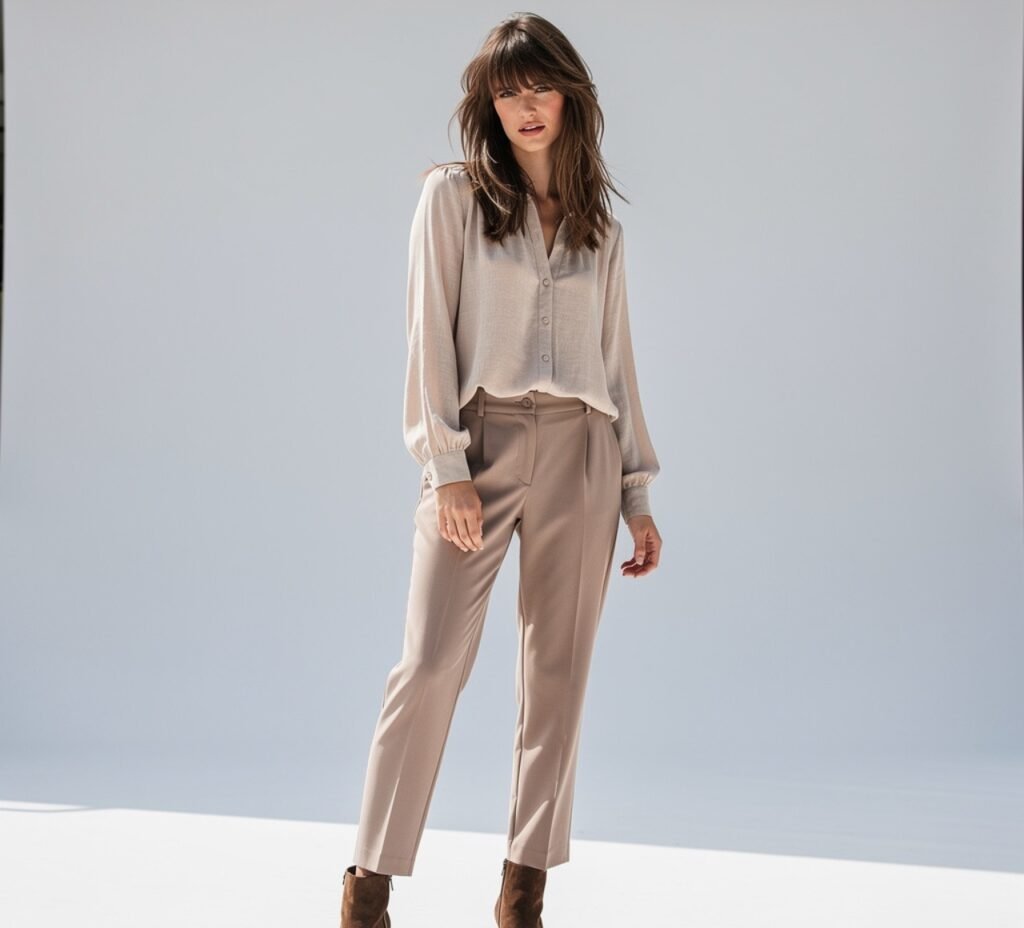
A choppy layered long shag uses point-cutting and razor techniques throughout the entire length of the hair to create deliberately jagged, uneven ends at every layer rather than smooth, blunt lines. This intentional roughness gives the cut an edgy, undone energy that straight-across blunt cuts simply cannot replicate. It suits medium to thick hair that naturally holds choppy texture without looking stringy or sparse at the ends. Square and round face shapes benefit most from the broken-up edges, which soften stronger facial angles through movement rather than smooth framing. Women drawn to an alternative or rock-inspired personal aesthetic gravitate immediately toward this version. A texturizing paste worked through dry hair with fingertips brings the choppy detail to life without adding shine or weight.
6. Fine Hair Long Shag
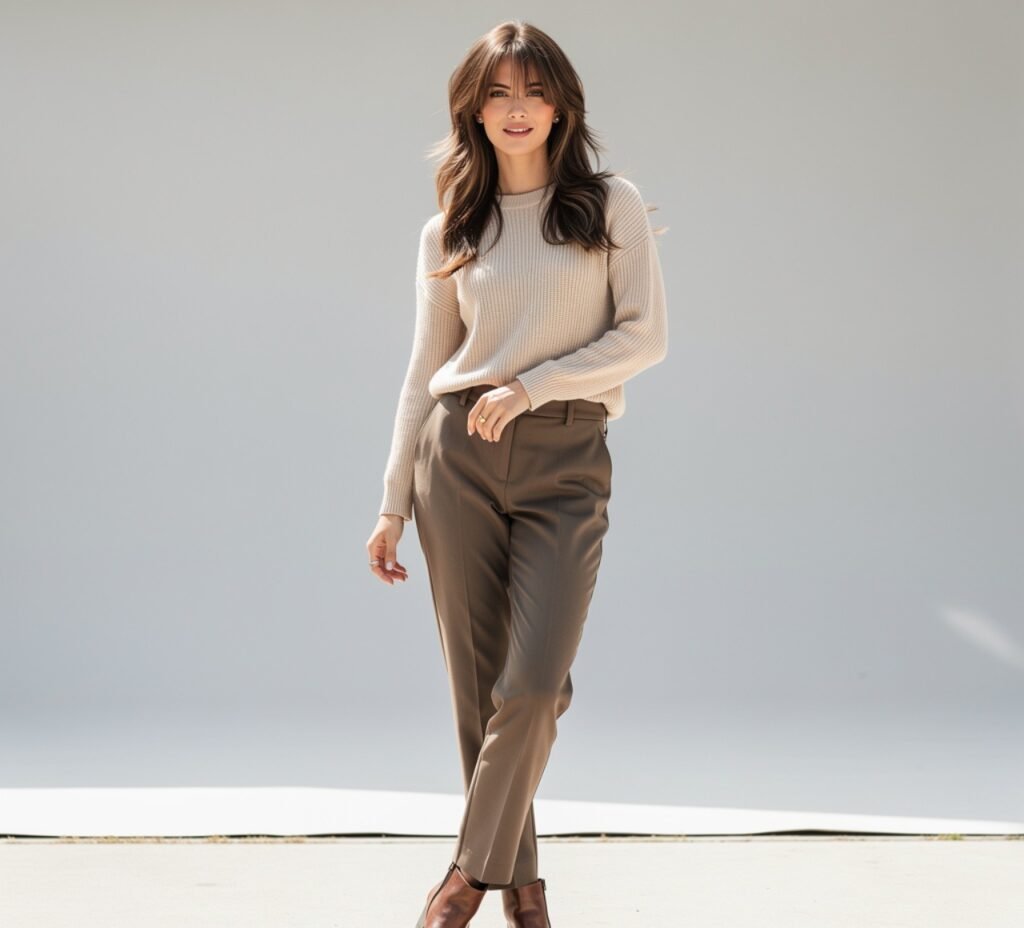
A fine hair long shag addresses the specific needs of thin-stranded hair by using feather-light layering techniques that create the appearance of fullness and movement without removing so much weight that the ends look sparse and see-through. This cut balances removing enough bulk to create shape with retaining enough density to look thick throughout. It suits women with fine, straight, or slightly wavy hair who want a shag’s signature texture without the thinning effect that heavier layering can create on delicate strands. Oval and heart-shaped faces benefit most from the subtle volume this cut adds around the cheeks. A volumizing mousse applied to the roots before blow-drying amplifies the lift and body that fine hair naturally lacks on its own.
7. Thick Hair Long Shag
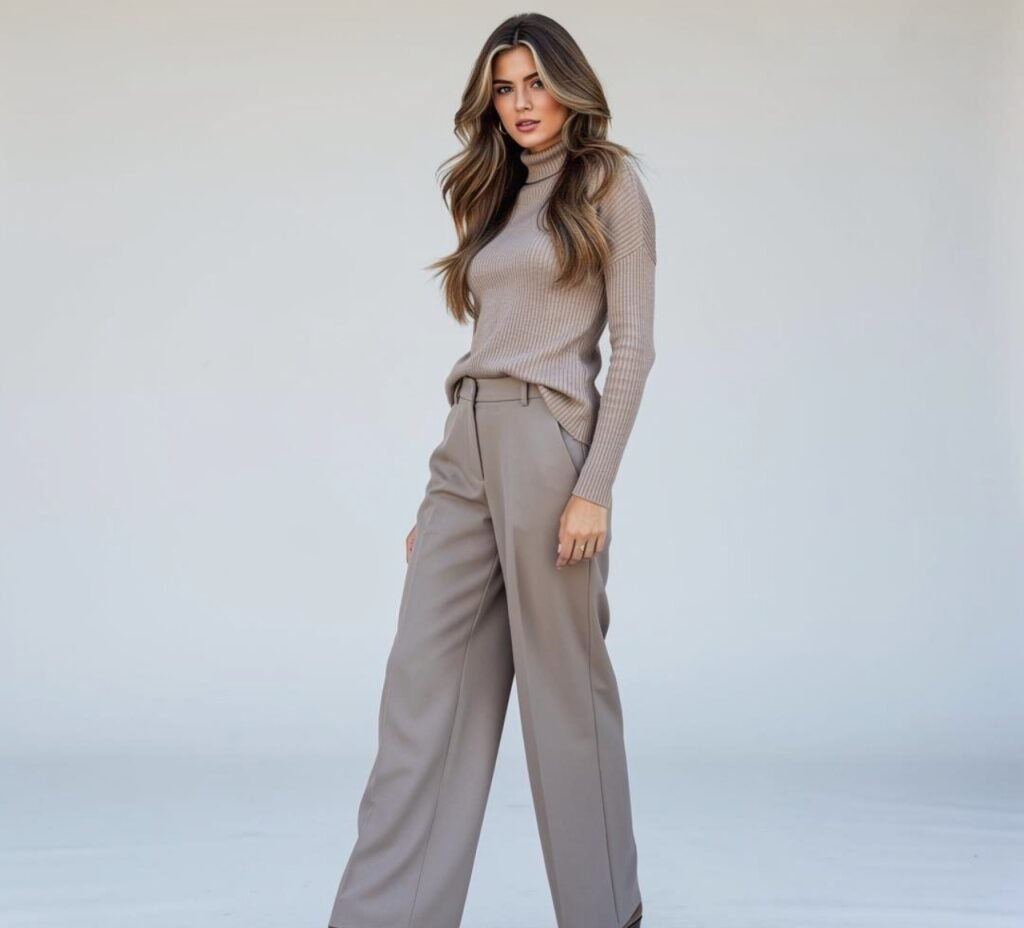
A thick hair long shag specifically targets dense, heavy hair by removing significant internal bulk through aggressive layering and razor cutting that thins the hair from within without shortening the visible outer length. Women with thick or coarse hair often describe their hair as heavy, hard to dry, and prone to a wide, triangular shape that expands outward rather than falling with movement. The thick hair long shag corrects all of these concerns by redistributing weight throughout the cut. It suits square and round face shapes especially well, since the reduced bulk allows the hair to move closer to the face rather than pushing outward. Air-drying takes significantly less time after this cut removes internal weight.
8. Long Shag with Face-Framing Layers
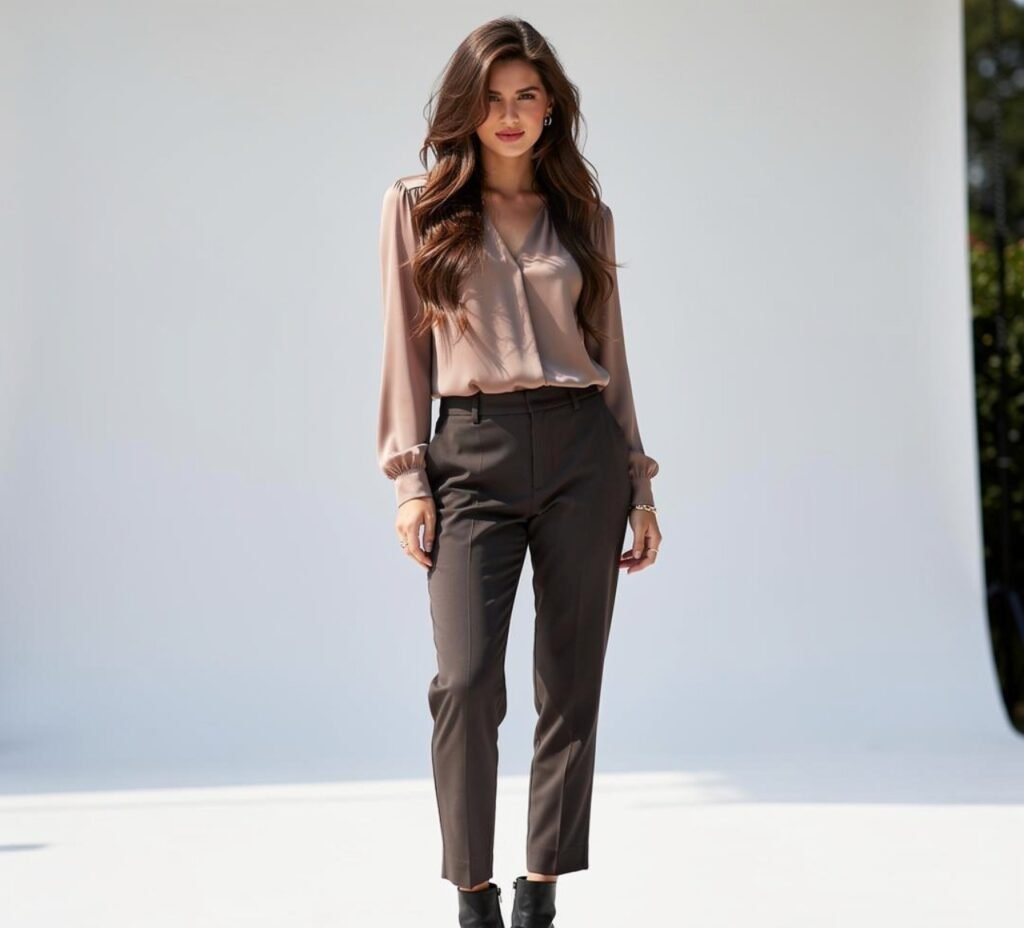
A long shag with pronounced face-framing layers keeps the heaviest, most dramatic layering nearest the face, where shorter pieces begin at the chin or cheekbone and gradually lengthen toward the back and ends of the overall cut. This version is ideal for women who want the shag’s movement and texture throughout but specifically want their features highlighted and framed by the shorter front sections. It suits oblong and square face shapes most noticeably, since face-framing layers add width near the cheeks and break up the length of a narrower face. Any hair texture can wear this variation with a few technique adjustments from the stylist. A lightweight hair oil applied to the face-framing pieces after drying adds definition and prevents those shorter sections from frizzing outward.
9. Long Shag with Highlights
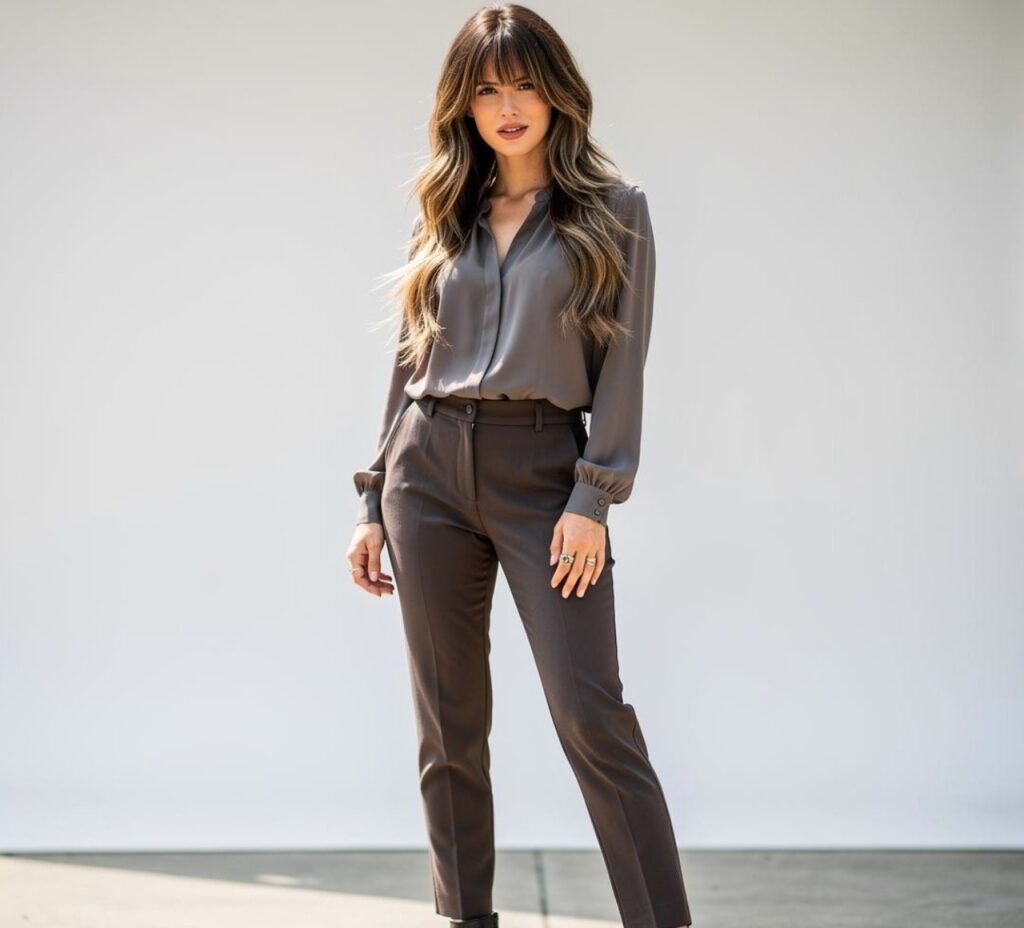
A long shag with highlights combines the structural, movement-focused cut with strategic color placement that draws attention to the layers themselves, making the dimension of the cut far more visible than it would be on a single, solid base color. Balayage-painted highlights or babylights worked through the midlengths and ends catch light differently at each layer, creating a visually rich, sun-kissed effect that photographs beautifully from every angle. This combination suits straight and wavy long shags most dramatically, since the color gradients remain clear and defined on smoother textures. Women who want their shag haircut to feel like a complete transformation rather than just a trim will find that adding dimension through color doubles the visual impact significantly. A color-safe shampoo and weekly gloss treatment preserves both the cut’s movement and the color’s depth simultaneously.
10. Shaggy Long Wolf Cut
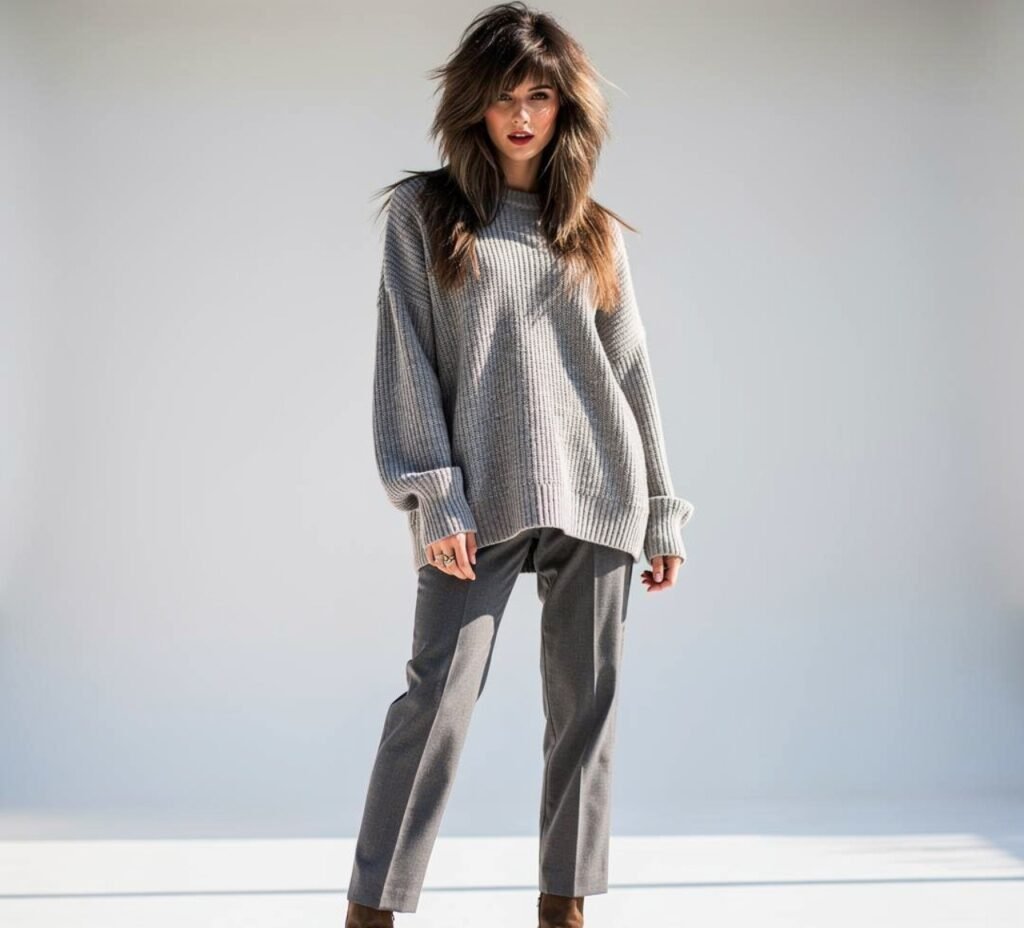
The wolf cut is the modern evolution of the shag, combining the layered body of a traditional shag with the voluminous, rounded crown shape of a 1970s rock star and the face-framing drama of a mullet-inspired front section. This viral style suits wavy and curly long hair most naturally, since those textures amplify the volume at the crown and enhance the textured, tousled finish the wolf cut demands. It flatters oval and heart-shaped faces by balancing a fuller crown with longer, slimmer ends. Teenagers and women in their twenties who discovered this cut through social media tend to feel that it captures a very specific rebellious-but-wearable energy. Diffusing curly or wavy hair upside down after washing maximizes the crown volume that defines the wolf cut’s distinctive silhouette.
11. Bohemian Long Shag
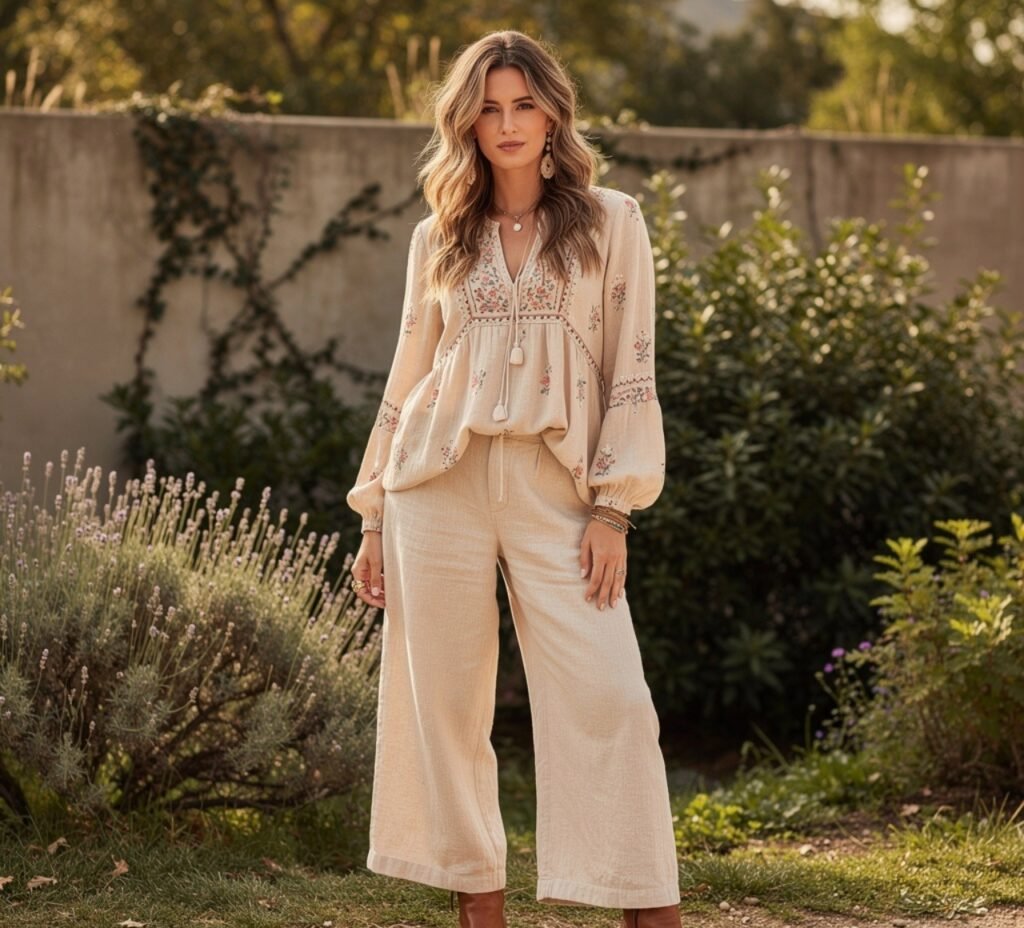
A bohemian long shag softens the sharper, edgier qualities of the cut by using gentler layering techniques and finishing with loose, flowing waves that give the overall style a nature-inspired, free-spirited quality. This version is less about choppy edges and more about movement, dimension, and a certain organic looseness that suits outdoor lifestyles and relaxed personal aesthetics equally. It suits wavy and slightly curly hair textures that naturally produce this flowing quality, and it flatters oval and round face shapes with its soft, unhurried movement. Women who prefer romantic, earthy personal styles over sharp or edgy looks find the bohemian shag aligns most genuinely with their overall wardrobe and energy. A few drops of argan oil worked through the ends after drying keeps the bohemian shag looking nourished rather than frizzy.
12. Long Shag with Curtain Bangs and Layers
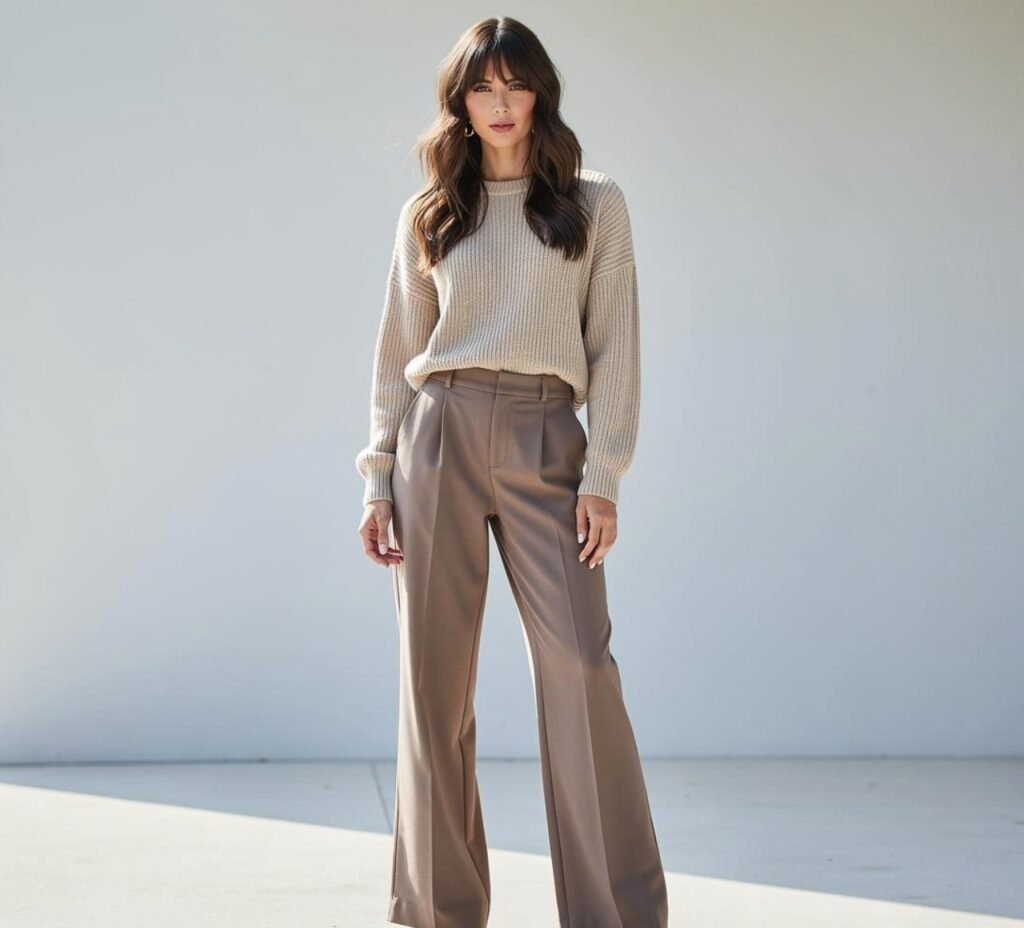
This version maximizes the layered, textured qualities of the shag by combining curtain bangs at the front with heavy internal layering throughout the body of the hair, creating a style that has movement and personality from the very top layer all the way down to the ends. It suits medium-density straight or wavy hair that holds both the curtain bang shape and the body layers without either section overpowering the other. It flatters oblong and oval face shapes specifically, where the curtain bang shortens the forehead while the layers add width through the midlengths. Women who want a complete, all-over transformation rather than a subtle change will find this version delivers the most dramatic impact of any long shag variation. Ask your stylist to connect the bang section seamlessly with the face-framing layers for the most cohesive result.
13. Long Shag for Straight Hair
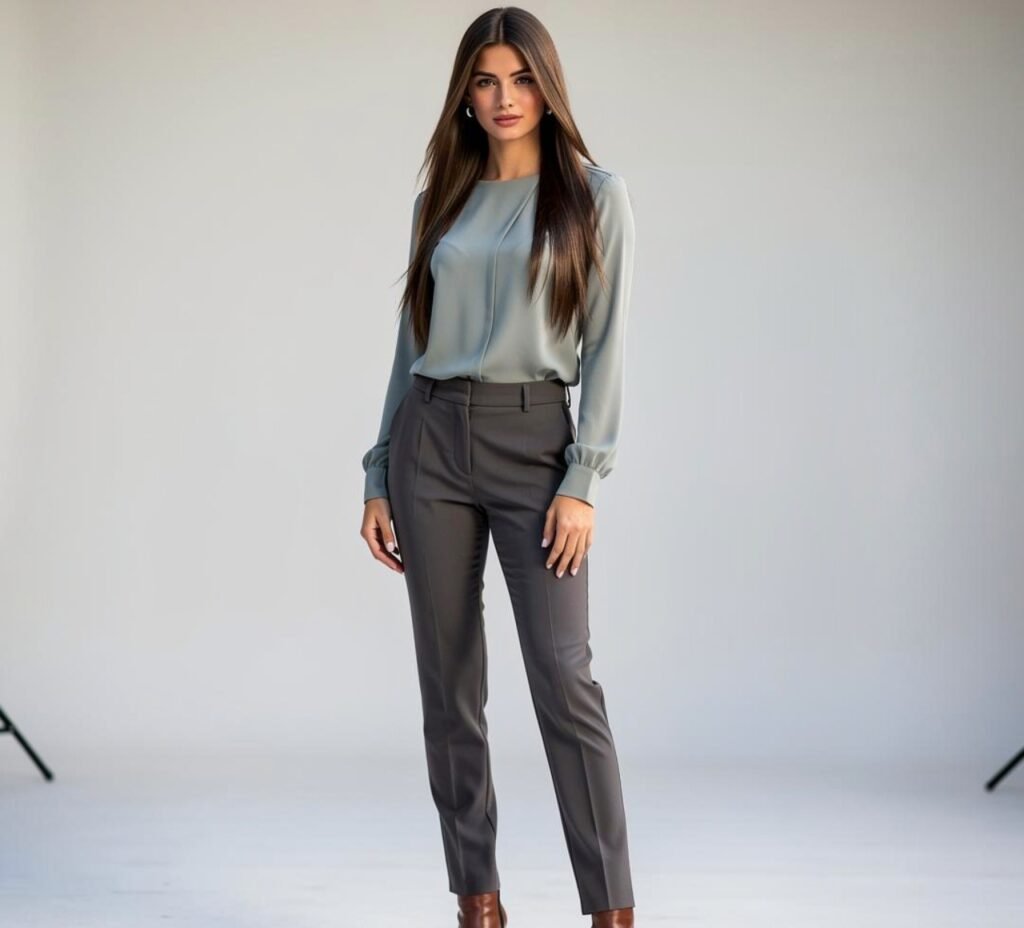
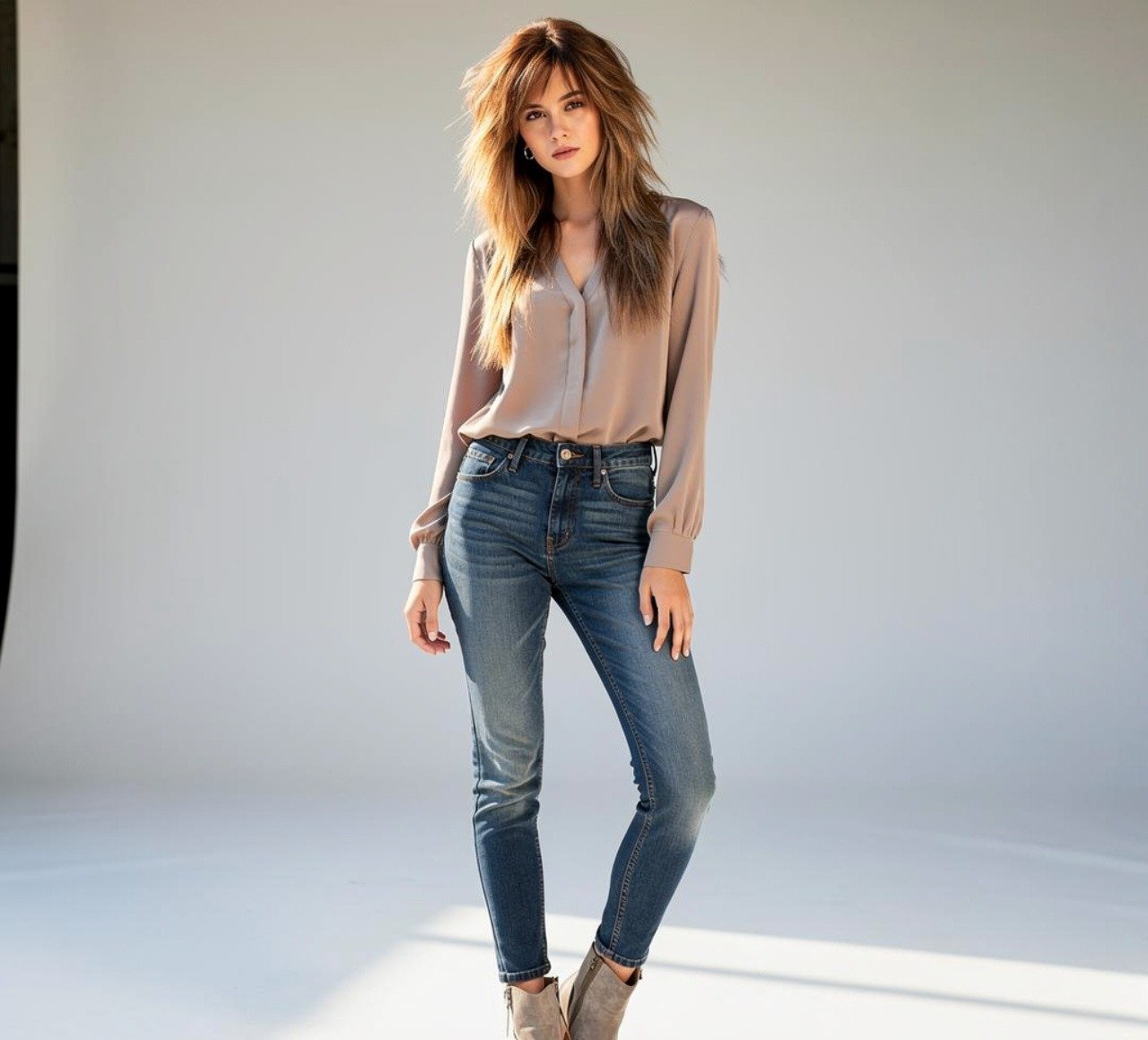
A long shag for straight hair requires a slightly different cutting approach than wavy or curly versions, since straight strands don’t naturally add movement or bounce the way textured hair does. The stylist uses more aggressive point-cutting and razor work on the ends to build in movement that the hair’s natural pattern won’t provide on its own. This results in a shag that looks genuinely textured and interesting on straight strands rather than appearing flat and shapeless between styling sessions. It suits fine to medium straight hair with oval or heart-shaped faces, creating dimension and personality that straight hair in a one-length cut simply cannot produce. A texturizing spray applied before rough blow-drying enhances the manufactured movement the cut depends on.
14. Vintage Rockstar Long Shag
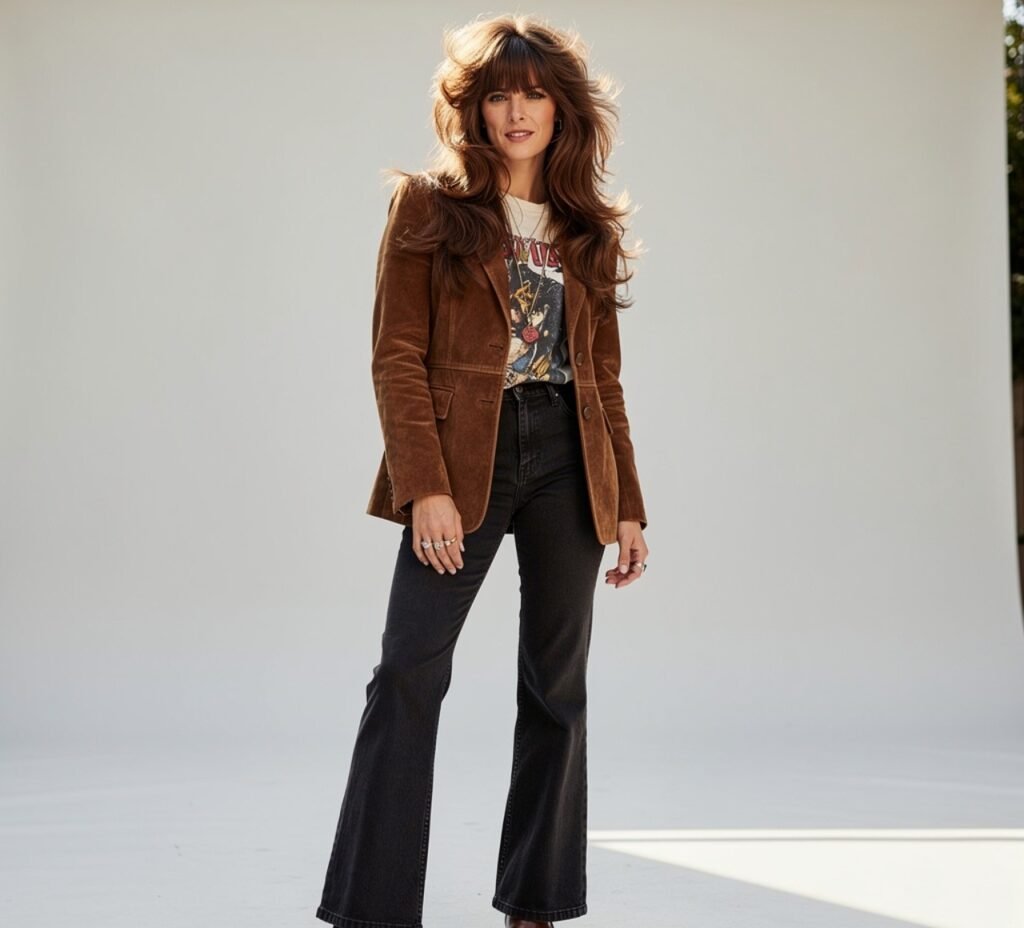
A vintage rockstar long shag channels the hair of 1970s and 1980s musicians, combining extreme layering, significant volume at the crown, feathered ends, and a generally untamed quality that looks powerful rather than messy. This bold cut suits thick or medium-density wavy hair that naturally produces the volume and body needed to fill out the dramatic layers without collapsing into flatness. It flatters oval and square face shapes, adding width and fullness that creates a commanding, stage-worthy profile. Women with a genuinely confident, bold personal style who want their haircut to make an immediate visual statement tend to feel most authentically themselves in this version. Blow-drying with a diffuser pointed upward at the roots creates the crown lift this style absolutely depends on.
15. Soft Long Shag for Sensitive Scalps
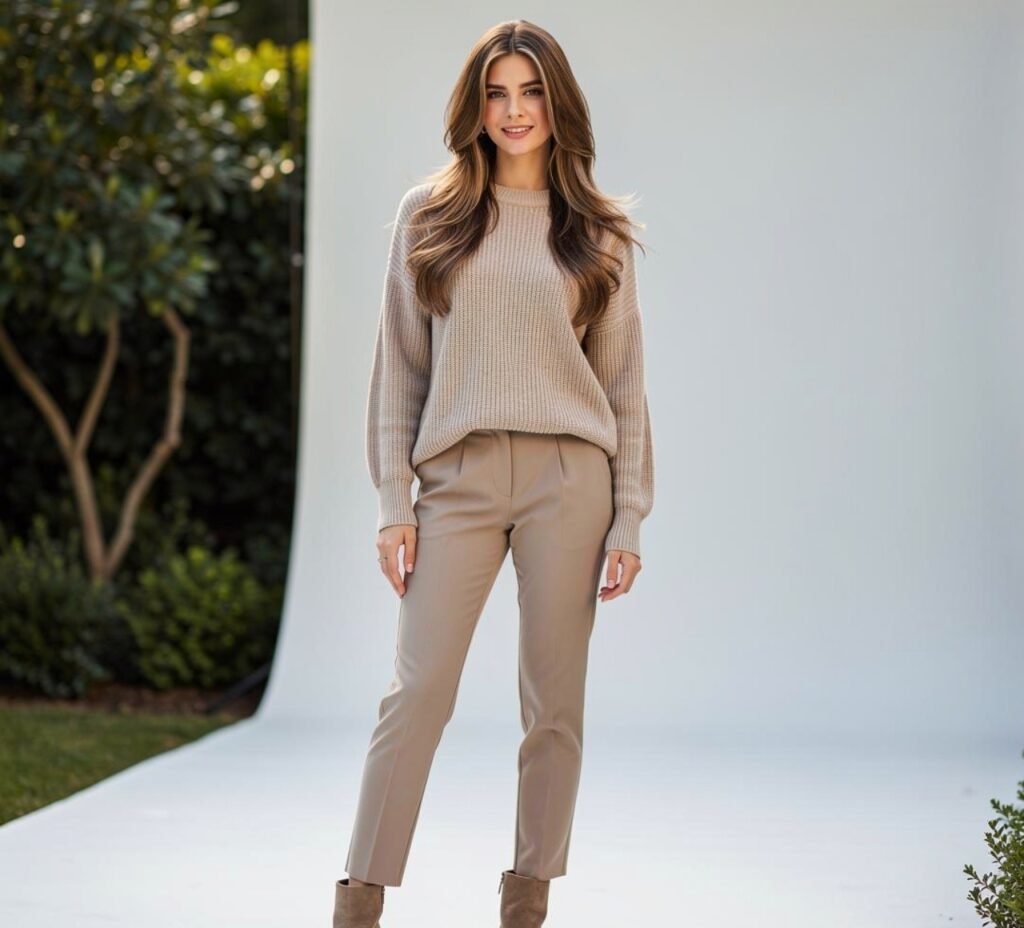
A soft long shag adapts the traditional cutting technique for women who experience scalp sensitivity or tension-related headaches from heavy hair, using feather-light razor texturizing throughout the entire interior of the cut to significantly reduce weight without creating visible thinning at the surface. Removing internal bulk lowers the pulling sensation at the scalp that dense, heavy long hair creates throughout the day. This version suits thick or very dense hair textures on women with oval, round, or square face shapes who need weight relief above all else. Women who regularly experience neck tension or headaches attributed to hair weight often describe this cut as genuinely relieving. Ask your stylist specifically for “internal razor texturizing” to achieve maximum weight removal while keeping the outer silhouette looking full and healthy.
How to Choose the Right Long Shag for Your Hair
Choosing among the many long shag variations starts with identifying your hair’s natural texture, since the cut behaves completely differently across straight, wavy, curly, and coily types and your stylist needs to adjust their technique accordingly. Consider how much daily styling time you realistically want to invest, since some versions like the bohemian shag or wavy long shag air-dry beautifully while others like the straight hair shag or vintage rockstar version need more intentional blow-dry work to look their best. Think about your face shape before committing to bangs, since curtain bangs and full fringes serve very different purposes and flatter different proportions. Finally, consider your lifestyle and personal aesthetic, since the long shag is an expressive cut that shows up differently across retro, bohemian, edgy, and minimalist personal styles.
Best Hair Types and Face Shapes for Long Shag Hairstyles
Long shag hairstyles work across a wide range of textures, though each variation is optimized for specific types. Straight and fine hair looks most transformed by the shag’s choppy layers and razor work, since the cut introduces movement that the texture cannot produce naturally on its own. Wavy and curly hair produces the most effortless, naturally beautiful shag results since the existing texture enhances rather than fights the cut’s layered structure. Thick hair benefits from the weight-reducing nature of the shag more than almost any other cut. In terms of face shape, oval faces suit every variation without adjustment, round and square faces benefit from styles that add height and break up strong jawlines, and oblong faces look most balanced in versions with curtain bangs or prominent face-framing layers that add horizontal width.
Styling and Maintenance Tips for Long Shag Hairstyles
Maintaining a long shag’s shape requires more frequent salon visits than a simple one-length cut, since the layers grow out at different rates and begin to lose their intended shape and movement after roughly eight weeks without a trim. Between appointments, a dry texturizing spray refreshes the choppy, tousled quality that is the shag’s defining characteristic without requiring heat or additional styling products. Sleeping with long shag hair loosely braided prevents the layers from tangling around each other overnight, which becomes a genuine problem once multiple lengths are involved. For color-enhanced shags with highlights or balayage, a weekly bond-strengthening treatment keeps the chemically processed sections from becoming brittle at the points where they’ve been cut to shorter lengths.
How to Ask Your Hairstylist for This Look
Bringing a clear, well-lit photograph of the specific long shag variation you want is essential, since the term shag alone covers an enormous range of interpretations and your stylist needs visual confirmation of the density, length, and bang style you’re expecting. Beyond the photo, communicate your hair’s natural texture honestly and describe what you want the finished cut to do: whether you want maximum volume at the crown, weight removal throughout, or a specific kind of movement around the face. Mention how much daily styling time you’re willing to commit, since a stylist who knows you won’t use a blow-dryer will cut the shag differently than one who assumes you will. Ask specifically about razor versus scissor techniques if you have a preference, since the two tools produce noticeably different finishes on the same basic cut.
Frequently Asked Questions
What is a long shag haircut exactly?
A long shag haircut combines significant length past the shoulders with heavy internal layering, choppy or textured ends, and usually some form of face-framing layers or bangs that together create movement and dimension throughout the hair.
Is a long shag good for thick hair?
Yes, a long shag is one of the best haircuts for thick hair since the aggressive internal layering removes significant bulk and weight, making the hair easier to manage, faster to dry, and far more likely to move naturally rather than expanding outward.
Does a long shag work on fine hair?
Fine hair can absolutely wear a long shag when the stylist adjusts the technique to avoid over-thinning, using lighter layering that creates movement and volume rather than removing so much weight that ends look sparse.
How often does a long shag need trimming?
Most long shag hairstyles need a reshaping trim every six to eight weeks, since the multiple layers grow at different rates and the cut loses its intended movement and shape relatively quickly without maintenance.
What face shape suits a long shag best?
Oval face shapes suit every long shag variation most naturally, while round and square faces benefit most from versions that add vertical height, and oblong faces look most balanced with curtain bangs or face-framing layers.
What is the difference between a long shag and a wolf cut?
A traditional long shag emphasizes choppy layers and feathered ends throughout the full length, while the wolf cut specifically adds extreme crown volume and a more pronounced contrast between a rounded top and flatter sides inspired by 1970s rock hairstyles.
Final Thoughts
The long shag remains one of the most creatively satisfying haircuts because it rewards every hair type differently, giving straight hair the movement it naturally lacks, giving thick hair the relief it desperately needs, and giving wavy and curly hair the kind of shape and definition that most other cuts fail to deliver. The sixteen variations above cover the full spectrum of this iconic cut from its vintage origins to its most modern interpretations, each one paired with the specific texture, face shape, and lifestyle it suits most naturally. Save the version that resonates most, communicate it clearly at your next appointment, and trust that a well-executed long shag has the power to genuinely transform the way your hair moves and feels every single day.
A vintage rockstar long shag channels the hair of 1970s and 1980s musicians, combining extreme layering, significant volume at the crown, feathered ends, and a generally untamed quality that looks powerful rather than messy. This bold cut suits thick or medium-density wavy hair that naturally produces the volume and body needed to fill out the dramatic layers without collapsing into flatness. It flatters oval and square face shapes, adding width and fullness that creates a commanding, stage-worthy profile. Women with a genuinely confident, bold personal style who want their haircut to make an immediate visual statement tend to feel most authentically themselves in this version. Blow-drying with a diffuser pointed upward at the roots creates the crown lift this style absolutely depends on.
16. Soft Long Shag for Sensitive Scalps
A soft long shag adapts the traditional cutting technique for women who experience scalp sensitivity or tension-related headaches from heavy hair, using feather-light razor texturizing throughout the entire interior of the cut to significantly reduce weight without creating visible thinning at the surface. Removing internal bulk lowers the pulling sensation at the scalp that dense, heavy long hair creates throughout the day. This version suits thick or very dense hair textures on women with oval, round, or square face shapes who need weight relief above all else. Women who regularly experience neck tension or headaches attributed to hair weight often describe this cut as genuinely relieving. Ask your stylist specifically for “internal razor texturizing” to achieve maximum weight removal while keeping the outer silhouette looking full and healthy.
How to Choose the Right Long Shag for Your Hair
Choosing among the many long shag variations starts with identifying your hair’s natural texture, since the cut behaves completely differently across straight, wavy, curly, and coily types and your stylist needs to adjust their technique accordingly. Consider how much daily styling time you realistically want to invest, since some versions like the bohemian shag or wavy long shag air-dry beautifully while others like the straight hair shag or vintage rockstar version need more intentional blow-dry work to look their best. Think about your face shape before committing to bangs, since curtain bangs and full fringes serve very different purposes and flatter different proportions. Finally, consider your lifestyle and personal aesthetic, since the long shag is an expressive cut that shows up differently across retro, bohemian, edgy, and minimalist personal styles.
Best Hair Types and Face Shapes for Long Shag Hairstyles
Long shag hairstyles work across a wide range of textures, though each variation is optimized for specific types. Straight and fine hair looks most transformed by the shag’s choppy layers and razor work, since the cut introduces movement that the texture cannot produce naturally on its own. Wavy and curly hair produces the most effortless, naturally beautiful shag results since the existing texture enhances rather than fights the cut’s layered structure. Thick hair benefits from the weight-reducing nature of the shag more than almost any other cut. In terms of face shape, oval faces suit every variation without adjustment, round and square faces benefit from styles that add height and break up strong jawlines, and oblong faces look most balanced in versions with curtain bangs or prominent face-framing layers that add horizontal width.
Styling and Maintenance Tips for Long Shag Hairstyles
Maintaining a long shag’s shape requires more frequent salon visits than a simple one-length cut, since the layers grow out at different rates and begin to lose their intended shape and movement after roughly eight weeks without a trim. Between appointments, a dry texturizing spray refreshes the choppy, tousled quality that is the shag’s defining characteristic without requiring heat or additional styling products. Sleeping with long shag hair loosely braided prevents the layers from tangling around each other overnight, which becomes a genuine problem once multiple lengths are involved. For color-enhanced shags with highlights or balayage, a weekly bond-strengthening treatment keeps the chemically processed sections from becoming brittle at the points where they’ve been cut to shorter lengths.
How to Ask Your Hairstylist for This Look
Bringing a clear, well-lit photograph of the specific long shag variation you want is essential, since the term shag alone covers an enormous range of interpretations and your stylist needs visual confirmation of the density, length, and bang style you’re expecting. Beyond the photo, communicate your hair’s natural texture honestly and describe what you want the finished cut to do: whether you want maximum volume at the crown, weight removal throughout, or a specific kind of movement around the face. Mention how much daily styling time you’re willing to commit, since a stylist who knows you won’t use a blow-dryer will cut the shag differently than one who assumes you will. Ask specifically about razor versus scissor techniques if you have a preference, since the two tools produce noticeably different finishes on the same basic cut.
Frequently Asked Questions
What is a long shag haircut exactly?
A long shag haircut combines significant length past the shoulders with heavy internal layering, choppy or textured ends, and usually some form of face-framing layers or bangs that together create movement and dimension throughout the hair.
Is a long shag good for thick hair?
Yes, a long shag is one of the best haircuts for thick hair since the aggressive internal layering removes significant bulk and weight, making the hair easier to manage, faster to dry, and far more likely to move naturally rather than expanding outward.
Does a long shag work on fine hair?
Fine hair can absolutely wear a long shag when the stylist adjusts the technique to avoid over-thinning, using lighter layering that creates movement and volume rather than removing so much weight that ends look sparse.
How often does a long shag need trimming?
Most long shag hairstyles need a reshaping trim every six to eight weeks, since the multiple layers grow at different rates and the cut loses its intended movement and shape relatively quickly without maintenance.
What face shape suits a long shag best?
Oval face shapes suit every long shag variation most naturally, while round and square faces benefit most from versions that add vertical height, and oblong faces look most balanced with curtain bangs or face-framing layers.
What is the difference between a long shag and a wolf cut?
A traditional long shag emphasizes choppy layers and feathered ends throughout the full length, while the wolf cut specifically adds extreme crown volume and a more pronounced contrast between a rounded top and flatter sides inspired by 1970s rock hairstyles.
Final Thoughts
The long shag remains one of the most creatively satisfying haircuts because it rewards every hair type differently, giving straight hair the movement it naturally lacks, giving thick hair the relief it desperately needs, and giving wavy and curly hair the kind of shape and definition that most other cuts fail to deliver. The sixteen variations above cover the full spectrum of this iconic cut from its vintage origins to its most modern interpretations, each one paired with the specific texture, face shape, and lifestyle it suits most naturally. Save the version that resonates most, communicate it clearly at your next appointment, and trust that a well-executed long shag has the power to genuinely transform the way your hair moves and feels every single day.