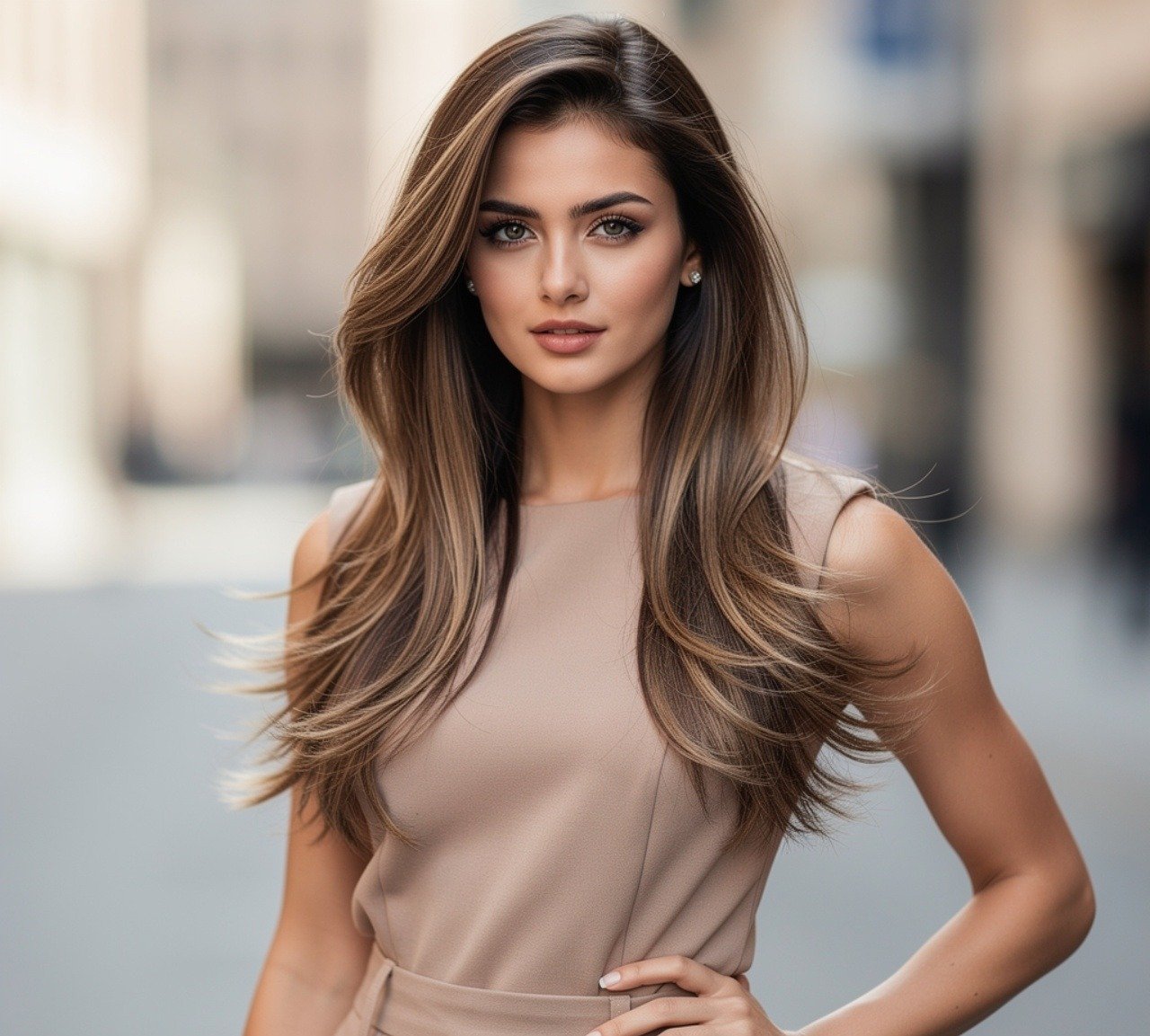
15 Best Long Hairstyles with Layers That Are Trending Right Now
You’ve been scrolling Pinterest for long layered hairstyles and walith nothing but saved photos and zero useful information, this guide was built exactly for you. Most hairstyle boards dedicated to layered looks skip every detail that actually matters, never explaining where the layers begin, how much length gets removed, which hair texture benefits most, or how the cut behaves on day two and day seven of a wash cycle. Those details are precisely what separates a layered cut you love from one that grows out awkwardly and leaves you frustrated. This article covers all of it, giving you fifteen long hairstyles with layers broken down with the depth and clarity you actually need.
15 Stunning Long Hairstyles with Layers
Below, you’ll find fifteen long hairstyles with layers explained in genuine detail, each one covering the specific hair types it suits, the face shapes it flatters most, the styling habits that keep it looking its best, and the color suggestions that enhance its natural movement. Save this guide, bring your favorites to your appointment, and walk out with layers that actually transform your hair rather than simply shorten parts of it.
1. Classic Long Layers for Long Hair
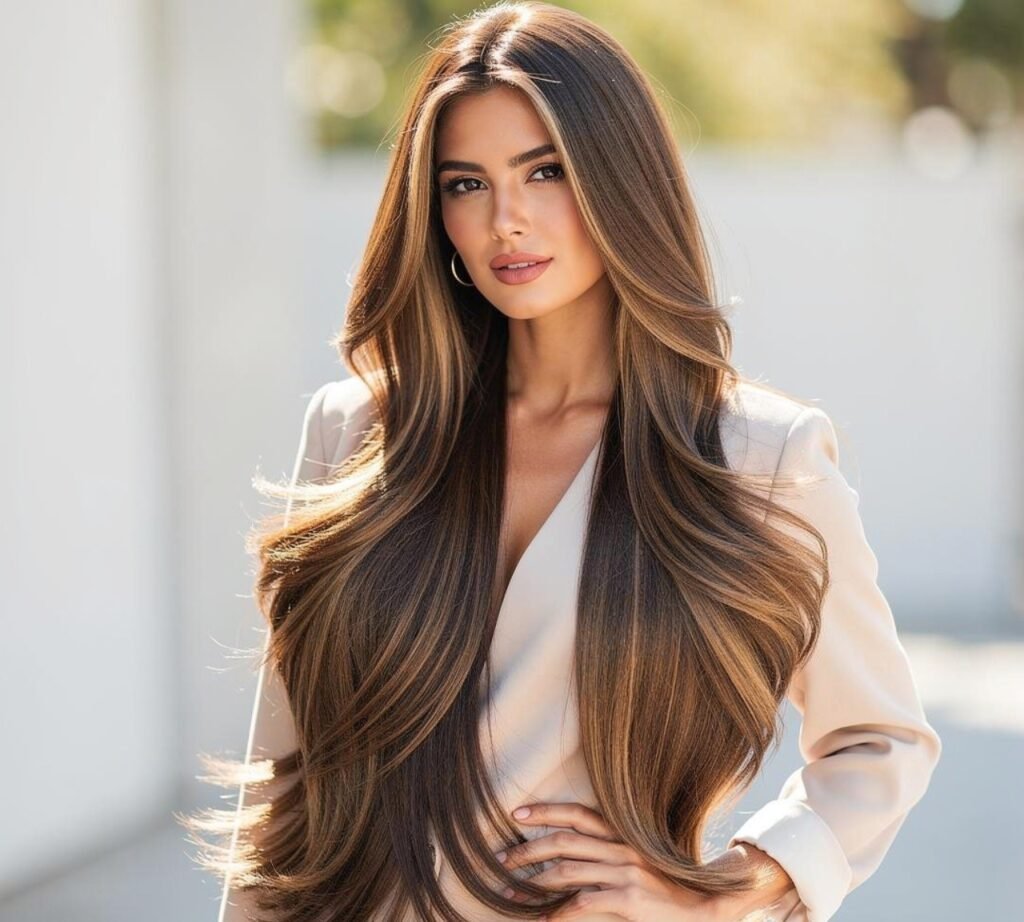
Classic long layers remain the most universally requested layered cut for good reason, delivering movement, dimension, and lightness to virtually every hair texture without requiring dramatic length removal. A stylist works through the mid-lengths and ends in gradually descending sections, removing interior weight while preserving the overall length silhouette from the outside. This approach suits fine to medium hair density best, since the layers create an illusion of fullness that straight, one-length hair on finer strands rarely achieves naturally. Oval, heart, and long face shapes all benefit from the gentle graduation that classic layers provide. Paired with a soft balayage, this cut creates one of the most effortlessly beautiful combinations in modern hairstyling.
2. Face-Framing Layers for Long Hair
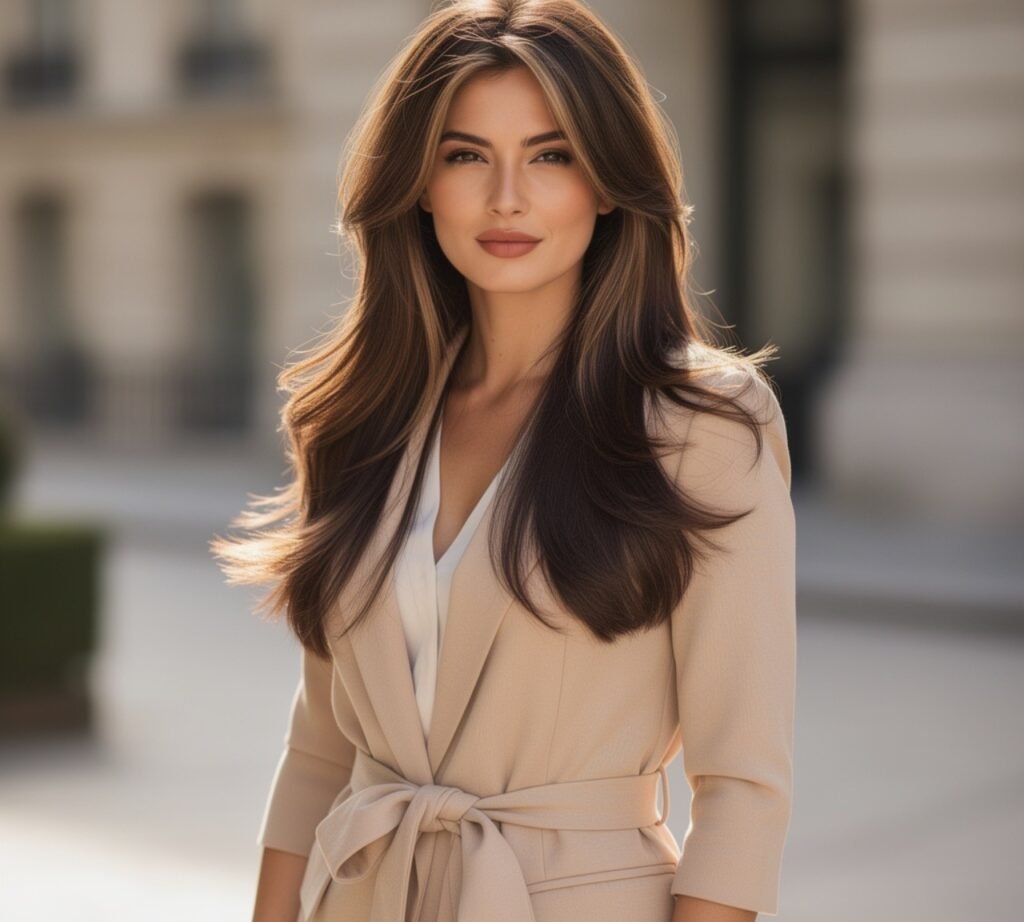
Face-framing layers target only the sections closest to the face, cutting shorter pieces that fall near the cheekbones and jaw while leaving the remaining length and interior weight completely intact underneath. This subtle yet transformative technique draws the eye toward specific facial features, softening angular jawlines and adding gentle width near the temples where certain face shapes need it most. It suits fine to medium density hair best, since the targeted sections add dimension without reducing the overall appearance of thickness throughout the length. Heart, oval, and diamond face shapes benefit most visibly from this precise placement. This cut also reduces morning styling time significantly, since the framing pieces style themselves naturally.
3. Long Layered Shag for Long Hair
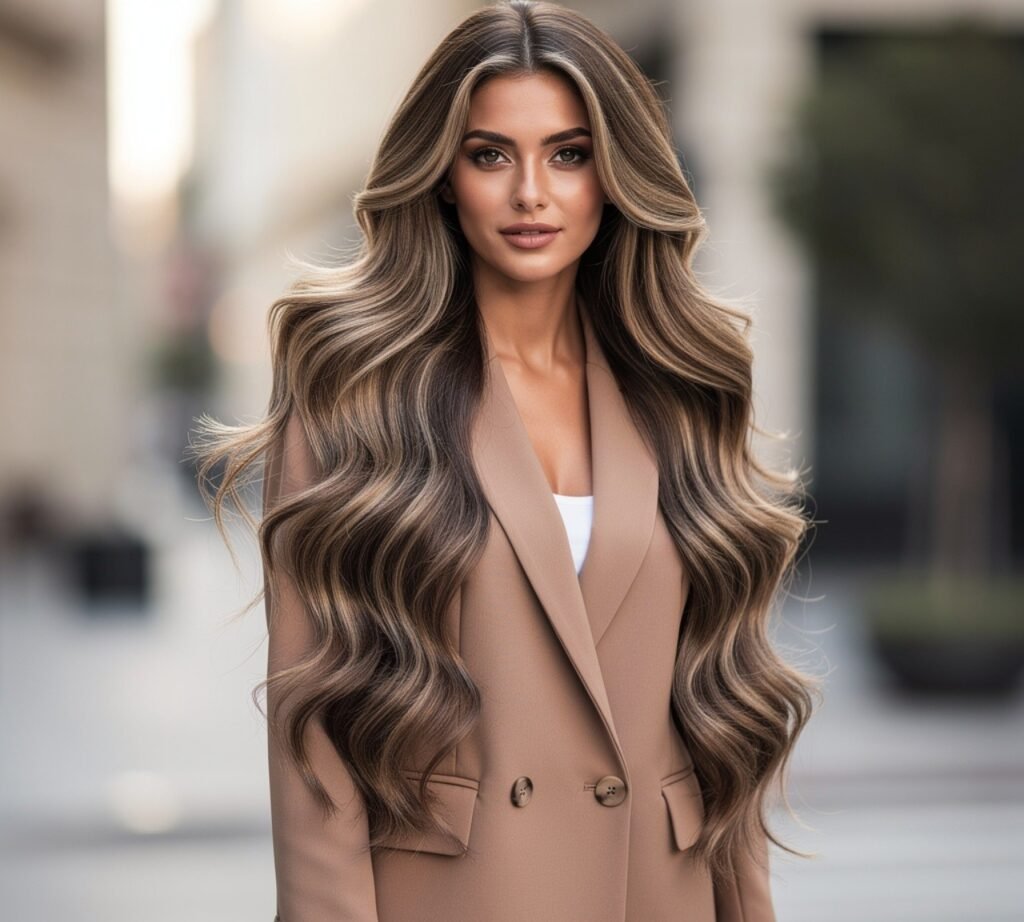
The modern shag brings heavy, deliberate layering throughout the entire length combined with a layered fringe, creating a bold, textured silhouette that thrives on movement and personality rather than polish. Unlike subtler layered cuts, the shag removes significant weight at multiple points throughout the hair, creating shorter interior sections that sit at dramatically different lengths from the surface. This style suits fine to medium density hair most productively, since the layering creates a convincing illusion of fullness throughout. Oval, heart, and oblong face shapes carry the fringe most naturally. Texturizing spray and a quick finger-tousle are the only styling requirements, making this a genuinely low-effort cut with a high-impact result.
4. Layered Waves for Long Hair
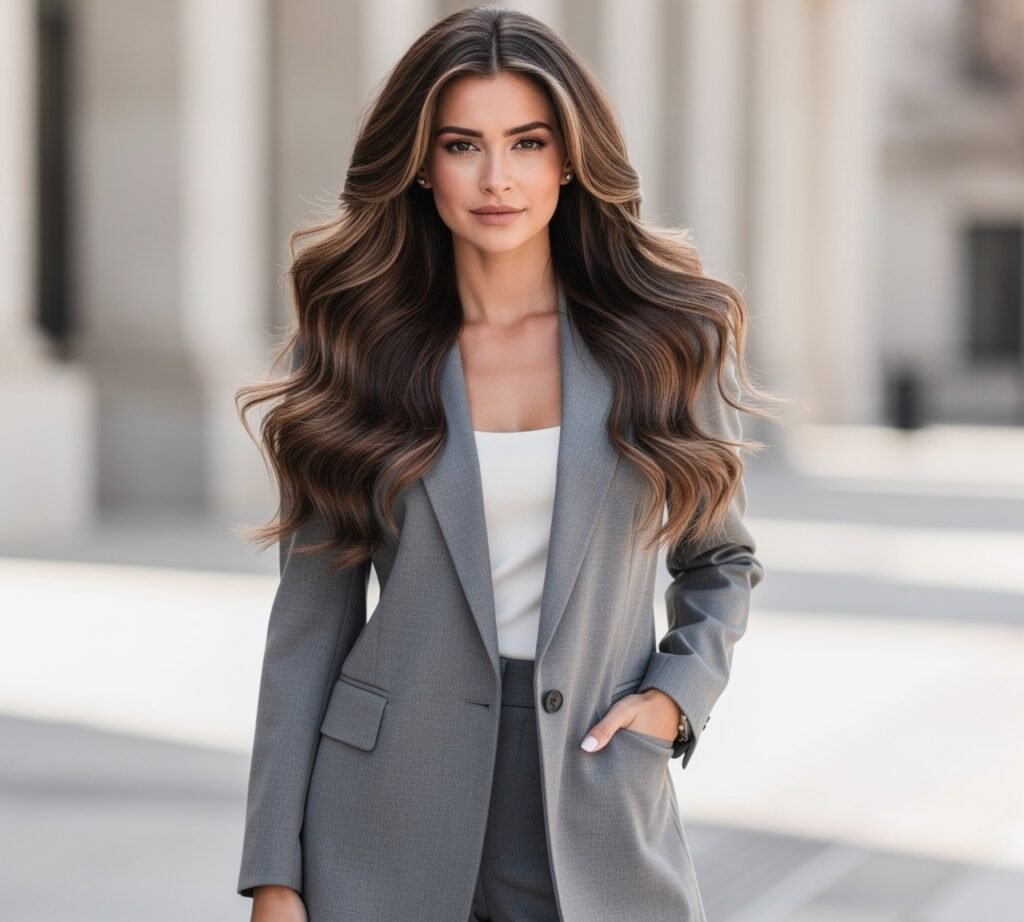
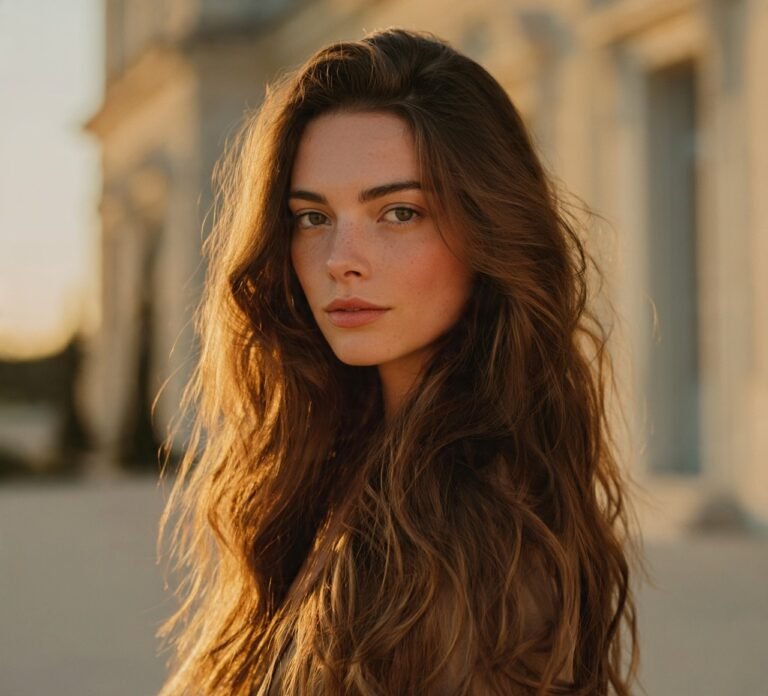
Layered cuts and wavy hair textures form one of the most naturally complementary pairings in hairstyling, since the waves define themselves more clearly and bounce more independently when interior weight is removed through strategic layering. Without layers, wavy hair tends to clump into one heavy, bottom-weighted mass that pulls the wave pattern downward and flat. With layers, each wave section springs freely from its own length, creating the kind of effortless, cascading movement that photographs beautifully in every setting. This style suits medium to thick wavy hair density most productively. Oval and heart face shapes look particularly natural, and a sea salt spray used on damp hair activates the wave pattern with virtually no additional effort.
5. Long Layered Curls for Long Hair
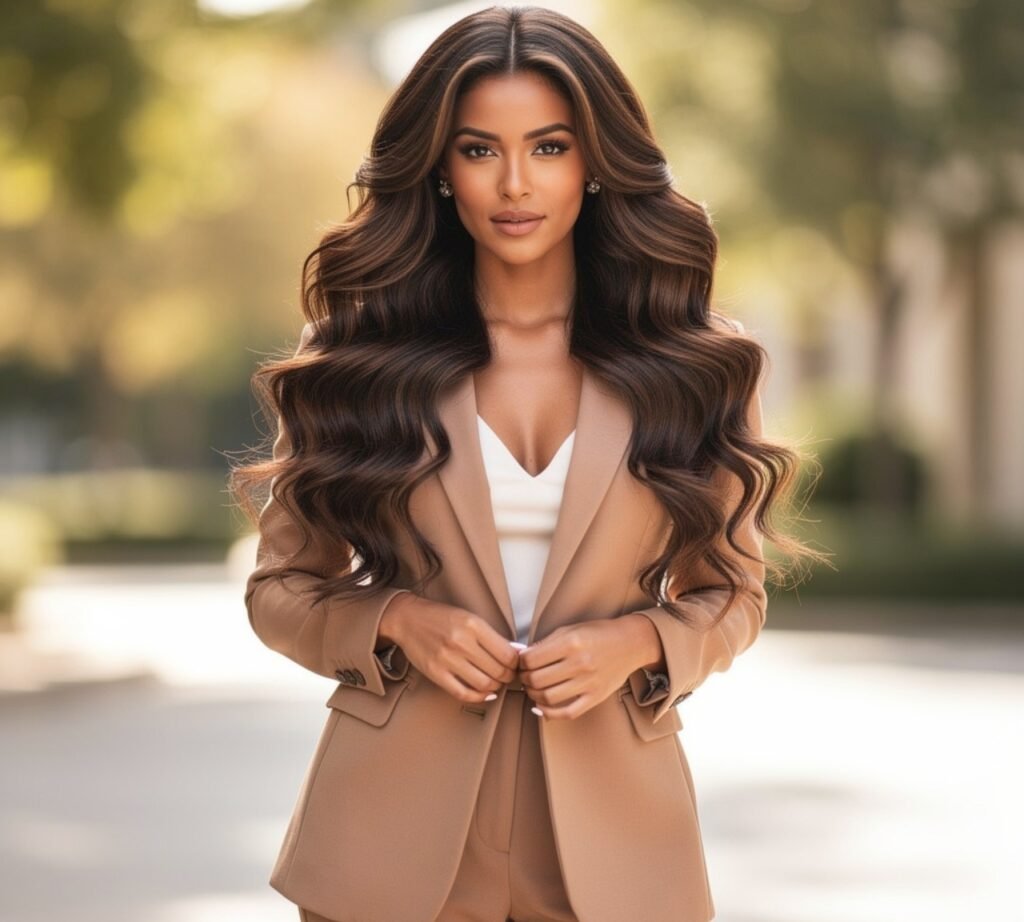
Layers on naturally curly hair remove bulk while allowing each individual curl to spring independently, solving the most common complaint among curly-haired people, which is weight pulling their curl pattern downward into stretched, undefined sections. A stylist working on curly hair typically cuts dry rather than wet to account for shrinkage and see the true curl behavior before removing length, ensuring layers fall at the right point once the hair fully contracts. This style suits medium to thick curly hair density best, since fine curly hair sometimes needs its weight to maintain definition. Oval and long face shapes benefit most from the added width layers create at the midpoint of the face.
6. Butterfly Cut with Long Layers for Long Hair
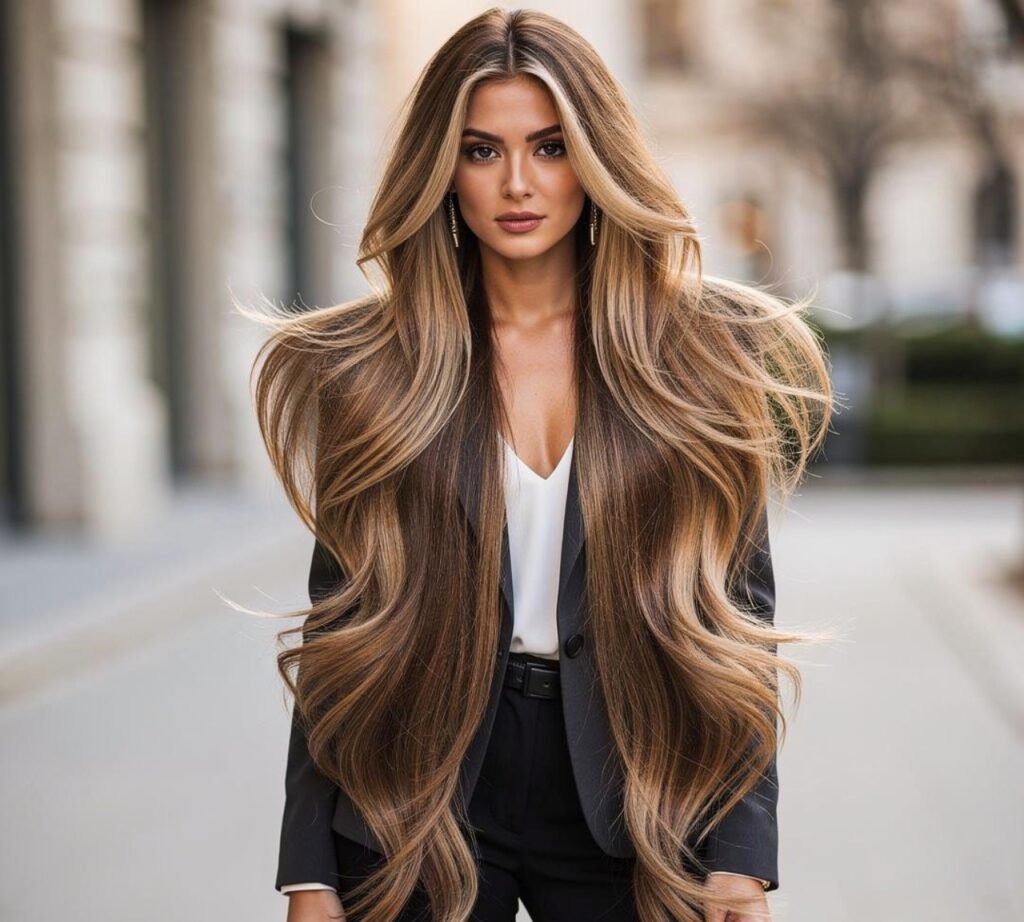
The butterfly cut has become one of the most discussed layered styles in recent years, featuring dramatically shorter interior layers at the crown that create a voluminous, wing-like silhouette when the hair falls naturally. The crown section sits significantly shorter than the underlying length, creating a two-tiered effect that photographs with exceptional visual drama and dimension. This style suits medium to thick density hair most naturally, since finer strands sometimes struggle to carry the weight differential between the crown and the underlying length. Round and oval face shapes benefit most from the crown volume this cut produces. It suits adventurous, fashion-forward lifestyles and pairs beautifully with rich, dimensional color.
In order to see more options for long hair bun hairstyles CLICK HERE
7. Layered Straight Hair with Curtain Bangs for Long Hair
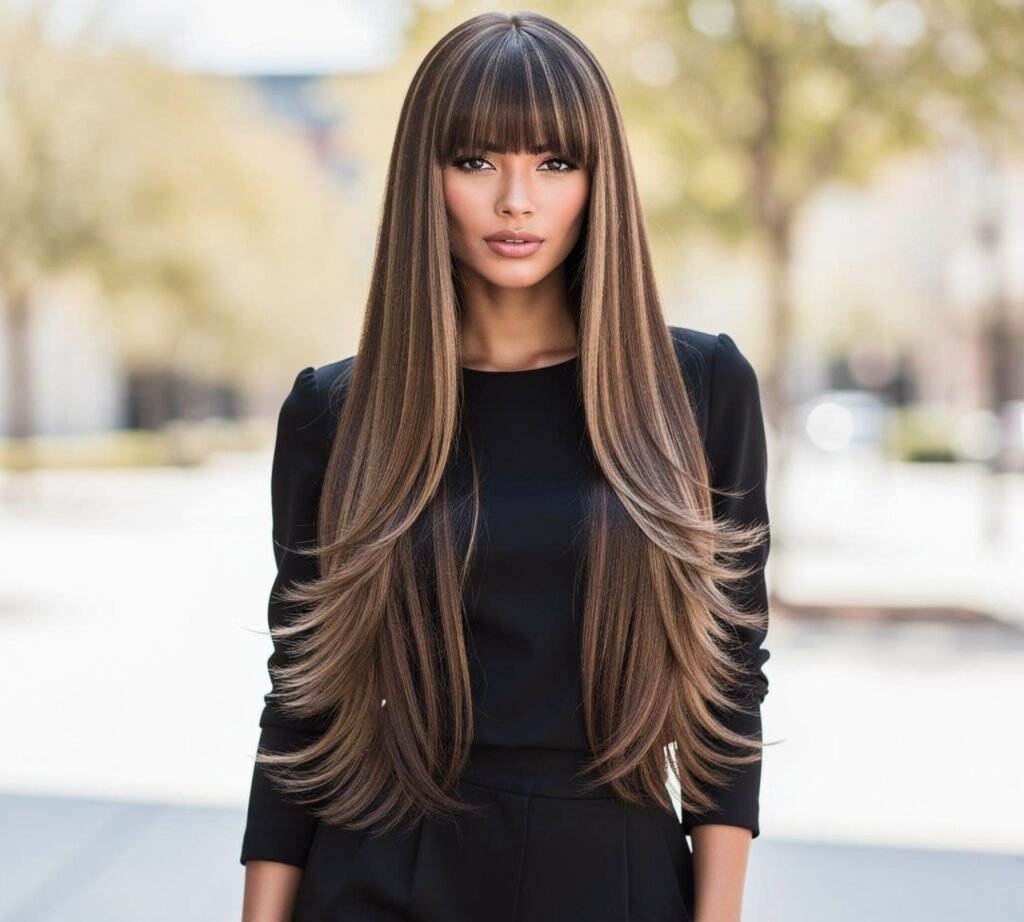
Combining internal layers with curtain bangs creates a complete framing system that works simultaneously on the face and throughout the length, producing dimension from the forehead all the way to the ends. The layers remove interior weight throughout the mid-lengths, while the curtain bangs sweep open at the center to frame the eyes and cheekbones directly. This style suits straight to wavy hair best, since the bang’s sweeping direction holds most naturally without additional heat styling. Oval, round, and square face shapes all benefit noticeably, with the bang softening stronger jaw angles and the layers creating movement that flat straight hair naturally lacks.
8. Long U-Shaped Layered Cut for Long Hair
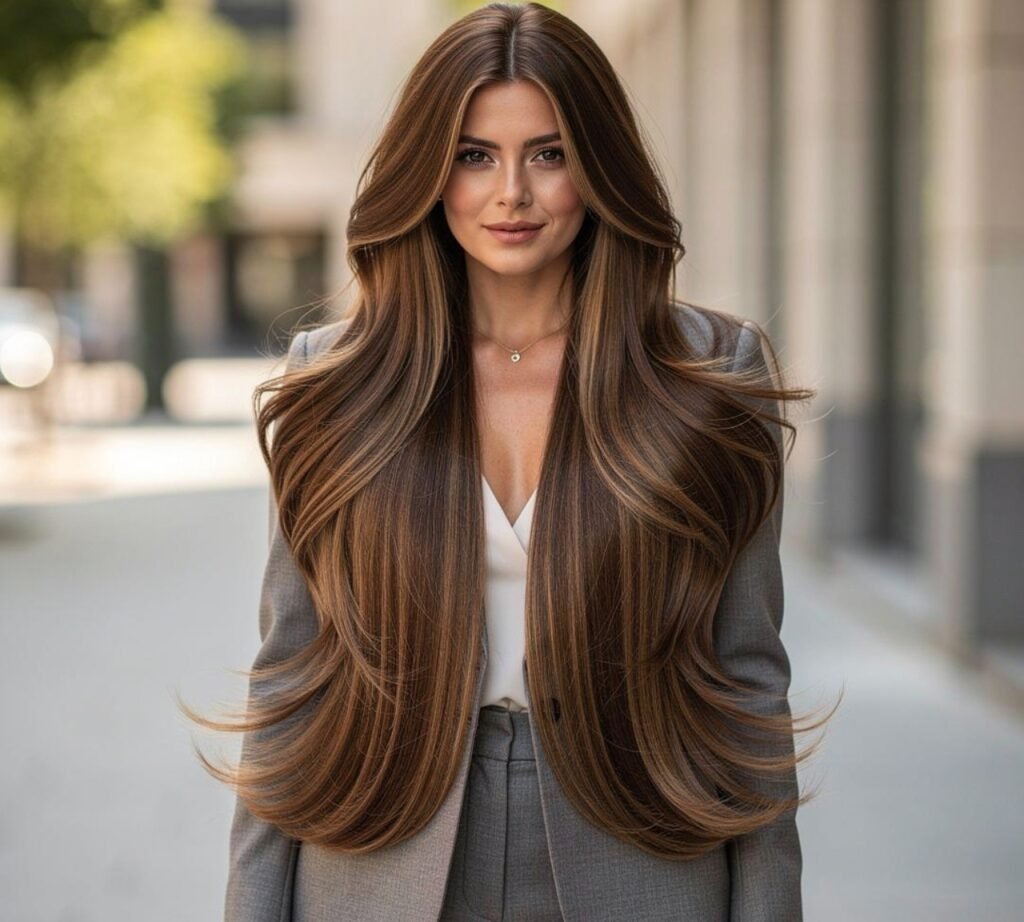
The U-shaped cut creates a distinctive curved silhouette at the ends, with the center of the hair growing slightly longer than the sides and creating a gentle arc across the back. Internal layers throughout the length complement this shape by preventing the curved perimeter from looking heavy or dated, keeping the overall silhouette light and modern. This style suits medium to thick hair density most naturally, since the curved perimeter requires enough bulk to maintain its shape over time. Oval and heart face shapes wear this cut most gracefully. It pairs beautifully with natural, effortless styling like air-drying and minimal product.
9. Long V-Cut with Layers for Long Hair
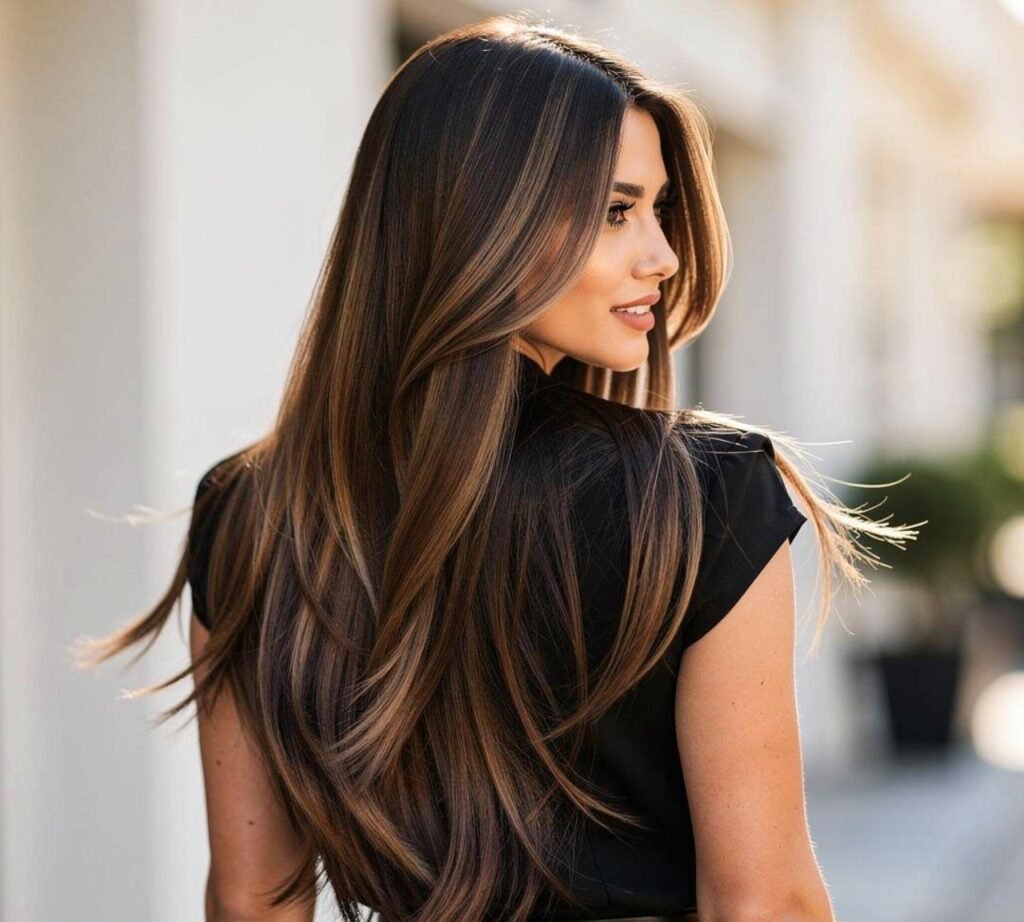
The V-cut creates a pointed, angular perimeter at the back, with the sides of the hair tapering inward toward a central point that creates a dramatically elongated visual effect from behind. Internal layers throughout the length keep the V from appearing heavy or triangular as the hair grows, maintaining lightness and movement throughout the mid-sections. This style suits thick to medium density hair most naturally, since finer hair sometimes loses the visual impact of the V-shape when there isn’t enough density for the perimeter to read clearly. Long and oval face shapes look particularly striking from behind with this cut, and it pairs beautifully with glossy, smooth styling.
10. Textured Long Layers with Balayage for Long Hair
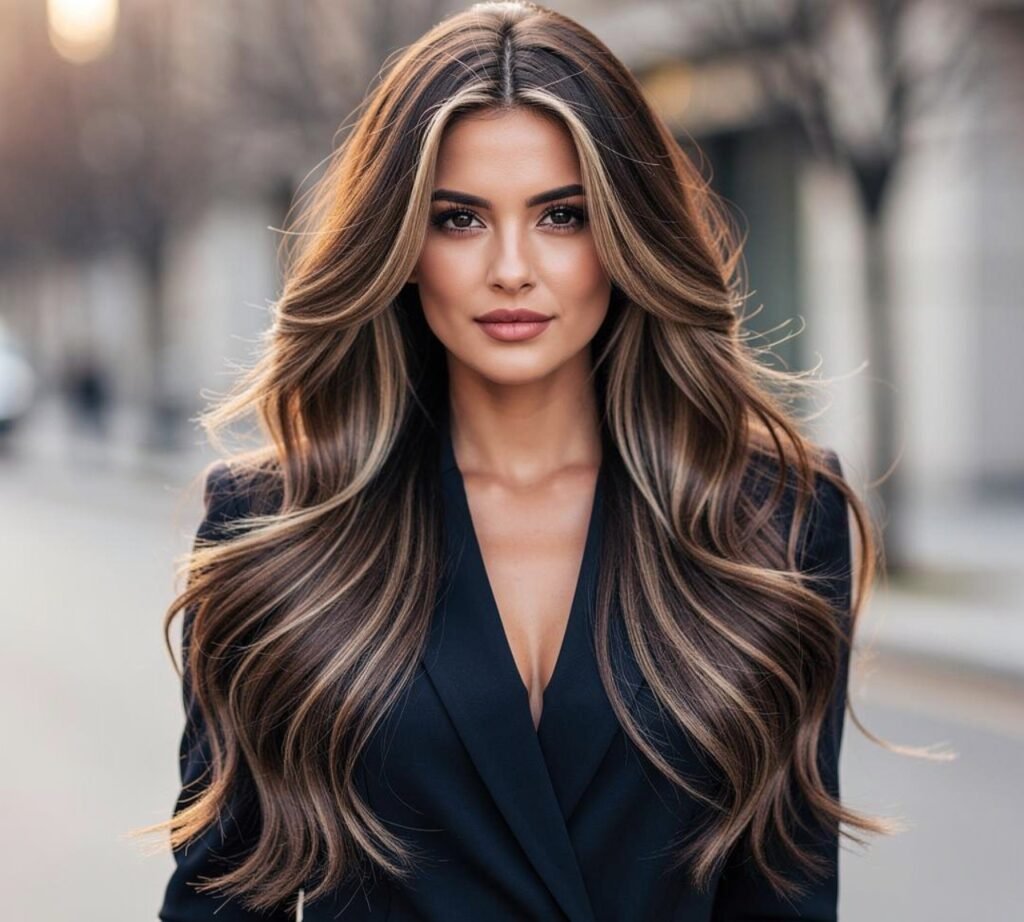
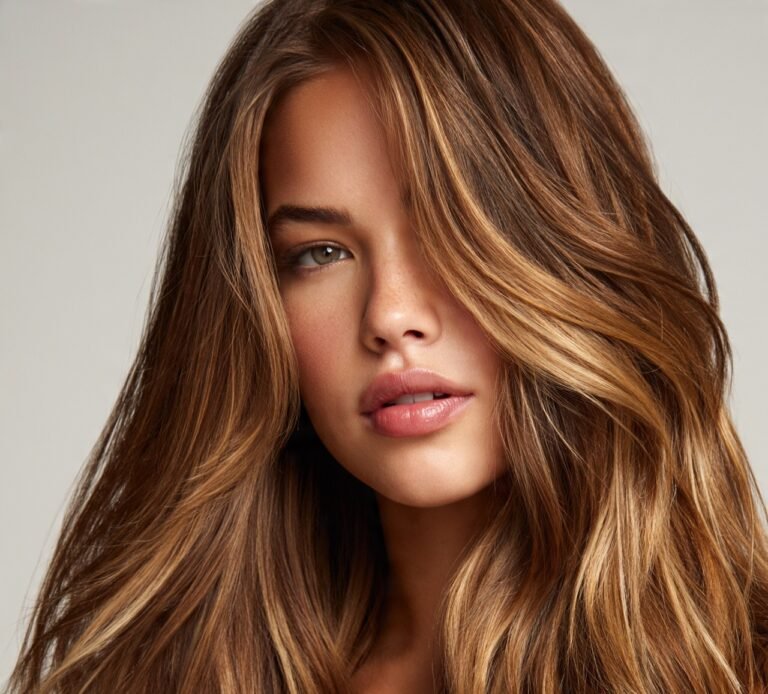
Textured layers combined with a balayage color technique create one of the most visually dimensional looks achievable on long hair, since the color gradient moves through each layered section at a slightly different point, creating the impression of extraordinary depth throughout the length. The layers add physical movement, while the balayage adds the visual illusion of even greater dimension by placing light and dark tones at alternating points throughout the cut. This combination suits medium to thick hair density most productively and works beautifully on every hair texture from straight through curly. Every face shape benefits, since the overall effect draws the eye through the length of the hair rather than fixing it at any single feature.
11. Long Layers with Wispy Ends for Long Hair
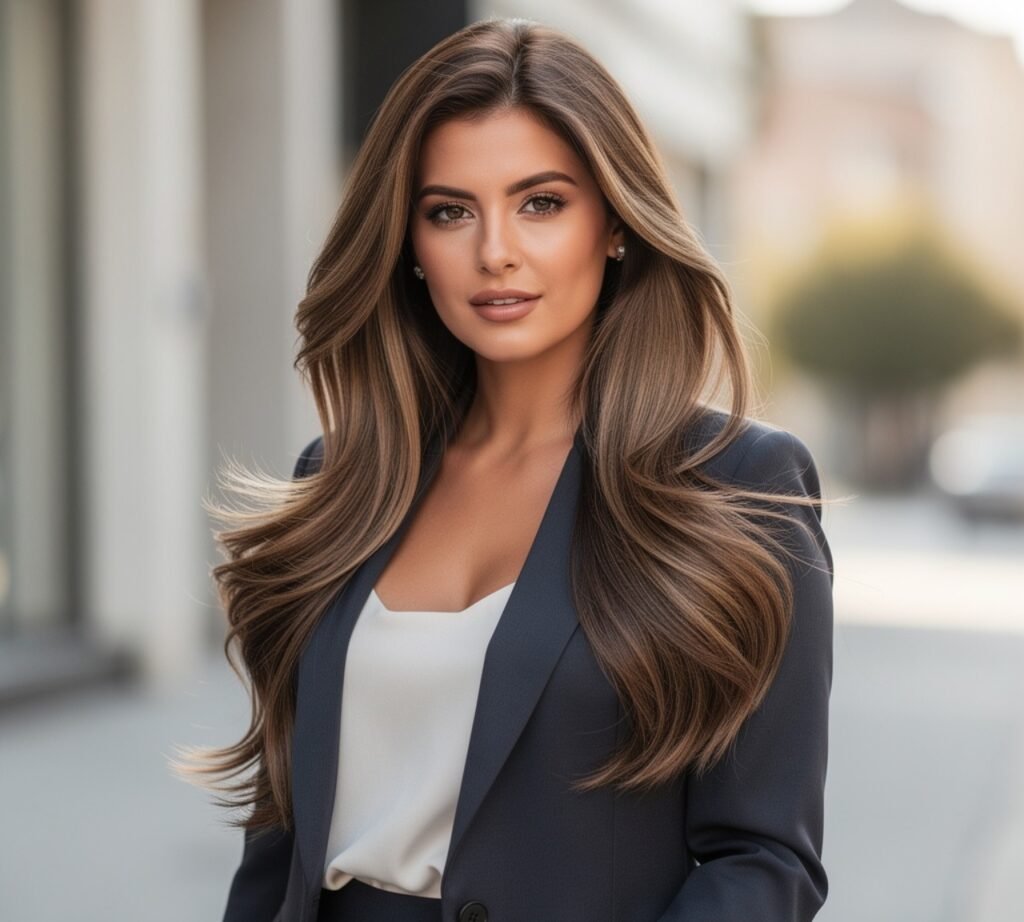
Wispy ends represent a specific technique within layered cutting where the very tips of each section are point-cut or texturized rather than cut cleanly, creating a feathered, softened finish that moves fluidly with even the slightest head movement. This approach suits fine to medium hair density best, since the wispy finish prevents fine ends from looking blunt or sparse and instead makes them appear deliberately airy. Oval, heart, and long face shapes all wear wispy-ended layers particularly well. This technique pairs beautifully with warm highlight tones, since the texturized ends catch light differently from the smoother sections above, creating natural-looking dimension without additional color complexity.
12. Long Layered Hair with Highlights for Long Hair
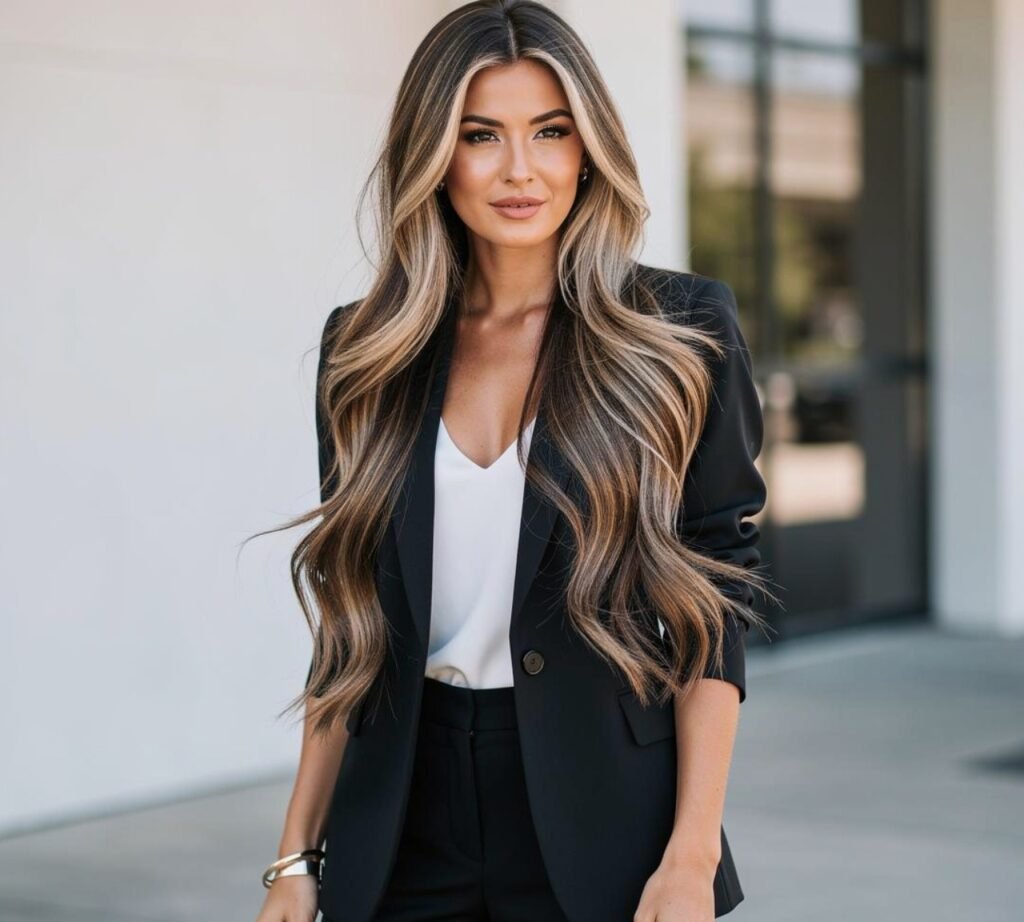
Highlights woven throughout a long layered cut create a combination where both elements amplify the other’s impact, since the layers allow highlighted sections to separate and catch light independently rather than sitting in one flat plane. Foil highlights placed throughout the mid-lengths and ends of a layered cut appear more dimensional and vibrant than the same highlights on one-length hair, since every layer turns slightly differently and reflects light from a different angle. This style suits all hair textures and densities and flatters every face shape. Fine hair particularly benefits, since the highlights create an additional visual impression of thickness and richness throughout the length.
13. Disconnected Long Layers for Long Hair
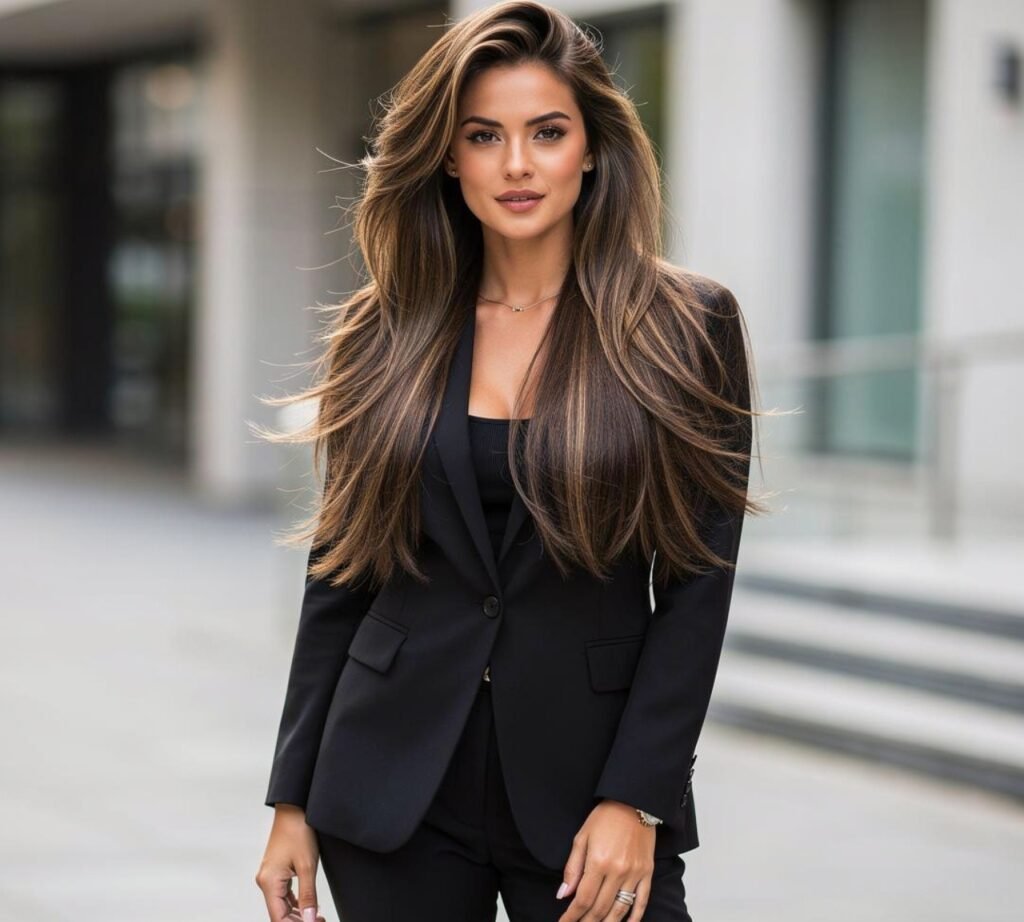
Disconnected layers represent a more advanced cutting technique where specific sections of the hair are deliberately cut without blending into adjacent sections, creating stark weight differences that produce a bold, editorial silhouette rather than a traditionally graduated finish. The contrast between the longer underneath sections and the shorter disconnected pieces above creates visual drama that suits fashion-forward, creative lifestyles more naturally than conservative professional environments. This style suits thick to medium hair density most productively, since the disconnection requires enough bulk in each section to maintain its shape independently. Oval and long face shapes carry this architectural quality most naturally.
14. Long Curtain Layers for Long Hair
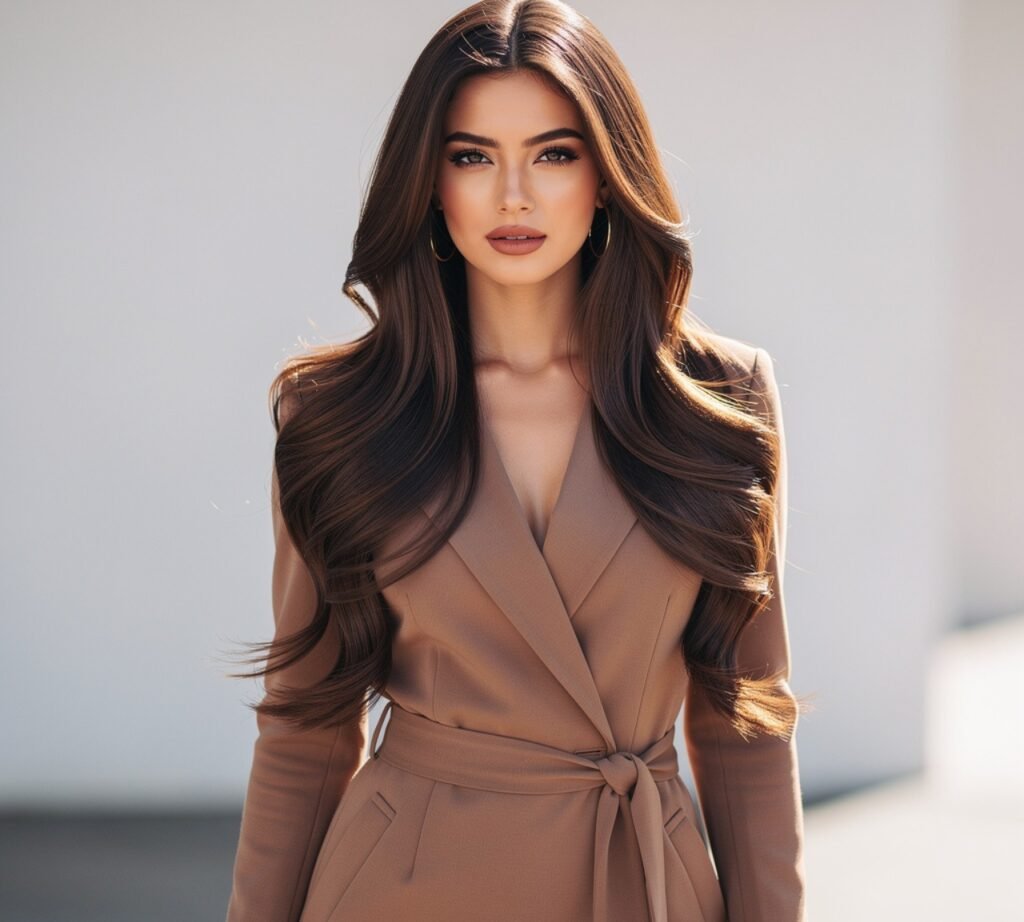
Curtain layers place the longest interior sections directly beside the center part, creating a layered effect that mirrors the opening movement of curtain bangs but travels the full length of the hair rather than only near the forehead. This technique creates an extraordinary face-framing effect throughout the entire length, with the hair naturally parting and sweeping outward from the center on both sides. It suits straight to wavy hair most naturally, since these textures hold the curtain direction without fighting against curl patterns. Oval, round, and heart face shapes benefit most visibly, and this technique pairs beautifully with a deep conditioning gloss treatment that enhances the sweeping movement.
15. Long Layers with Invisible Layers Technique for Long Hair
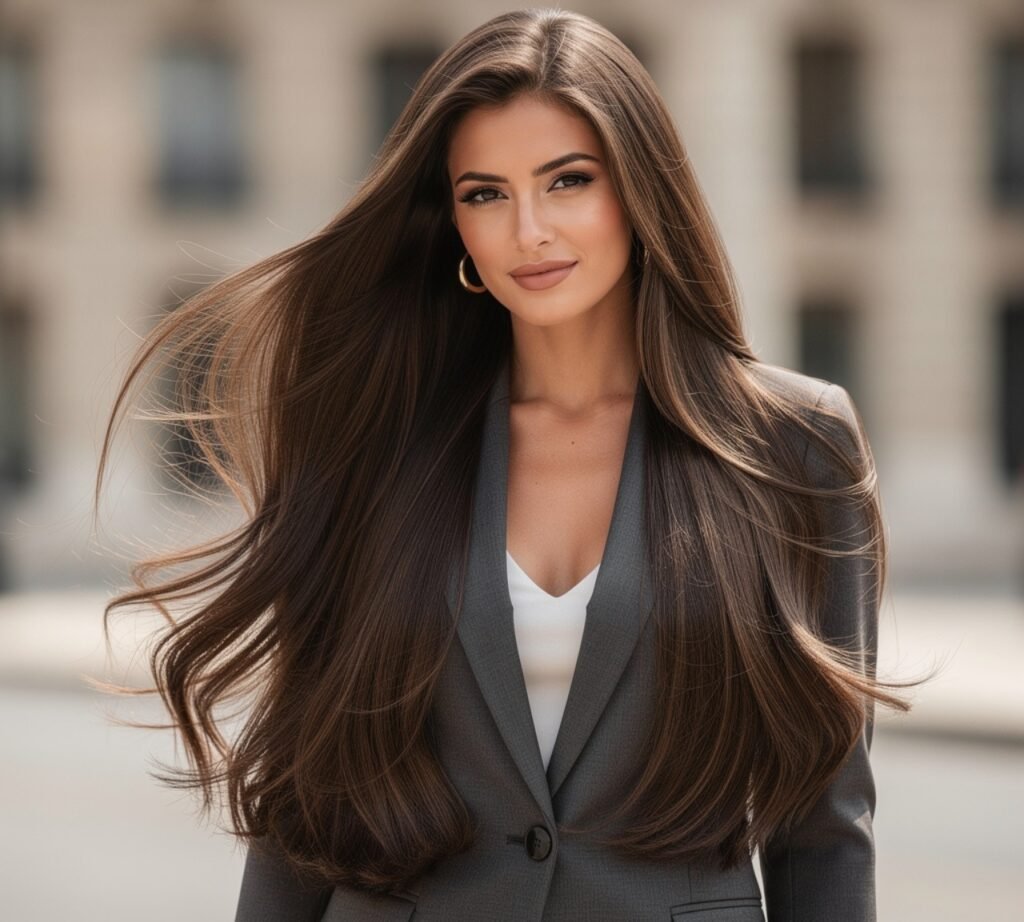
The invisible layers technique removes internal weight without creating visible length variation at the surface, making it the ideal solution for people who want lighter, more manageable long hair without the appearance of shorter sections or graduation when the hair is worn straight and down. A stylist uses a specific point-cutting method to remove bulk from within each section while leaving the exterior perimeter completely intact, giving the impression of one-length hair with dramatically improved movement and reduced weight. This style suits thick to coarse hair density most productively and benefits oval, square, and oblong face shapes most noticeably. It’s the perfect layered option for anyone who loves the look of long one-length hair but struggles with weight and manageability.
How to Choose the Right Layered Hairstyle for Long Hair
Choosing among these fifteen options starts with a clear understanding of your hair’s natural texture and density, since these two factors determine which layering technique will actually improve your hair’s behavior rather than create new problems. Fine hair generally benefits from layering techniques that build the illusion of volume, such as classic layers, wispy ends, or curtain layers, while thick hair benefits from techniques that remove genuine weight, like the shag, disconnected layers, or invisible layers. Your face shape matters significantly as well, since certain layer placements genuinely soften or enhance specific features in ways that generic cuts cannot. Finally, consider your lifestyle honestly, since some layered cuts require daily styling to look intentional while others thrive on minimal effort.
Best Hair Types and Face Shapes for Layered Long Hairstyles
Fine hair achieves the most convincing volume from long classic layers, face-framing sections, and wispy ends, since each technique creates the appearance of fullness without removing so much length that the hair appears sparse. Thick or coarse hair benefits from heavier techniques like the shag, disconnected layers, or the butterfly cut, since these approaches remove enough bulk to actually change the hair’s behavior and silhouette. Wavy and curly textures almost universally improve with layering, since interior weight removal allows the natural pattern to express itself more clearly and completely. Oval and heart face shapes have the most flexibility across every layered style, while round and square shapes look most refined with layers that introduce asymmetry or height at the crown.
Styling and Maintenance Tips for Long Layered Hair
Regular trims every six to eight weeks are more important for layered cuts than for one-length styles, since layers grow out at different rates and the overall balance of the cut shifts more noticeably between appointments. Deep conditioning treatments once a week maintain the moisture and elasticity that layered ends particularly need, since they represent the oldest and most processed sections of the hair. Diffusing rather than blow-drying straight helps wavy and curly layered cuts maintain their natural pattern without excessive heat exposure. For straight layered styles, a round brush blowout enhances the movement that layers create, giving each section the direction and body the cut was designed to produce.
How to Ask Your Hairstylist for This Look
Arriving at your appointment with precise, specific language makes an enormous difference in layered haircuts specifically, since the word “layers” covers an extraordinarily wide range of techniques from barely perceptible face-framing to dramatic disconnected sections. Reference the specific technique name from this guide, describe how much movement you want the cut to create, and be clear about how much length you’re willing to part with, since some layering styles like the shag require significant length removal at the crown. Bring photos showing the cut from multiple angles including the side and back, since layered cuts are three-dimensional and a front-only photo leaves too much open to interpretation. Mention your daily styling routine honestly, since your stylist needs to know whether the cut will be worn naturally or styled daily.
Frequently Asked Questions
What is the most low-maintenance long hairstyle with layers?
Classic long layers on naturally wavy or textured hair require the least daily effort, since the cut enhances the hair’s natural movement and allows it to air-dry beautifully without heat styling or product beyond a light curl cream.
Do layers make long hair look thinner or thicker?
This depends entirely on the technique. Internal layering that removes weight without shortening the perimeter can make thick hair appear lighter while maintaining density. Face-framing and surface layers on fine hair create the illusion of thickness by adding movement and dimension.
How often should layered long hair be trimmed?
Every six to eight weeks keeps layered cuts balanced and prevents the weight distribution from shifting as different sections grow at different rates, which is particularly important for shags, butterfly cuts, and disconnected layer styles.
Can layers fix flat, lifeless long hair?
Yes, absolutely. Removing interior weight through layering is one of the most effective techniques for adding movement and dimension to flat, heavy long hair, particularly when combined with a volumizing styling routine.
What layered cut suits round face shapes best?
Long layers that start at or below the cheekbone, curtain layers, or side-swept fringe combined with layers all introduce asymmetry and vertical movement that elongate round face shapes most effectively.
Is the butterfly cut suitable for fine hair?
The butterfly cut works best on medium to thick hair, since fine hair can struggle to maintain the volume differential between the shorter crown layers and the longer underneath sections. Classic long layers or face-framing techniques tend to deliver better results on finer densities.
Final Thoughts
Layers are genuinely transformative on long hair when the right technique is matched to the right hair type, face shape, and lifestyle, and the fifteen styles above represent the full spectrum of what layered cutting can achieve. From barely-there invisible layers through dramatic disconnected sections, every option on this list solves a specific hair challenge while creating something genuinely beautiful. Use this guide to identify the approach that makes the most sense for your individual hair, save your favorites, and walk into your next salon appointment ready to have a precise, productive conversation about the layers that will actually change how your hair looks and feels every single day.