15 Long Hairstyles That Will Make Your Salon Visit Worth It
Scrolling through Pinterest at midnight, searching “long hairstyles,” looking for that one picture that makes you think yes, this is the one? You’re not alone. Most of us land on boards filled with gorgeous photos but zero guidance on whether that look will actually suit our face, our texture, or our daily routine. This article fixes that problem. Instead of another endless image dump, you’ll get real explanations, styling context, and practical advice so you walk into your next salon appointment feeling confident, informed, and ready to ask for exactly what you want.
15 Long Hairstyles
The styles below cover a wide range of textures, maintenance levels, and personal aesthetics, so whether you have fine strands, thick curls, or somewhere in between, you’ll find at least a few options worth saving to your Pinterest board and bringing straight to your stylist.
1. Classic Long Layers
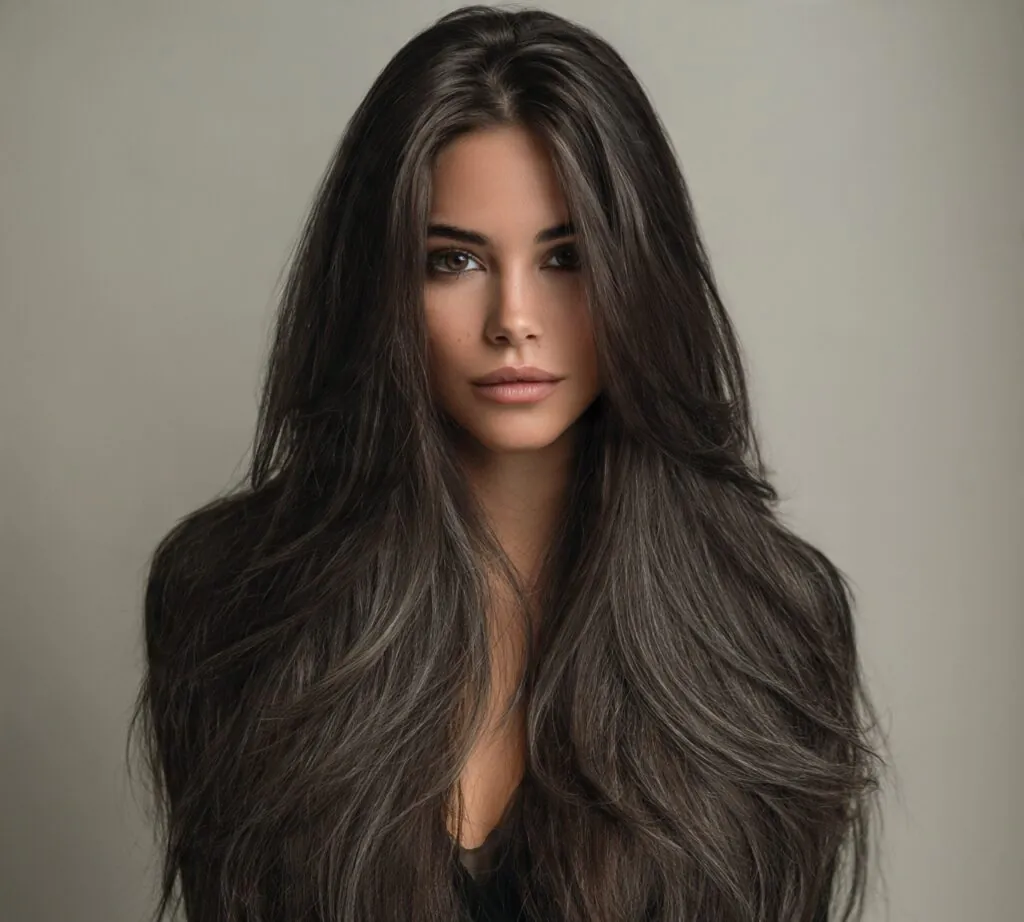
Long layers remain one of the most requested cuts because they add movement without sacrificing length. A stylist cuts gradual layers throughout the hair, removing bulk while keeping the overall silhouette long and flowing. This style suits nearly every face shape since the layers can be customized to frame features and soften angles. It works beautifully on straight, wavy, or slightly curly hair, though very tight curls may need adjusted layering to avoid excessive shrinkage. Busy people love this cut because it requires minimal daily styling. A quick blow-dry or air-dry with a leave-in product keeps layers looking intentional, and occasional trims every ten to twelve weeks maintain shape without losing precious length.
2. Long Layers with Curtain Bangs
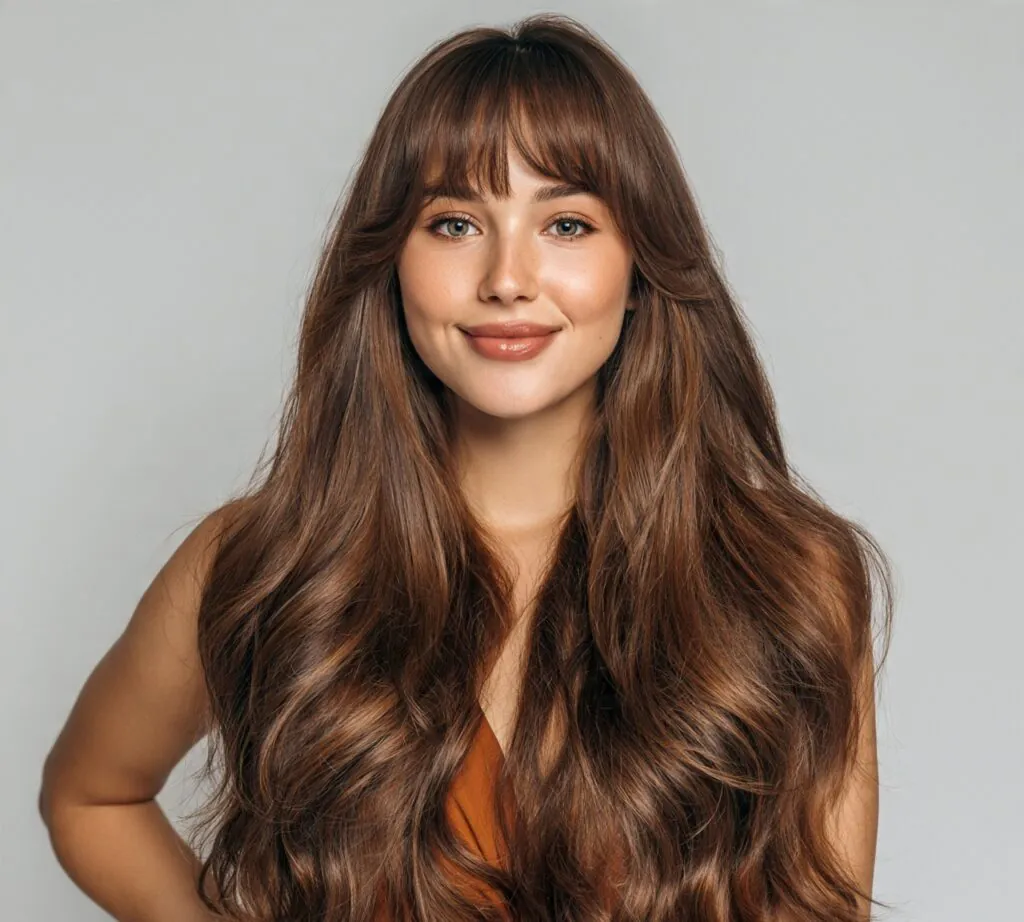
Curtain bangs have become a Pinterest favorite because they instantly soften the face and add a vintage, effortless vibe. The bangs part down the middle and sweep outward, framing the forehead and cheekbones while blending into the rest of the long layers. This combination flatters round, square, and oval face shapes especially well, since the swept sides create gentle diagonal lines. People with straight or wavy hair find this style easiest to maintain, though curly-haired clients can still rock it with proper diffusing technique. Styling involves a round brush and blow-dryer to train the bangs outward, plus a light hairspray to hold shape through humidity and daily wear.
3. Long Bob Meets Layers (The Lob Hybrid)
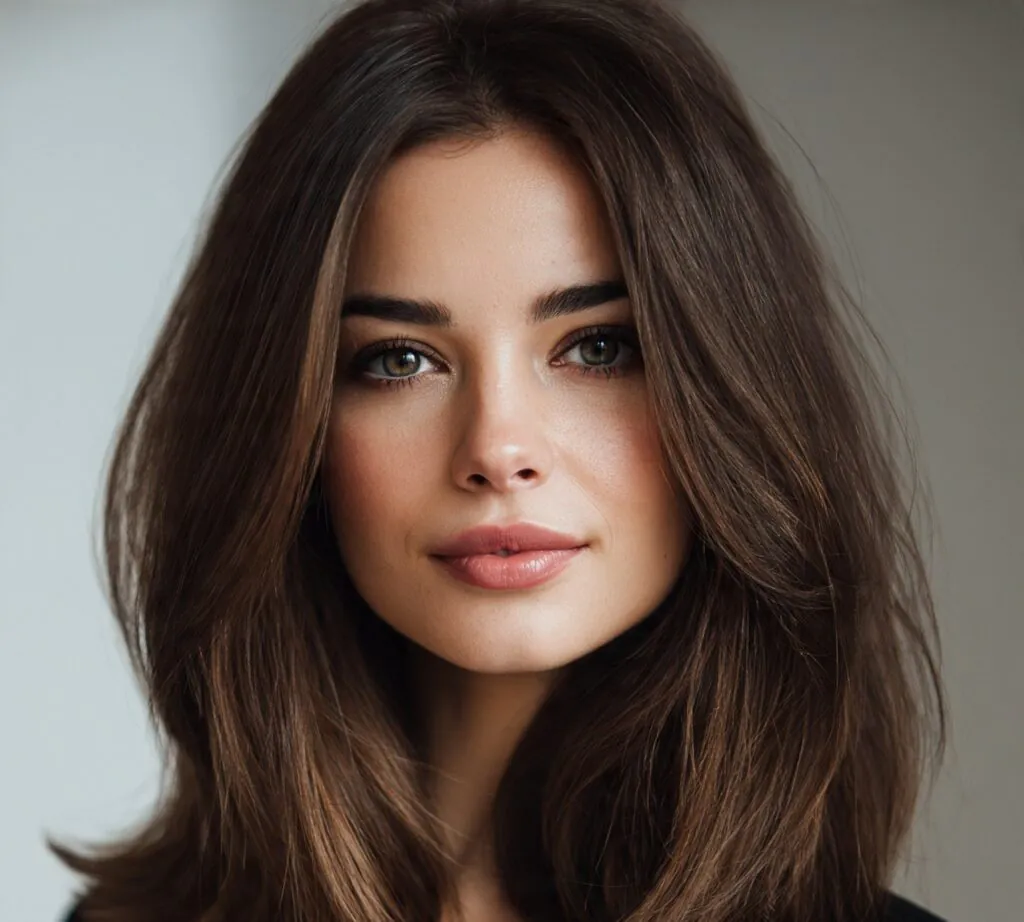
For those craving change without committing to drastic shortness, the lob-layer hybrid offers a middle ground that still counts as long hair while introducing fresh shape. This cut typically falls between the collarbone and chest, with subtle layering added to prevent the blunt, heavy look. Oval and heart-shaped faces benefit most, though a skilled stylist can adjust the length to flatter rounder faces too. Fine-haired individuals appreciate how this length creates the illusion of thickness, since shorter strands sit underneath longer ones. Maintenance stays simple with regular trims every eight weeks, and a texturizing spray adds effortless, beachy definition between washes.
4. Long Beach Waves
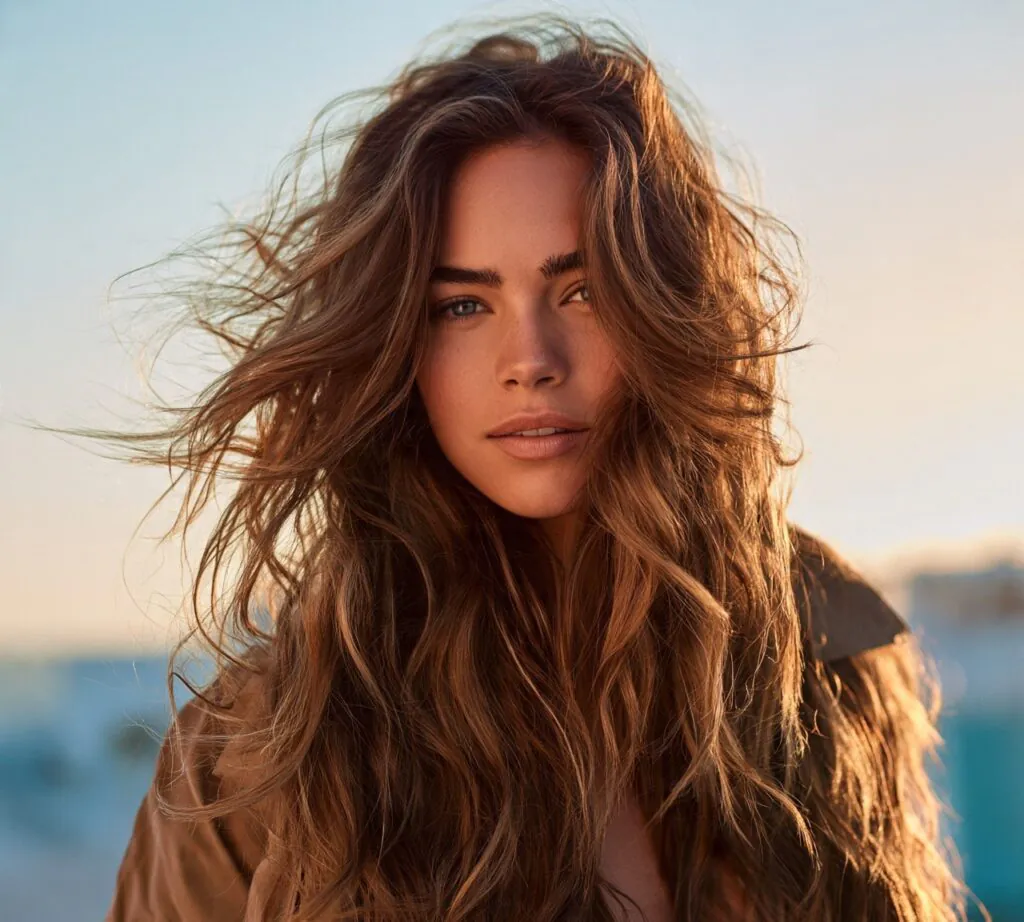
Beach waves capture that sun-soaked, vacation-ready energy and remain endlessly popular for good reason. The style features loose, irregular waves that look natural rather than overly styled, often created with a curling wand, flat iron, or simply braiding damp hair overnight. This look suits wavy and straight hair types exceptionally well, and it flatters every face shape since the waves can be directed away from or toward the face as needed. Lifestyle-wise, this style appeals to people who want a polished-but-relaxed appearance for everyday wear. A texturizing salt spray applied to damp hair before waving enhances grip, while a light-hold finishing spray keeps waves bouncy without stiffness.
5. Long Hair with Money Piece Highlights
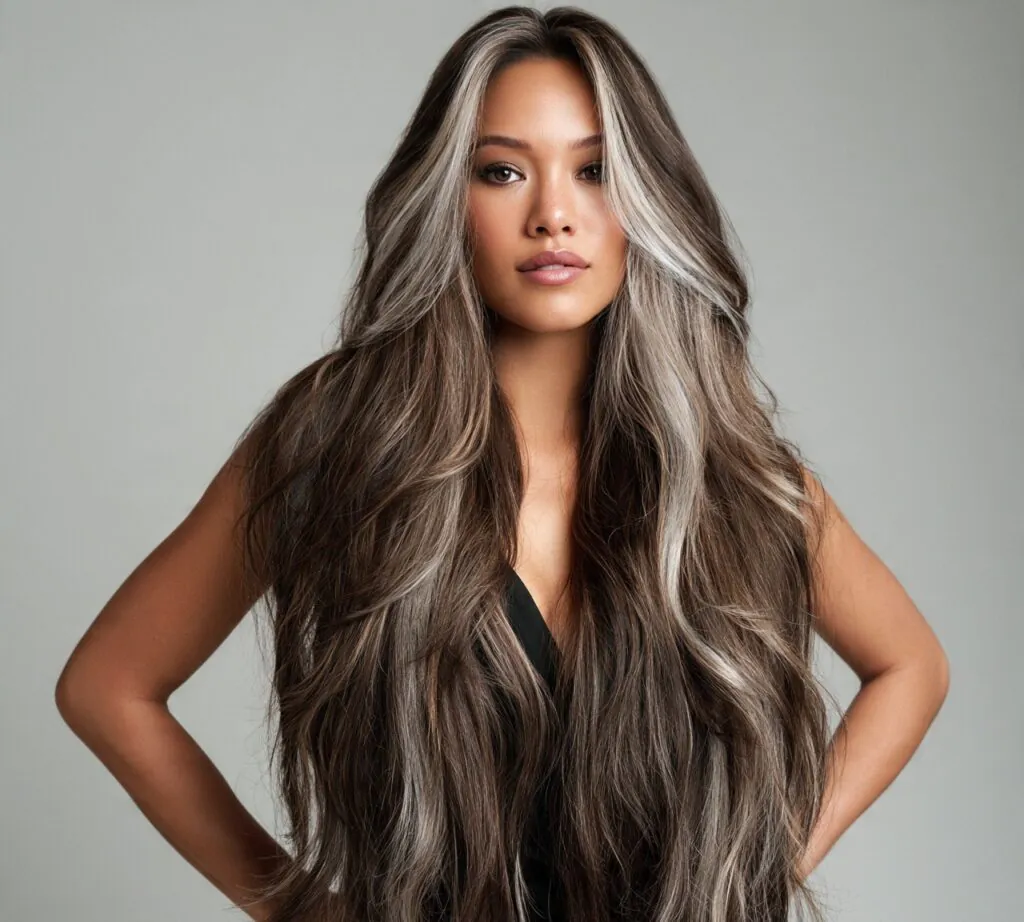
Money piece highlighting involves placing bright, face-framing strands near the front sections of hair, creating a luminous contrast against the rest of the color. This technique works wonderfully on long hair because the highlighted pieces travel the full length, drawing attention upward toward the cheekbones and eyes. Warmer skin tones often pair beautifully with honey or caramel tones, while cooler skin tones suit ash blonde or platinum pieces. This color style fits low-maintenance lifestyles since regrowth blends naturally compared to all-over highlights. Stylists recommend purple-toned shampoo every other wash to prevent brassiness and a deep conditioning treatment monthly to preserve vibrancy and softness.
6. Long Hair with Balayage
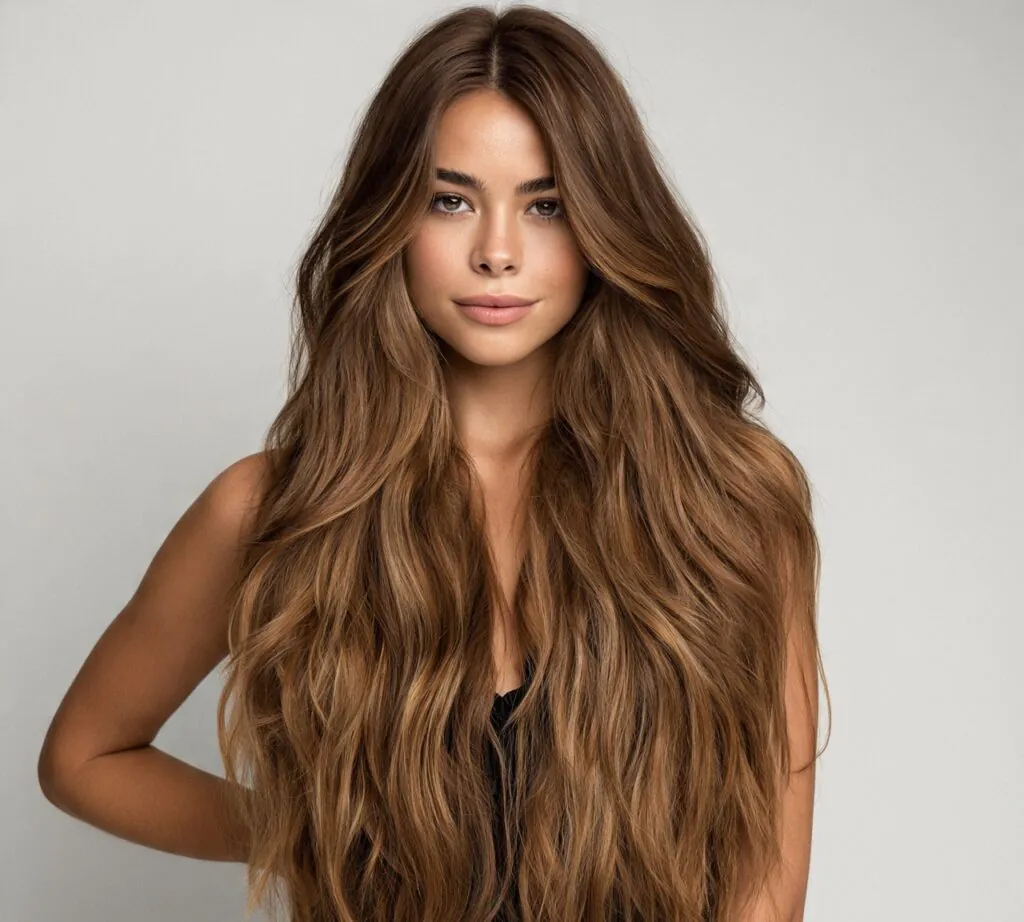
Balayage remains a salon favorite because of its hand-painted, sun-kissed appearance that grows out gracefully without harsh demarcation lines. Colorists sweep lightener through sections in a freehand technique, creating soft transitions from roots to ends. This coloring method suits long hair particularly well since the gradual blend has enough length to fully develop its dimensional effect. Brunettes, redheads, and natural blondes can all customize balayage to their base color. Maintenance-wise, this remains one of the most forgiving color techniques, often requiring touch-ups only every three to four months, making it ideal for people who prefer fewer salon visits.
7. Long Hair with Face-Framing Highlights
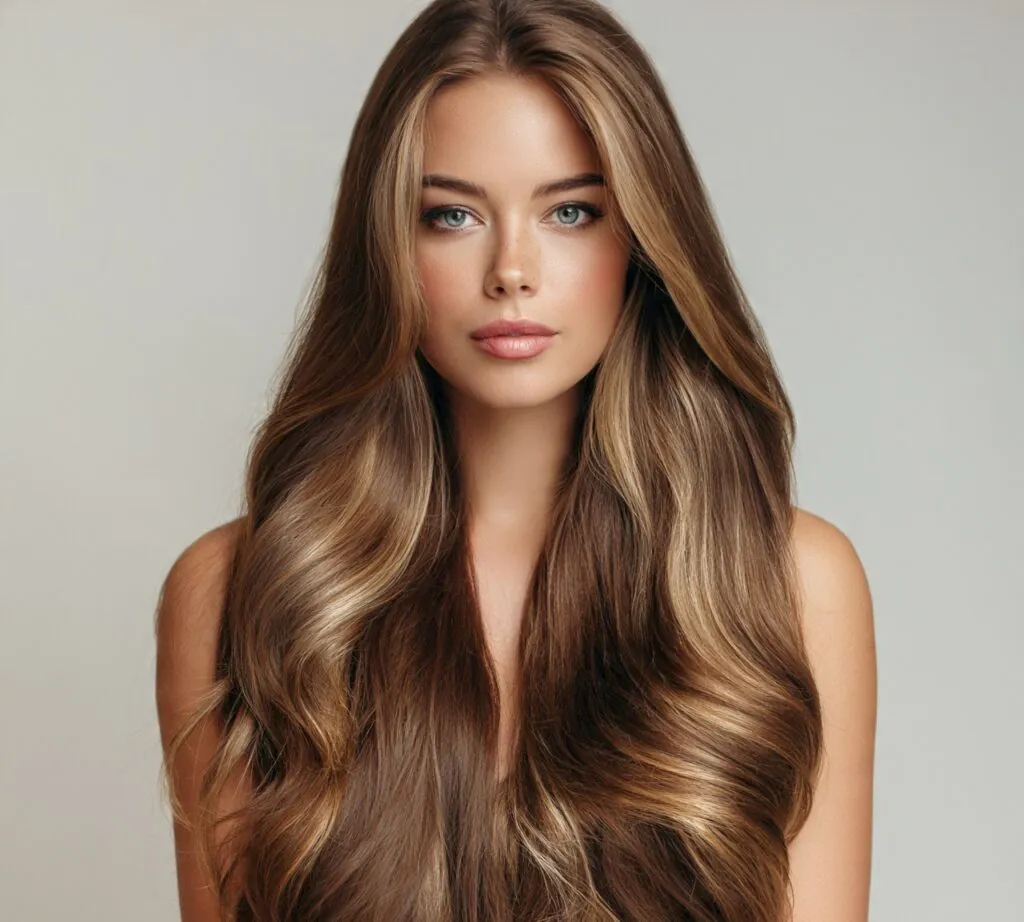
Face-framing highlights concentrate brightness specifically around the hairline, temples, and the pieces that fall near the cheeks. Unlike all-over color, this targeted approach lifts the complexion and adds dimension exactly where eyes naturally focus during conversation. Long hair showcases this technique especially well since the highlighted strands have room to move and catch light from multiple angles. This style flatters every skin tone when colorists select the right undertone, and it suits people wanting subtle change rather than a dramatic color shift. A weekly hydrating mask keeps lightened strands resilient, preventing the dryness that often accompanies highlighted sections.
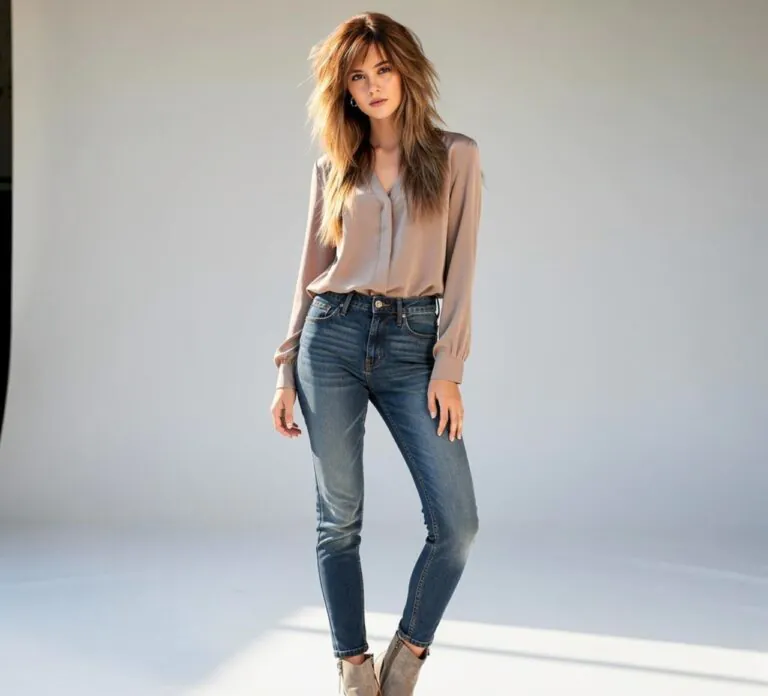
8. Long Shag Cut
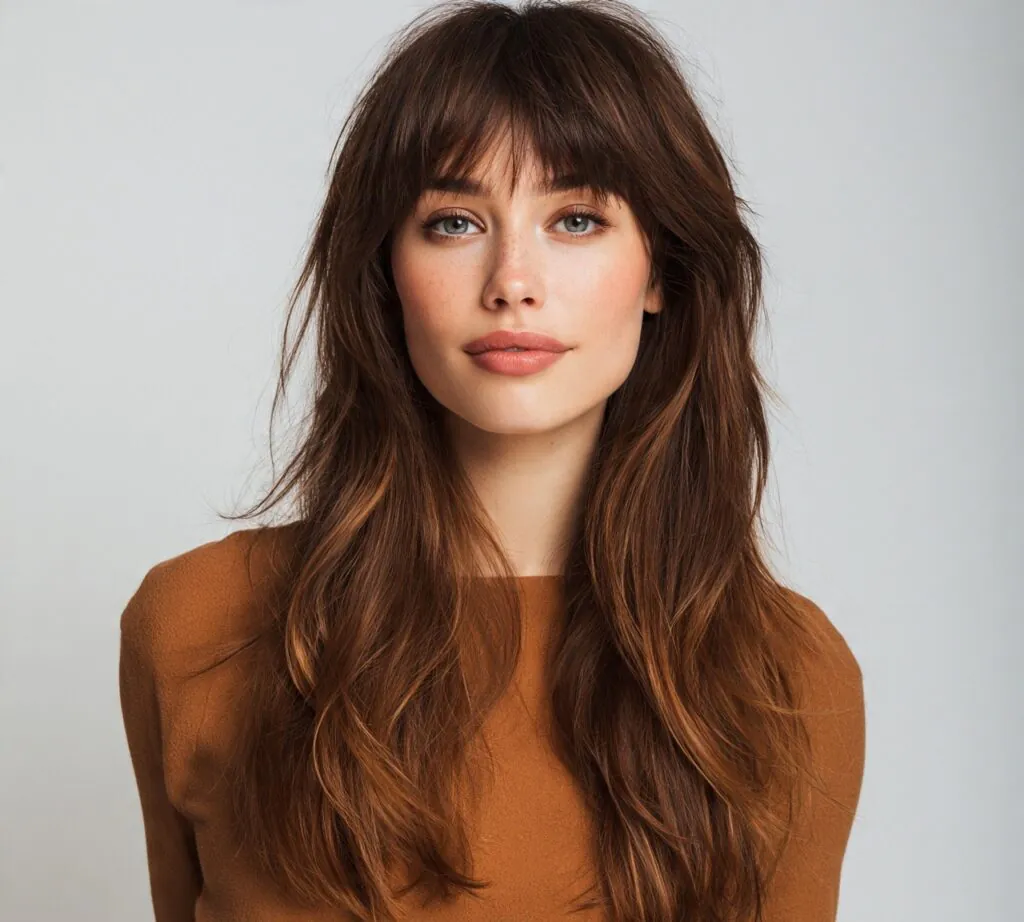
The shag cut has made a strong comeback, blending choppy layers, textured ends, and often wispy bangs into a deliberately undone silhouette. This style suits fine to medium hair types best, since the heavy layering adds volume and prevents flatness at the crown. Square and oval face shapes particularly benefit from the face-framing pieces that soften jawlines. People drawn to an edgy, rock-inspired aesthetic gravitate toward this cut because it photographs beautifully tousled or sleek. Styling relies on texturizing paste worked through dry ends and occasional diffusing to enhance natural texture without flattening the carefully placed layers.
To see more options for hairstyles for long hair CLICK HERE
9. Long Wolf Cut
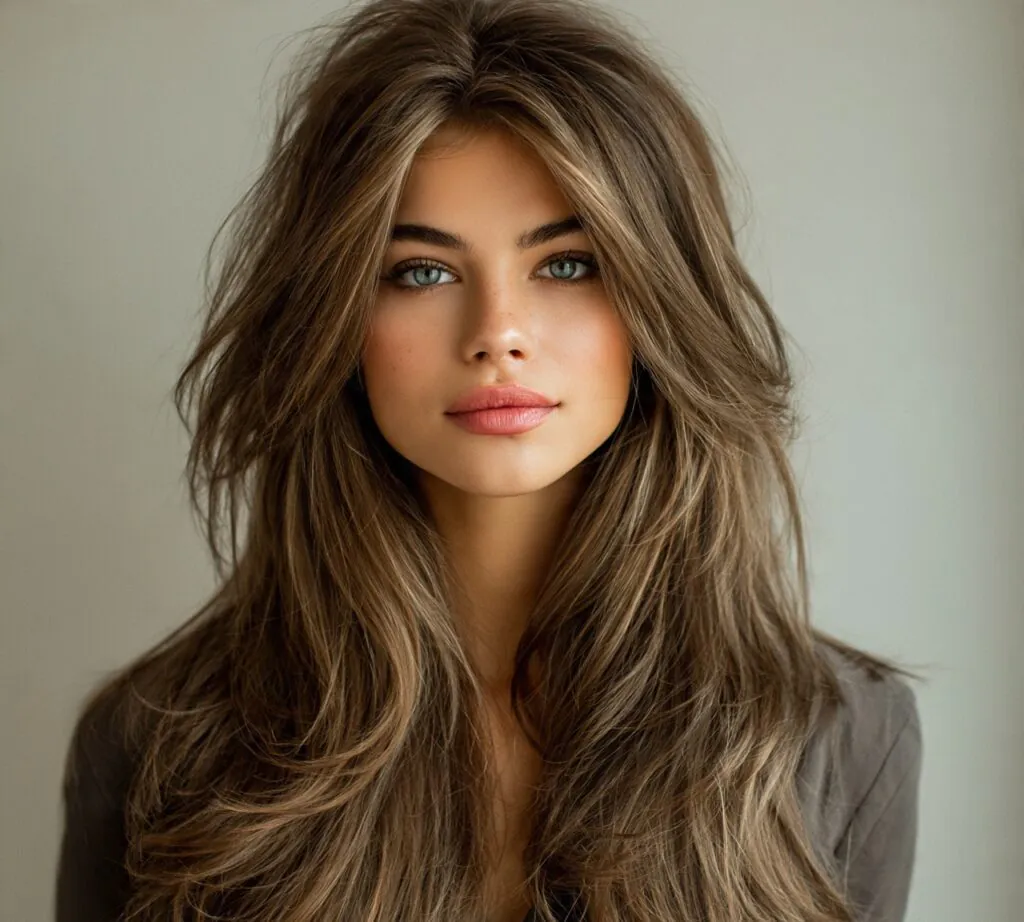
A close cousin to the shag, the wolf cut combines shorter, voluminous layers near the crown with longer length cascading down the back. This hybrid style suits thick or curly hair exceptionally well, since the layering reduces bulk while emphasizing natural texture and bounce. Round and heart-shaped faces benefit from the volume lifted away from the face. People with an active, low-fuss lifestyle love this cut because it looks intentionally messy, meaning bad hair days become part of the aesthetic. A light mousse applied to damp hair before air-drying enhances natural waves and keeps the layered crown looking full throughout the day.
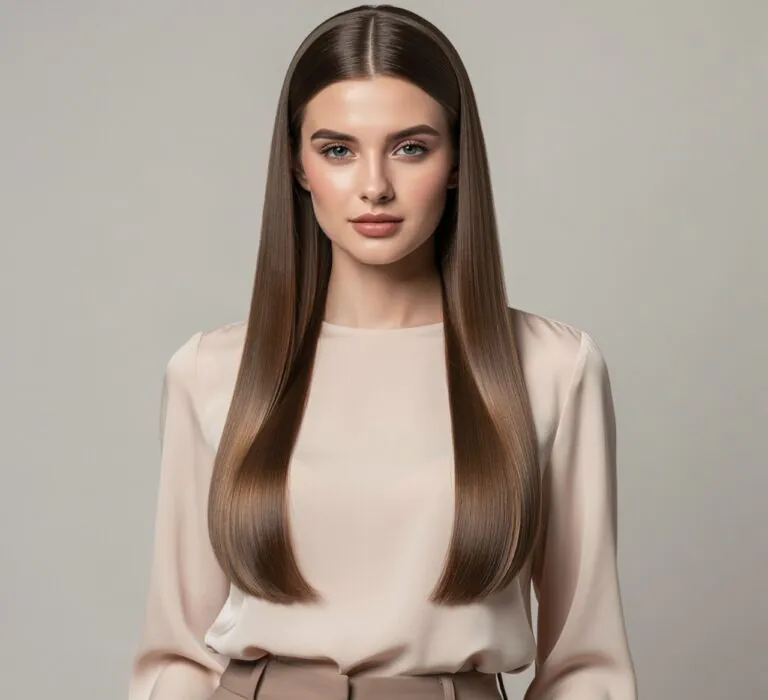
10. Long Sleek Straight Hair
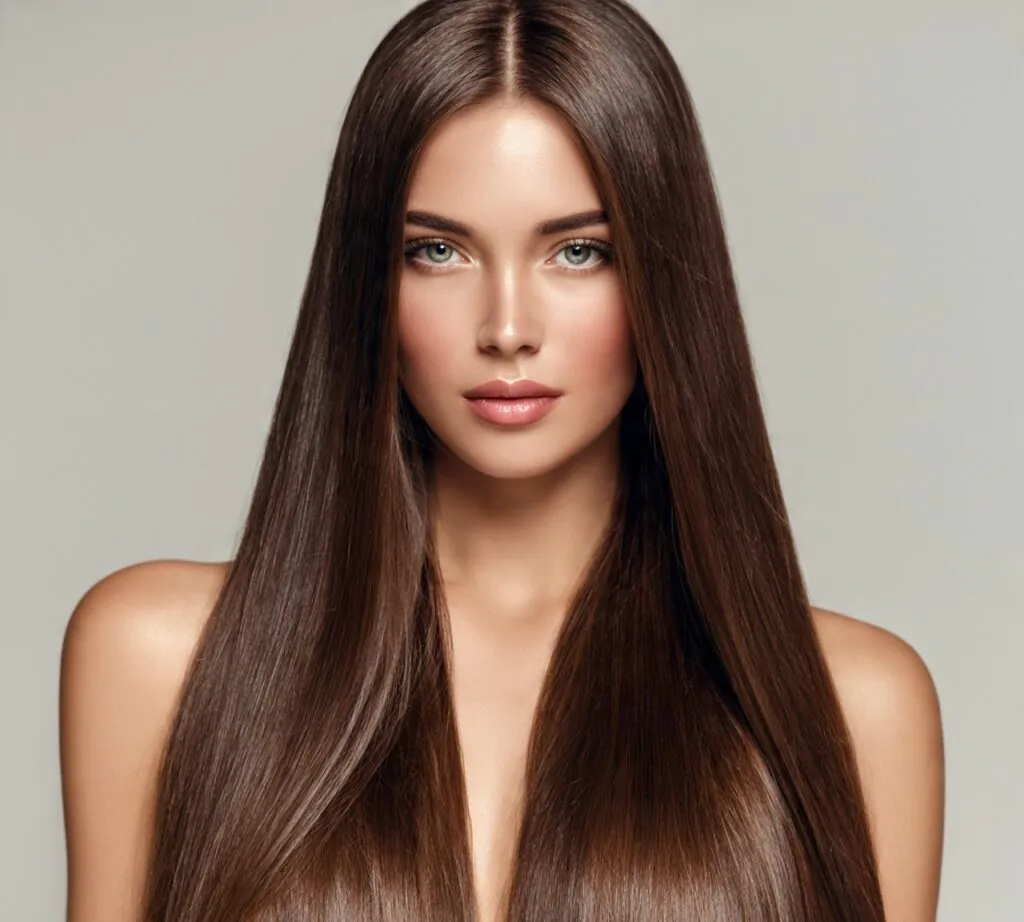
Nothing communicates polish quite like long, sleek, straight hair with a glass-like shine. This style works best on naturally straight or loosely wavy hair, since heavily textured strands require more heat and product to achieve full smoothness. Oval and oblong face shapes look particularly striking with this style, though a center or deep side part can adjust proportions for rounder faces. Professionals and minimalists favor this look for its clean, put-together appearance. A heat protectant followed by a flat iron in small sections creates the smoothest finish, while a small amount of shine serum tames flyaways without weighing hair down.
11. Long Hair with Soft Curls
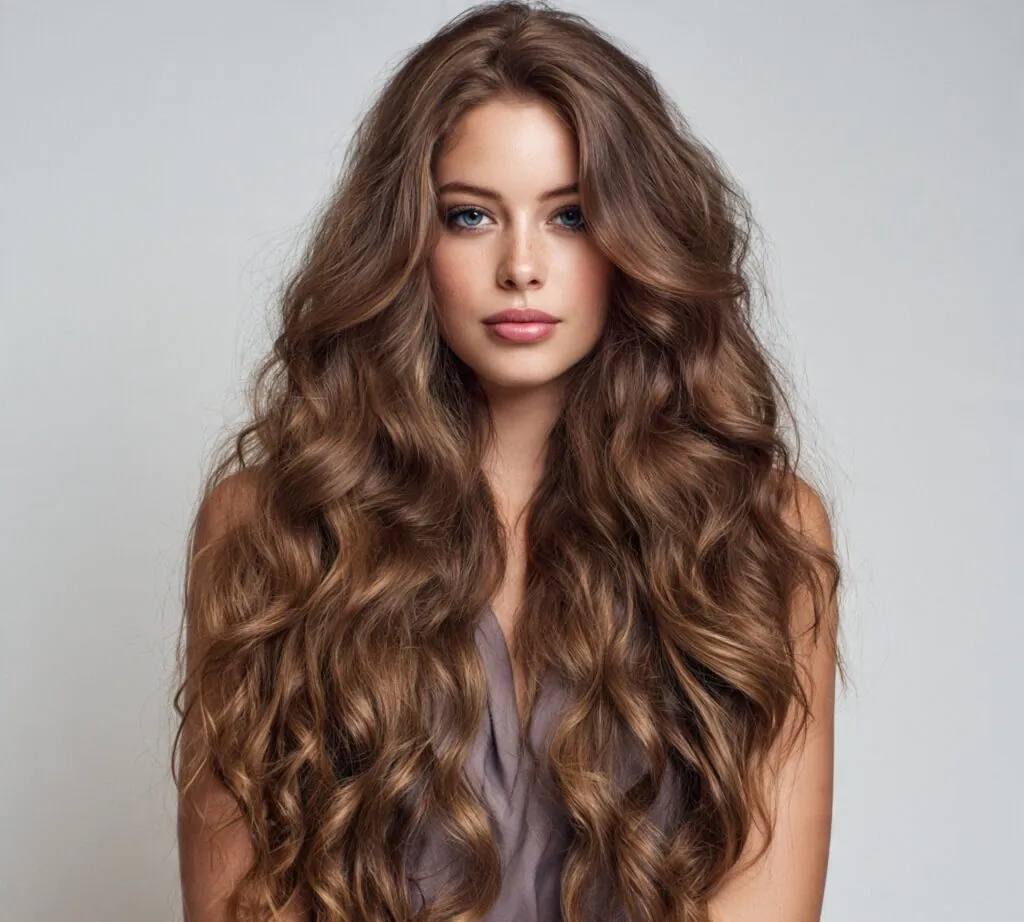
Soft, bouncy curls offer a romantic, feminine alternative to tighter ringlets or loose waves, sitting comfortably in the middle of the texture spectrum. This style suits naturally curly or wavy hair best, though straight-haired individuals can achieve the look using a curling iron with a larger barrel. Heart and diamond face shapes especially benefit from the width and movement curls add near the jaw. This look fits special occasions, weddings, and date nights particularly well. A curl-enhancing cream applied to damp strands, combined with diffusing or pin-curling, helps the curls hold their shape through several hours of wear.
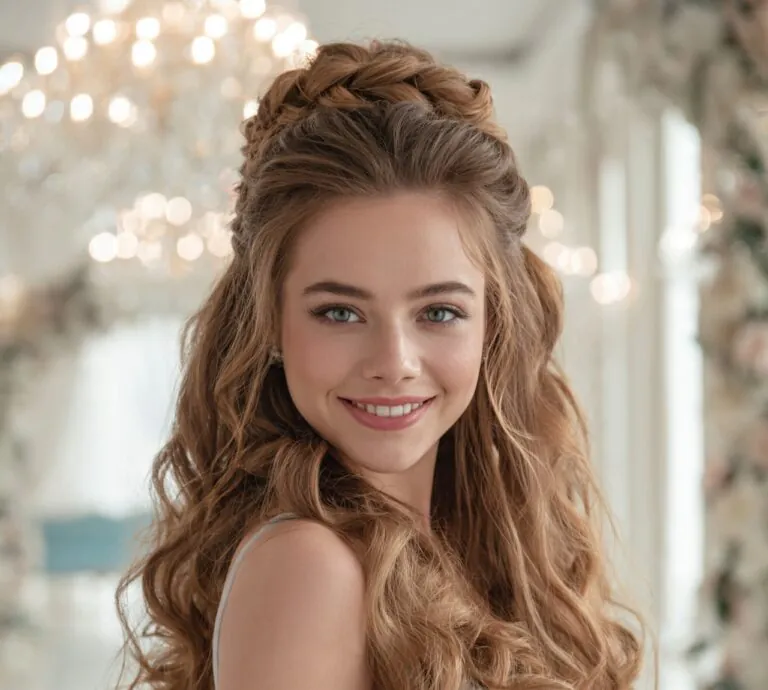
12. Long Braided Crown Style
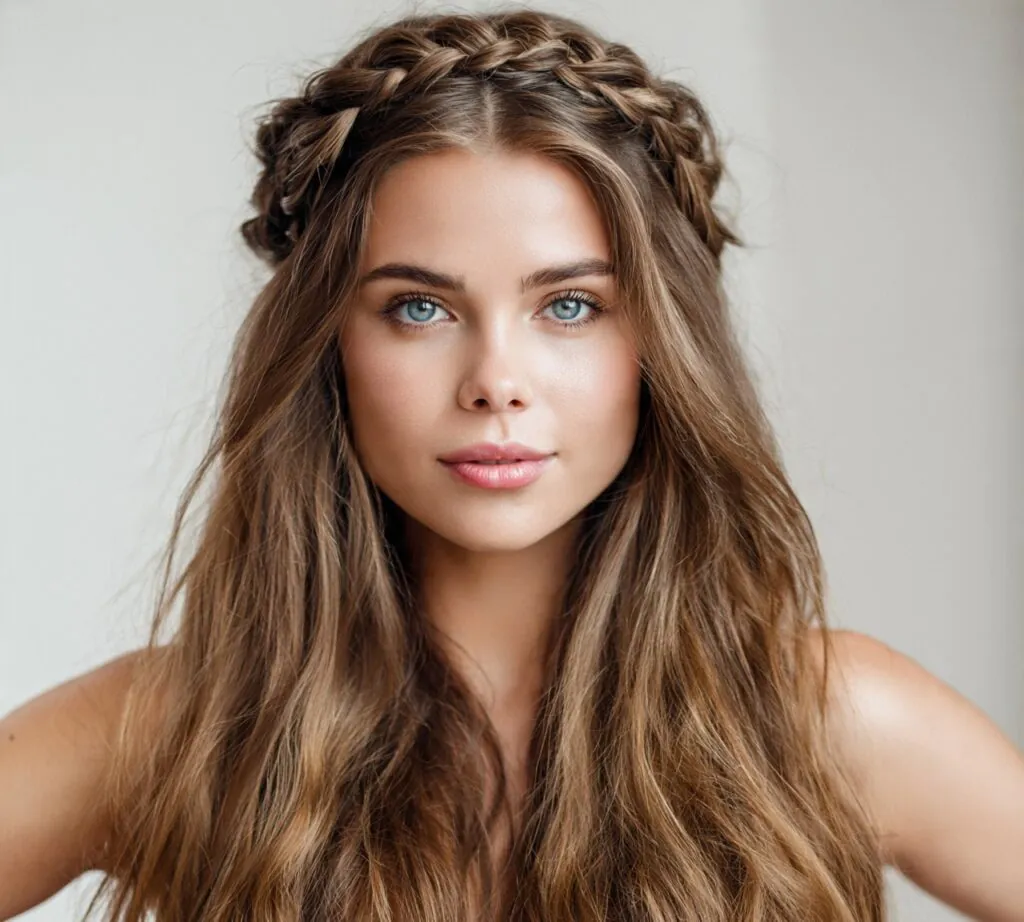
The braided crown combines two front sections braided back and pinned across the head, creating an elegant, woven detail while leaving the remaining length flowing freely. This hairstyle flatters virtually every face shape since the braid sits above the brow line rather than altering facial proportions. Thick and medium hair types hold braids most securely, though fine-haired individuals can use a backcombing technique for added grip. People who love bohemian, festival-inspired, or romantic aesthetics often choose this style for its blend of structure and softness. Securing with small bobby pins and a light-hold spray ensures the braid stays neat throughout long days or events.
13. Long Half-Up Half-Down Style
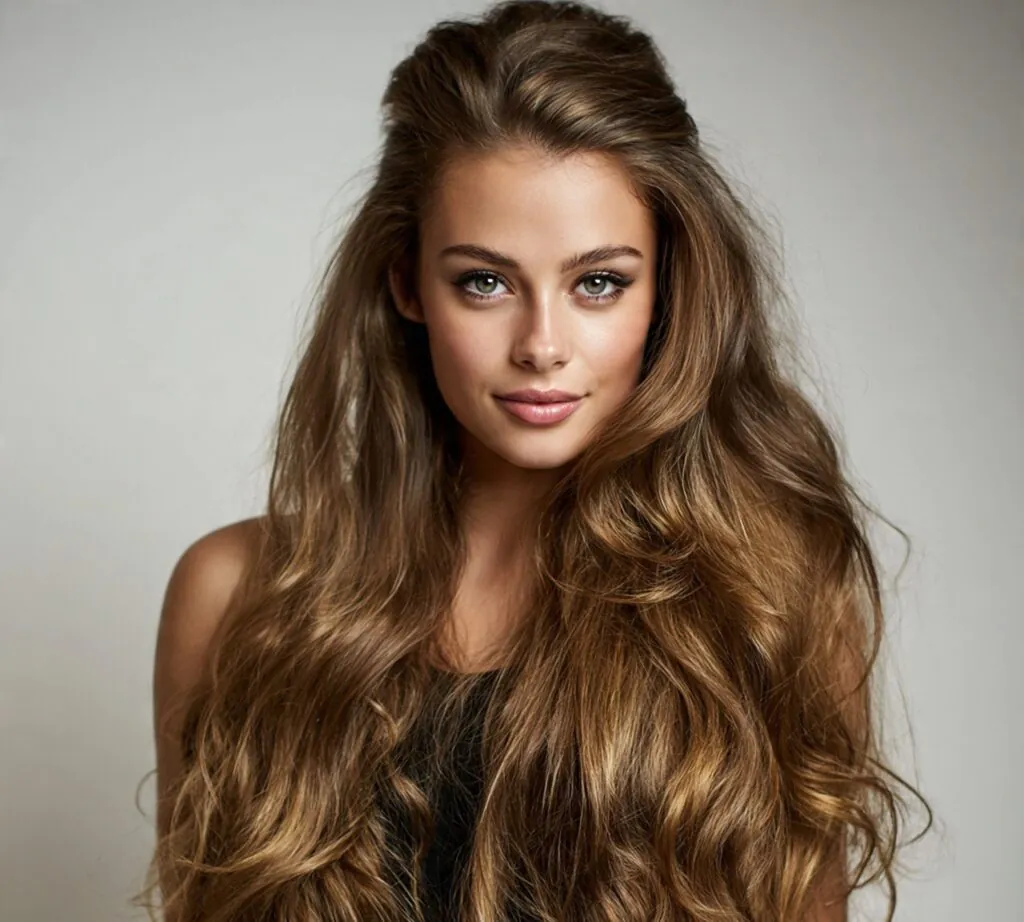
The half-up half-down style strikes a practical balance between keeping hair away from the face and showcasing length down the back. A small section from the crown gets gathered and secured, often with a clip, elastic, or decorative pin, while the rest cascades freely. This versatile style suits every hair type and face shape, making it one of the most universally flattering options on this list. Busy professionals and parents particularly appreciate the quick styling time. Adding a slight curl to the ends before securing the top section elevates the look from simple to polished within just a few extra minutes.
14. Long Hair with Subtle Ombré
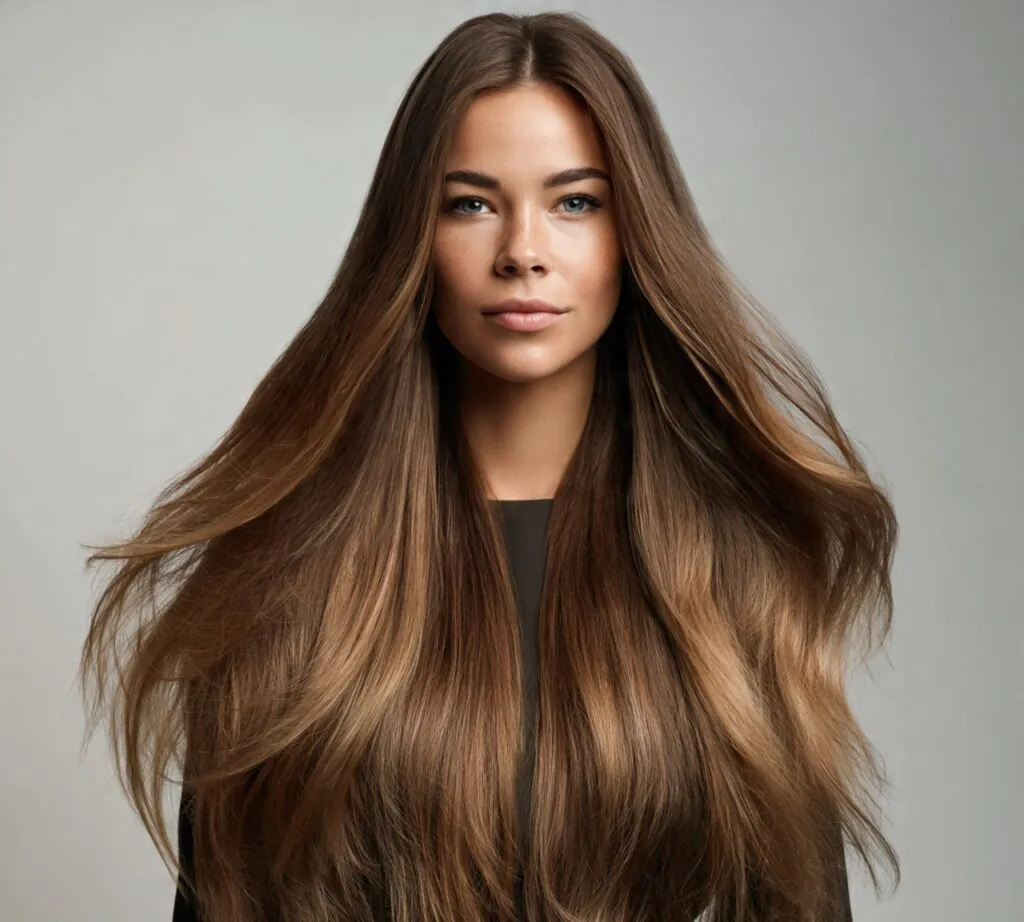
Ombré color creates a gradual transition from a darker root to lighter ends, distinct from balayage through its more uniform, horizontal blending technique. Long hair provides the ideal canvas for this gradient effect since there’s enough length to showcase the full transition smoothly. This coloring style suits people wanting noticeable contrast without the upkeep of frequent root touch-ups, since the darker base grows out seamlessly. Warm-toned ombré flatters golden and olive skin tones, while cooler ash tones complement fairer complexions. A color-protecting shampoo and monthly gloss treatment keep the gradient looking fresh and prevent the ends from turning brassy or dull.
15. Long Hair with Blunt Ends
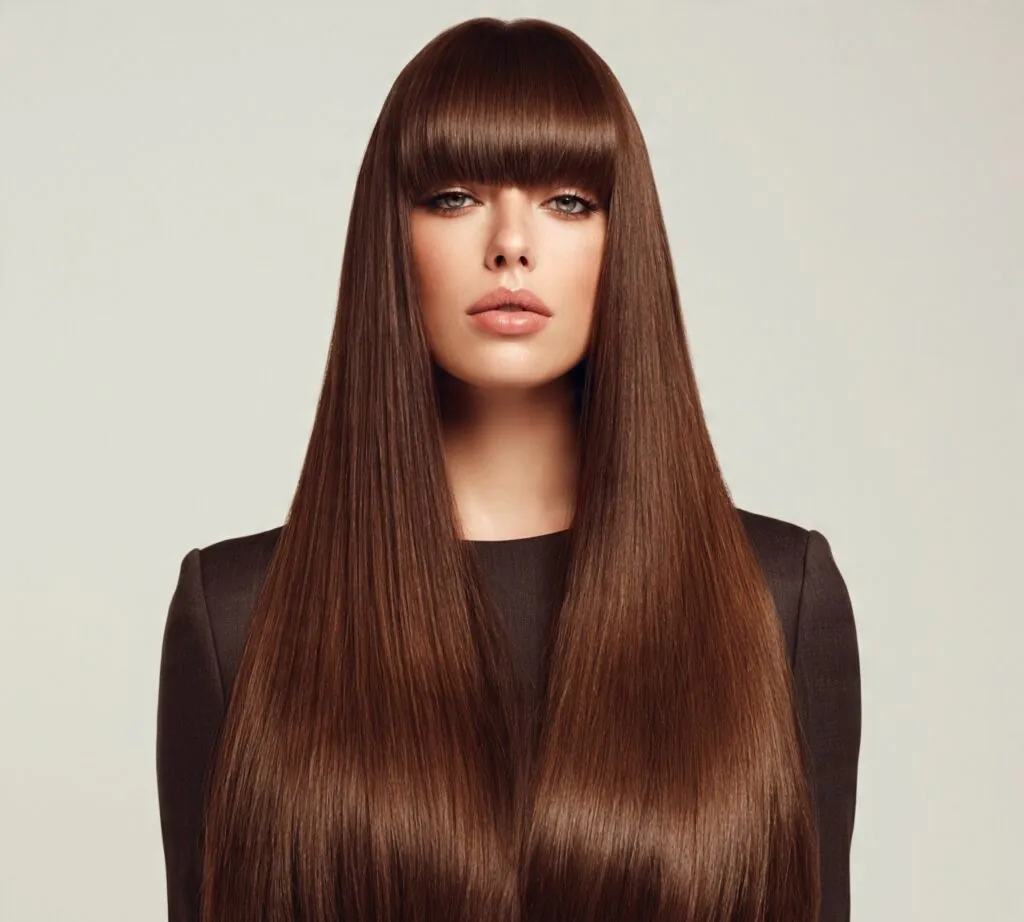
Blunt-cut ends create a thick, healthy-looking line across the bottom of long hair, often chosen by people prioritizing maximum perceived density and a polished finish. This cut suits thick and medium hair types especially well, since the uniform line emphasizes fullness rather than thinning ends out through layering. Oval and heart-shaped faces pair nicely with this style, particularly when paired with a center part for symmetry. People who color-treat their hair often choose blunt ends to showcase vibrant color without diluting it through choppy layers. Regular trims every six to eight weeks keep the line crisp and prevent split ends from creeping upward.
How to Choose the Right Long Hairstyle
Choosing the right long hairstyle starts with understanding your face shape, since certain cuts and partings either soften or emphasize particular features. Round faces generally benefit from styles with height and face-framing layers, while square faces look balanced with soft waves or curtain bangs that ease angular lines. Oval faces have the most flexibility, suiting nearly any length or texture. Beyond face shape, consider your natural texture honestly. Forcing pin-straight styles onto naturally curly hair, or expecting tight curls from naturally straight strands, often leads to frustration and constant heat damage, so working with your texture rather than against it produces better long-term results.
Lifestyle plays an equally important role in choosing wisely. If mornings move quickly and styling time stays limited, prioritize low-maintenance options like long layers, a wolf cut, or beach waves that look great air-dried. If you enjoy dedicating time to hair care and styling rituals, more intricate options like braided crowns or sleek straight styles become realistic and rewarding choices. Think honestly about how often you’re willing to visit a salon for trims or color touch-ups, since some styles demand far more upkeep than others to stay looking fresh.
Best Hair Types and Face Shapes for Long Styles
Fine hair typically looks fuller with subtle layering, curtain bangs, or a lob-layer hybrid, since heavy blunt cuts can sometimes emphasize thinness. Thick hair handles long layers, shags, and wolf cuts particularly well, as the layering removes weight and prevents a triangular silhouette. Curly and wavy textures shine in styles that embrace natural movement, including soft curls, beach waves, and wolf cuts, rather than styles demanding constant straightening.
Regarding face shapes, round faces benefit from added height and angles, square faces soften with waves and curtain bangs, heart-shaped faces balance well with chin-length layering or braided details, and oval faces enjoy near-total freedom across every style listed above. Matching your features honestly to a style, rather than copying a photo without consideration, produces far more flattering and satisfying results overall.
Styling and Maintenance Tips for Long Hair
Long hair requires consistent care to avoid dryness, split ends, and breakage, especially toward the ends where hair has aged the longest. Deep conditioning once weekly restores moisture, while trimming every six to twelve weeks, depending on style, prevents split ends from traveling upward and damaging healthy length. Heat protectant spray should become a non-negotiable step before any hot tool use, regardless of how quick the styling session feels.
Silk or satin pillowcases reduce friction overnight, helping prevent tangles, frizz, and breakage that cotton fabrics tend to cause. Brushing gently from ends upward, rather than dragging from roots downward, minimizes unnecessary breakage. For colored or highlighted long hair, sulfate-free shampoo extends vibrancy considerably longer than standard formulas, making the investment in salon color last noticeably longer between appointments.
How to Ask Your Hairstylist for This Look
Walking into a salon with a clear, well-communicated vision dramatically improves your chances of leaving happy. Save a few reference photos directly from this article or your Pinterest board, since visual references communicate far more accurately than verbal descriptions alone. Mention your current hair type, texture, and how much length you’re comfortable losing, since stylists need this context to adjust techniques appropriately for your specific hair.
Be specific about maintenance expectations too. Tell your stylist honestly how much time you spend styling daily and how often you realistically visit for touch-ups, since this information helps them recommend cuts and color techniques suited to your actual routine rather than an idealized one. Asking direct questions like “will this require daily heat styling” or “how will this grow out” ensures fewer surprises and a result that fits seamlessly into your everyday life.
Frequently Asked Questions
What’s the most low-maintenance long hairstyle?
Long layers and beach waves both rank among the easiest long hairstyles to maintain daily. Both styles look intentional even when air-dried, requiring minimal heat styling or product. Occasional trims keep the shape fresh, making these excellent choices for people with busy schedules who still want a polished, put-together appearance without dedicating significant time each morning to styling routines.
Do long hairstyles suit every face shape?
Most long hairstyles can be adapted to suit any face shape when a skilled stylist adjusts layering, parting, and face-framing pieces accordingly. Oval faces generally have the widest flexibility, while round, square, and heart-shaped faces benefit from specific layering or bang choices that soften or balance particular features for the most flattering overall result.
How often should long hair be trimmed?
Long hair typically needs trimming every six to twelve weeks, depending on the chosen style and how quickly your hair grows. Blunt cuts and structured styles require more frequent trims to maintain a crisp line, while layered or textured styles tolerate slightly longer gaps between salon visits without looking noticeably overgrown or uneven.
Can fine hair pull off long hairstyles?
Yes, fine hair absolutely suits long hairstyles when cut and styled strategically. Long layers, curtain bangs, and lob-layer hybrids add the appearance of fullness without unnecessary bulk. Avoiding completely blunt, one-length cuts helps prevent fine hair from looking flat, while volumizing products and root-lifting techniques further enhance fullness throughout the day.
Is balayage better than highlights for long hair?
Neither technique is universally better, since the right choice depends on your desired maintenance level and aesthetic preference. Balayage grows out more naturally with fewer touch-ups, suiting low-maintenance lifestyles, while traditional highlights create brighter, more uniform contrast. Long hair showcases both techniques beautifully, so personal style and upkeep tolerance should guide the final decision.
What’s the difference between a shag and a wolf cut?
A shag cut features choppy, textured layering throughout with often wispy bangs, creating an overall tousled silhouette. A wolf cut concentrates heavier layering and volume near the crown while keeping the back notably longer, creating a more dramatic length contrast. Both styles suit textured hair well, though the wolf cut typically reads as edgier.
Final Thoughts
Long hair offers an impressive range of possibilities, from low-maintenance layers to intricately colored balayage and braided details suited for special occasions. The key to loving your next cut lies in matching the style honestly to your texture, face shape, and daily routine, rather than choosing based on a photo alone. Save your favorites, bring clear references to your stylist, and walk into your next appointment feeling genuinely prepared and excited.