15 Trending Simple Hairstyles For Medium Hair That Are Easy and Stylish
Finding the perfect simple hairstyles for medium hair is easier than ever thanks to the versatility of this popular hair length. Medium hair strikes the ideal balance between short and long styles, offering plenty of options without extensive maintenance. Whether you’re looking for a quick everyday look, a polished office hairstyle, or something elegant for a special occasion, there are countless ways to style medium length hair.
Simple Hairstyles For Medium Hair
In this collection of simple hairstyles for medium hair, you’ll discover trendy, easy to recreate ideas that suit different hair textures, face shapes, and lifestyles while helping you look effortlessly stylish every day.
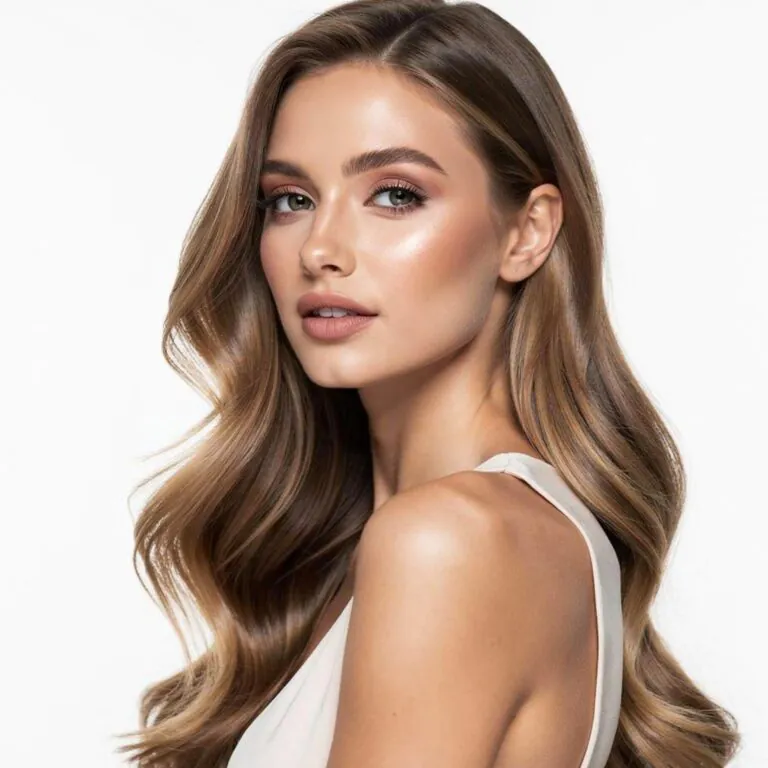
1. Beachy Waves with a Center Part Hairstyles For Medium Hair
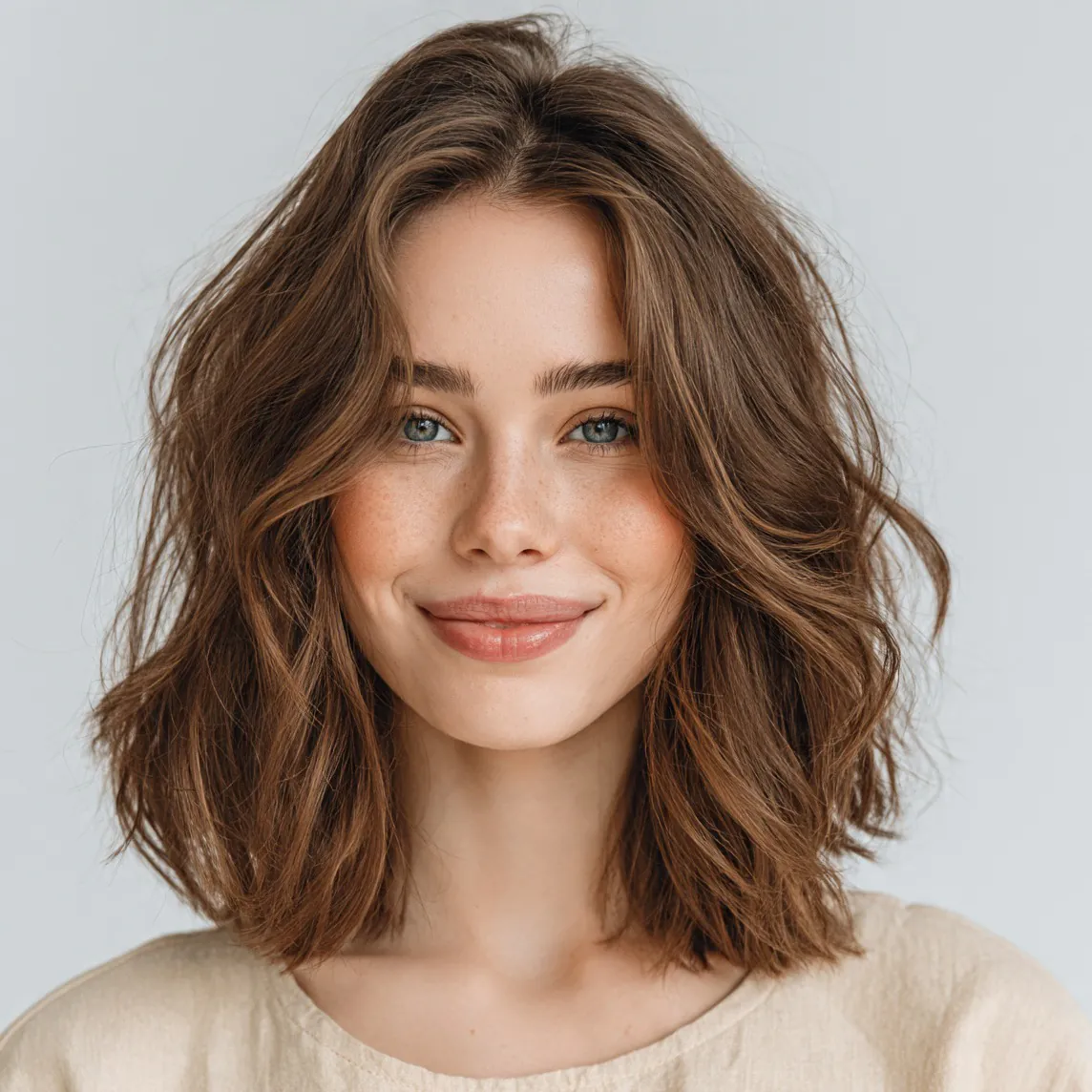
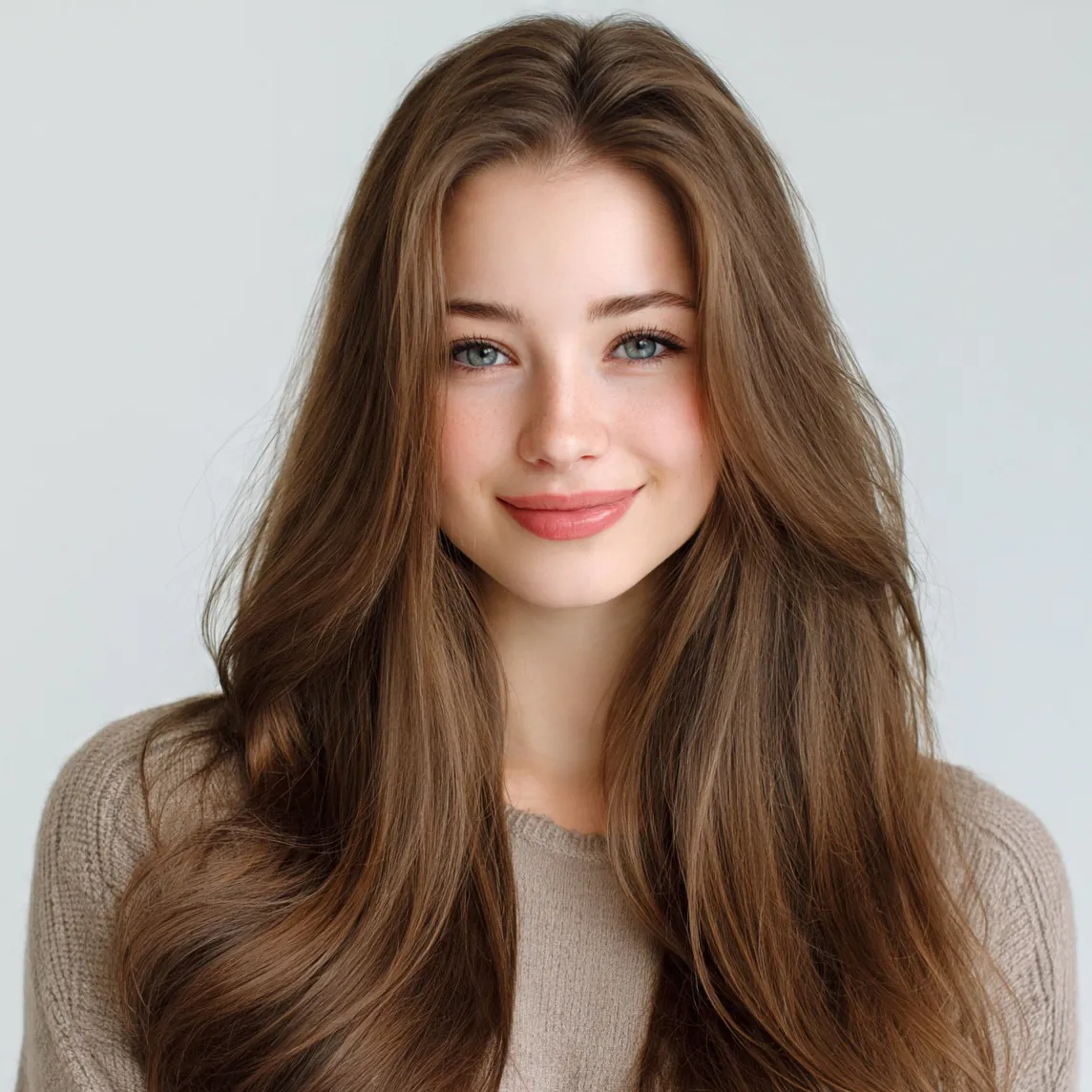
Beachy waves on medium hair create a lived in, effortless texture that manages to look simultaneously casual and intentional, a combination that earns this style a permanent place on Pinterest boards and salon request lists worldwide. To achieve the look, spritz damp hair with a salt spray, scrunch gently, and either diffuse on low heat or allow it to air dry. For those with naturally straight hair, a one inch curling wand wrapped loosely and alternated in direction produces a convincing wave pattern. A clean center part strengthens the symmetrical, model off duty quality of the style. This look is most striking on oval and heart shaped faces and suits fine to medium density hair exceptionally well.
2. Sleek High Ponytail Hairstyles For Medium Hair
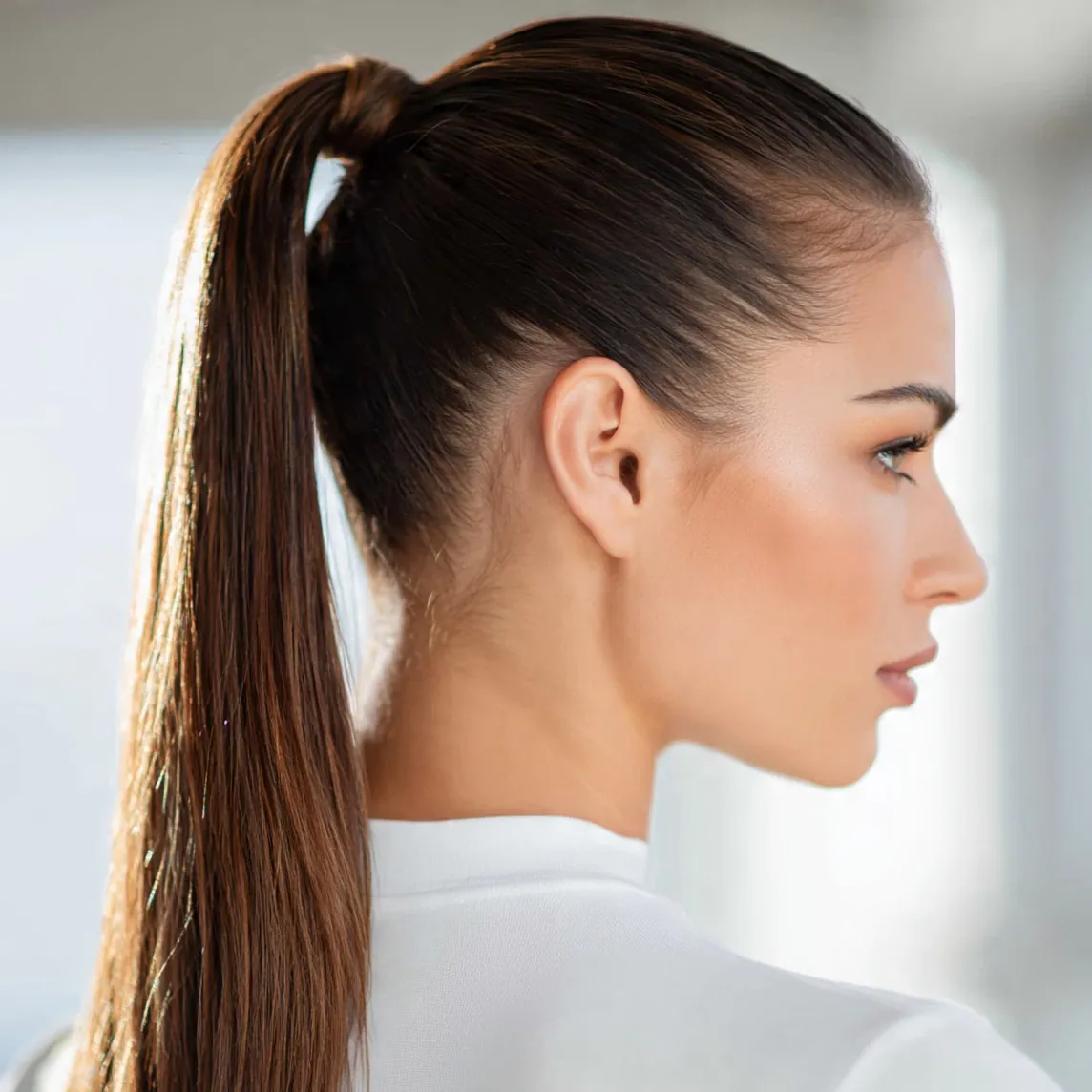
The sleek high ponytail transforms medium hair into something architecturally clean and undeniably chic. Begin by blow drying the hair smooth, then apply a thin layer of strong hold gel or edge control before pulling everything up to the crown. Securing the ponytail tightly and wrapping a small strand of hair around the elastic to conceal it adds a polished finishing detail that separates a careful style from a casual one. Because medium hair sits at an ideal length for this technique not too short to slip out, not so long as to feel heavy the ponytail maintains its height and structure through an entire workday. Square and oval face shapes benefit most from the elongating effect of a high ponytail placement.
3. Loose Half Up Twist Hairstyles For Medium Hair
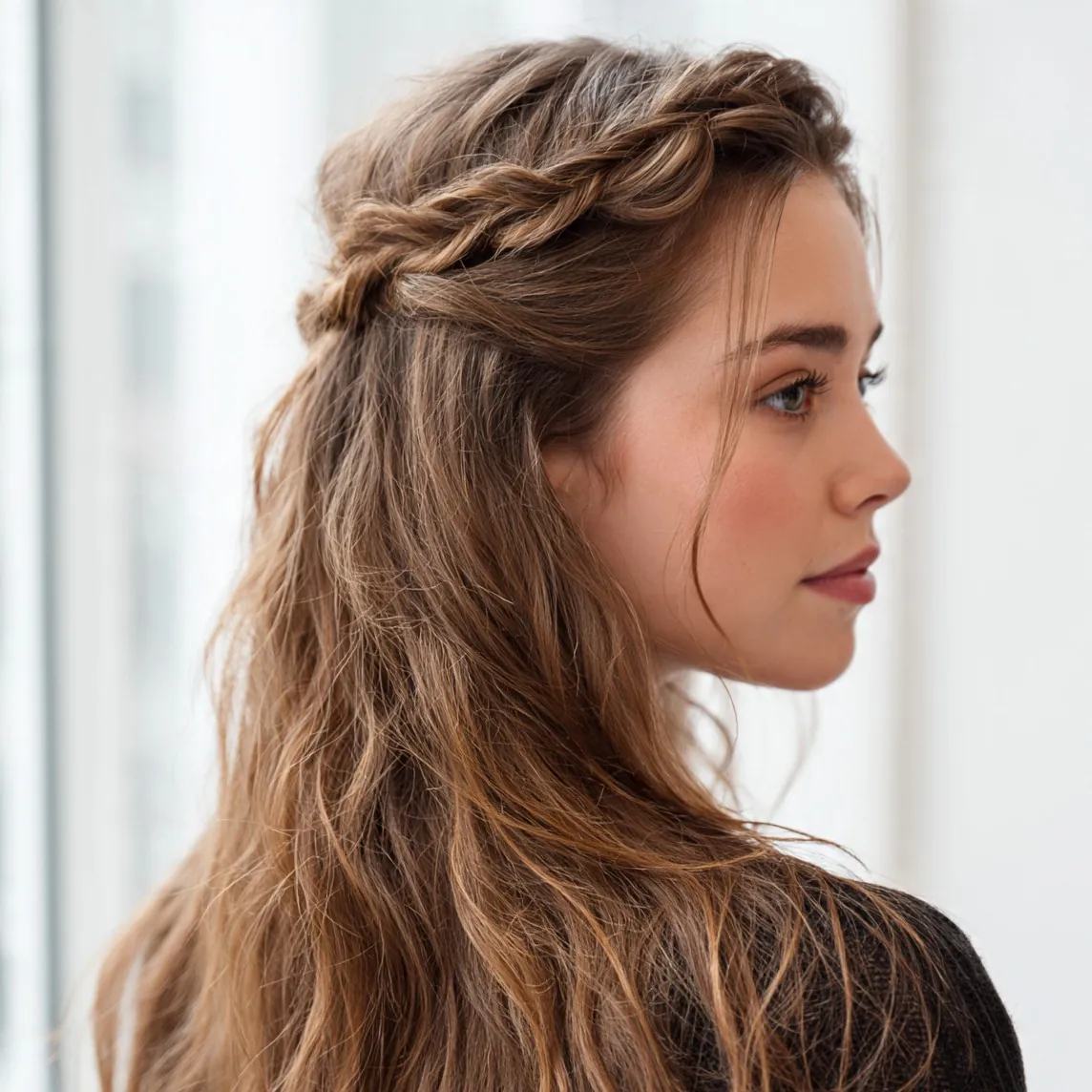
The loose half up twist takes the classic half up style and adds a single elegant detail: instead of simply tying the top section back, you twist it once or twice before securing, which creates a subtle rope like texture that photographs beautifully and reads as refined effort. Take the top two to three inches of hair from each side, draw them to the back, twist them together, and fasten with a claw clip or decorative pin. Medium hair handles this technique particularly well because the length of the remaining section falls at a flattering angle around the shoulders and collarbone. This style suits every face shape and adapts from weekday office wear to weekend brunch without requiring any modification at all.
Looking for more effortless hair inspiration? Explore these beautiful Simple Hairstyles that are perfect for everyday styling.
4. Low Braided Bun Hairstyles For Medium Hair
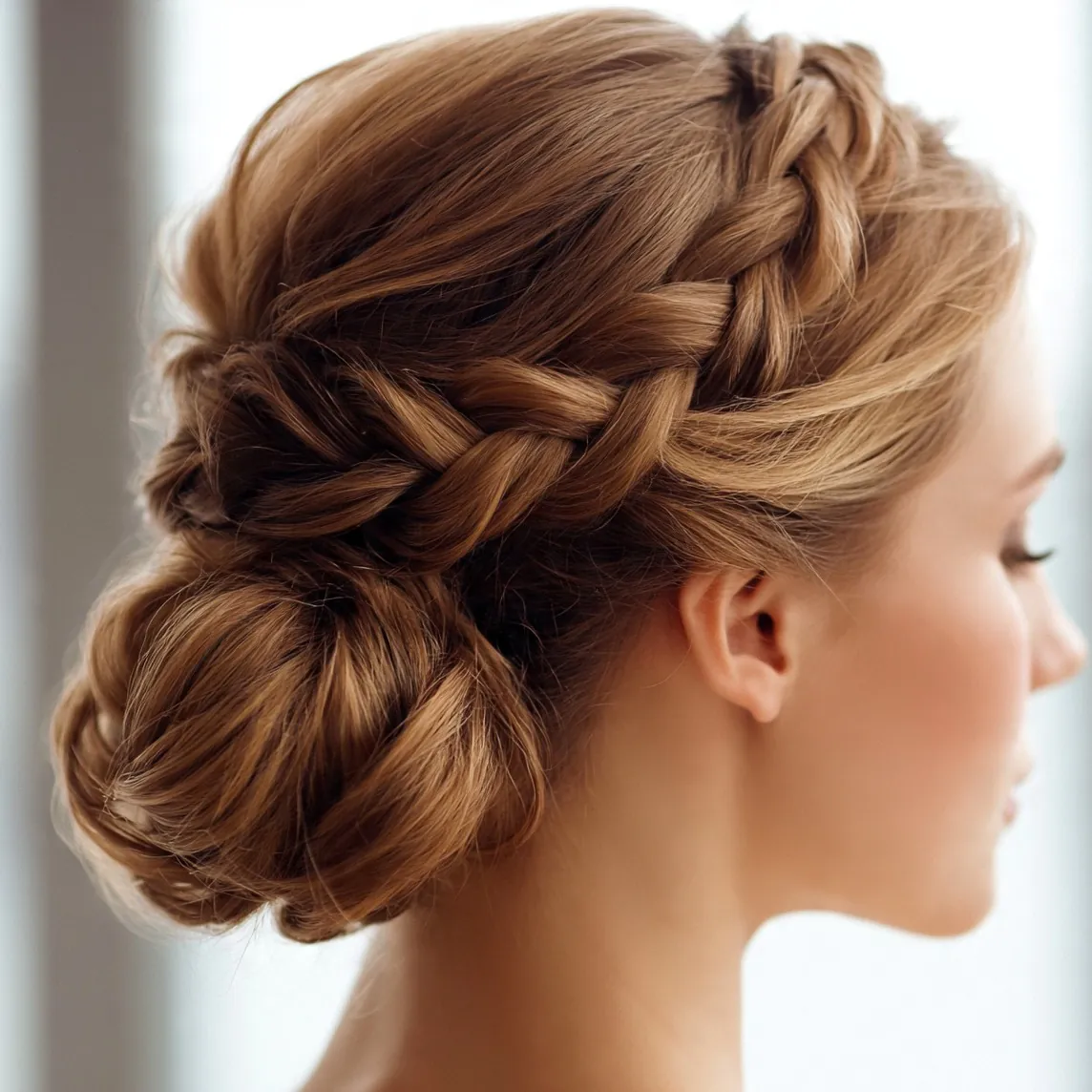
The low braided bun is a two step style that delivers maximum visual impact with minimal time investment. Create a standard three strand braid down the length of medium hair, then coil the finished braid into a soft knot at the nape of the neck, securing with bobby pins tucked under the braid so they remain invisible from any angle. Pulling gently on the outer edges of the braid before coiling it adds welcome volume to what might otherwise read as flat or severe. This style is especially useful for those with naturally wavy or textured hair, as any inherent bumpiness in the braid simply enhances the handcrafted, artisan quality of the overall look. Heart and oval faces are particularly well served by low placed styles.
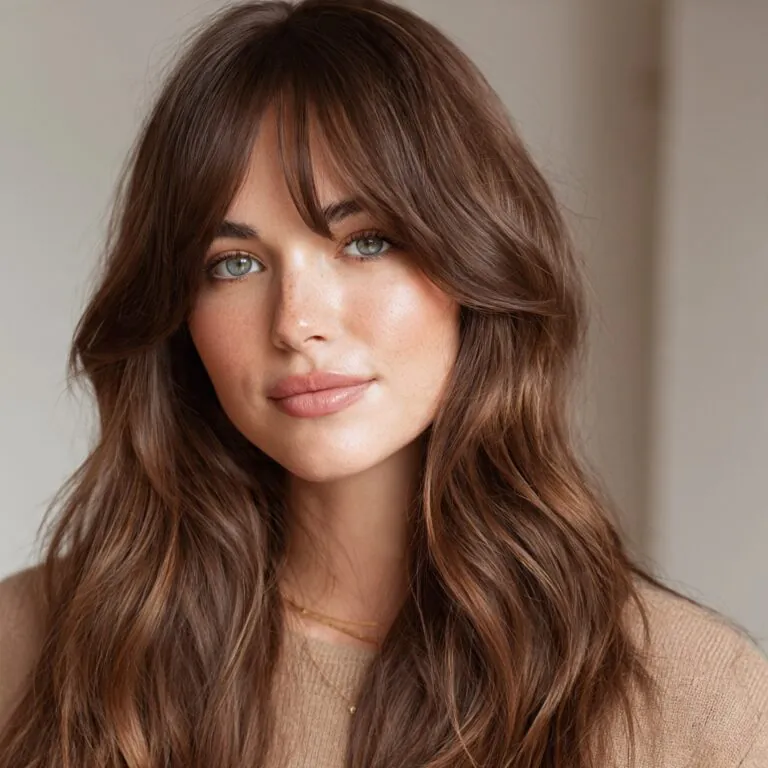
5. Curtain Bangs with a Blowout Hairstyles For Medium Hair
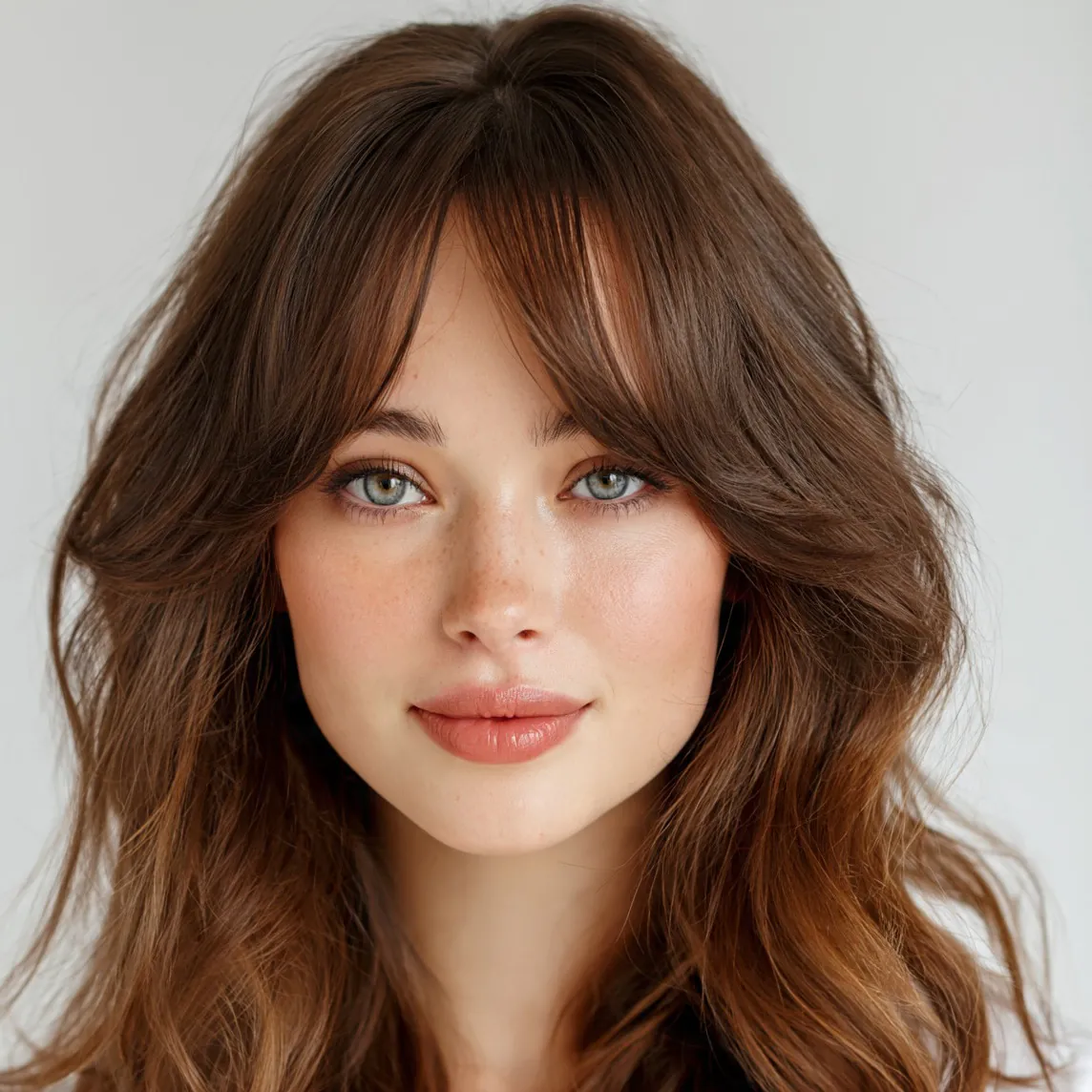
Curtain bangs have reclaimed their status as one of the most universally requested cuts in recent salon history, and paired with a medium length blowout, they form a combination that flatters nearly every client who tries them. The bangs are cut to part in the center and sweep outward toward each temple, framing the forehead softly rather than cutting across it bluntly. A round brush blowout on medium hair creates body and smoothness simultaneously, giving the curtain bangs a gentle, lifted quality that photographs warmly. This style suits round, square, and oblong face shapes particularly well, as the parted fringe balances strong jawlines and visually widens narrower foreheads. Warm tones like honey blonde or chestnut brown amplify the cozy, dimensional quality of this look.
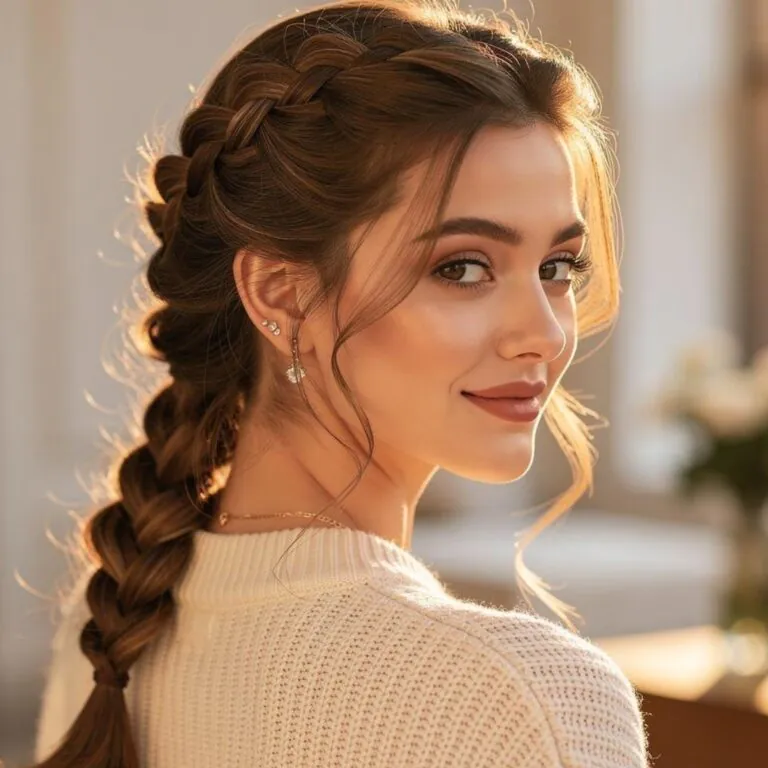
6. French Braid into Low Ponytail Hairstyles For Medium Hair
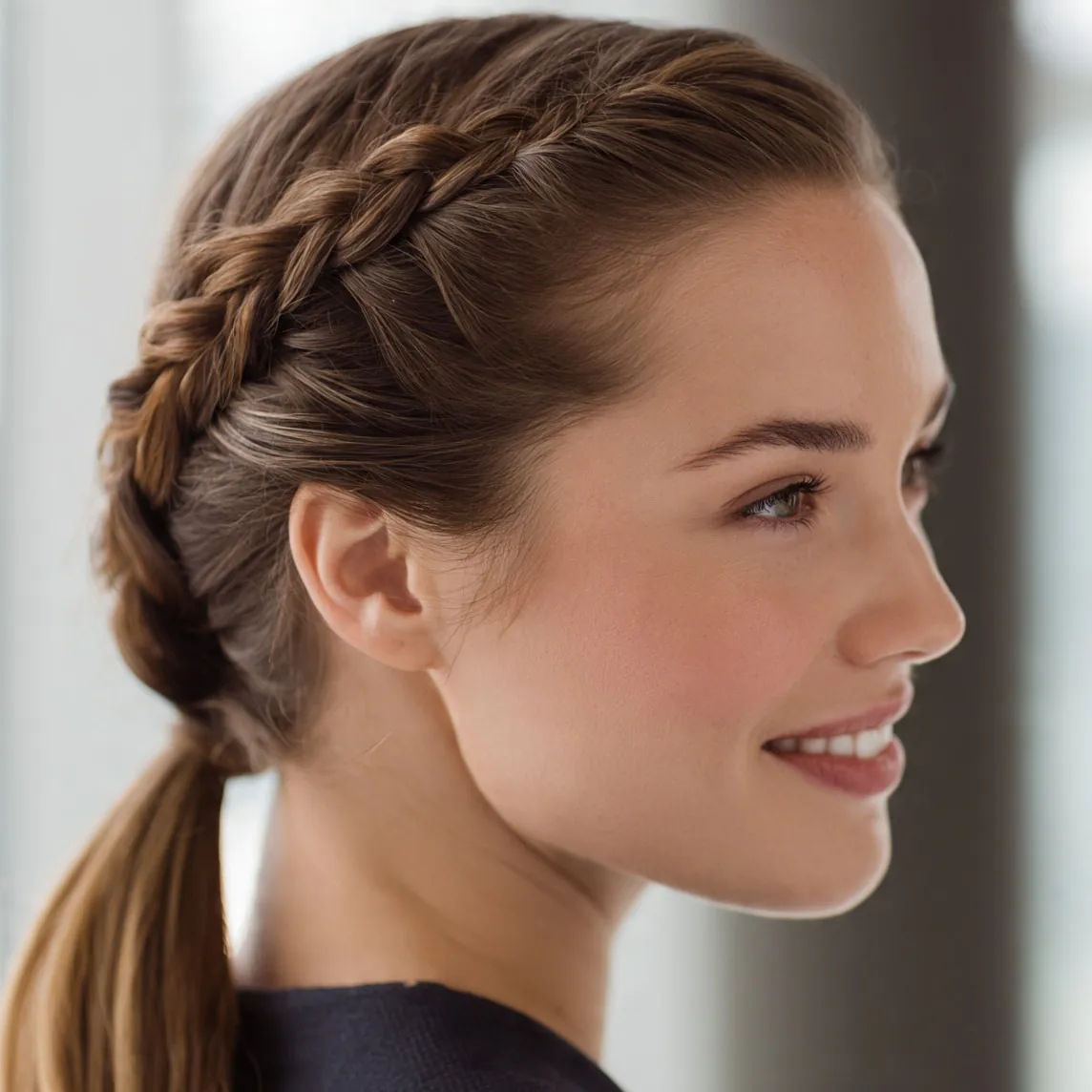
Combining a French braid at the crown with a low ponytail at the nape creates a hybrid style that solves one of medium hair’s most common challenges: keeping the front section secure while still achieving a gathered finish at the back. Begin French braiding from the very front hairline, incorporating sections as you travel backward toward the crown, then continue into a regular braid or release the remaining length into a smooth ponytail. This style is ideal for active days, outdoor events, or anyone who works in an environment where having hair in the face is genuinely impractical. Medium hair hits a length at which the French braid has enough sections to look full and intentional without the braid becoming so long it loses its shape.
7. Messy Textured Bun at the Crown Hairstyles For Medium Hair
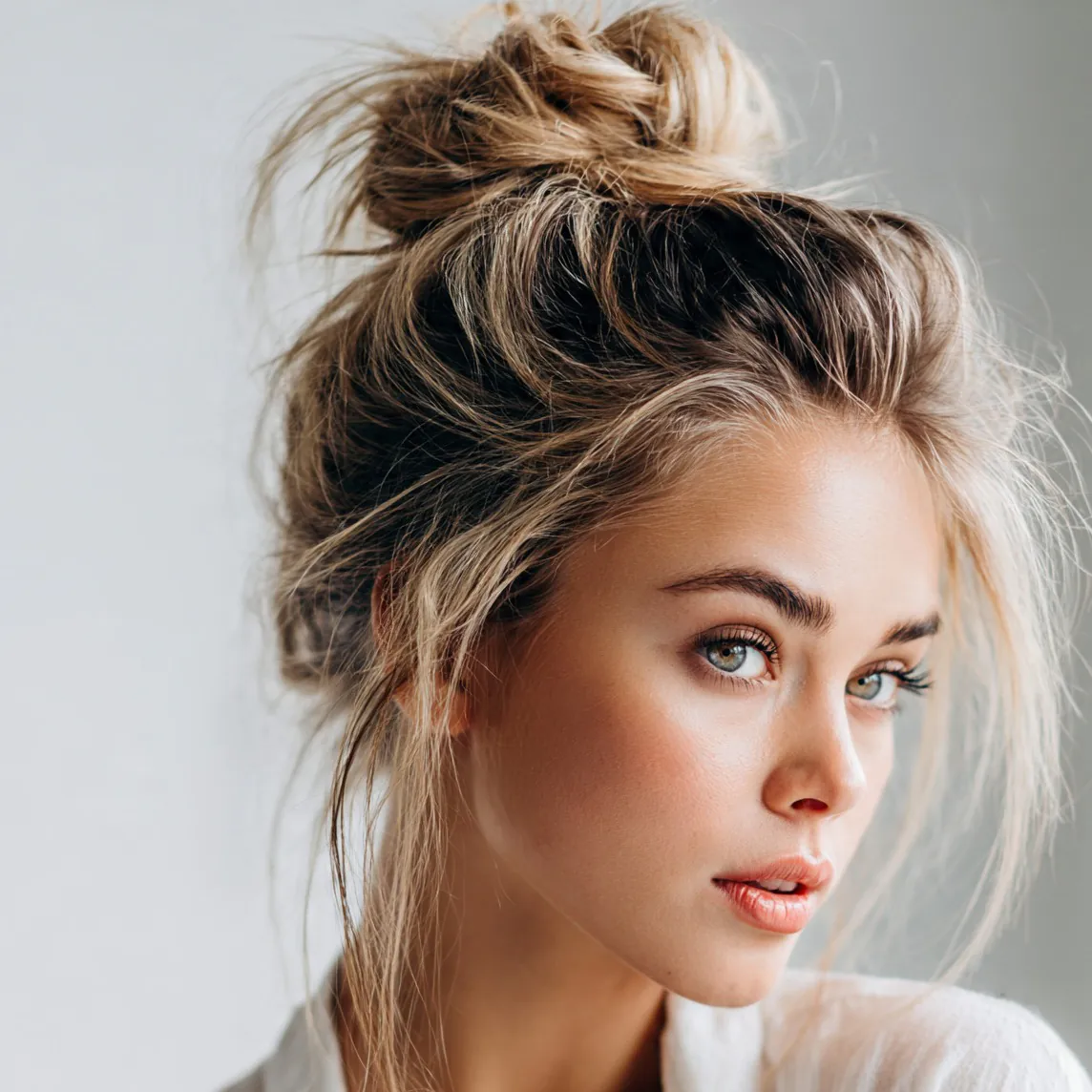
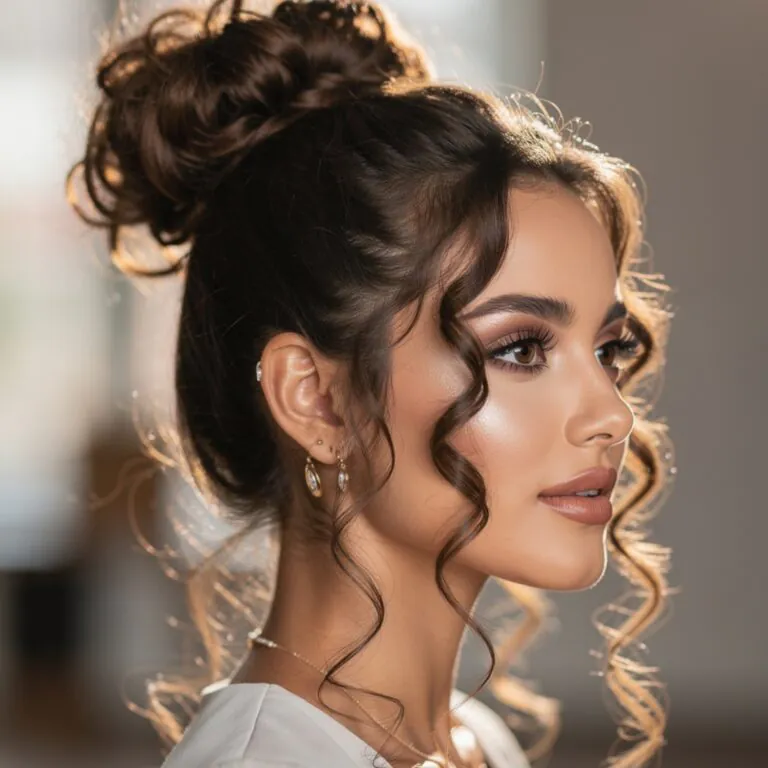
Unlike its sleek counterpart, the messy, textured bun at the crown of the head embraces imperfection as a design principle rather than treating it as a flaw to be corrected. Flip the head forward, gather all the hair loosely, and twist it into a knot at the top without smoothing any flyaways or stray pieces. Pin the knot in place, flip back upright, and gently tug sections loose around the face and nape for a deliberately undone quality. Applying a texturizing spray before gathering adds grit and grip that keep the bun from collapsing by mid morning. Medium hair is especially well suited to this technique because the length produces a bun that is visible, shapely, and structurally stable rather than a tiny tuft barely holding together at the crown.
8. Space Buns on Medium Hair Hairstyles For Medium Hair
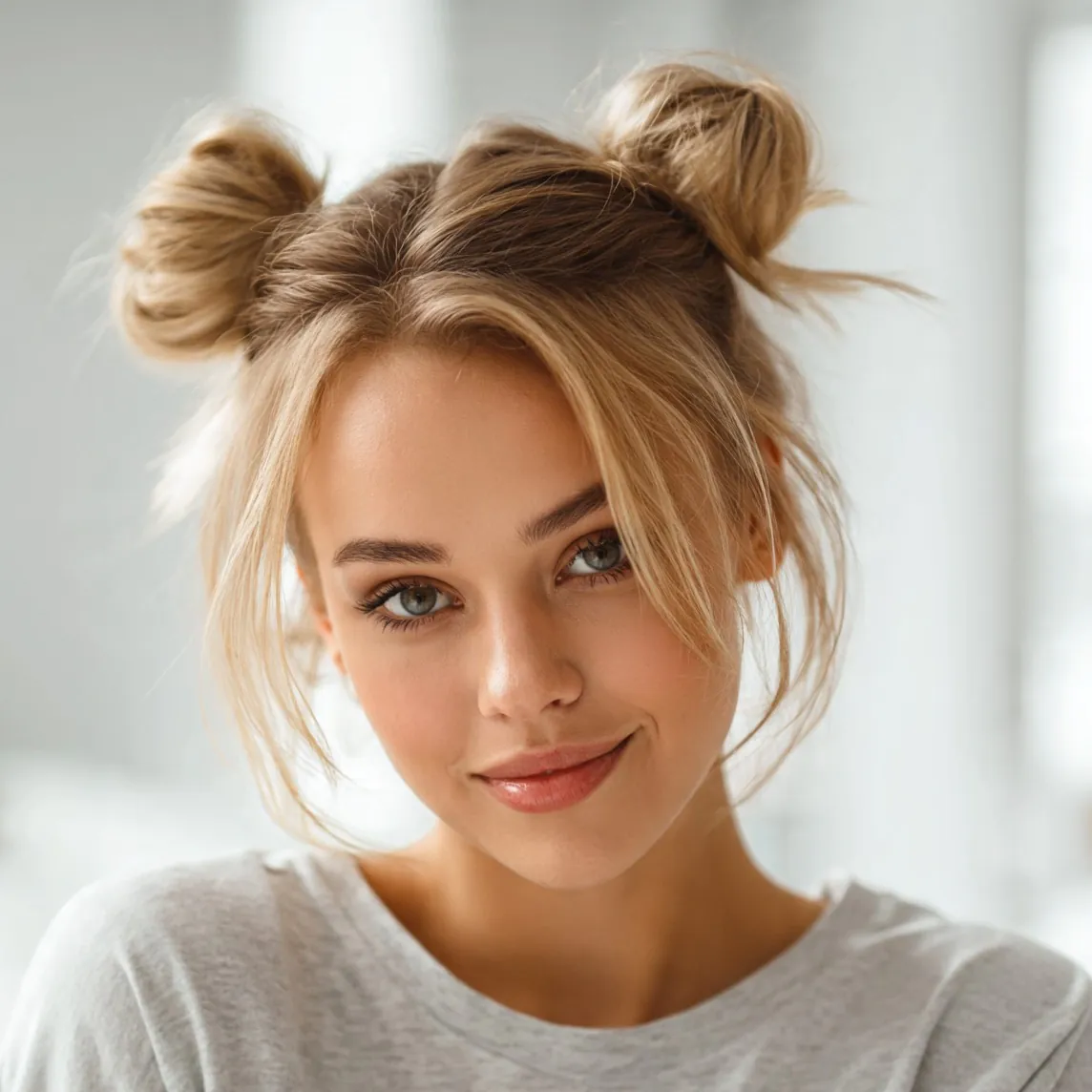
Space buns on medium hair strike a particularly satisfying visual balance, substantial enough to make a genuine style statement, without the dramatic weight that very long hair can add to the same look. Create a clean center part from forehead to nape, divide the hair into two equal sections, and twist each side into a round knot secured at a high position just above each ear. Leaving the buns slightly imperfect and allowing face framing pieces to escape around the temples softens the look considerably, widening its appeal beyond festival settings into everyday wear. This style suits medium and thick hair types best, as the buns require enough density to remain voluminous and round rather than deflating into thin, uneven knots throughout the day.
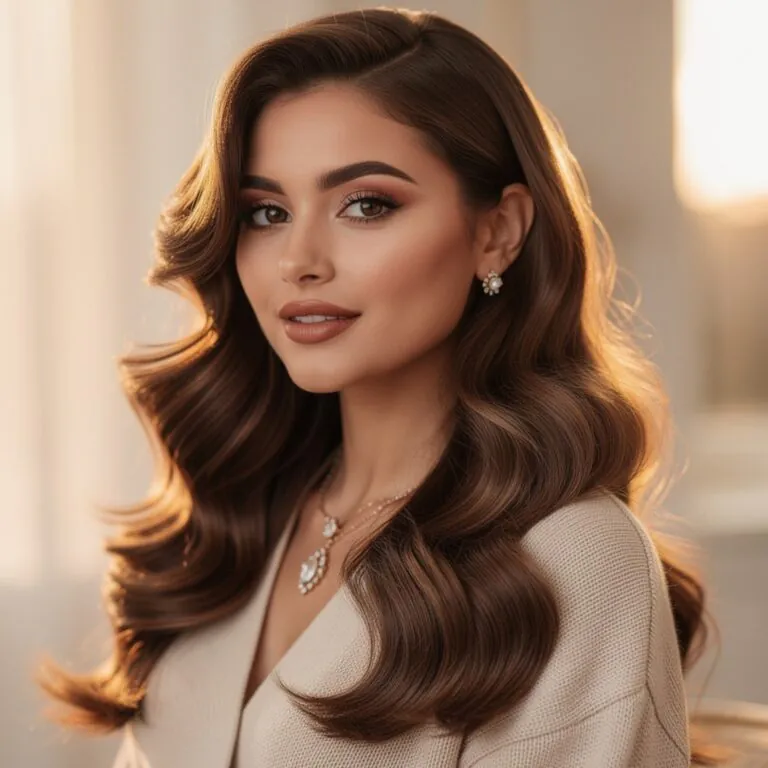
9. Side Parted Old Hollywood Waves Hairstyles For Medium Hair
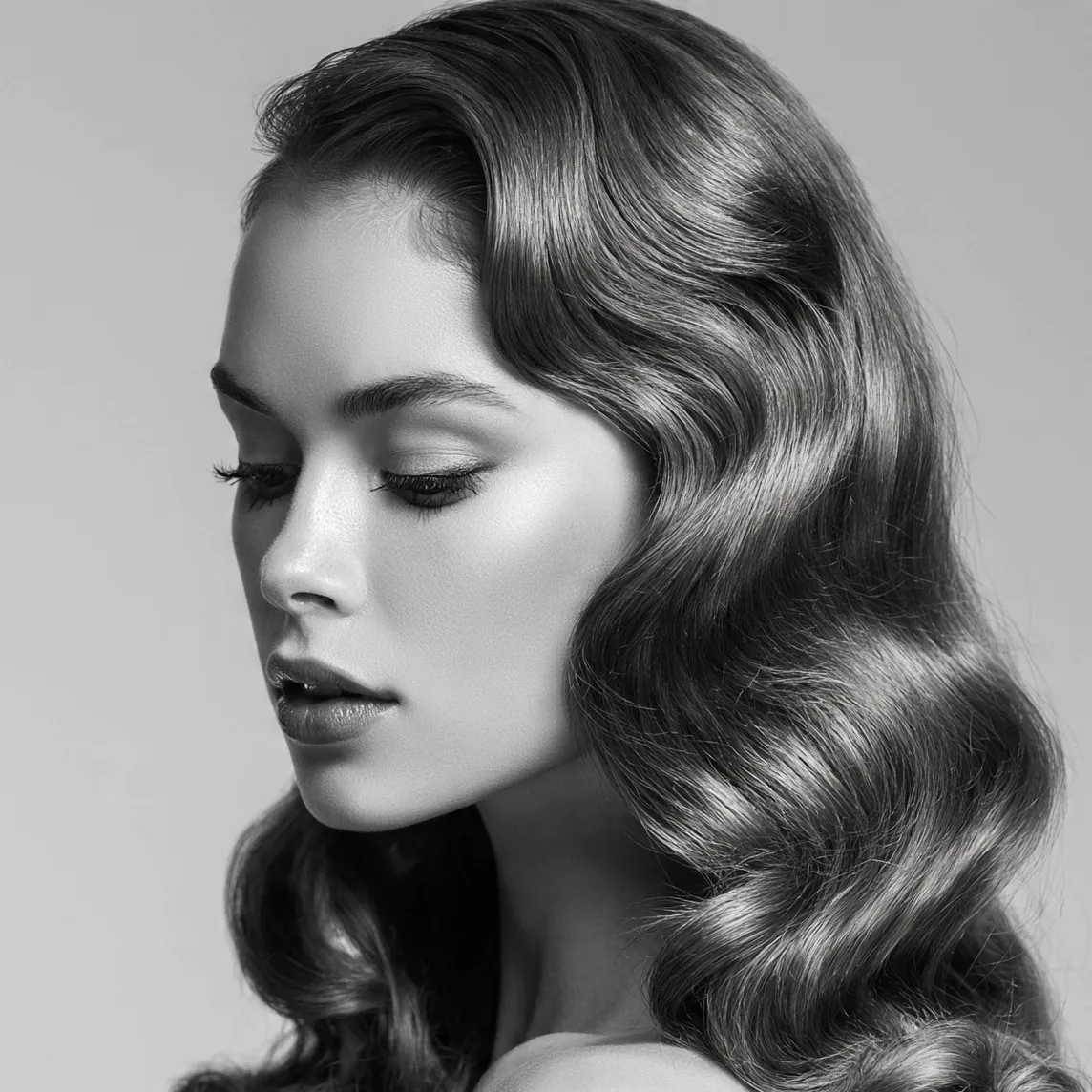
Old Hollywood waves on medium hair capture a glamorous, cinematic quality that feels elevated without requiring a professional blowout. Using a one inch curling iron, curl all the hair in the same direction away from the face then allow the curls to cool completely before brushing through them with a soft paddle brush. This technique transforms tight curls into smooth, cascading waves that sweep dramatically to one side following a deep side part. Finishing with a shine enhancing serum or a light misting of glossing spray adds the luminous, camera ready quality that defines this aesthetic. Medium hair falls at the ideal length for Old Hollywood waves, as the curl pattern remains intact from root to ends without stretching out or losing definition the way it might on longer lengths.
10. Dutch Braid Across the Crown Hairstyles For Medium Hair
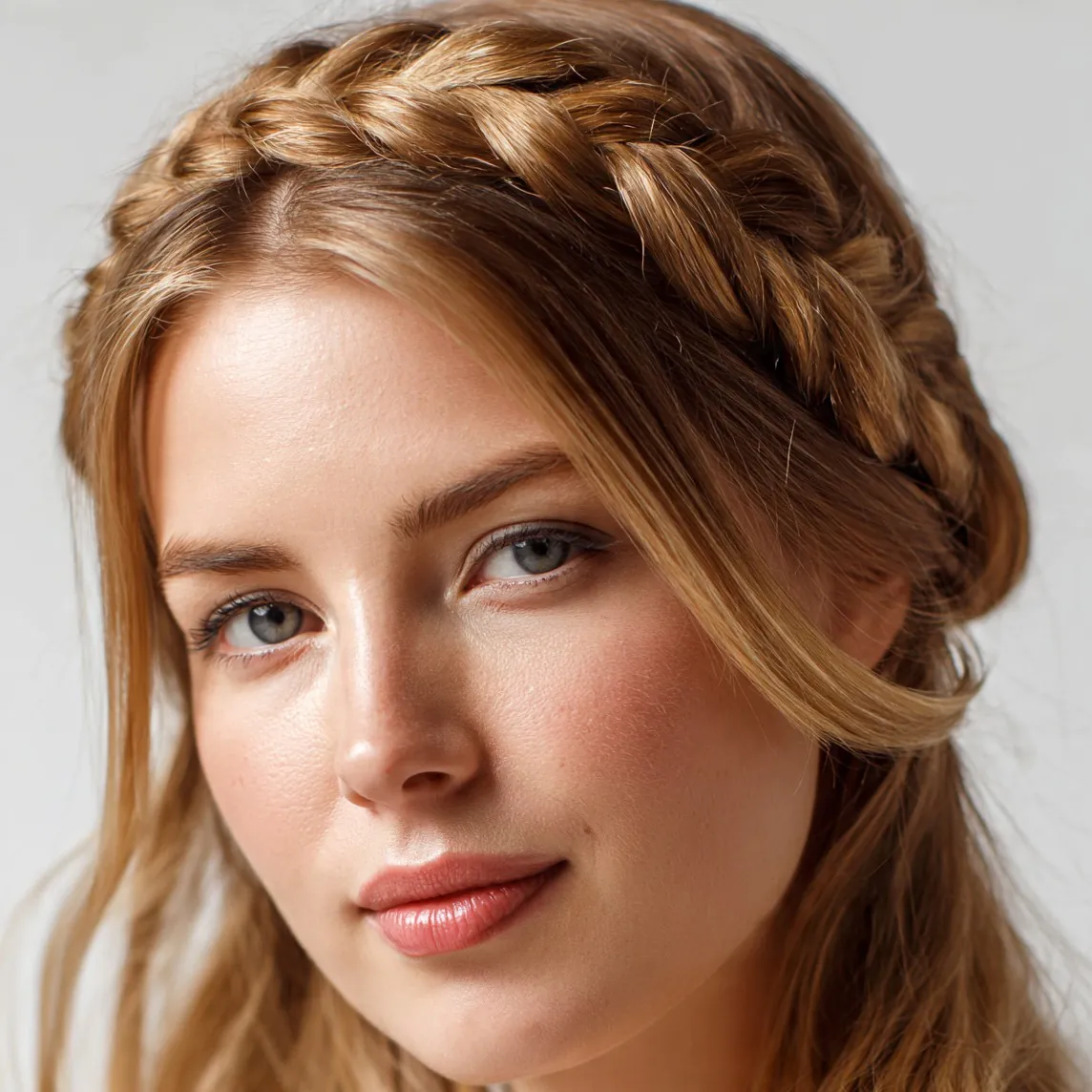
A single Dutch braid running across the crown of the head from one side to the other in a diagonal or straight horizontal line functions as both a practical style and an undeniable conversation starter. Unlike a full Dutch braid that travels down the back, this crown version incorporates hair from the front sections only and terminates near the opposite ear, where it is pinned or allowed to cascade into the remaining loose hair. The result is a half up look with significant structural interest and a handcrafted, editorial quality that most standard updos simply cannot replicate. Medium hair offers exactly the right amount of length to execute this technique comfortably, as the braid has enough material to look full and defined rather than sparse and strained.
11. Textured Lob with Invisible Layers Hairstyles For Medium Hair
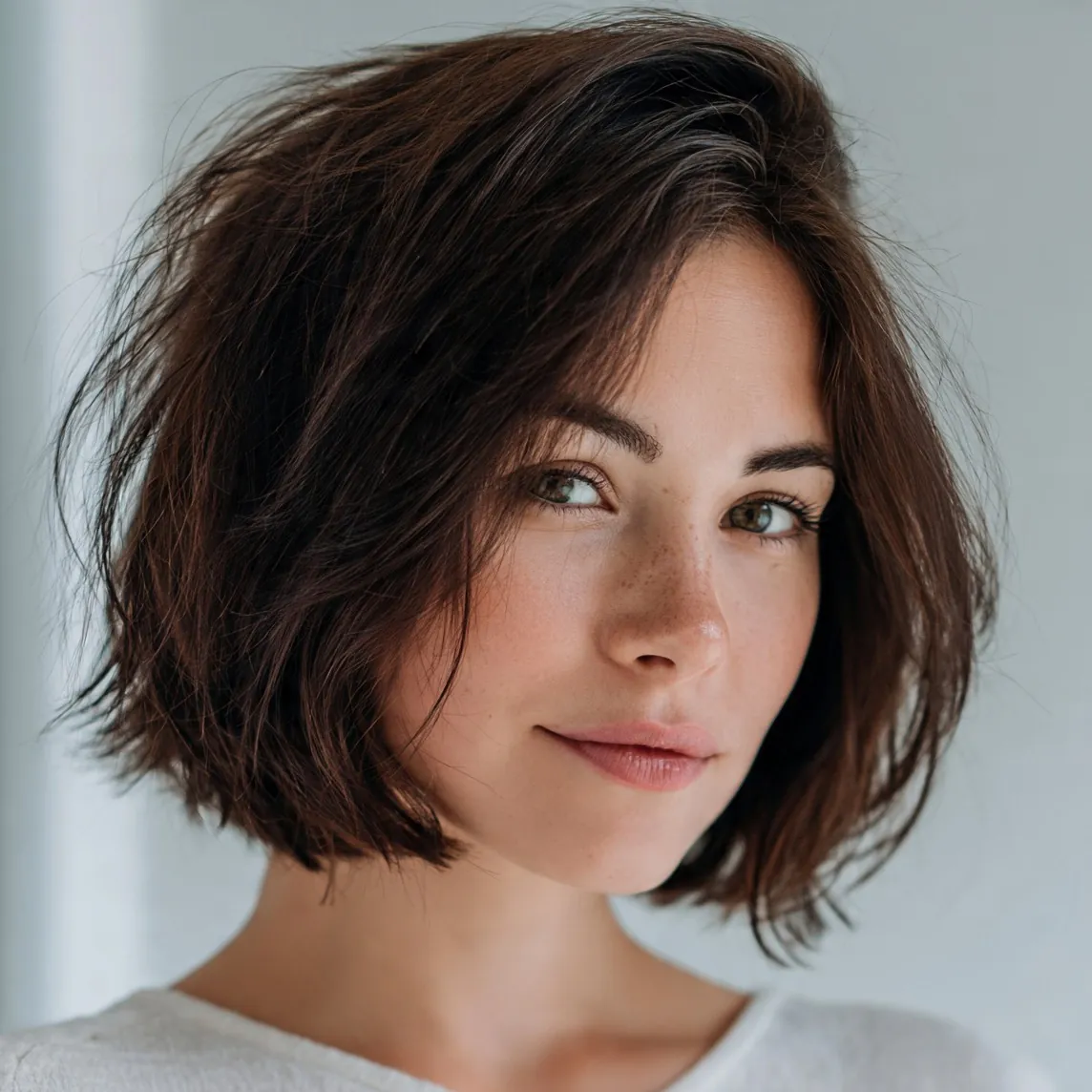
The textured lob a long bob cut to collarbone length with interior layers that add movement without removing visible length is arguably the single most recommended cut for medium hair, and the consistency of its popularity across decades is a strong testament to its universal flattery. Invisible layering means the perimeter appears full and blunt when the hair is down and straight, but movement, bounce, and body emerge naturally the moment any wave or texture is introduced. Styling with a large barrel curling wand on alternate sections creates a soft, diffused wave pattern that showcases the layers beautifully. This cut suits every face shape and most hair densities, though those with fine hair benefit most dramatically from the layered interior weight removal.
12. Knotted Headband Style Hairstyles For Medium Hair
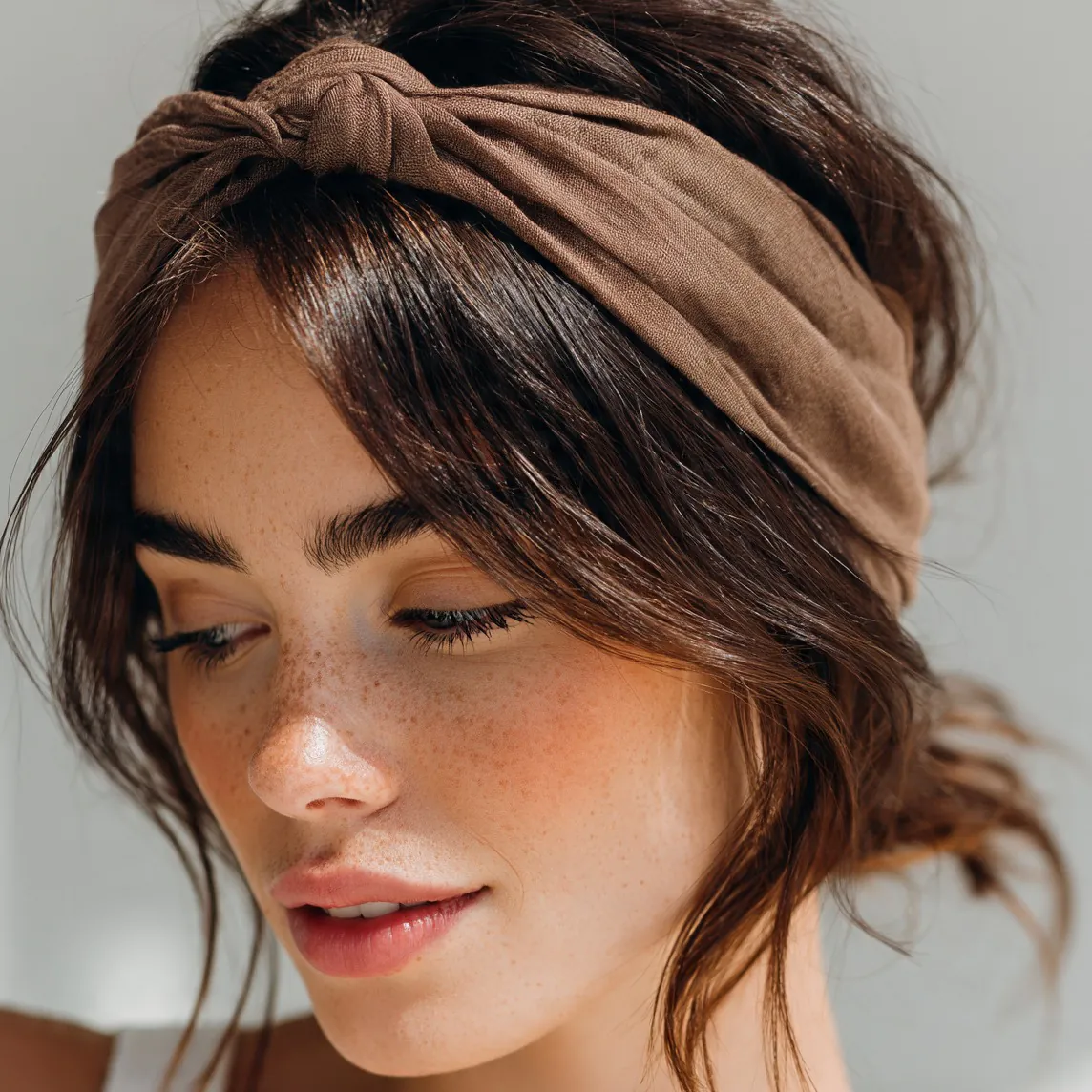
The knotted headband style uses a fabric scarf or silk ribbon to create a hair accessory meets updo hybrid that requires absolutely no pins, elastics, or heat tools. Place the scarf across the top of your head like a headband, tuck sections of hair up and under the scarf on each side, and tie the scarf ends together at the top in a bow or knot. The sections of hair that are tucked under the scarf fold into a soft, gathered silhouette at the sides that mimics a low roll or vintage victory roll without the technical difficulty. Medium hair handles this technique with particular ease because the length is sufficient to tuck without being so long that the tucked sections become unmanageable or visually overwhelming at the sides of the head.
13. Braided Pigtails with a Center Part Hairstyles For Medium Hair
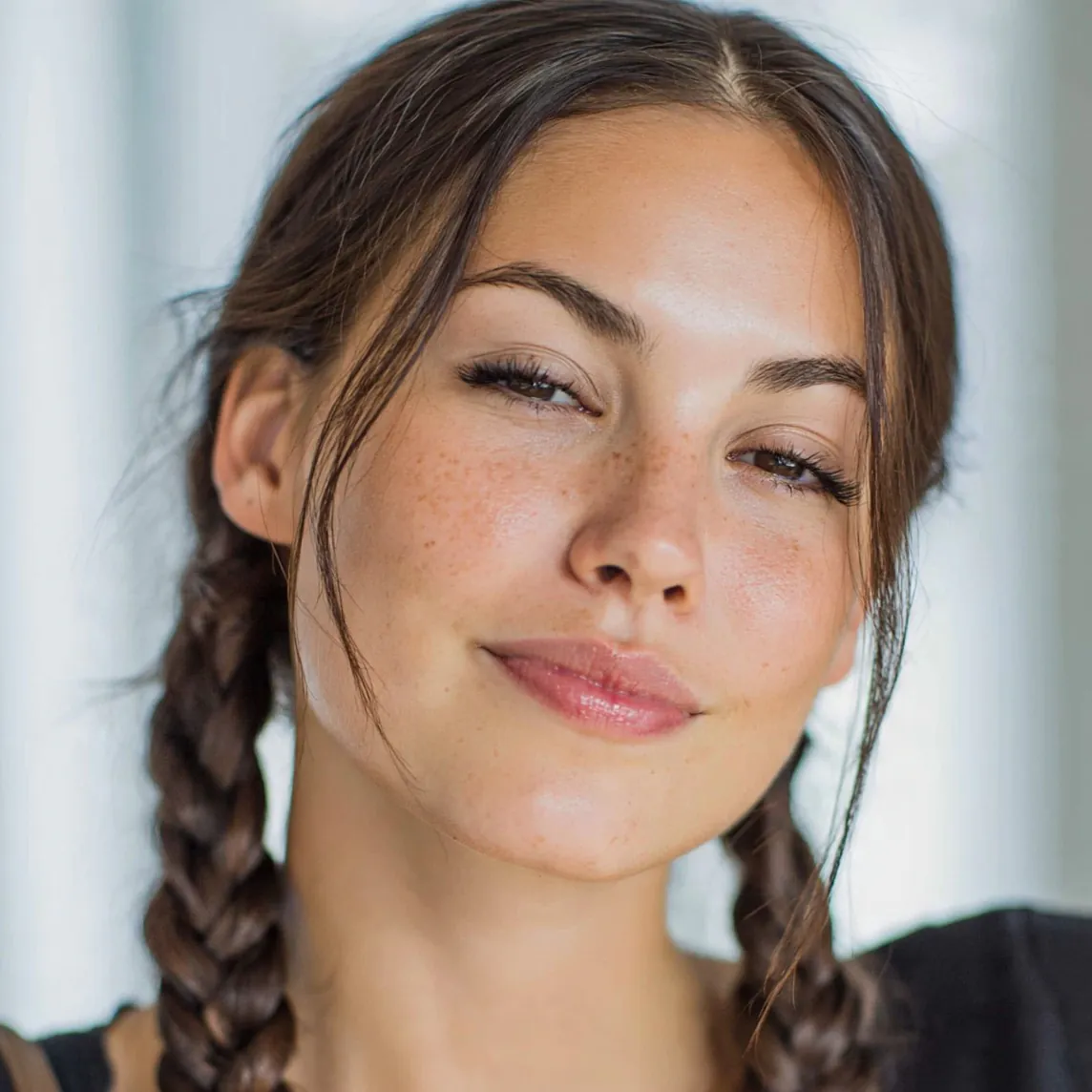
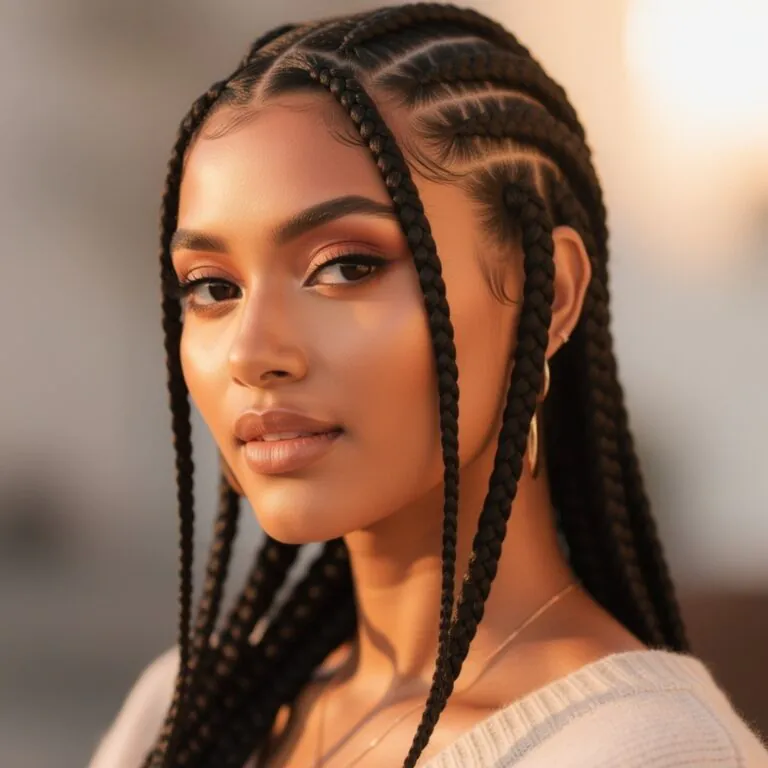
Braided pigtails on medium hair occupy a nostalgic aesthetic territory that has been firmly reclaimed by adult styling culture, appearing on street style blogs, editorial shoots, and everyday social media with equal frequency. A clean center part divided into two sections, each braided in a simple three strand pattern and brought forward over each shoulder, creates a youthful, approachable look that also happens to function as a highly effective protective style for naturally wavy and curly textures. Loosening the braids by pulling gently on the outer edges after plaiting adds a fuller, more relaxed quality that prevents the look from reading as overly rigid or juvenile. Medium hair achieves a braid length in this style that reaches the chest or collarbone the ideal visible length for maximum effect.
14. Pinned Back Waves with a Hair Clip Hairstyles
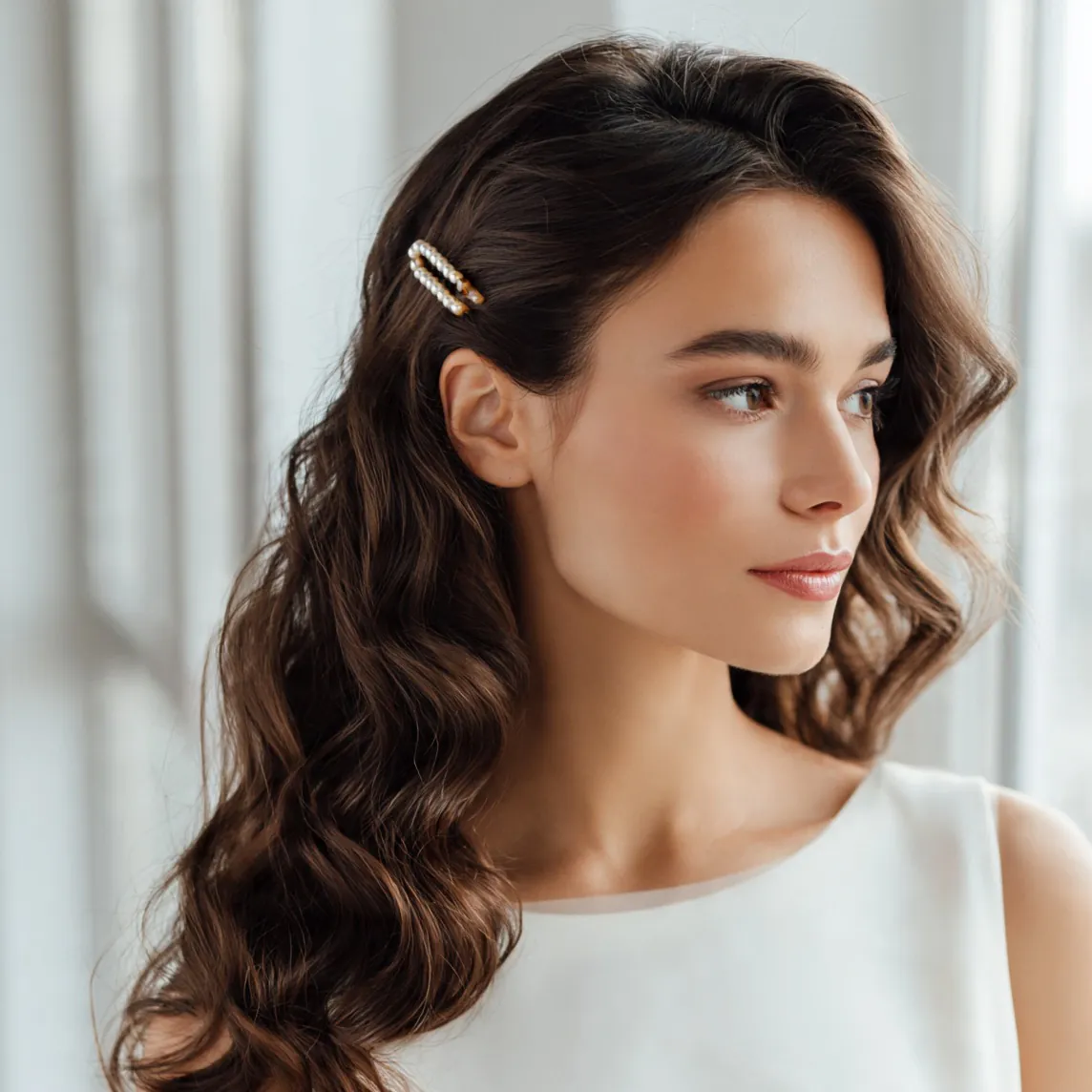
One of the most effortlessly chic things you can do with medium wavy hair is to wave it, sweep one side back, and secure it behind the ear with a statement clip. The contrast between the loose, organic movement of the remaining waves and the precise placement of a single accessory creates a curated, intentional look from what is essentially a two step process. Butterfly clips, claw clips in tortoise shell or pearl finishes, and jeweled barrettes all work beautifully for this style depending on the occasion. Medium hair benefits from this approach particularly in humid climates or on low effort mornings, as the sweep and clip technique tidies the face framing sections without requiring the entire head of hair to be styled uniformly from root to end.
15. Natural Blowout with a Slight Bend Hairstyles For Medium Hair
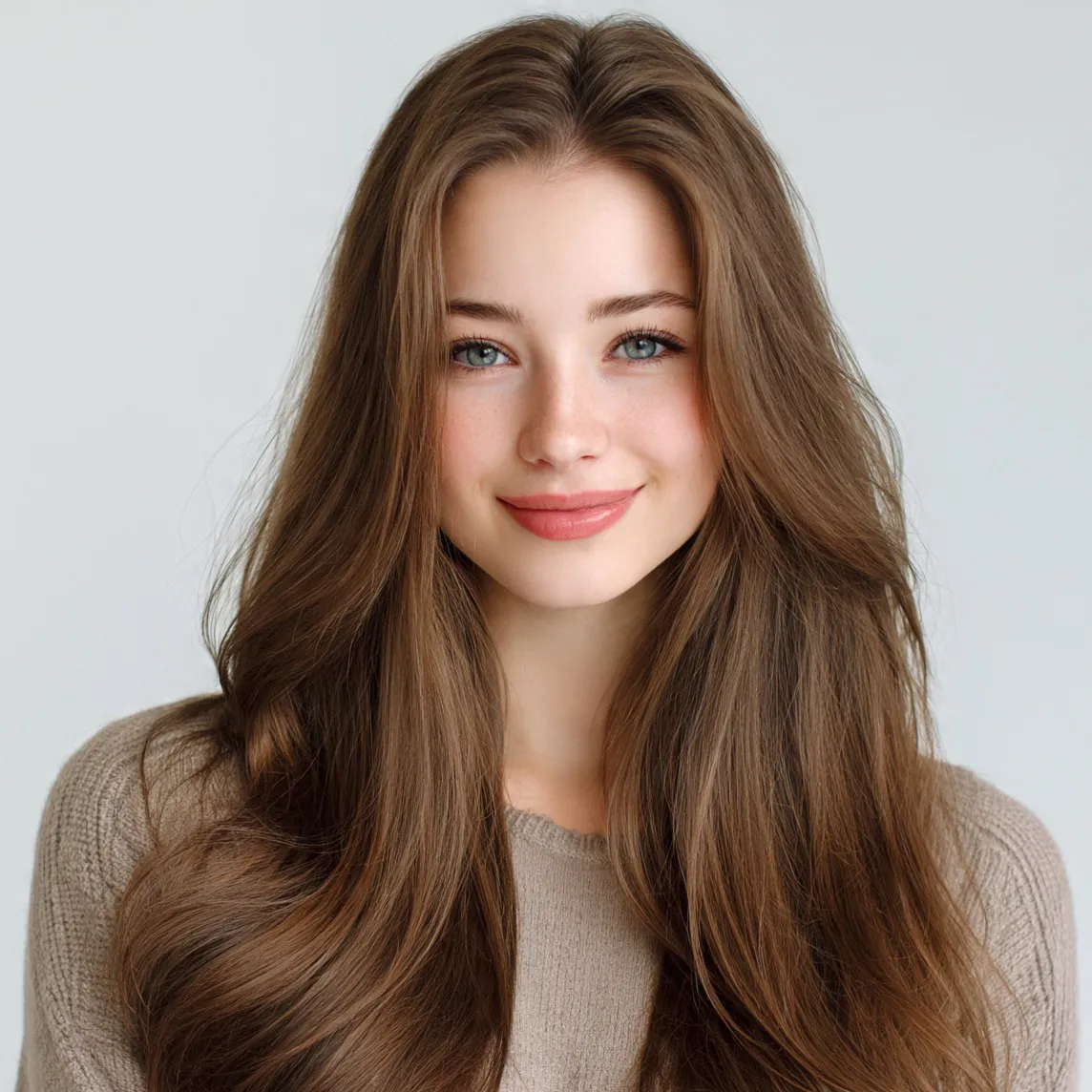
The natural blowout with a slight bend is the medium hair equivalent of your most reliable wardrobe staple it goes with everything, suits every occasion, and looks like a version of your best natural hair rather than a performance of someone else’s. Using a round brush during blowdrying, roll the ends of medium hair slightly inward or outward in alternating sections to create a gentle, C shaped curve at the tips rather than a full curl. The result is hair that appears smooth, healthy, and bouncy without looking obviously styled. A few drops of a lightweight argan oil serum worked through the mid lengths and ends adds luminosity and reduces the appearance of any remaining frizz, producing a finish that reads as naturally perfect rather than deliberately constructed.
How to Choose the Right Hairstyle for Medium Hair
Selecting the most flattering style for medium length hair requires understanding two things above all others: your natural texture and your actual morning routine. Medium hair is uniquely positioned to work across an enormous range of styles, but the ones that will genuinely stick in your rotation are the ones that require the least resistance from your natural texture. If your hair waves naturally, lean into styles that celebrate movement braids, beachy textures, and half up looks all work with your hair’s inherent direction. If your hair is naturally straight and fine, sleek blowouts, low ponytails, and precise clips showcase what your texture does best. Choosing against your texture every single morning is a recipe for frustration, regardless of how stunning a style looks on someone else with a different hair type.
Best Face Shapes and Hair Types for Medium Styles
Medium hair is widely celebrated by hairstylists as the most universally flattering length precisely because it can be modified to suit every face shape through small adjustments in cut, parting, and styling direction. Round faces benefit from styles that add vertical height high ponytails, crown braids, and straight center parts all create the illusion of elongation. Square faces are softened by wavy textures, side swept styles, and curtain bangs that introduce curves around angular jawlines. Heart shaped faces look beautiful with volume at the jaw level, making loose waves and low buns particularly effective. Oblong or long faces are best served by styles that add horizontal width, such as waves, side parts, and half up looks that widen rather than lengthen the overall silhouette.
Maintenance and Styling Tips for Medium Hair
Keeping medium hair looking intentional between salon visits depends largely on a few targeted habits rather than an exhaustive daily routine. A silk or satin pillowcase is one of the highest return investments available for any hair type at this length, as it dramatically reduces friction induced frizz and extends blowouts, braids, and wave patterns by several days. Applying a quarter sized amount of leave in conditioner to damp hair before air drying provides baseline moisture and reduces the frizz that dry indoor environments tend to intensify. Trimming every eight to ten weeks prevents the mid length growing out phase where hair begins to feel neither one thing nor another from setting in and dulling the precision of your cut. A targeted dry shampoo at the roots on day two or three refreshes volume instantly without requiring a full wash.
How to Ask Your Hairstylist for This Look
Communicating clearly with your stylist is the most underrated skill in achieving consistently great hair results, and medium length styles offer an especially wide range of possibilities that require precise language to navigate. Rather than arriving with a single image, bring two or three reference photographs that show the style from the front, side, and back and note which specific element draws you to each image, whether that is the texture, the color, the volume placement, or the overall silhouette. Be clear about your daily styling time: “I have about ten minutes in the morning” is the kind of practical information that helps a skilled stylist make cut and layer recommendations that serve your real life rather than an idealized version of it. Phrases such as “I want movement without losing length,” “I want to be able to air dry this,” or “I want low maintenance with maximum impact” give your stylist a genuine creative brief to work from.
Frequently Asked Questions About Medium Hair Styles
What counts as medium length hair?
Medium length hair generally refers to hair that falls somewhere between the chin and the collarbone, though some stylists extend the definition slightly to include lengths that reach the top of the chest. The defining quality of medium hair is its versatility it is long enough to pin up, braid, and style into structured looks, yet short enough to manage, dry, and refresh with relative ease. If your hair currently sits between your jaw and your shoulders, you are firmly in medium hair territory and have access to an enormous range of styling options.
Which simple hairstyles work for medium fine hair?
Fine hair at medium length responds best to styles that avoid excessive layering, which can make thin strands look sparse and wispy at the ends. Blunt cuts, sleek ponytails, blowouts with a round brush, and pinned back wave styles all showcase fine hair at its best. Using a volumizing mousse before blow drying adds body and lift that persists through the day, and dry shampoo at the roots creates the grip needed for updos and half up styles to hold without slipping.
Can medium hair be braided easily?
Medium hair is actually one of the most practical lengths for braiding. It is long enough to create full, visible braids French braids, Dutch braids, three strand braids, and crown braids without the braid being so long that it becomes unwieldy or loses its shape at the ends. The key for medium hair is applying a small amount of texturizing spray or pomade before braiding, which gives the strands enough grip to stay interlocked through the day without the added slip that clean, freshly conditioned hair sometimes introduces.
How do I add volume to medium hair that lies flat?
Flat medium hair is best addressed at the root level during the blow drying process. Flip your head upside down while blow drying the roots with a round brush to lift them away from the scalp, then clip the dried sections up while you finish the rest of the hair allowing the roots to cool in a lifted position sets the volume in place. Dry shampoo or a volumizing powder applied directly to the roots after drying is a fast and effective touch up tool. Avoid heavy conditioners applied at the roots, as these weigh fine or flat hair down quickly.
What are the best accessories for medium hair styling?
Medium hair interacts beautifully with a wide range of accessories because the length provides enough substance to support structural pieces without being overwhelmed by them. Claw clips are among the most useful and versatile options a medium or large claw clip can create a twisted half up, a full gathered style, or a French twist effect in under thirty seconds. Silk scrunchies protect hair while still reading as intentionally styled. Decorative barrettes, pearl pins, and jeweled clips work best when placed to secure swept back sections against the side of the head, adding a single focal point without requiring any additional effort.
How often should I trim medium hair to keep styles looking good?
Most hairstylists recommend trimming medium length hair every eight to twelve weeks to maintain the shape of the cut and prevent split ends from traveling up the shaft. Medium hair enters an awkward transitional phase if left too long between trims the ends lose weight and precision, making defined styles harder to execute and loose styles harder to control. If you are growing your hair out from medium toward long, communicate that goal to your stylist so they can take only the minimum necessary from the ends while still maintaining overall health and shape.
Conclusion
Medium hair is not a waiting room between short and long it is a destination in its own right, offering more daily styling freedom than almost any other length available. The fifteen looks in this guide cover the full spectrum from five minute morning solutions to genuinely polished occasion styles, all designed to work with what medium hair does naturally rather than fighting its texture or density. Bookmark the styles that resonate most, gather your reference images, and walk into your next salon visit knowing exactly what you want and how to articulate it. Your best hair is already at the right length.