Shaggy Bob Hairstyles: 12 Effortlessly Cool Cuts to Try This Season
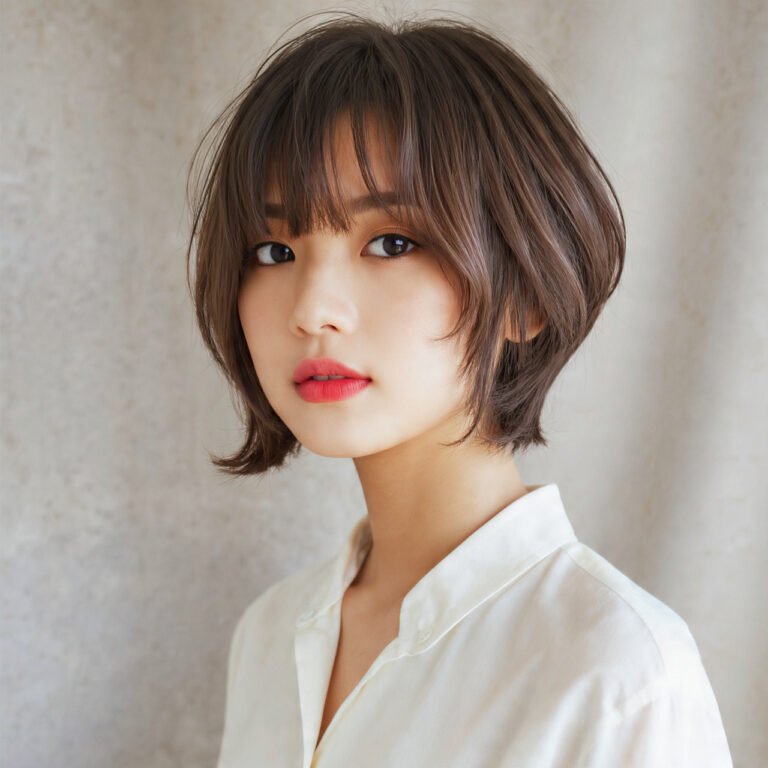
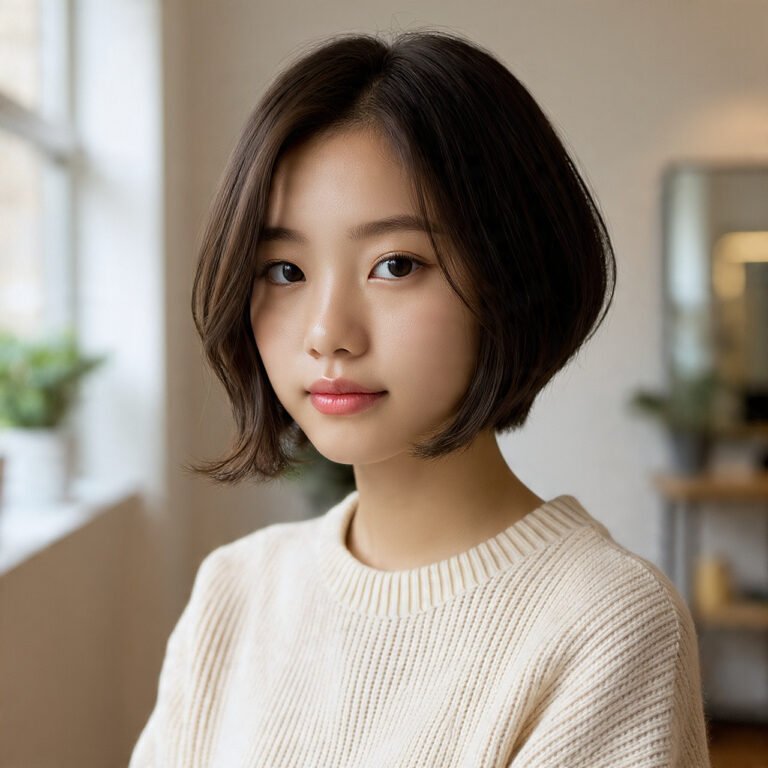
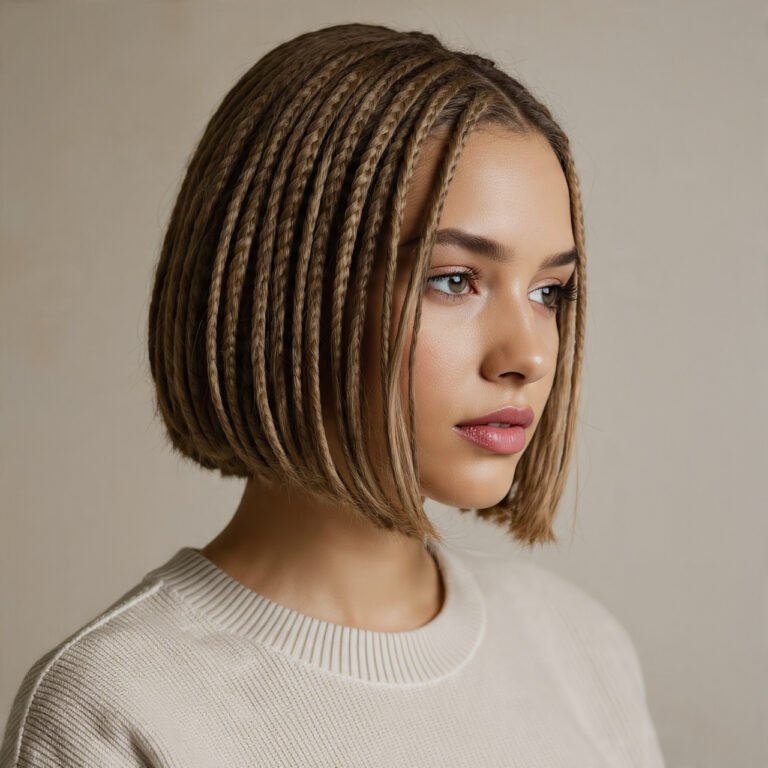
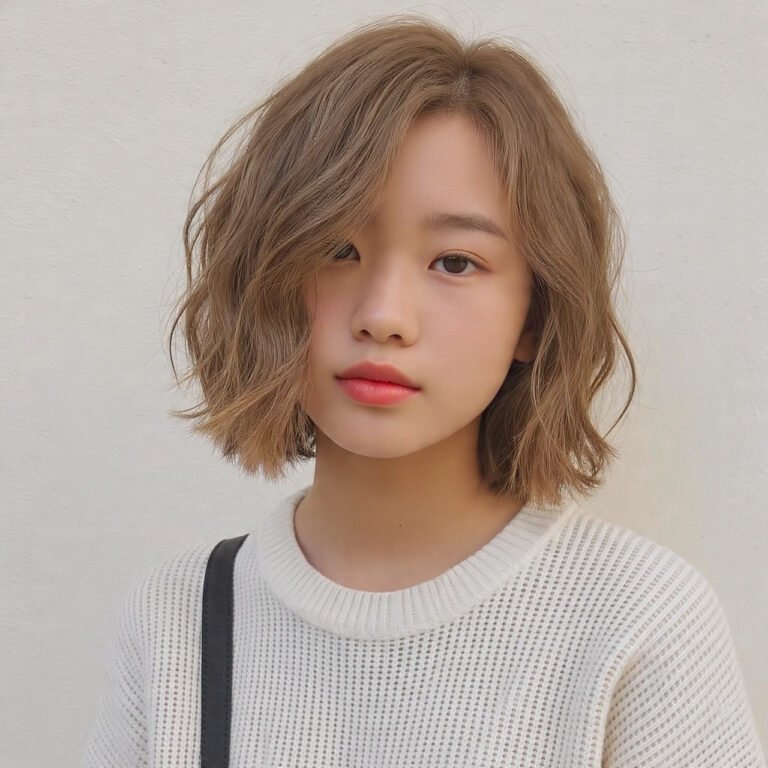
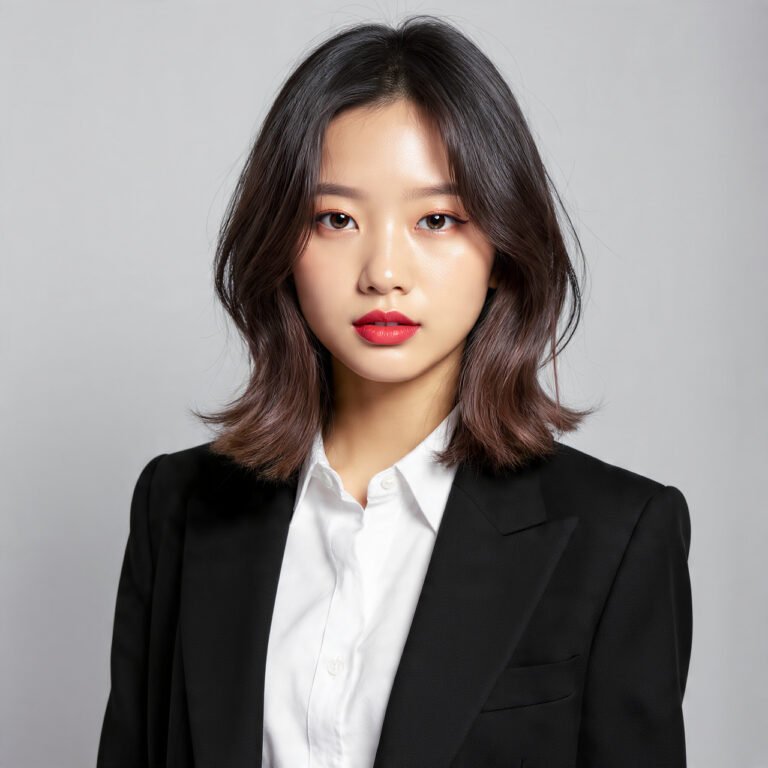
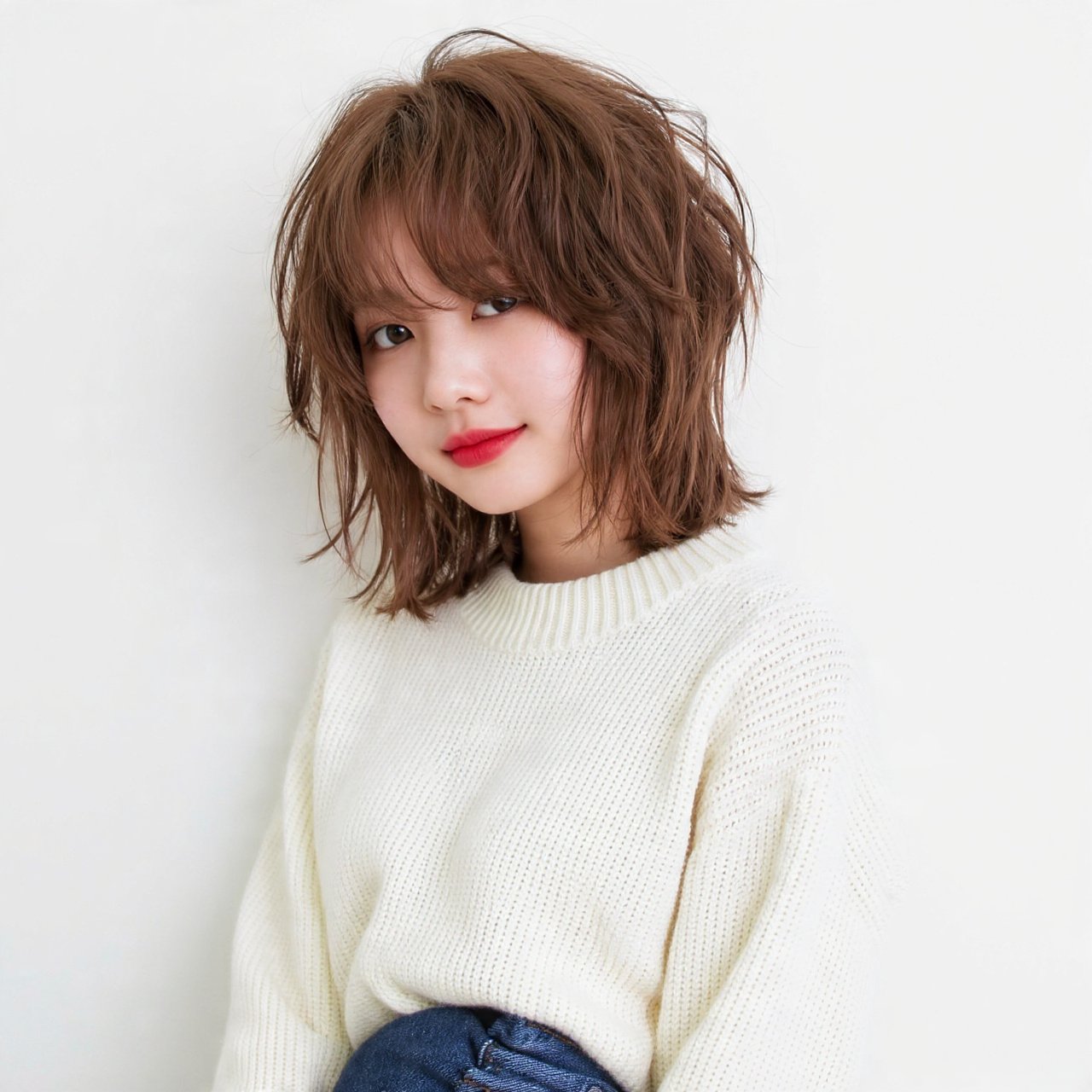
If your Pinterest feed has been flooded lately with undone, effortlessly tousled bobs that somehow look both carefree and completely intentional, you have stumbled into the world of shaggy bob hairstyles and trust us, it is a world worth exploring deeply before your next salon visit. The shaggy bob is not simply a shorter haircut with a few extra layers thrown in carelessly. It is a deliberate, expertly crafted style that combines textured layers, piece-y ends, and lived-in movement to create a silhouette that feels genuinely modern and personality-driven. From decade-inspired rock-and-roll references to contemporary beachy interpretations, this cut carries an energy that polished, structured hairstyles simply cannot replicate.What makes the shaggy bob so magnetic is the freedom it gives the wearer. Unlike cuts that demand a precise blowout every single morning to look put-together, the shaggy bob practically thrives on imperfection. Second-day hair, natural air-drying, and minimal product application all work in its favor rather than against it. The razor-cut or point-cut ends create soft, wispy tips that move beautifully without requiring constant manipulation. Whether you have straight, wavy, curly, fine, or thick hair, there is a version of this cut designed to work with your natural texture rather than fighting it.
12 Shaggy Bob Hairstyle Ideas
This guide walks you through twelve distinct and detailed interpretations so you arrive at your salon appointment knowing exactly what to ask for.
1. Classic Shaggy Bob with Curtain Bangs
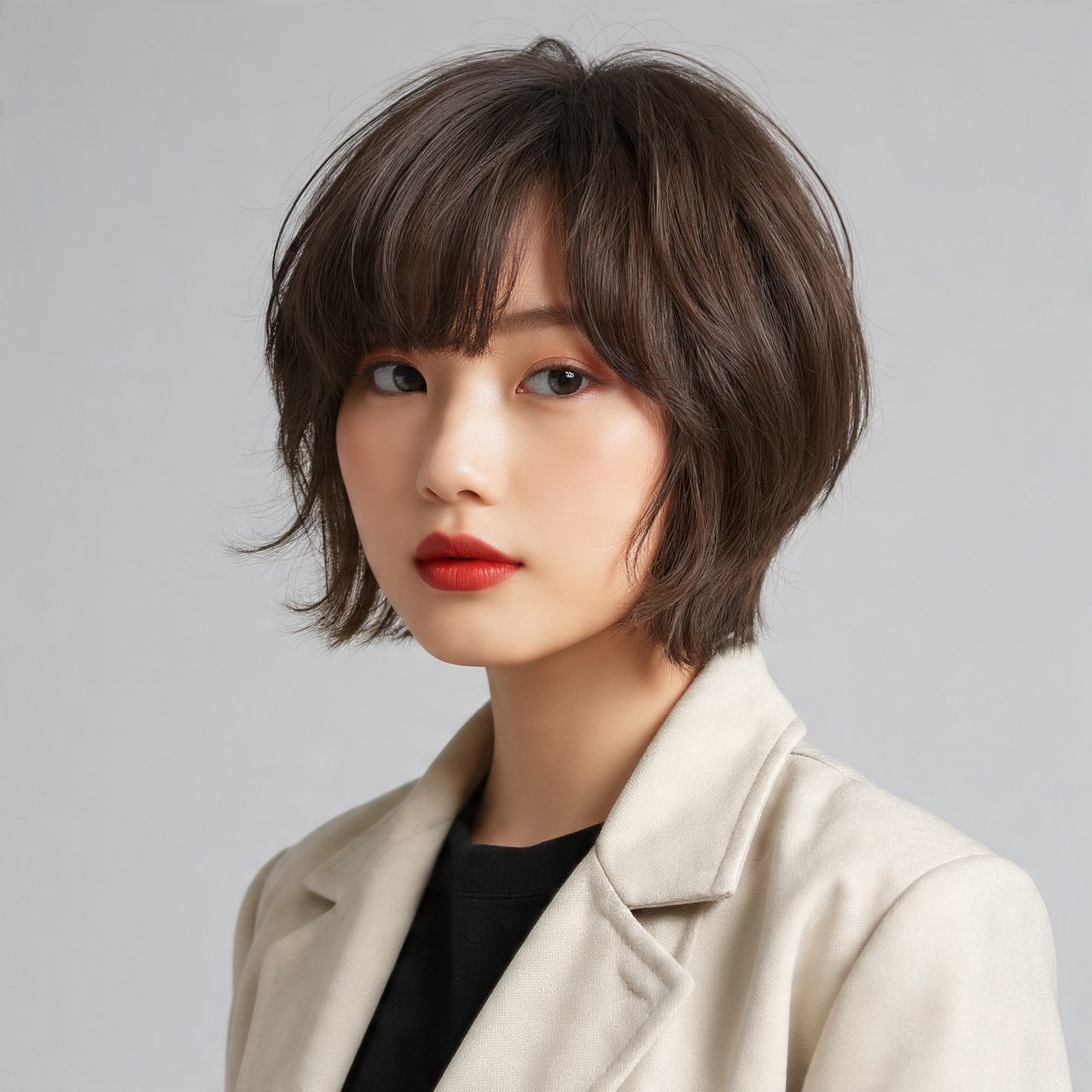
The classic shaggy bob paired with curtain bangs is arguably the most requested iteration of this style at salons globally, and the reasons are immediately obvious once you see it in person. The cut features multiple layers throughout the length that create volume at the crown while allowing the ends to fall in soft, textured pieces around the jaw or chin. The curtain bangs parted gently down the center and swept outward toward each cheekbone frame the face in the most universally flattering way possible, softening strong jawlines and balancing wider foreheads with equal grace. This combination suits oval, heart-shaped, and square face shapes particularly well. Styling requires only a light texturizing spray and a few passes with a medium-barrel curling iron to separate the layers and bring the tousled character to life.
2. Wavy Shaggy Bob for Medium Hair
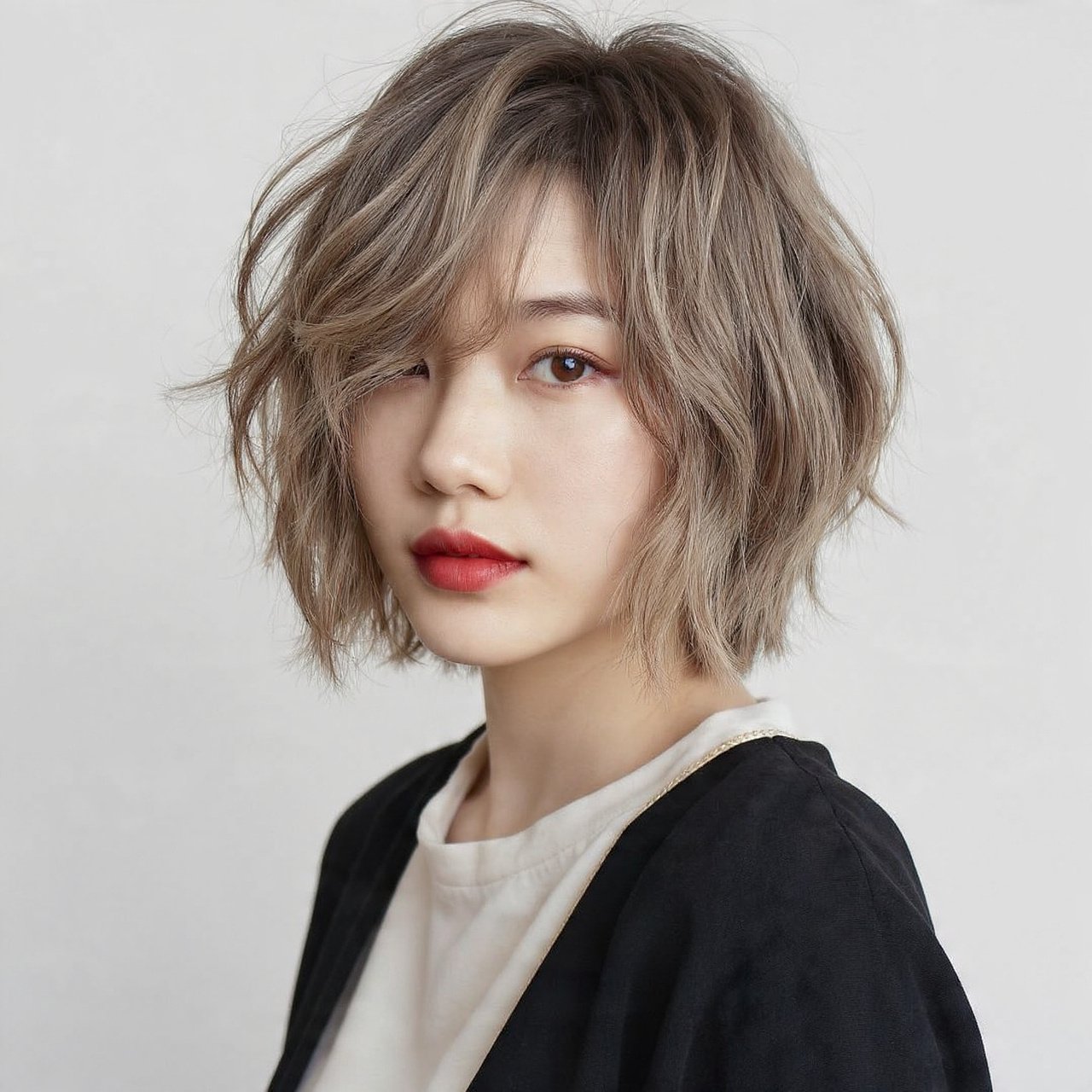
The wavy shaggy bob is where the cut’s natural personality truly shines brightest, because the interaction between deliberate layering and organic wave patterns creates a dimension that no amount of heat styling can fully manufacture. Medium-length hair that sits between the chin and collarbone provides the ideal canvas for this version, giving the waves enough room to move and elongate without losing the compact, boxy shape that defines the bob silhouette. The stylist typically uses a combination of point-cutting and razor-cutting at the ends to ensure the waves fall loosely rather than puffing outward into unwanted volume. This variation suits all face shapes and works magnificently on type 2A to 2C wavy hair. A curl-enhancing mousse or sea salt spray applied to damp hair before air-drying amplifies the texture while keeping the finish soft and touchable rather than crunchy.
To see more options for bob hairstyles that are inverted click here
3. Shaggy Bob for Thick Hair with Heavy Layers
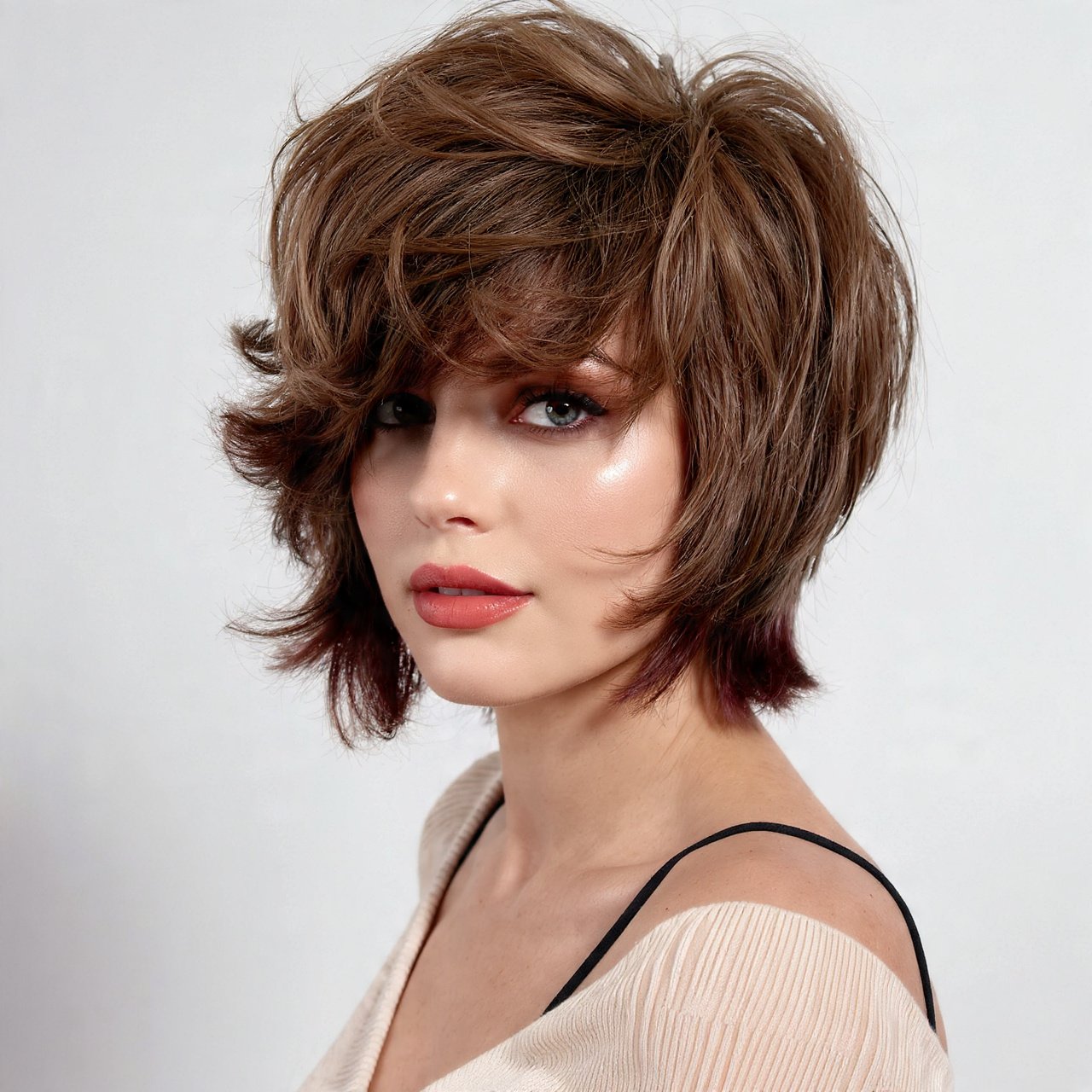
Women with thick, dense hair often feel like shorter cuts are simply not built for them too much volume, too little control but the shaggy bob with heavy internal layers is genuinely engineered to solve that exact problem. Rather than fighting the hair’s natural density, this version works with it strategically by removing significant internal bulk through deep point-cutting and channel-cutting techniques that reduce weight without shortening the outer silhouette. The result is a cut that moves freely, dries faster, and holds its shape with far less product than thick hair typically demands. The heavy layering also enhances the shaggy aesthetic by creating visible separation between sections, giving the hair that coveted piece-y, rock-inspired texture. This cut flatters square, oval, and round face shapes and pairs beautifully with warm balayage tones that highlight the dimensional layering.
4. Short Shaggy Bob (Jaw-Length)
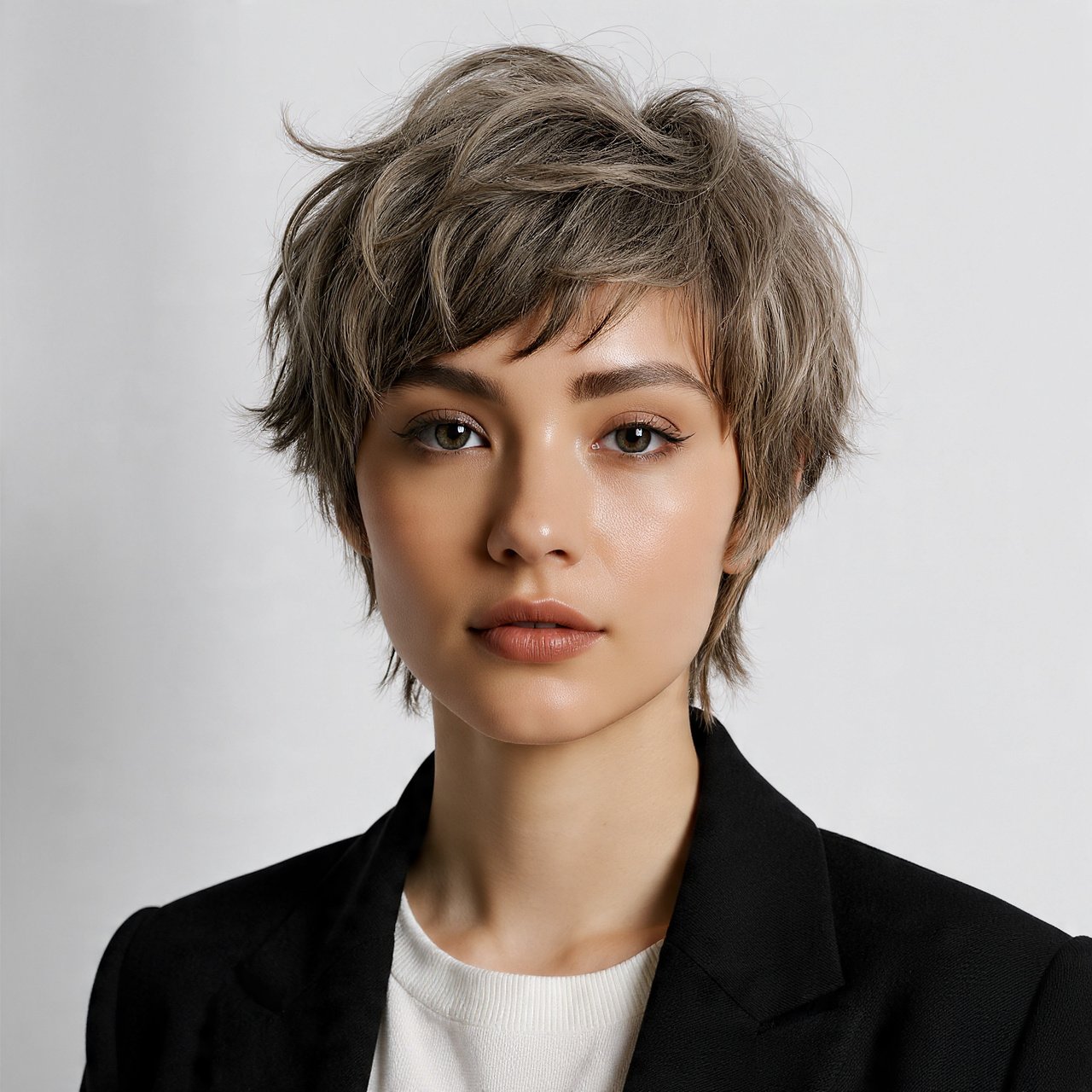
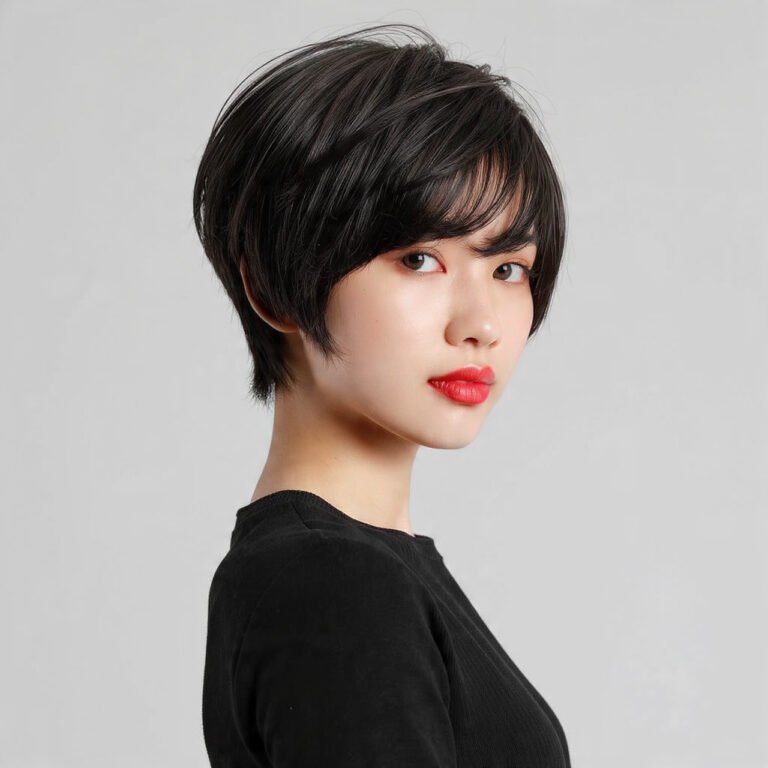
The short shaggy bob landing precisely at or just above the jawline is a bold, committed choice that rewards the wearer with one of the most fashion-forward silhouettes in contemporary hairstyling. At this length, every element of the cut becomes more visible and more dramatic: the wispy, razor-cut ends catch the light, the layered crown creates noticeable lift, and the overall shape reads as intentional and editorial without appearing overly structured or rigid. This version suits those with straight to lightly wavy hair most effortlessly, as the shorter length keeps natural wave patterns from overwhelming the silhouette. Heart-shaped and oval face shapes find this cut particularly complementary. Styling with a flat iron to create slight bends at the ends rather than full curls gives the jaw-length shaggy bob its signature undone-but-deliberate finish that makes it so scroll-stopping.
5. Shaggy Bob with Bangs (Straight Fringe)
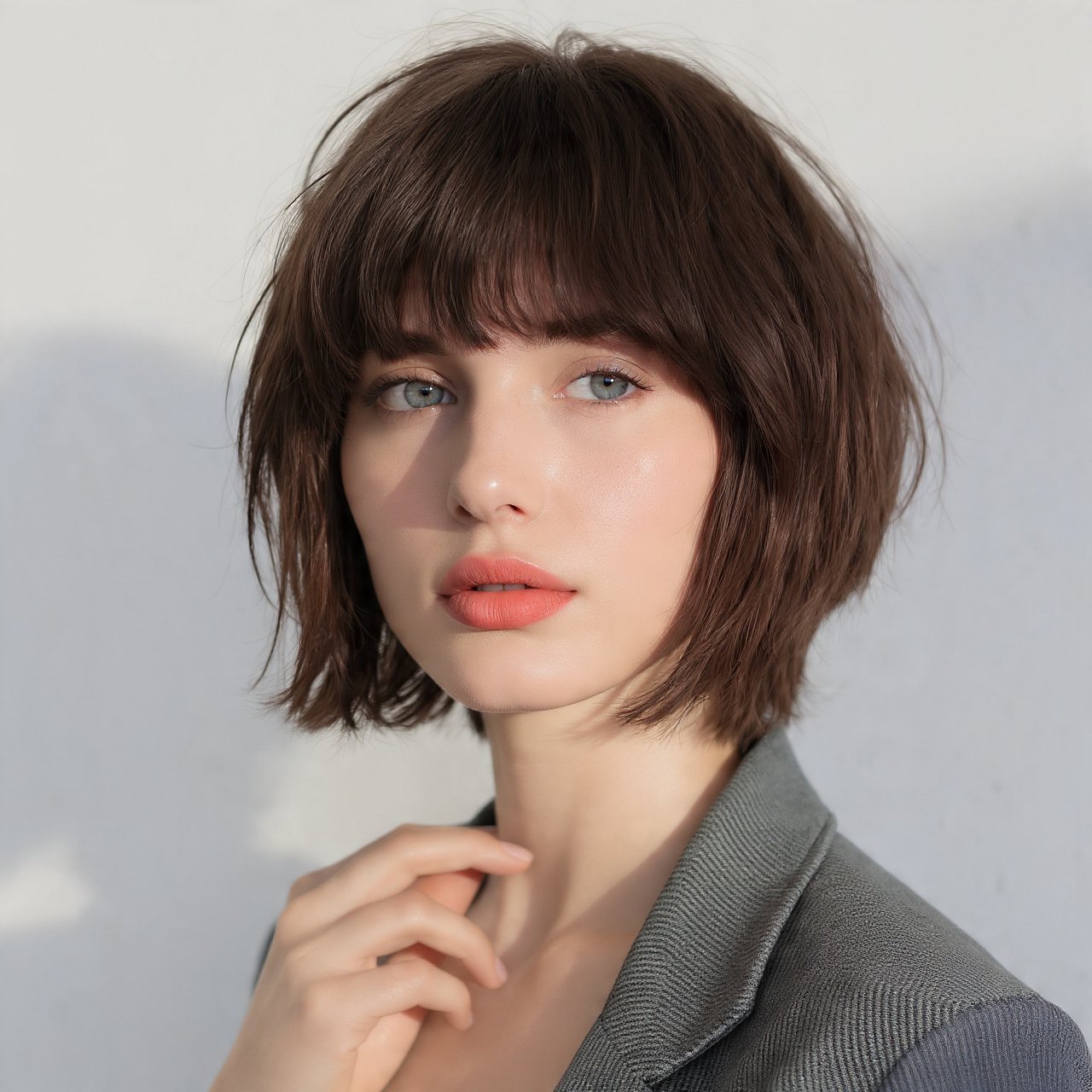
Combining a blunt, straight fringe with a shaggy bob creates a compelling aesthetic tension between precision and casualness that feels entirely unique in the hairstyling world. The fringe provides a single clean, defined horizontal line while the rest of the cut dissolves into textured, layered softness the contrast between those two elements is exactly what makes this pairing so visually compelling and endlessly photographable. The straight fringe works best when cut at or just above the brows, creating an eye-focusing effect that draws attention upward toward the eyes. This style suits oblong and oval face shapes most naturally, as the horizontal fringe reduces the appearance of length in the face. Those with fine to medium hair will find this version particularly manageable, as the fringe and the shaggy layers both behave beautifully without requiring heavy product. A light-hold wax through the ends enhances the piece-y texture.
6. Shaggy Bob for Fine Hair
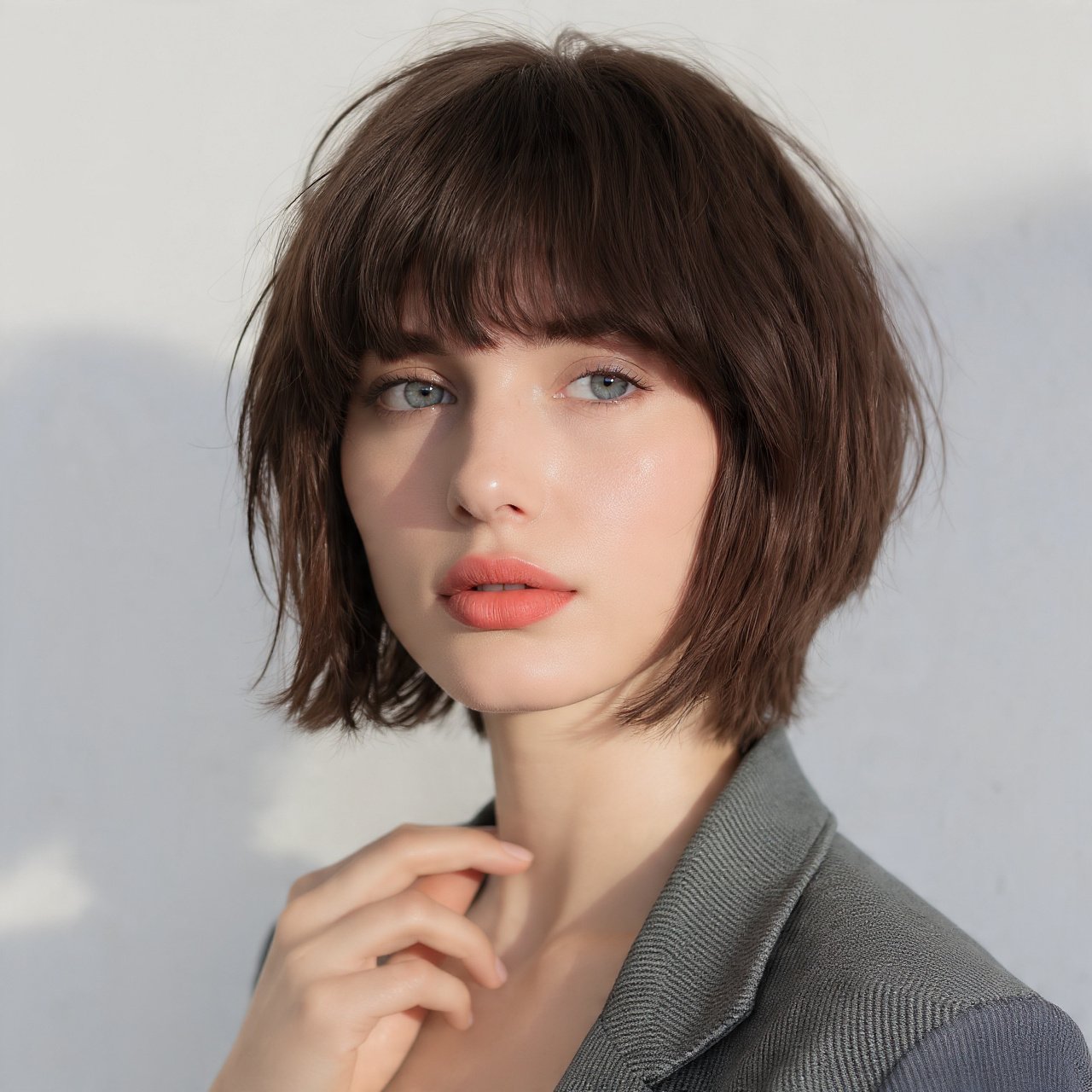
Fine hair is perhaps the hair type that benefits most dramatically from a shaggy bob cut, because the layering technique specifically addresses the flatness and limpness that fine-haired individuals spend enormous amounts of time and product trying to overcome. By strategically removing length from the interior layers while leaving the outer silhouette intact, the stylist creates the illusion of significantly more volume and body than the hair actually possesses. The piece-y, separated ends also prevent fine hair from clumping together into a thin, flat curtain instead, each layer moves independently, creating the appearance of fullness and density. This variation looks stunning on straight and lightly wavy fine hair and flatters all face shapes. Volumizing mousse applied at the roots before a rough blowout gives the best possible lift, and a light-hold finishing spray keeps the texture intact through humid or windy conditions without adding unwanted heaviness.
7. Shaggy Bob with Highlights and Dimension
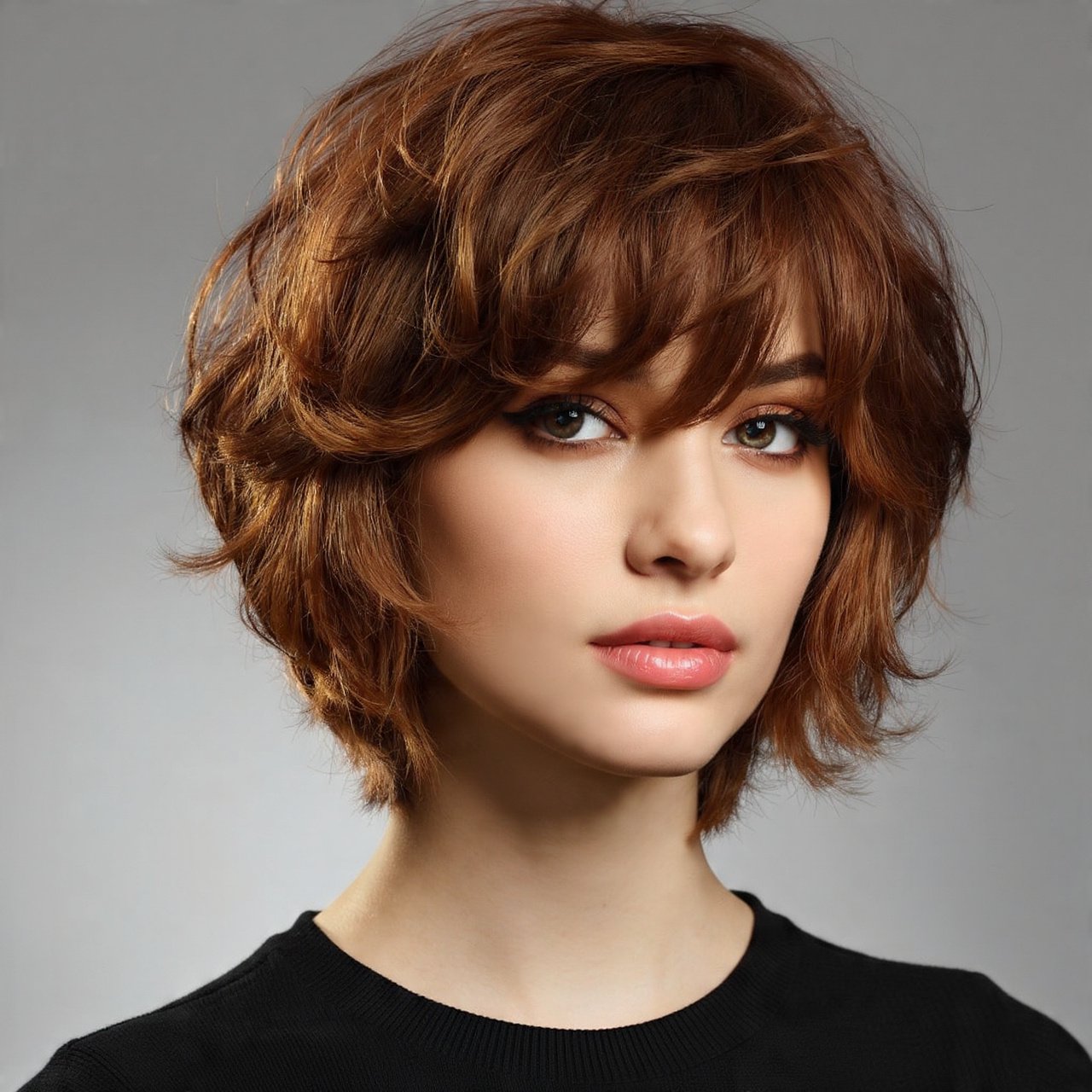
Color and texture are two of hairstyling’s most powerful tools, and the shaggy bob provides the perfect structural framework for showcasing both simultaneously in a way that feels organic rather than overdone. Highlights whether applied through traditional foiling, babylights, or a hand-painted balayage technique interact with the bob’s multiple layers to create depth and movement that changes subtly as the wearer moves. On a shaggy bob, lighter pieces near the face function as natural face-framers that enhance the cut’s already flattering layering. Warm tones like honey blonde, copper, and butterscotch are particularly striking on dark brown or auburn base colors, while cool ash highlights suit medium blonde or light brunette bases. This combination flatters all face shapes and works on any hair type from fine to medium-thick. Toning shampoo used once weekly preserves the highlight vibrancy between salon appointments.
8. Curly Shaggy Bob
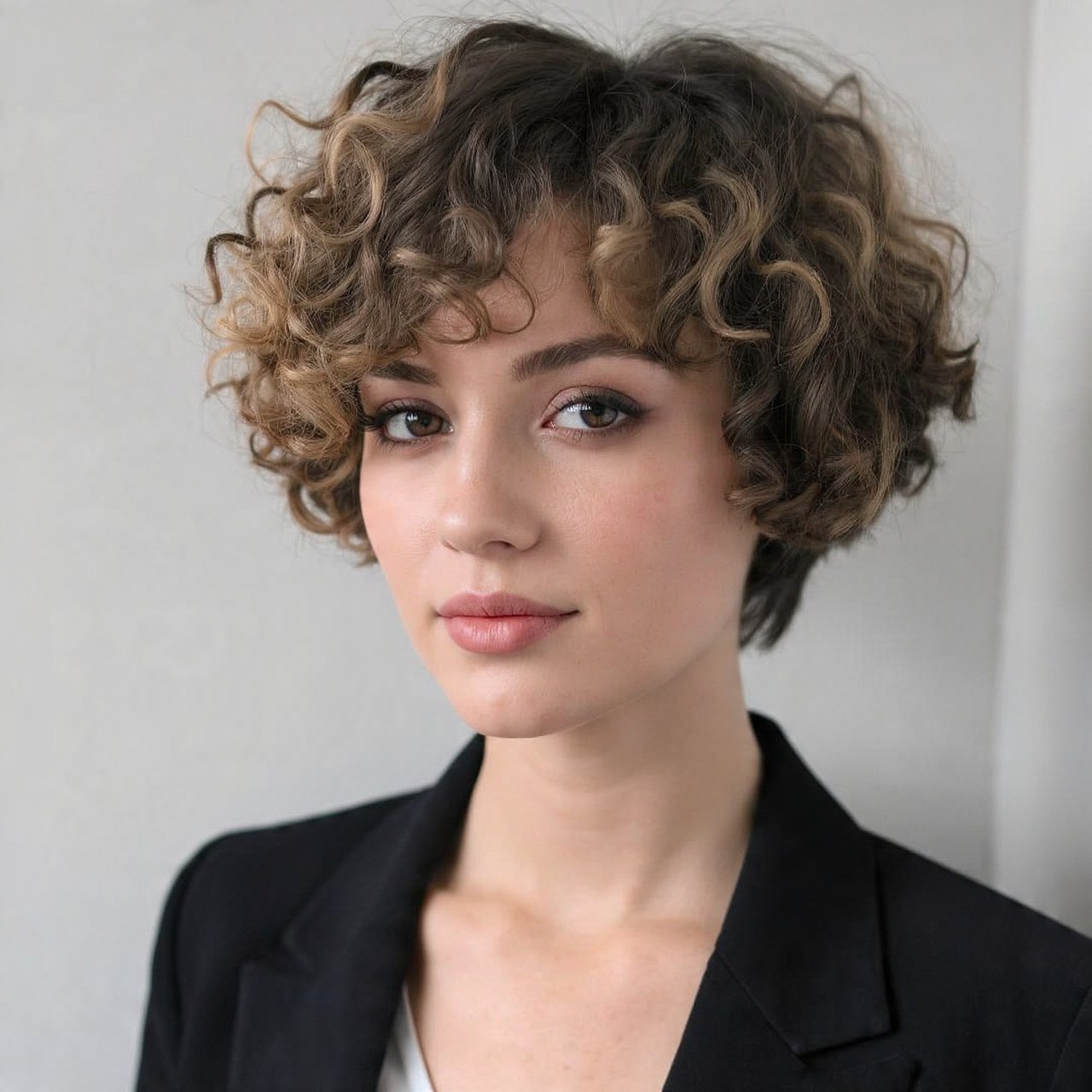
The curly shaggy bob is one of the most liberating haircuts available to women with naturally curly hair because it embraces and celebrates curl patterns rather than attempting to tame or flatten them into submission. Achieving the right result requires a stylist experienced in cutting curly hair dry, as wet cutting does not account for the significant shrinkage that occurs as curls contract once moisture evaporates. When cut correctly at the dry stage, the resulting shape is a beautifully rounded, voluminous bob with piece-y curl clusters that each have enough room to spring and coil without tangling or frizzing against neighboring sections. This variation suits type 3A through 3C curls most naturally and flatters round, oval, and square face shapes. Applying a generous amount of curl-defining cream section by section before diffusing on a low heat setting locks in the shape while keeping frizz well-managed throughout the day.
9. Textured Shaggy Bob with 70s-Inspired Layers
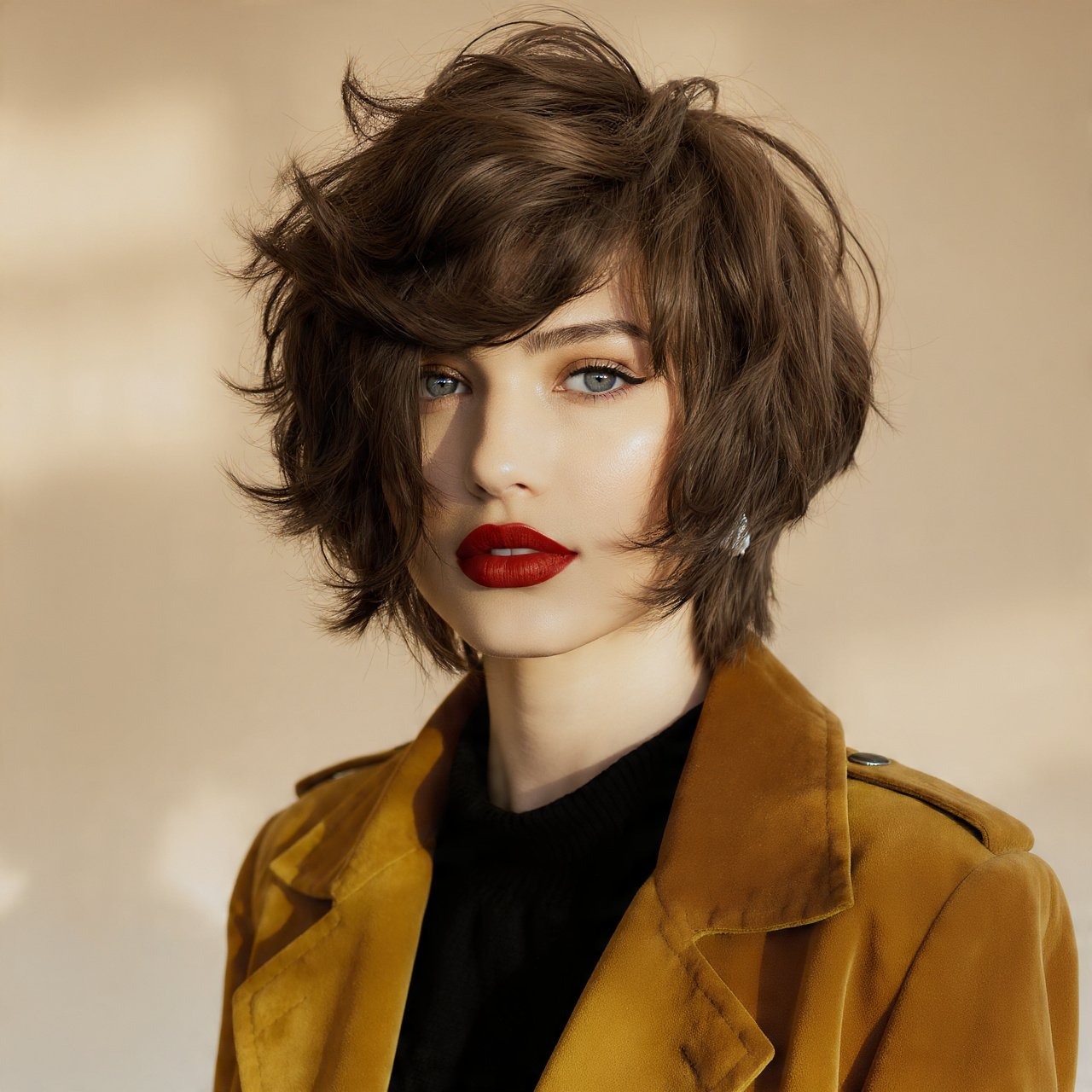
The 1970s gave the world some of the most iconic hair moments in history, and the textured shaggy bob with decade-inspired layers channels that vintage energy into a thoroughly contemporary cut that feels fresh and culturally resonant at the same time. Characterized by long, feathered layers that fan outward from the crown and taper toward the chin with a soft, almost effortless graduation, this version has a warmth and romanticism that more structured cuts cannot achieve. The layers are typically cut with a razor rather than scissors to maximize softness at the ends and prevent any bluntness that would contradict the decade’s free-spirited aesthetic. This style suits oval, heart-shaped, and round face shapes beautifully and works best on medium to thick hair with a natural body. Blown out with a large round brush and finished with a light shine serum, it evokes the glamour of the era without feeling costumey or dated.
10. Shaggy Bob with Money-Piece Color
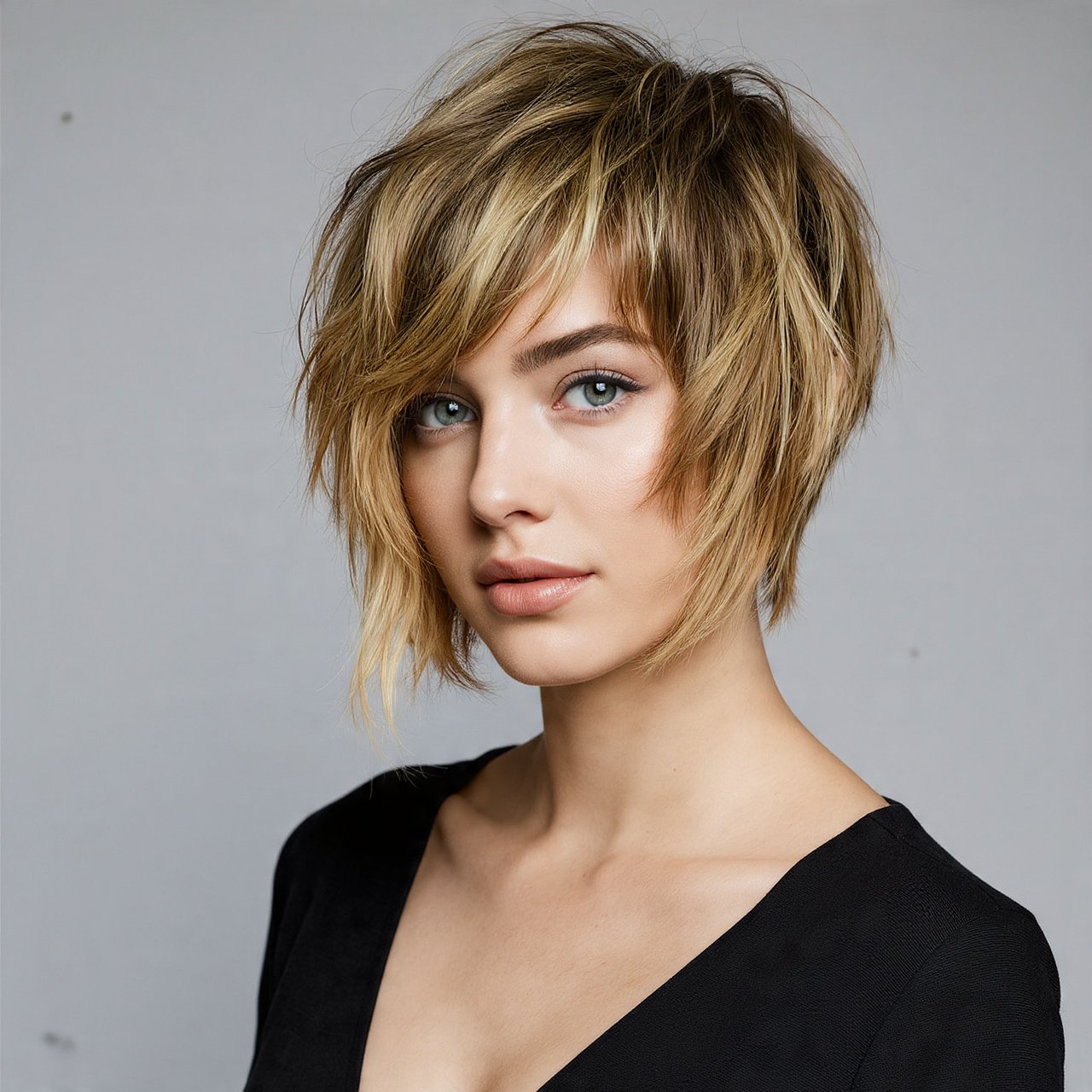
The money-piece color technique where two bold, bright sections of hair are painted close to the face on either side of the center part has taken social media by storm, and when applied to a shaggy bob, the result is one of the most striking and personalized hairstyle combinations currently trending. The face-framing sections of lighter or contrasting color draw immediate attention to the cut’s layered front pieces and the way they fall against the cheekbones, amplifying the dimensional quality of the overall style. This technique works on virtually every base color combination platinum sections on jet black, copper on chocolate brown, honey blonde on warm caramel making it infinitely customizable. The shaggy bob’s textured ends allow the color to appear even more three-dimensional as each piece catches light independently. This look suits all face shapes and hair types and expresses confident, bold personal style with effortless visual impact.
11. Sleek Shaggy Bob (Blowout Finish)
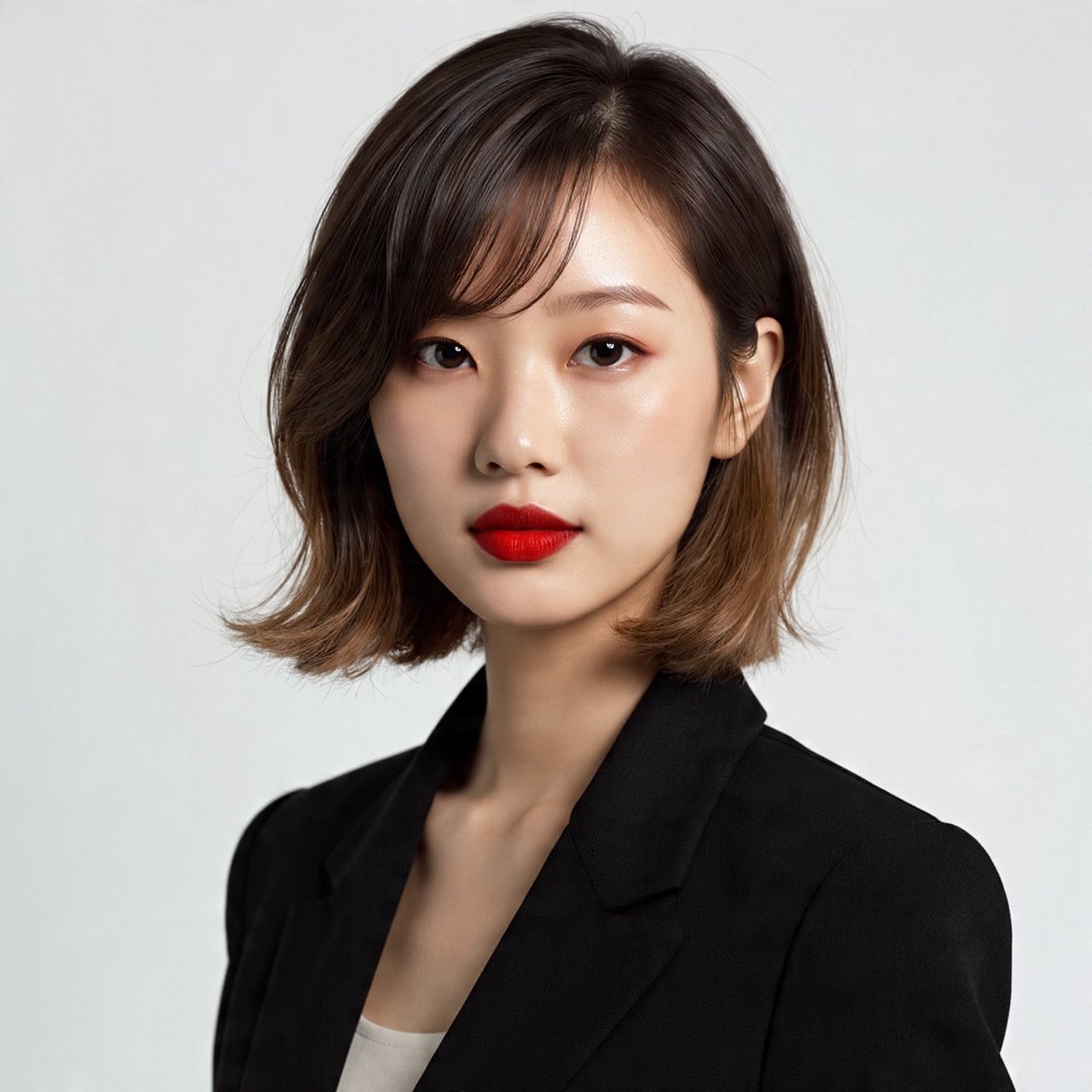
For those who love the layered structure and piece-y ends of the shaggy bob but prefer a cleaner, more polished day-to-day presentation, the sleek blowout version of this cut delivers the best of both worlds simultaneously. The layers remain fully intact beneath the surface, but a thorough blowout with a medium round brush smooths the cuticle, adds a mirror-like shine, and creates a silhouette that reads as deliberately sophisticated rather than casually undone. This approach is particularly popular in professional environments where the full textured version might feel too relaxed but a traditional, structured bob might feel too rigid and uninspired. The blowout finish suits straight and wavy hair types most naturally and complements oval, oblong, and square face shapes with particular elegance. A smoothing serum applied before blow drying and a light-hold hairspray at the finish prevents humidity from disrupting the sleek presentation throughout long workdays.
12. Shaggy Bob with Soft Red or Copper Tones
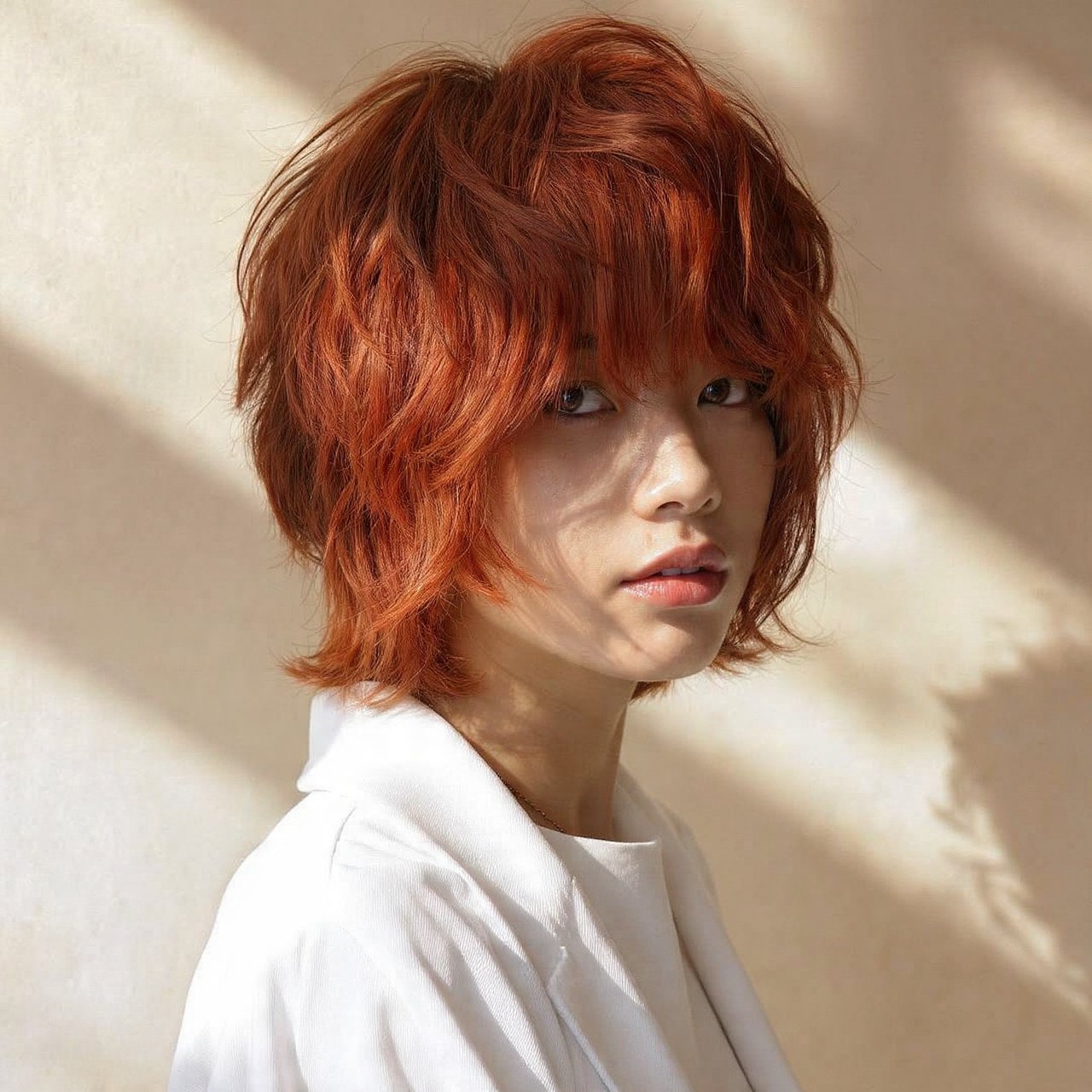
Red and copper hair colors have a distinctive ability to intensify the visual drama of a layered cut, and when combined with the shaggy bob’s textured, multi-dimensional structure, the result is a hairstyle that feels genuinely arresting and memorable. The way deep copper or burnished red pigments interact with light creates a constantly shifting, luminous effect on layered hair each section of the bob catches the light differently, and the resulting shimmer gives the cut a richness that single-tone colors simply cannot match. Warm copper suits those with golden or peachy skin undertones, while a cooler, more burgundy-leaning red flatters neutral or pink undertones beautifully. The shaggy texture ensures that the color appears dimensional even on a single application without needing a complex balayage overlay. A color-safe, sulfate-free shampoo and a weekly glossing treatment keep red tones vibrant and prevent the premature fading that warm pigments are particularly susceptible to.
How to Choose the Right Shaggy Bob for Your Hair Type and Face Shape
Navigating the twelve variations above can feel exciting but also slightly overwhelming, so narrowing your choice down based on two key personal factors: hair type and face shape makes the decision considerably more focused and ultimately more satisfying. Hair type determines which version of the shaggy bob will behave best with minimal daily intervention. Fine hair benefits from shorter lengths and heavier internal layering that creates the illusion of volume. Thick hair needs significant bulk removal through channel or point-cutting to prevent the shaggy layers from creating unwanted width. Curly and wavy textures thrive in versions that celebrate natural movement rather than requiring heat to achieve the intended shape.
Face shape guides the length and fringe decisions most meaningfully. Round faces look most elongated in versions that add height at the crown and avoid excessive width at the sides a longer shaggy bob without cheekbone-skimming layers works best. Square faces soften beautifully with curtain bangs or wavy texture that breaks up the strong jawline angles. Heart-shaped faces benefit from chin-length versions that add visual weight at the lower half of the face. Oblong faces can explore virtually any length and fringe combination without concern, as the face’s natural proportions balance most silhouettes effortlessly.
Styling Tips to Maintain Your Shaggy Bob Between Salon Visits
The shaggy bob’s greatest styling advantage is its intentional imperfection it is a cut that actually looks better with a degree of undone texture rather than demanding precision-perfect styling every single morning. That said, a few consistent habits and the right product selection make a meaningful difference in how long the cut retains its character between appointments. Begin every styling session by applying product to damp rather than soaking wet hair, as this allows for better distribution and prevents product from simply sliding off the hair shaft without absorbing.
Sea salt spray is the shaggy bob’s single most essential product, adding grit and separation that enhances the piece-y ends without stiffening them. A small amount of light-hold wax or pomade worked between the fingertips and then pulled through the ends individually defines each layer and prevents the cut from appearing shapeless or disheveled. Trimming every seven to eight weeks is the minimum requirement for maintaining the shaggy bob’s structured-yet-casual silhouette without regular trims, the layers lose their point-cut ends and begin to look simply ungroomed rather than purposefully textured. Sleeping on a silk pillowcase reduces friction and helps the layers maintain their separation overnight.
How to Ask Your Hairstylist for a Shaggy Bob
Communicating clearly about a shaggy bob is particularly important because the word “shaggy” means different things to different stylists depending on their training background, aesthetic references, and technical approach. Walking in with a specific vocabulary and visual references eliminates ambiguity and ensures you leave the salon with exactly the cut you envisioned rather than an approximation of it.
Begin the conversation by saying: “I would like a shaggy bob with lots of texture, piece-y ends, and visible layers throughout.” Then specify your preferred length jaw, chin, or collarbone and bring at least two photographs showing different angles of the cut you love. Specify the fringe situation clearly: curtain bangs, blunt fringe, or no bangs at all. For thick hair, explicitly request interior bulk removal and mention that you want the outer silhouette to stay intact while the weight comes out from underneath.
Ask your stylist whether they prefer to use a razor or scissors for the ends both create different results, with razor-cut ends producing a softer, more feathered finish and scissors producing slightly more definition. For curly hair, ask specifically for a dry cut. For fine hair, request that the layers start higher on the head to maximize the volume-building effect. Bringing three saved images from different sources covering the front, back, and side angles gives your stylist the fullest possible picture of your vision before a single cut is made.
Frequently Asked Questions About Shaggy Bob Hairstyles
Q1: What is the difference between a shaggy bob and a regular layered bob?
While both cuts incorporate layers, the distinction lies in the technique and intention behind them. A layered bob typically uses clean, blended layers designed to create movement while maintaining a polished, controlled silhouette. A shaggy bob, by contrast, uses more aggressive point-cutting or razor-cutting specifically to create visible separation, wispy ends, and a deliberately textured, undone quality. The shaggy bob embraces imperfection as part of its aesthetic identity, while the layered bob leans toward refinement. The two cuts can overlap on a spectrum, but the shaggy version is always more intentionally casual in its finish.
Q2: How long does a shaggy bob take to grow out gracefully?
One of the shaggy bob’s significant advantages over more structured cuts like the blunt bob or the precision lob is that it grows out relatively gracefully. The layered, textured nature of the cut means that as individual sections grow, they simply add to the overall length and movement rather than disrupting a precise geometric line. Most wearers find the cut remains flattering for eight to twelve weeks before a touch-up becomes genuinely necessary. Trimming the fringe if present every four to six weeks independently of the overall cut maintains the front’s freshness between full appointments.
Q3: Can a shaggy bob be worn professionally?
Absolutely, and the sleek blowout variation described in this article is specifically designed with professional environments in mind. The shaggy bob’s structure translates seamlessly from casual to formal settings depending entirely on how it is styled. A round brush blowout with a smoothing serum creates a polished, boardroom-appropriate finish. Worn air-dried with texturizing spray, the same cut reads as creative and relaxed for casual or artistic work environments. The cut itself is inherently neutral in terms of professional appropriateness the styling approach is what determines the level of formality.
Q4: Does a shaggy bob work on naturally straight hair?
Straight hair is actually one of the most rewarding textures for a shaggy bob because the absence of natural wave or curl means the layering and point-cutting work is entirely visible in the finished result. Every piece-y end, every layer separation, and every bit of the cut’s intentional texture is displayed clearly on straight hair in a way that wavy or curly textures can sometimes obscure. The trade-off is that achieving the full shaggy effect on straight hair requires either heat styling with a curling iron or wand, or the application of texturizing products like sea salt spray to introduce artificial grit and separation into the strands.
Q5: How much does a shaggy bob typically cost at a salon?
Pricing varies significantly depending on geographic location, stylist experience level, and whether color services are added to the appointment. In most mid-range salons across the United States, a shaggy bob haircut without color typically ranges from fifty to one hundred and twenty dollars. Adding highlights, balayage, or a money-piece color treatment increases the total to anywhere from one hundred fifty to three hundred dollars depending on the complexity of the color work. In major metropolitan cities or at high-end salons with senior stylists, pricing can exceed these ranges considerably. Scheduling a consultation before committing to a full appointment allows you to understand the cost structure in advance.
Q6: What products work best for maintaining shaggy bob texture daily?
The most effective daily product lineup for a shaggy bob is intentionally minimal. Sea salt spray applied to damp or dry hair provides the foundational grit and separation the cut needs. A lightweight curl cream or texturizing mousse on wavy or curly versions enhances the natural movement of each layer. A small amount of light-hold wax or pomade worked through the ends individually defines the piece-y tips without weighing them down. Avoid heavy serums or oils on the mid-lengths and ends, as these flatten the texture and remove the intentional separation that defines the cut’s character. Dry shampoo at the roots on second or third-day hair refreshes volume without requiring a full wash.
Conclusion
The shaggy bob is genuinely one of the most democratic and personally expressive haircuts available today it bends to your texture, flatters your face shape, accommodates your lifestyle, and grows out with far more grace than most short cuts dare to. Across the twelve variations explored in this guide, the common thread is confidence: the confidence to embrace texture, celebrate imperfection, and wear a haircut that prioritizes personality over rigid precision. Whether you are drawn to the vintage romanticism of 70s-inspired layers, the striking drama of a money-piece color, or the effortless ease of an air-dried curly version, there is a shaggy bob on this list waiting to become your next signature look. Save your favorites, book your consultation, and walk into that salon ready to leave with something truly worth photographing.