Inverted Bob Hairstyles: 16 Stunning Cuts to Inspire Your Next Salon Visit
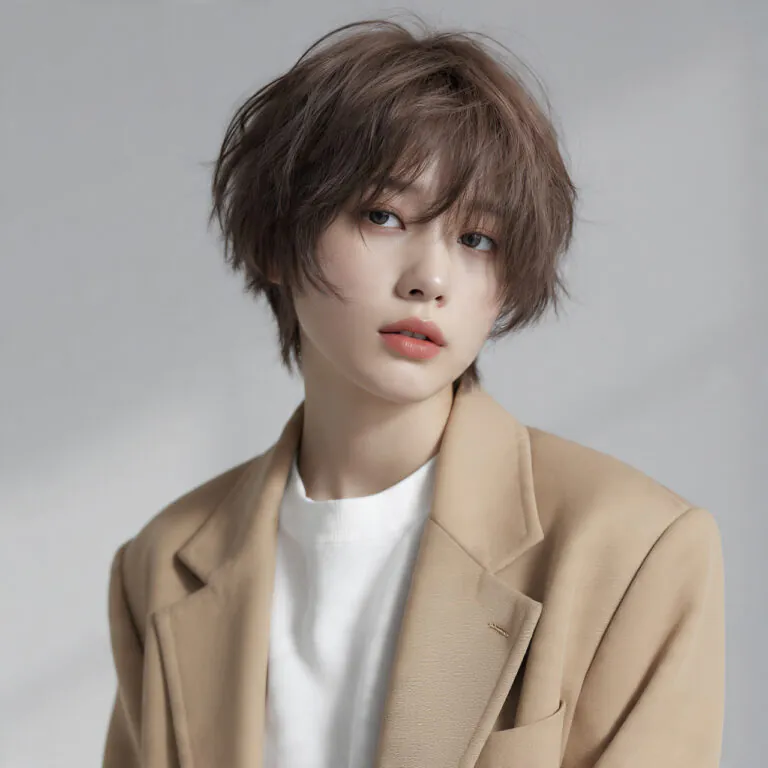
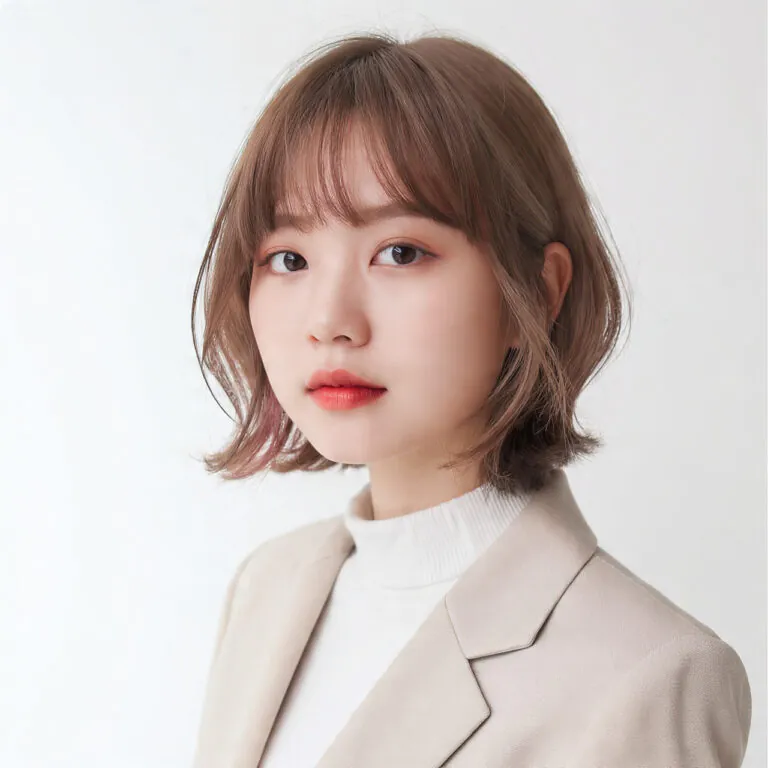
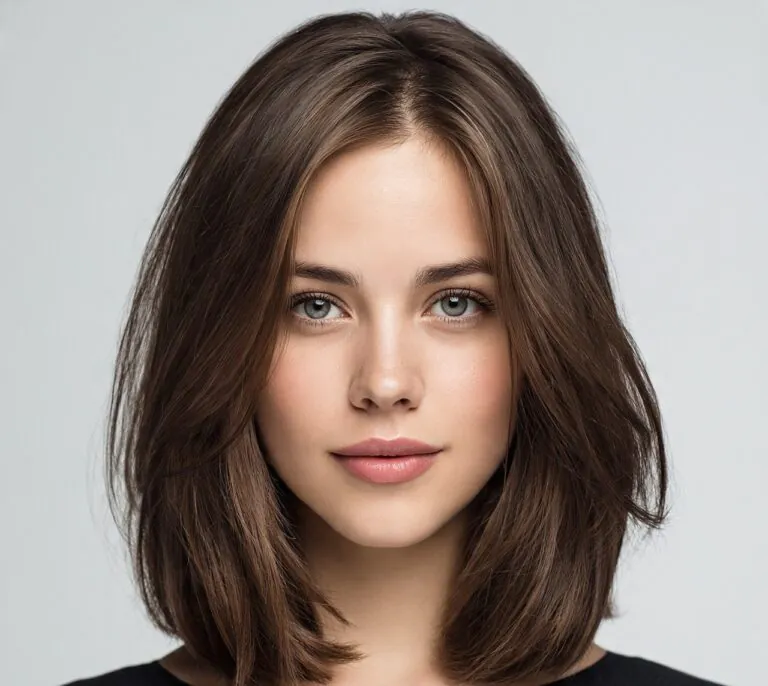
If you have been scrolling through Pinterest searching for a hairstyle that feels effortlessly chic yet refreshingly modern, the inverted bob deserves a permanent spot at the top of your saved collection. This timeless yet endlessly evolving cut has captured the hearts of women across age groups, hair textures, and lifestyle preferences and for good reason. Unlike flat, one-dimensional cuts that lose their shape within days, the inverted bob hairstyles features a signature stacked back and longer front layers that create beautiful movement, volume, and structure simultaneously. Whether you are stepping into a corporate boardroom or attending a weekend brunch with friends, this haircut adapts with grace and confidence. What makes the inverted bob particularly exciting is its sheer versatility. You can wear it sleek and polished for a professional look, tousle it into soft waves for a romantic evening, or embrace its natural texture for everyday ease. The graduated silhouette flatters a surprisingly wide range of face shapes, and with the right color technique layered in balayage, highlights, or a bold single tone it transforms from a simple cut into a true style statement.
16 Inverted Bob Hairstyle Ideas
Before you walk into your next salon appointment, let this guide walk you through sixteen distinct variations of the inverted bob so you arrive prepared, inspired, and ready to commit to the look that suits you best.
1. Classic Stacked Inverted Bob
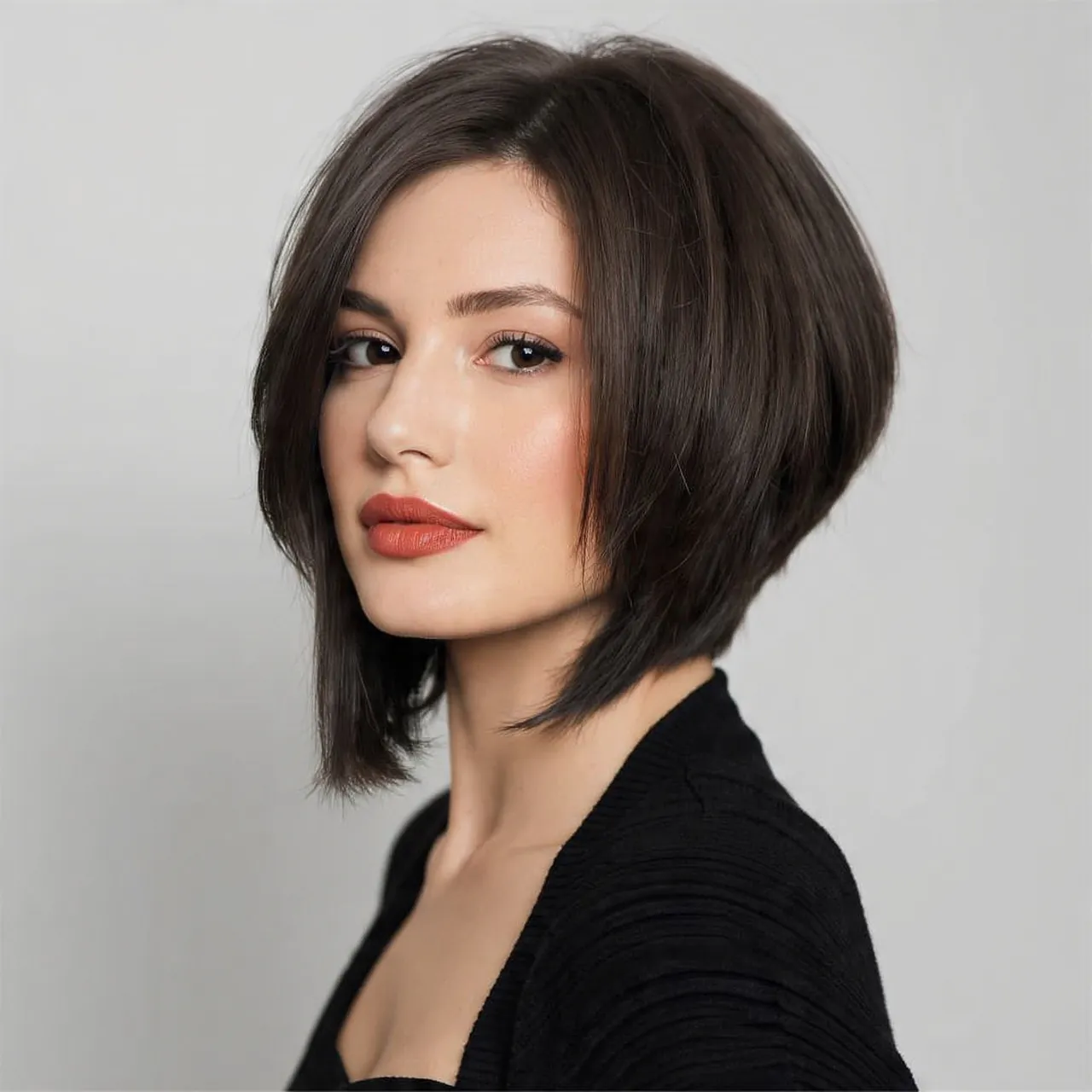
The classic stacked inverted bob is the version that started it all, and it remains one of the most requested cuts at salons worldwide. This style features tightly stacked layers at the back of the head that graduate outward and downward toward the jaw at the front. The result is a beautifully rounded silhouette that adds fullness and structure, especially at the crown. It suits women with fine to medium hair who want the appearance of greater density without relying on products alone. Those with oval or heart-shaped faces tend to find this cut particularly flattering. Styling is straightforward: a round brush blowout locks in the shape, while a flat iron gives it an ultra-sleek finish for professional settings.
2. Textured Inverted Bob with Soft Waves
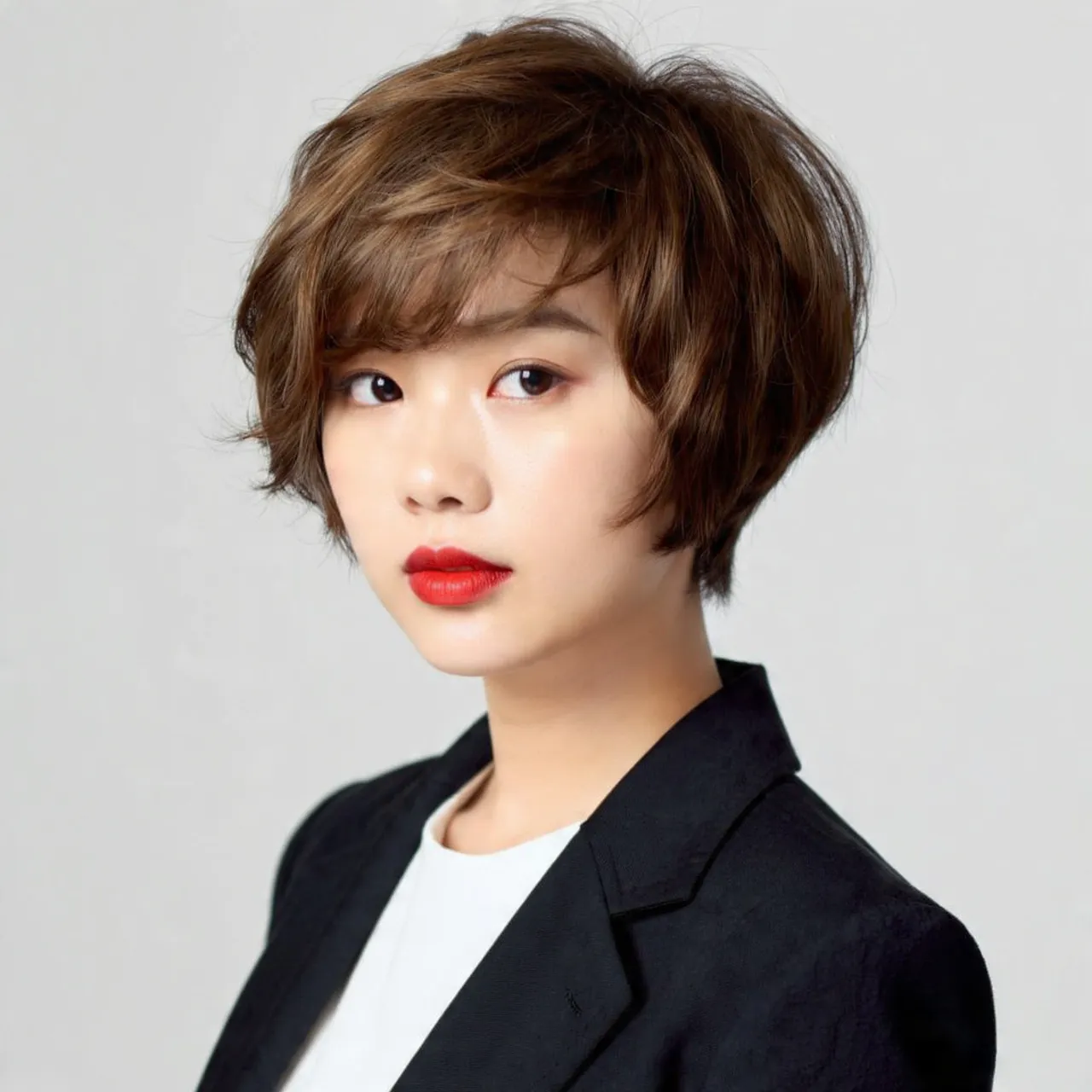
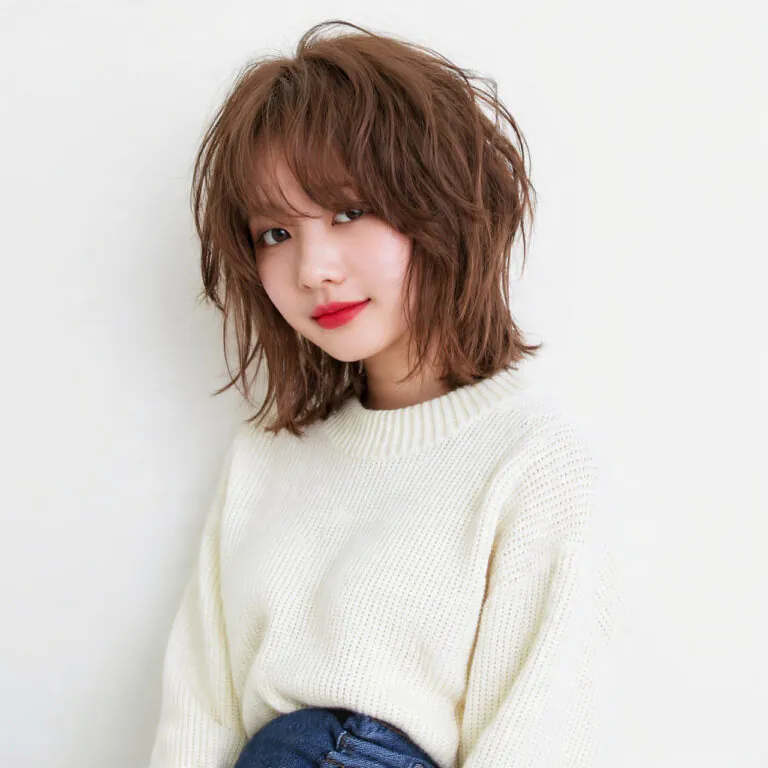
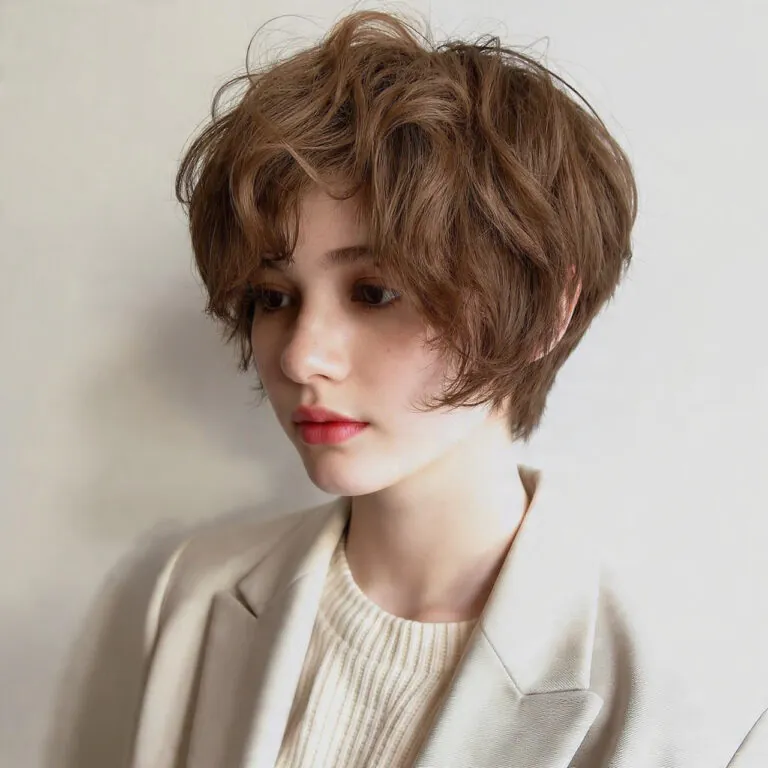
For those who prefer a more relaxed, lived-in aesthetic, the textured inverted bob with soft waves is a dream come true. Rather than wearing the cut pinned straight, this variation leans into movement by incorporating gentle bends and loose waves throughout the length. Achieved easily with a medium-barrel curling wand or a flat iron used with a twisting technique, the waves breathe personality into the stacked silhouette without overwhelming it. This style is especially beautiful on medium-thick hair with a natural body, and it suits round, square, and oval face shapes equally well. Those who prefer low-maintenance mornings will appreciate that second-day hair often looks even better with a spritz of texturizing spray and a quick finger-toss.
3. Asymmetrical Inverted Bob
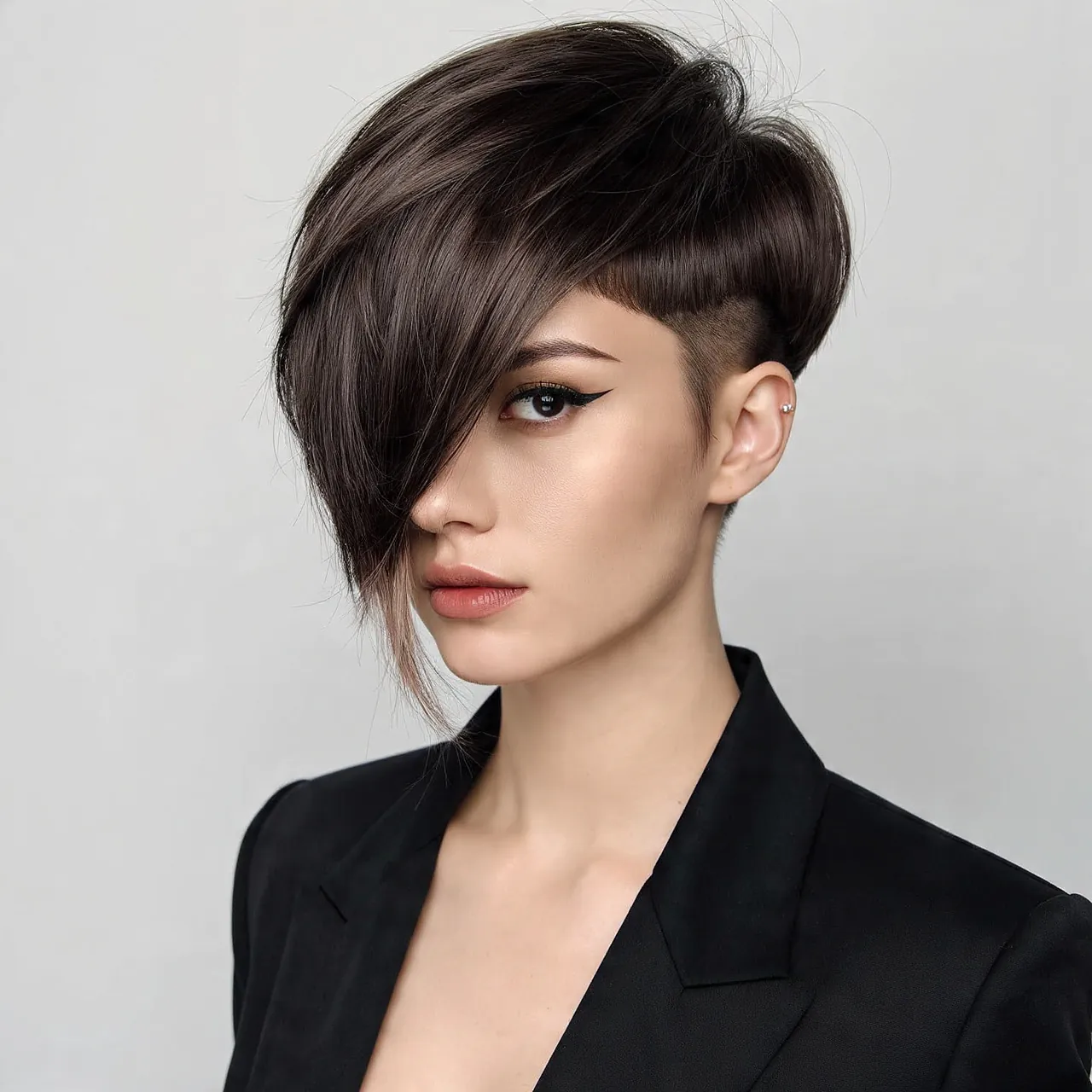
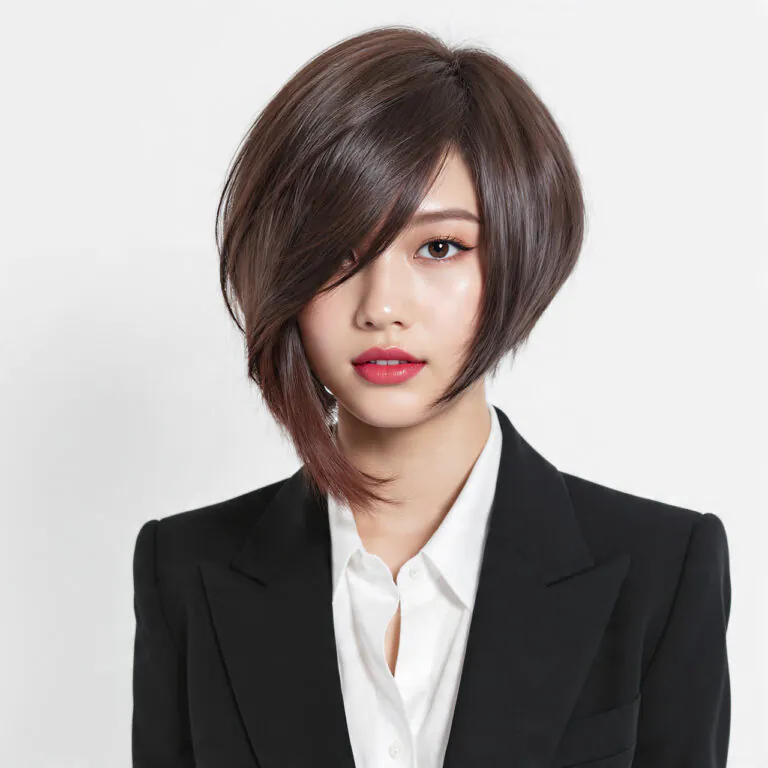
The asymmetrical inverted bob pushes the conventional silhouette into bolder creative territory by cutting one side noticeably longer than the other. This dramatic angle creates an eye-catching diagonal line from one ear to the opposite collarbone, immediately distinguishing the wearer in any crowd. It suits adventurous, fashion-forward individuals who are unafraid of making a statement with their hair. Oblong and oval face shapes benefit the most from this cut because the angled length creates the illusion of width and balance. Styling works best when the longer side is blown smooth and the shorter side is slightly flipped for contrast. Deep jewel tones like burgundy or navy as a color accent elevate this cut to runway-worthy levels.
4. Inverted Bob with Curtain Bangs
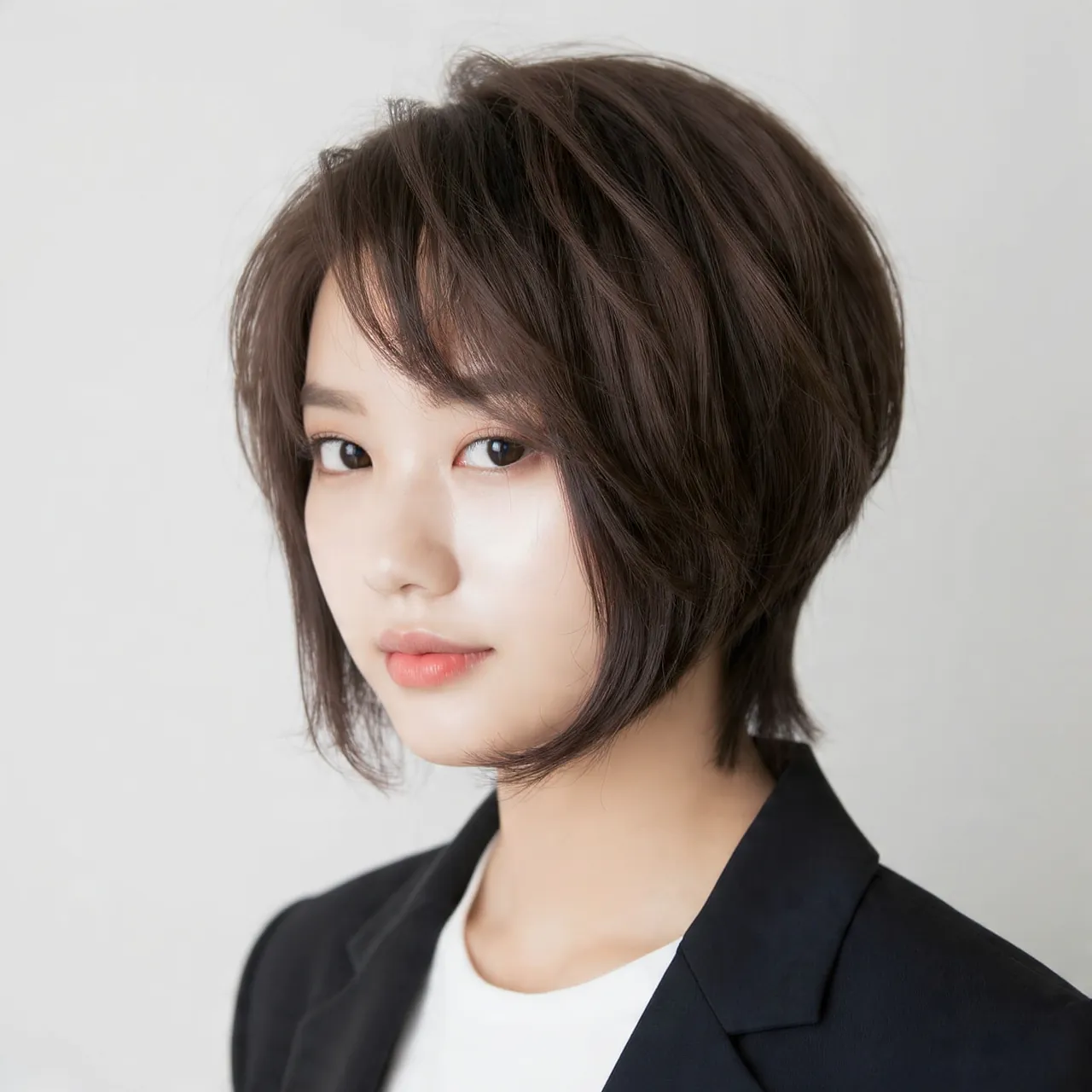
Curtain bangs paired with an inverted bob create one of the most flattering combinations in modern hairstyling. The soft, face-framing fringe parts gently down the center, cascading toward the cheekbones in a way that softens angular jawlines and balances prominent foreheads. This combination works particularly well for those with square or diamond face shapes who want to introduce more softness around their features. The inverted bob’s shorter back keeps the overall silhouette clean and intentional while the bangs do the flattering work up front. For styling, blow the bangs outward with a round brush before sweeping them gently to each side. A light-hold serum prevents frizz while keeping the look natural and touchable.
To see more options for bob hairstyles that are for curly hair click me
5. Layered Inverted Bob for Thick Hair
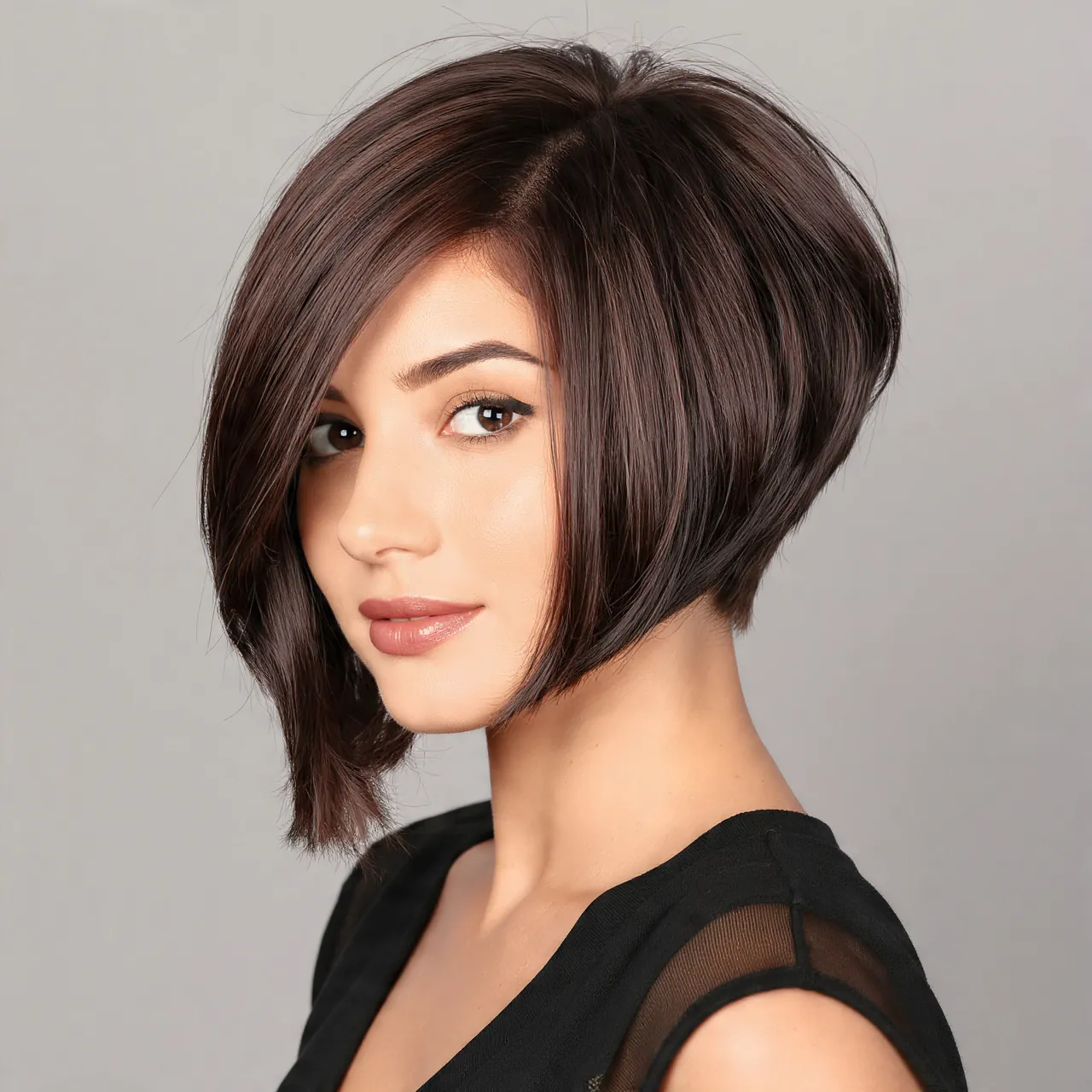
Women with thick, heavy hair often avoid short cuts because they fear unmanageable volume but the layered inverted bob is genuinely designed with them in mind. By incorporating strategically placed internal layers throughout the back and sides, the stylist removes bulk without sacrificing the full, rounded shape that defines the inverted silhouette. The result is a cut that feels lighter, moves more freely, and holds its shape far longer between salon visits. This variation suits heart-shaped and oval faces particularly well. Blow drying with a boar-bristle brush gives the best finish, and a medium-hold pomade through the ends prevents frizzing in humid conditions. Women in active professions or warm climates will find this cut both practical and polished.
6. Short Inverted Bob (The Micro Bob)
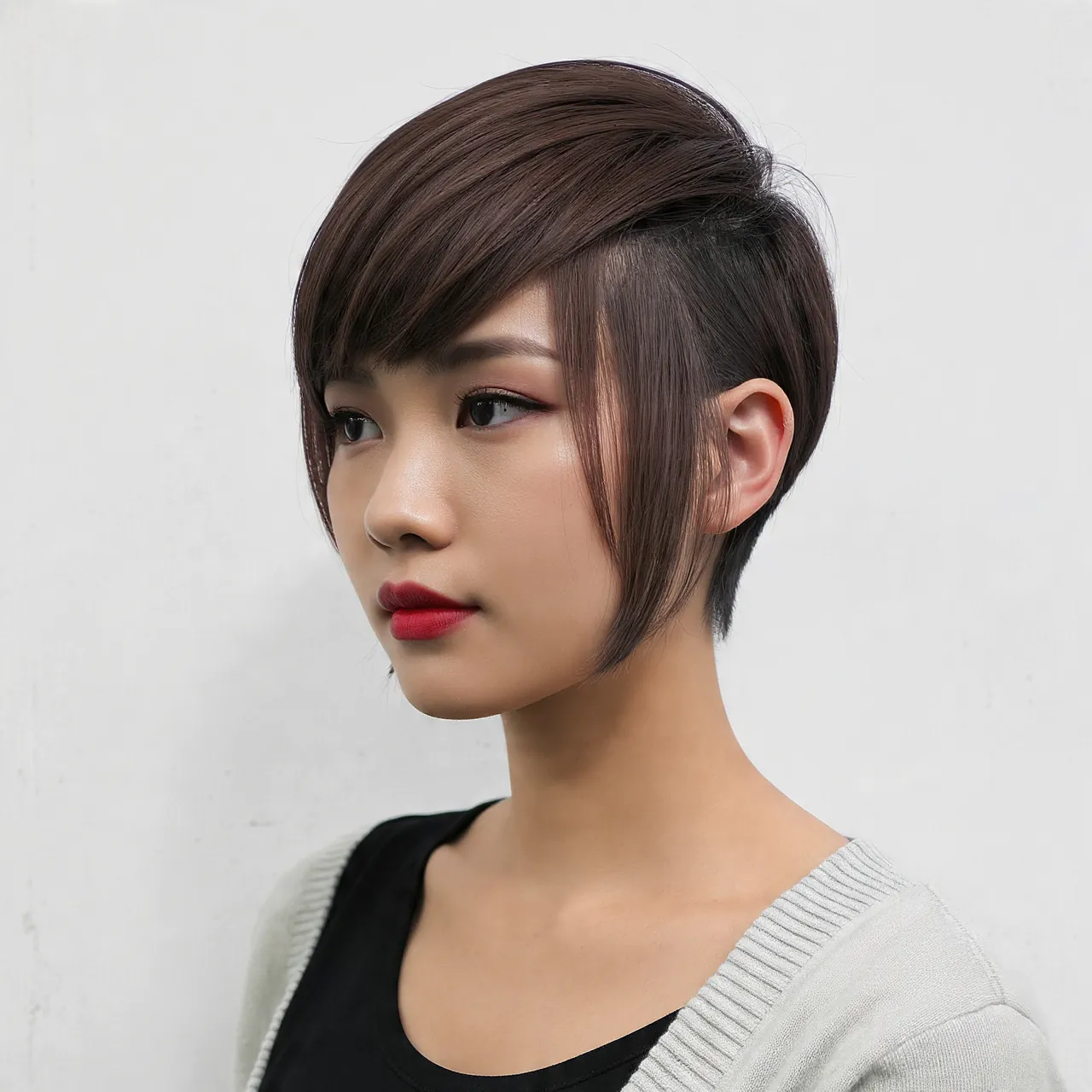
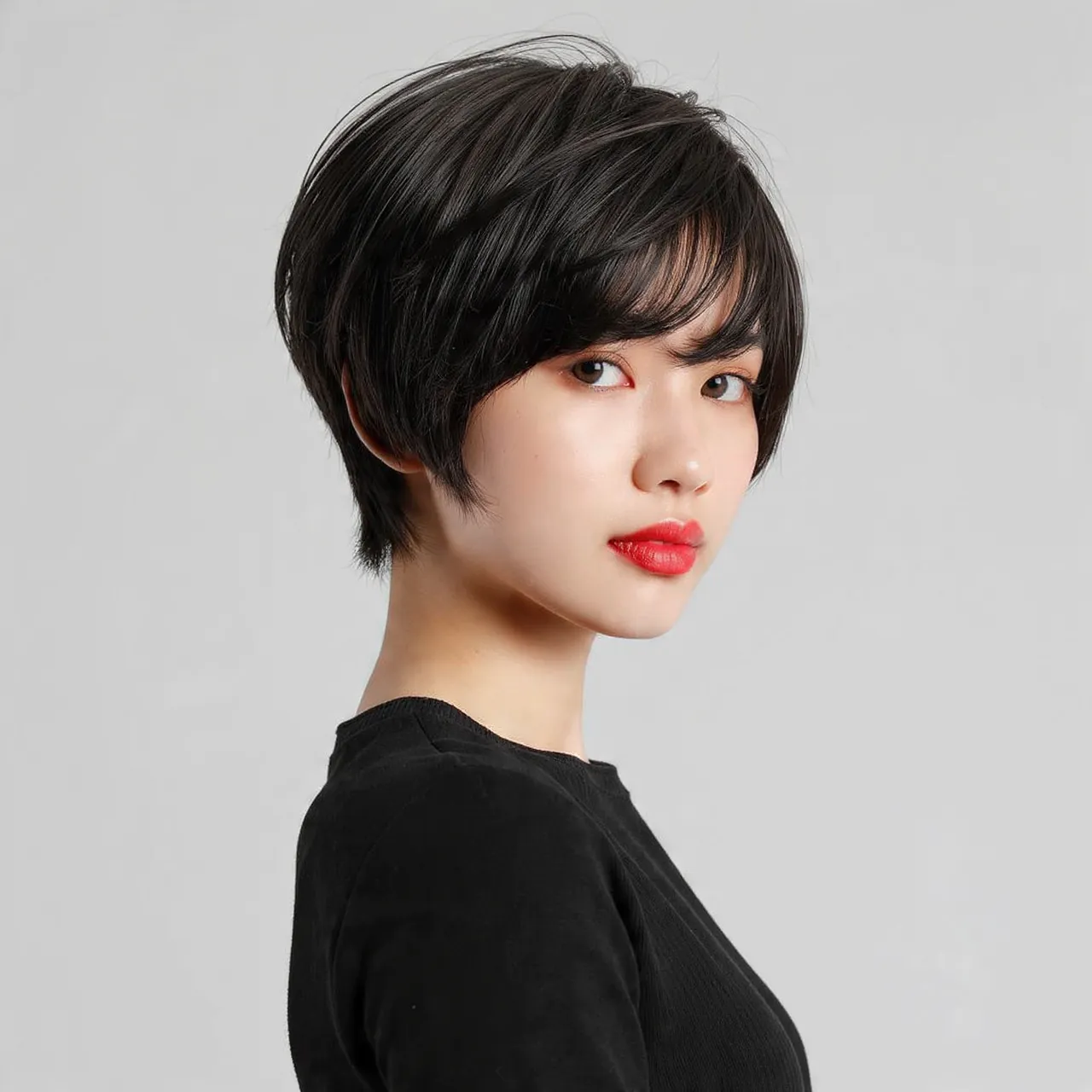
The short inverted bob sometimes called the micro bob sits just above or at the jaw, making it one of the most structured and purposeful takes on this style. The stacked back rises sharply, creating a dramatic silhouette that reads as bold from every angle. This cut suits those who prefer minimal morning styling time while still wanting a haircut that commands attention. It works beautifully on those with natural texture or slight waves, since the shortness allows the hair’s character to shine without needing excessive heat. Heart-shaped and oval faces are the most flattering canvas for this version. A glossy blowout accentuates its geometric precision, while air-drying creates a softer, more approachable finish.
7. Long Inverted Bob (The Lob)
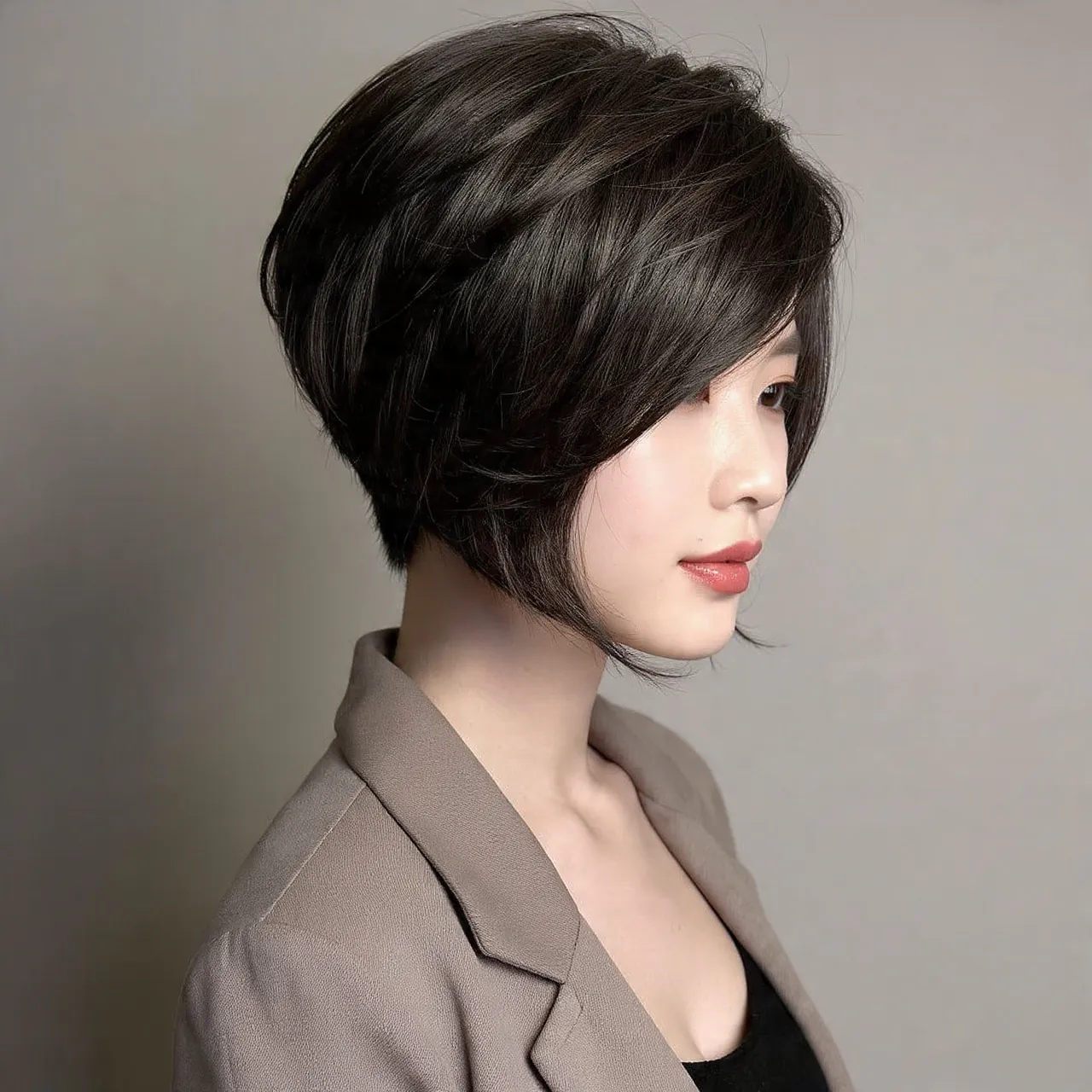
The long inverted bob affectionately called the lob offers all the architectural elegance of the traditional inverted cut while preserving enough length to allow for versatile styling options. Sitting anywhere from the collarbone to just below it, this version is ideal for those who are just beginning to explore shorter lengths and want a more gradual transition. The stacked back still delivers volume and shape while the longer front pieces allow for ponytails, half-up styles, or braided accents on days when creativity calls. All face shapes can wear this cut with confidence, making it the most universally flattering variation on this list. Warm balayage in honey or caramel shades adds dimension and warmth to the longer layers beautifully.
8. Inverted Bob with Highlights
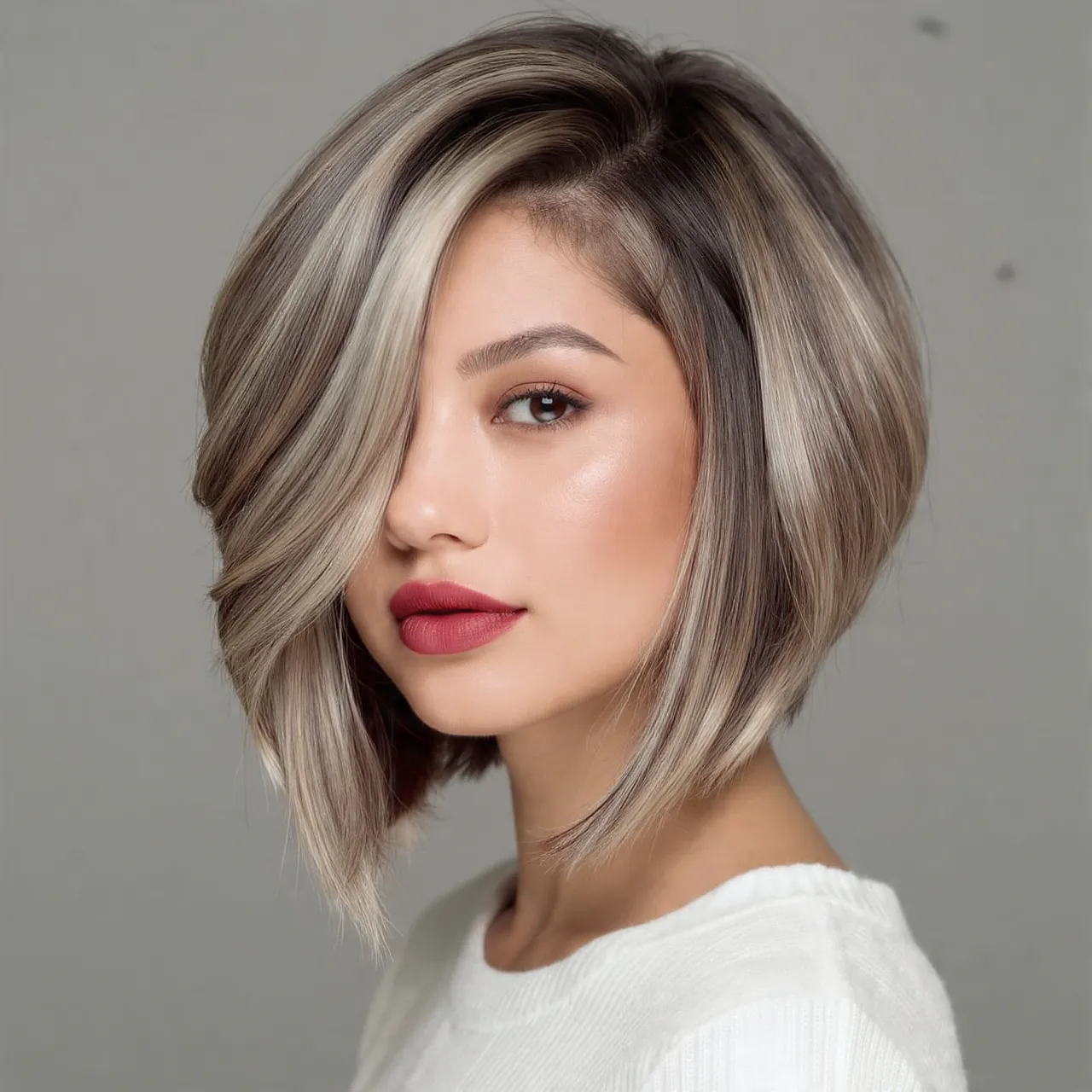
Highlights transform the inverted bob from a structural cut into a luminous work of art. Whether you choose classic foil highlights, a lived-in balayage, or a trendy money-piece technique concentrated around the face, the stacked back of this cut creates the perfect canvas for showing off dimensional color. Face-framing highlights specifically draw attention to the cut’s elegant graduation from shorter back to longer front. This color approach suits every base shade from dark chocolate brown to light ash blonde and complements all skin undertones depending on the highlight shade selected. For those with natural light brown or dirty blonde hair, a few shades of sun-kissed warmth create an effortlessly radiant finish. Toning shampoo extends the vibrancy between salon appointments significantly.
9. Inverted Bob for Curly Hair
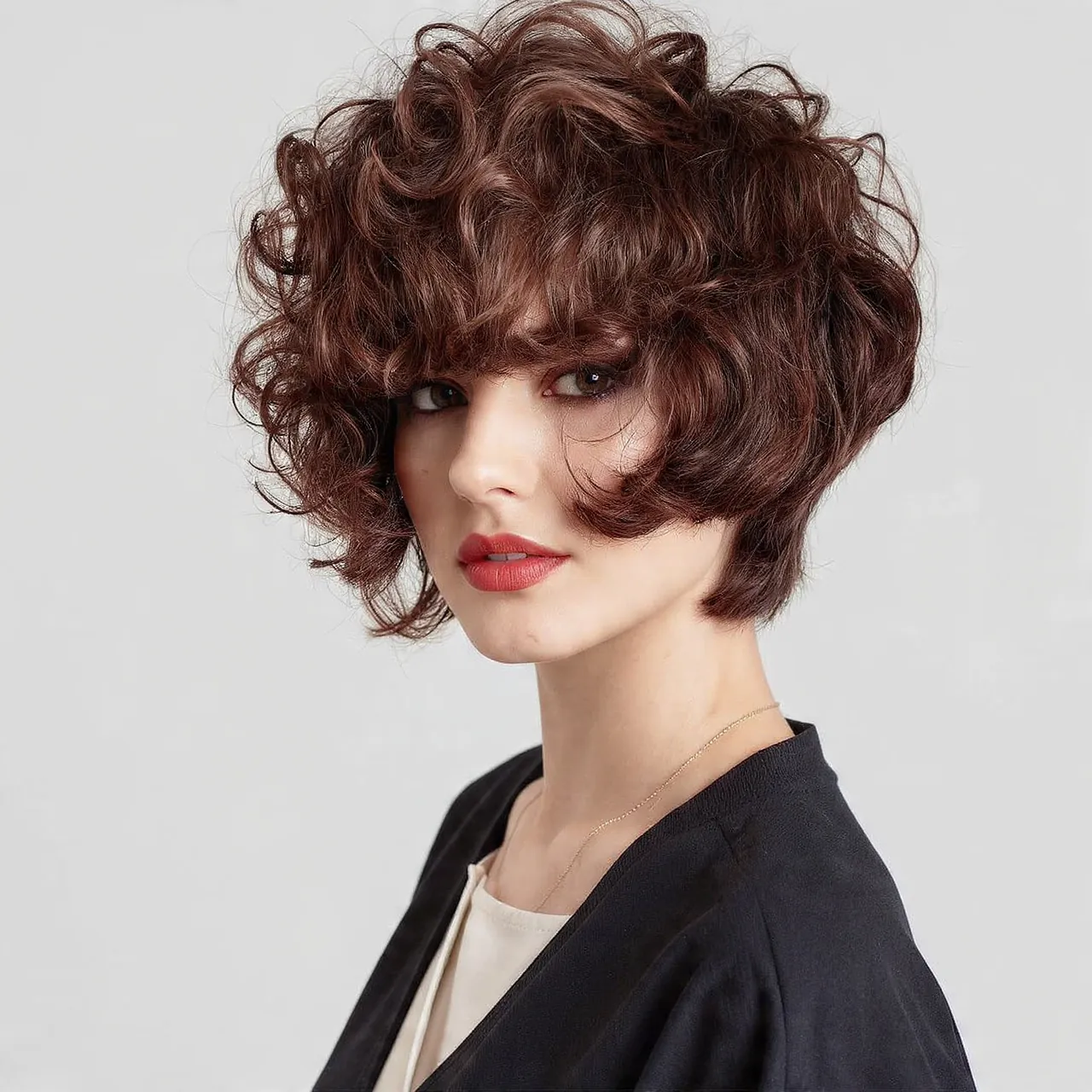
Curly-haired women often hesitate before committing to a bob out of concern for shrinkage and unpredictable volume but the inverted bob, styled correctly, celebrates curls rather than fighting them. The key lies in the cutting technique: a dry-cutting approach allows the stylist to see how curls naturally fall and remove length accordingly, preventing the triangle-shaped silhouette that curly hair can create when cut incorrectly. The stacked back provides lift while the longer front pieces elongate the ringlets downward. This variation looks absolutely stunning on type 3A to 3C curls and suits round, oval, and square face shapes. Defining cream applied section by section, then air-dried or diffused, locks in the curl pattern and prevents unwanted frizz throughout the day.
10. Inverted Bob with Undercut
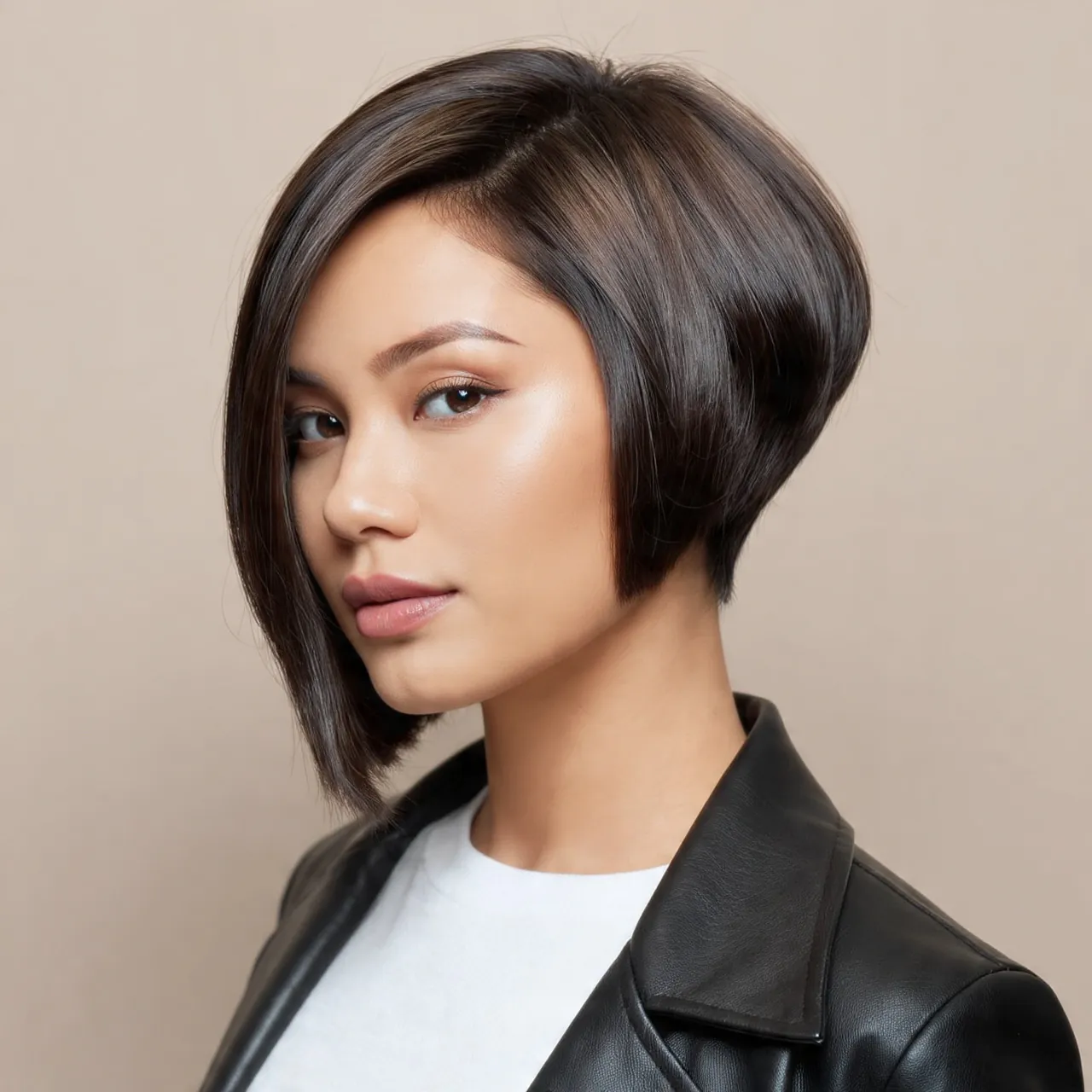
For the bold, boundary-pushing individual, the inverted bob with an undercut introduces an element of hidden edge that makes this classic silhouette feel entirely new. The undercut is shaved or clipped close along the nape of the neck beneath the stacked layers, revealing a surprise detail when the hair is lifted or styled up. This design element adds a modern, rebellious energy to an otherwise polished cut and suits those who appreciate contrast in their personal style. Oval and oblong face shapes carry this variation most effortlessly. It works particularly well with a bold hair color, think deep violet, electric blue, or a contrasting bleach beneath a dark top layer. Maintenance is easy with regular touch-ups every four to six weeks.
11. Inverted Bob with Balayage
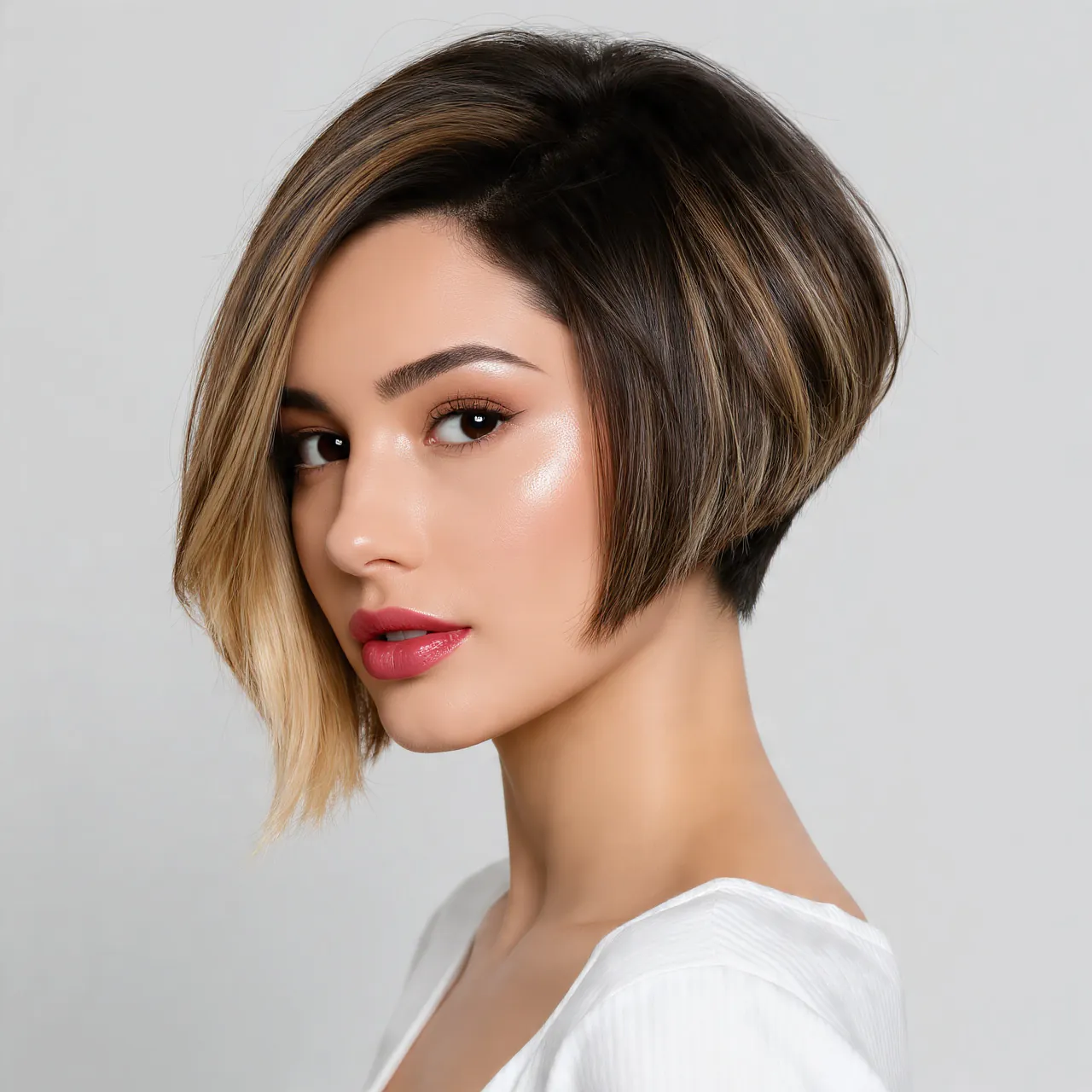
Balayage and the inverted bob are a match so naturally harmonious they seem designed for each other. The hand-painted color technique sweeps from mid-length downward, creating a gradient that mimics sun-kissed natural growth with no harsh lines at the root. On the stacked back of an inverted bob, balayage creates depth and dimension that makes the haircut look three-dimensional even when styled simply. Warm tones butterscotch, cinnamon, and golden blonde pair particularly beautifully with medium and dark brown bases. Cool ash or platinum balayage suits those with fairer complexions or naturally light hair. Unlike traditional highlights, balayage grows out gracefully, meaning fewer touch-up appointments and lower long-term maintenance. This combination flatters all face shapes and hair types from fine to medium.
12. Sleek Straight Inverted Bob
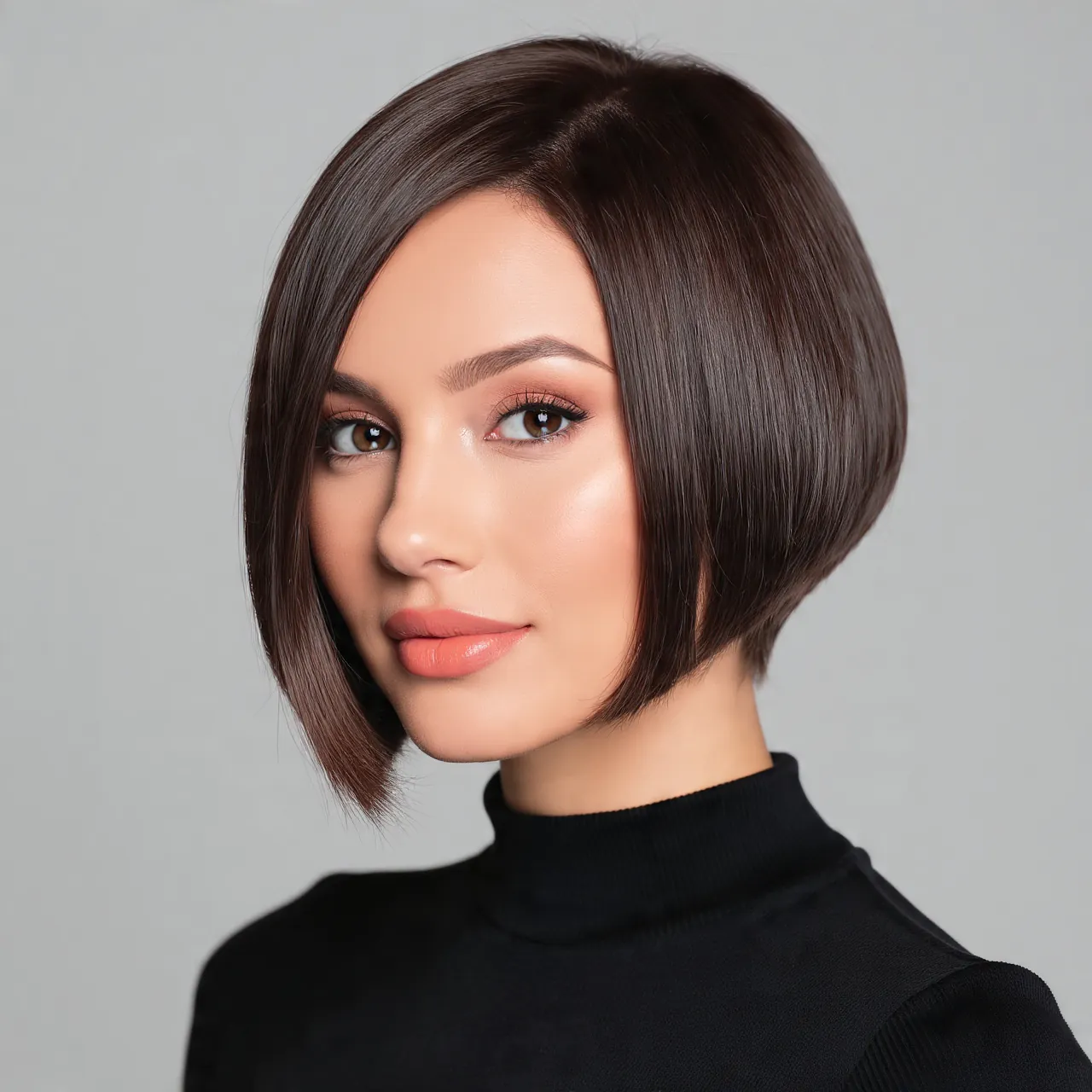
When the inverted bob is blown out to a high-gloss, pin-straight finish, it embodies professional sophistication at its absolute peak. Every geometric detail of the cut becomes razor-sharp the stacked back creates a perfect curve, the front angles frame the face cleanly, and the overall silhouette reads as intentional and polished. This style is ideal for corporate environments, formal events, or anyone who wants their haircut to make a quietly powerful impression. It suits straight to slightly wavy hair types most easily, though those with naturally wavy or thick hair can achieve the look with a quality flat iron and heat-protective serum. Oval, oblong, and heart-shaped faces are particularly complemented by this sleek version. A finishing spray with light hold preserves the smoothness for hours.
13. Inverted Bob with Red or Auburn Tones
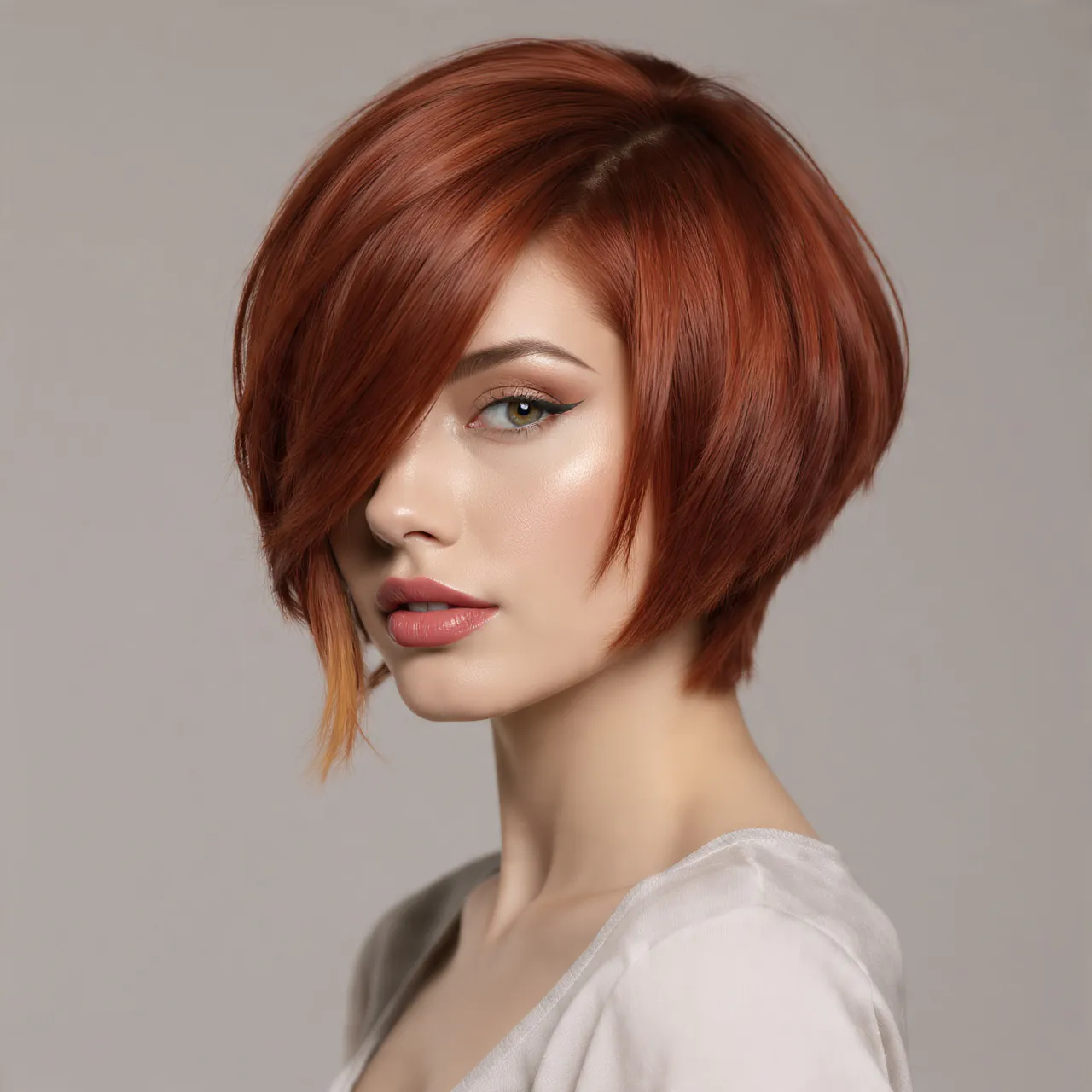
There is something undeniably magnetic about a deeply pigmented red or auburn inverted bob the color interacts with the cut’s layers to create a rich, multi-dimensional effect that photographs beautifully and draws immediate attention in person. Copper and auburn shades suit warm skin undertones with golden or peachy hues, while cooler, blue-based reds complement those with pink or neutral undertones. The inverted bob’s stacked back makes red hair appear even deeper and more saturated, while the longer front pieces allow the lighter, more sun-kissed tones to glow. Glossing treatments every six to eight weeks are essential for maintaining vibrancy and preventing the dullness that red pigments are prone to as they fade. This look suits oval, round, and heart-shaped faces with particular elegance.
14. Inverted Bob for Fine Hair
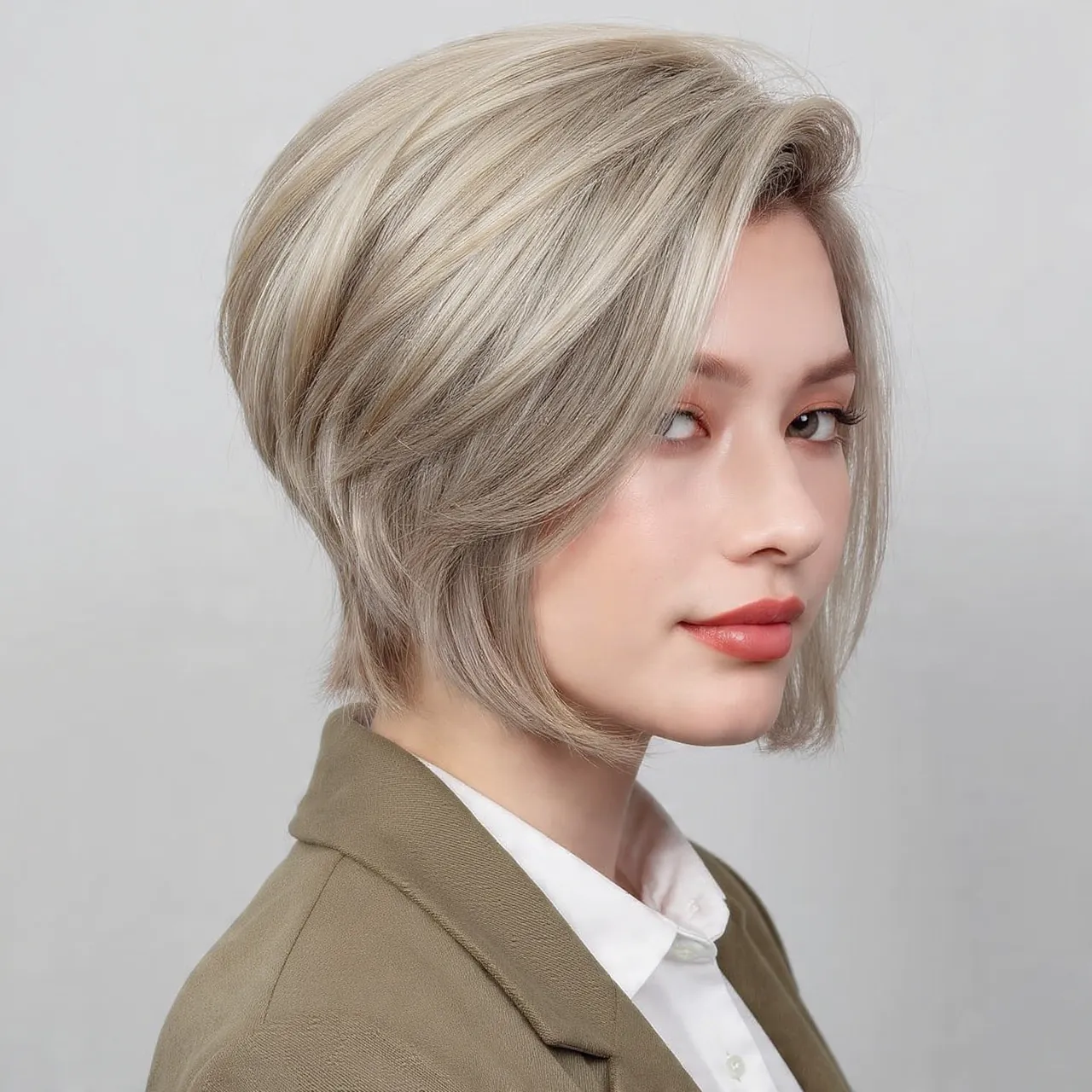
Fine hair is often misunderstood as a limitation, but the inverted bob is actually one of the finest hair types’ most powerful allies. The stacked layers at the back of this cut physically create the volume and fullness that fine strands struggle to maintain on their own, making the hair appear significantly thicker and more substantial. The graduation also prevents the ends from appearing limp or flat, which is a common challenge for those with thinner hair textures. Avoiding heavy conditioners and opting for lightweight volumizing products keeps fine hair feeling buoyant. A blowout with a round brush gives the best results, and a fine-hold hairspray maintains the shape through long days. Rooty highlights or a shadow root technique add the illusion of depth and density.
15. Inverted Bob with Bangs (Blunt Fringe)
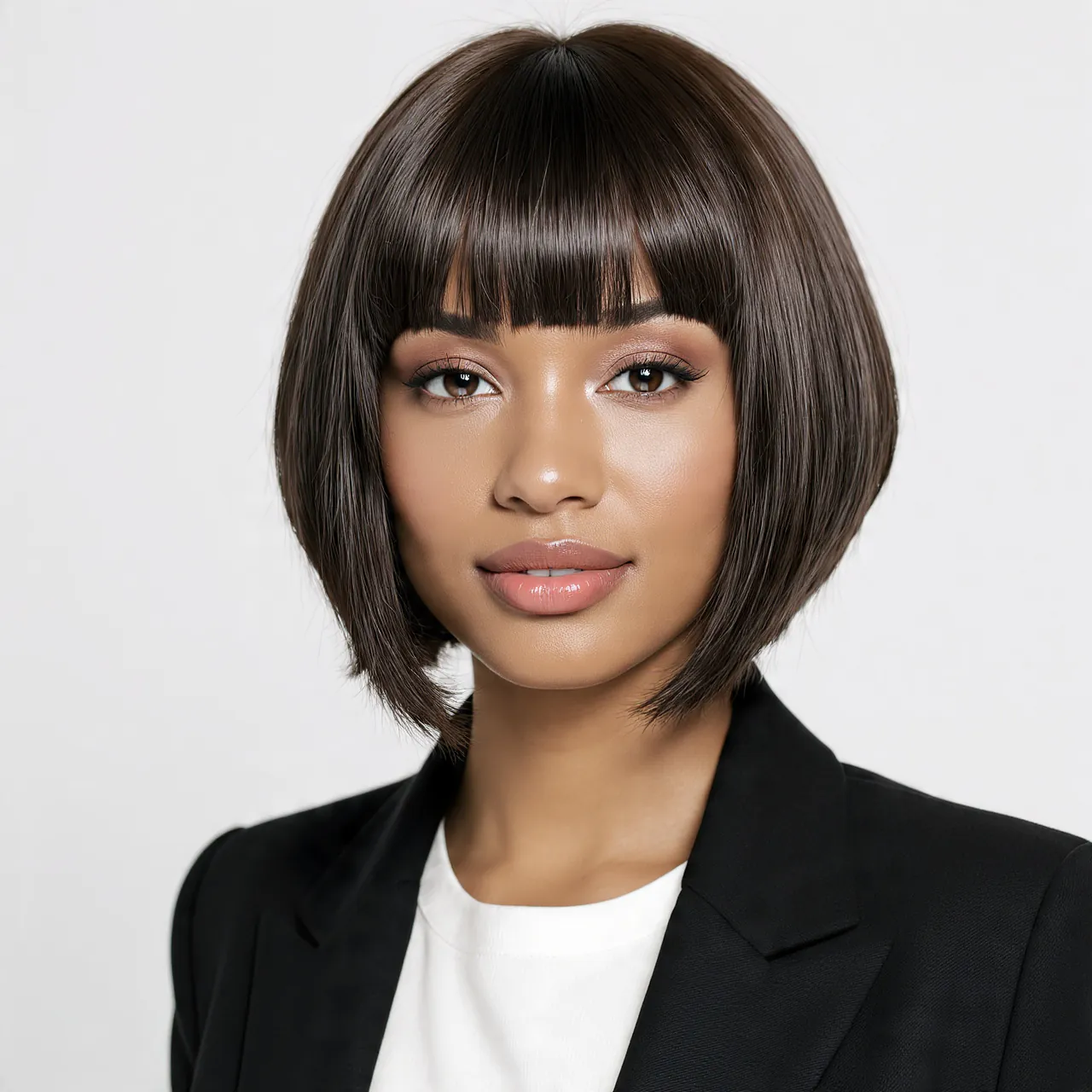
A straight, blunt fringe cut to eyebrow length paired with an inverted bob creates one of the most editorial, fashion-forward combinations in contemporary hairstyling. The bluntness of the bang mirrors the clean lines of the stacked bob, and together they form a cohesive, geometric aesthetic that feels deliberately artistic. This combination suits those with longer face shapes oblong and oval as the horizontal fringe visually shortens the face while the bob adds width at the sides. It works best on straight to slightly wavy hair where the bang lies flat naturally. Those with a cowlick at the hairline should discuss texture options with their stylist, as a slightly side-swept approach may blend more smoothly. A small, flat-bristle brush and a blowdryer nozzle attachment keeps the fringe crisp all day.
16. Inverted Bob with Natural Texture (Air-Dried Look)

Not every inverted bob needs a blowout to look stunning embracing natural texture and air-drying can result in a beautifully effortless version of this cut that celebrates the hair’s own personality. This approach works particularly well on wavy, lightly coiled, or naturally voluminous hair types where the air-dried result adds movement and character to the stacked silhouette. The inverted graduation encourages the natural waves to stack visually at the back while the longer front pieces curl or wave in their own direction. A curl-enhancing cream or a light mousse applied to damp hair before air-drying defines the texture without stiffness. This version of the cut suits all face shapes and is especially appealing for women with active, on-the-go lifestyles who value low heat exposure.
How to Choose the Right Inverted Bob Hairstyle for You
Choosing the perfect variation of the inverted bob comes down to understanding three key factors: your face shape, your hair texture, and your daily lifestyle. Face shape is perhaps the most important starting point. Heart-shaped and oval faces have the most flexibility and can explore nearly any variation on this list. Round faces benefit from longer front pieces and a more dramatic graduation to elongate. Square faces soften beautifully with curtain bangs or waves that break up the jawline’s angles. Oblong faces look wonderful with blunt bangs that add horizontal visual balance.
Hair texture plays an equally significant role. Fine hair thrives with the stacked version for volume, thick hair needs internal layers for manageability, and curly hair requires a dry-cut approach. Lifestyle factors how much time you are willing to spend styling, how frequently you visit a salon, and the environments you move through daily determine whether a high-maintenance sleek version or a wash-and-go textured version makes the most practical sense for you.
Best Face Shapes and Hair Types for the Inverted Bob
The inverted bob is one of those rare haircuts that genuinely suits a wide range of face shapes and textures, but certain combinations create particularly stunning results. Oval faces are considered the most universally flattering match for any inverted bob variation since the balanced proportions of this face shape work in harmony with both short and long versions of the cut. Heart-shaped faces benefit tremendously from chin-to-collarbone length front pieces that balance a wider forehead. Round faces look most elongated with a longer lob version that avoids adding excessive width at the cheekbones.
In terms of hair type, fine and medium hair textures adapt most effortlessly to the inverted bob’s structural requirements, holding the stacked shape with minimal product. Thick hair and curly hair require skilled technique at the cutting stage but reward the effort with stunning volume and individuality. Straight hair showcases the cut’s geometric precision with particular clarity, while wavy hair adds a natural, organic softness to the silhouette.
Styling and Maintenance Tips for Inverted Bobs
An inverted bob looks its sharpest when maintained with trims every six to eight weeks this is non-negotiable for preserving the stacked back’s precision and preventing the graduation from growing out into a shapeless mass. Between appointments, the right products make a meaningful difference. A heat protectant is essential before any blowout or flat iron work. Volumizing mousse or a lightweight spray adds lift for fine hair without weighing it down, while a smoothing serum controls frizz on thicker textures.
For daily styling, invest in a quality round brush for blowouts and a ceramic flat iron for sleek finishes. Those who prefer the textured look can skip the heat entirely and rely on sea salt spray or a curl-defining cream depending on their natural texture. Silk pillowcases reduce friction overnight and help the cut retain its shape between washes. Deep conditioning once a week maintains moisture, particularly important if color treatments are part of your routine.
How to Ask Your Hairstylist for This Look
Walking into a salon and articulating exactly what you want can feel surprisingly challenging, especially when the style involves multiple technical elements. Here is how to communicate the inverted bob to your stylist with confidence and clarity.
Start by saying: “I would like an inverted bob with a stacked back and longer front pieces.” From there, specify the length bring a photo showing exactly where you want the front to hit (jaw, chin, or collarbone). Mention whether you prefer a lot of stacking at the back (more dramatic graduation) or a subtle version (softer stacking for a natural look). If you have thick hair, specifically request internal layers for weight removal. If you have curly hair, ask for dry cutting.
For color additions, use descriptive language like “warm balayage starting at mid-length” or “face-framing highlights two shades lighter than my base.” Bring at least two reference photos, one showing the cut shape from behind and one showing the front framing so your stylist can see the full picture of what you are envisioning before they pick up the scissors.
Frequently Asked Questions About Inverted Bob Hairstyles
Q1: Is an inverted bob suitable for all ages?
Absolutely. The inverted bob is one of the most age-inclusive haircuts available, flattering women in their twenties through their sixties and beyond. Younger clients tend to gravitate toward bolder, more asymmetrical versions, while those seeking a more classic and polished look favor the sleek, structured variations. The range of options within this single cut category means that personal style and age both have room to be honored simultaneously.
Q2: How often do I need to trim an inverted bob to keep it looking sharp?
Ideally, every six to eight weeks. The stacked back of an inverted bob grows out faster than it appears and begins losing its defined shape after the eight-week mark. Regular trims are what keep the graduation looking intentional rather than grown-out. If budget or time is a concern, schedule appointments every ten weeks at the very minimum and ask your stylist to focus primarily on reshaping the back during maintenance visits.
Q3: Can I pull an inverted bob into a ponytail?
It depends on the specific length of your version. Short and micro inverted bobs do not typically allow for a full ponytail, though the longer front pieces can be clipped or pinned back elegantly. The long inverted bob (lob) does allow for a small, low ponytail or a half-up style with the front pieces secured. Creative alternatives for shorter versions include small claw clips, barrettes, and headbands that keep the hair off the face stylishly.
Q4: Does an inverted bob work on naturally curly hair?
Yes, beautifully but technique matters enormously. Always seek a stylist who specializes in or has significant experience with curly hair cutting. Dry cutting is the preferred method, as it allows the stylist to see exactly how the curls fall at their natural length before removing any hair. The result, when executed correctly, is a rounded, voluminous silhouette that showcases the curls rather than fighting them.
Q5: What is the difference between an inverted bob and a stacked bob?
These terms are often used interchangeably and refer to largely the same concept a bob where the back layers are stacked shorter than the front. The term “stacked bob” emphasizes the layering technique used to create volume and graduation at the back of the head. “Inverted bob” describes the resulting shape, where the back is higher and the front is longer, creating an inverted or angled effect. Both names describe the same fundamental cut.
Q6: Will an inverted bob make my face look rounder?
Not necessarily, provided you choose the right variation. The key is avoiding excessive width at the sides and instead opting for a version where the front pieces fall past the chin to create elongation. A longer lob version, curtain bangs, or a slight asymmetry in the cut all help draw the eye vertically rather than horizontally, which works in favor of those with rounder faces. A consultation with your stylist about your face shape before committing is always a worthwhile step.
Conclusion
The inverted bob is far more than a passing trend it is a structural, flattering, and endlessly adaptable haircut that has earned its status as a perennial favorite at salons around the world. Whether you are drawn to the sharp drama of an asymmetrical cut, the softness of textured waves, the volume of the stacked classic, or the dimensional beauty of a balayage finish, this list of sixteen ideas has offered something meaningful for every preference, texture, and face shape. Armed with this knowledge and a clear vision of your ideal outcome, your next salon appointment is not just a trim it is a transformation. Go ahead and save your favorites, book that consultation, and step into the confident, polished version of yourself that an inverted bob was made to create.