17 Edgy Pixie Bob Hairstyles for Bold, Effortless Style
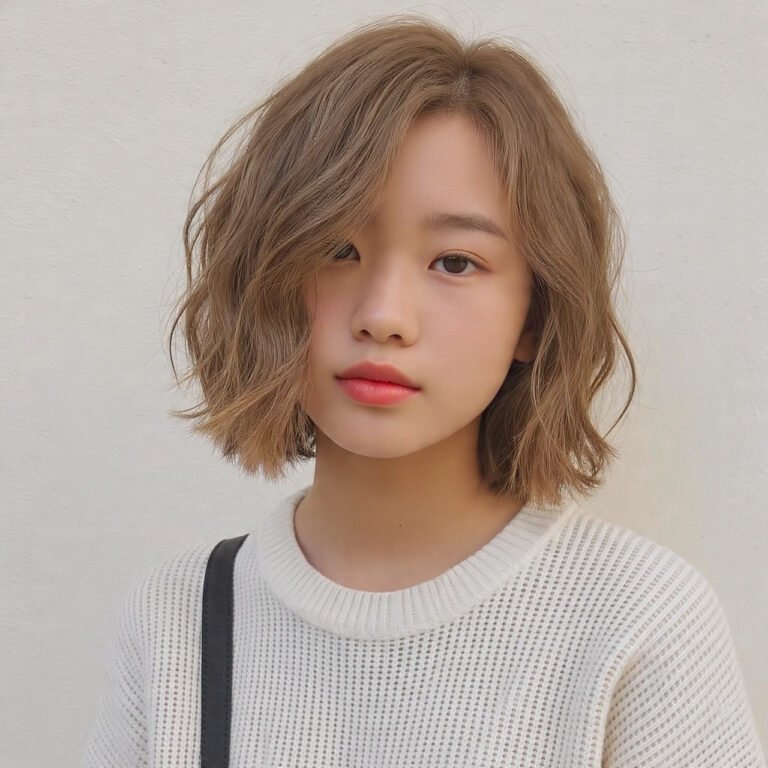
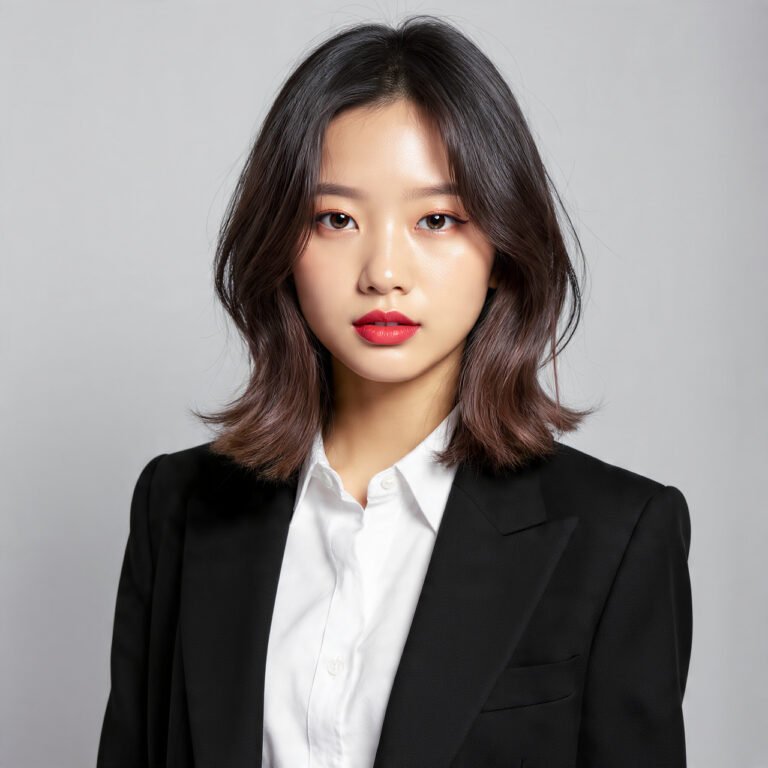
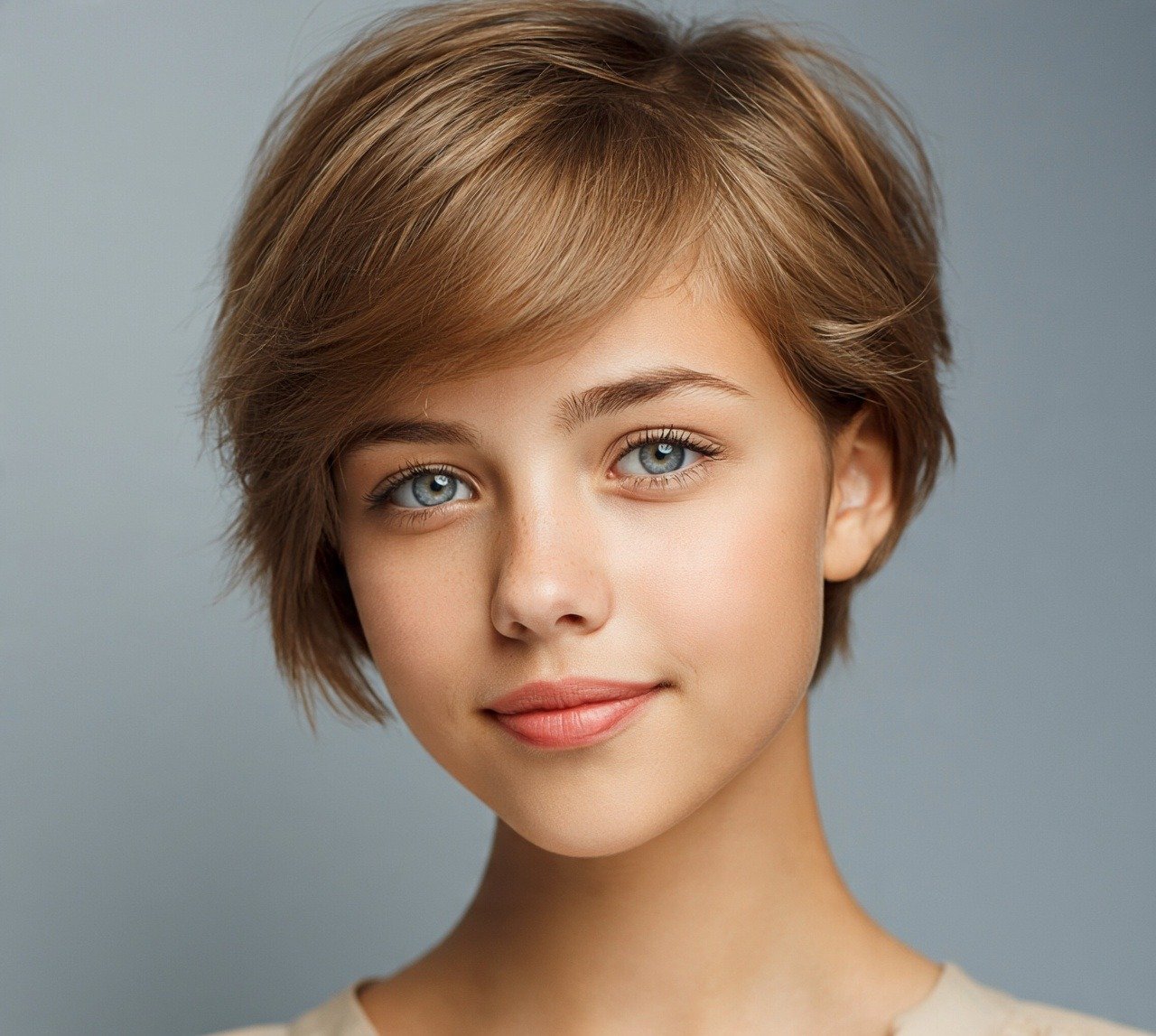
There is a specific kind of confidence that comes with choosing a haircut that refuses to pick a single lane, and the pixie bob delivers exactly that energy. This hybrid style borrows the cropped, low-maintenance practicality of a pixie cut while keeping enough length to capture the soft, face-framing movement that makes a traditional bob so universally flattering. If your Pinterest boards are filling up with images that feel edgier than a standard bob but still longer than a true pixie, you have already found the style that bridges both worlds beautifully. This guide goes far beyond a simple image gallery, walking you through seventeen distinct pixie bob variations with genuine detail about which hair types and face shapes each one flatters, how to style them at home, and exactly what language to use when describing your vision to a stylist. By the end, you will understand precisely which version belongs to your head and how to communicate it with total confidence.
17 Pixie Bob Hairstyles
1. Classic Pixie Bob
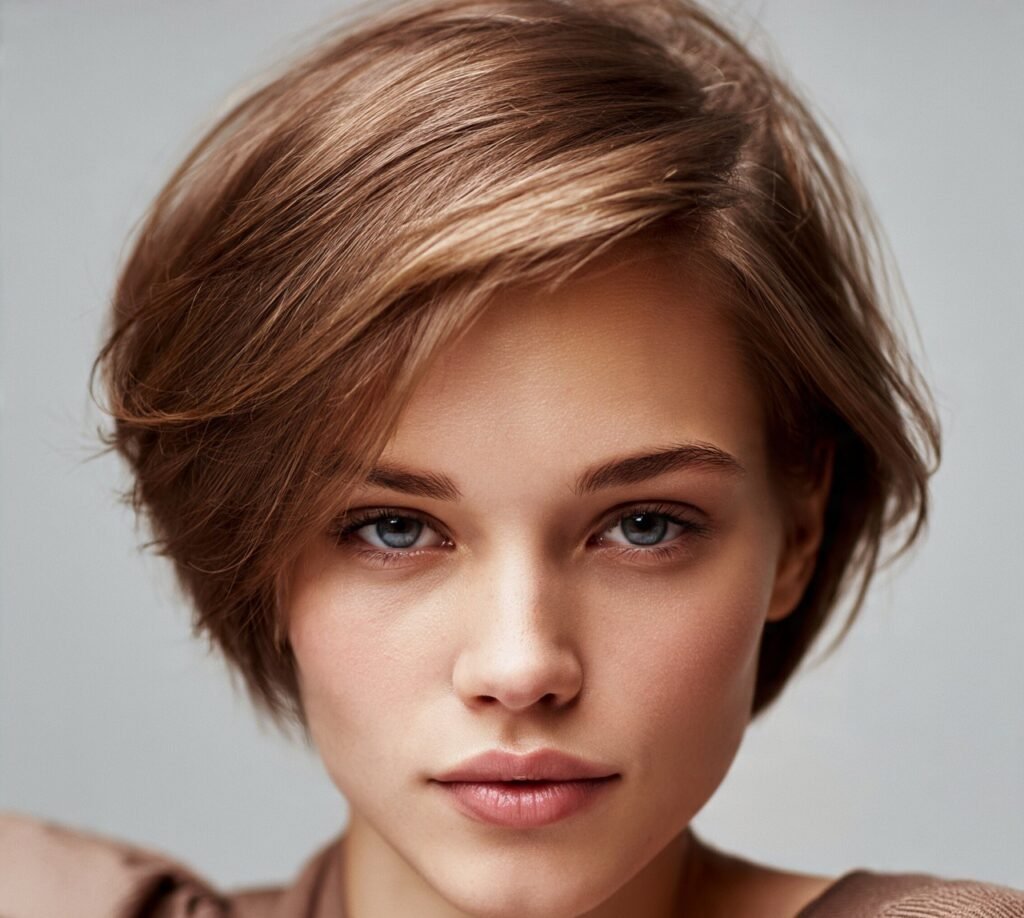
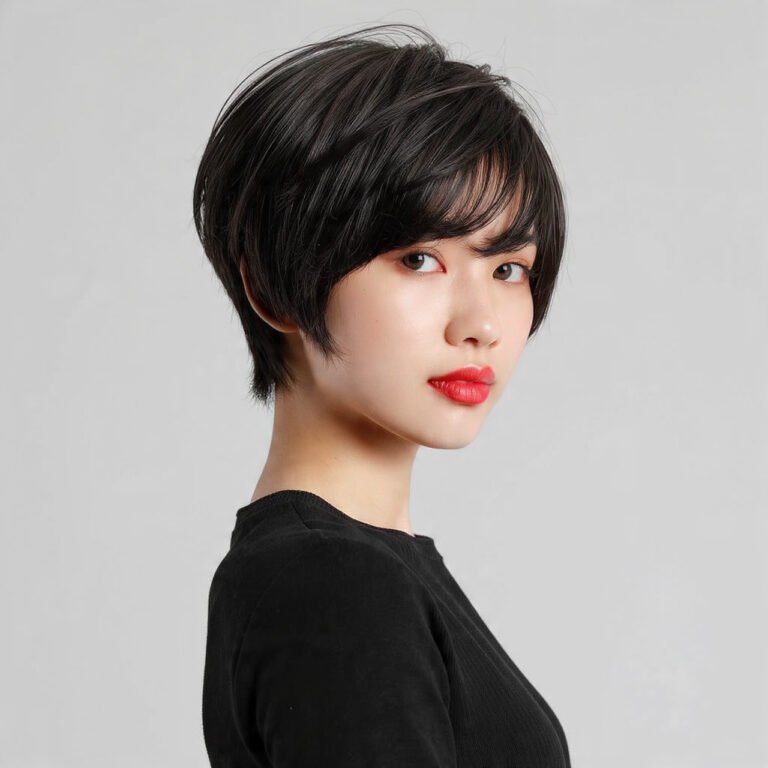
The classic pixie bob sits just below the ears, blending the cropped, lifted crown of a traditional pixie with slightly longer length through the sides and back that gives it a softer, more versatile bob-like quality overall. This foundational version suits straight to lightly wavy hair in fine-to-medium density, since the shorter length relies on clean, precise cutting rather than heavy texture to achieve its shape. It flatters oval, heart, and diamond face shapes particularly well, drawing attention upward toward the cheekbones and eyes. Women with busy, low-maintenance lifestyles especially appreciate this cut, as it air-dries into a reasonably polished shape with minimal effort. Style with a small amount of texturizing paste worked through the crown for lift, finishing with a touch of pomade at the ends for definition.
2. Textured Pixie Bob
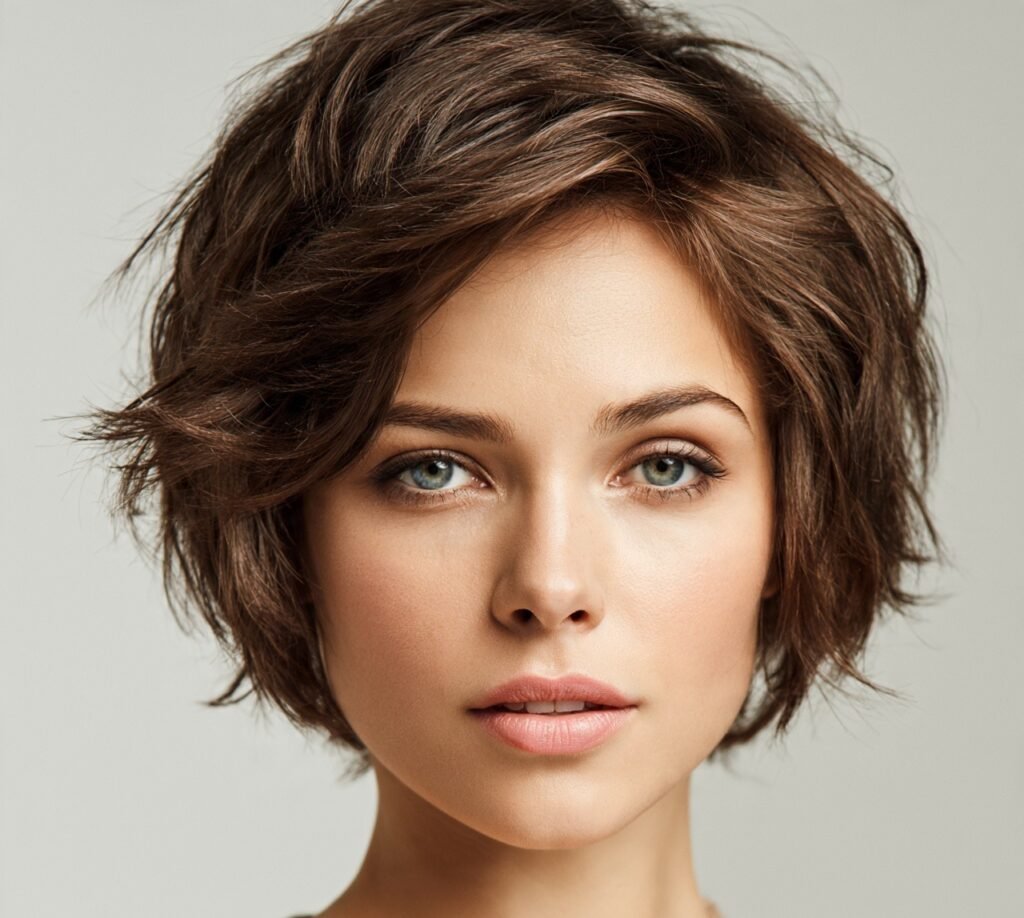
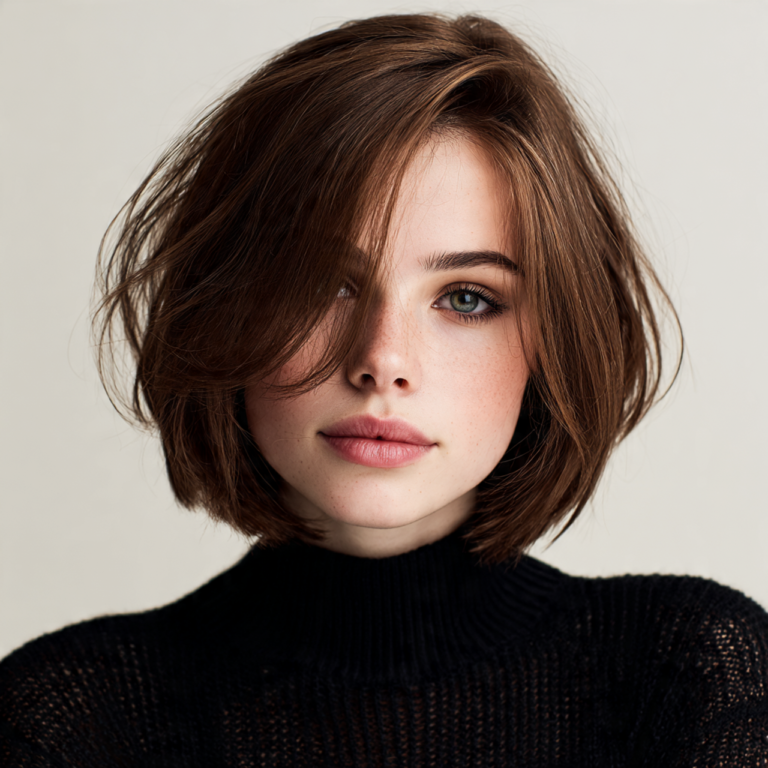
The textured pixie bob introduces deliberate, piece-y separation throughout the crop, using razor-cutting and point-cutting techniques to create a choppy, lived-in quality that feels distinctly more relaxed than the cleaner classic version. This texture-forward approach particularly suits women with naturally straight to wavy hair who want their cut to communicate personality and edge without requiring elaborate daily styling. It flatters oval and square face shapes beautifully, as the broken-up texture softens any angularity while still maintaining structure. Fine to medium hair holds this texture most reliably throughout the day. Work a matte-finish texturizing paste or clay through dry hair, focusing on the crown and ends to maximize separation, and avoid overly shiny products that can flatten the deliberately undone, piece-y finish this style depends on.
To see more options for round face bob hairstyle click here
3. Pixie Bob with Long Bangs
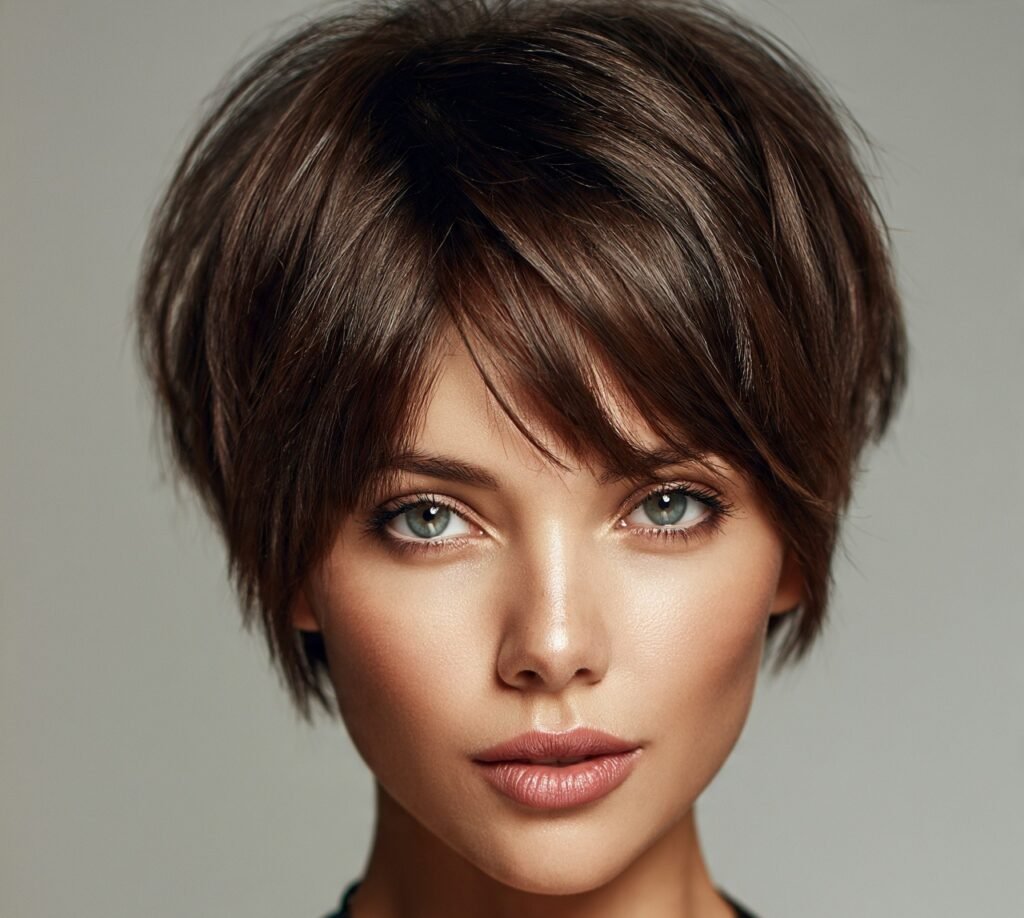
Pairing a pixie bob with longer, sweeping bangs creates a striking contrast between the cropped sides and back and the more substantial length framing the forehead, resulting in a style that feels simultaneously bold and softly feminine. The bangs can be styled side-swept for a more romantic finish or pushed back for a sleeker, more dramatic effect, offering genuine versatility within a single cut. This combination flatters oval and heart-shaped faces especially well, as the longer fringe balances the shorter crop with proportional softness around the face. Straight to lightly wavy hair textures style this look most predictably. Blow-dry the bangs using a round brush, directing them either to the side or back depending on your desired finish, and set with a flexible-hold spray that maintains movement without stiffness.
4. Curly Pixie Bob
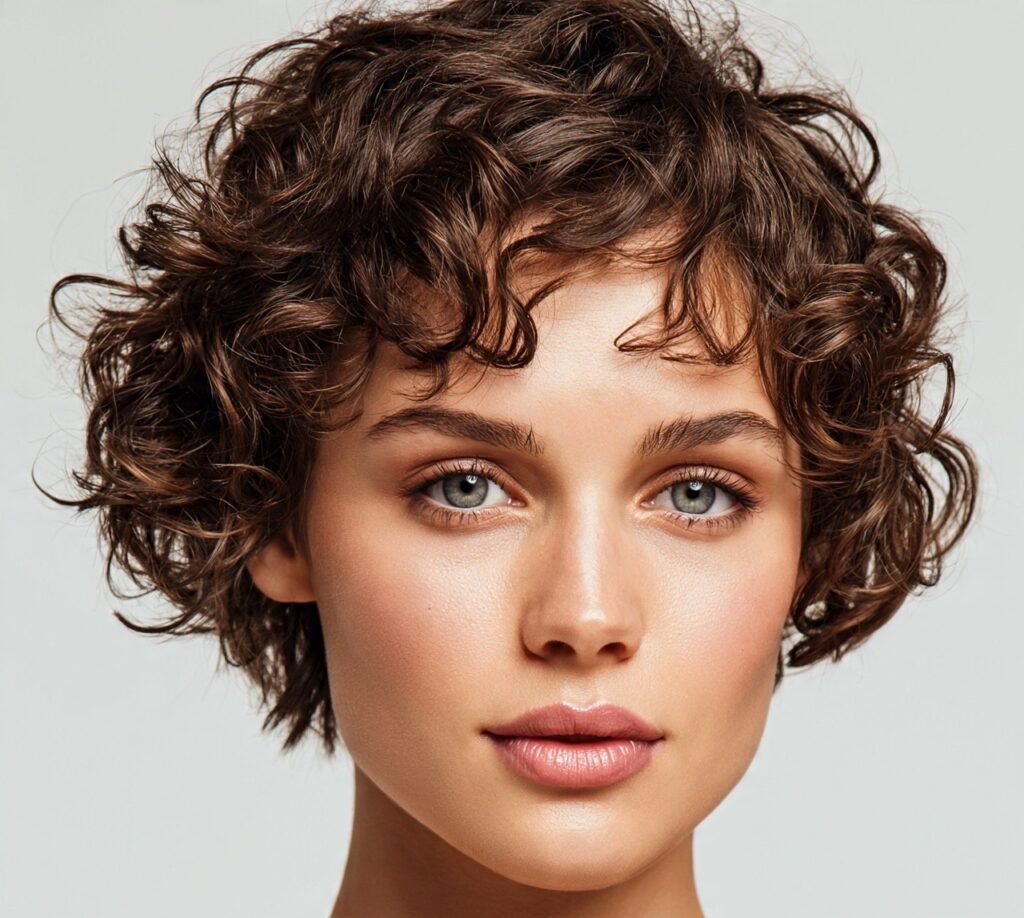
The curly pixie bob celebrates natural curl pattern within a cropped, face-framing silhouette, allowing ringlets and coils to spring freely around the head in a way that creates volume and dimension far beyond what the actual length might suggest. This version suits curl patterns ranging from loose 2C waves through tightly coiled 4A textures, provided a stylist experienced with curly hair performs the cut dry, accounting for the hair’s natural shrinkage and contraction. It flatters round and oval face shapes particularly well, as the inherent volume of curls adds fullness exactly where shorter cuts often lack it. Define curls using a rich curl cream or styling butter, then diffuse on low heat, scrunching gently upward to encourage natural clumping and minimize frizz throughout the finished style.
5. Asymmetrical Pixie Bob
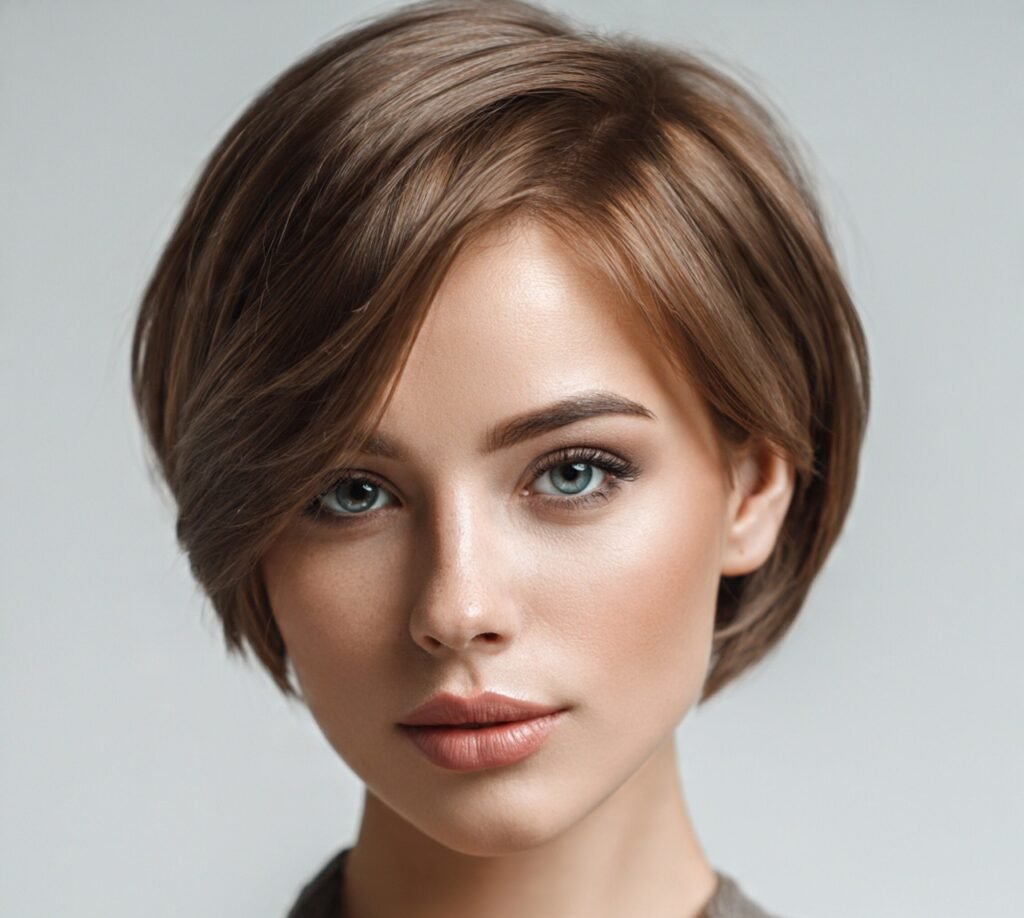
The asymmetrical pixie bob introduces a deliberate length imbalance, with one side cut noticeably shorter than the other, creating a dynamic, architectural shape that reads as bold and intentional from every angle. This cut particularly suits oval and heart-shaped faces, where the angled line draws attention along the jaw and adds a striking, sculptural quality to the overall silhouette. Women with medium-density, straight to lightly wavy hair achieve the cleanest version of this shape, as the contrast between both sides reads most clearly when the hair lies smooth rather than fighting against the cut’s intentional geometry. Style with a flat iron on the longer side to emphasize the sharp contrast, or embrace natural texture throughout for a more relaxed, editorial interpretation of this confident, modern cut.
6. Pixie Bob with Undercut
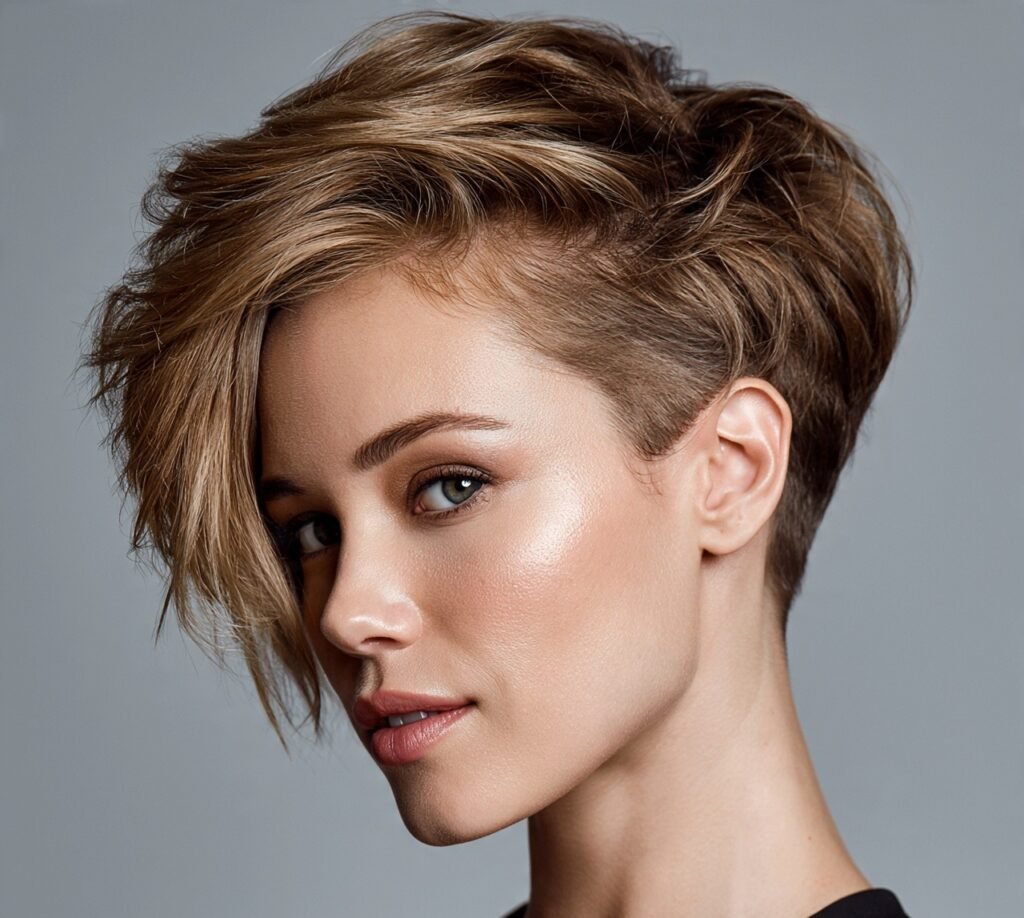
The pixie bob with an undercut takes the already cropped nature of this hybrid style and intensifies it further, shaving or closely clipping the lower back and sides while leaving noticeably longer length on top and through the front. This creates dramatic contrast and significantly reduces overall weight and heat at the neck, making it an especially practical choice during warmer months or for women with naturally thick hair that tends to feel heavy at the nape. It suits round and square face shapes particularly well, as the strong vertical lines created by the undercut introduce geometric structure that balances softer or more angular features. Maintain the undercut with a clipper touch-up every two to three weeks, and style the longer top sections using a texturizing paste for lift and definition.
7. Wavy Pixie Bob
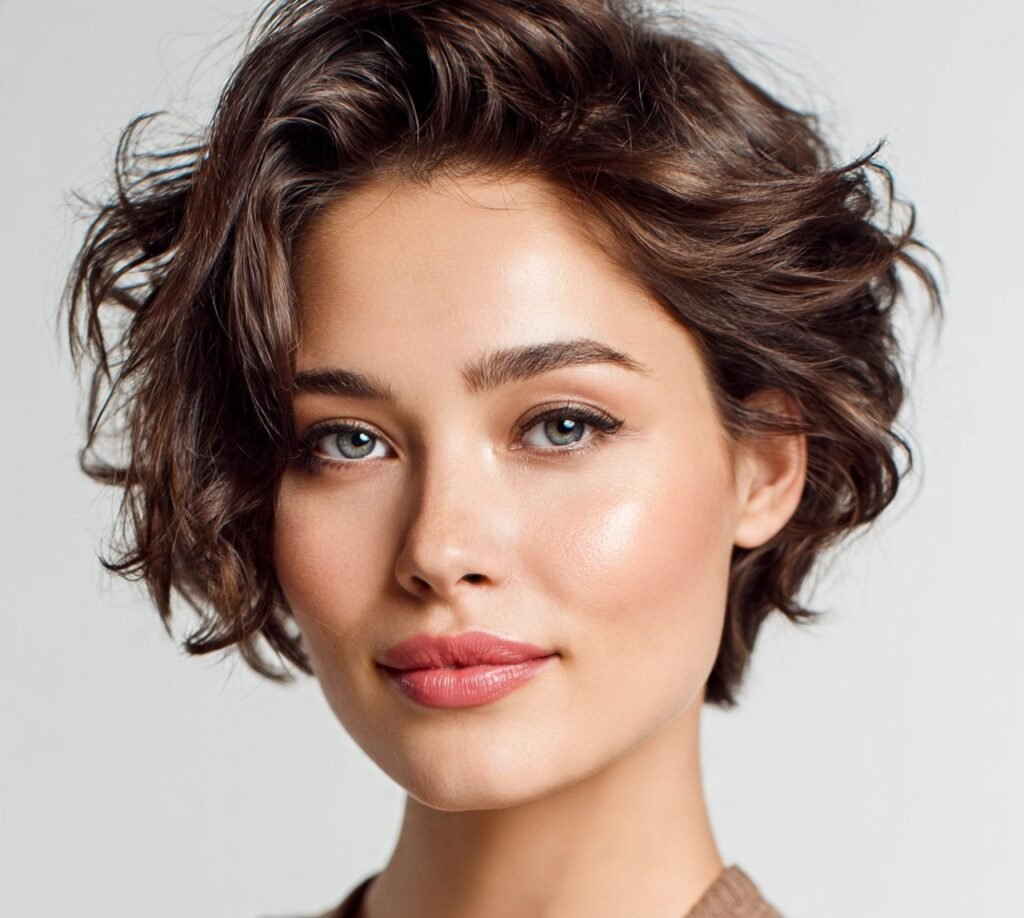
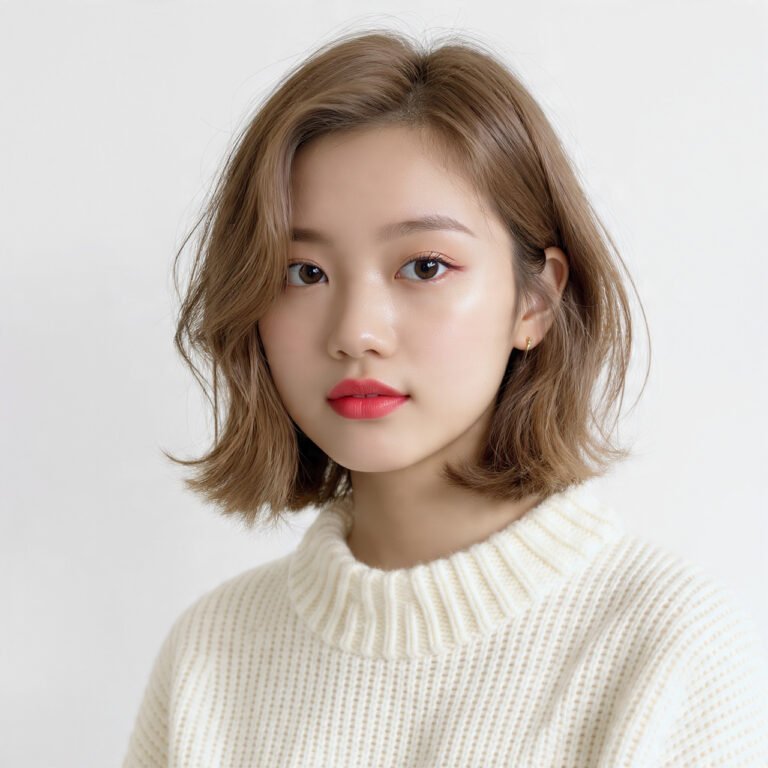
The wavy pixie bob softens the inherently structured, cropped quality of this style with loose, gentle waves running through the longer top and side sections, creating a more relaxed, organic finish that feels effortlessly cool rather than severely cut. This combination works beautifully on naturally wavy hair, though straight-haired women can recreate the texture using a small curling wand wrapped in alternating directions through the longer pieces. It flatters nearly every face shape thanks to the soft, organic movement the waves introduce, though it looks especially charming on round faces where the vertical wave pattern elongates facial proportions. A light texturizing spray applied to damp hair before air-drying enhances natural movement, while a small amount of finishing cream keeps the waves looking soft rather than crunchy throughout the day.
8. Pixie Bob with Side-Swept Fringe
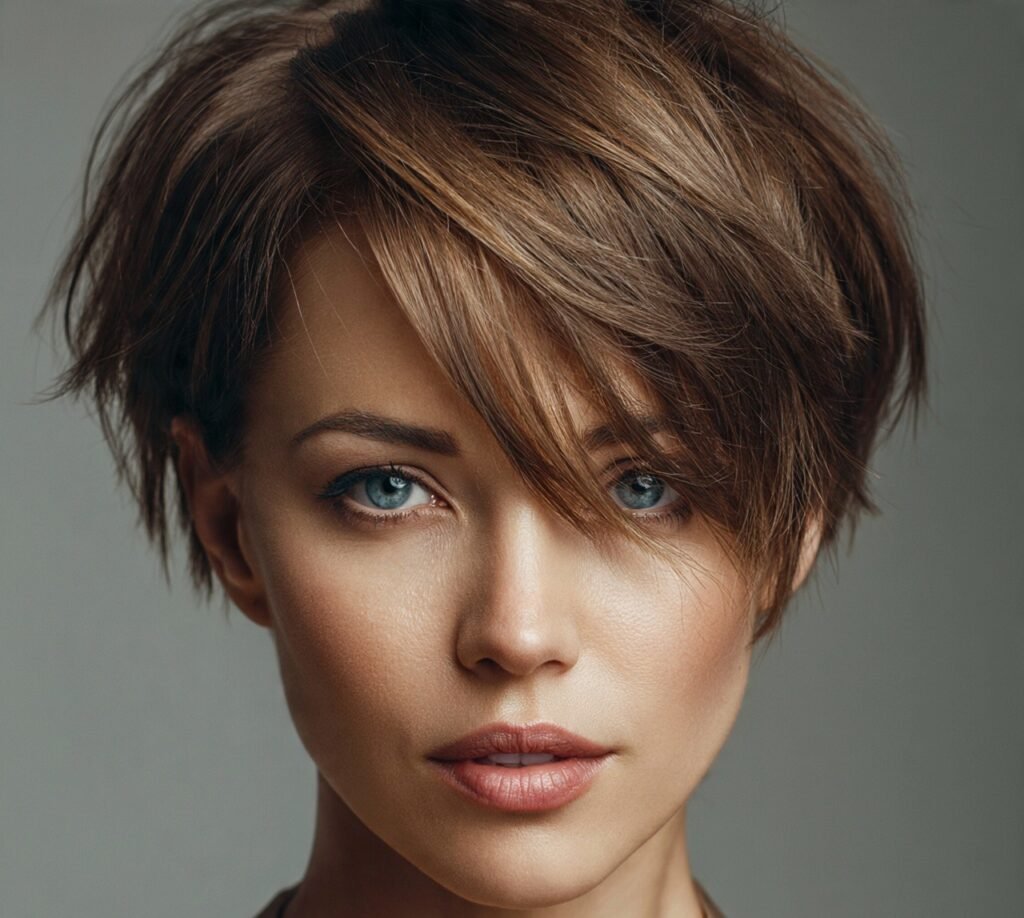
A pixie bob finished with a soft, side-swept fringe introduces a romantic, diagonal element that contrasts beautifully with the cropped structure of the cut, creating a style that feels feminine and approachable rather than severe. The fringe sweeps diagonally across the forehead, blending into the longer top section rather than standing apart as a distinct, separate piece. This combination flatters nearly every face shape, though it works particularly well on square and round faces by introducing soft diagonal lines that break up angular or wide features. Straight to lightly wavy hair textures style this look most predictably. Blow-dry the fringe using a small round brush, directing it firmly toward one side, then finish with a touch of shine serum to keep it looking soft, glossy, and intentionally tousled rather than flat.
9. Sleek Polished Pixie Bob
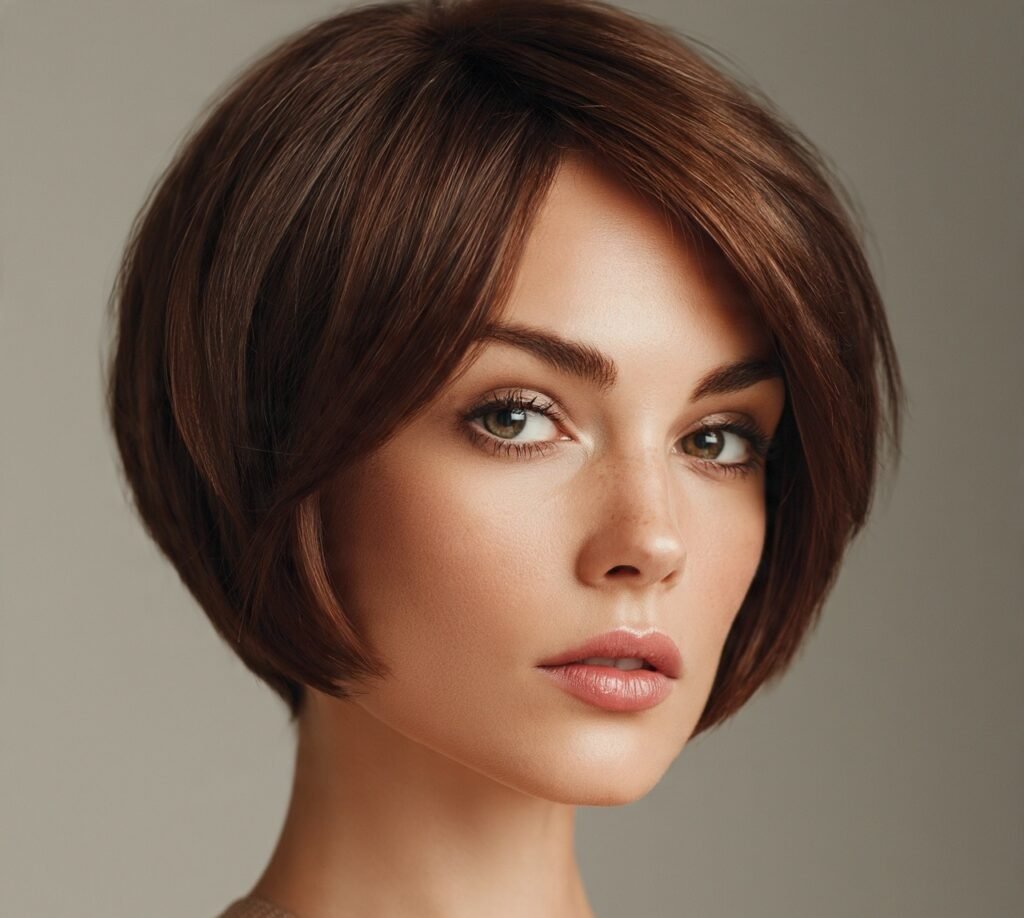
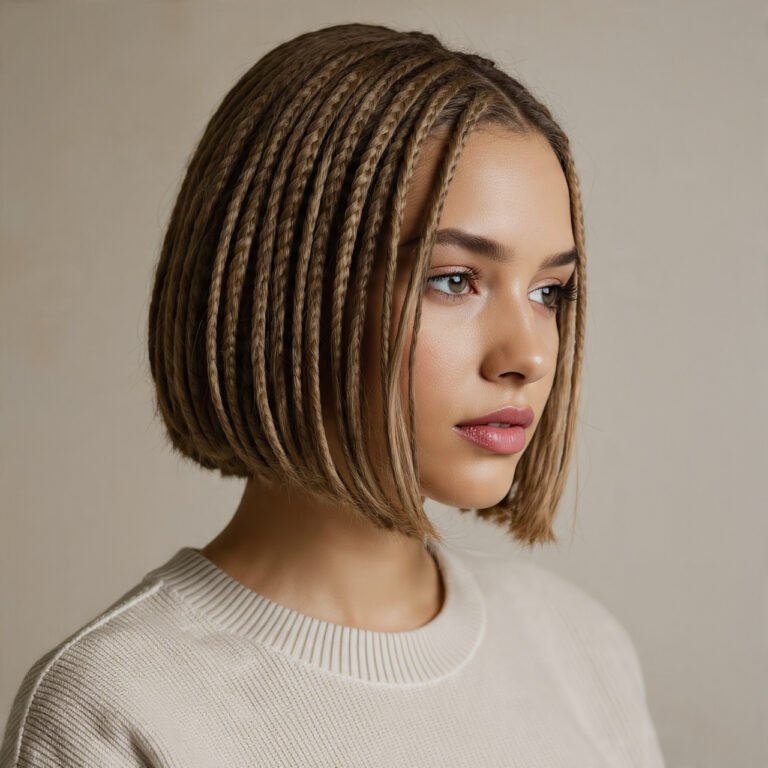
The sleek polished pixie bob represents the most refined, structured interpretation of this hybrid style, with every section lying smooth and every line razor-sharp, creating a look that reads as deliberately sophisticated and editorial in quality. This version demands precision in both the cut and the daily styling routine, as any frizz or texture disruption immediately interrupts the clean, graphic effect that defines this particular take on the pixie bob. It suits straight or chemically straightened hair most naturally and works especially well on fine-to-medium density strands that respond predictably to heat styling. Begin with a smoothing blowout using a small paddle brush and heat-protectant serum, then follow with a flat iron on the longer sections to seal everything completely flat, finishing with a lightweight glossing spray for maximum shine.
10. Pixie Bob with Balayage
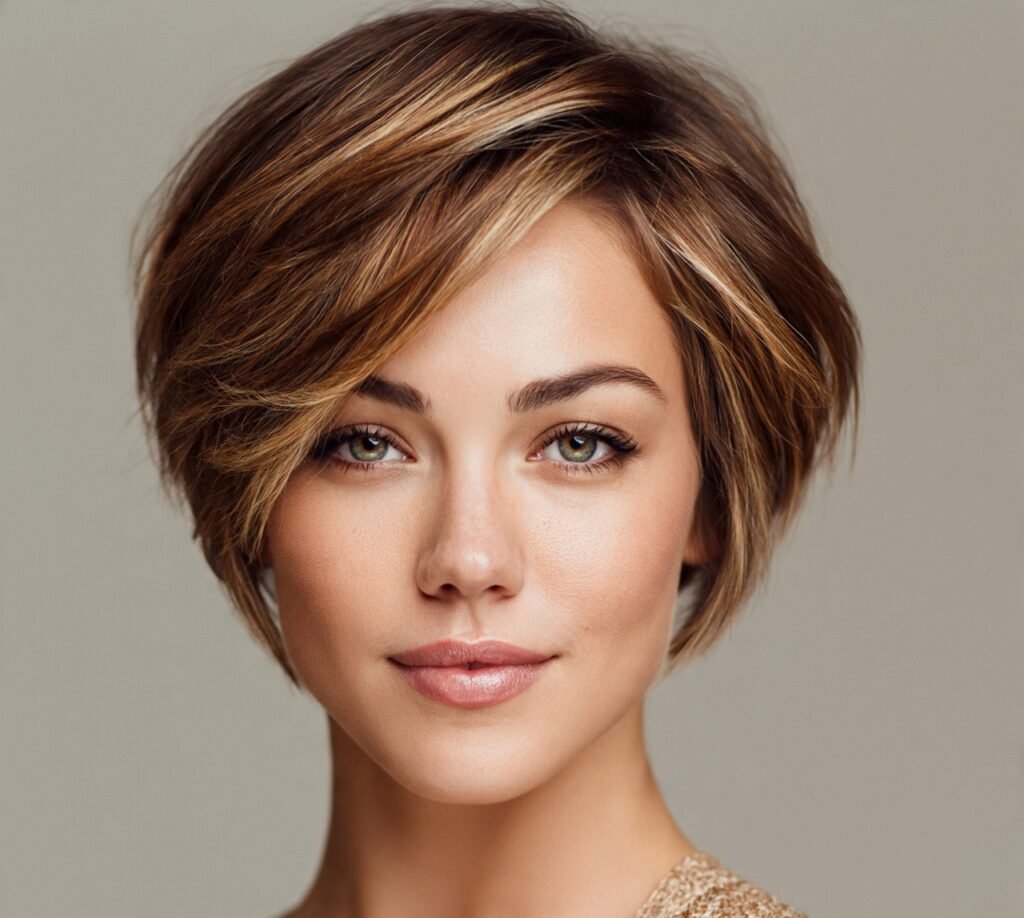
Adding balayage to a pixie bob introduces dimension and movement that single-process color simply cannot achieve, with hand-painted lighter pieces placed strategically throughout the crop to create depth that catches light differently depending on how the hair falls or moves. This approach works beautifully on darker base colors, where the lighter painted sections create striking contrast against the shorter, structured crop. It suits women who want their cut to carry visual interest even when styled simply, since the color itself becomes a central feature of the overall look. This technique flatters all face shapes and works particularly well on textured or wavy pixie bobs, where the varied lengths catch and showcase the painted highlights from multiple angles throughout the day.
11. Pixie Bob with Long Layers on Top
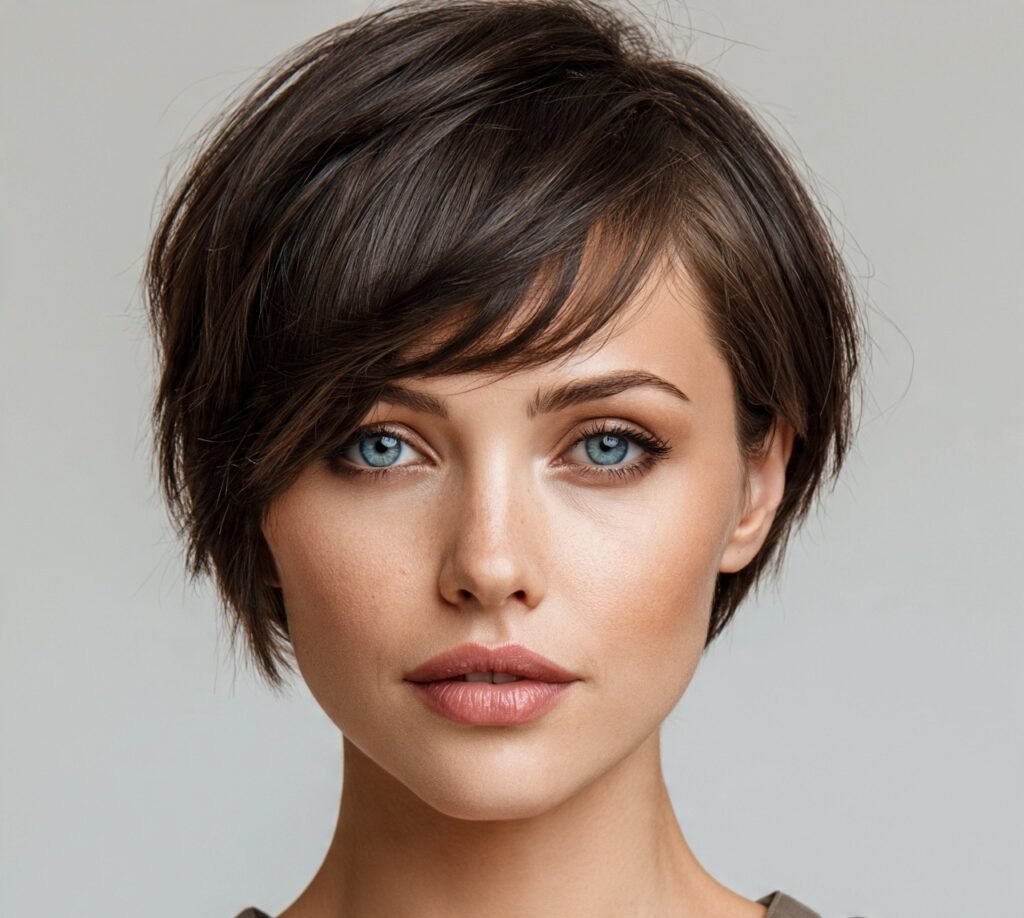
This variation keeps the back and sides relatively short and structured while allowing significantly longer layers to remain on top, creating a style with genuine versatility sleek and swept back for a polished look, or textured and piecey for something edgier. The longer top section gives this cut more styling flexibility than a traditional pixie, essentially functioning as a built-in styling tool that can be brushed forward, swept to the side, or even gently spiked depending on the occasion. It suits thick to medium hair particularly well, as the shorter sides reduce overall bulk while the longer top retains enough length to create real visual impact. Style with a small amount of pomade worked through damp hair before blow-drying upward and forward for maximum lift and movement.
12. Pixie Bob for Coily and Natural Hair
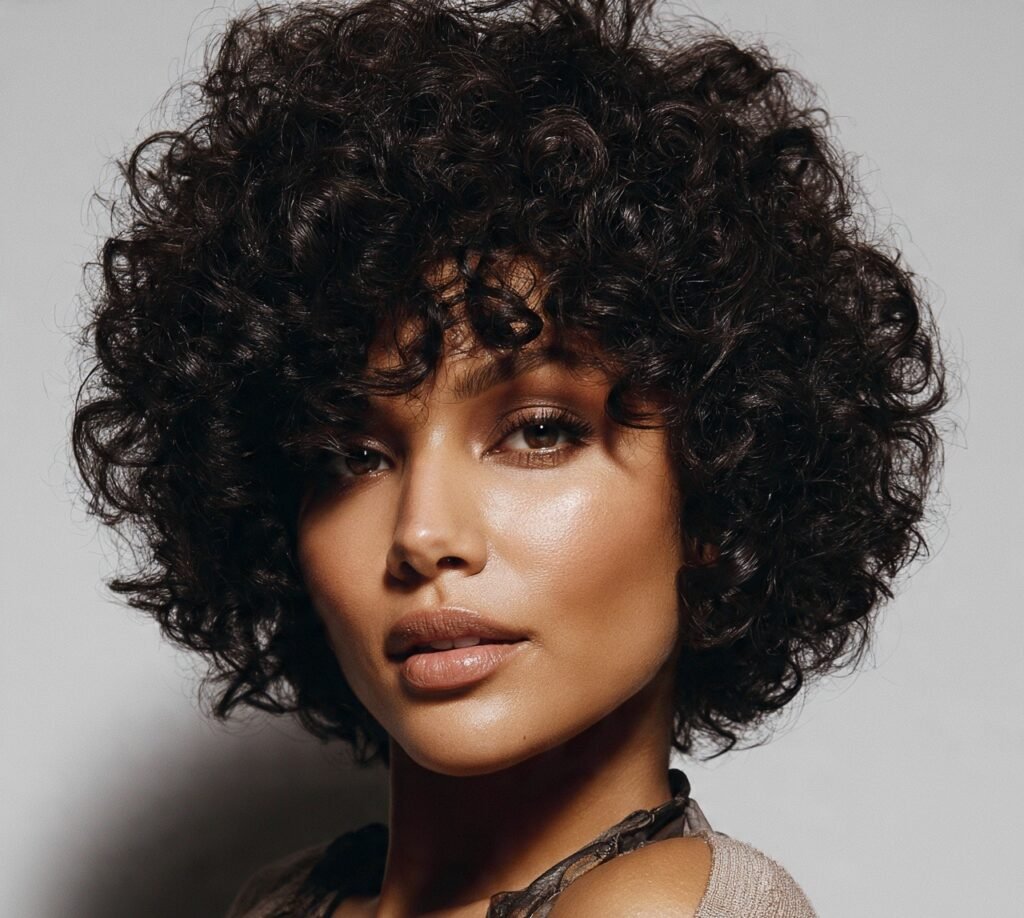
The pixie bob designed specifically for coily and natural hair textures honors the authentic shrinkage pattern and volume of 4A through 4C curl types, cut dry and in its fully contracted state to ensure the finished shape sits correctly once fully styled. This version celebrates natural texture rather than working against it through chemical straightening, allowing the hair’s inherent volume to create a fuller, more dimensional silhouette than the actual length might initially suggest. It suits round, oval, and heart-shaped faces beautifully, with the natural fullness adding flattering width and softness around the face. Maintain definition using a rich, moisture-locking curl butter applied to soaking-wet hair, then air-dry or diffuse on low heat, and schedule regular deep conditioning treatments to prevent dryness and protect against breakage.
13. Pixie Bob with Micro Bangs
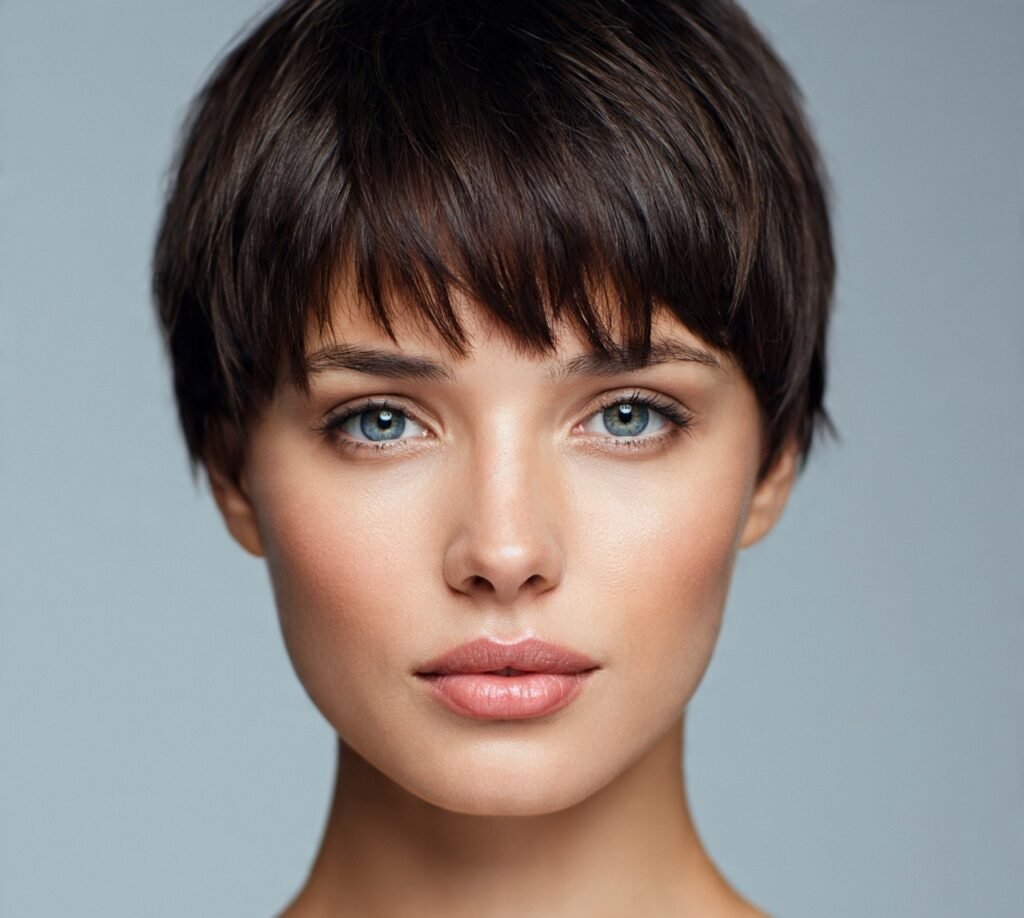
Combining a pixie bob with short, high-set micro bangs creates a bold, statement-making silhouette that requires genuine confidence but rewards the wearer with a distinctive, head-turning result unlike almost any other variation in this category. The bangs sit noticeably higher than traditional fringe, often landing mid-forehead, which works best on oval and heart-shaped faces with proportionally smaller foreheads that can accommodate the dramatic placement. Straight, medium-density hair produces the cleanest, most defined line for this particular style. This is a high-maintenance choice, requiring trims every two to three weeks to preserve the short length and crisp edge of both the bangs and the surrounding crop. Style with a small round brush and low heat, directing the bangs straight down, then finish with a touch of pomade to control any flyaways.
14. Disconnected Pixie Bob
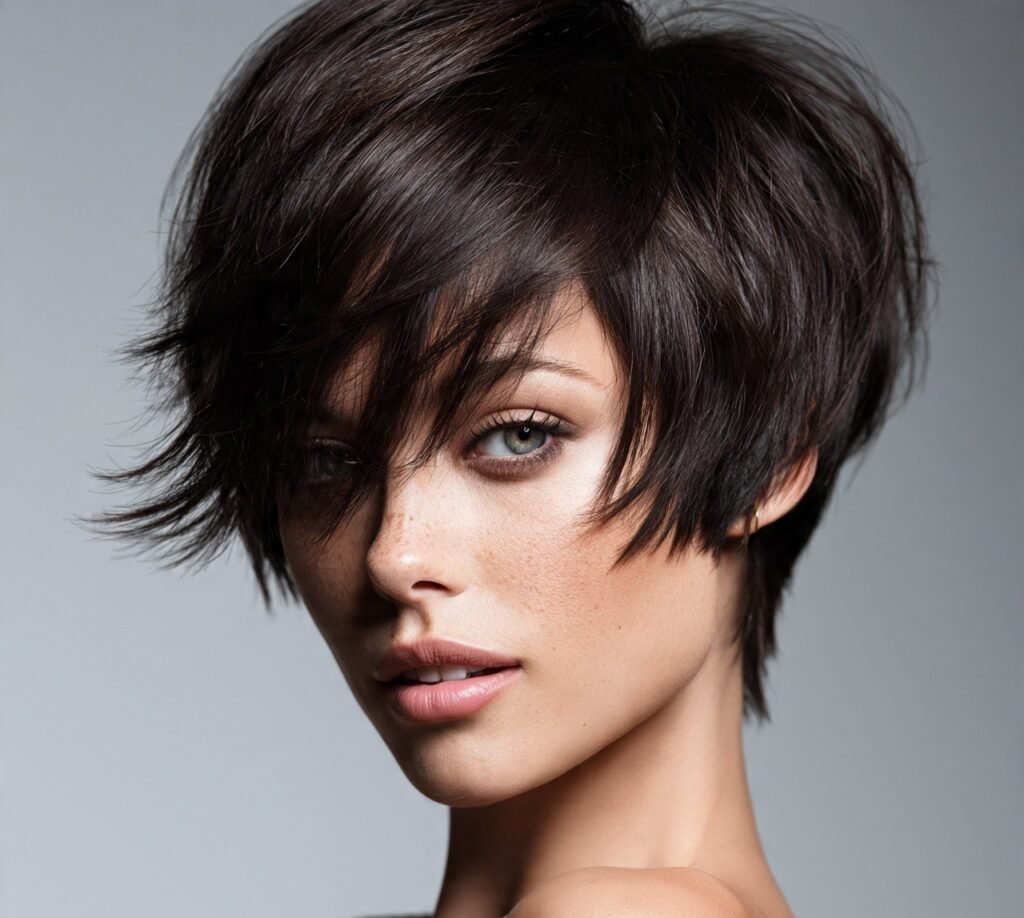
The disconnected pixie bob creates an intentional, visible break between the shorter back and side sections and the noticeably longer top, rather than blending the lengths smoothly together as most traditional cuts do. This deliberate contrast produces a bold, graphic effect that feels distinctly modern and editorial, appealing to women who want their cut to make a clear, confident statement. It suits thick or coarse hair particularly well, as the disconnection technique removes significant bulk from the shorter sections while preserving length and movement on top. This style flatters oval and square face shapes especially. Style the top section using a flat iron for a sleek, polished finish, or work a texturizing paste through for a more piece-y, undone effect that emphasizes the dramatic length contrast even further.
15. Pixie Bob with Subtle Highlights
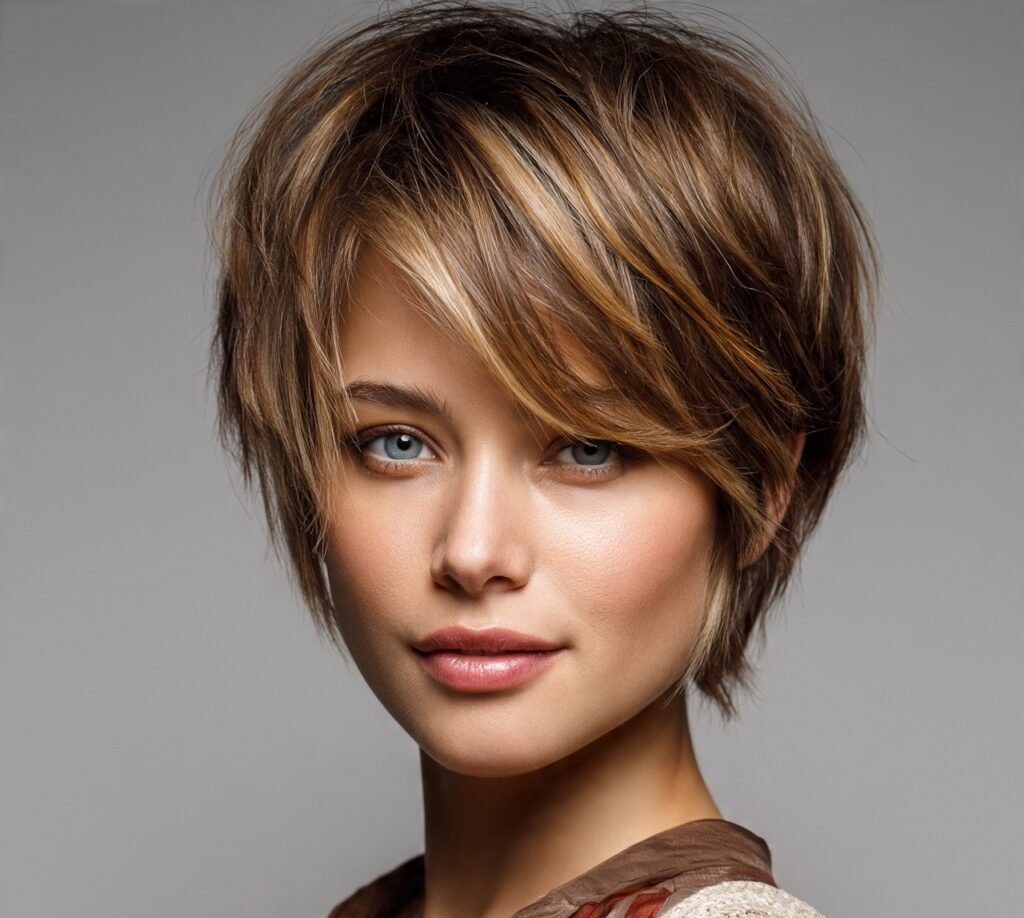
Adding subtle highlights throughout a pixie bob introduces gentle dimension without overwhelming the cut’s inherent structure, placing lighter pieces strategically through the top and front sections where they catch the most light and draw attention to the face. This understated approach suits women who want added depth and visual interest without the commitment of a more dramatic color transformation, since the highlights remain a complementary detail rather than the central feature of the style. It works on virtually any base color and flatters most skin tones depending on the specific shade chosen. This technique grows out gracefully, requiring touch-up appointments only every ten to twelve weeks. Maintain vibrancy with a color-safe shampoo and a glossing treatment applied periodically between salon visits.
16. Tousled Beachy Pixie Bob
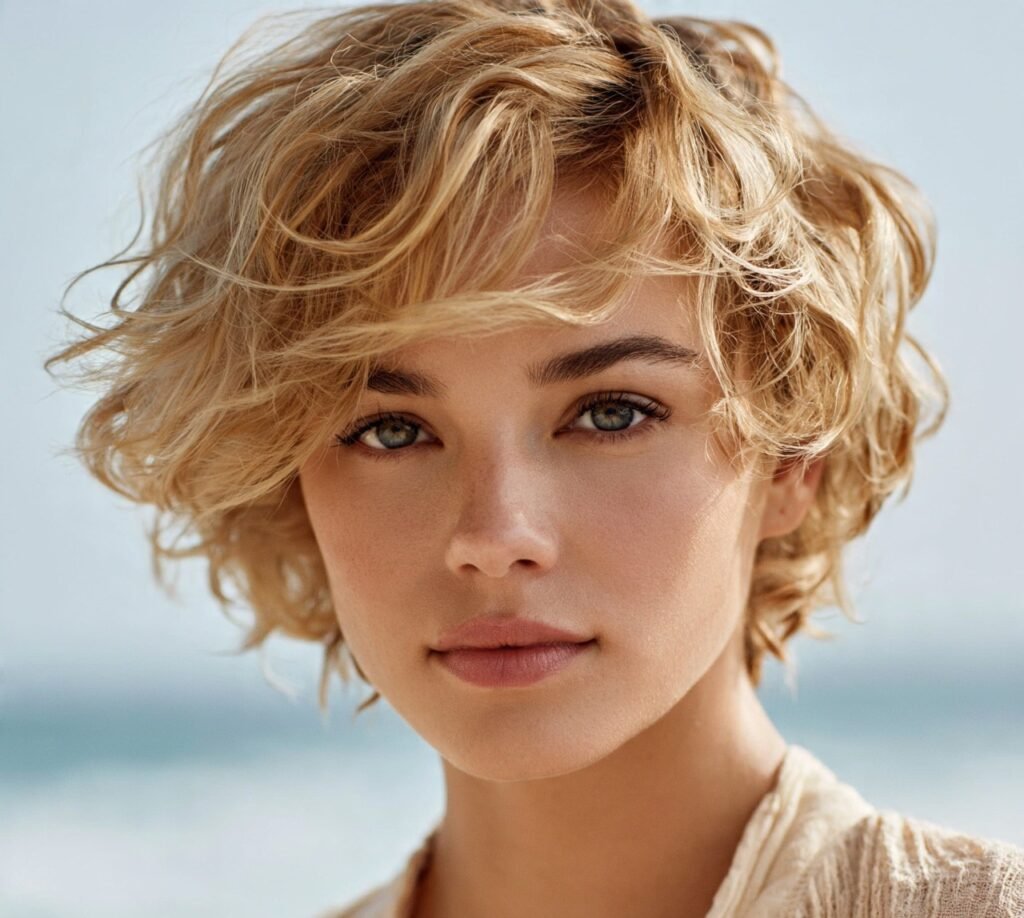
The tousled beachy pixie bob embraces a relaxed, sun-kissed energy through soft, undone texture and a slightly imperfect finish that feels effortlessly cool rather than carefully constructed or overly polished. This style suits naturally wavy or straight hair equally well, with straight-haired women recreating the texture using a small wand on the longer top sections and leaving the ends slightly looser for an authentically undone quality. It flatters nearly every face shape thanks to its forgiving, relaxed nature, though it looks especially charming on round and oval faces. A texturizing sea salt spray applied to damp hair before air-drying enhances natural texture beautifully. This cut requires minimal daily maintenance, making it an excellent choice for anyone who prefers a quick, low-effort morning routine that still looks intentional and stylish.
17. Pixie Bob with Color-Block Fringe
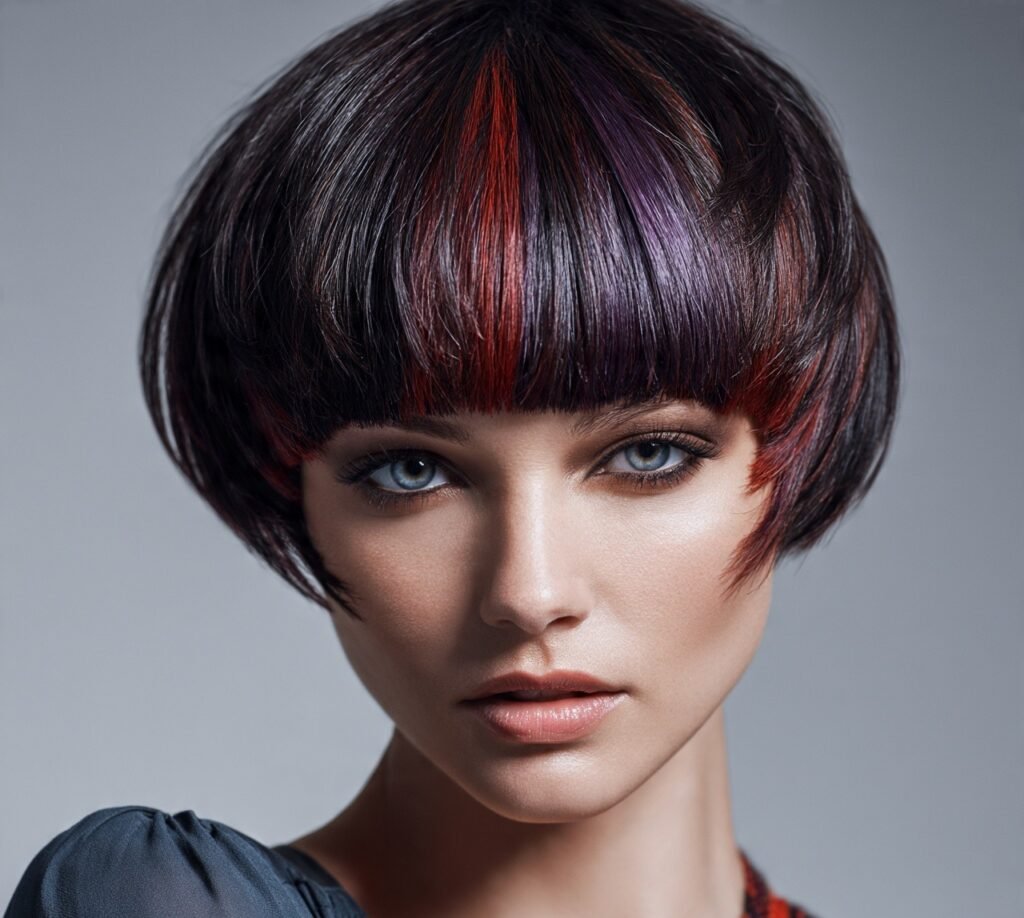
The pixie bob with a color-block fringe introduces a bold, contrasting color placed specifically through the bangs or front section, creating a striking focal point that distinguishes this version from every other variation in this category through pure creative expression. Popular combinations include a platinum or pastel fringe against a darker base, or a vivid fashion color like cherry red or electric blue isolated entirely to the front pieces. This approach suits adventurous personalities who want a hairstyle that reflects genuine individuality and creative confidence. It works on any base color and any pixie bob length, though it shows up most vividly against darker, contrasting bases. Maintain the color-blocked section using a color-depositing conditioner and touch up the contrast every four to six weeks as fashion colors fade more quickly than natural tones.
How to Choose the Right Pixie Bob for Your Hair Type
Choosing the most flattering pixie bob begins with understanding how your natural hair texture will behave once cut into this particular hybrid shape, since the combination of cropped sections and longer pieces interacts differently depending on density and curl pattern. Fine or thin hair benefits most from textured or disconnected versions, where strategic cutting techniques build the appearance of volume that the natural strand count cannot provide alone. Thick or coarse hair thrives with undercut or disconnected variations that remove significant bulk while preserving enough length on top for genuine styling versatility. Curly and coily textures require dry-cutting performed by a stylist experienced specifically with natural hair patterns, ensuring the finished shape sits correctly once curls fully contract into their resting state.
Best Face Shapes for Pixie Bob Hairstyles
The pixie bob’s combination of cropped structure and longer, face-framing pieces makes it remarkably adaptable across a wide range of facial proportions, provided you select the specific variation suited to your particular shape. Oval faces enjoy the greatest flexibility, suiting nearly every version within this category without restriction. Round faces look most balanced in asymmetrical cuts or styles featuring vertical lift at the crown, both of which introduce length that counters circular fullness. Square faces soften beautifully with side-swept fringe or curtain-style bangs that introduce curves to balance naturally angular jawlines. Heart-shaped faces shine in versions with added length through the chin area, while diamond faces benefit significantly from styles emphasizing width at the cheekbones balanced against a slightly fuller forehead and chin.
Styling and Maintenance Tips for Pixie Bob Hairstyles
Maintaining a pixie bob requires noticeably more frequent trims than longer hairstyles, since the shorter, structured sections grow out and lose their precise shape far more visibly and quickly than longer lengths ever would. Schedule a trim every three to five weeks for styles with undercuts or sharp disconnection, and every five to seven weeks for softer, more textured variations that rely less on precise lines. Invest in a small round brush specifically sized for shorter hair, as standard full-size brushes often prove too cumbersome for styling cropped sections effectively. A lightweight pomade or texturizing paste becomes an essential daily product, providing the hold and definition that shorter hair typically needs to maintain its shape throughout a full day of movement and activity.
How to Ask Your Hairstylist for This Look
Communicating clearly with your stylist matters enormously for a pixie bob, since this hybrid style involves multiple length zones that all need precise direction to achieve the balanced, intentional result you are picturing. Bring two to three reference photos showing the cut from multiple angles, paying close attention to exactly how short the back and sides sit compared to the length remaining on top. Describe the back and side length using clear comparisons such as “shaved close like a number two guard” or “an inch of length remaining,” since vague terms like “short” mean very different things to different stylists. Specify how you want the top section to transition into the shorter sides whether you prefer a smooth blend or a deliberately disconnected, contrasting line as this single detail dramatically changes the overall character of the finished cut. Be honest about how much daily styling time you realistically have, since some pixie bob variations require considerably more product and effort than others to maintain their full, intended shape.
Frequently Asked Questions About Pixie Bob Hairstyles
Q: What is the difference between a pixie cut and a pixie bob?
A traditional pixie cut keeps the entire head relatively short and close-cropped throughout, while a pixie bob specifically retains additional length through the sides, back, or top, blending the practicality of a pixie with the softer, more flowing quality typically associated with a bob. The pixie bob essentially offers more styling versatility than a classic pixie, since the extra length allows for sweeping, tucking, or even loosely curling certain sections.
Q: Will a pixie bob work for thick, coarse hair?
Pixie bobs work beautifully on thick hair when the cut incorporates strategic layering or an undercut technique to remove bulk from the shorter sections. Without this adjustment, very thick hair can make cropped styles appear disproportionately heavy or triangular in shape. Discuss your hair’s natural density honestly with your stylist so they can select the cutting technique that allows the style to sit cleanly rather than feeling overly bulky.
Q: How often do I need to trim a pixie bob to maintain its shape?
Pixie bobs generally require more frequent trims than longer haircuts, typically every three to five weeks for sharper, more structured versions and every five to seven weeks for softer, more textured interpretations. The shorter sections grow out and lose their precise lines considerably faster than longer hair, making consistent maintenance essential to keeping the style looking intentional rather than simply overgrown.
Q: Can I still wear my hair up with a pixie bob?
Most pixie bob variations are too short throughout the back and sides to gather into a traditional ponytail or bun, though versions with longer top sections often allow for small, creative styling options like a tiny half-up twist or simply sweeping the longer pieces backward and securing them with a decorative clip. If wearing your hair up regularly matters to you, discuss this priority with your stylist so they can retain slightly more length specifically for that purpose.
Q: Is a pixie bob a good low-maintenance option?
Many pixie bob variations genuinely qualify as low-maintenance, particularly textured or wavy versions that look intentional even with minimal daily styling. However, the trade-off comes in trim frequency, as shorter cuts require salon visits considerably more often than longer hairstyles to maintain their precise shape. Consider both daily styling time and trim frequency together when evaluating how truly low-maintenance a specific version will be for your lifestyle.
Q: What face shapes should avoid certain pixie bob styles?
Very few face shapes need to avoid the pixie bob category entirely, though specific variations work better than others depending on individual proportions. Round faces generally benefit from avoiding styles with excessive width at the sides, favoring instead versions with vertical lift or asymmetry. Those with very high foreheads may want to avoid micro bangs placed too far back, opting instead for longer, side-swept fringe that provides more forehead coverage and balance.
Conclusion
The pixie bob proves that a haircut does not need to choose between bold and beautiful, offering genuine versatility across nearly every hair type, face shape, and personal style preference imaginable. From sleek, polished sophistication to curly, natural-texture celebration, the seventeen variations covered in this guide give you a real foundation for choosing a cut that authentically reflects your personality rather than a generic copy pulled from someone else’s inspiration board. Walk into your next salon appointment with clear references and confident, specific language, and you will leave with a pixie bob that feels every bit as striking in real life as it looked saved on your phone.