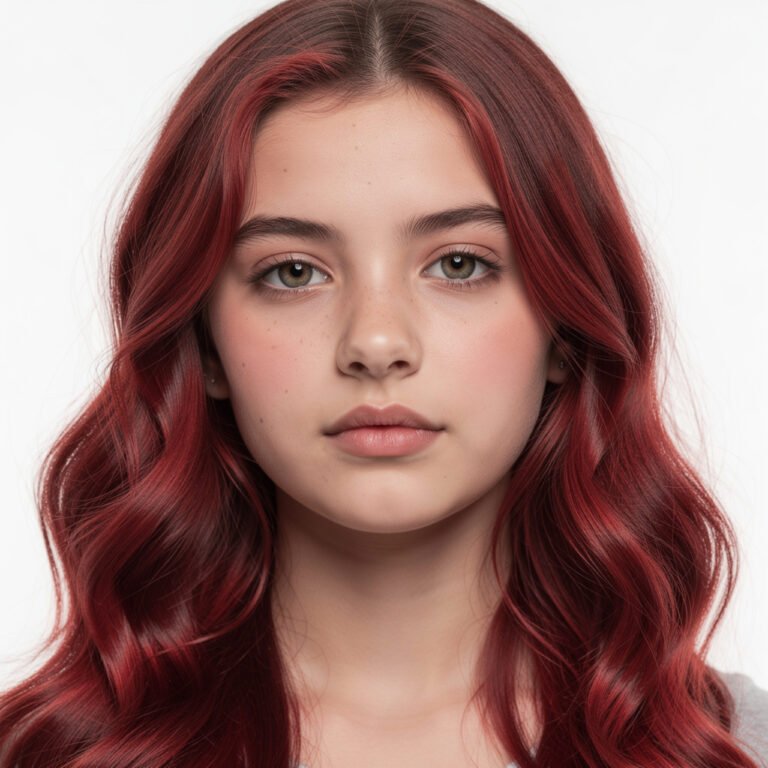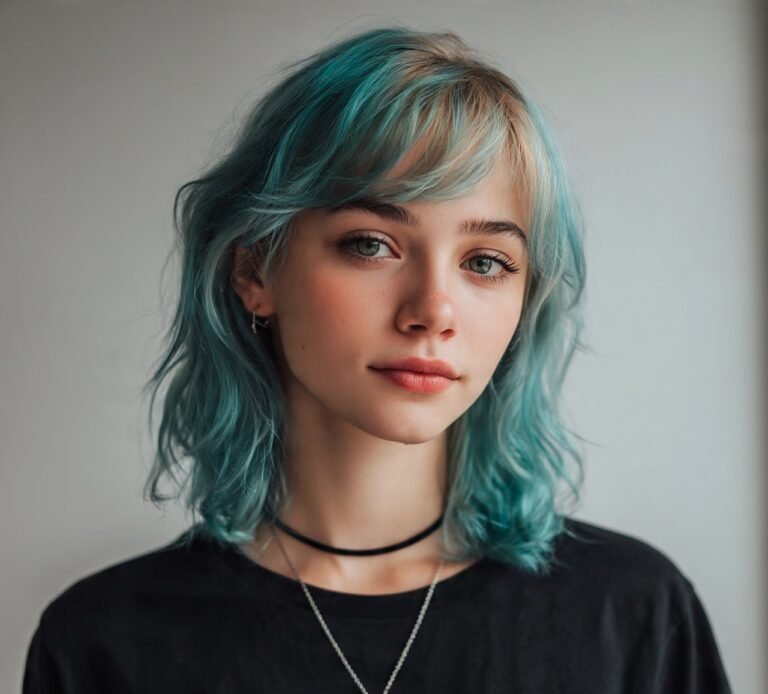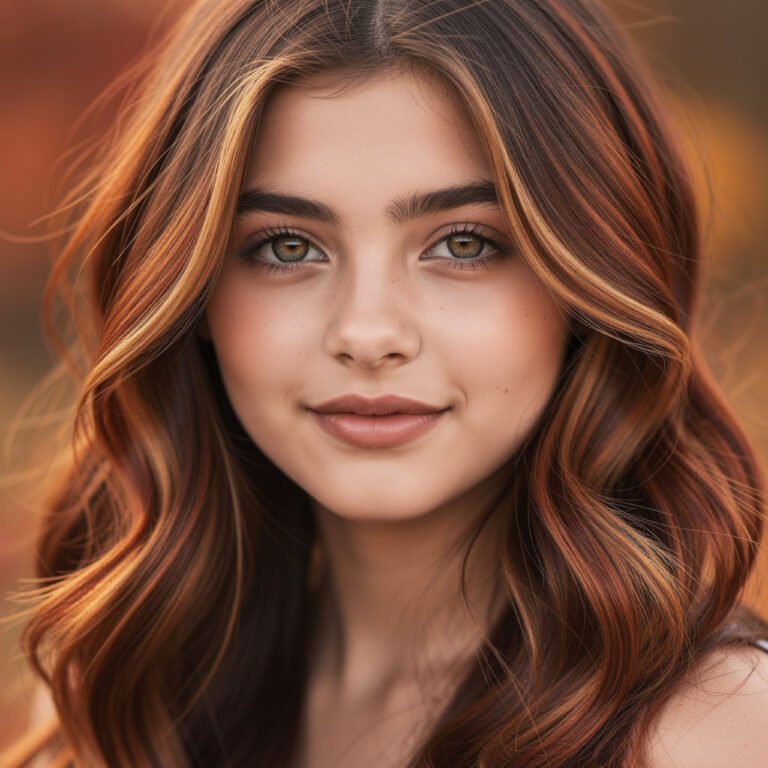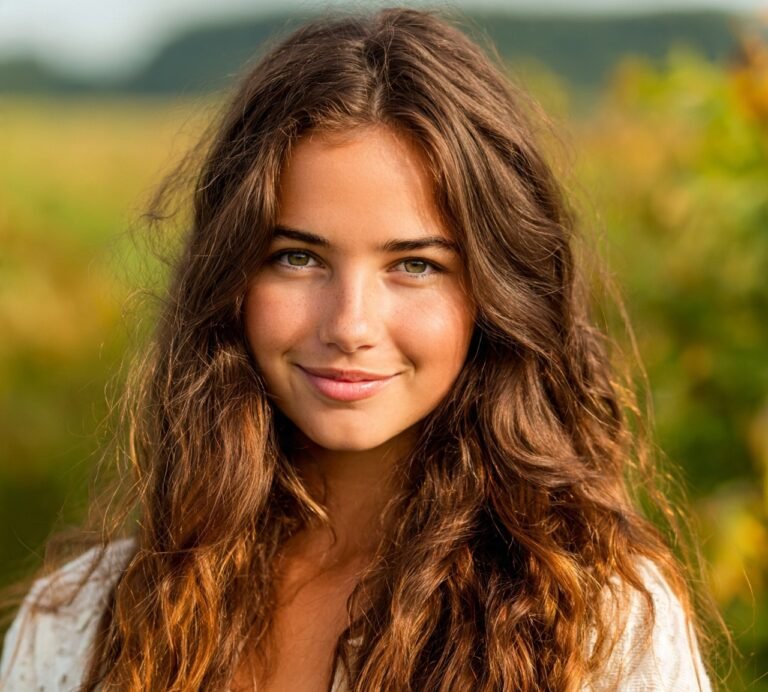
14 Trending Dark Red Hair Color Ideas You’ll Want to Try Now
If you’ve been saving dark red hair color pins all week and your camera roll is overflowing with burgundy balayage and deep crimson inspiration, you are already halfway to your next favorite look. There is something irresistibly magnetic about red tones that sit on the deeper end of the spectrum; they feel bold without being loud, dramatic without demanding too much upkeep, and endlessly flattering across a wide range of skin tones. Whether you’re a natural brunette ready to add warmth and dimension or someone completely new to coloring, the world of dark reds has a shade waiting specifically for you.
Dark Red Hair Color Ideas Worth Bookmarking
This guide goes far beyond a photo gallery; it gives you the knowledge, vocabulary, and confidence to walk into any salon and leave looking exactly like the version of yourself you’ve been picturing on that Pinterest board.
1. Burgundy Brown Balayage Red Hair Color
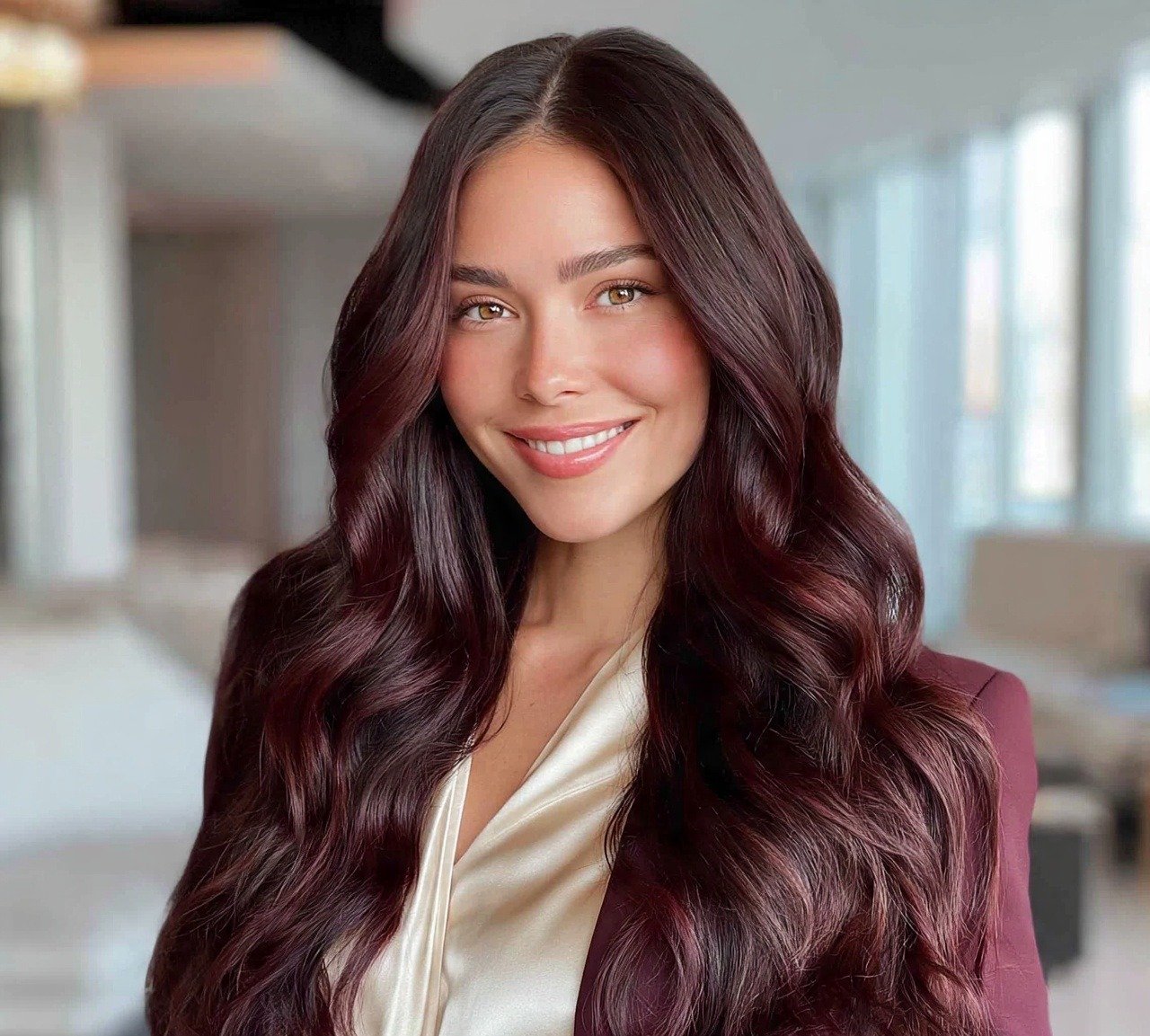
Burgundy brown balayage sits at the intersection of sophistication and wearability, making it one of the most requested salon services for anyone craving depth without a full commitment to a single process color. The technique involves hand painting darker burgundy tones through a medium brown base, creating a seamless gradient that mimics the way sunlight naturally moves through hair. Because the roots are left relatively untouched, regrowth blends in gracefully a major advantage for low maintenance lifestyles. This look works beautifully on wavy and straight textures, and it flatters oval, heart, and square face shapes equally. Ask your colorist for a cool toned burgundy to complement fairer complexions, or a warmer mahogany burgundy to enhance deeper skin tones.
2. Deep Cherry Red Hair Color
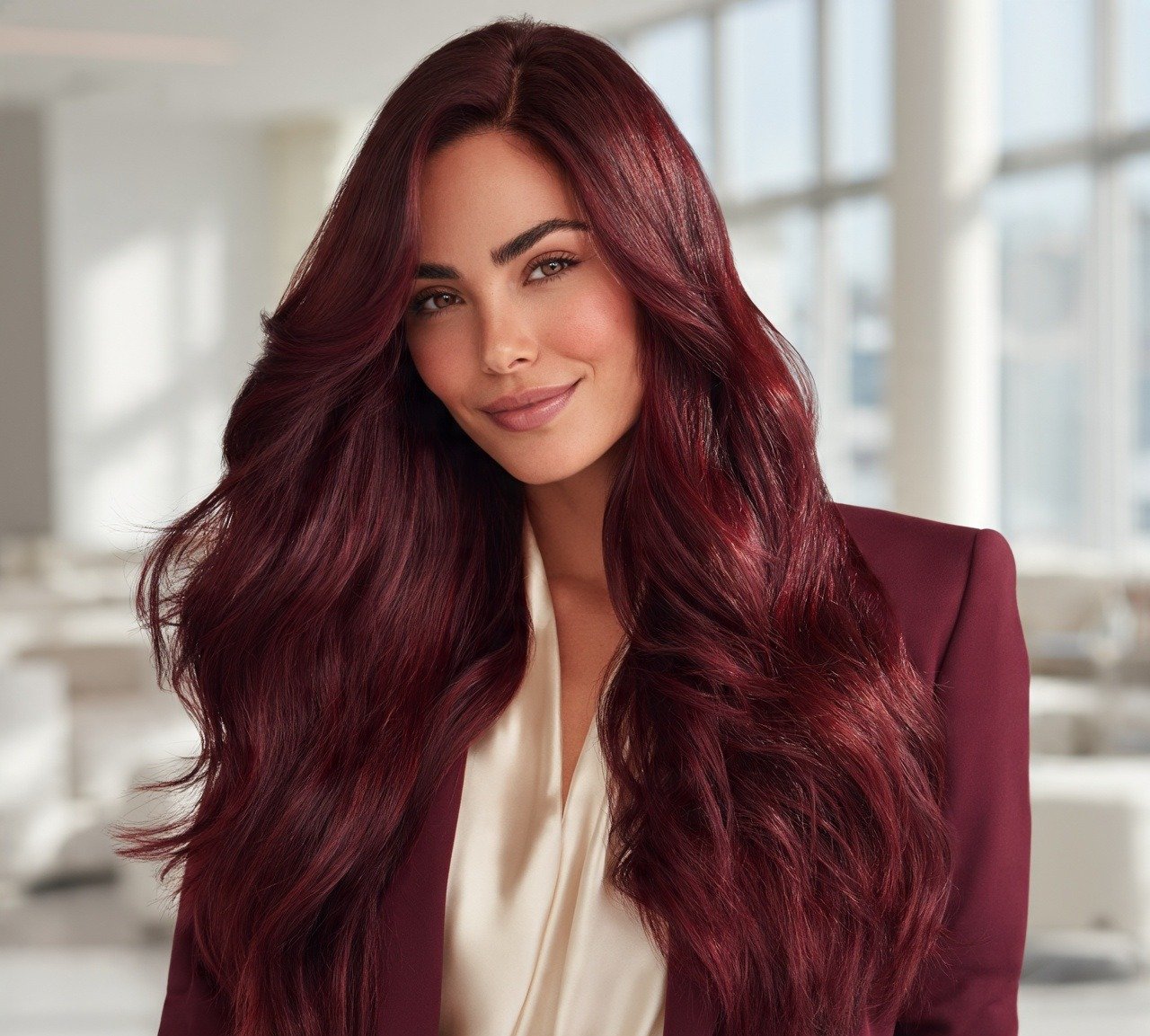
Deep cherry red is the shade for someone who wants to make a statement while keeping things rooted in the natural color family. It reads as a rich, jewel toned red under bright lighting and shifts into a deep, almost blackened crimson in softer environments giving you two distinctly different looks throughout the day. This color performs exceptionally well on medium to coarse hair textures because the density of the strand holds pigment longer and showcases the hue’s full vibrancy. Oval and long face shapes tend to benefit most from an all over application, while those with rounder features might ask for slightly deeper roots to create vertical elongation. Pair with a glossing treatment post color to intensify that signature shine.
3. Mahogany Red Hair Color
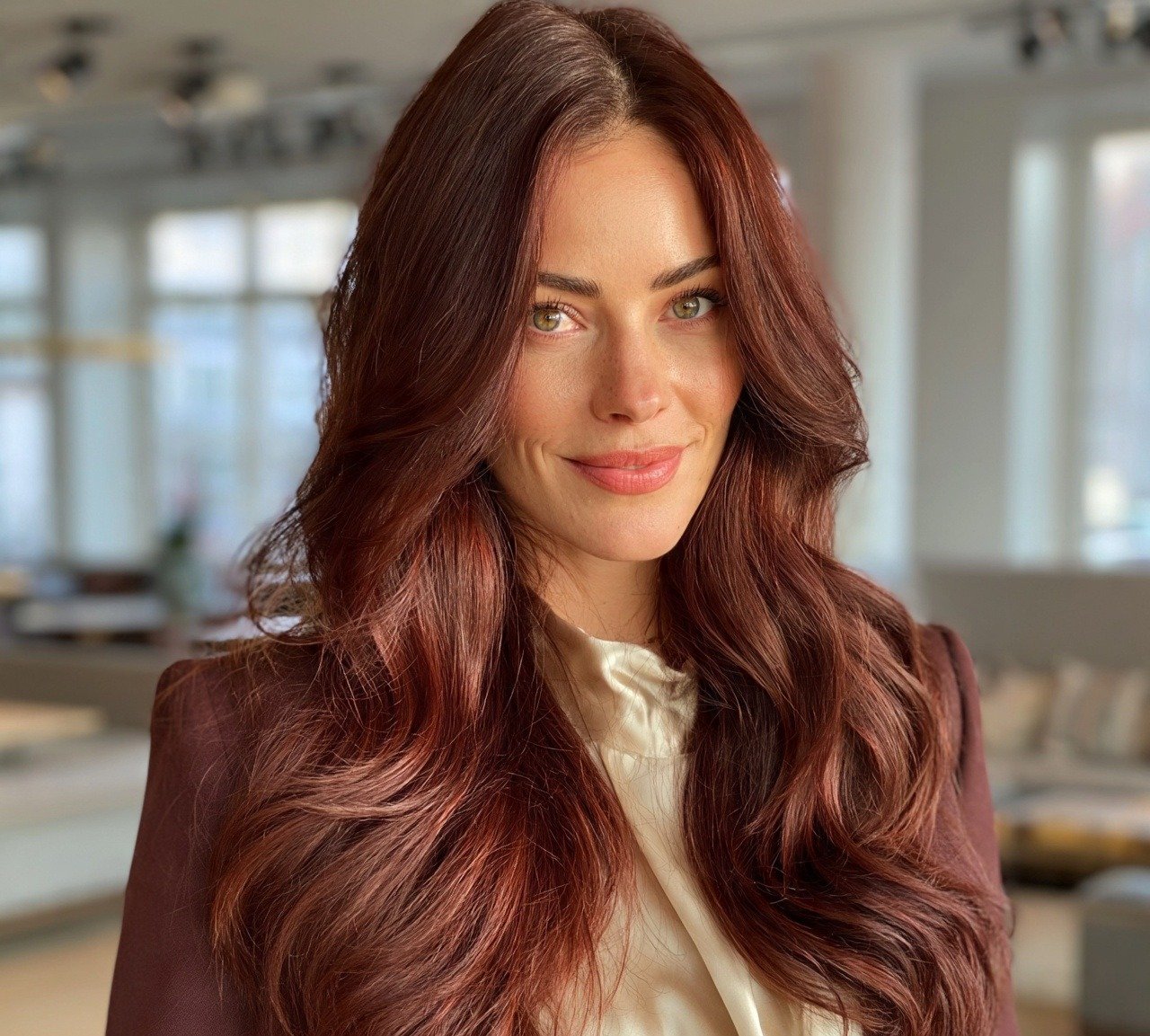
Mahogany red blends red and brown in proportions that feel grounded and elegant rather than overtly bold, making it an ideal entry point for first time color clients who are curious about the red family. The warmth of mahogany reads as dimensional and multi tonal, catching light in a way that makes hair appear thicker and more voluminous a genuine bonus for anyone with fine or thin strands. This tone flatters warm and neutral undertones in the skin particularly well, complementing golden, olive, and medium complexions with a richness that feels almost custom made. Styling with a large barrel curling iron amplifies the multi dimensional quality of mahogany, pulling out its copper and auburn undertones in the most flattering way. It photographs remarkably well in both natural and artificial lighting.
Learn More About Dark Brown Hair Color.
4. Oxblood Red Hair Color
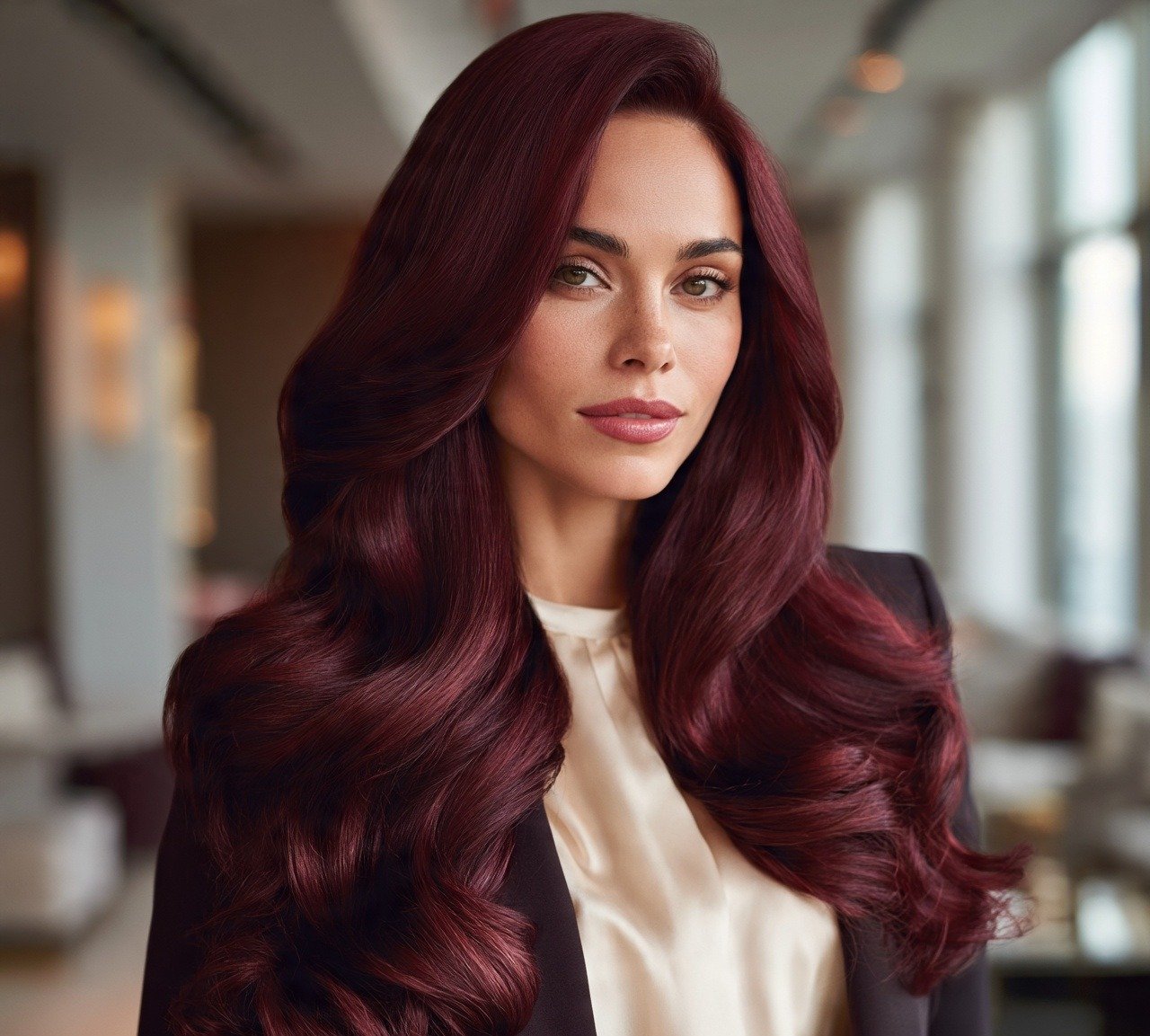
Oxblood red is the darkest, moodiest member of the dark red family, a shade so deep it flirts with the boundary between red and black, making it an exceptional choice for someone drawn to dramatic, editorial aesthetics. Unlike lighter reds, oxblood does not scream for attention; it commands it quietly, lending an air of mystery and polish to virtually any haircut, from a sleek lob to a blunt pixie. Because the base is so dark, maintenance between appointments is relatively forgiving, fading tends to look intentional rather than neglected, gradually revealing softer red undertones as weeks pass. This shade is especially striking on porcelain and deep complexions, where the contrast creates a high impact effect. Matte styling products preserve the depth and prevent unwanted shine that can dilute the color’s drama.
5. Auburn Balayage on Dark Hair Red Hair Color
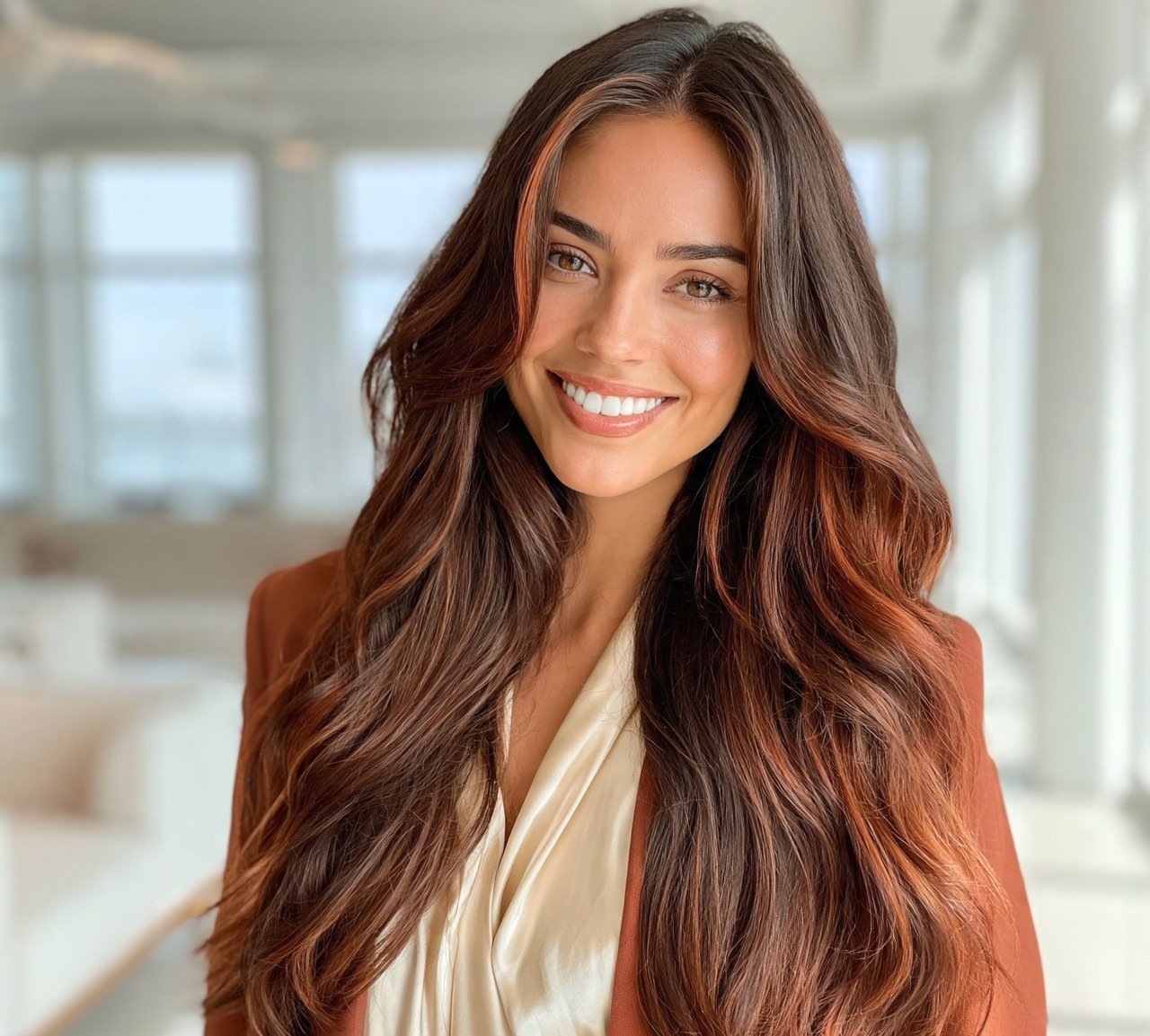
Auburn balayage applied over a dark brown or near black base is one of the most flattering transitions a brunette can make; it adds warmth, dimension, and personality without straying far from the natural color family. The colorist paints copper and auburn tones through the mid lengths and ends, leaving the roots dark and untouched to create contrast that feels both natural and intentional. This approach works across all hair textures, though it appears especially lush on wavy and curly hair where the color wraps around each bend and catches light differently at every angle. Face framing pieces in a slightly brighter auburn draw attention to the eyes and cheekbones without requiring a full head application. Refresh color with a toning gloss every six to eight weeks to maintain brightness between salon visits.
6. Dark Red Ombre Hair Color
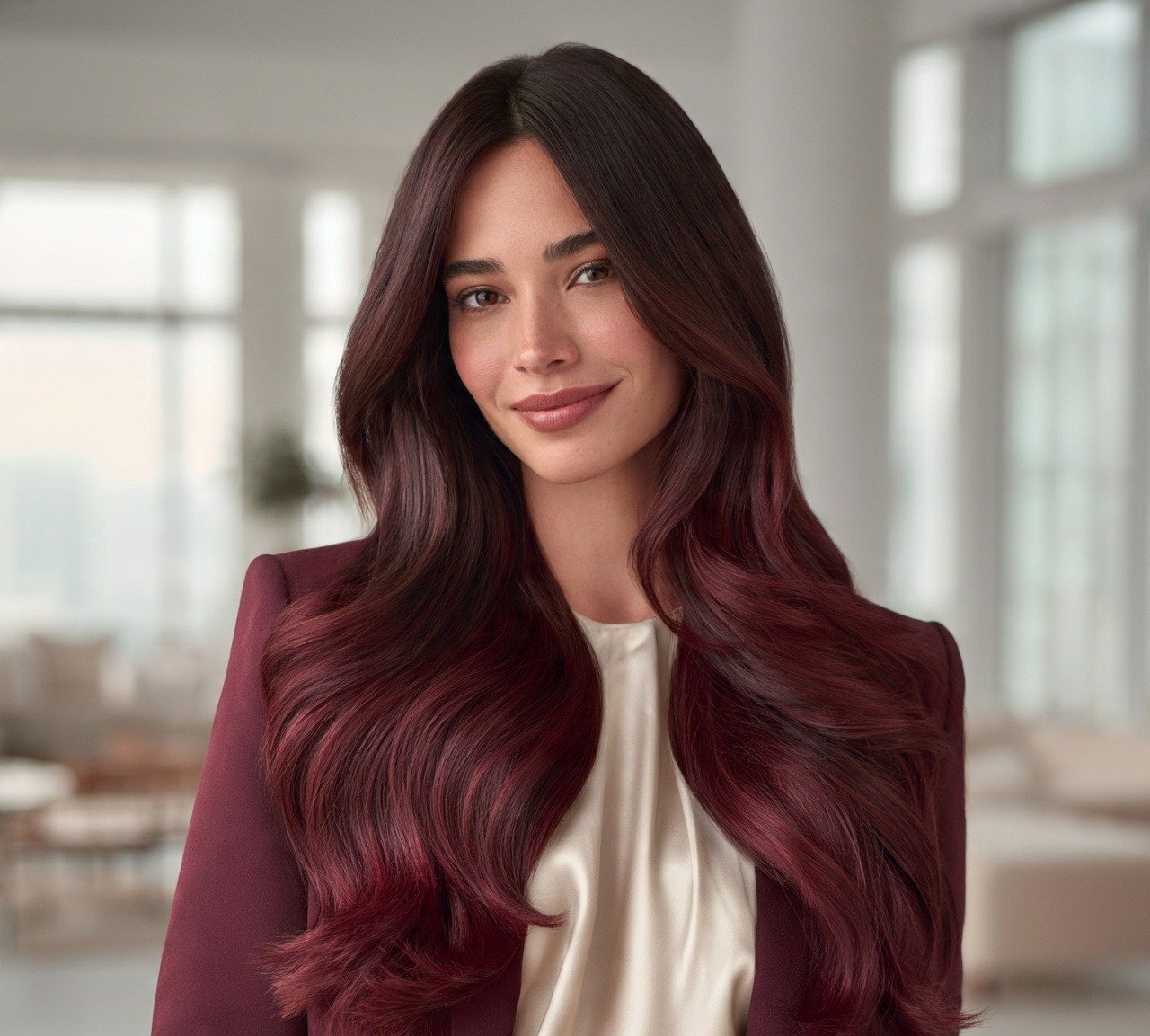
Dark red ombre transitions from a deep, near black root all the way down to a vivid crimson or bright auburn at the tips, creating a gradient effect that feels modern, artistic, and surprisingly versatile. The beauty of ombre is in its gradient; the darker the root, the more dramatic and polished the final result appears, while a softer transition reads as effortlessly sun kissed. Long hair showcases the full range of this color journey most effectively, though a mid length cut with layers can display the gradient beautifully too. Those with textured or naturally wavy hair will find the ombre effect almost painterly in appearance, as each curl catches a different point along the color spectrum. Using a sulfate free shampoo from day one significantly extends the vibrancy of both ends.
7. Brick Red Hair Color
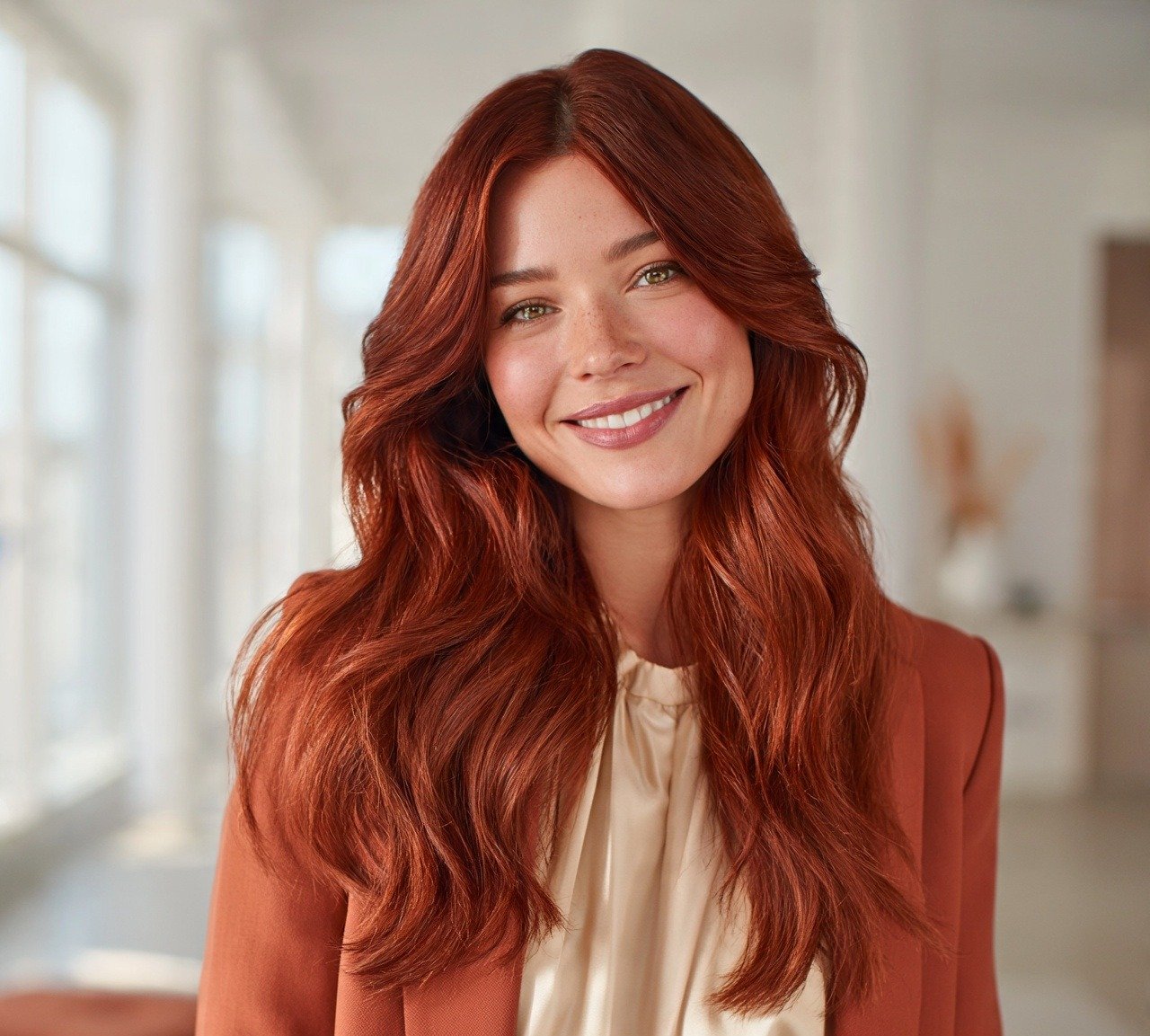
Brick red is a warm, terracotta adjacent shade that bridges the gap between orange red and true red, creating a color that feels both on trend and deeply wearable for everyday life. It carries an earthy quality that makes it far more approachable than traditional fire engine reds, and it harmonizes beautifully with autumn wardrobes filled with mustard, forest green, and camel tones. Medium skin tones with warm or neutral undertones wear this color most effortlessly, though a skilled colorist can adjust the formula to suit a broader range of complexions. Brick red fades gracefully, shifting toward a softer copper or rose brown over time that many clients actually prefer to the original result. Styling with a texturizing spray or dry shampoo gives this shade an almost editorial, lived in quality that photographs exceptionally well.
8. Dark Copper Red Hair Color
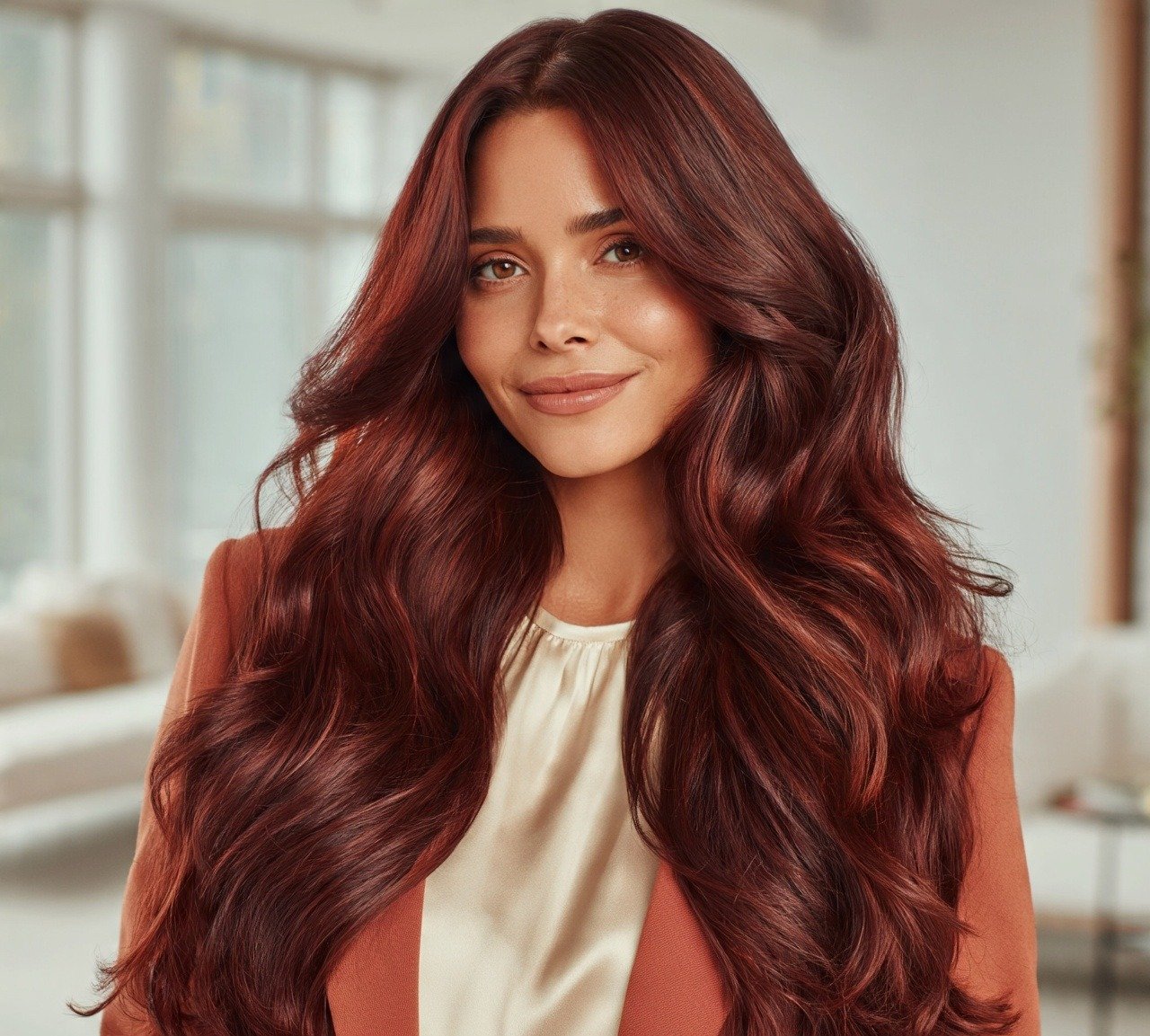
Dark copper red sits at the crossroads of warmth and richness, offering all the vibrancy of traditional copper with the added depth of a red brown undertone that prevents it from reading as too bright or overly orange. This is an ideal option for natural redheads who want to deepen and enhance their existing tone, as well as for brunettes looking to introduce warmth without venturing into full coverage territory. The shade responds beautifully to sunlight, shifting between amber, copper, and deep red depending on the angle and intensity of light making every outdoor photo a genuinely remarkable moment. Diamond and oval face shapes carry this color with particular elegance because the warmth draws attention upward and frames the features. A hydrating color protecting mask used once weekly keeps copper tones from going brassy prematurely.
9. Crimson Red with Dark Roots Hair Color
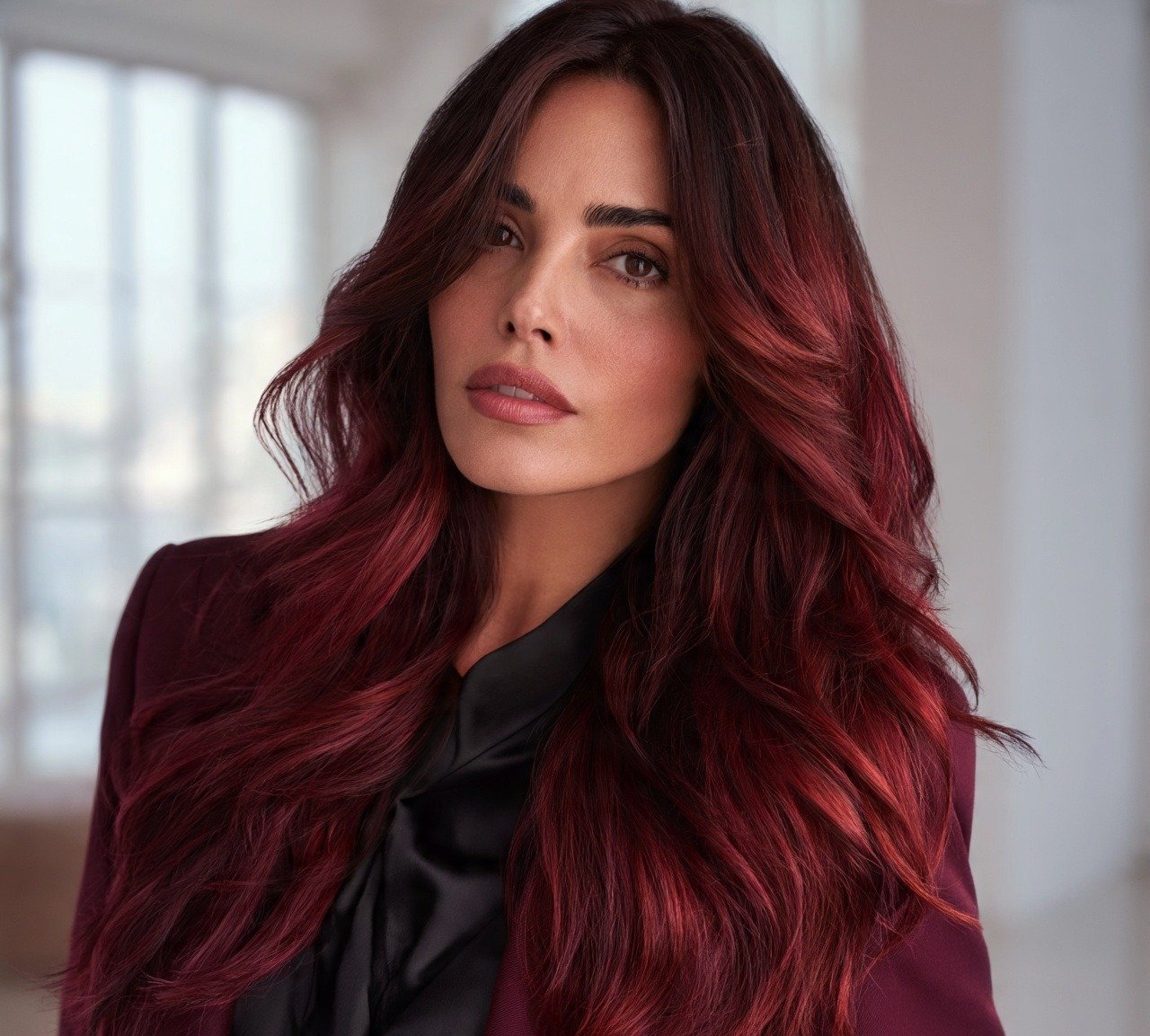
Crimson red with intentionally dark roots has become a staple of modern color technique precisely because it solves the maintenance problem that keeps so many people away from vivid red shades. By keeping the roots naturally dark whether through shadow root technique or simple growth the overall look remains polished and purposeful for far longer than a single process crimson application would allow. The contrast between the dark base and bright crimson creates a dimensional effect that adds visual weight and body to finer hair textures, making strands appear fuller and more voluminous from root to tip. Crimson reads as cool toned red, which means it complements fair to medium complexions with pink or neutral undertones particularly beautifully. A weekly purple tinted shampoo prevents unwanted warmth from developing as the color matures.
10. Plum Red Hair Color
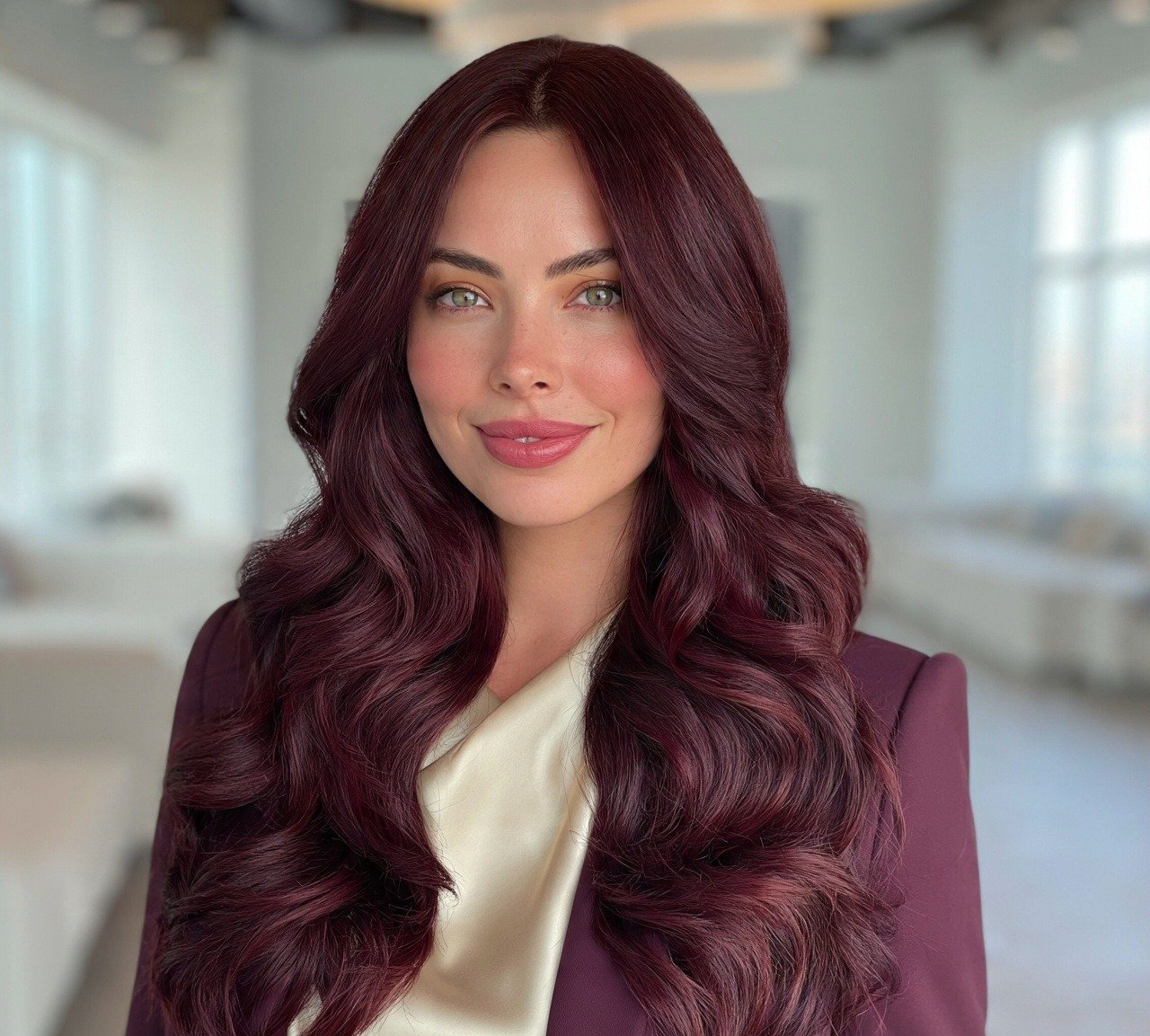
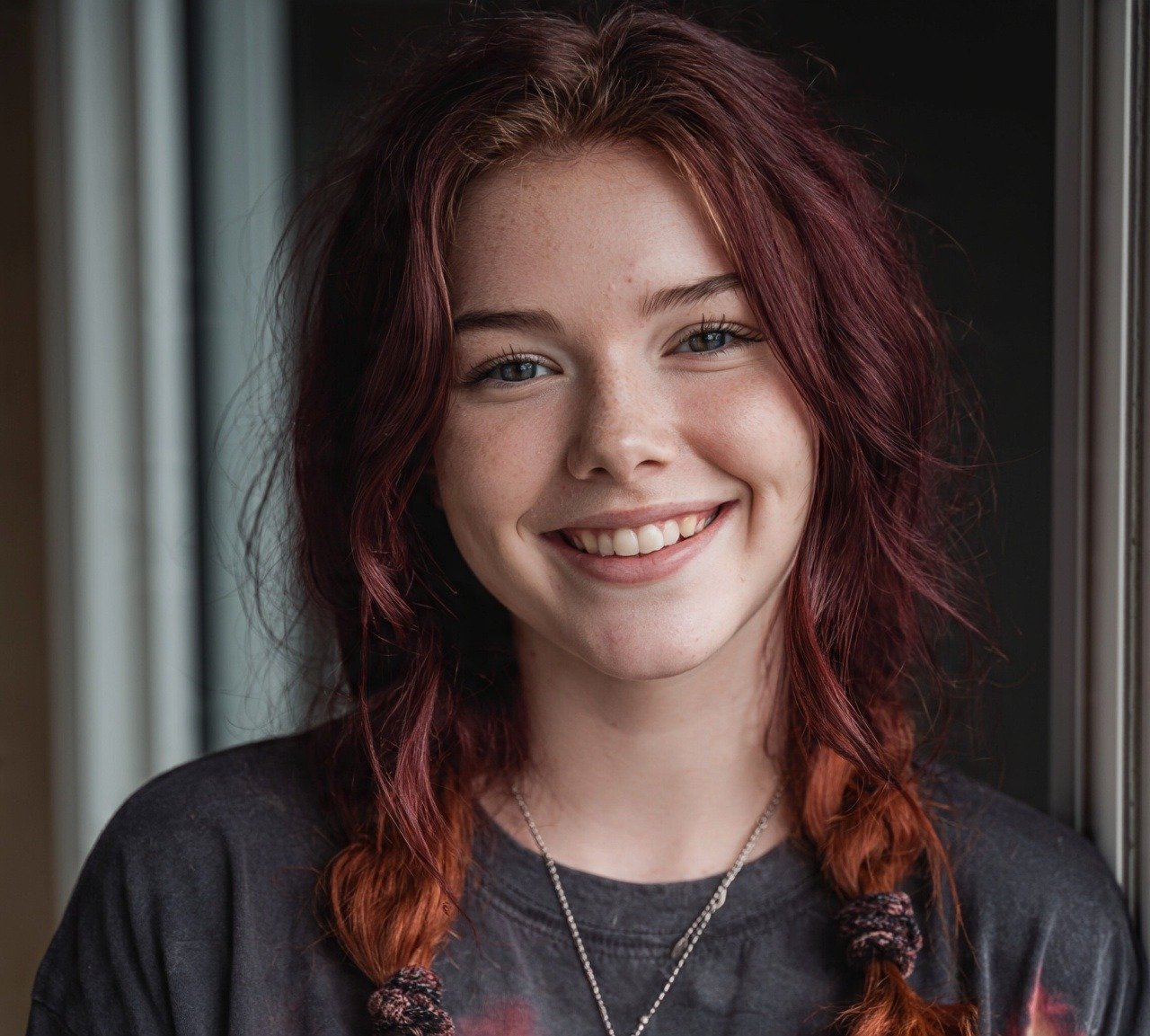
Plum red occupies a unique space in the dark red family; it leans toward violet and berry, making it feel simultaneously bold and deeply wearable for those who want color with a creative edge. The purple undertones in plum red interact with different lighting conditions in fascinating ways, appearing almost black in low light and revealing their full berry richness under bright or natural illumination. This shade is especially flattering on deep and medium complexions where the cool leaning tones create a luxurious contrast with warmer skin. Straight hair textures showcase plum red’s glossy, reflective qualities most effectively, though loose curls and waves add a romantic, dimensional quality that is equally appealing. Color protecting conditioner is non negotiable for maintaining the violet component, as purple pigments are among the fastest to fade.
11. Garnet Red Hair Color
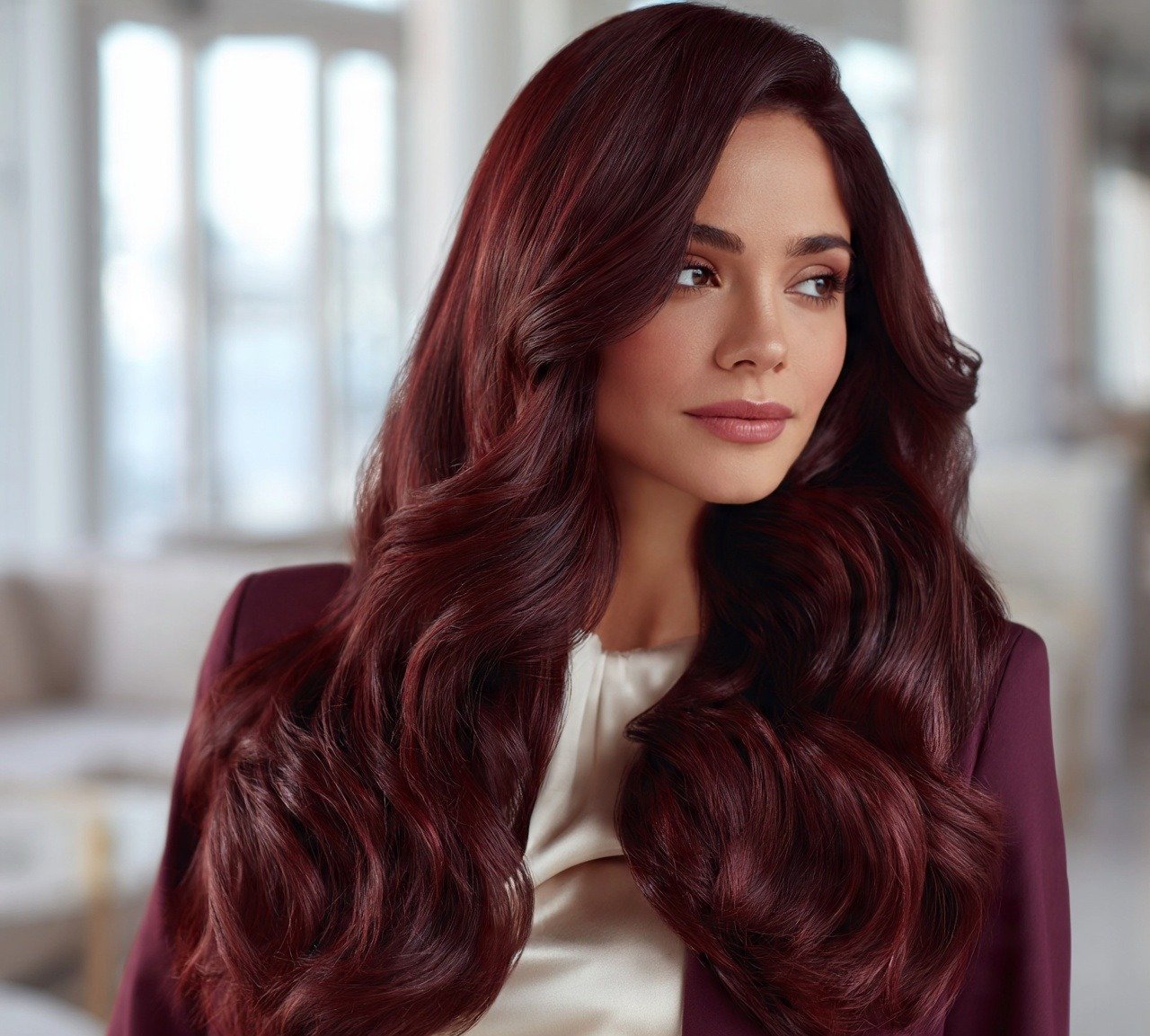
Garnet red is inspired by the deep, wine like gemstone; it references a color that carries both warmth and depth in equal measure, creating a tone that feels genuinely luxurious without being theatrical. Unlike brighter reds, garnet has enough brown in its composition to keep it firmly grounded in a natural looking palette, making it an excellent option for professional environments where vivid color might feel out of place. It works across a broad spectrum of skin tones but shines most brilliantly on medium to deep complexions where its richness creates a stunning visual harmony. Because garnet sits closer to the brown family than to true red, it tends to fade more gracefully and predictably, giving clients longer intervals between color appointments. Finishing with a high shine serum elevates the gemstone quality of this shade beautifully.
12. Dark Red Highlights (on Black Hair) Hair Color
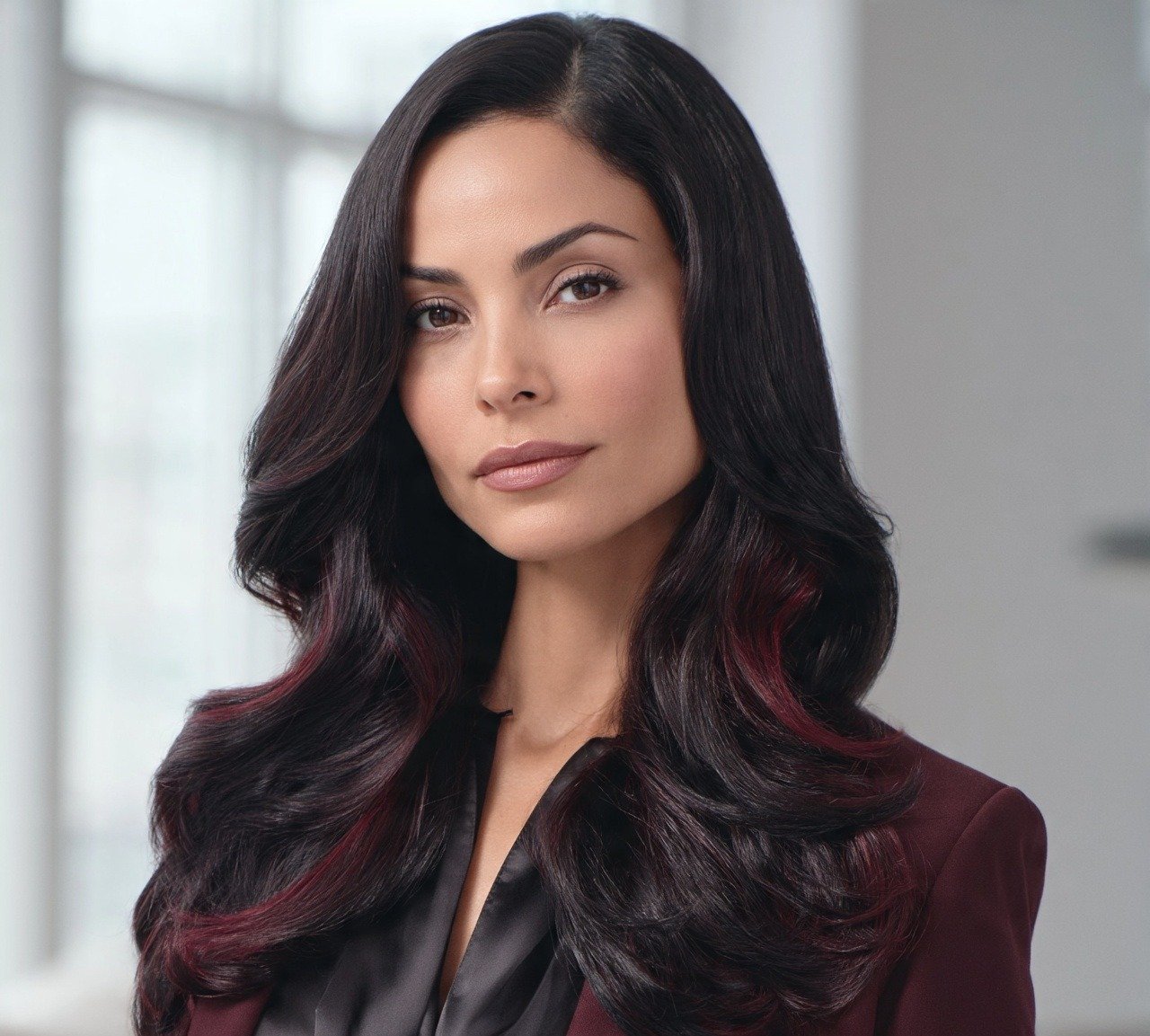
Adding dark red highlights to a black or near black base is one of the most transformative things a colorist can do with minimal product. The contrast between the base and the highlights creates dimension and movement that makes hair appear entirely different without a dramatic overall change. Highlights in shades of crimson, garnet, or deep auburn are strategically placed through the top layer and face framing sections, ensuring they catch light naturally when hair moves. This technique is particularly effective for individuals with thick, dense hair who want visible dimension without the upkeep of a full color service. Curly and wavy textures amplify the effect, with each spiral revealing a flash of red at its peak. The approach also allows for a very gradual color journey, with the ability to deepen or brighten highlights at each subsequent appointment.
13. Wine Red Hair Color
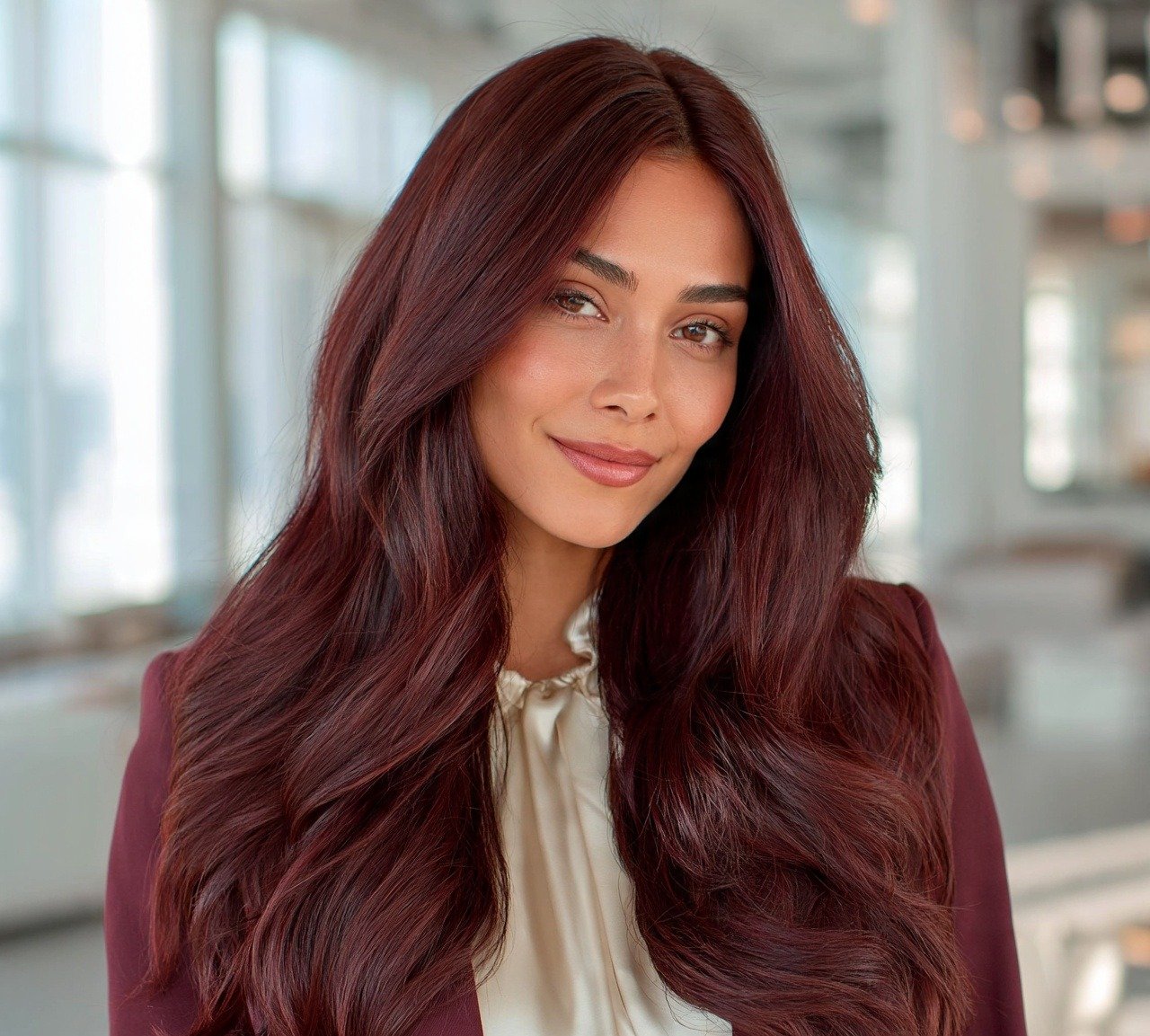
Wine red is the undisputed queen of romantic, cozy aesthetics, a shade that conjures candlelit dinners, velvet textures, and autumn evenings in equal measure. It occupies a sophisticated middle ground between burgundy and plum, carrying just enough warmth to feel inviting and just enough depth to remain thoroughly elegant. This color suits virtually every skin tone, though it is particularly breathtaking on olive and deep complexions where its richness creates a jewel toned effect that photographs like a dream. Wine red applied as a full coverage single process is ideal for those seeking a cohesive, polished result, while a balayage interpretation adds movement and dimension for a more modern finish. Using a color depositing conditioner in a matching wine or berry tone between appointments maintains the saturation beautifully.
14. Dark Red Babylights Hair Color
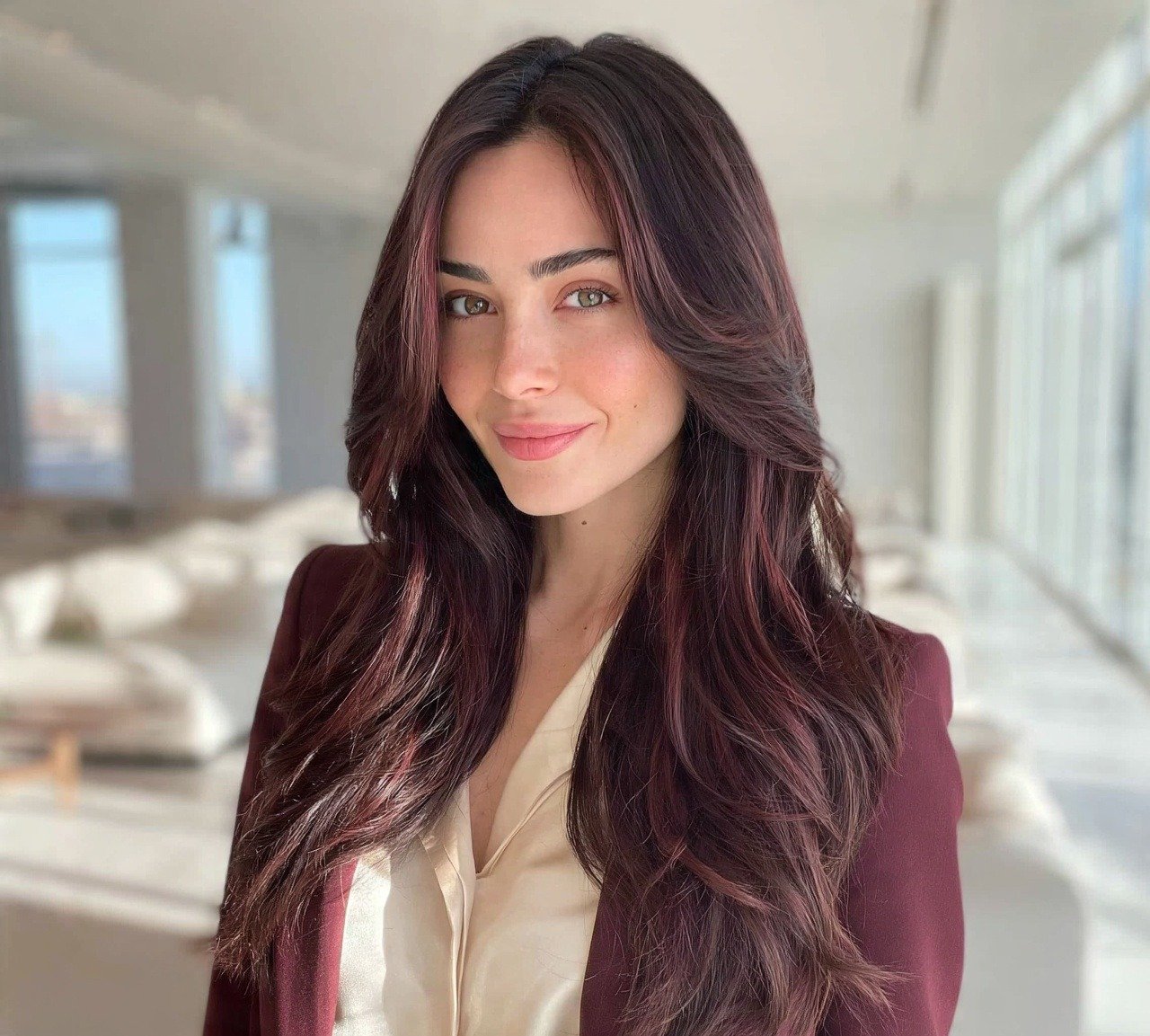
Babylights in dark red shades represent the finest, most delicate application of color in the red family, tiny sections of hair colored to mimic the subtle, natural variation found in children’s hair before sun exposure and chemical processing alter it. The result is an extraordinarily natural looking dimension, with red and auburn tones woven invisibly through a dark base in a way that enhances the overall color without dramatically altering it. This technique is the preferred choice for color curious clients who want to test the waters of the red family with minimal commitment and maximum plausibility of keeping the look professional. Fine to medium hair textures benefit enormously from babylights because the added dimension creates the optical illusion of greater density and fullness. Request a toning gloss over the finished babylights to soften any harsh lines and unify the overall color story.
How to Choose the Right Dark Red Hair Color
Selecting the perfect shade from within the dark red family requires more than simply pointing at a photo and hoping for the best. It involves understanding how your natural base color, skin tone, and lifestyle will interact with the chosen hue over time. Cooler skin tones tend to harmonize best with shades like plum red, crimson, and garnet, which carry enough blue or violet undertone to complement pink and neutral complexions. Warmer skin tones generally thrive with mahogany, brick red, and dark copper, which echo the golden and olive notes already present in the skin. Factor in your maintenance tolerance as well; the darker the red, the more forgiving it is as it fades and grows out, while brighter shades like cherry or crimson require more frequent salon visits to stay vibrant and intentional looking.
Best Hair Types and Face Shapes for Dark Red
Dark red hair color is genuinely one of the most universally flattering color families, but certain combinations of hair texture and face shape unlock its full potential in especially compelling ways. Thick, coarse hair holds red pigment exceptionally well and benefits from the visual weight that deep shades like oxblood and wine red provide. Fine hair gains the illusion of density from multi tonal techniques like balayage and babylights, which create depth and shadow that make strands appear more substantial. Oval face shapes have the greatest flexibility in pairing any dark red shade with any cut, while heart and square shapes benefit from deeper roots and lighter ends that draw the eye downward and soften stronger jaw or forehead lines.
Styling and Maintenance Tips for Dark Red Hair
Maintaining dark red hair between appointments is an investment in both time and product selection, but the right routine makes a significant difference in how long your color stays true and vibrant. Begin with a sulfate free shampoo and conditioner designed specifically for color treated hair sulfates strip pigment aggressively, which is particularly problematic for the red family since red molecules are among the smallest and fastest to escape the hair shaft. Washing with cool or lukewarm water rather than hot extends color life considerably, as heat opens the cuticle and accelerates fading. A weekly deep conditioning treatment keeps hair healthy enough to hold pigment effectively, since damaged or porous strands lose color far more rapidly than well nourished ones. Limit heat styling where possible, and always apply a thermal protectant when tools are necessary.
How to Ask Your Hairstylist for This Look
Walking into a salon with a clear vision and the vocabulary to express it is genuinely one of the most valuable things you can do to ensure you leave happy with your result. Start by saving two to three reference images on your phone ideally showing the shade in different lighting conditions so your stylist can see both the lightest and darkest expression of the color. When describing what you want, mention the specific shade name if you know it, but also describe the undertone: say “I want a dark red that leans more purple, like wine or plum” rather than simply “dark red,” which means something different to every colorist in the industry. Ask your stylist about the process involved whether it requires bleach, how many sessions might be needed, and what the expected fade pattern looks like. Be honest about your maintenance habits and how often you realistically plan to return for touch ups, because a great colorist will use that information to choose the technique most likely to serve you well over time. Finally, ask what products they recommend for your specific shade at home. Consider it a prescription, not a sales pitch.
Frequently Asked Questions
Will dark red hair color work on very dark or black hair?
Yes, many dark red shades like oxblood, garnet, and wine red can be achieved on dark bases without bleaching, particularly when using a professional high lift or deposit only formula. However, brighter shades like cherry or crimson typically require some degree of lightening. First, your colorist will assess your starting base during a consultation and advise accordingly.
How often will I need to touch up dark red hair color?
Most dark red shades require a full color refresh every six to eight weeks to maintain vibrancy, though deeper tones like oxblood and mahogany can comfortably stretch to ten weeks with proper at home care. Using a color depositing conditioner in between appointments is one of the most effective ways to extend the life of your color between salon visits.
Does dark red hair color suit all skin tones?
The dark red family is one of the most inclusive color groups precisely because of how many distinct shades it contains from warm mahogany and brick red to cool plum and crimson, there is a tone suited to every complexion. The key is matching the undertone of the red to the undertone of your skin, which a skilled colorist can help you determine during a pre color consultation.
Will red hair color damage my hair?
Deposit only red formulas add very little stress to the hair structure, though any process involving pre lightening or bleaching does carry some degree of damage risk. Keeping hair well conditioned before, during, and after the coloring process significantly minimizes that risk and helps the color adhere more evenly and last longer.
Why does red hair color fade faster than other shades?
Red pigment molecules are physically smaller than those found in brown and black dye, which means they sit less securely within the hair shaft and are released more readily when exposed to water, heat, and UV light. This is why sun protection sprays, cool water washing, and color protecting products make such a measurable difference in red hair longevity.
Conclusion
Dark red hair color is not simply a trend, it is a timeless, deeply personal choice that speaks to confidence, warmth, and a genuine desire to show up as your most vibrant self. Whether you are drawn to the moody depth of oxblood, the romantic richness of wine red, or the sun kissed warmth of auburn balayage, there is a shade in this family that was essentially designed with you in mind. Armed with the right knowledge, a few carefully saved reference photos, and the vocabulary to communicate clearly with your stylist, your next salon visit has every reason to be your best one yet. Take the leap, book the appointment, and trust that the right shade of red has a way of making everything feel a little more alive.