16 Stunning Blonde Hair Color Ideas to Try Now
If your Pinterest saved folder is overflowing with dreamy blonde transformations from buttery balayage to icy platinum you are already halfway to your next great hair moment. Blonde hair color is one of the most searched, most pinned, and most requested categories at salons worldwide, and for good reason: the range of tones within the blonde family is extraordinary. Whether you are a natural blonde looking to refresh your shade, a brunette ready to take the leap toward lighter territory, or someone who simply wants a few face framing pieces that catch the light, there is a version of blonde designed specifically for your skin tone, texture, and lifestyle.
Blonde Hair Color Ideas Worth Saving Right Now
This guide goes beyond the pretty photos and gives you the real information you need to walk into your next appointment completely prepared.
1. Honey Blonde Balayage Hair Color
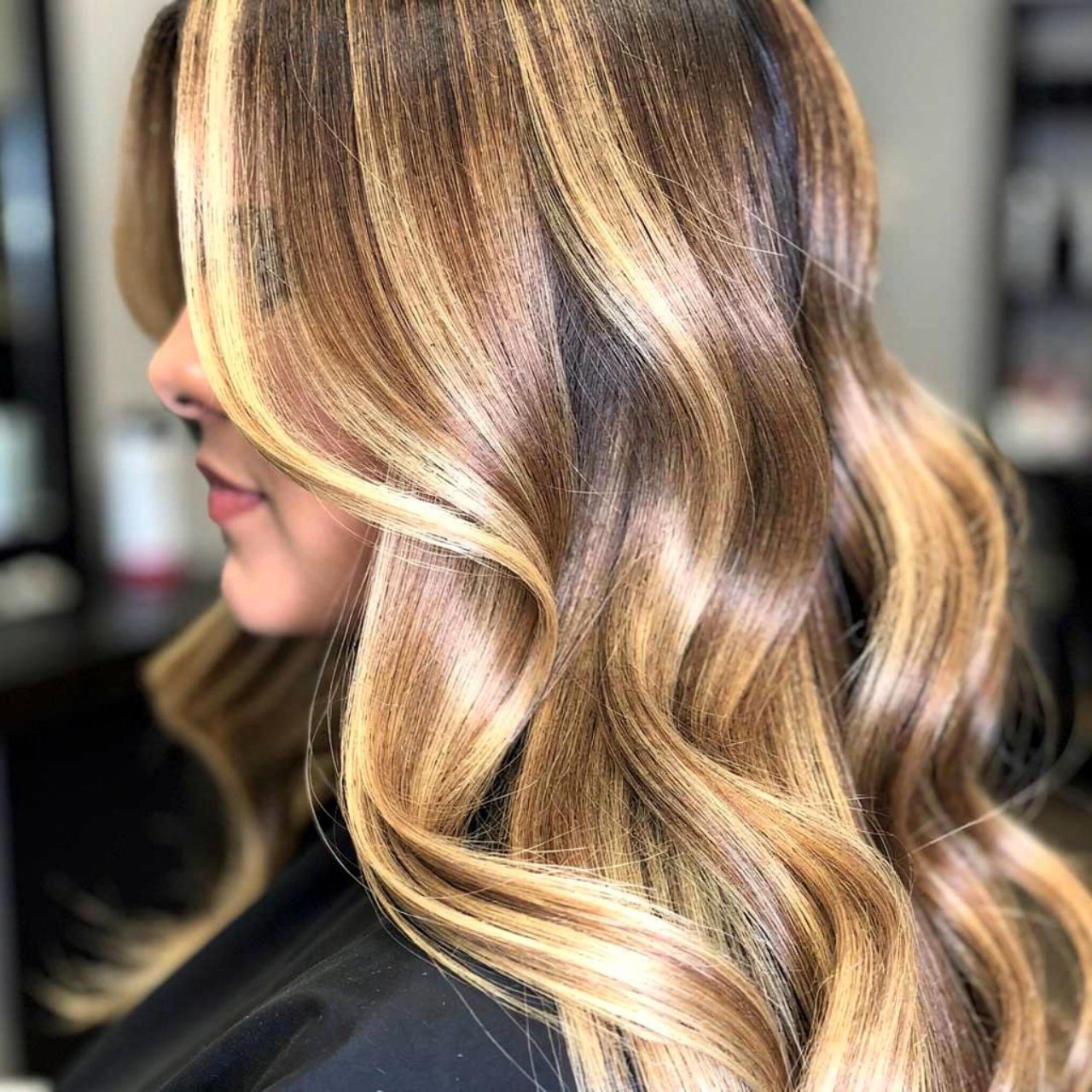
Honey blonde balayage is a warmly radiant technique that places golden, amber kissed tones throughout the mid lengths and ends of medium to dark brunette bases. The hand painted application style creates a finish that looks like natural sun exposure rather than a deliberate salon process, which is precisely why it has remained a consistent favorite among Pinterest users for years. It flatters warm and neutral skin undertones beautifully, making golden and peachy complexions positively glow. Wavy and naturally textured hair show off the dimensional quality of this shade best, as movement between the tones is what gives honey balayage its signature luminosity. A purple toning gloss applied every four to six weeks prevents the honey from shifting toward a brassy, orange adjacent tone between appointments.
2. Platinum Blonde Hair Color
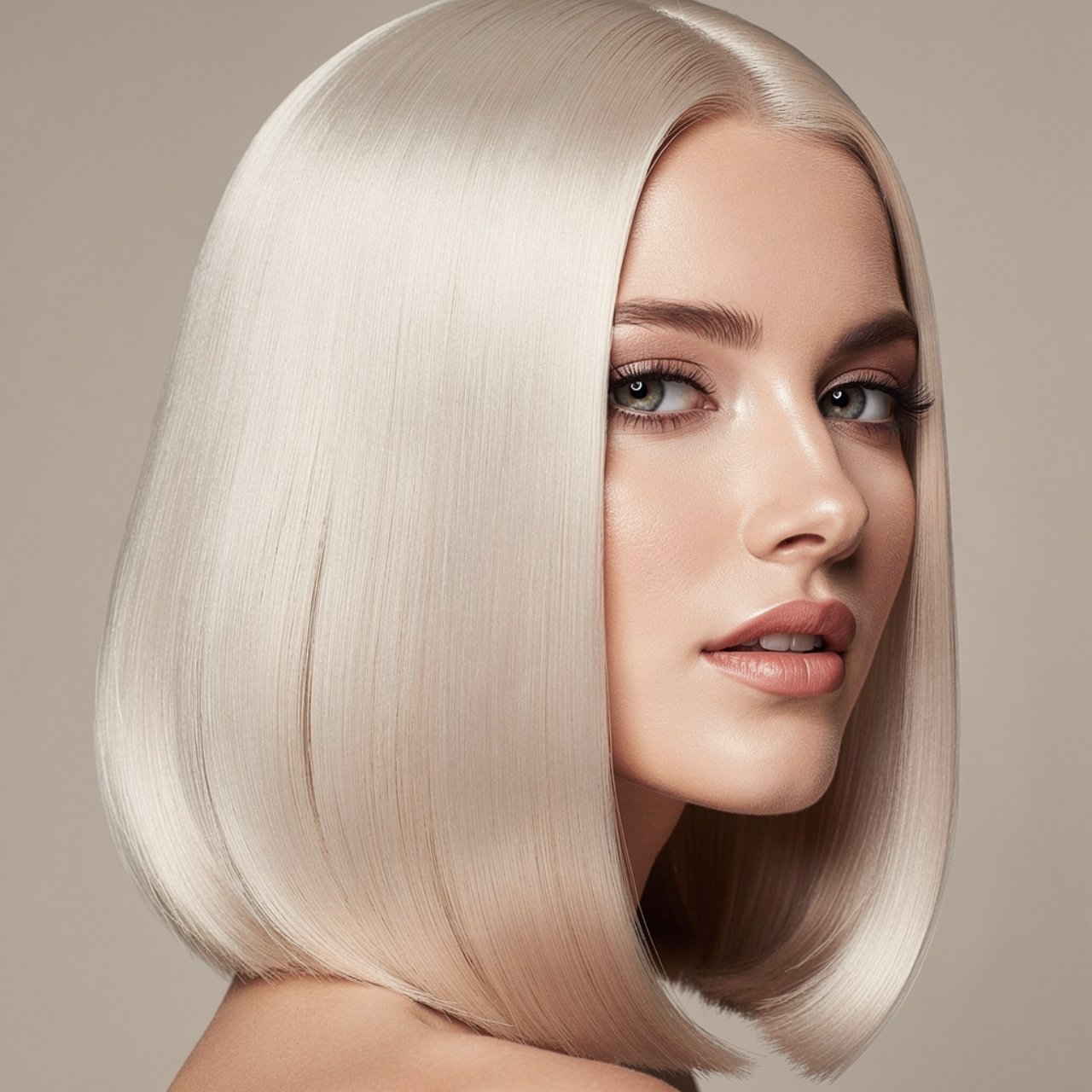
Platinum blonde is an ice bright, near white shade that sits at the very top of the lightness scale and carries an unmistakable fashion forward energy that commands attention from across the room. Reaching true platinum requires lifting the hair to its absolute lightest stage, a process that is most achievable for those starting with naturally light or already lightened bases, though darker brunettes can access the shade through careful, multi session work with a professional colorist. Fair skin tones with cool or neutral undertones wear platinum most effortlessly, as warm complexions may need additional tonal balancing to avoid looking washed out. A sharp blunt cut or sleek straight style makes this color feel deliberately editorial. Bond repairing treatments used consistently between appointments are essential for maintaining strength and shine at this lightness level.
3. Bronde Blonde Hair Color
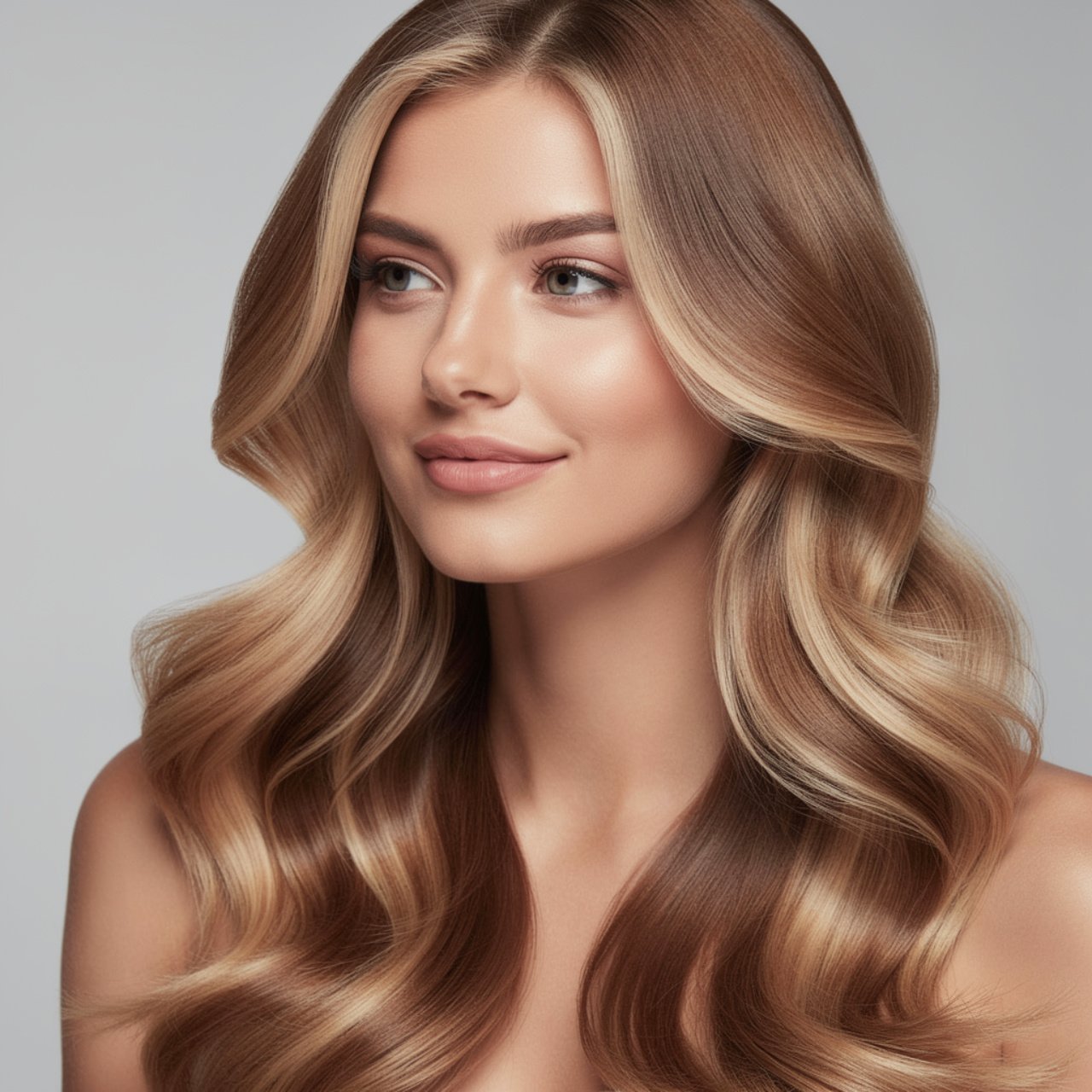
Bronde sits exactly at the intersection of brunette and blonde, a beautifully blended, multidimensional tone that feels simultaneously natural and considered without committing fully to either end of the spectrum. It is typically achieved through a combination of babylights and a light balayage application over a medium brown base, creating a result that photographs warmly and grows out seamlessly without visible lines or harsh root contrast. This shade is a dream for low maintenance seekers who want a significant refresh without dedicating themselves to frequent touch ups. Medium length cuts with soft layers are the ideal canvas, as the movement helps both tones blend fluidly rather than sitting in distinct, separated sections. A golden or beige toned toner at the end of each service keeps the bronde looking intentional rather than faded and undefined.
Learn More About hair colors.
4. Golden Blonde Hair Color
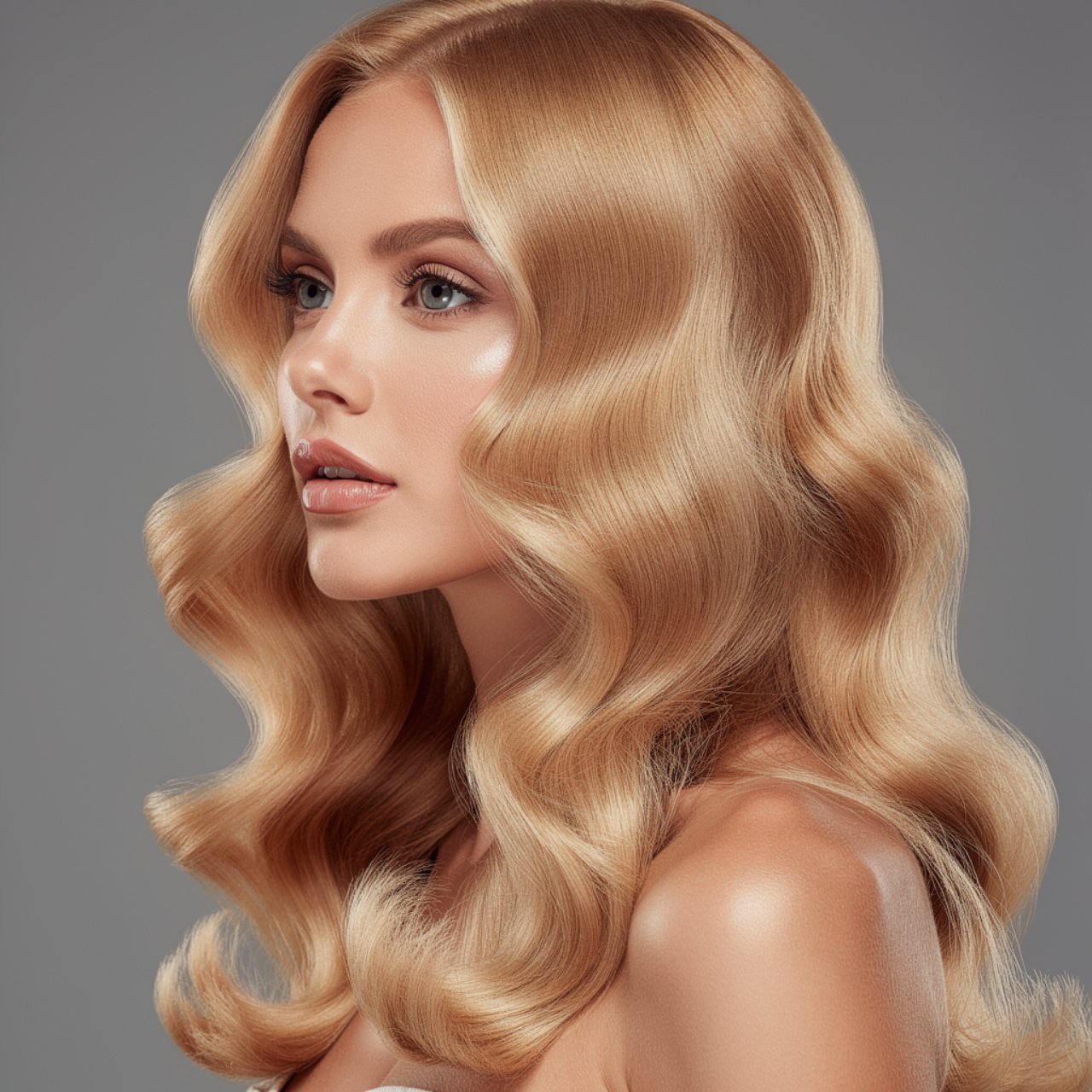
Golden blonde is luminous, sun warmed, and effortlessly radiant, a shade that carries the kind of natural warmth that makes skin look healthier and eyes appear brighter almost immediately after the transformation. It lives at a medium to light level on the blonde spectrum and carries enough warmth to avoid the cold, sterile quality of platinum, making it one of the most universally wearable blonde shades across a broad range of skin tones and undertones. Fine hair benefits enormously from this color because the brightness adds visual volume and the appearance of greater density, making strands look fuller than they naturally are. Long layers and beachy, undone waves suit golden blonde particularly well since movement distributes the warmth evenly from root to tip. A honey or caramel gloss treatment at the close of each salon appointment preserves the richness and prevents fading toward a flat, straw like tone.
5. Ash Blonde Hair Color
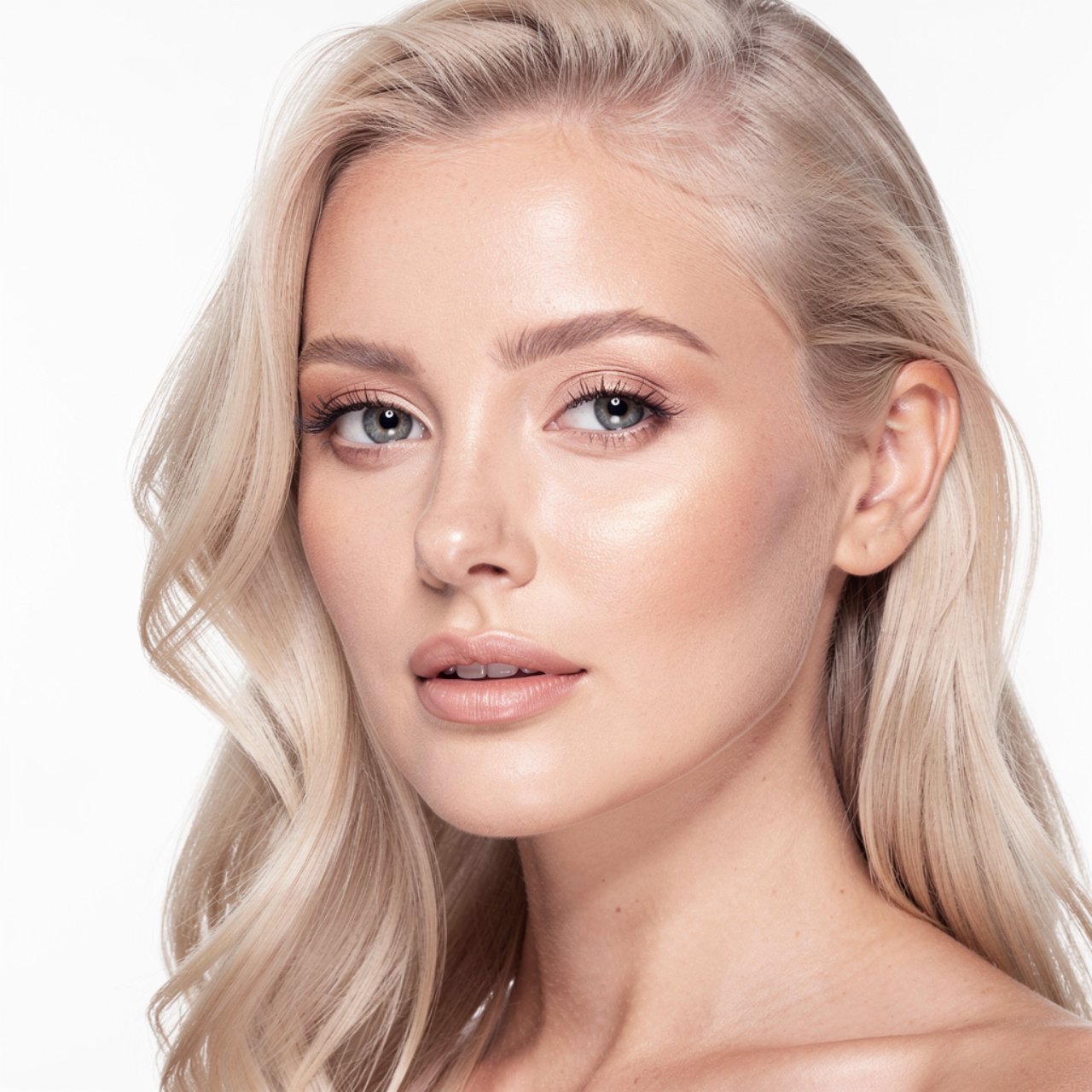
Ash blonde is cool, sophisticated, and quietly striking a grey adjacent tone that reads as intentional and polished rather than faded or washed out when applied correctly. It cancels out unwanted yellow and brassy undertones in lightened hair, which makes it both a beautiful end result and a practical toning choice for those who have been battling warmth in previous blonde services. Cool and neutral skin undertones wear ash blonde with particular elegance, while warm complexions can still access the shade with careful warmth balancing during the toning stage. Straight hair with a precise cut shows off the cool tonal uniformity of ash blonde in its most refined, editorial form. Maintaining this shade requires consistent use of a purple or blue shampoo once or twice weekly to neutralize any yellow that resurfaces between salon visits.
6. Strawberry Blonde Hair Color
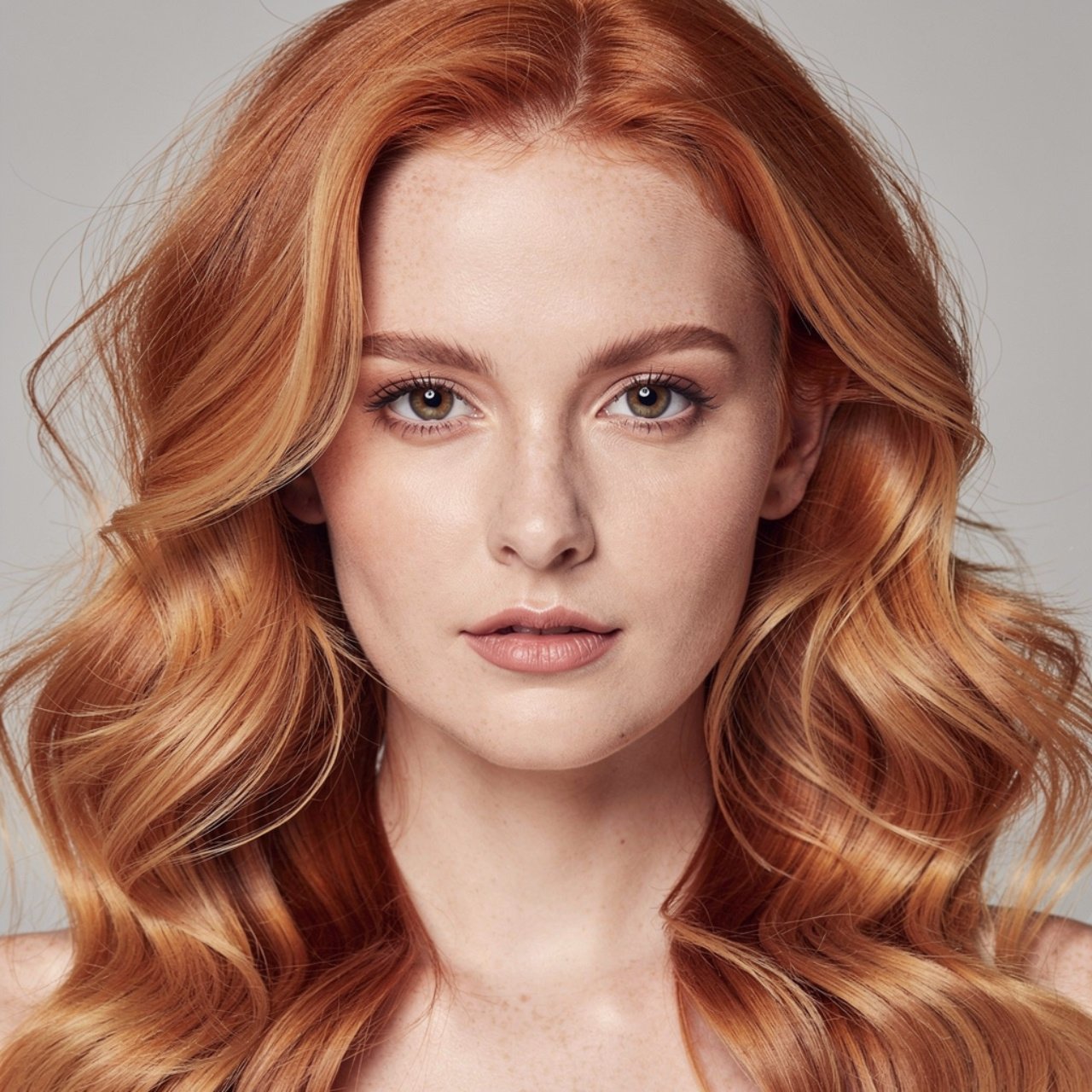
Strawberry blonde occupies a uniquely charming space between golden blonde and copper red, a shade with warmth, depth, and just enough rosy peach saturation to feel entirely distinctive without crossing into full auburn territory. Fair skinned individuals with naturally warm or peachy undertones and light eyes are particularly stunning in this shade, as the warmth resonates harmoniously with those natural features rather than competing against them. It works across a wide range of textures; straight hair reads it as polished and editorial, while curls and waves give it a romantic, Pre Raphaelite quality that is genuinely breathtaking. This is a shade that rewards natural movement, so minimal styling beyond a curl enhancing cream or a light mousse is often all that’s needed. To preserve the rose gold balance between appointments, a shampoo and conditioner designed for colored, warm toned hair is highly recommended.
7. Dirty Blonde Hair Color
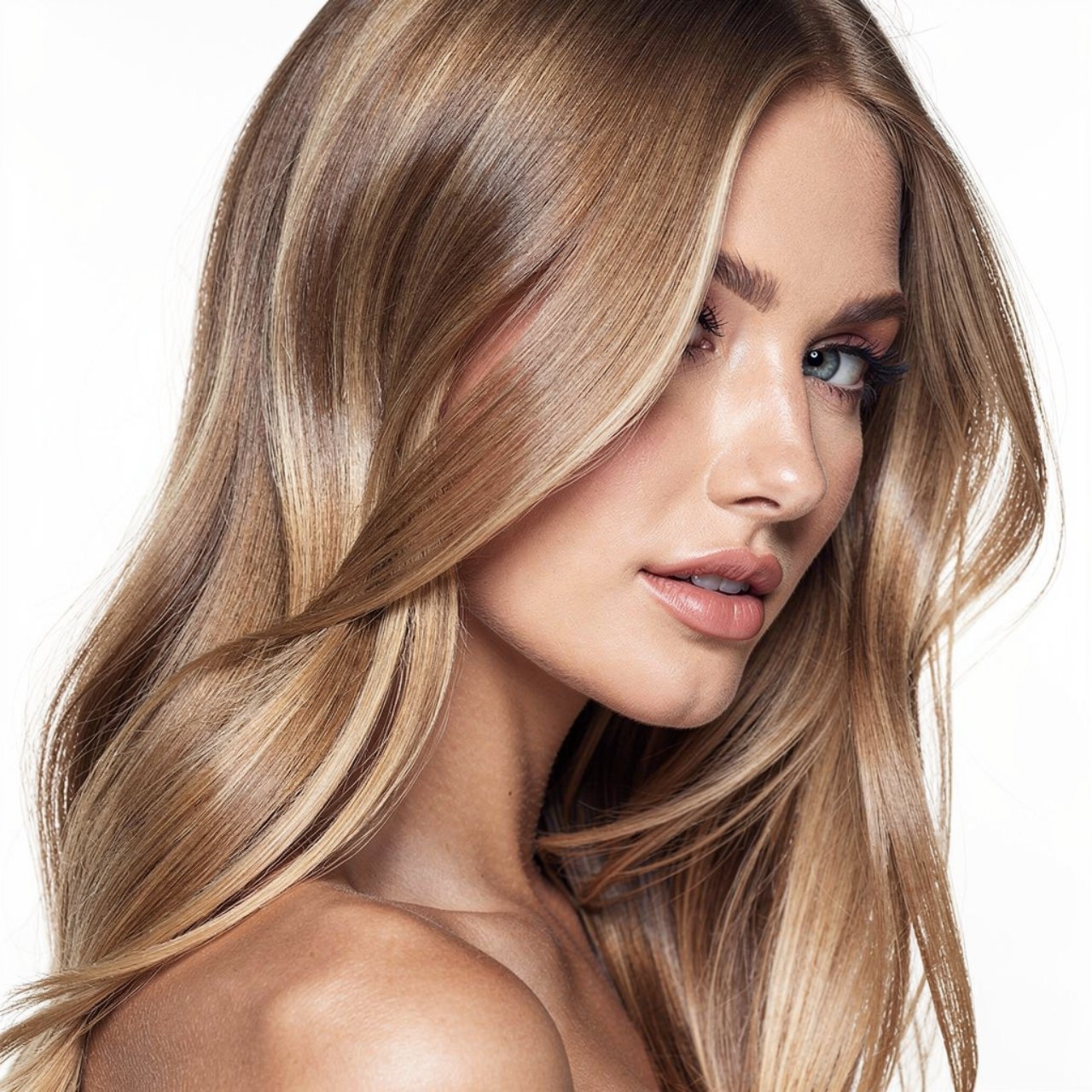
Dirty blonde is the most grounded, natural looking member of the blonde family, a medium, slightly muted tone that sits comfortably between dark blonde and light brunette without fully committing to either identity. It mimics the kind of hair color that many people had as children and gradually darkened with age, giving it an innate, nostalgic quality that feels deeply personal and authentic. This shade is exceptionally low maintenance because the natural looking root growth blends into the base color without creating visible contrast or harsh lines that demand immediate touch ups. Any face shape benefits from dirty blonde because it adds dimension without the high contrast drama of brighter shades, keeping attention balanced across features. Using a gloss treatment in a warm beige or soft caramel tone every six to eight weeks refreshes the color and stops it from looking dull or undefined between appointments.
8. Buttery Blonde Hair Color
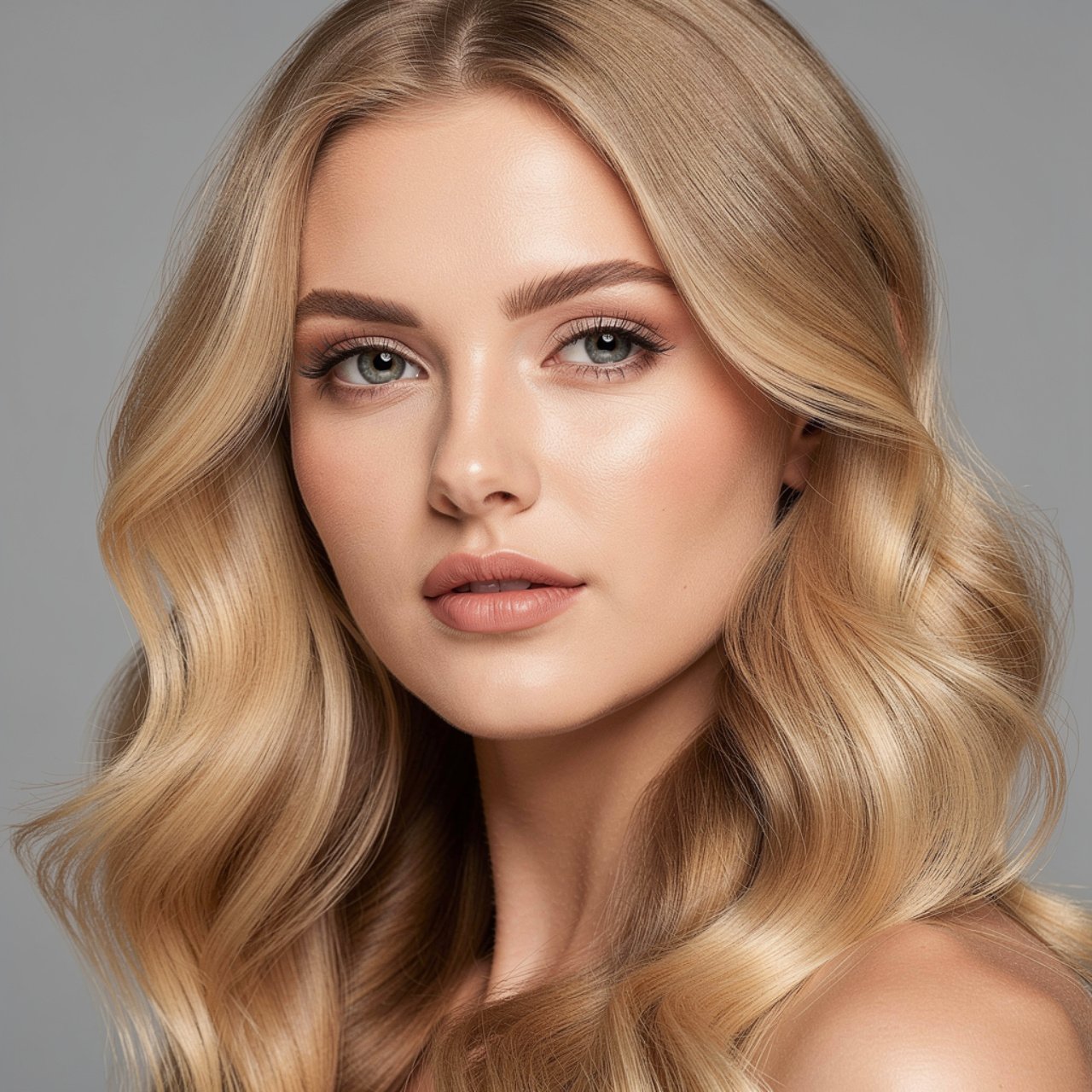
Buttery blonde is exactly what its name suggests: rich, creamy, deeply warm, and entirely irresistible. It sits at a medium light level with a soft, golden yellow base that reads as luxurious rather than loud, making it a refined alternative to the brightness of golden blonde or the starkness of platinum. Medium and olive skin tones look absolutely radiant in this shade, as the warmth of the color resonates with the natural depth in those complexions and creates a harmonious, sun warmed effect. Tousled, lived in waves are the signature styling partner for buttery blonde; the disheveled texture enhances the creaminess of the tone rather than competing with it. A nourishing hair oil applied to the ends after styling adds a glossy softness that makes the buttery quality of the shade look even more sumptuous in photographs and everyday life.
9. Champagne Blonde Hair Color
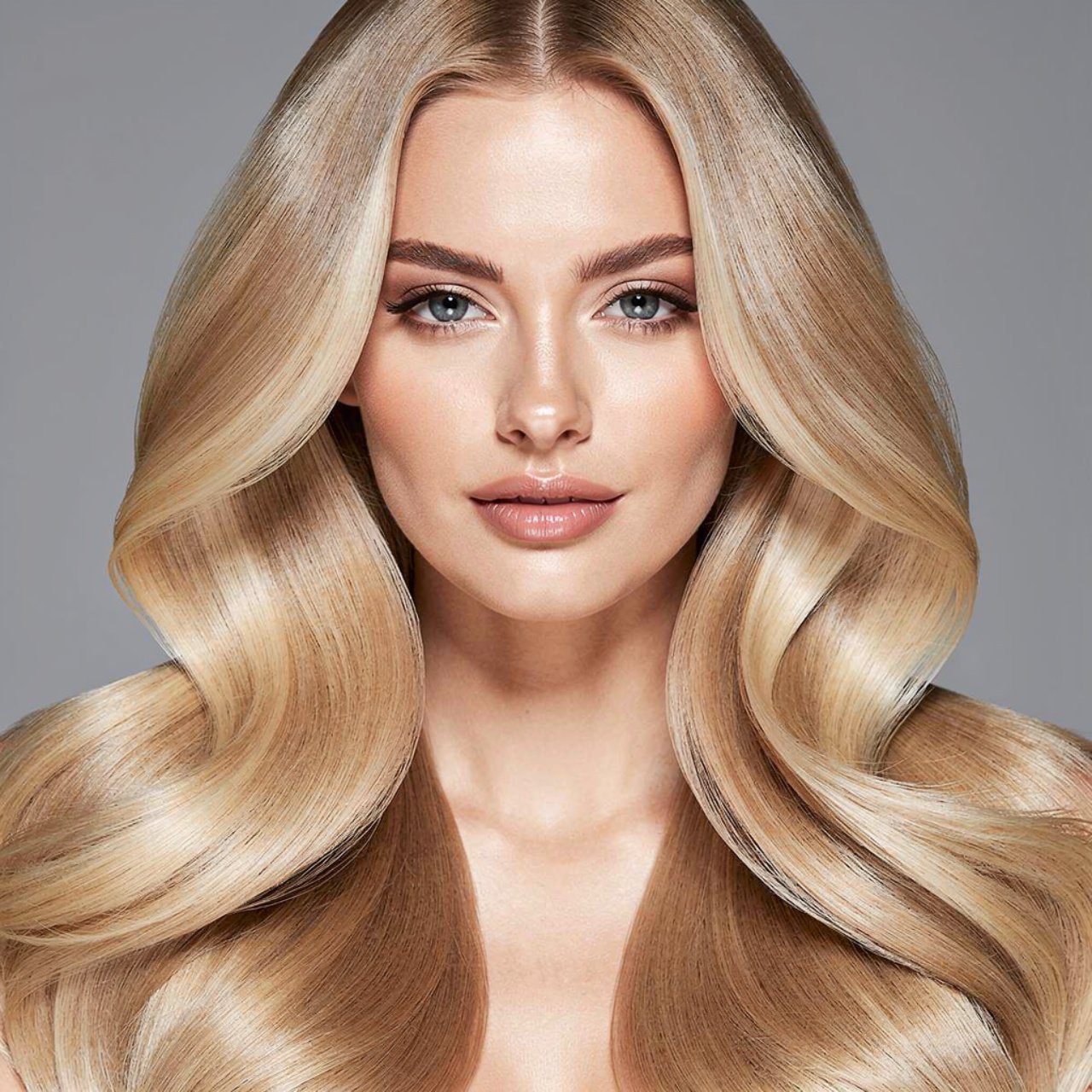
Champagne blonde is an elevated, effervescent shade that combines the brightness of light blonde with a gentle warmth and a touch of beige the result is soft, glowing, and refined without a trace of harshness. It reads differently depending on the light indoors it looks like a sophisticated cool blonde, outdoors in natural sunlight it takes on a golden, almost luminous quality that makes the hair look genuinely radiant. Fair to light skin tones with neutral undertones are the most natural pairing for champagne blonde, as the soft warmth of the tone complements rather than overwhelms subtler complexions. Fine, straight hair particularly benefits from this shade because the brightness adds perceived volume and the light reflective quality makes even thin strands look healthy and full. A weekly gloss treatment in a pearl or soft gold tone keeps the champagne color sparkling between full appointments.
10. Sun Kissed Highlights Hair Color
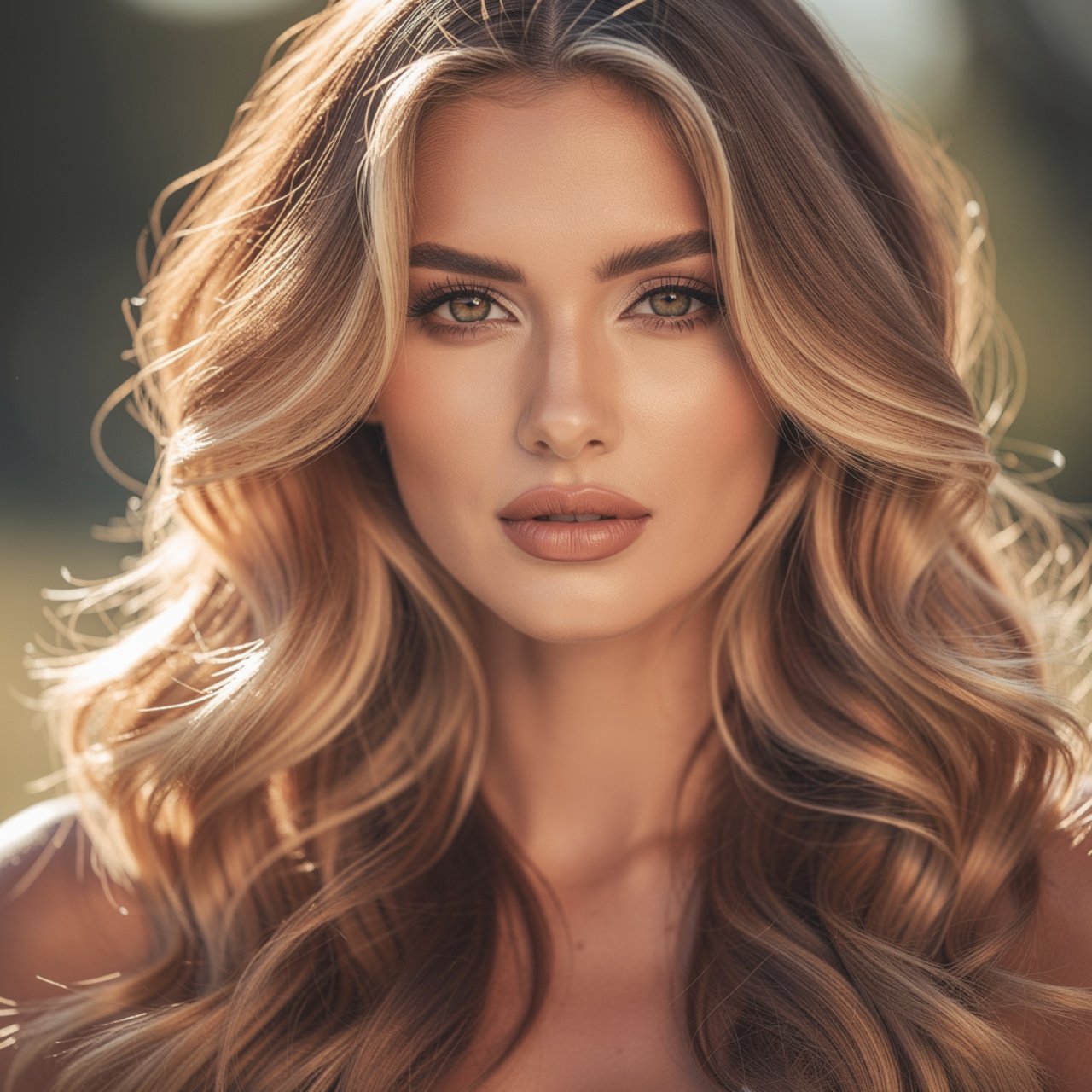
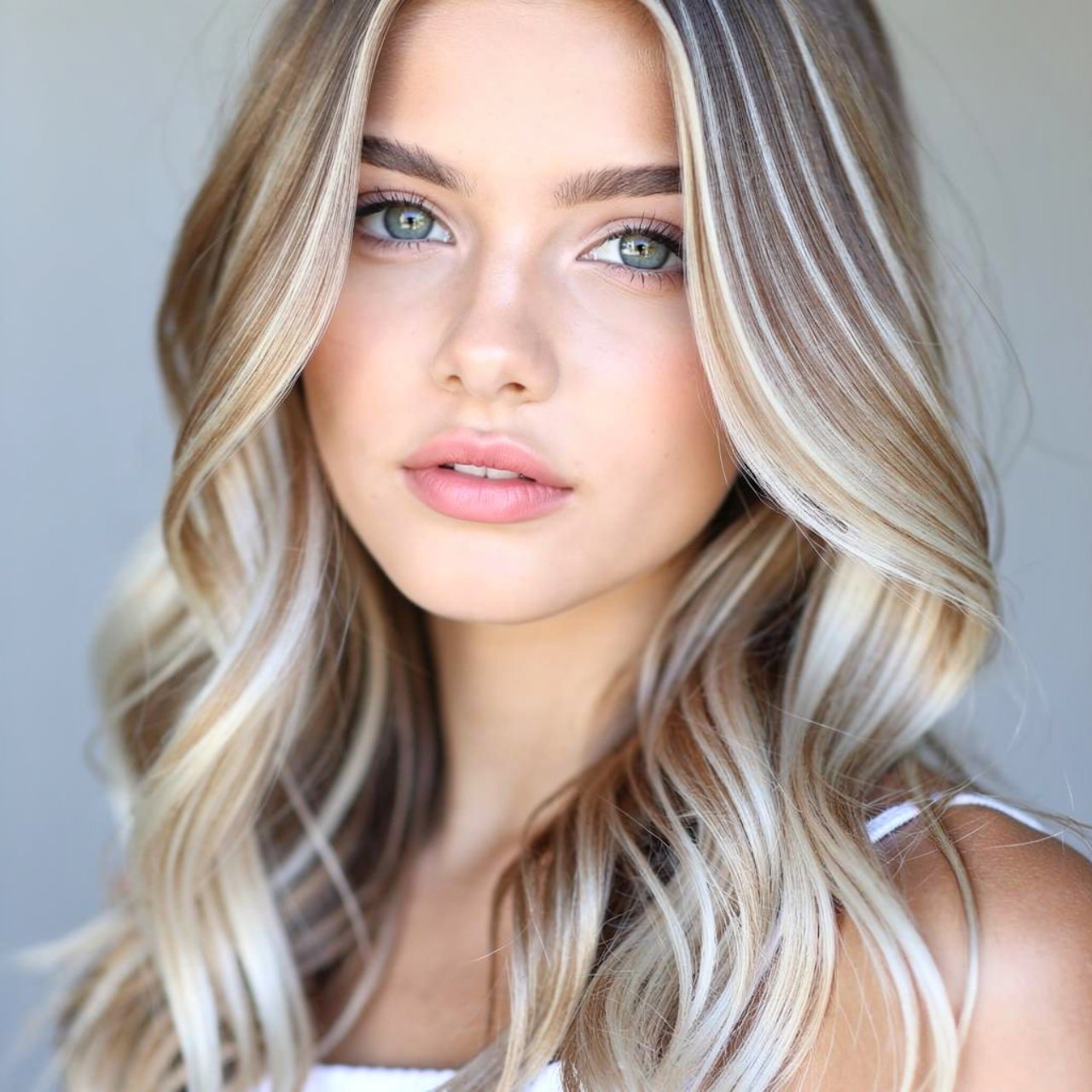
Sun kissed highlights represent one of the most universally requested techniques in the blonde world, a strategic, face framing approach that places lighter pieces where natural sun exposure would realistically reach first. The colorist focuses the brightest sections along the parting, around the hairline, and through the top layer of the hair, leaving the underneath sections darker for a believable, natural looking contrast that mirrors what prolonged outdoor time might produce. Any face shape benefits from this technique because placement is fully customized to each individual’s features, bone structure, and natural hair fall. It translates beautifully across all textures. Straight hair shows the dimensional gradient cleanly, while curls reveal it gradually as the hair moves. A caramel or warm blonde toner applied after lightening ensures the highlights read as warm and sun touched rather than cool and overly processed.
11. Money Piece Blonde Hair Color
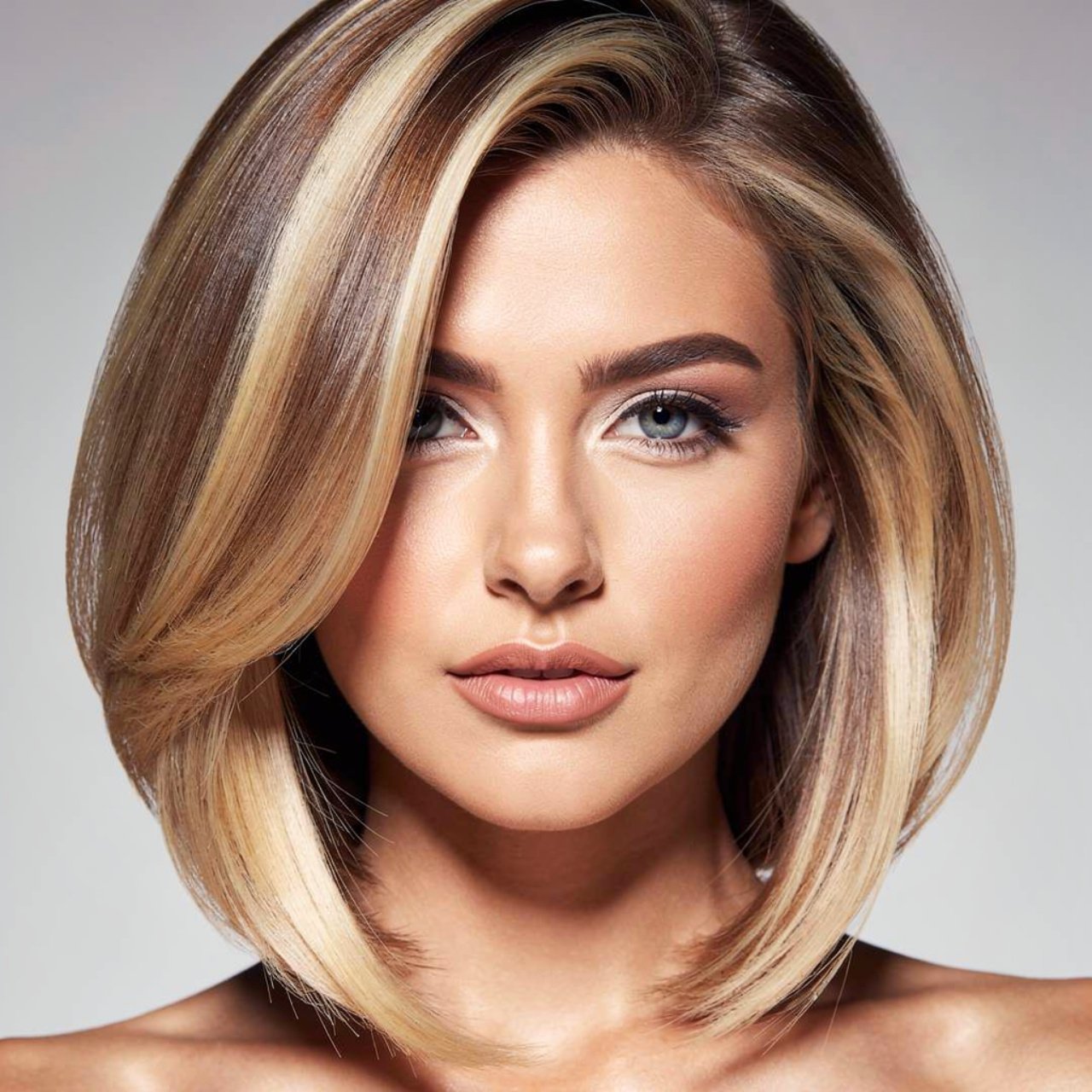
The money piece is a powerful, targeted highlighting technique where the two front sections of hair, the strands that frame the face directly on either side, are lifted two to four shades lighter than the rest of the hair. Despite being one of the most minimal color applications available, it creates a disproportionately high impact result because those front sections naturally draw the eye to the face, brightening the overall look without touching most of the hair at all. Any face shape benefits from a well executed money piece, as the lighter front sections create a framing effect that emphasizes cheekbones and makes eyes appear more vivid. It suits every length and texture from cropped pixie cuts to long flowing waves. For a bold, editorial version request bright platinum tones; for something softer and more natural, honey or champagne shades create a beautiful, understated glow.
12. Babylights Hair Color
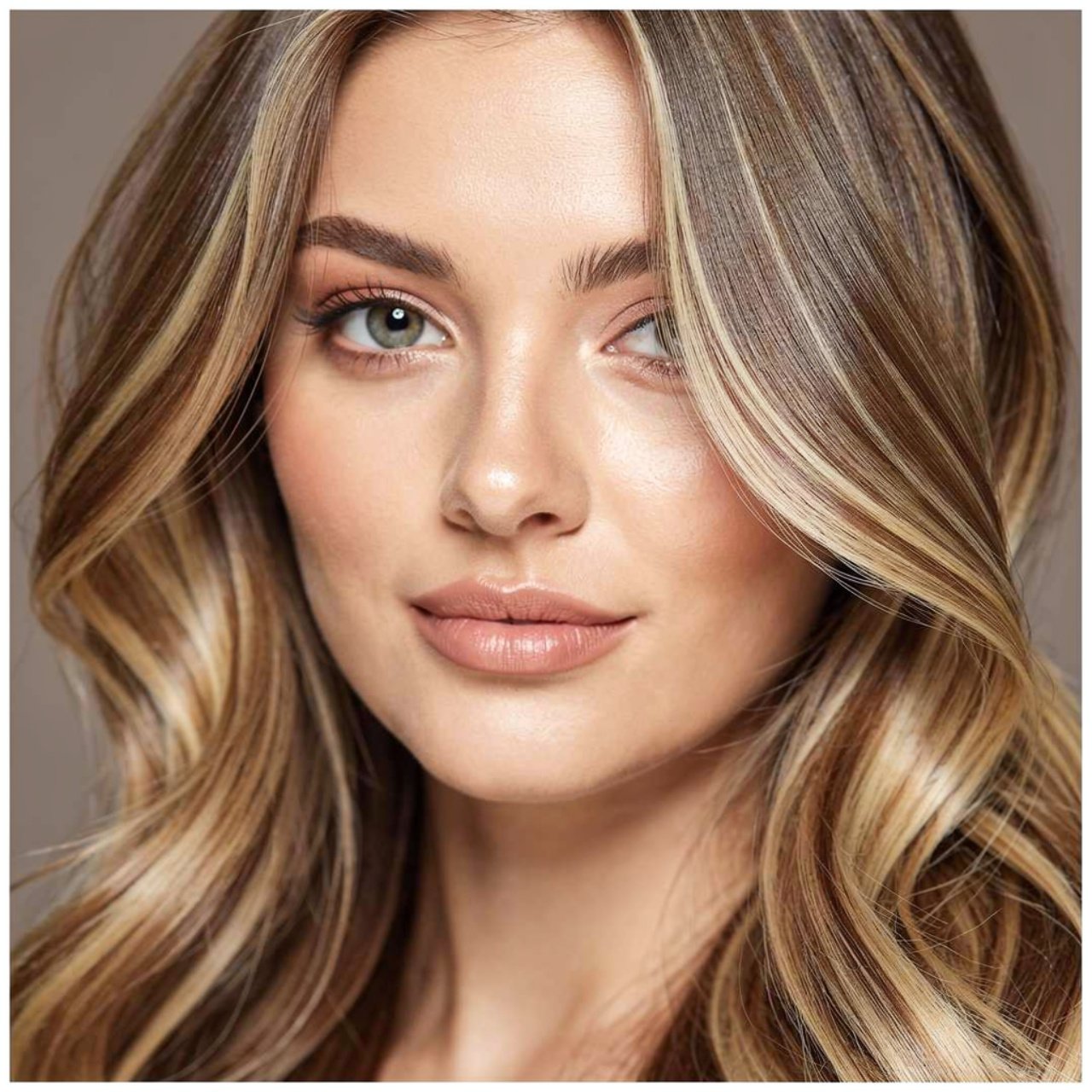
Babylights are an ultra fine highlighting technique that creates the most natural looking blonde result of any method: tiny, delicate strands of lightness woven throughout the hair in a way that closely mimics the subtle multi tonal coloring of hair that has never been chemically altered. Unlike traditional highlights, which place visible streaks of color throughout the hair, babylights distribute luminosity so finely that the eye reads the result as one beautifully dimensional, naturally varied shade rather than a colored one. This technique suits straight and fine hair exceptionally well, as the delicacy of each lightened strand shows clearly without appearing chunky or painted. Fair and light skin tones with cool undertones look truly ethereal in babylights. Refreshing every twelve to sixteen weeks rather than eight maintains the subtlety and keeps the result from becoming too dense or obvious over time.
13. Icy Blonde Hair Color
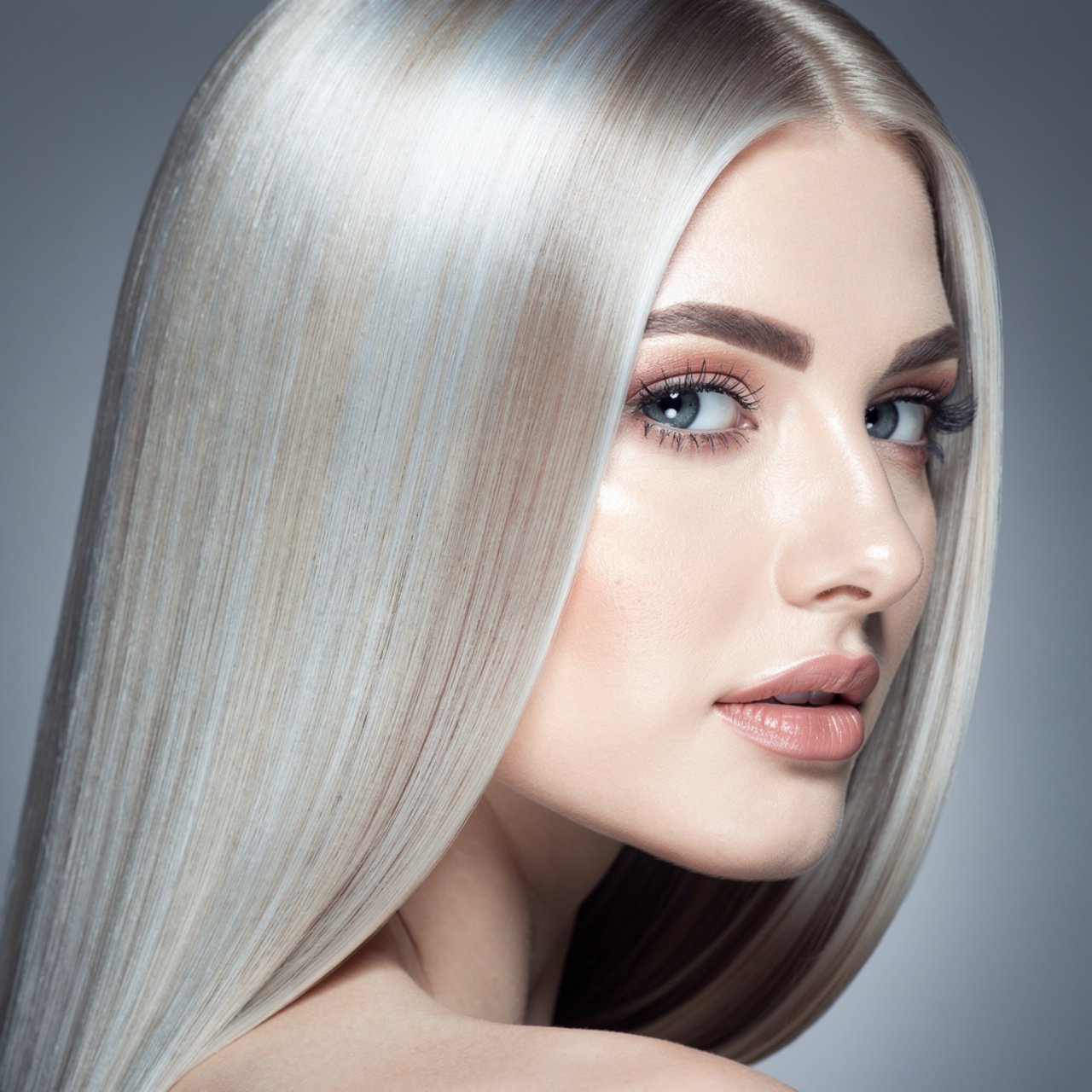
Icy blonde is the cooler, more dramatic sibling of platinum, a shade with almost zero warmth remaining that creates a stark, glass like finish with maximum reflective luminosity. It requires meticulous toning after the lightening process to eliminate every trace of yellow and achieve the true frosty, silver adjacent result that earns the “icy” label. Cool toned skin with pink or blue undertones wears this shade in its most natural, complementary form, while warm complexions require additional tonal counterbalancing to prevent the cool blonde from making the face look washed out or dull. This shade is particularly striking on straight, glossy hair where the reflective surface of the strand amplifies the icy quality of the color dramatically. Olaplex or a similar bond strengthening system used consistently throughout the lightening process is essential at this level of intensity.
14. Beige Blonde Hair Color

Beige blonde is a beautifully neutral, understated shade that sits equidistant between warm and cool, never fully golden, never fully ash, but effortlessly balanced and remarkably wearable across a wide variety of skin tones and undertones. It is frequently described as the most “natural looking” of the artificial blonde shades because its neutrality makes it genuinely difficult to identify as salon applied color at a glance. Warm, cool, and neutral skin tones can all wear beige blonde with equal success, which is precisely what makes it such a consistently popular choice among first time color clients who want a safe, flattering entry into the blonde spectrum. Medium length hair in a layered lob or modern shag shows this shade at its most effortlessly stylish. A clear or beige pigmented gloss applied at the end of each appointment keeps the neutrality precise and prevents it from drifting toward either extreme of the warm cool dial.
15. Dimensional Blonde Hair Color
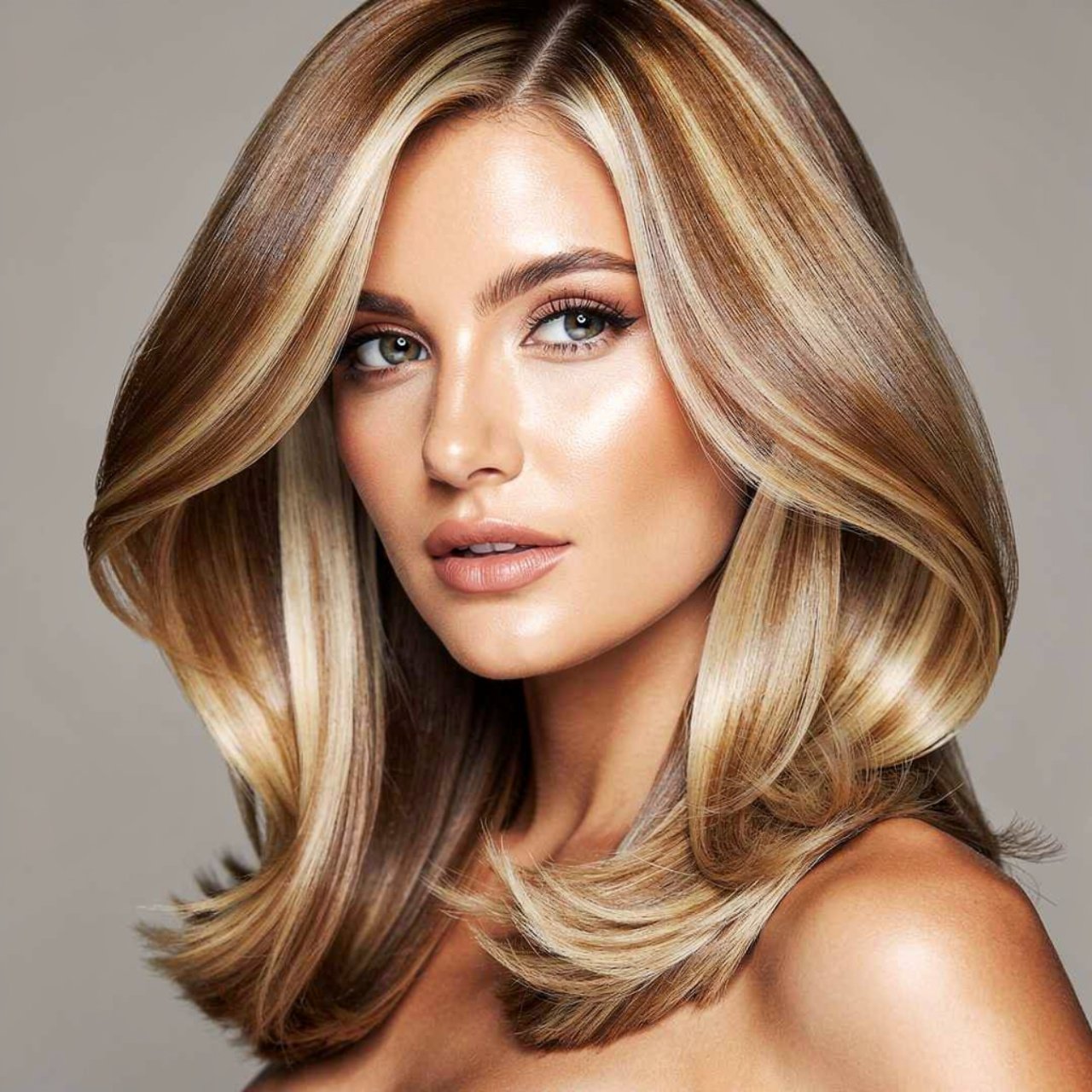
Dimensional blonde is less a specific shade and more a complete approach to blonde color, a technique driven result that combines multiple tones across the blonde spectrum within a single head of hair to create depth, movement, and visual texture that flat, single process blonde simply cannot achieve. A skilled colorist might layer dark blonde roots, mid tone golden sections, and lighter buttery or champagne ends to create a final result where the hair appears to shift and move through multiple tones as it catches the light from different angles. Wavy and curly textures amplify this effect beautifully, as the shadow between each curl or wave creates natural contrast that makes the dimensional variation even more visible and dramatic. This approach grows out naturally and gracefully, making it one of the lowest maintenance blonde techniques available despite its visually complex appearance. Deep conditioning treatments between appointments preserve the integrity and vibrancy of each distinct tonal layer simultaneously.
16. Copper Blonde Hair Color
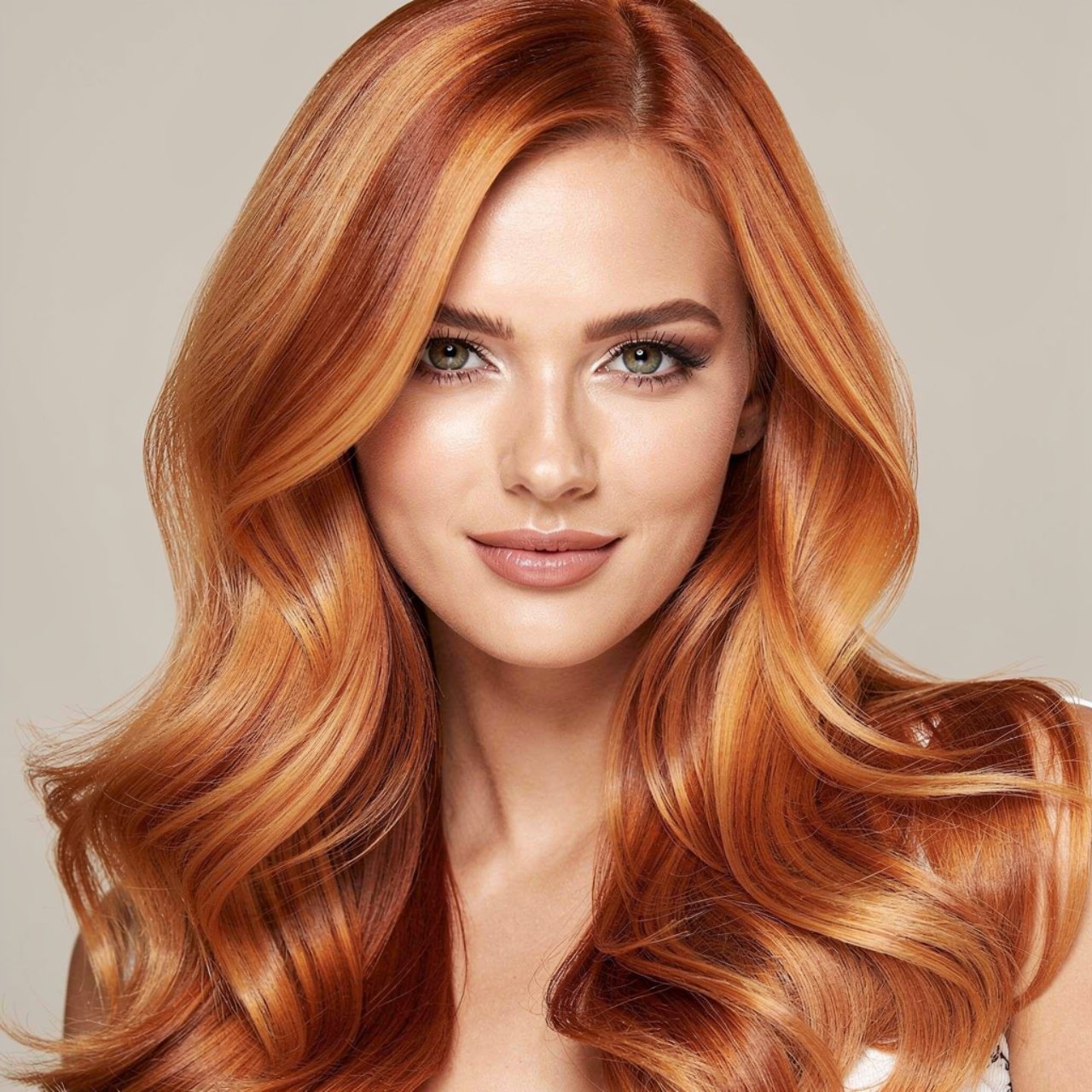
Copper blonde occupies a breathtaking position between traditional golden blonde and vivid copper red, a shade rich enough to feel bold, yet warm enough to feel entirely wearable and approachable in everyday settings. It suits medium to olive skin tones with warm undertones exceptionally well, where the copper saturation deepens the perceived richness of the complexion rather than competing against it. Curly and coily textures are particularly stunning in copper blonde because the spiral structure of each curl creates pockets of shadow between the spirals, amplifying the depth and warmth of the tone from every angle. Straight hair carries copper blonde with a sleeker, more editorial quality that reads as deliberate and refined. To preserve the copper balance and prevent the shade from sliding too far toward orange or fading to a dull peachy brown, a warm toned conditioning mask applied weekly is the single most effective maintenance step.
How to Choose the Right Blonde Hair Color
Selecting the right blonde shade begins with an honest assessment of your natural skin undertone, your hair’s current health, and how much time you realistically want to invest in upkeep. Warm undertones in the skin peachy, golden, or olive generally pair most harmoniously with honey, golden, buttery, and copper blonde tones, while cool undertones pink, blue, or pale look most striking in ash, platinum, and icy shades. Lifestyle matters equally in this decision: high lift blondes like platinum and icy tones require more frequent toning appointments than a natural looking bronde or a subtle babylights application.
Best Hair Types and Face Shapes for Blonde Color
Different blonde techniques interact uniquely with various textures and facial structures, meaning the same shade can look dramatically different depending on the individual wearing it. Fine, straight hair benefits most from brightness and babylights, as the luminosity creates a visual fullness that makes each strand appear thicker. Curly and wavy textures amplify dimensional and balayage techniques beautifully, with each curl revealing tonal variation through natural movement. Round face shapes benefit from lighter ends and darker roots that draw the eye downward and create the illusion of length, while heart shaped faces look stunning with warmth concentrated around the jawline.
Styling and Maintenance Tips for Blonde Hair
Blonde hair regardless of the specific shade or technique requires a more deliberate care routine than uncolored hair to maintain its vibrancy, health, and tone over time. Sulfate free shampoo is the foundation of any good blonde maintenance routine, as sulfates aggressively strip color pigment with every single wash. Purple or blue shampoo used one to two times weekly neutralizes the yellow and orange tones that naturally resurface between salon appointments on any lightened shade. Heat styling should always be preceded by a quality thermal protectant, since elevated temperatures accelerate color oxidation and cause blonde tones to shift toward unwanted warmth faster than cool air styling ever would.
How to Ask Your Hairstylist for This Look
Arriving at your salon appointment with a clear, specific vision is one of the kindest and most practical things you can do for both yourself and your colorist. Save two or three Pinterest images that represent the shade, technique, and overall finish you’re hoping to achieve, not a single image, because different references will show the color in varying lighting conditions, textures, and lengths, giving your stylist a far more complete picture of the desired direction. Use precise vocabulary when describing what you want: say “balayage” if you want a freehand, blended application, “highlights” if you want foil based lightness in a more structured pattern, or “toning” if you love your current lightness but want to shift the hue.
Be upfront about your maintenance availability telling your colorist that you can realistically return every eight weeks versus every four months will directly shape which technique they recommend as the best fit. Ask your stylist questions like “Is my hair healthy enough for this level of lightening?” and “What can I do at home to preserve this tone?” a skilled colorist will always welcome the conversation and use it to serve you better.
Frequently Asked Questions
How long does blonde hair color typically last before fading?
The longevity of blonde color depends heavily on the specific technique and your home care routine. Balayage and babylights can last twelve to sixteen weeks before a refresh is needed, while single process blonde applications typically require touch ups every six to eight weeks.
Can I go blonde if I have very dark hair?
Yes, but achieving most blonde shades on very dark hair is a multi step process that requires professional lightening across several sessions. Attempting to lift very dark hair to a bright blonde in one appointment significantly increases the risk of damage and uneven results.
Will going blonde damage my hair permanently?
Lightening causes structural changes to the hair strand, but permanent damage is preventable with proper care. Using bond building treatments like Olaplex during the color process, followed by consistent conditioning and heat protection at home, keeps the hair strong and healthy through the transition.
What is the difference between highlights and balayage?
Highlights are applied using foils in a structured pattern that distributes lightness relatively evenly throughout the hair, while balayage is a freehand technique that creates a softer, more gradient, lived result. Balayage tends to grow out more naturally and requires less frequent maintenance than traditional foil highlights.
How do I stop my blonde from turning brassy?
Using a purple or blue shampoo once or twice a week is the most effective at home solution for neutralizing brassiness between salon visits. Booking a toning or gloss appointment every six to eight weeks also keeps the shade looking intentional and polished rather than faded.
Is blonde hair color suitable for all skin tones?
Absolutely the key is matching the warmth or coolness of the blonde shade to your skin’s undertone rather than assuming one specific blonde shade works universally. A skilled colorist will always help identify which tone within the blonde family will make your complexion glow rather than compete with it.
Conclusion
Blonde hair color is not a single destination, it’s an entire spectrum of possibilities, each one capable of transforming your look in a completely different way depending on the shade, the technique, and the person wearing it. Whether you are stepping into the blonde world for the very first time or simply ready to evolve the version of blonde you’ve been wearing for years, there has never been a better moment to explore what this color family can do for you. Take your inspiration images, trust your colorist’s expertise, and let yourself be a little brave about the change ahead. The right blonde shade isn’t just a hair color it’s a feeling, and yours is waiting.