Bob Hairstyles for Fine Hair: 12 Stunning Ideas to Try
If you have been scrolling through Pinterest boards late at night, saving every gorgeous hairstyle you spot, only to walk into a salon feeling unsure about what to actually ask for, you are absolutely not alone. Fine hair comes with its own set of challenges: it can fall flat by noon, refuse to hold volume, and make even the most beautiful cuts look limp within hours. The good news is that bob hairstyles are arguably the single best category of cuts for women with fine strands, and the variety available today is genuinely exciting. Whether you are after something sleek and polished for the office or something textured and effortless for weekend brunches, there is a bob designed precisely for your hair type, face shape, and lifestyle.What makes bobs so powerful for fine hair is rooted in structure. When a hairstylist removes length and weight from thin strands, the remaining hair has far more ability to stand upright, retain body, and reflect light in a way that mimics thickness. The blunt ends of a classic bob, for example, visually create the illusion of density, something long, layered fine hair can never quite achieve.
12 Stunning Bob Hairstyles for Fine Hair
This guide goes beyond the usual image list; each style below includes honest, practical detail about who it suits best, how to maintain it, and which products or techniques will help it truly shine between salon appointments.
1. Classic Blunt Bob
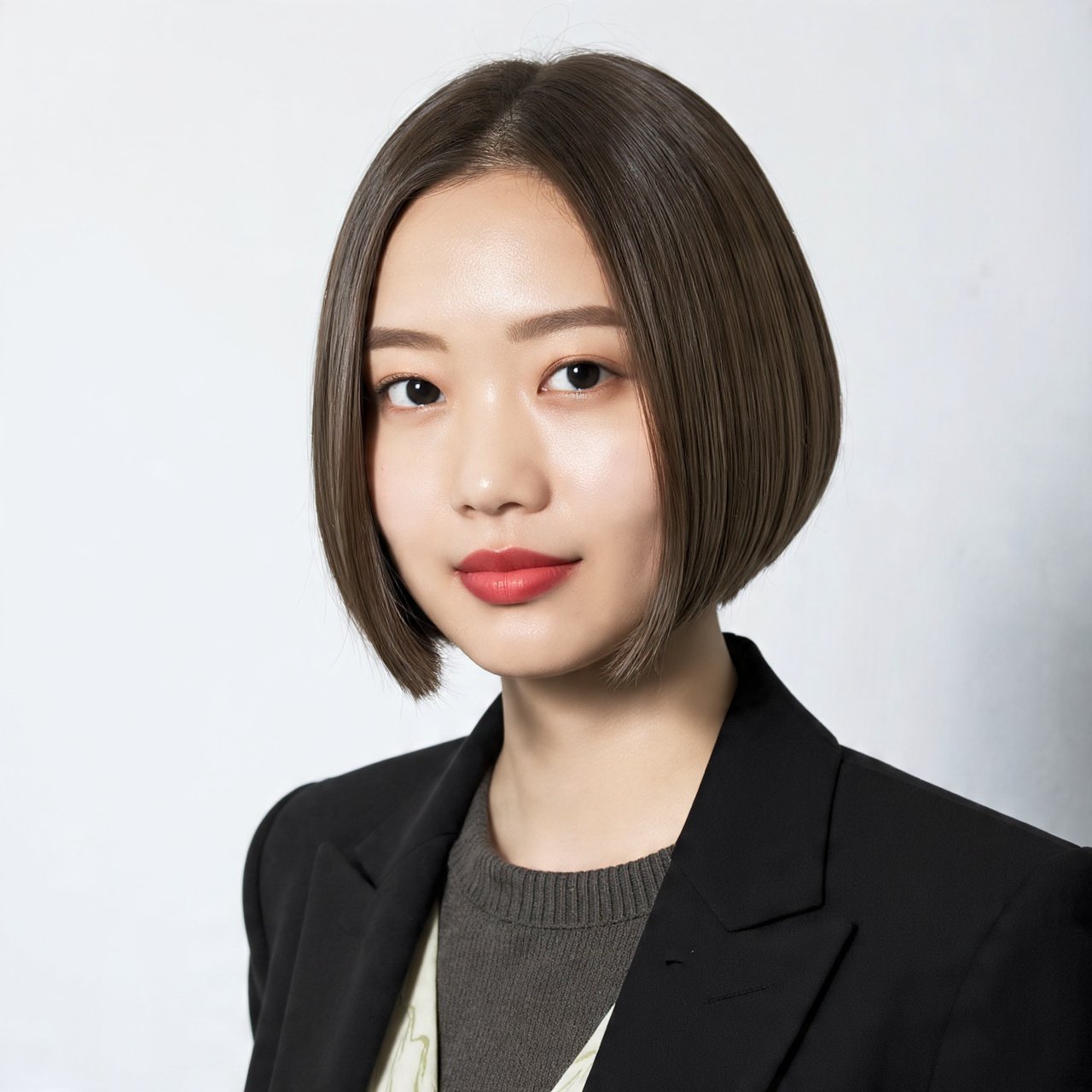
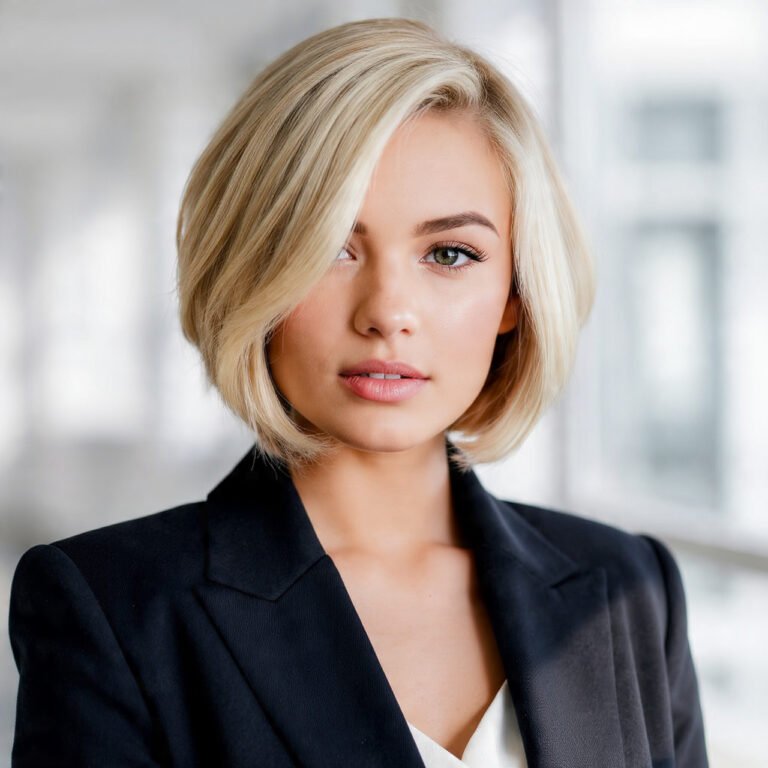
The classic blunt bob is perhaps the most transformative haircut a person with fine hair can experience. Cut to a uniform length that typically falls between the chin and collarbone, this style eliminates the wispy, invisible ends that plague thin hair and replaces them with a solid, deliberate line that reads as full and intentional. The visual weight created by a single horizontal edge is genuinely flattering because it draws the eye across the width of the hair rather than downward along sparse lengths. This style suits oval, heart, and square face shapes especially well, and works beautifully for women with straight or very lightly wavy hair who want a polished, low-maintenance look. Style it with a smoothing serum and a round brush blowout for a sleek finish, or use a flat iron for a mirror-like result that lasts all day.
To se more options for bob hairstyles that are shaggy click here
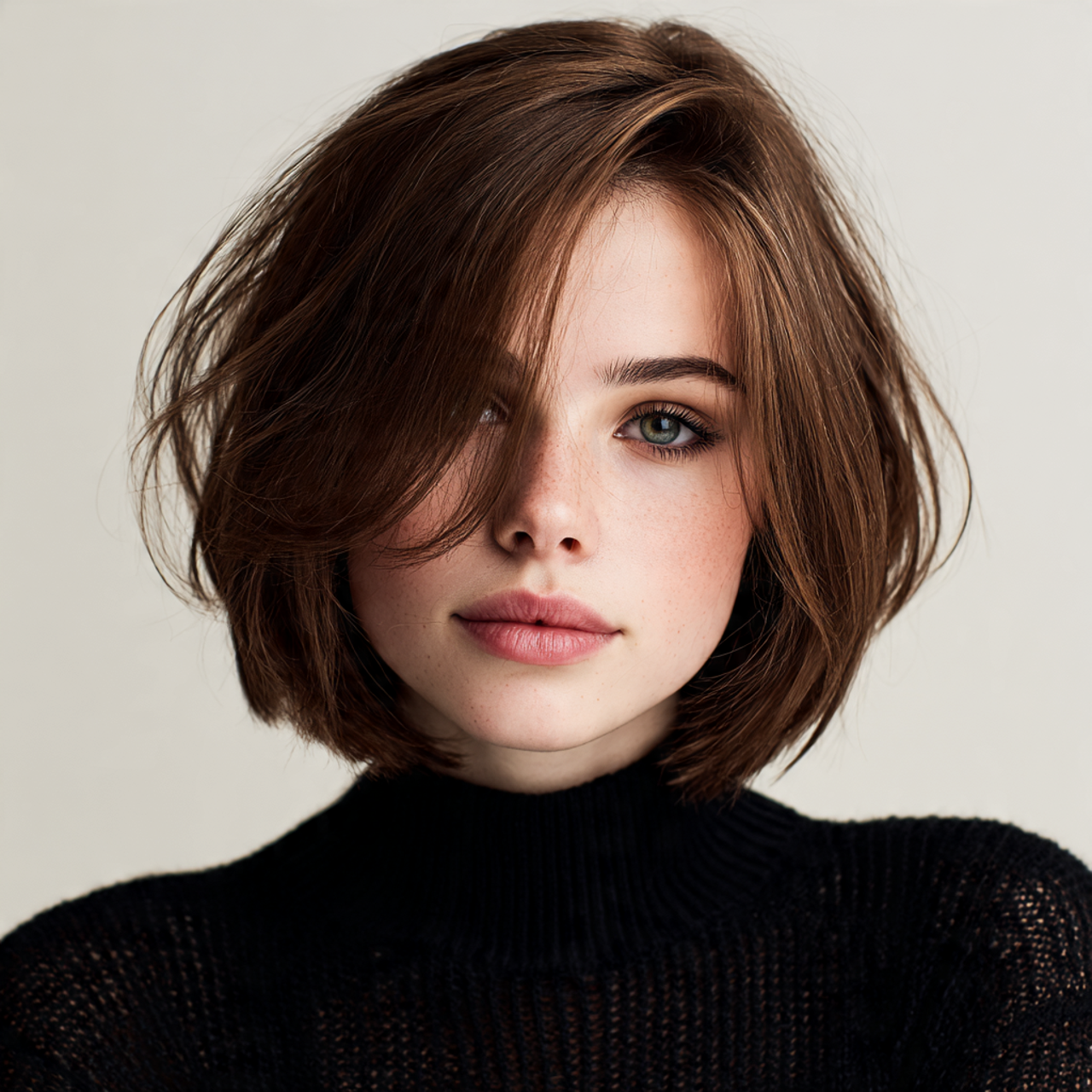
2. Textured Choppy Bob
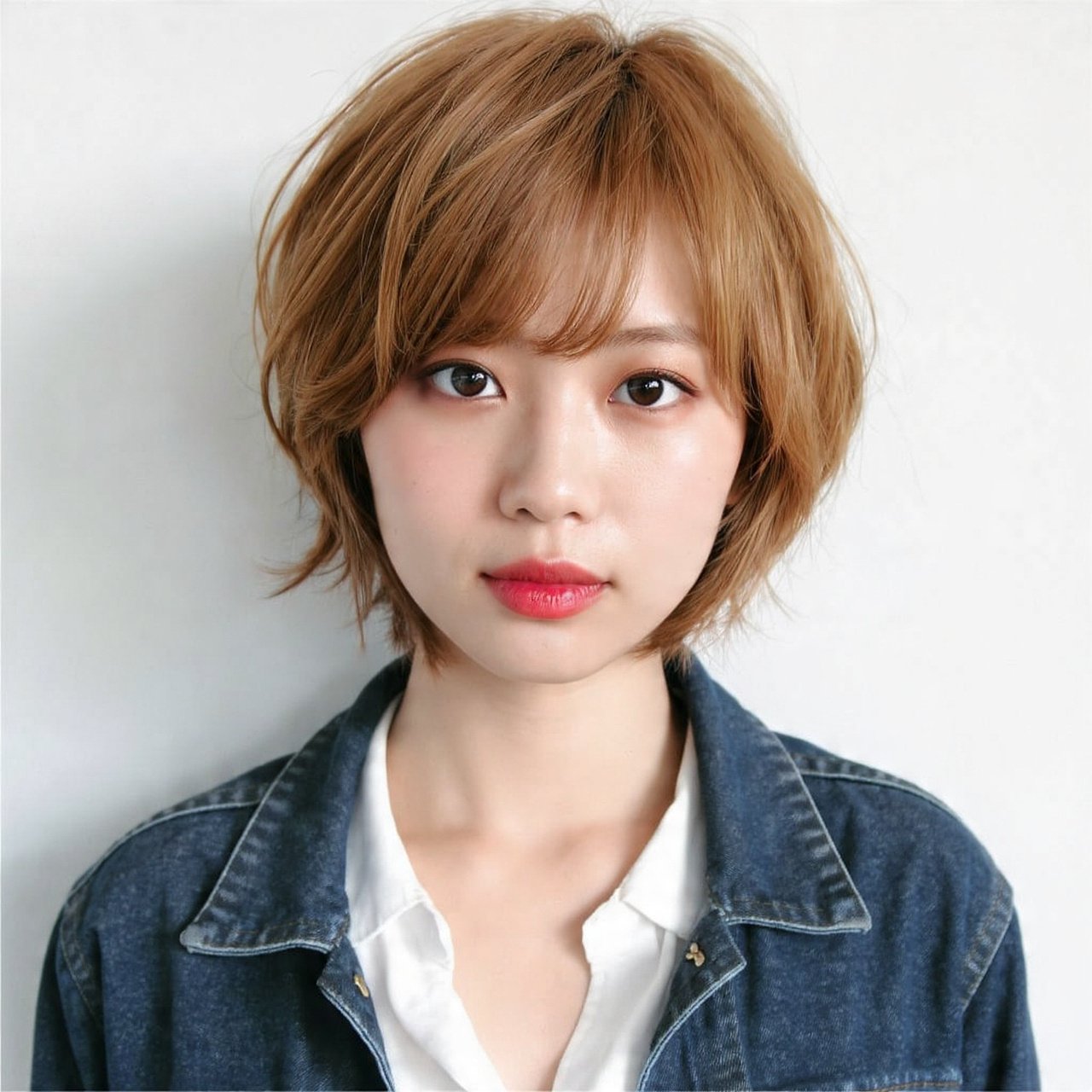
For women who want movement, lived-in character, and a little bit of edge, the textured choppy bob delivers on every count. Unlike blunt cuts, this variation uses point-cutting and razor techniques to create soft, disconnected ends that feel deliberate rather than accidental. The internal texture is what elevates fine hair here by removing some weight selectively throughout the cut, your stylist creates areas of lift and separation that make strands appear thicker than they actually are. It is ideal for naturally straight or slightly wavy fine hair and flatters round, oval, and long face shapes. Finish with a lightweight texturizing spray or salt spray scrunched into slightly damp hair, then allow it to air-dry for an effortlessly stylish result that looks intentionally undone rather than flat.
3. Stacked Bob
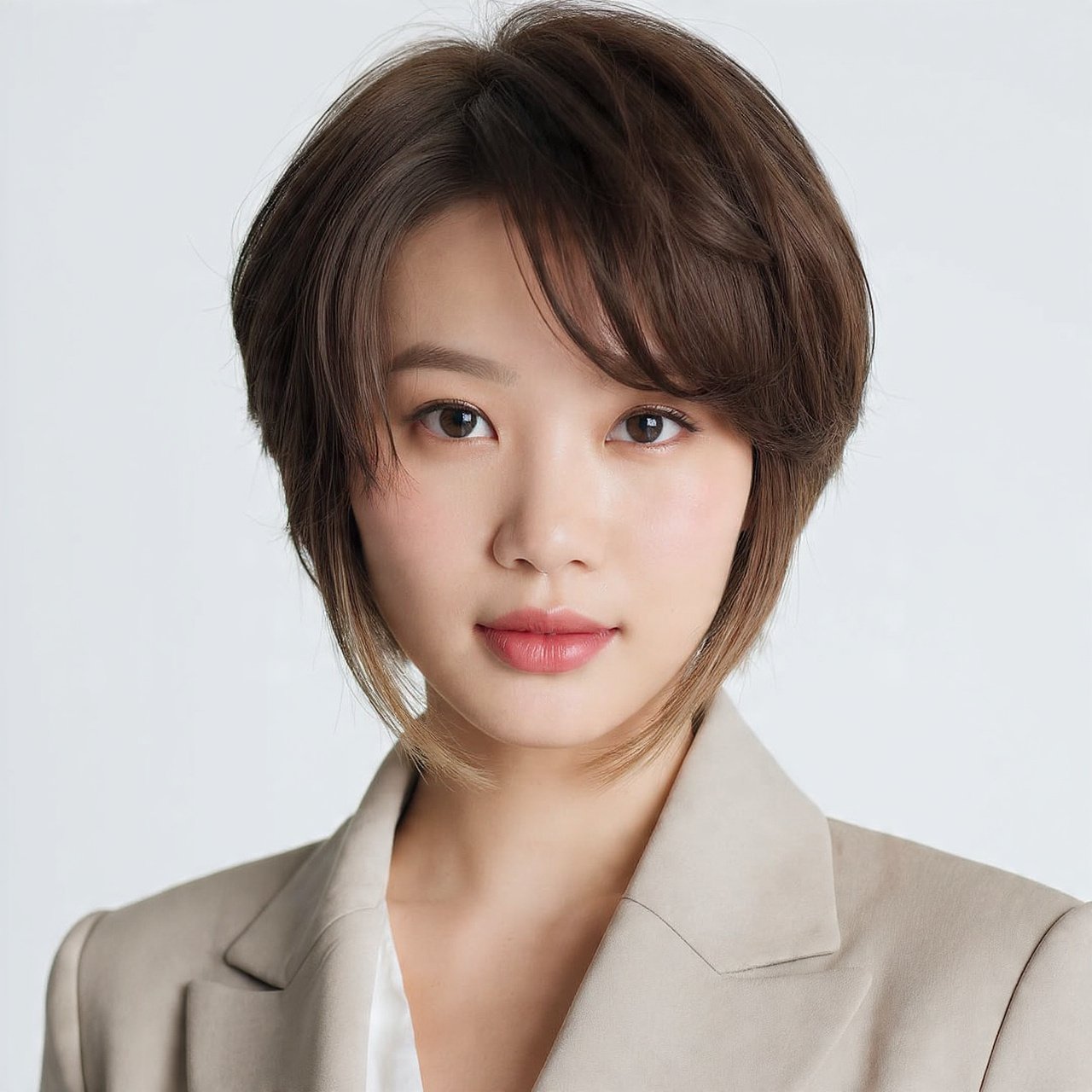
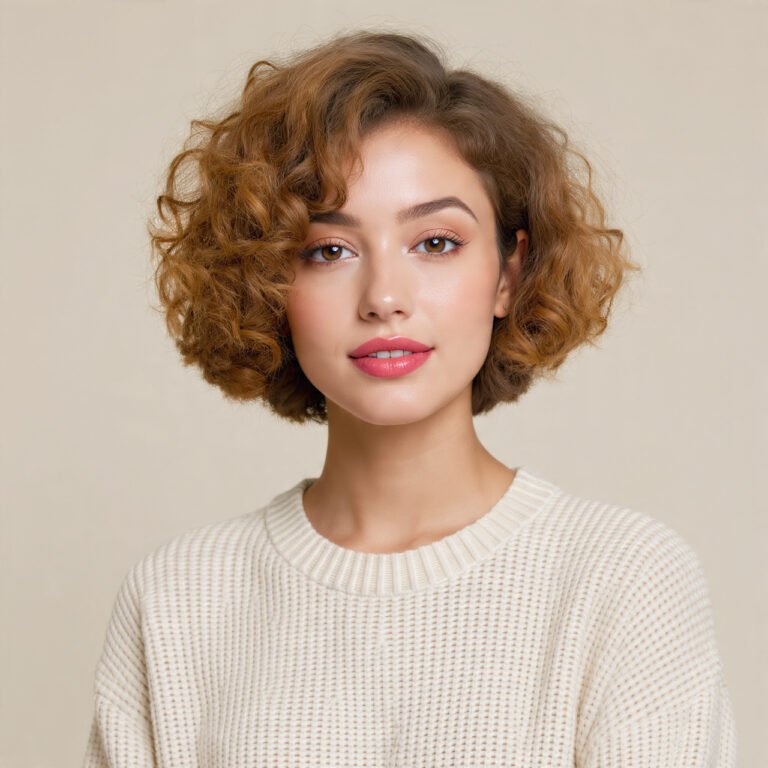
The stacked bob is an architectural wonder for fine hair, built with graduated layers at the back that rise upward and create a rounded, voluminous silhouette. The stacking technique means that shorter layers underneath push the hair above them outward, generating the kind of natural lift and fullness that fine-haired women often spend years chasing with volumizing products alone. It tends to be shorter at the nape and longer toward the front, which also creates a beautifully feminine shape that flatters oval and heart-shaped faces particularly well. Women with active lifestyles adore the stacked bob because it holds its shape through the day without requiring constant touch-ups. Use a diffuser or a boar-bristle brush during blowdrying to maximize the shape and keep that enviable rounded silhouette looking fresh.
4. Wavy Lob (Long Bob) for Fine Hair
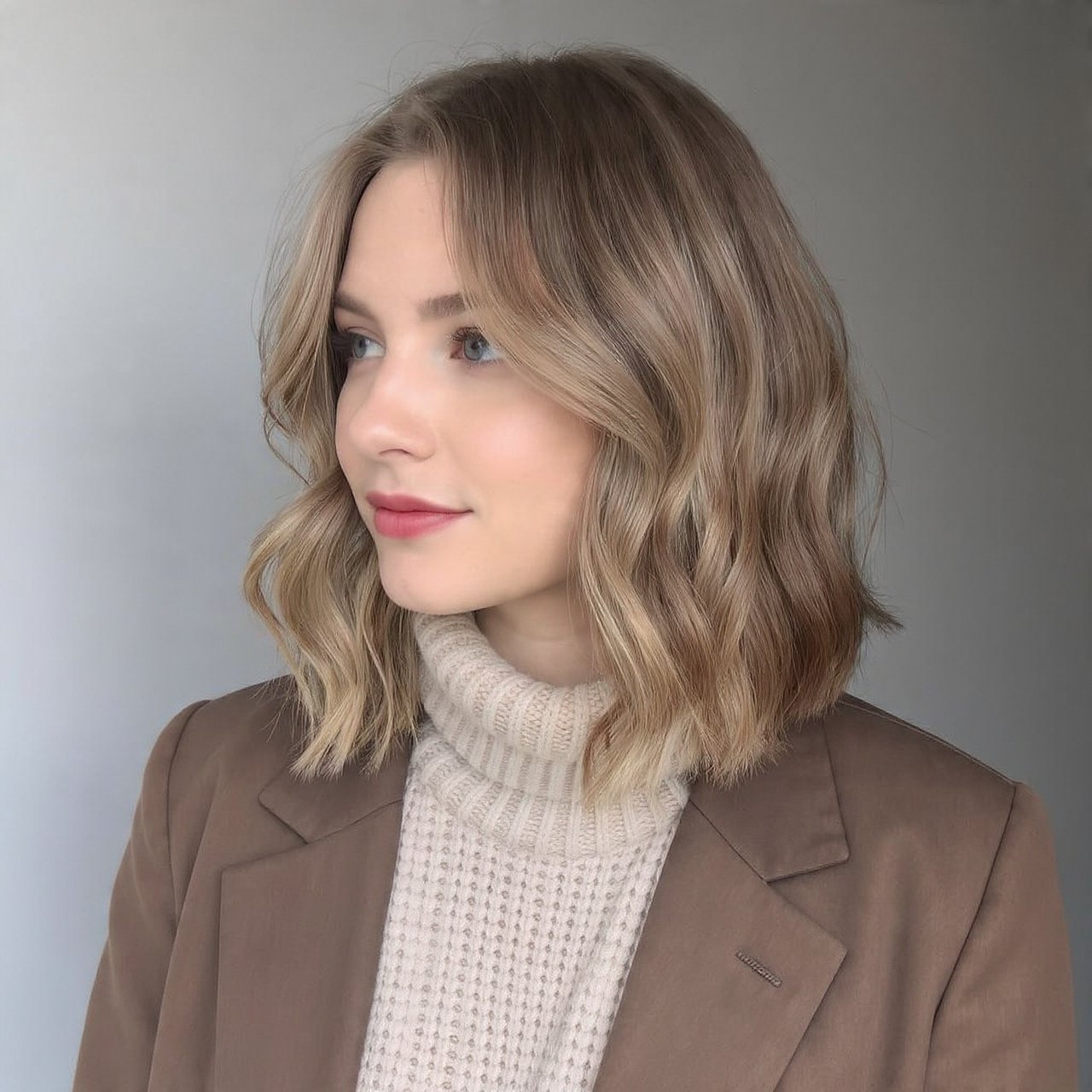
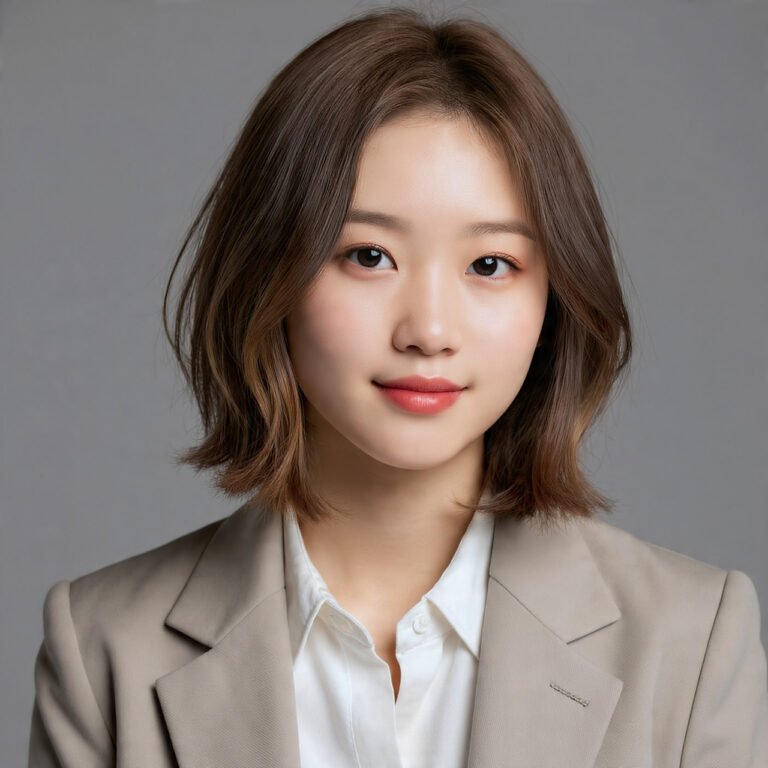
The lob, or long bob, sits comfortably between a traditional bob and shoulder-length hair, making it one of the most versatile and universally flattering haircuts available. For fine hair specifically, the key to making a lob look its absolute best lies in adding soft, loose waves either with a one-inch curling wand or a wave-enhancing styling cream applied before air-drying. Those waves create the visual illusion of volume and body by separating individual strands and preventing them from clinging together, which is a common fine-hair frustration. This style works across a wide range of face shapes and suits women who want more length than a chin bob but still need the structural benefits of a shorter cut. It is particularly well-suited for women transitioning from long hair who are not quite ready for a dramatic change.
5. Asymmetrical Bob
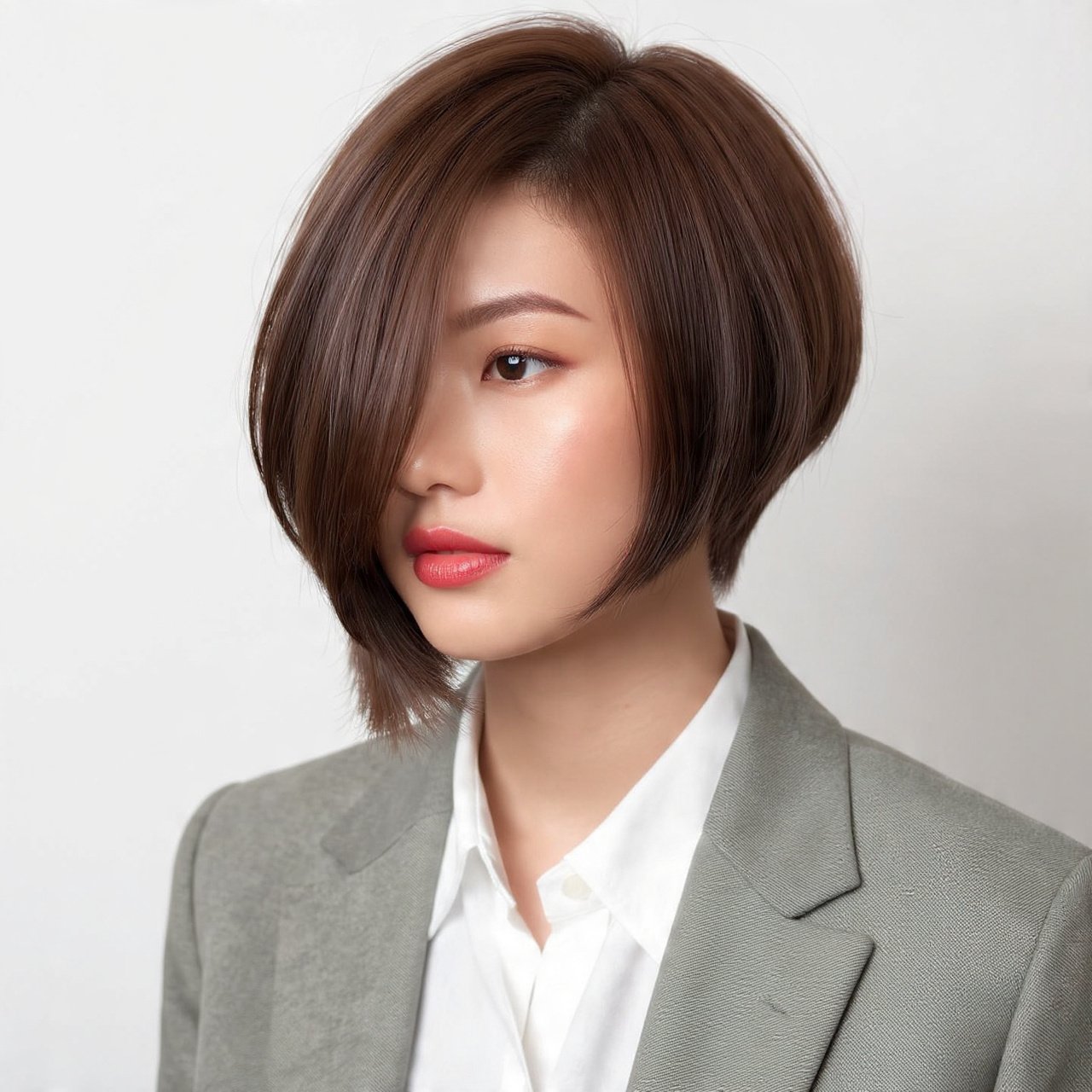
An asymmetrical bob where one side is cut noticeably longer than the other is a bold, directional style that does something genuinely useful for fine hair: it creates the illusion of thickness through contrast and movement. The longer side sweeps across and draws the eye diagonally, which elongates the neck and face while also allowing the hair to stack and build visual weight on that longer panel. Fine hair responds extremely well to asymmetry because the angled cut creates structure without requiring the hair itself to provide density. It is especially flattering for women with round or square face shapes who benefit from that diagonal line breaking up symmetry. Pair this cut with a rich, dimensional hair color like a warm caramel balayage or deep chocolate with highlights to further amplify the impression of fullness and depth.
6. French Bob
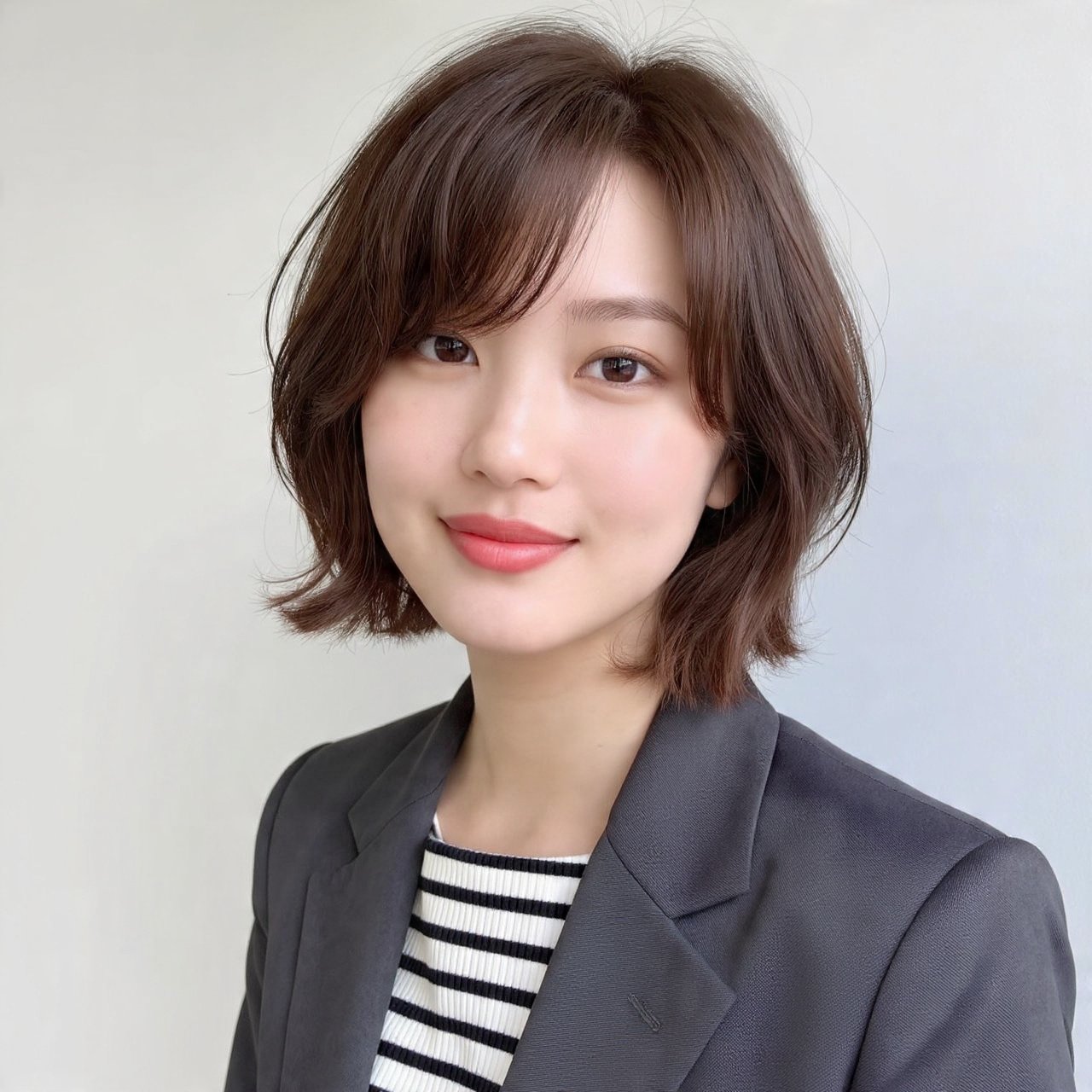
The French bob has experienced a magnificent revival in recent years, and for valid reason it is chic, it is confident, and it does extraordinary things for fine hair. Sitting at or just above the jawline with blunt ends and often accompanied by a curtain fringe, this cut channels an effortlessly Parisian sensibility that feels both timeless and fashion-forward. For fine-haired women, the jaw-length positioning is golden: it keeps strands short enough to hold their shape through the day while the blunt perimeter creates that coveted impression of thickness. It suits oval and heart-shaped faces best, though a skilled stylist can adapt the fringe and length to work for most face shapes. Style it with a nourishing blowout spray, finger-dry with your head tilted forward for root lift, then finish with a soft-hold mist.
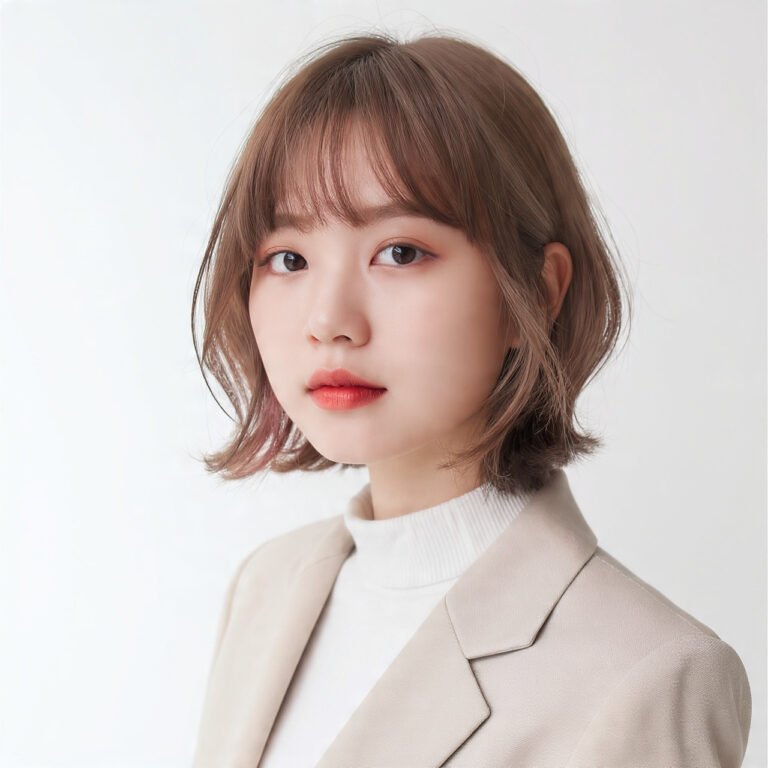
7. Bob with Curtain Bangs
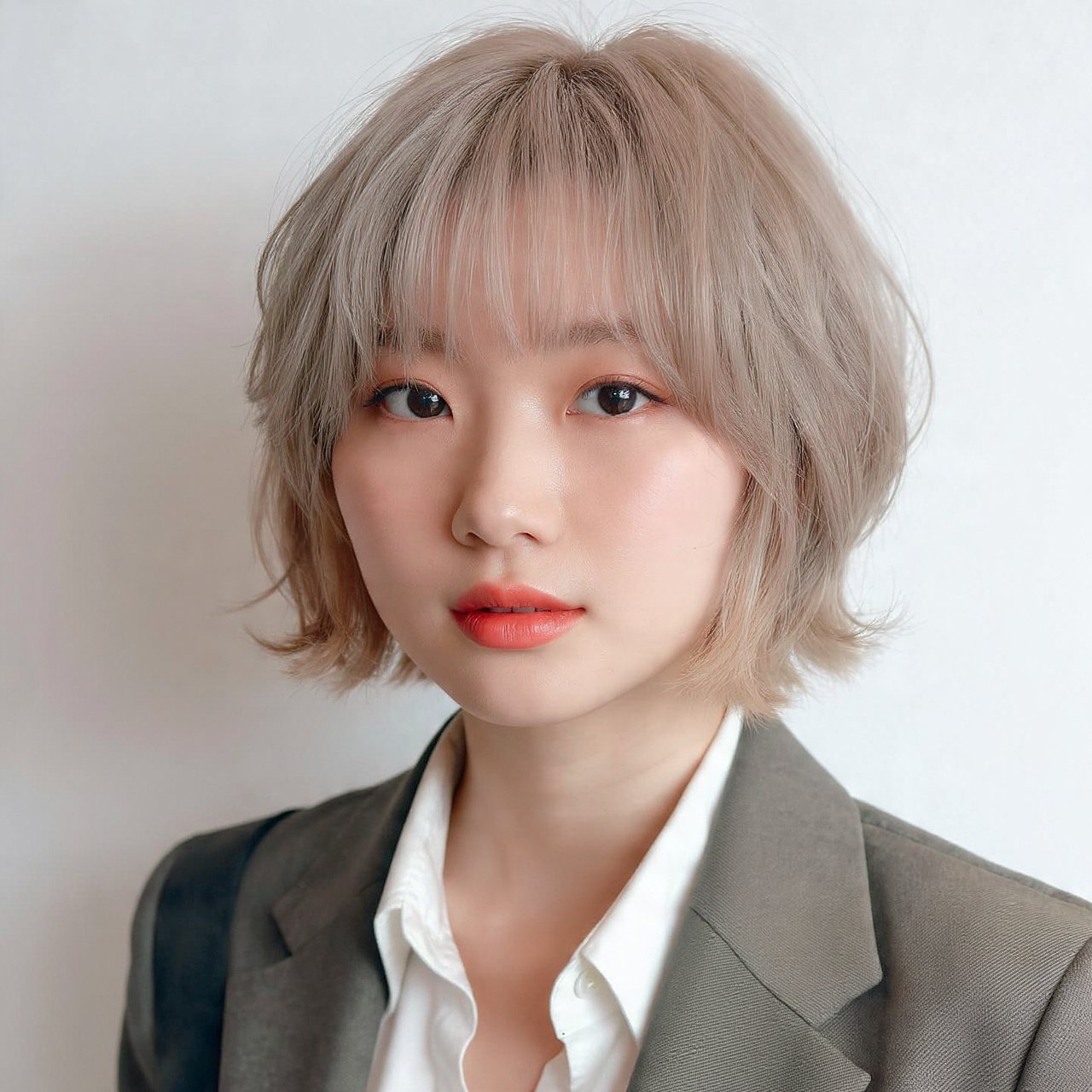
Adding curtain bangs to a bob is one of the most effective ways to instantly modernize the look while also doing something structurally helpful for fine, flat hair. Curtain bangs are center-parted, feathery pieces that sweep outward to frame the face softly and because they are blended into the sides of the bob, they give the appearance of more layers and movement throughout the cut. For fine hair, they break up the forehead area and create visual interest right where the hair begins, which prevents that all-too-familiar look of a flat cap of hair sitting on the head. This combination is flattering for oval, long, and heart-shaped faces. Blow the bangs outward using a small round brush, directing each side away from the center part for that signature feathered shape, then seal with a light-hold spray.
8. Collarbone Bob
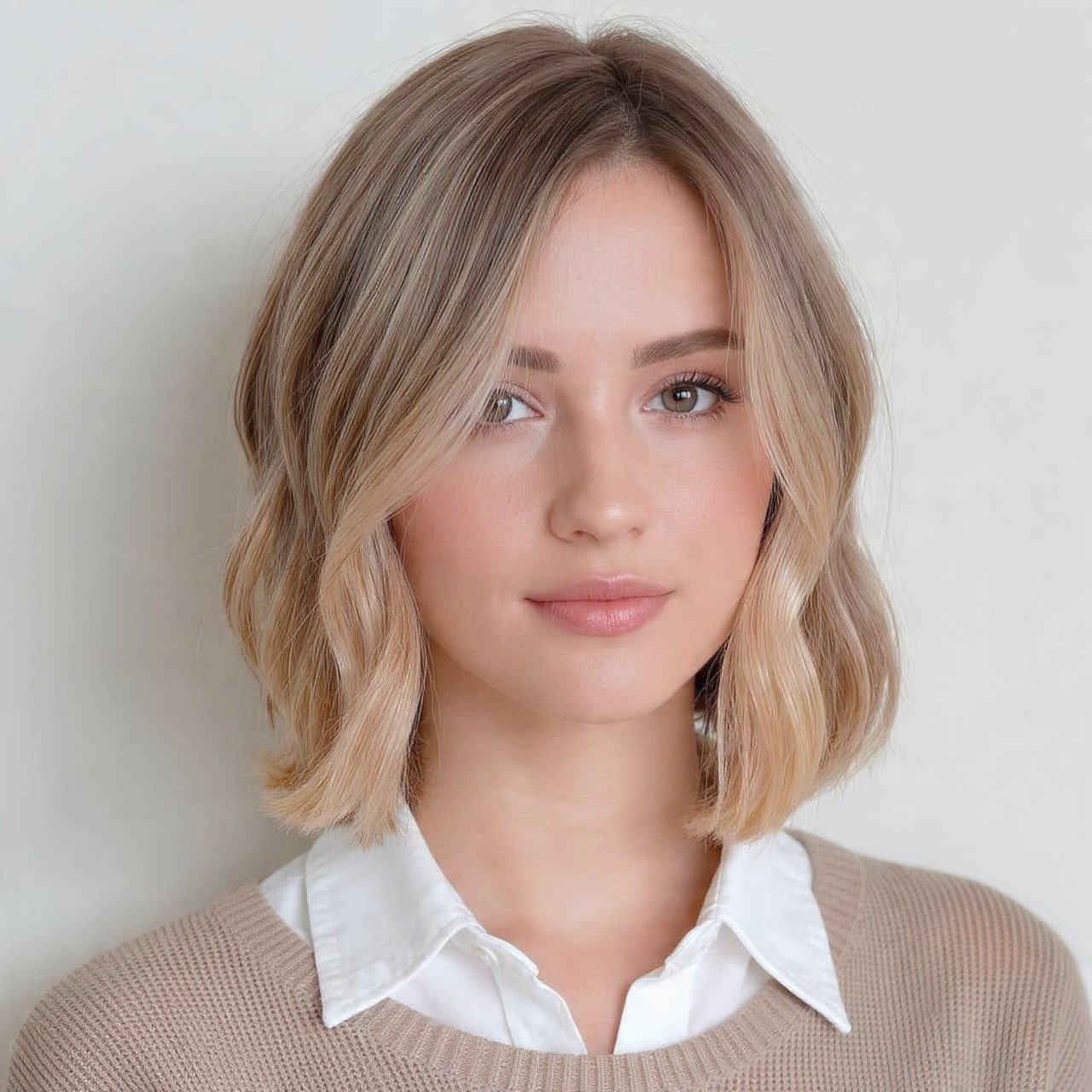
The collarbone bob sits right at the collarbone, making it one of the longer options within the bob family and a brilliant transition point for women who are cautious about cutting away significant length. For fine hair, the collarbone length is strategic it is short enough to prevent the hair from being dragged straight down by its own weight, which is the primary reason fine long hair often looks flat. At this length, fine hair retains enough body to be styled with waves, curls, or a sleek blowout that holds reasonably well through the day. It flatters almost every face shape and works particularly well for women with oval or oblong faces. Pair this length with face-framing highlights or a sun-kissed balayage, as lighter pieces around the face will enhance the sense of movement and dimension at the ends.
9. Inverted Bob
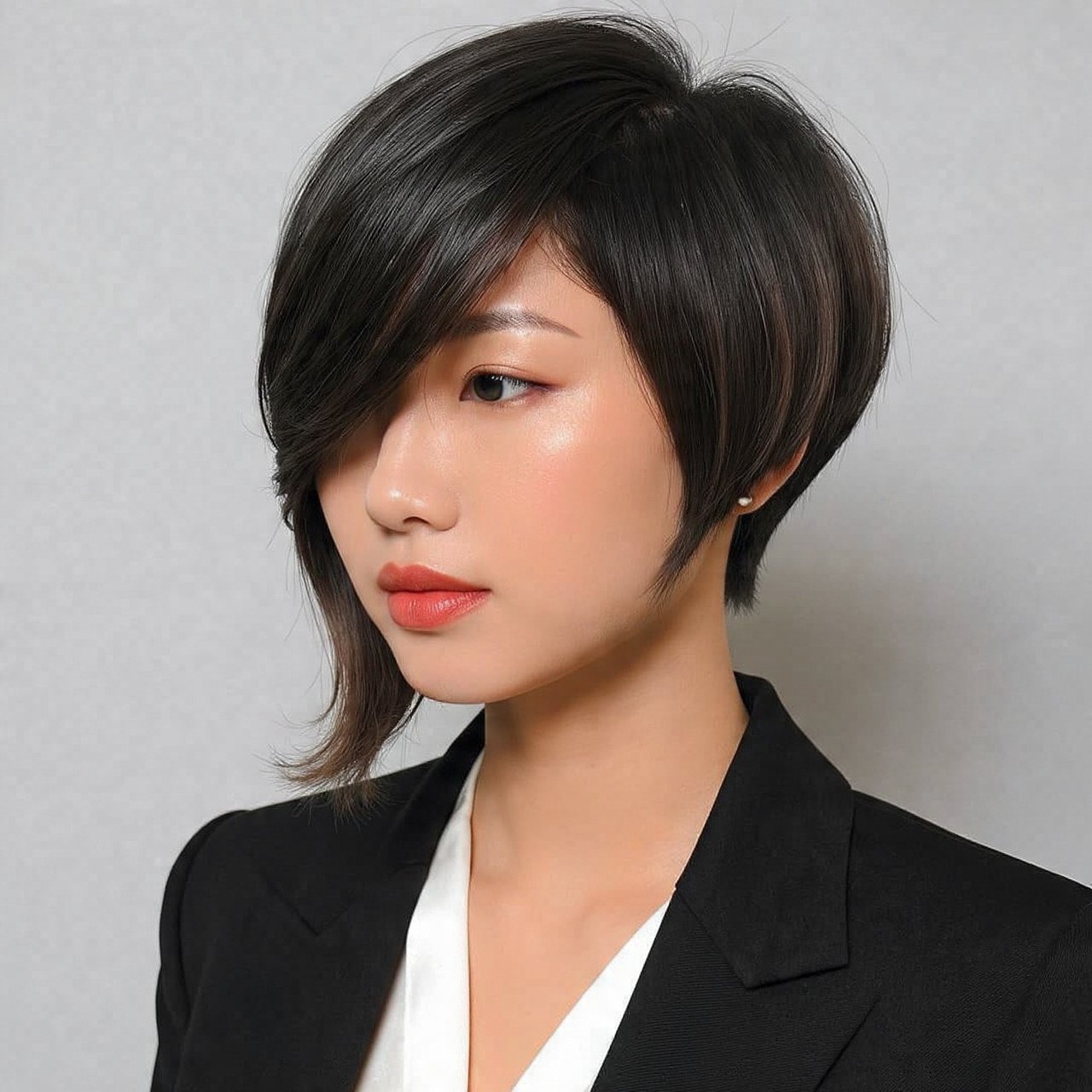
An inverted bob combines the drama of an angled cut with the volume benefits of stacking to create one of the most effective fine-hair transformations available. The back is cut shorter and graduated upward, while the front panels are left longer and angle downward toward the face creating a triangular silhouette that is both striking and incredibly practical for thin strands. Because of the stacking at the crown and nape, fine hair gets a genuine lift it rarely achieves with any other cut. The inverted shape also prevents the dreaded triangle of puffiness at the ends that some bobs can create on naturally straight hair. This style suits heart, oval, and square faces and is beloved by women with professional lifestyles who want a polished silhouette that holds its own without excessive styling effort throughout a busy day.
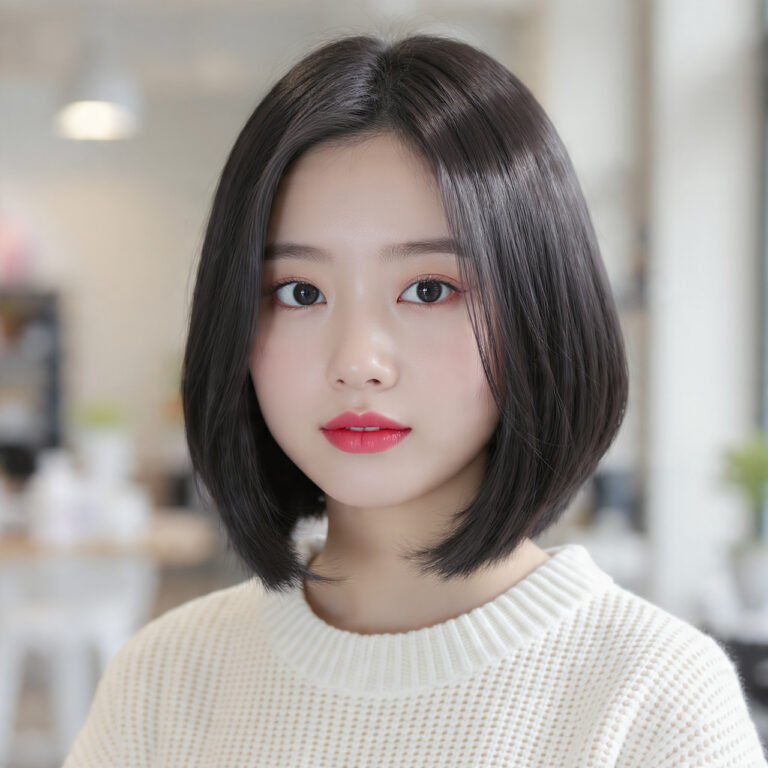
10. Sleek Straight Bob with Center Part
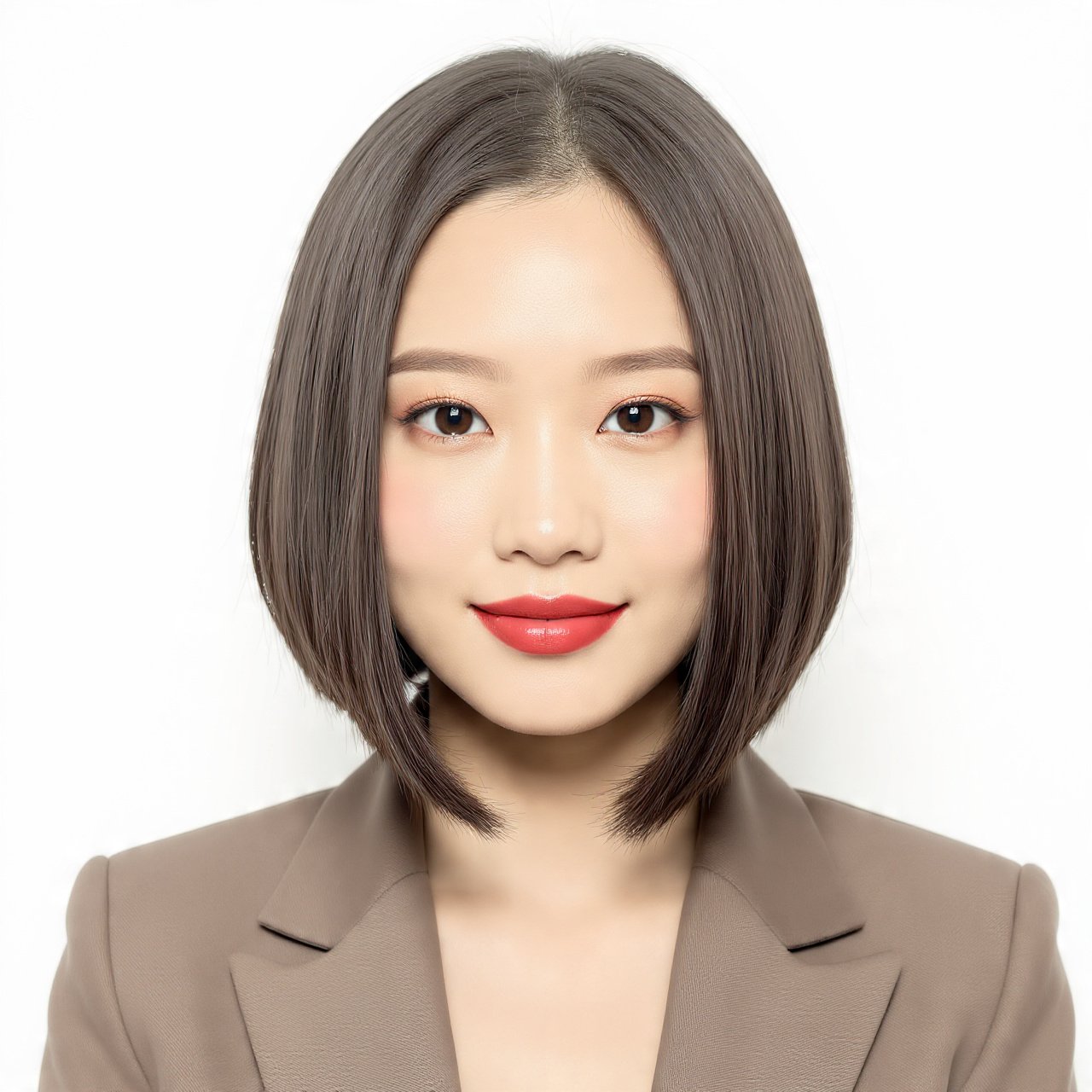
There is a quiet confidence to a perfectly sleek, center-parted bob and for women with fine, naturally straight hair, this is actually one of the most achievable and flattering styles to maintain. The center part divides the hair symmetrically, which creates a clean, graphic quality that feels intentional and editorial. Because fine straight hair naturally falls smooth, achieving this look requires minimal effort: a heat protectant, a round-brush blowout, and a light pass with a flat iron for a reflective, glassy finish. It is especially beautiful on women with oval or oblong faces and suits minimalist personal styles that favor clean lines and understated elegance. Consider going slightly darker with your hair color a rich brunette or deep espresso tone to enhance the sleek look and create a sense of depth that lightens cannot always provide.
11. Shaggy Bob (Bixie)
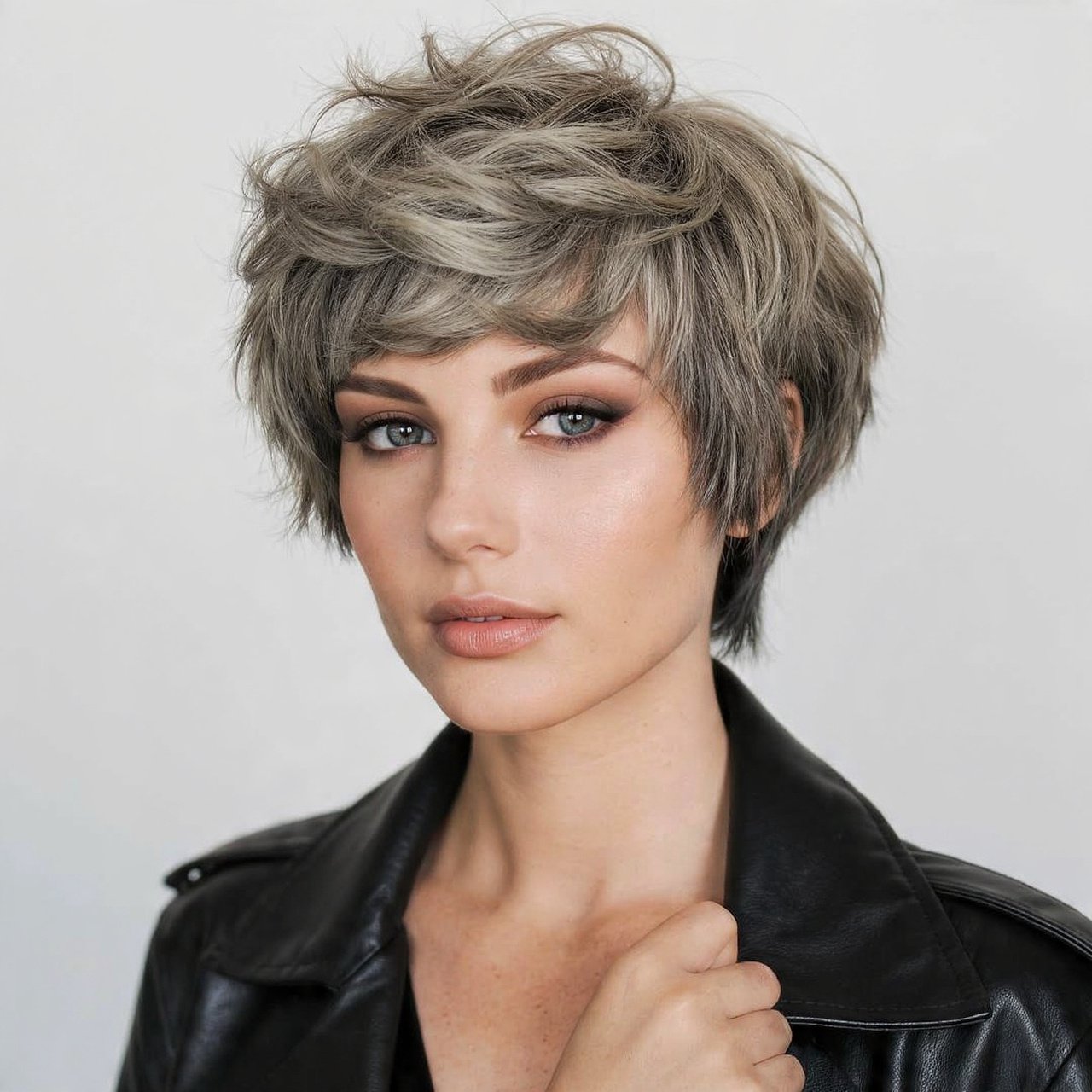
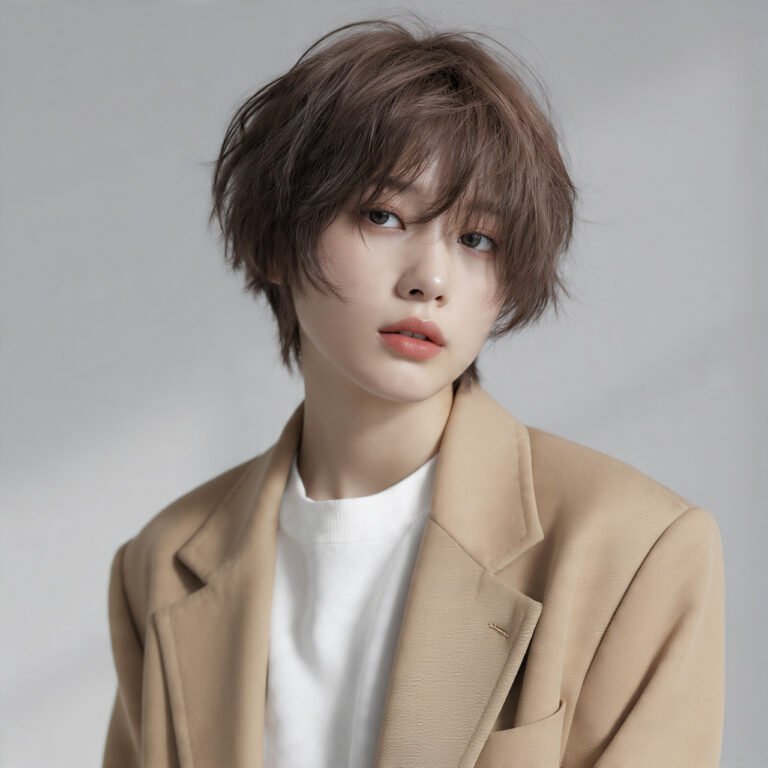
The bixie a hybrid between a bob and a pixie cut has become one of the most talked-about haircuts across social platforms, and fine-haired women have particularly good reason to consider it. This style is intentionally textured, layered, and a little bit undone, with shorter lengths at the crown that blend into longer, face-framing pieces at the front. For fine hair, the bixie works because the layering removes bulk without removing volume the lighter the individual strands feel, the more they can move independently and create the illusion of density. It is a low-maintenance style that looks best when styled with a small amount of matte clay or piece-y texture paste worked through dry hair. It suits adventurous personalities and is particularly flattering for oval, square, and heart-shaped faces with strong, defined features.
12. Bob with Highlights and Babylights
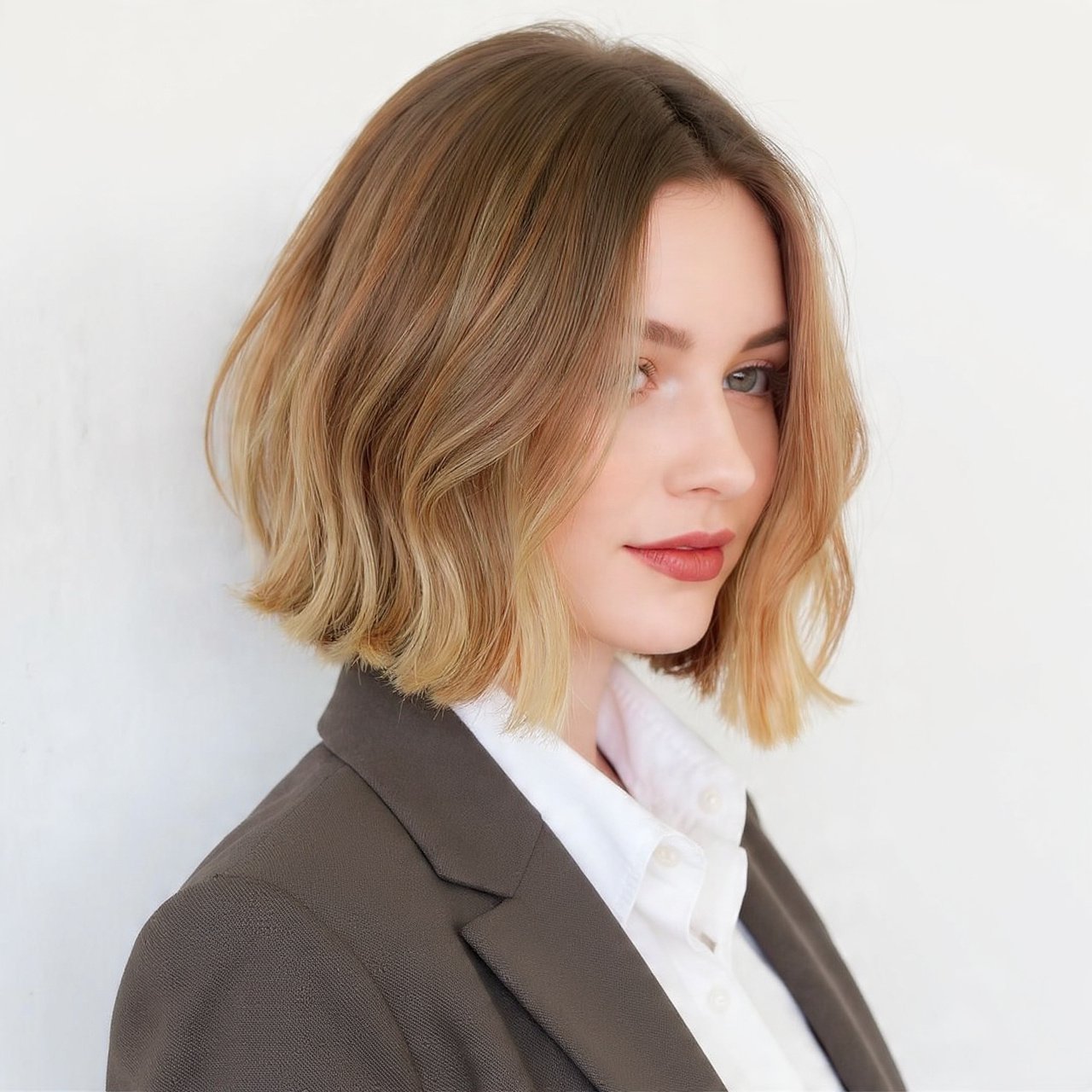
While not a structural cut variation on its own, pairing any bob shape with carefully placed highlights or babylights is one of the single most impactful upgrades a fine-haired woman can make to her hairstyle. Babylights are ultra-fine, delicate highlights woven throughout the hair to mimic the natural, sun-kissed variation that makes hair look luminous and multidimensional. On fine hair specifically, this technique adds the impression of depth and thickness because the varying tones break up the flat, uniform appearance that single-process color can create. Combine babylights with a blunt or textured bob for a result that looks genuinely expensive and full. Warm honey, champagne blonde, and toffee tones are especially beautiful choices for fine hair, as they catch light beautifully and add warmth to the face throughout every season.
How to Choose the Right Bob for Your Hair Type and Face Shape
Choosing the correct bob for fine hair requires thinking about two equally important factors: your face shape and the natural texture of your strands. If you have a round face, angular or asymmetrical bobs with diagonal lines will elongate your features and create the impression of more length in your face. Heart-shaped faces tend to look stunning with chin-length bobs or lobs that add width at the jawline to balance a wider forehead. Oval faces are genuinely lucky almost every bob variation works beautifully because the proportions of an oval face are naturally balanced and harmonious. Square faces benefit from soft, layered bobs or curtain bangs that soften the jawline and reduce angularity.
For hair texture, naturally straight fine hair typically looks best in blunt or sleek bobs because the precision of the cut reads clearly. Wavy fine hair has natural texture to work with, making choppy or shaggy bobs excellent choices. If your fine hair is also prone to frizz, an inverted or stacked bob with smooth-sealing styling products will keep the shape clean throughout the day.
Styling and Maintenance Tips for Fine Hair Bobs
Maintaining a bob with fine hair is significantly easier than managing long, fine locks but there are still specific habits that will keep your cut looking fresh between appointments. First, invest in a quality volumizing mousse or root-lifting spray applied at the roots while the hair is damp before blowdrying. Flip your head upside down when drying to build maximum root lift, then finish with a light-hold flexible spray rather than a stiff lacquer, which can make fine hair look crispy and flat. Dry shampoo is a fine-haired woman’s best companion. Apply it at the roots the night before for best absorption, then wake up with naturally lifted, refreshed hair that looks and feels like a freshly washed blowout without the time commitment.
Trim your bob every six to eight weeks without exception. Fine hair reveals split ends and lost shape faster than thicker hair, and even a few millimeters of growth can collapse the structure that makes your bob look so deliberately flattering. Use a silk pillowcase to reduce overnight breakage and friction, and always apply a thermal protectant before using any heat tools fine hair is more susceptible to heat damage and can become even thinner over time without this precaution.
How to Ask Your Hairstylist for This Look
Communicating clearly with your hairstylist is the bridge between a Pinterest-saved photo and a haircut that actually works for your individual hair. Rather than simply showing a photo and hoping for the best, walk into your appointment prepared to describe both what you want and what your hair typically does. Tell your stylist: “I have fine, [straight/wavy] hair, and I am looking for a [blunt/textured/stacked] bob that adds volume and holds its shape through the day.” Mention your preferred length clearly chin, jaw, collarbone and specify whether you want to keep your current part or experiment with something new.
If you are interested in bangs, bring a reference photo specifically of the fringe style you want, separate from your overall cut reference. Ask your stylist which bob variation they believe would suit your face shape and hair density based on their professional assessment a skilled colorist or cutter will always appreciate the collaborative dynamic and may suggest a modification you had not considered. Do not be afraid to discuss color options at the same consultation, as highlights and bob cuts are frequently planned together for the most cohesive, dimensional result.
Frequently Asked Questions About Bob Hairstyles for Fine Hair
Q1: Will a bob make my fine hair look thicker?
Absolutely and this is one of the primary reasons stylists recommend bobs so enthusiastically for fine-haired clients. When length is removed, strands no longer hang heavy and flat against the head. The blunt ends of a bob create a solid visual line that reads as density, and shorter hair has significantly more ability to hold volume at the root. Combined with the right styling techniques, a well-cut bob can make fine hair appear dramatically fuller than it did at longer lengths.
Q2: How often should I trim my fine hair bob?
Every six to eight weeks is the recommended schedule for fine hair, and it is worth committing to. Fine strands lose their shape faster than thick hair, and the precision of a bob cut depends heavily on the integrity of its perimeter. Waiting longer than eight weeks will often result in lost structure, split ends, and a flatness that no amount of styling product can fully reverse.
Q3: What is the best bob length for fine hair?
The chin to collarbone range is generally most flattering and functional for fine hair. Jaw-length and chin-length bobs offer maximum volume and structure, while collarbone bobs provide the same benefits with a touch more versatility in styling. Extremely long bobs that approach the shoulders can begin to pull fine hair down and diminish the volumizing benefits of the cut.
Q4: Can I get a bob if my fine hair is also thinning?
Yes, and a bob is often specifically recommended for women experiencing thinning. Shorter hair appears denser and covers the scalp more effectively than long hair, which can part and reveal the scalp more noticeably. Speak with your stylist about stacked or inverted options, which build volume at the crown exactly where thinning is most commonly noticed.
Q5: What styling products work best for fine hair bobs?
Lightweight volumizing mousse at the root, a heat protectant spray before any heat styling, dry shampoo for lift between washes, and a flexible-hold finishing mist are the four essentials. Avoid heavy oils, thick serums, or creams, which can weigh fine strands down and eliminate the very volume your bob is designed to create. Less product is almost always more effective for fine hair.
Q6: Does a bob work for all face shapes?
With the right variation, yes bobs can be adapted for virtually every face shape. Round faces benefit from longer, angled bobs; square faces look beautiful with softer, layered versions; oval faces suit virtually every option; and heart-shaped faces are particularly flattered by jaw-length styles with width at the ends. A consultation with your stylist will confirm which specific variation serves your individual proportions best.
Conclusion
Bob hairstyles for fine hair represent one of the most genuinely transformative decisions a woman can make for her strands, and the options available today are far more varied, creative, and personalizable than most people realize before sitting in that salon chair. Whether you choose the sculptural geometry of a stacked bob, the carefree texture of a shaggy bixie, or the timeless elegance of a blunt chin-length cut, the right bob will work with your natural hair rather than against it. Pair your chosen cut with thoughtful color, consistent maintenance, and the right lightweight styling products, and you will step out of the salon with hair that finally looks as full, intentional, and beautiful as every photo you have been saving on Pinterest.