17 Trendy My Hair Color Ideas That’ll Make You Actually Book That Salon Appointment
If you’ve been saving my hair color inspiration on Pinterest for the past three weeks but still haven’t picked up the phone to call your stylist, this article was written for you. There’s something almost paralyzing about having too many beautiful options: balayage melts, vivid fantasy shades, soft dimensional brunettes, bold copper ombré all sitting in a folder you keep telling yourself you’ll “decide on later.” The truth is, the perfect hair color transformation doesn’t require perfection upfront.
My Hair Color Ideas Worth Saving
It requires a starting point, a little guidance, and the confidence to walk into a salon knowing what you want and why it works for your hair type, skin tone, and lifestyle. That’s exactly what this article delivers.
1. Honey Blonde Balayage Hair Color
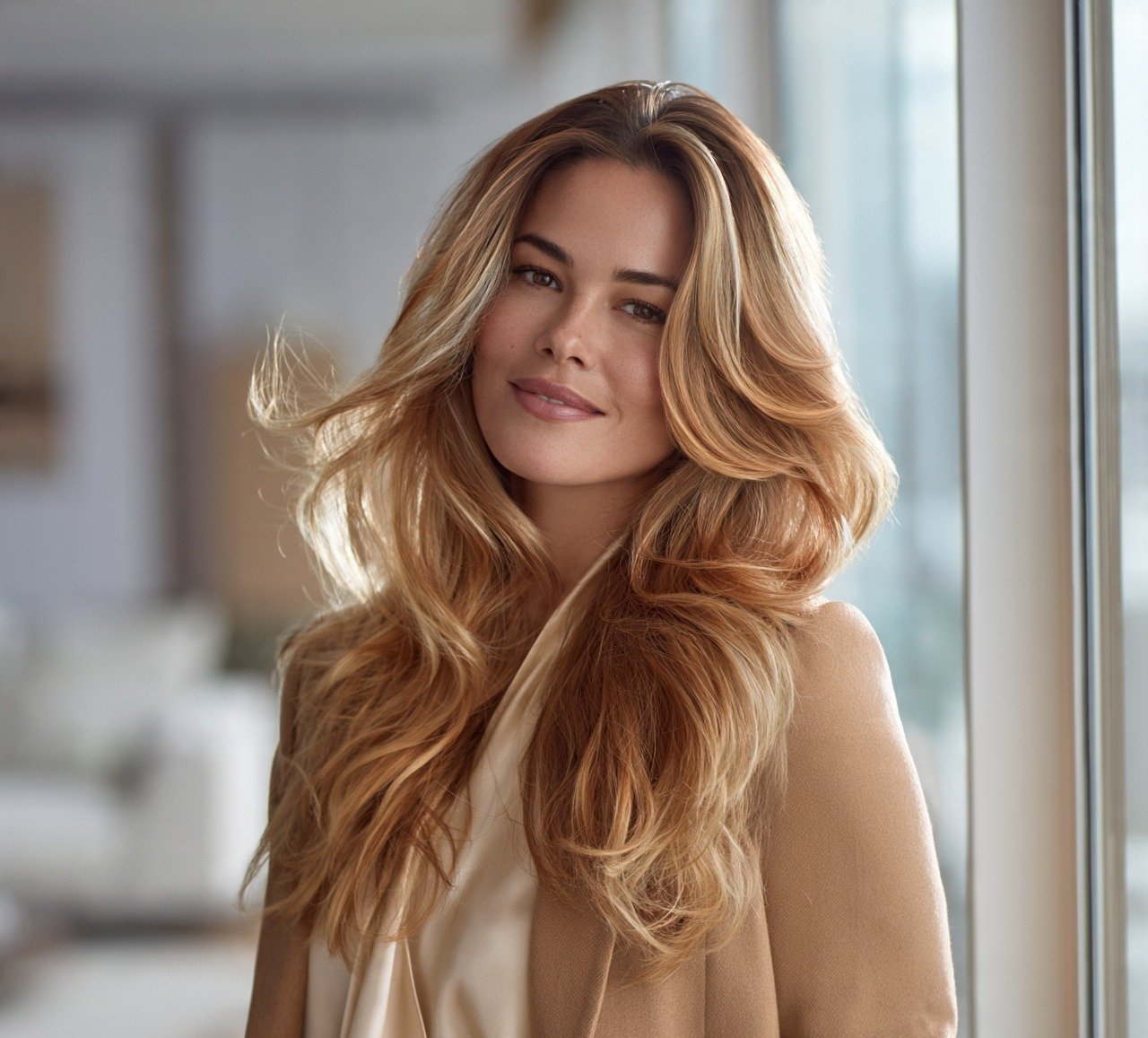
Honey blonde balayage sits at that gorgeous intersection of natural looking and undeniably radiant. The technique involves hand painting warm golden tones through mid lengths and ends, leaving the roots slightly deeper for a soft, grown in effect that never looks harsh. This shade flatters warm and neutral undertones beautifully, and it works across a wide range of base colors from light brown to dark blonde. It’s an especially smart choice for low maintenance lovers, since the growth is seamless rather than obvious. Ask your stylist to add a glossing treatment at the end to make those honey tones genuinely glow under natural light.
2. Rich Chocolate Brown with Caramel Highlights Hair Color
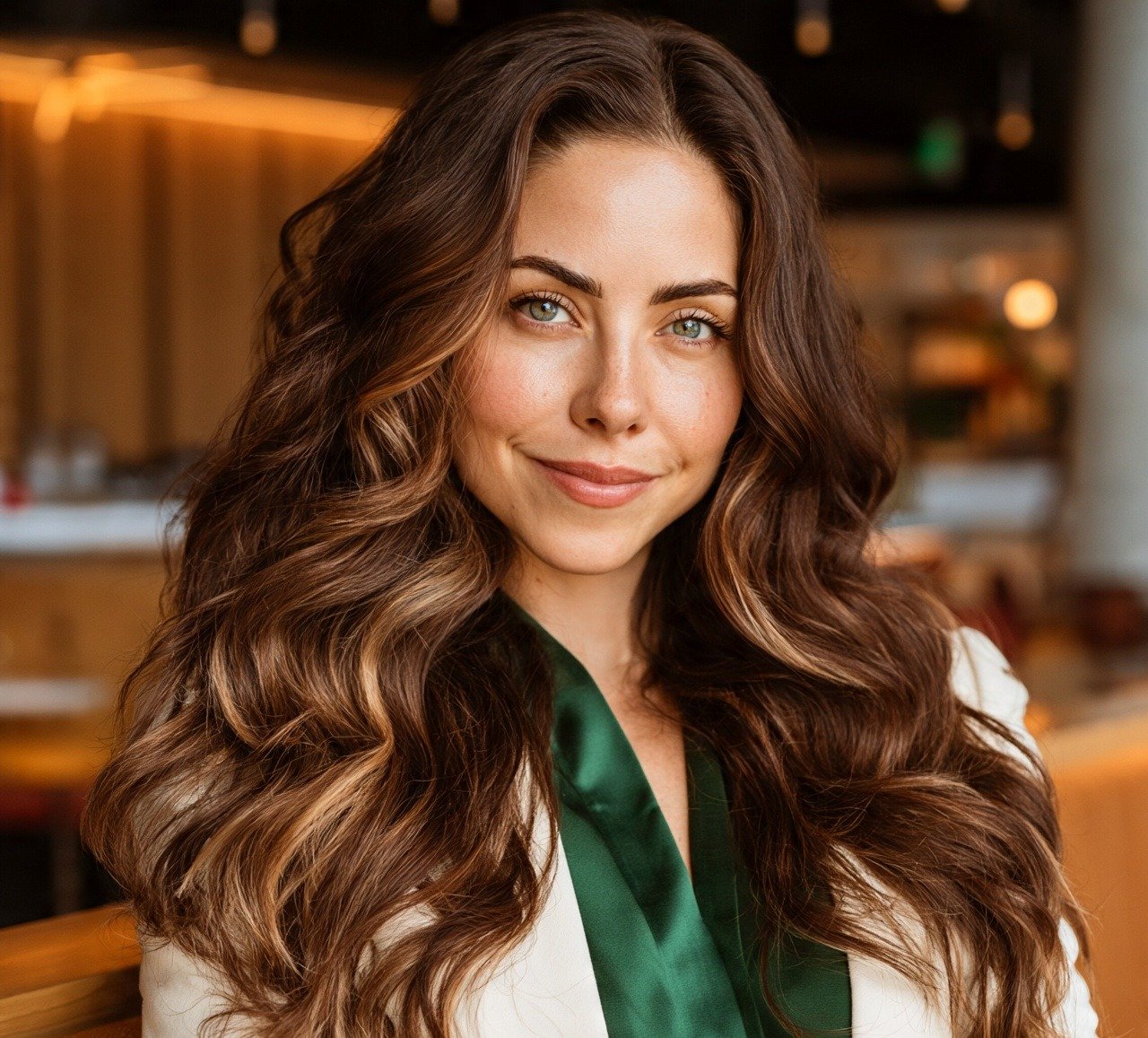
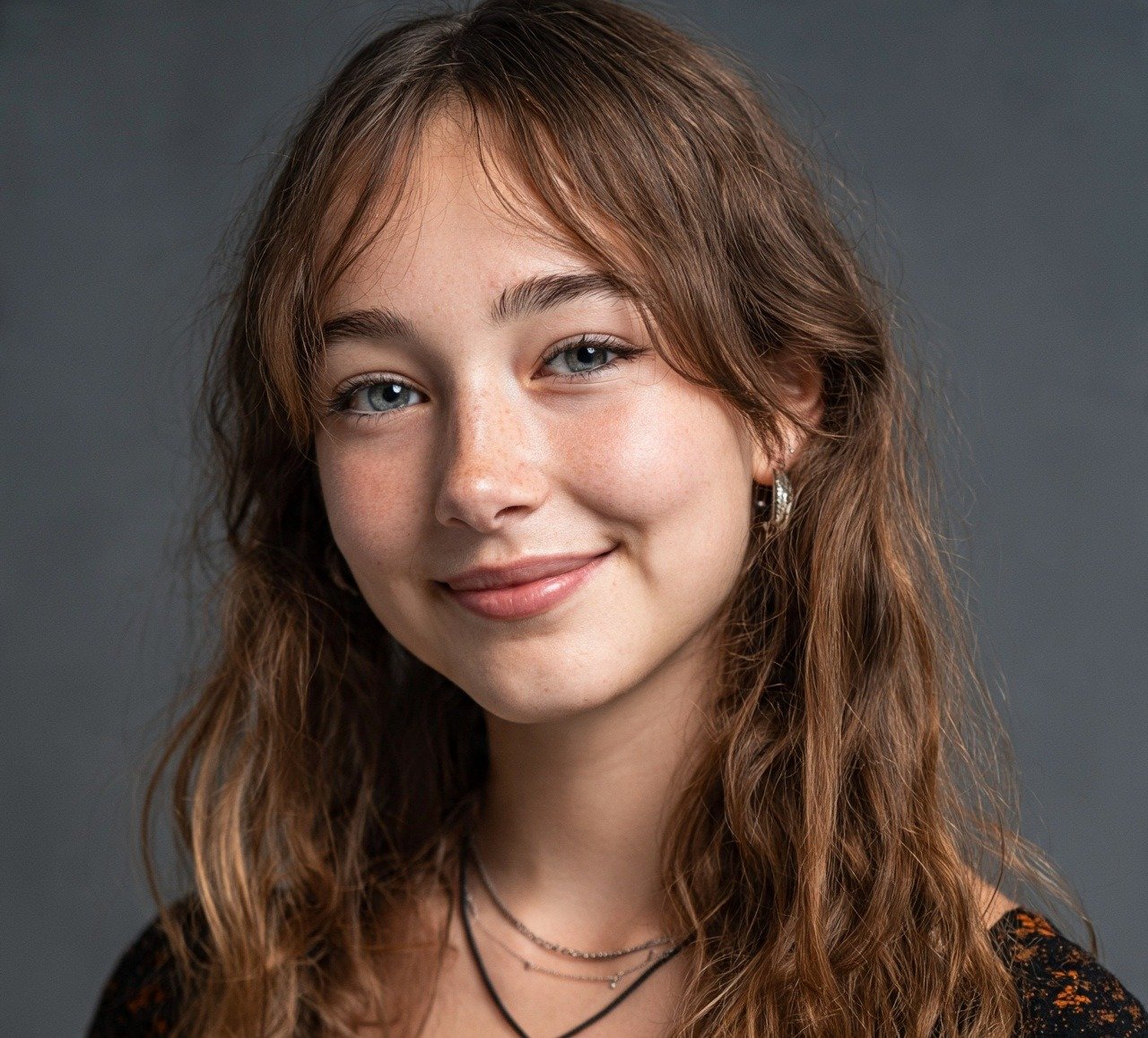
If you want depth without drama, this combination delivers warmth and dimension in the most wearable way imaginable. A deep chocolate base acts as the perfect canvas, while caramel highlights are woven through strategically to mimic the way sunlight naturally catches hair. This pairing suits cool and neutral skin undertones particularly well, and it’s one of those universally flattering combinations that looks polished in a boardroom and effortless on a weekend. The caramel placement matters enormously here. Ask your colorist to concentrate highlights around the face and through the middle sections for maximum brightness without bleaching everything.
3. Soft Copper Ombré Hair Color
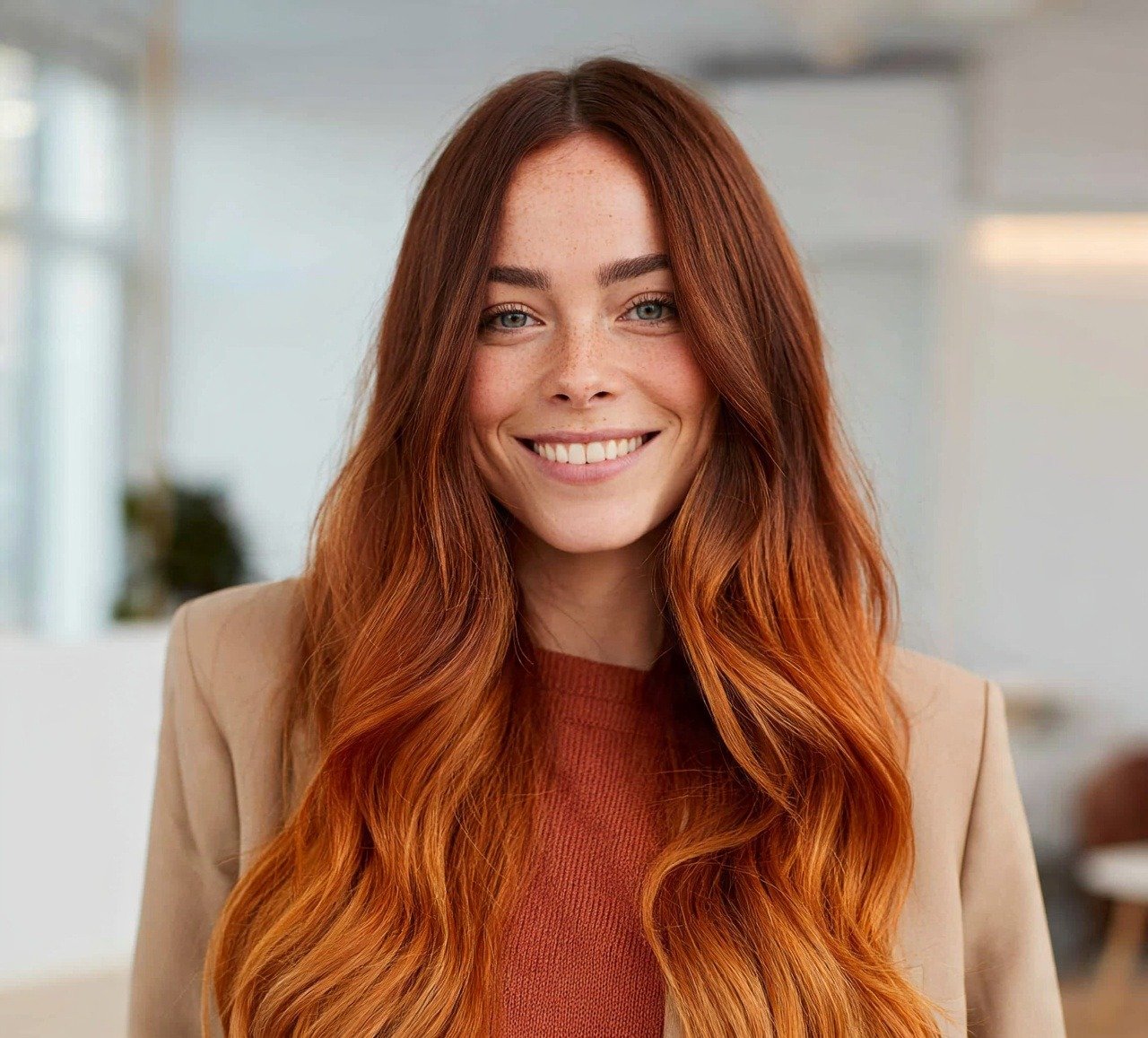
Copper ombré has had a serious cultural moment, and honestly, it deserves every bit of attention it receives. Starting with a deeper auburn or brown root, the color gradually transitions into a warm, burnished copper at the ends creating movement and visual interest that photographs beautifully from every angle. This works especially well on medium and thick hair textures where the gradient has room to breathe and develop naturally. It’s a fantastic option for someone who wants something bold but not shocking, adventurous but still office appropriate. Pair it with a deep conditioning treatment monthly to keep those copper ends from going brassy or dry.
Learn More About Curly Hair Color Ideas.
4. Icy Platinum Blonde Hair Color
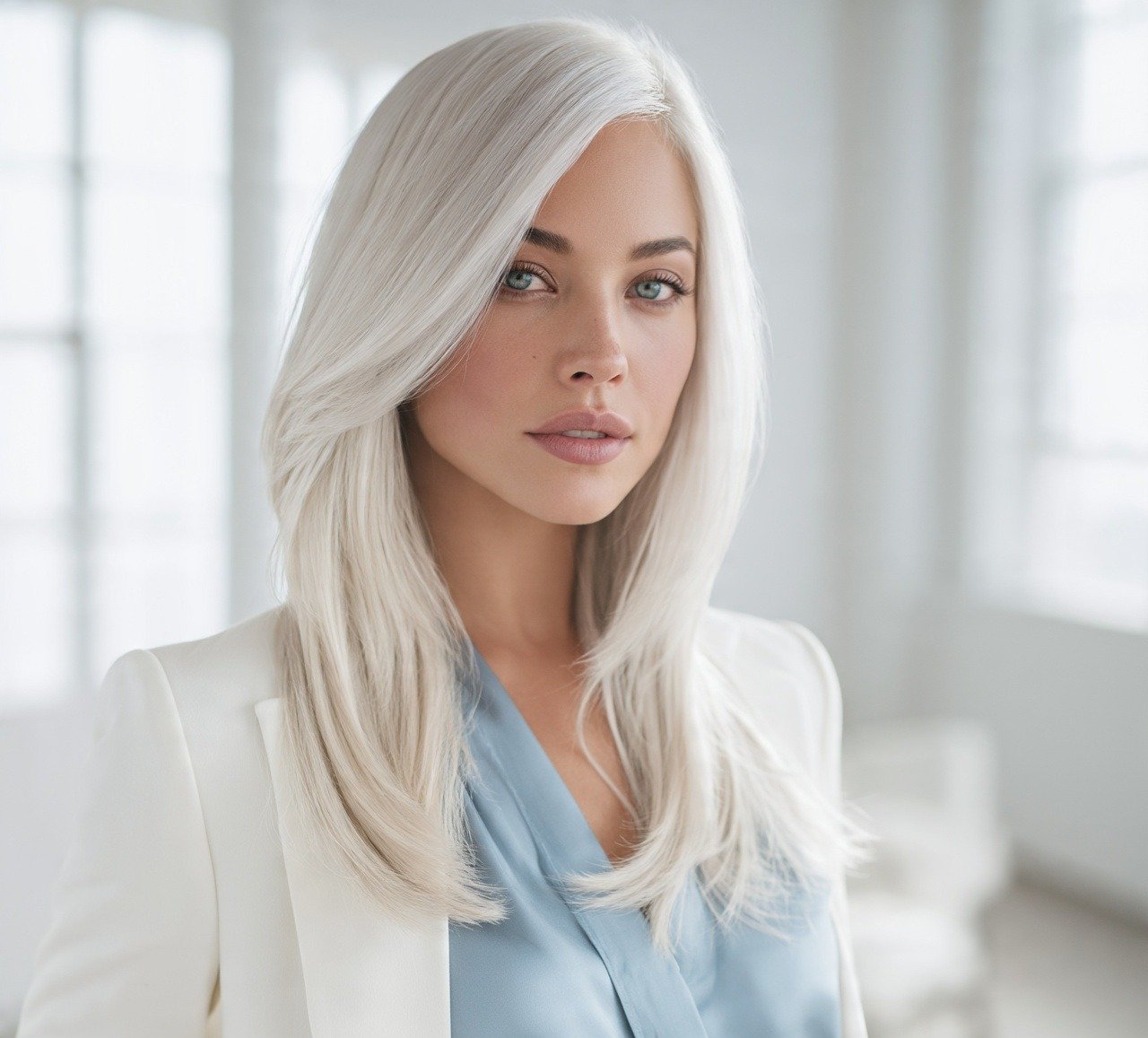
Few transformations command attention the way a well executed platinum blonde does. This is a full commitment color achieving true ice toned platinum typically requires multiple lightening sessions, toning, and a dedicated maintenance routine at home using purple shampoo. It suits cool undertones most naturally, though a skilled colorist can adjust the toning to work on warmer complexions by pulling the shade slightly warmer or more pearl toned. Lifestyle matters here: this look thrives on people who enjoy a structured haircare routine and don’t mind regular salon visits. When done right, platinum transforms hair into something almost architectural in its sleekness.
5. Dimensional Auburn Hair Color
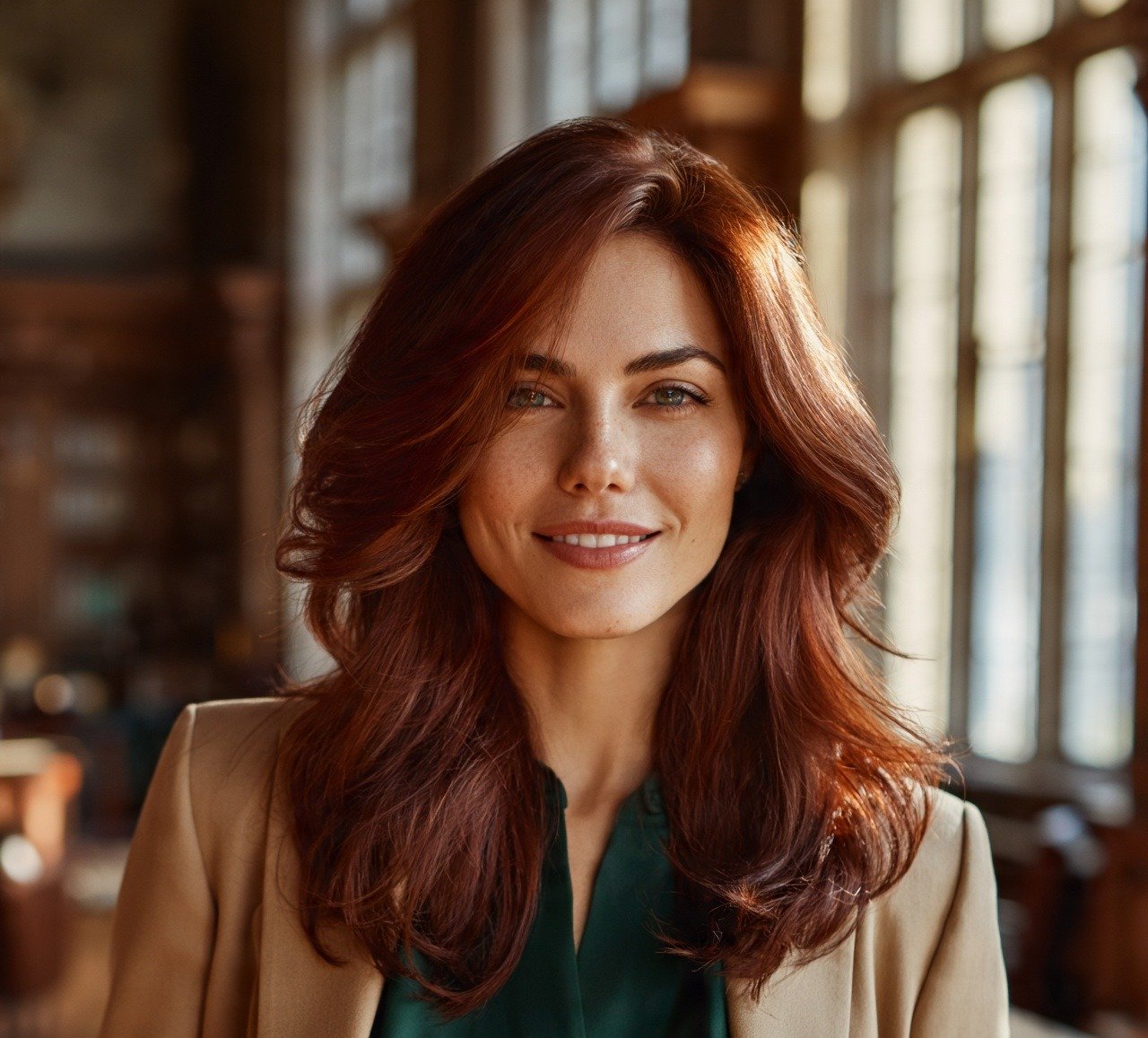
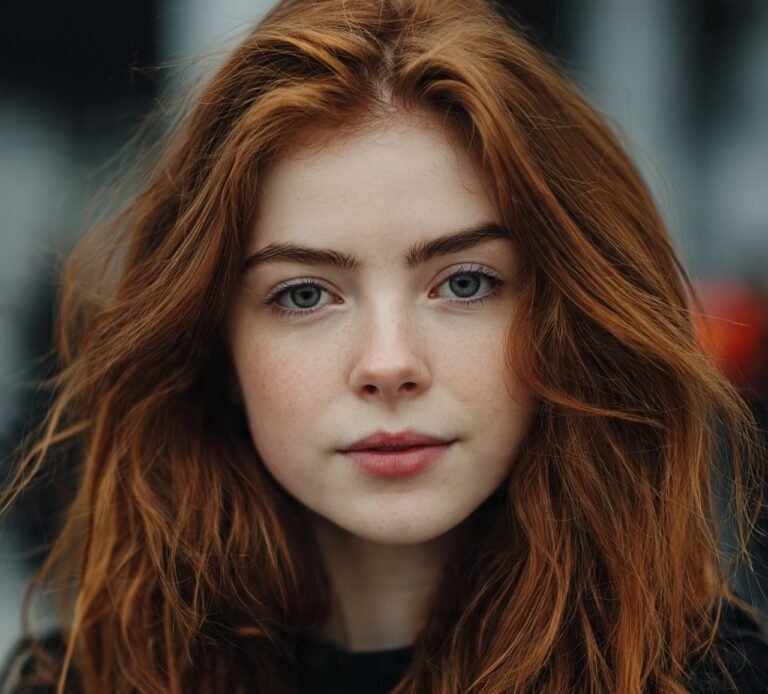
Auburn isn’t just one color it’s an entire spectrum of red brown tones that shift beautifully depending on how light hits the hair. Dimensional auburn involves layering multiple shades of red, copper, mahogany, and warm brown together to create depth that looks almost hand painted by nature itself. It’s a particularly stunning option for medium to dark skin tones, where the richness of the shade pops against deeper complexions in a way that feels genuinely dramatic. Unlike flat, single process reds that fade quickly and predictably, dimensional auburn retains interest even as it softens between appointments. Use a color safe sulfate free shampoo to protect longevity.
6. Mushroom Brown Hair Color
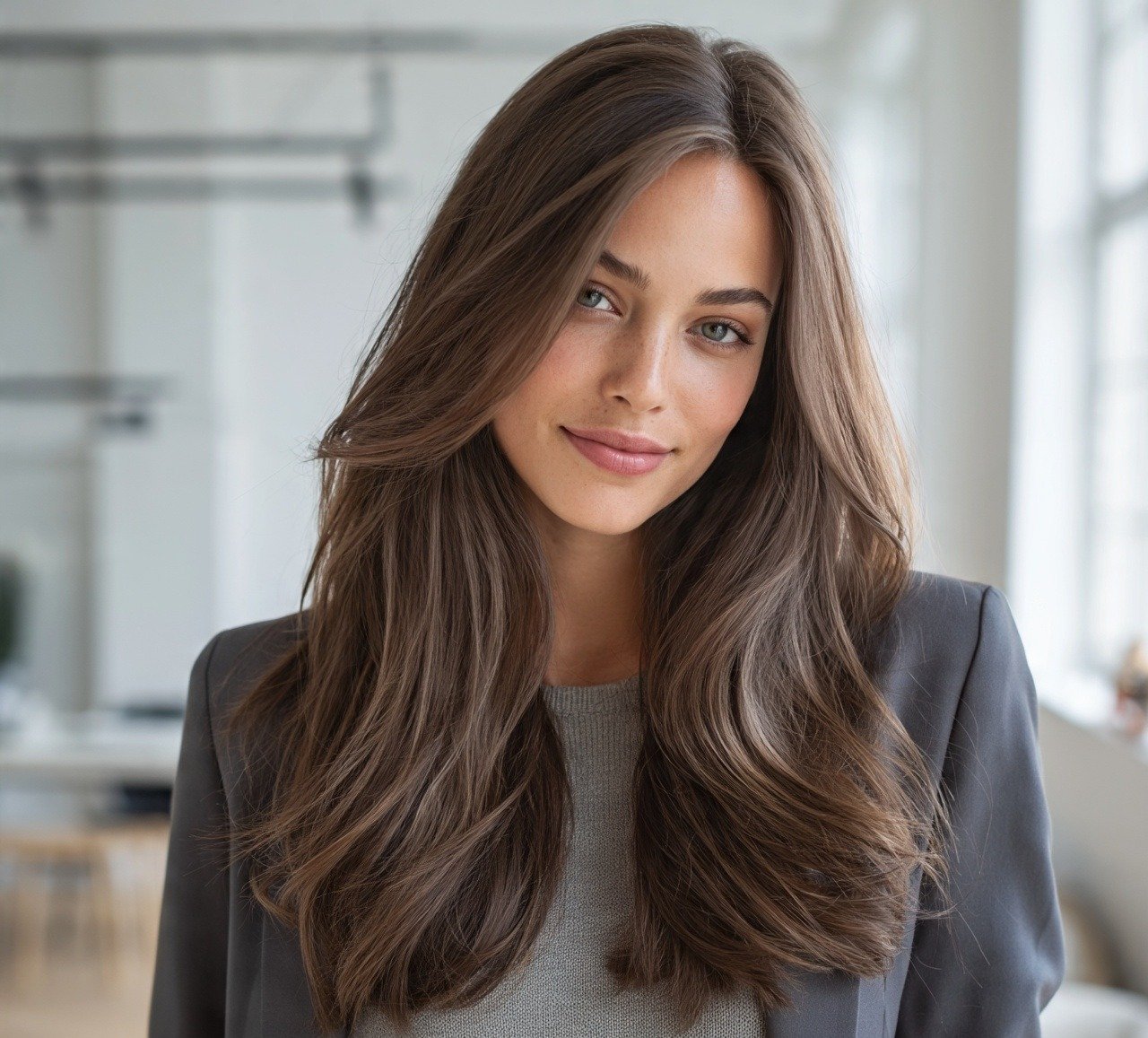
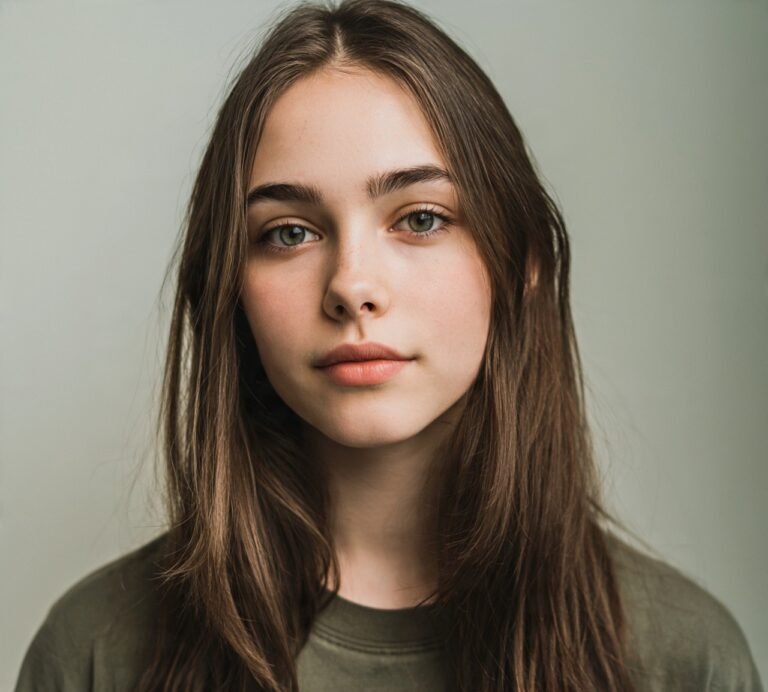
Mushroom brown is the cooler, more muted cousin of traditional brunette, and it has quietly become one of the most sought after shades for people who want something modern without veering into extreme territory. The tone sits somewhere between ashy, taupe, and soft brown completely lived in and effortlessly chic. It works brilliantly on naturally dark or medium brown bases with minimal lightening required, making it a gentler option for those concerned about hair health. People with cool or olive undertones often find that mushroom brown makes their complexion look cleaner and more luminous. It pairs exceptionally well with blunt cuts or long lobs.
7. Vivid Emerald Green Hair Color
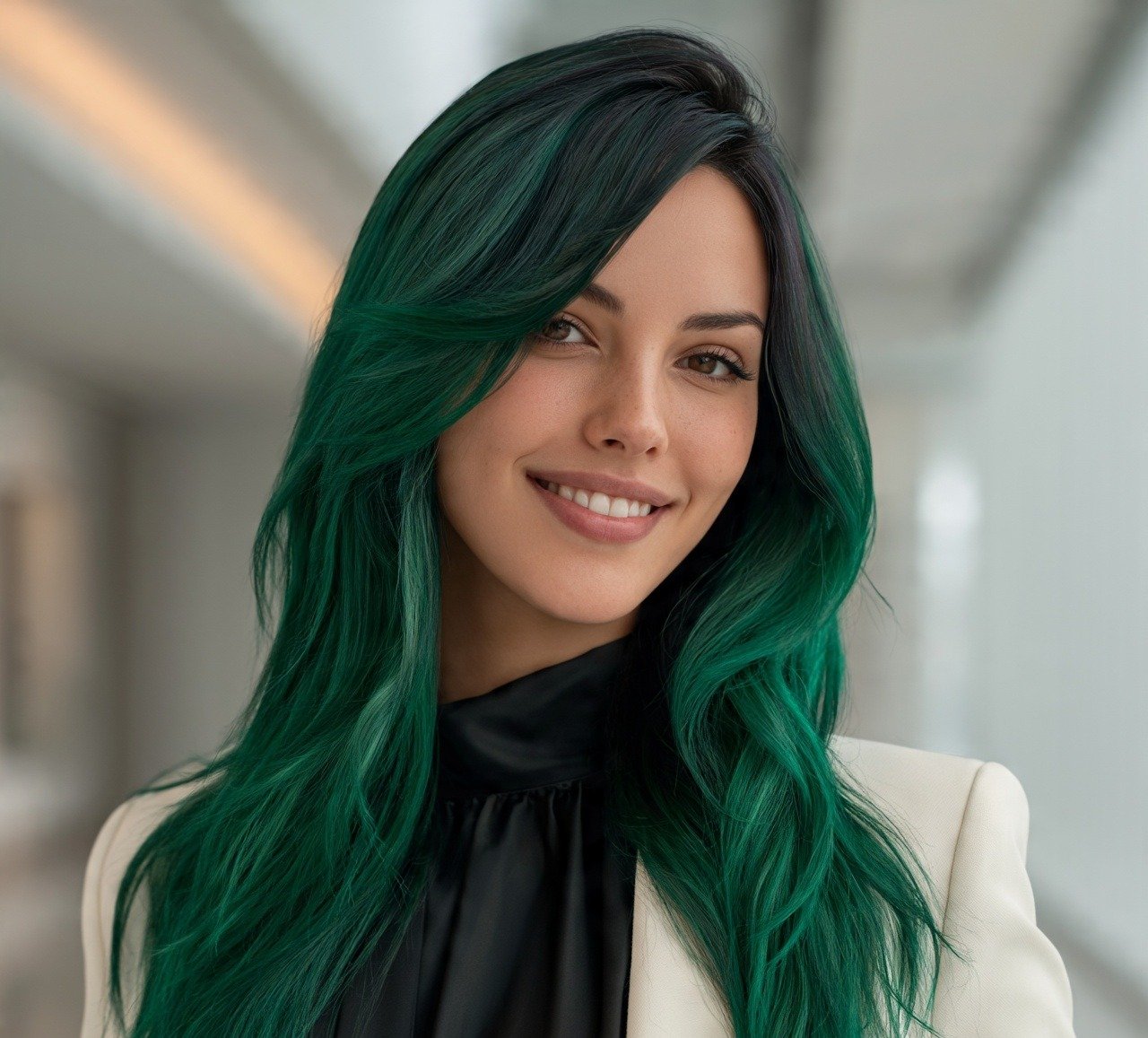
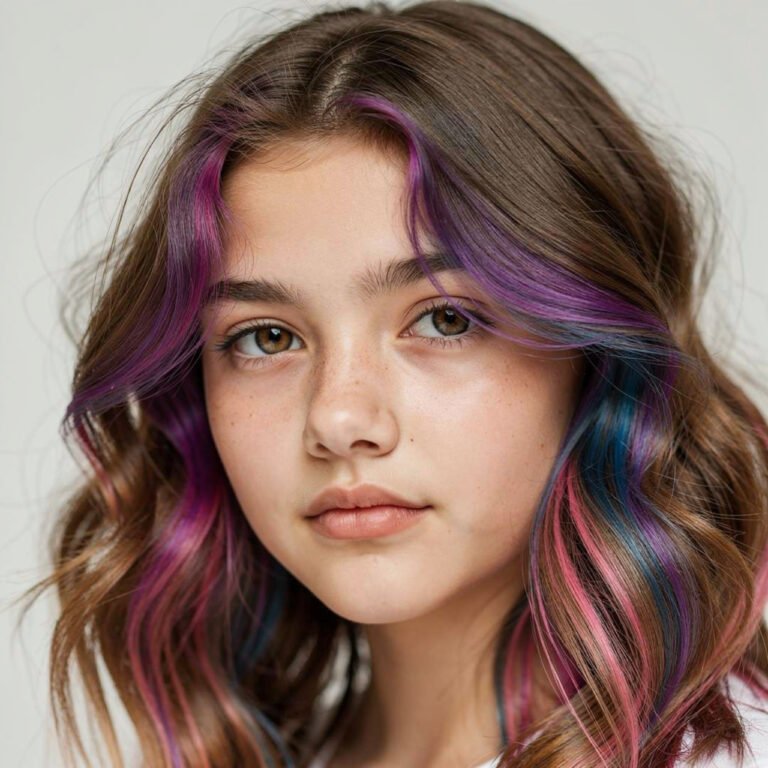
For those ready to fully commit to a creative hair color moment, emerald green is one of the most sophisticated options in the vivid color family. Rather than leaning neon or cartoonish, a well mixed emerald sits in jewel tone territory deep, rich, and genuinely striking. Achieving this requires a solid bleach base, so this is a discussion to have openly with your colorist about your hair’s current condition and history. It suits bold personalities who embrace maintenance, because vivid greens begin fading toward teal and then lime fairly quickly without regular color refreshing. Pair it with glossy, sleek styles or defined curls for maximum visual impact.
8. Bronde (Brown Meets Blonde) Hair Color
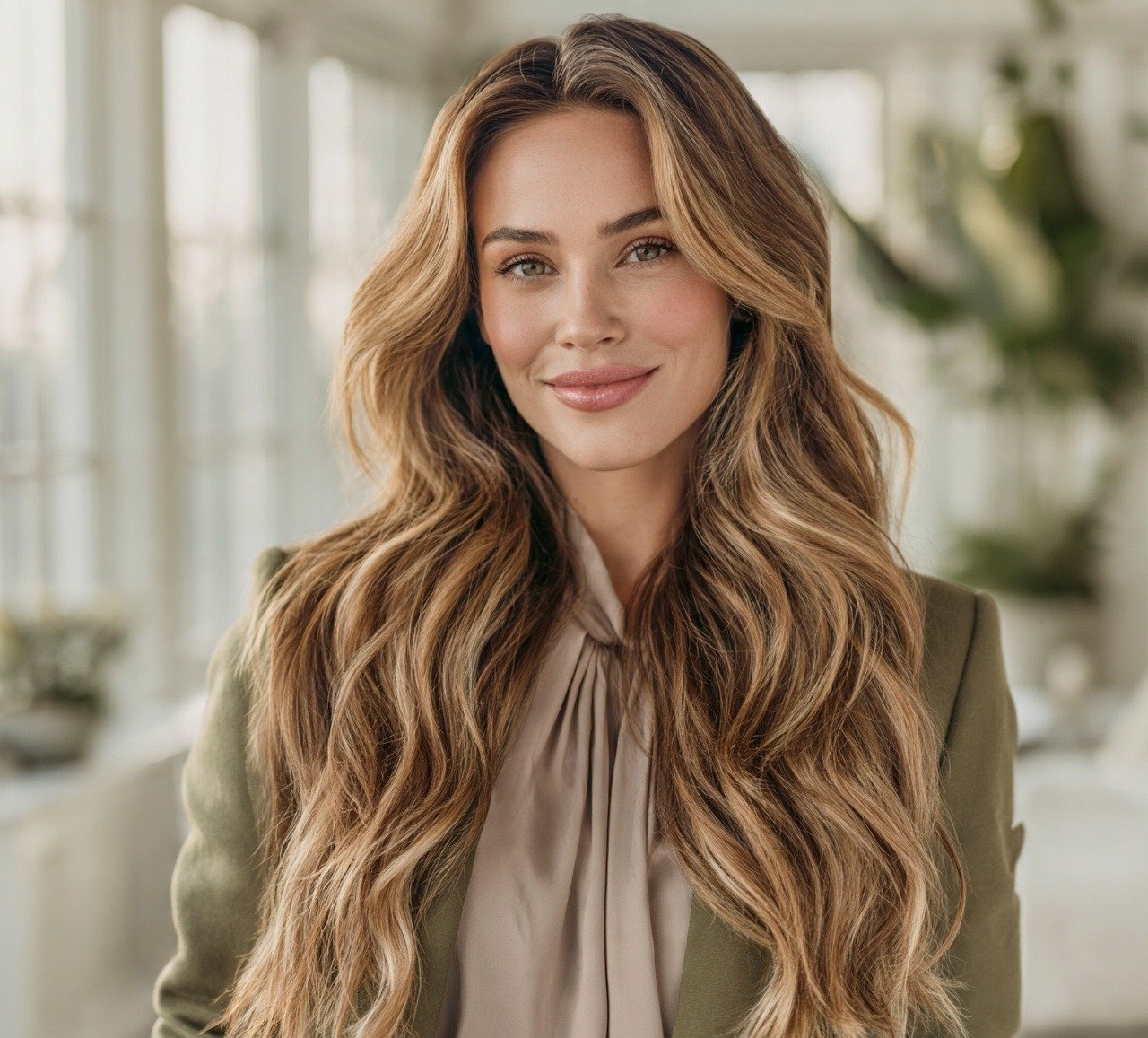
Bronde is precisely what its name suggests a seamless blend of brown and blonde that avoids the commitment of either extreme while delivering the best of both. The magic lies in the balance: too much blonde and it becomes standard highlights; too much brown and the blonde gets lost entirely. A skilled colorist will distribute lighter pieces throughout in a way that looks sun kissed rather than striped. This shade is beloved for its universality it genuinely flatters almost every skin tone, hair texture, and face shape with very little adjustment needed. It’s also one of the most forgiving colors to grow out gracefully.
9. Pastel Lavender Hair Color
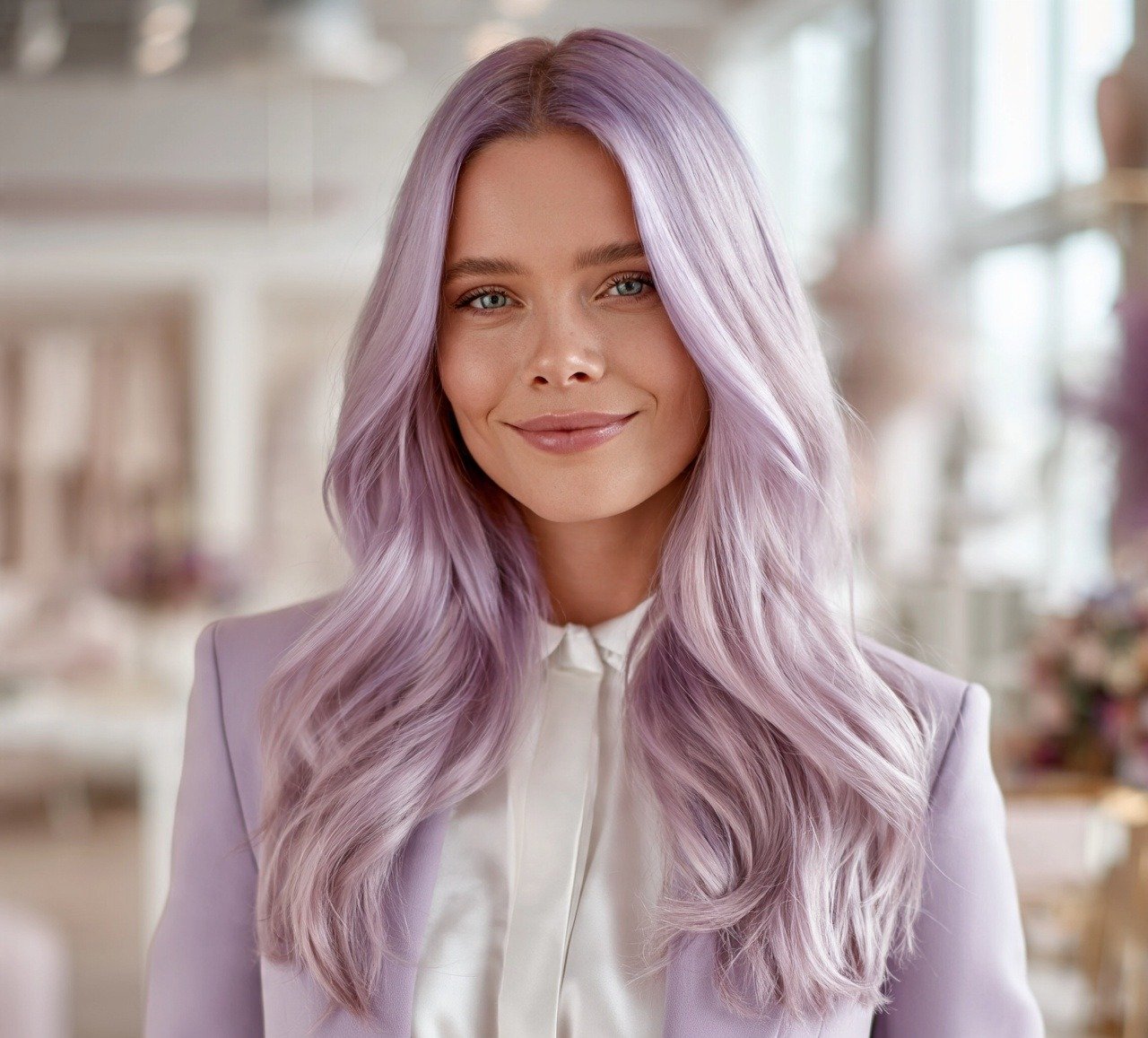
Soft lavender is one of those hair colors that looks fragile and ethereal in photos but actually requires significant prep work behind the scenes. To achieve a true pastel lavender, hair typically needs to be lifted to a pale yellow or white before toning, which means this is a multi session commitment for anyone starting from a dark base. The end result of that dreamy, faded violet finish is worth it for those drawn to romantic, feminine aesthetics. It photographs beautifully in natural light and suits cooler skin undertones most harmoniously. Invest in a quality purple tinted conditioner to keep the tone fresh between salon visits.
10. Burgundy Wine Hair Color
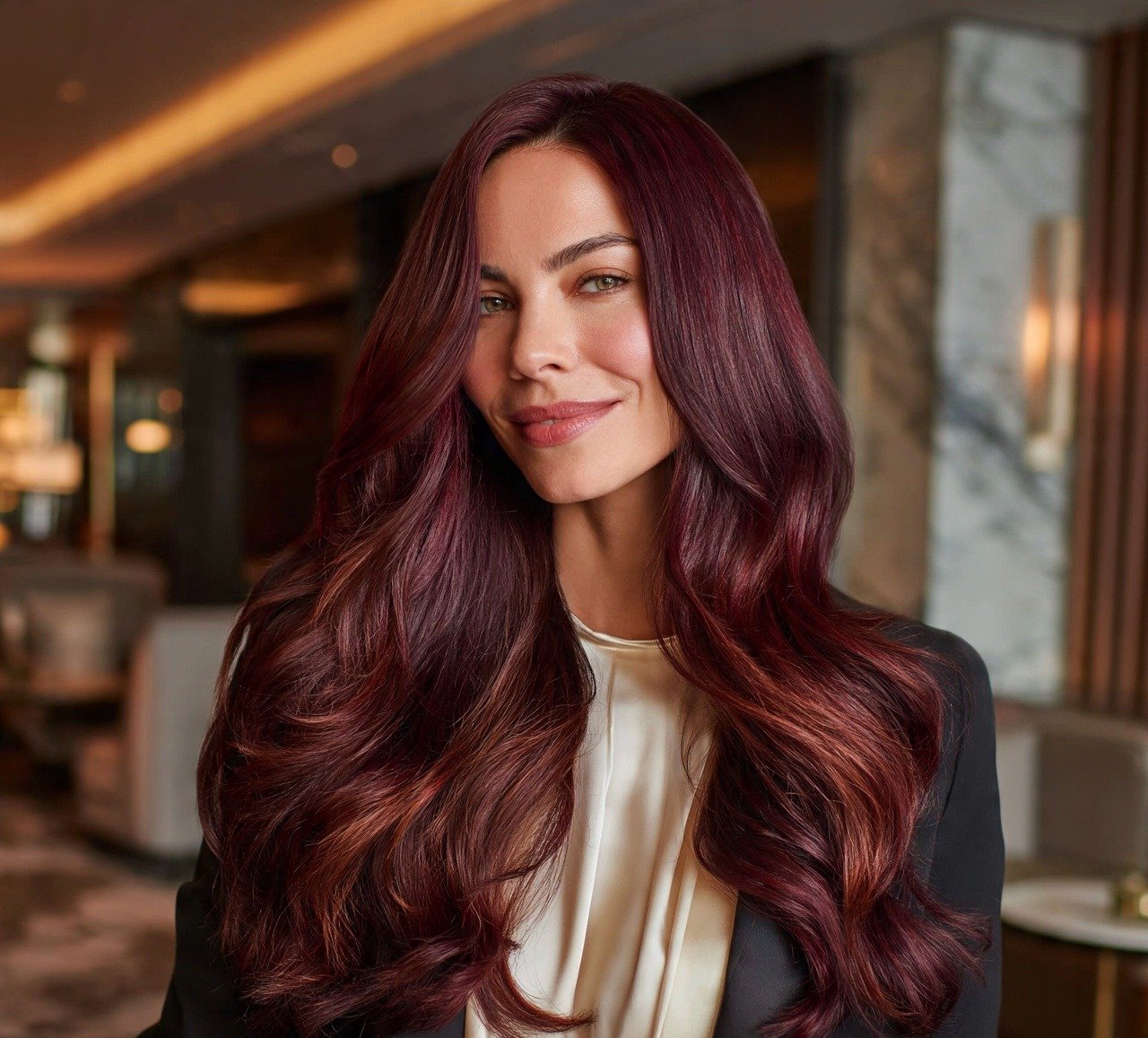
Burgundy is one of those color hair shades that transitions seamlessly between seasons without ever feeling out of place. It sits in a gorgeous space between deep red and rich purple, moody enough to feel intentional, warm enough to remain flattering across many complexions. People with warm or neutral undertones tend to wear burgundy most naturally, though cooler toned versions (pulling more plum) work beautifully on cooler skin as well. Unlike pastel or vivid shades, burgundy can often be achieved on naturally dark hair without significant pre lightening, making it a more accessible option for those cautious about damage. It deepens beautifully in autumn light.
11. Sandy Blonde with Face Framing Highlights Hair Color
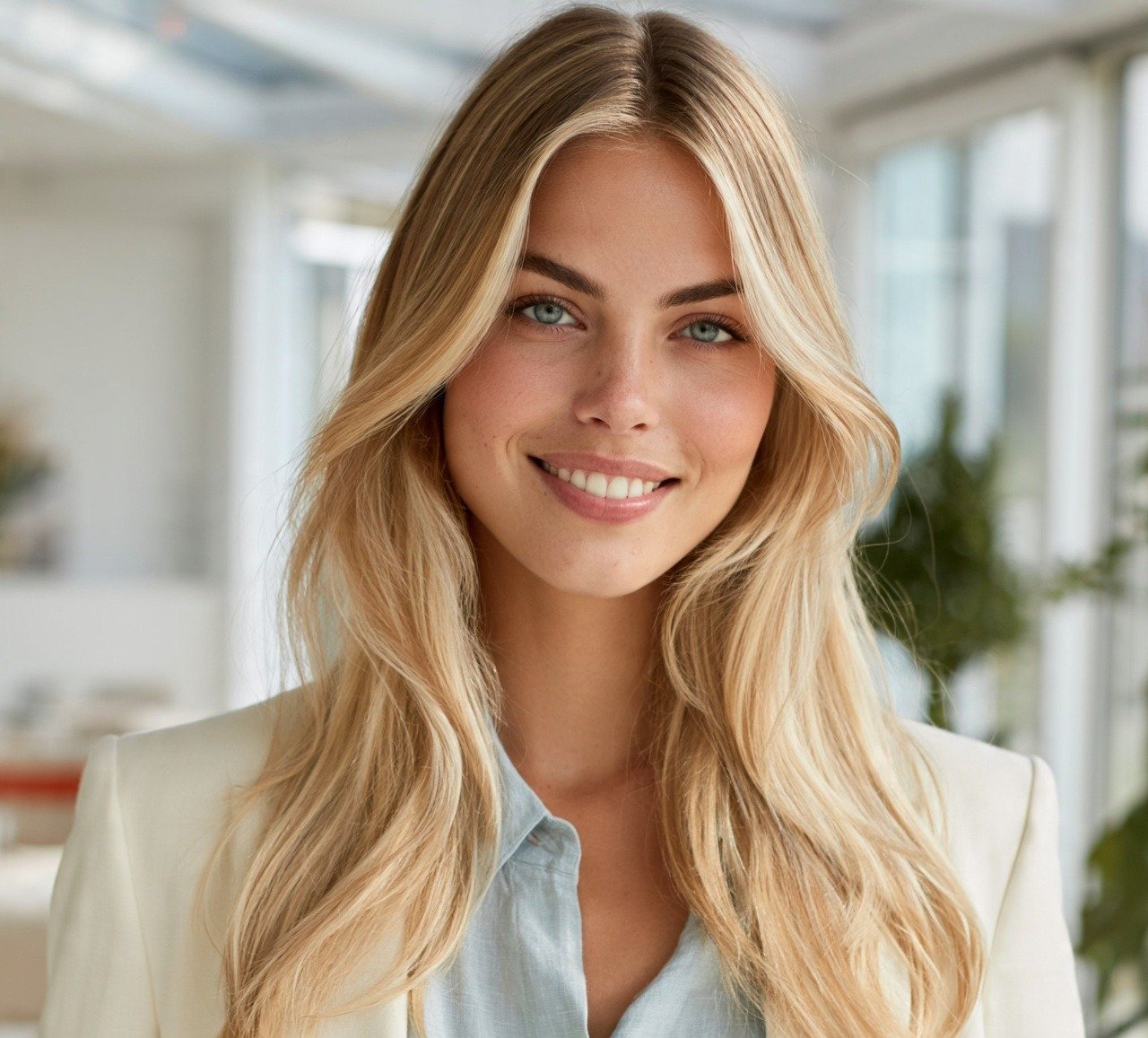
Face framing highlights have re entered the conversation in a major way, and the sandy blonde version is particularly sophisticated. Rather than painting the entire head, this technique concentrates lighter, golden sand toned pieces directly around the hairline and cheekbone area, creating an instant brightening effect that genuinely makes features appear more lifted and awake. It works exceptionally well on medium to long hair and pairs perfectly with curtain bangs for a cohesive, editorial feel. This is a smart starting point for first time color clients who want visible results without a full head commitment. Maintenance is minimal since only the front sections need regular refreshing.
12. Black Cherry Hair Color
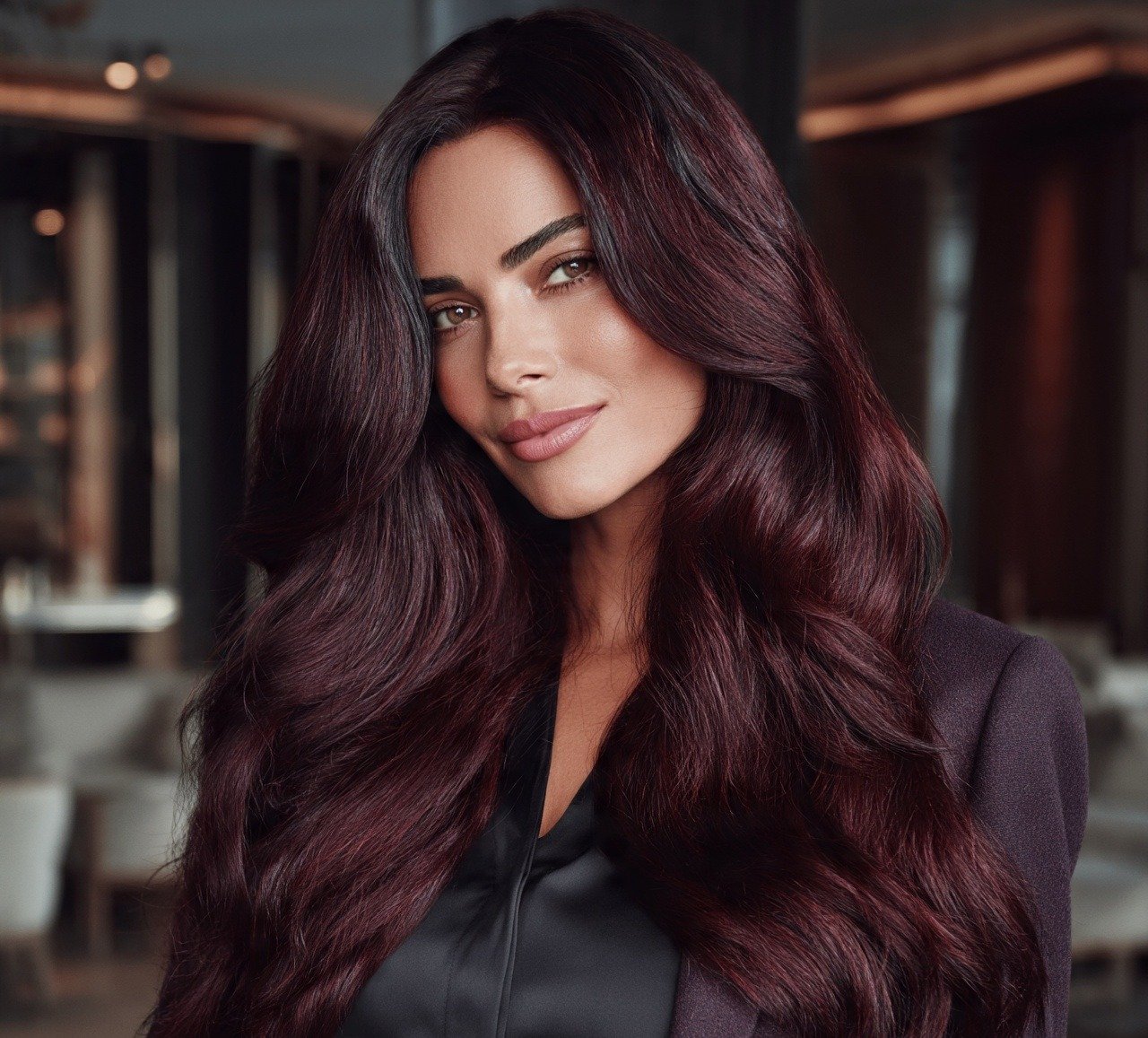
Black cherry is a dark, jewel toned shade that straddles the line between jet black and deep wine red. In certain lighting conditions it reads almost completely black, but catches it in sunlight or under warm artificial light and those red and violet undertones reveal themselves in the most flattering way. It’s a particularly stunning choice for people with dark hair who want color without going dramatically lighter in many cases, black cherry can be achieved using a deposit only or semi permanent formula directly over dark bases. The result is subtle, dimensional, and deeply elegant. It fades gracefully without the harsh line that brighter colors often leave behind.
13. Golden Copper Highlights Hair Color
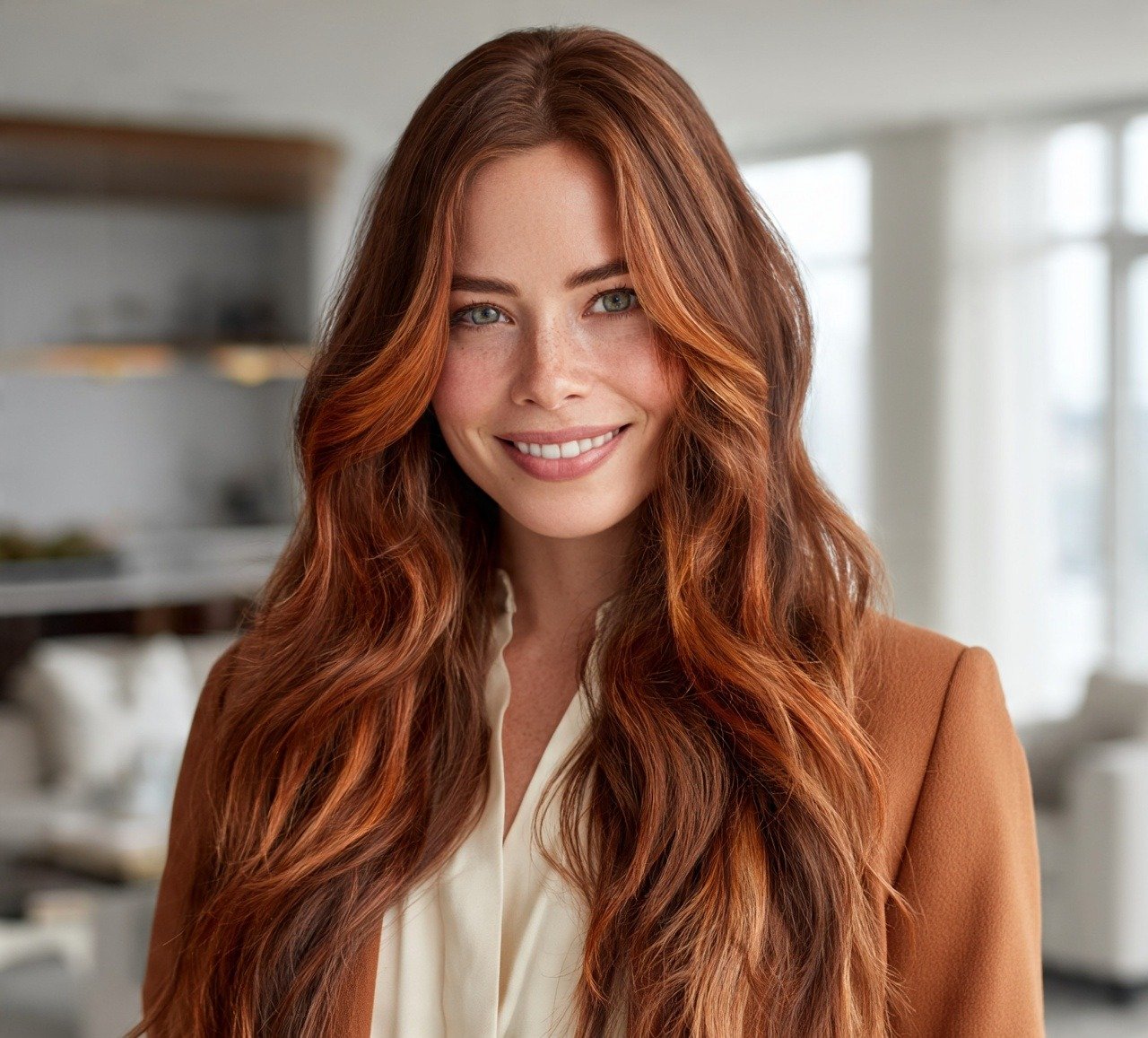
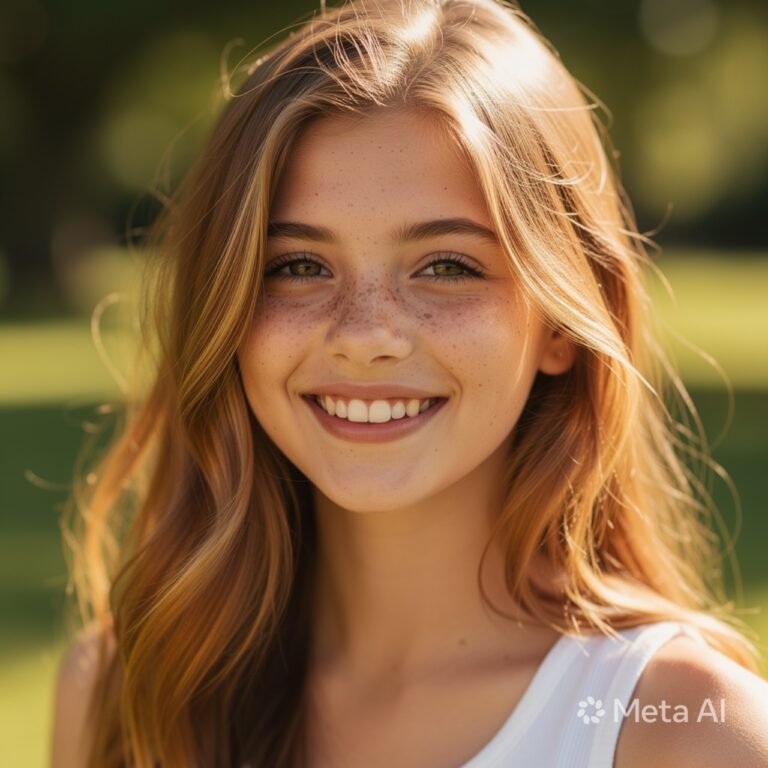
Golden copper highlights offer a warmer, more energetic alternative to classic blonde, hitting differently on anyone whose complexion carries yellow, peach, or golden undertones. These highlights involve weaving copper and gold tones through a darker base typically medium brown or natural dark blonde to create a sun drenched, almost autumnal radiance. The placement matters enormously: scattered throughout the top layer and ends, they catch light beautifully without overwhelming the overall look. This shade is especially flattering on wavy and curly textures, where the movement of the hair naturally showcases the tonal variation. Use a bond protecting treatment during coloring to maintain strand integrity.
14. Cool Ash Brown Hair Color
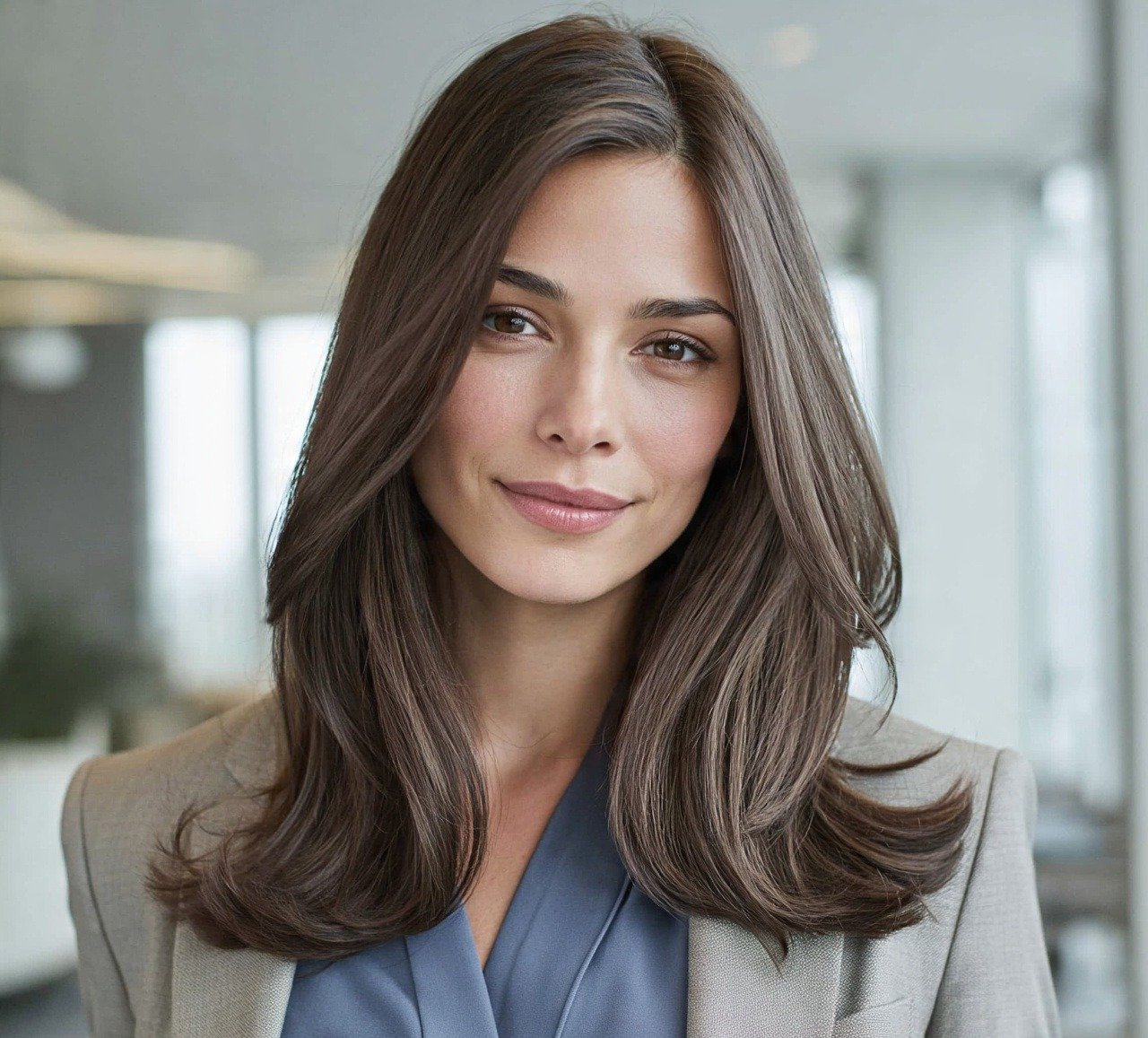
Ash brown is the antidote to unwanted warmth, a muted, sophisticated neutral that reads as genuinely modern rather than flat. It’s a particularly smart choice for anyone whose naturally dark hair tends to pull orange or red during lightening, since the cool ash toning actively neutralizes those brassy undertones. This shade works beautifully on fair to medium skin tones and pairs elegantly with low contrast makeup looks like nude lips, soft brows, and minimal contouring. The key to sustaining ash brown long term is using a blue or purple shampoo weekly and scheduling regular gloss treatments to keep the tone from warming up between appointments.
15. Two Tone Split Dye Hair Color
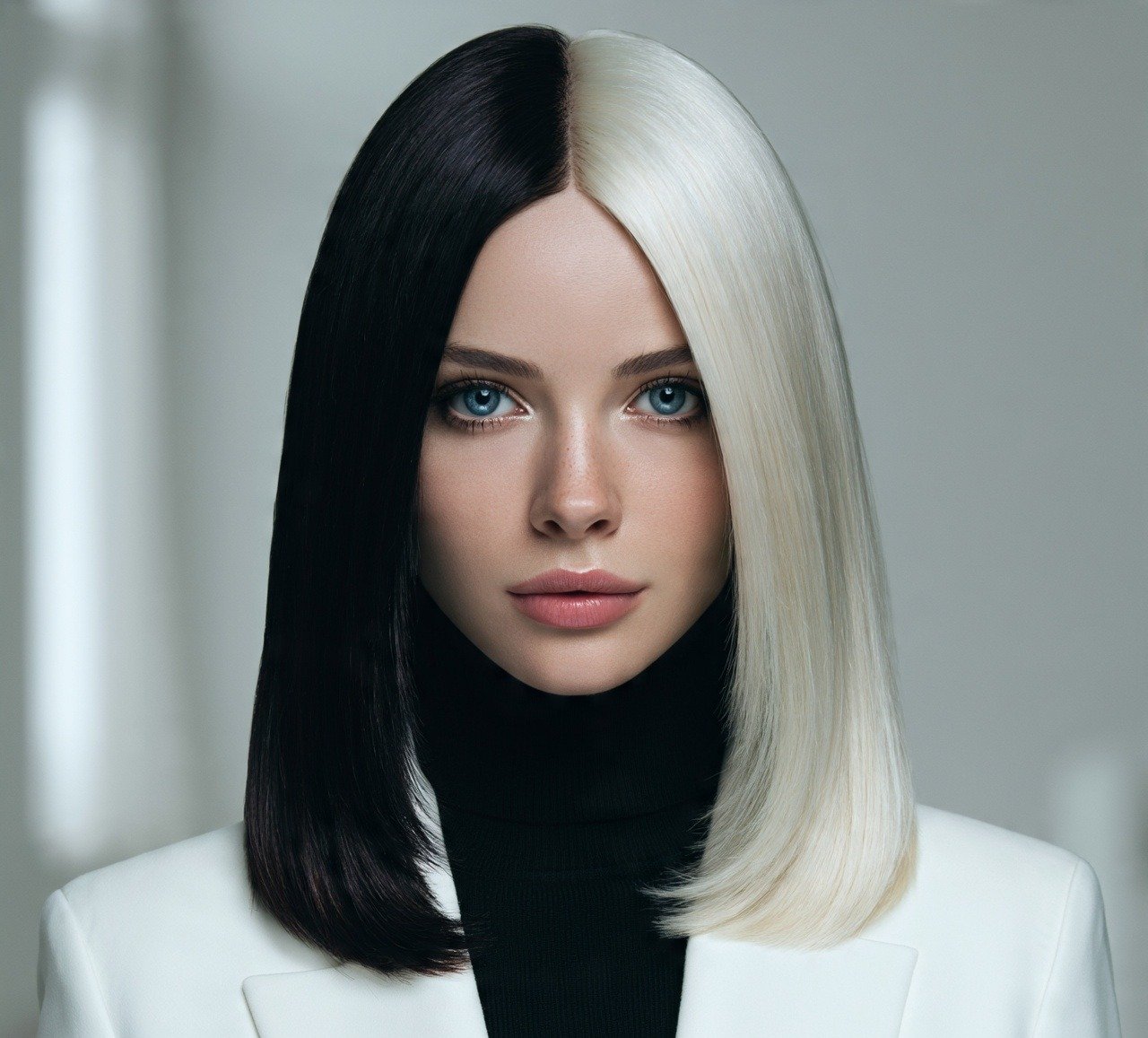
Split dye isn’t for the faint of heart, but it is absolutely for someone who wants their hair to make a genuine statement. The look involves dyeing each half of the head a completely different color common pairings include black and platinum, red and blonde, or complementary vivid shades like blue and green. It’s a precision technique that requires careful sectioning and often multiple bleaching sessions depending on the colors chosen. This style suits bold, fashion forward individuals who view their hair as a creative medium rather than simply a grooming choice. The commitment level is high, but the visual payoff is unlike anything else on this list.
16. Strawberry Blonde Hair Color
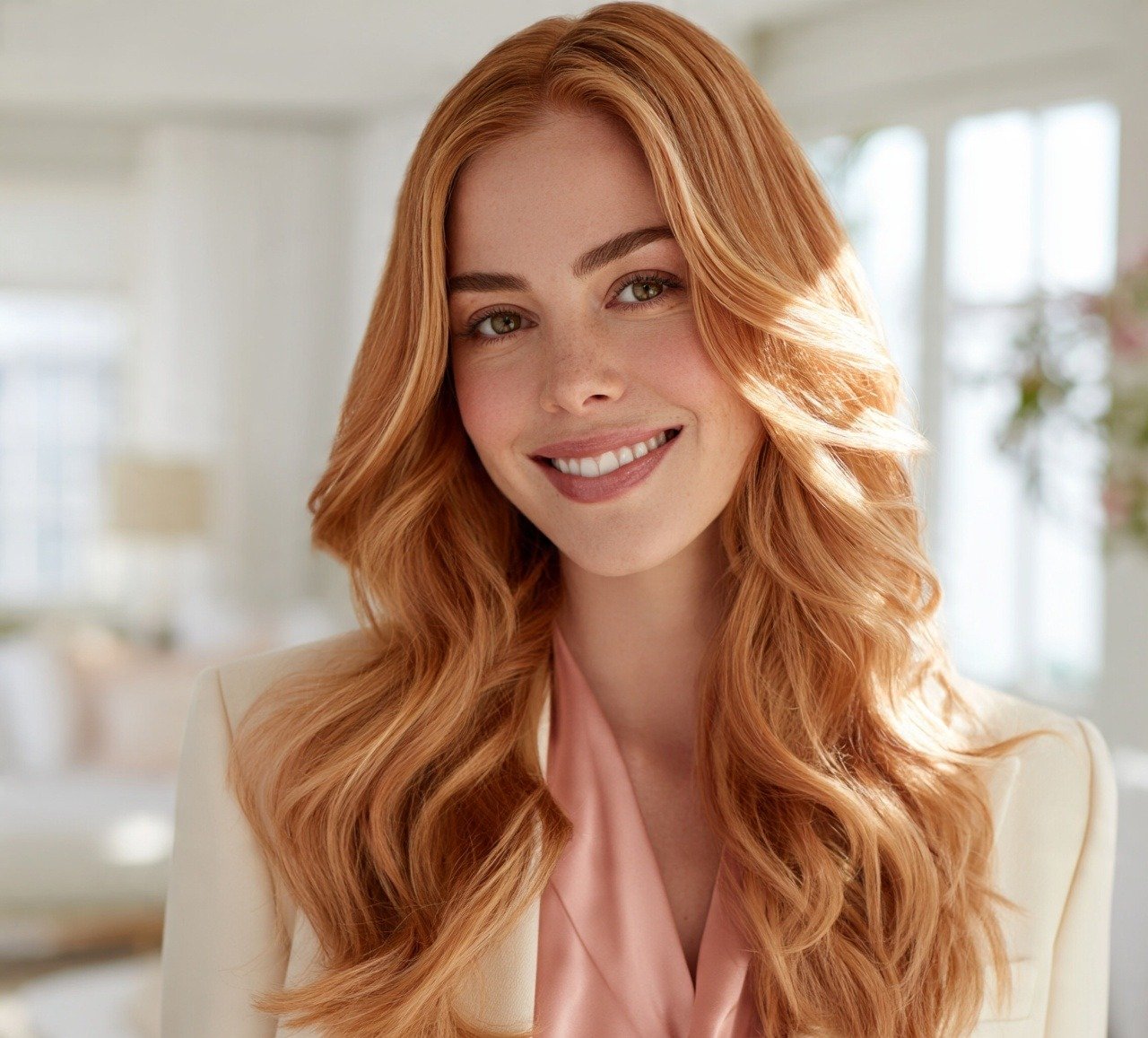
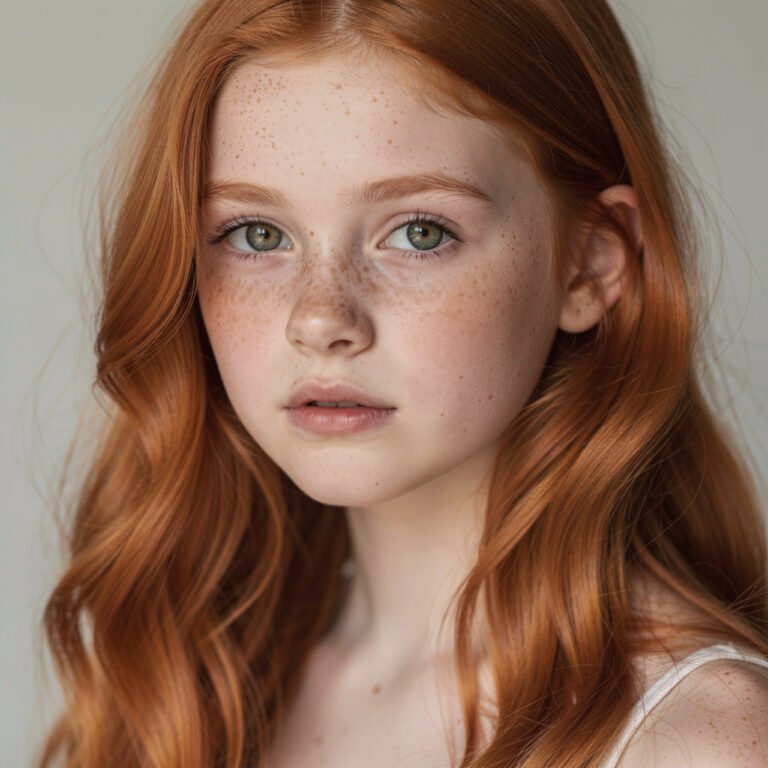
Strawberry blonde occupies a rare and magical space between red and blonde that very few hair colors achieve naturally. It’s warm, playful, and surprisingly flattering across a wide range of complexions particularly those with peach, golden, or light olive undertones. Achieving a convincing strawberry blonde typically involves a careful balance of gold and red pigment over a lightened base, and the exact formula varies depending on how golden or how red the client wants to lean. This is a great conversation starter with your colorist because the final result can be personalized significantly. Consistent glossing appointments will keep the tone vibrant and stop it drifting toward orange.
17. Midnight Blue Black Hair Color
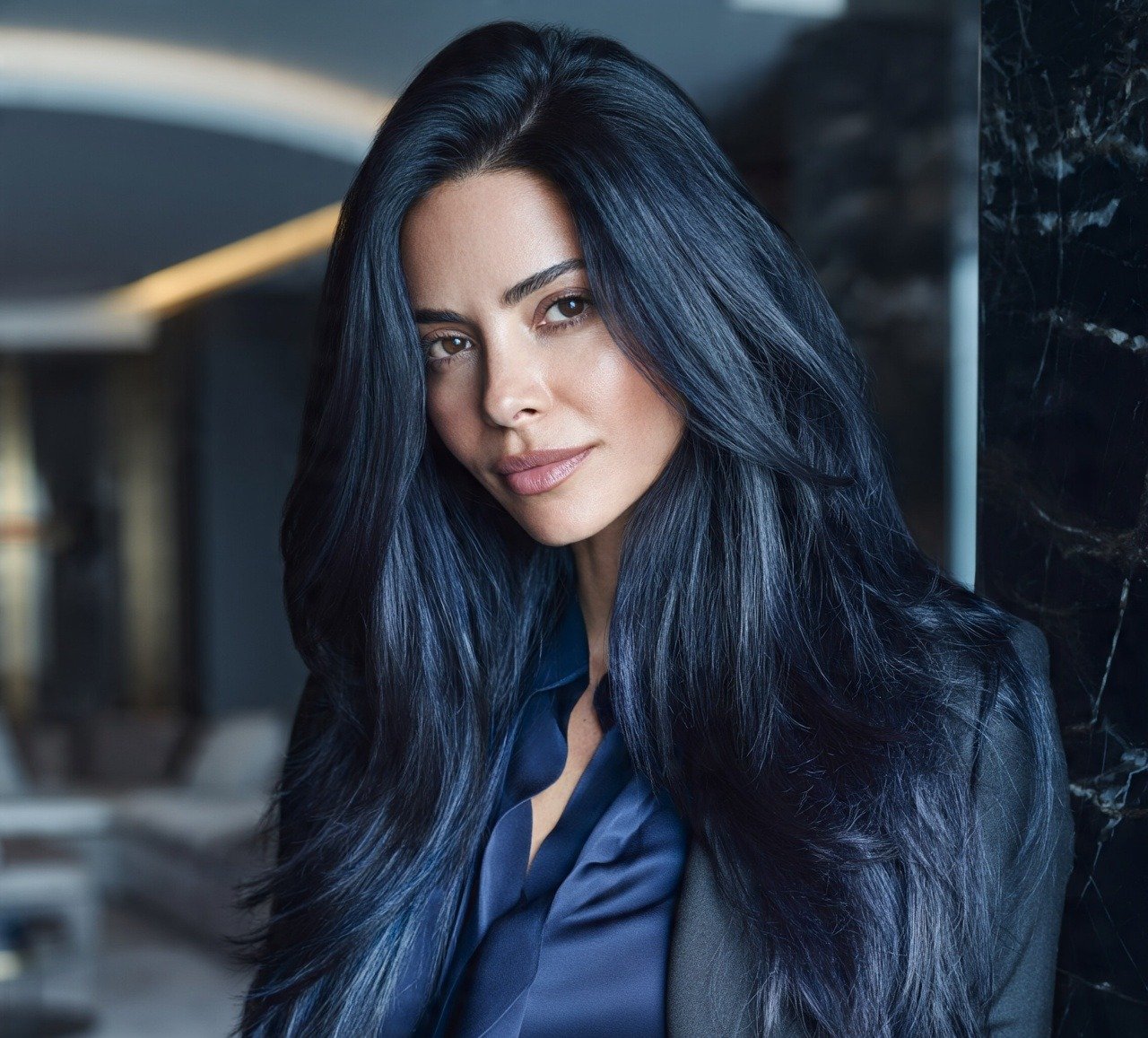
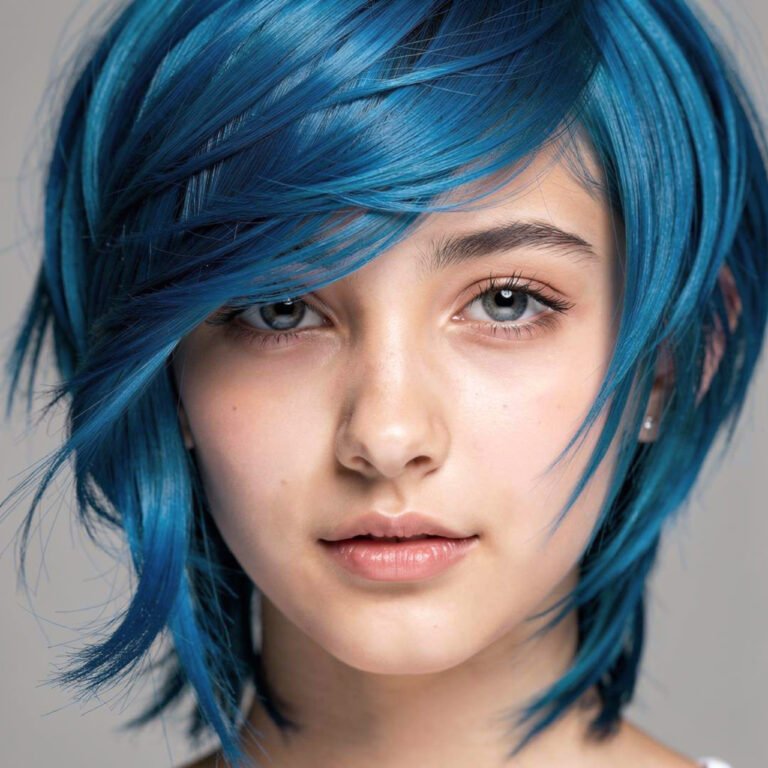
Midnight blue black is the elevated, chromatic version of classic jet black a shade so deep it appears black in low light but reveals stunning blue violet iridescence in bright or natural lighting. It’s a beautiful choice for people who love dark hair but want just a hint of something unexpected and artistic. This look works on virtually every skin tone and hair texture, and on naturally dark hair it can often be achieved without any lightening at all using a direct dye or darkening formula. The maintenance is genuinely low compared to lighter shades, color doesn’t fade dramatically, and root growth is essentially invisible. It’s dramatic in the subtlest possible way.
How to Choose the Right Color Hair Idea for You
Choosing a new hair color isn’t purely aesthetic, it’s a practical decision shaped by your lifestyle, existing hair condition, maintenance tolerance, and budget. Before falling in love with a vivid shade that requires monthly salon visits, be honest about how often you’re realistically willing to schedule appointments and invest in professional care. Consider your skin’s undertone as a foundational filter: warm undertones tend to harmonize with golden, copper, and auburn shades, while cool undertones are flattered by ash, platinum, and jewel tones. A consultation with a colorist before committing is always worth the time, since professional eyes will catch nuances that Pinterest filters tend to disguise entirely.
Best Hair Types and Skin Tones for Different Color Approaches
Hair texture and condition play a significant role in which color techniques will work best for your specific situation. Fine hair benefits from subtle, multidimensional techniques like balayage and face framing highlights because they add the illusion of depth and volume without weighing strands down with heavy processing. Thick or coarse textures can handle more dramatic all over color changes and vivid shades since they tend to retain moisture and withstand chemical processes more robustly. Skin tone compatibility matters equally: cooler complexions are generally served better by ashy, platinum, or jewel toned colors, while warmer complexions truly shine alongside honey, copper, caramel, and golden shades that echo and amplify natural warmth.
Styling and Maintenance Tips for Colored Hair
Colored hair requires a fundamentally different care approach than uncolored strands, and the sooner that routine is established, the longer your investment will last. Switch to a sulfate free, color safe shampoo immediately after your appointment sulfates strip color molecules aggressively and accelerate fading in a way that undoes weeks of careful toning work. Deep conditioning treatments should become a weekly ritual rather than an occasional luxury, since chemical processing compromises the hair’s moisture barrier and makes ends particularly vulnerable to dryness. Heat styling with protectant is still fine in moderation, but consistently high temperatures accelerate brassiness and dullness in lighter shades. Scheduling a gloss or toner refresh every six to eight weeks maintains vibrancy between full color appointments.
How to Ask Your Hairstylist for This Look
Walking into a salon with confidence starts with preparation, and the single most effective thing you can do is bring a curated selection of reference photos rather than relying on verbal description alone. Save two or three images that represent different aspects of what you want, one for the overall color direction, one showing the placement technique, and one where the shade is visible in natural light rather than studio filtered photography. When speaking with your stylist, use directional language: instead of saying “I want it lighter,” try “I want warmth around my face but darker underneath for depth.” Ask your colorist about realistic outcomes given your current base color, and always ask what the growth will look like before committing. Questions like “How often will I need to come back to maintain this?” and “What home products do you recommend for this specific shade?” demonstrate that you’re a thoughtful client and stylists genuinely enjoy working with clients who come prepared and curious.
Frequently Asked Questions
How long does colored hair typically last before fading?
This depends heavily on the shade and technique used. Vivid and pastel colors fade fastest sometimes within four to six weeks while balayage, brunette, and natural looking tones can last three to four months with proper care. Using color safe products and avoiding excessive heat significantly extends the life of any shade.
Can I color hair at home with the same results as a salon?
While at home kits have improved considerably, complex techniques like balayage, ombré, and vivid colors genuinely require a professional’s eye for placement and timing. For a single process all over color in straightforward shades, a quality at home kit can work well, but if your goal involves lightening or precision work, a salon visit is strongly recommended.
Will coloring damage my hair permanently?
Chemical coloring does cause some degree of structural change to the hair shaft, but with proper technique, quality products, and a strong aftercare routine, damage can be minimized significantly. Bond building additives like Olaplex, used during coloring, actively protect internal hair structure and have made lightening processes considerably safer than they were a decade ago.
What color hair ideas work best for gray coverage?
Rich, dimensional shades like chocolate brown, auburn, and warm brunette tones are excellent for blending gray rather than fighting it. Full coverage permanent formulas work best for high percentages of gray, while balayage can be strategically placed to soften and blend silver strands for a more natural transition effect.
How do I know which shade will suit my skin tone?
A simple test is to hold warm toned and cool toned fabric or jewelry near your face in natural light and observe which makes your complexion look more alive and luminous. Gold flattering you suggests warm hair tones will work well; silver looking better indicates cool shades are your friend. When in doubt, a colorist consultation is the most reliable way to find your most flattering match.
Conclusion
Color hair transformations have a way of doing something beyond changing your appearance. They shift how you carry yourself, how you feel stepping out of the salon, and how you show up in your own reflection every morning. Whether you choose something quietly dimensional like ash brown or commit fully to vivid emeralds, the best hair color is the one you chose with intention and genuine excitement. Use this guide as your starting point, bring it to your next consultation, and trust the process. A new chapter of your hair story is genuinely worth beginning.