15 Trending Ideas Curly Hairstyles With Bangs That Actually Flatter Every Curl Type
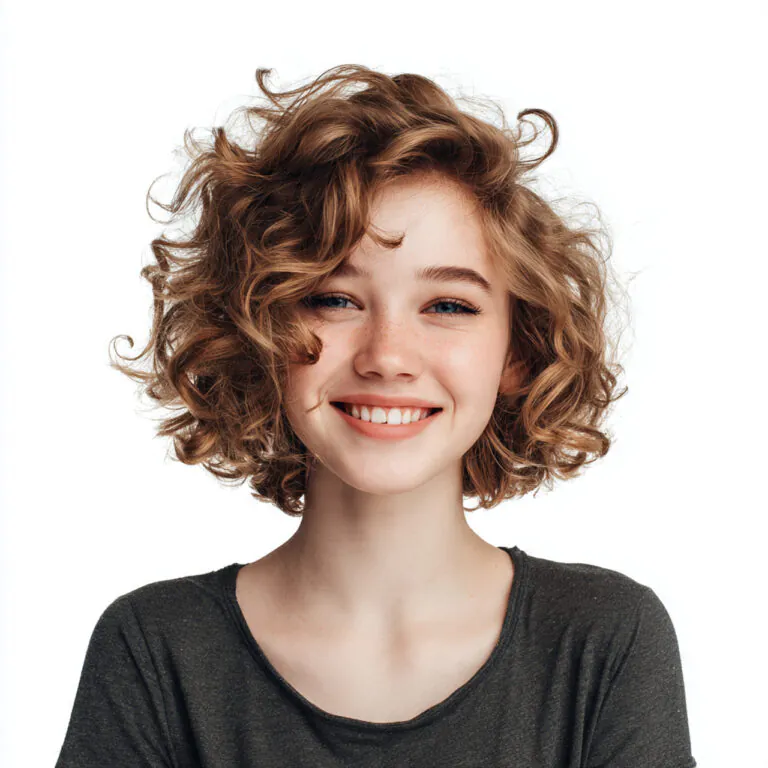
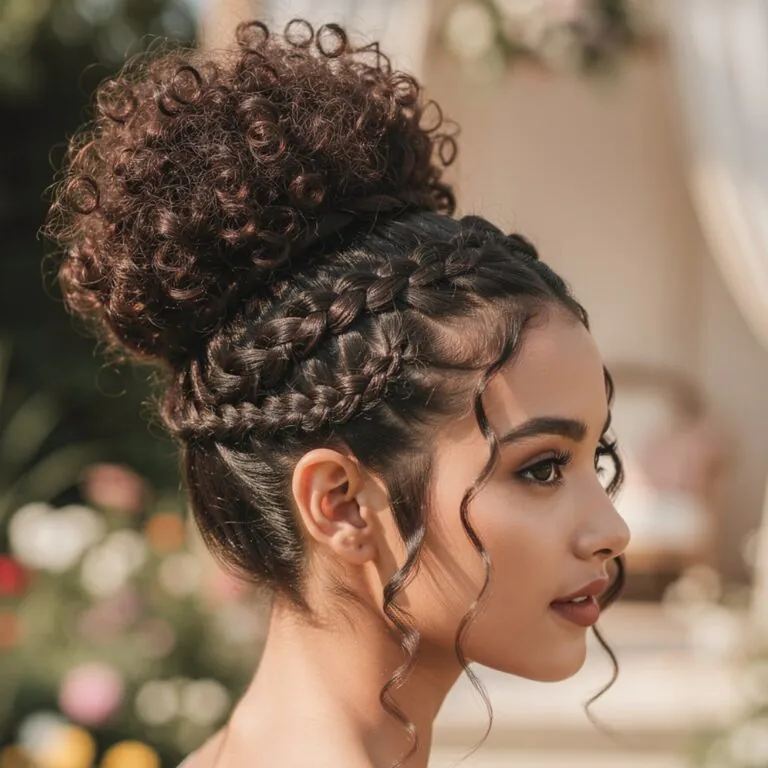
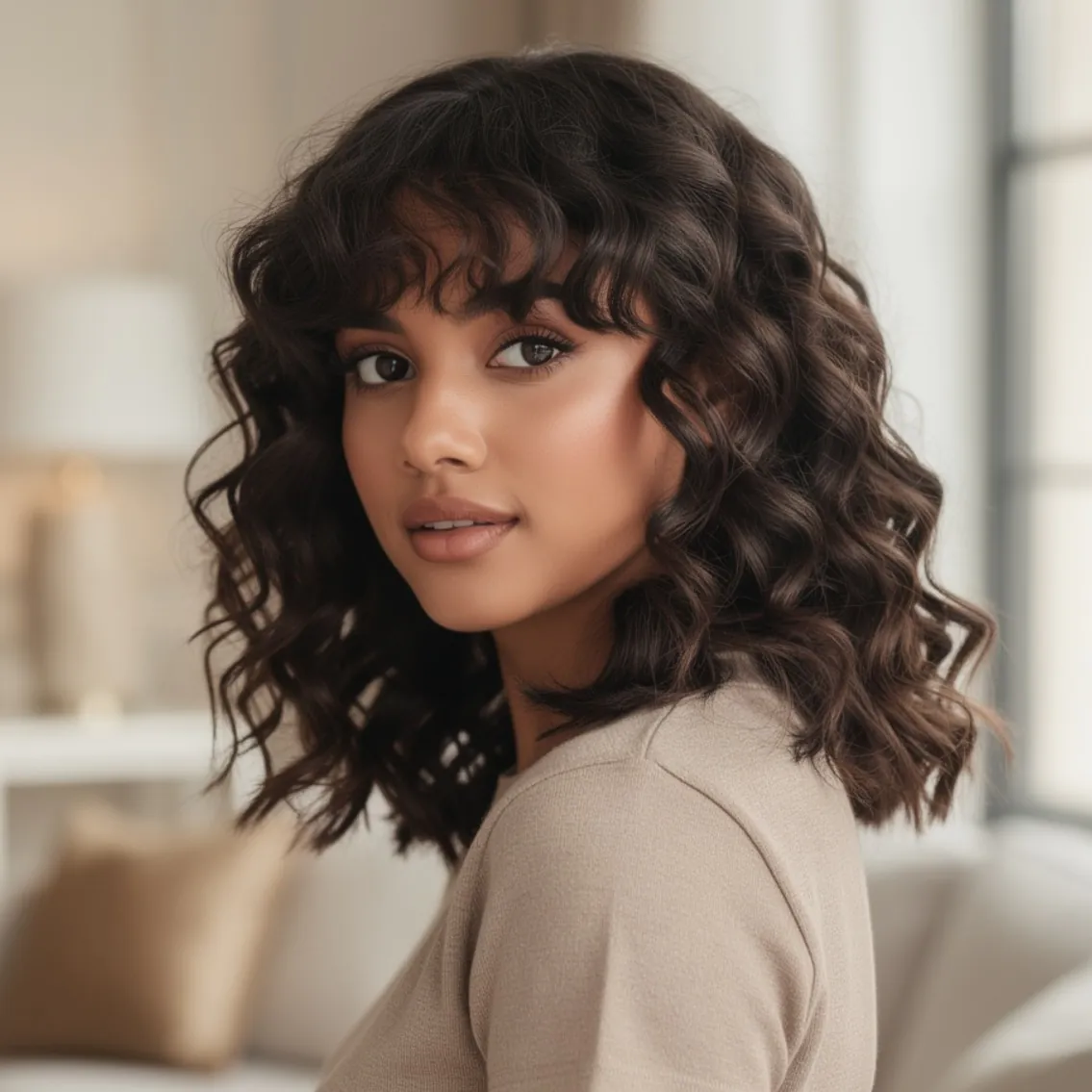
Curly hairstyles with bangs are a stylish way to frame your face while highlighting the natural beauty and volume of your curls. Whether you love soft curtain bangs, wispy fringe, curly baby bangs, or bold full bangs, the right cut can add personality, balance your facial features, and give your hairstyle a fresh, modern look. From short curly bobs to long layered curls, bangs can transform your hairstyle while maintaining the movement and texture that make curly hair so unique.
15 Curly Hairstyles With Bangs
1. Full Curly Fringe on Long Hair
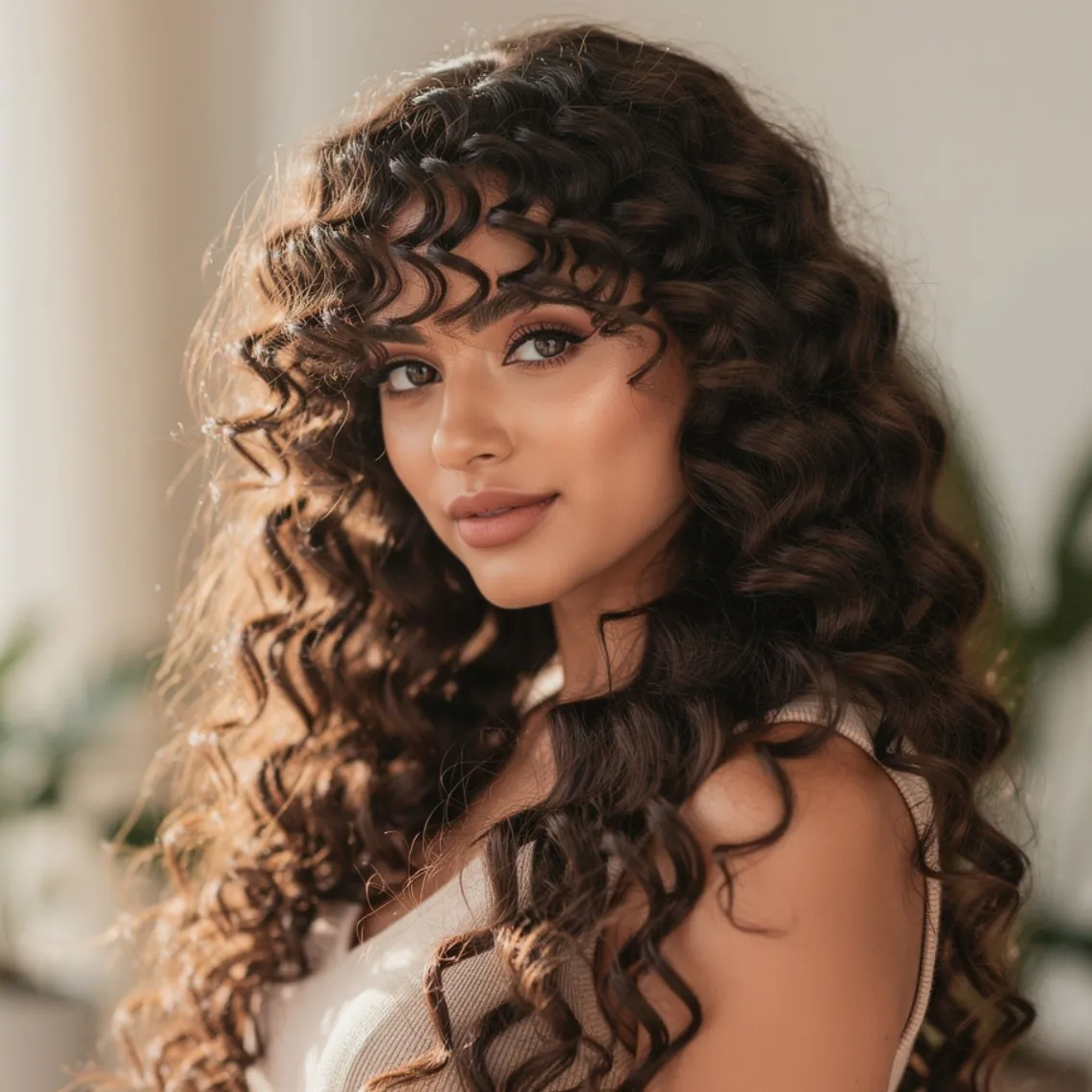
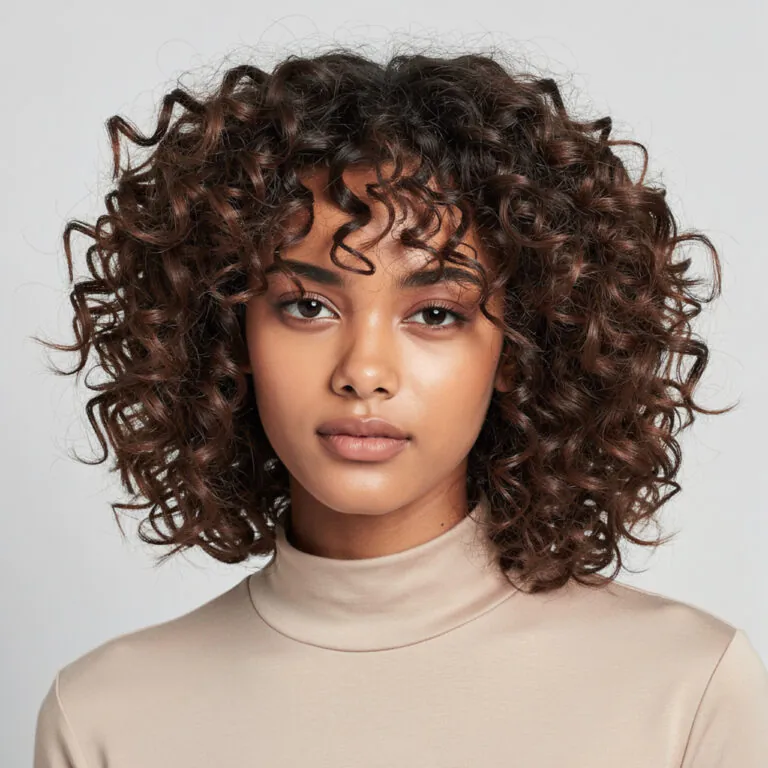
The full curly fringe is the most dramatic interpretation of this style category a dense, voluminous curtain of curls cut to sit somewhere between the eyebrow and the bridge of the nose, falling across the forehead in a way that is simultaneously bold and unexpectedly soft. Unlike a straight blunt fringe, a curly full fringe never reads as severe because the natural movement of each ringlet or coil introduces organic variation that softens the overall line. This style works beautifully on type 3a and 3b curl patterns where the ringlet size is consistent enough to create an even fringe without individual curls pulling in dramatically different directions. Long oval and heart face shapes wear this fringe most flatteringly, as it shortens the apparent length of the forehead, while the remaining long curls balance the overall silhouette below. Ask your stylist to cut the fringe longer than you think necessary shrinkage always raises the final length by at least half an inch.
2. Curtain Bangs on Curly Hair
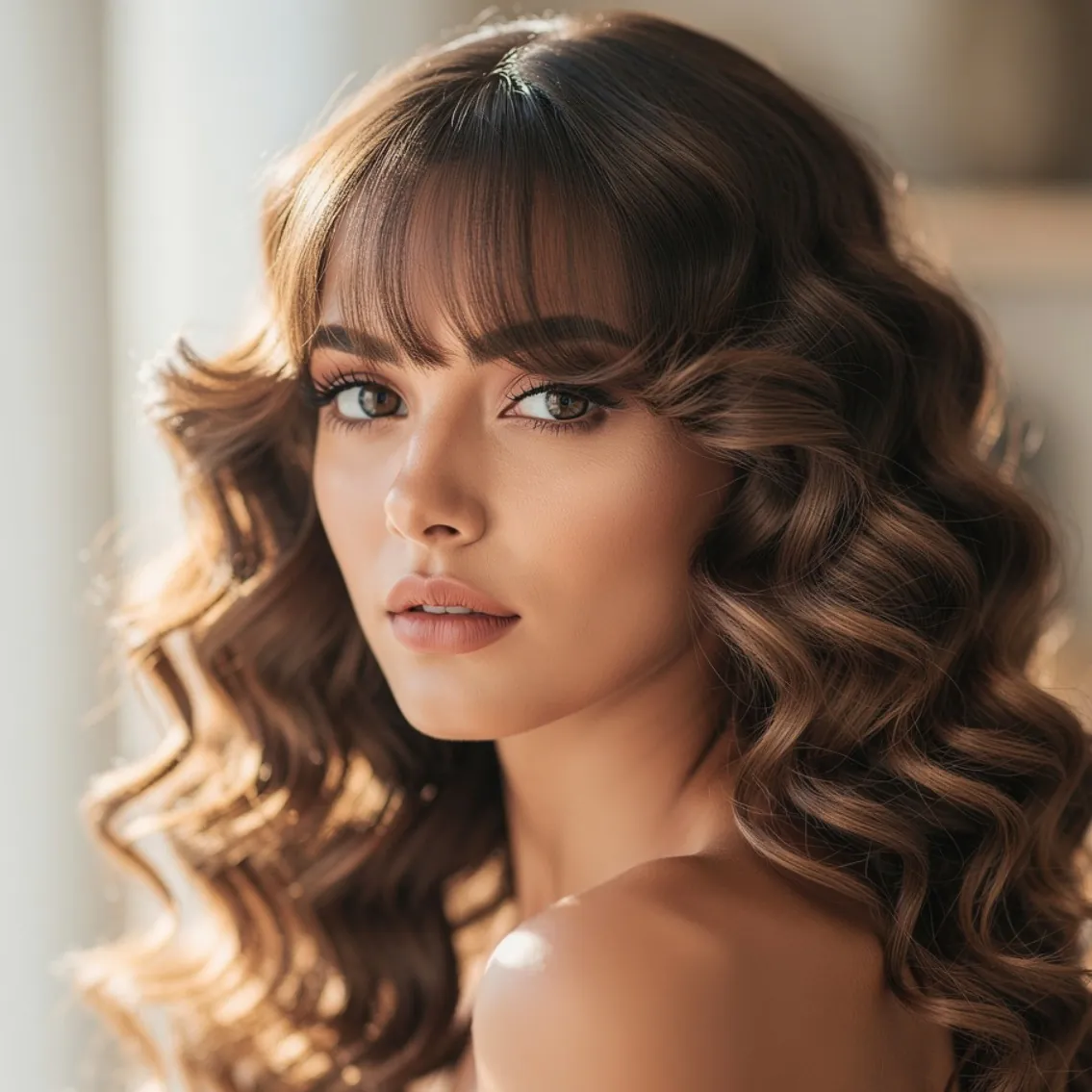
Curtain bangs have dominated hair trends for several consecutive years, and curly versions of this style explain exactly why — the natural parting in the center combined with the outward sweep of curls on either side creates a face-framing effect that is romantic, soft, and universally flattering in a way that few other fringe styles can match. Rather than falling straight across the forehead, curtain bangs divide at a center or slightly off-center part and sweep outward toward the temples, blending gradually into the rest of the hair rather than creating a hard line. Type 2c through 3b curl patterns suit this style best because the wave or loose ringlet structure allows the bangs to fall outward naturally without the coils clumping together at the center. All face shapes benefit from curtain bangs in some variation, though oval and long faces particularly suit a version that falls lower, closer to the cheekbones, for maximum softening effect.
3. Micro Bangs With Curly Hair
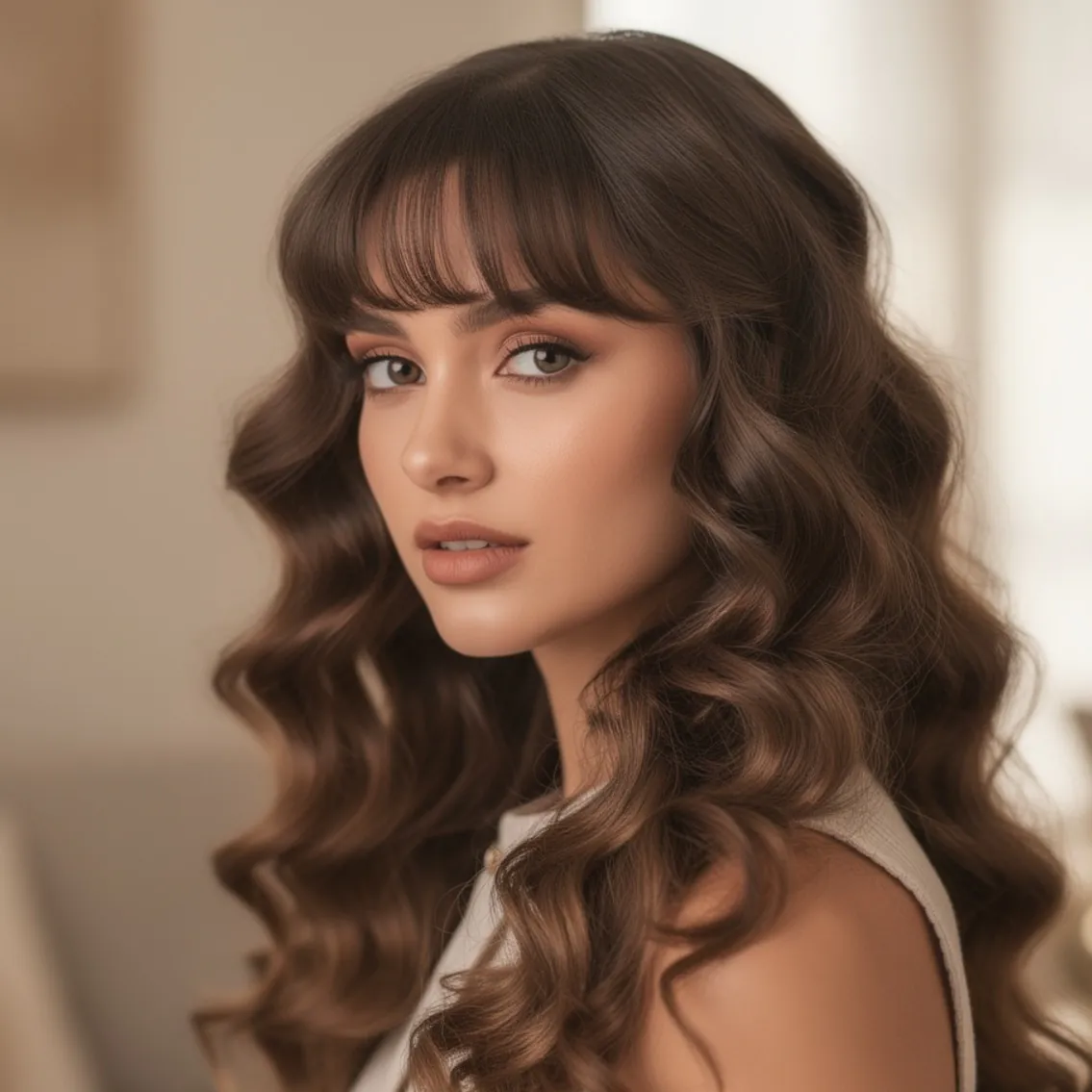
For those who want maximum visual impact with minimum fringe length, micro bangs — cut to sit just at or above the top of the eyebrow create an intensely editorial, fashion-forward statement that pairs unexpectedly well with voluminous natural curls below. The contrast between the very short, blunt fringe and the full, free-flowing curls beneath it creates a structural tension that looks deliberate and artistic in a way that longer fringes simply cannot achieve. This style is best suited to type 3a through 4a textures where the curls below the micro fringe have enough volume and definition to balance the graphic quality of the short fringe above. Long, oval, and heart face shapes carry micro bangs most naturally since the exposed forehead above the fringe and the voluminous curls below work together to create a balanced, striking composition. This is a high-commitment style that requires regular trimming every three to four weeks to maintain the precise length that defines it.
4. Side-Swept Curly Bangs
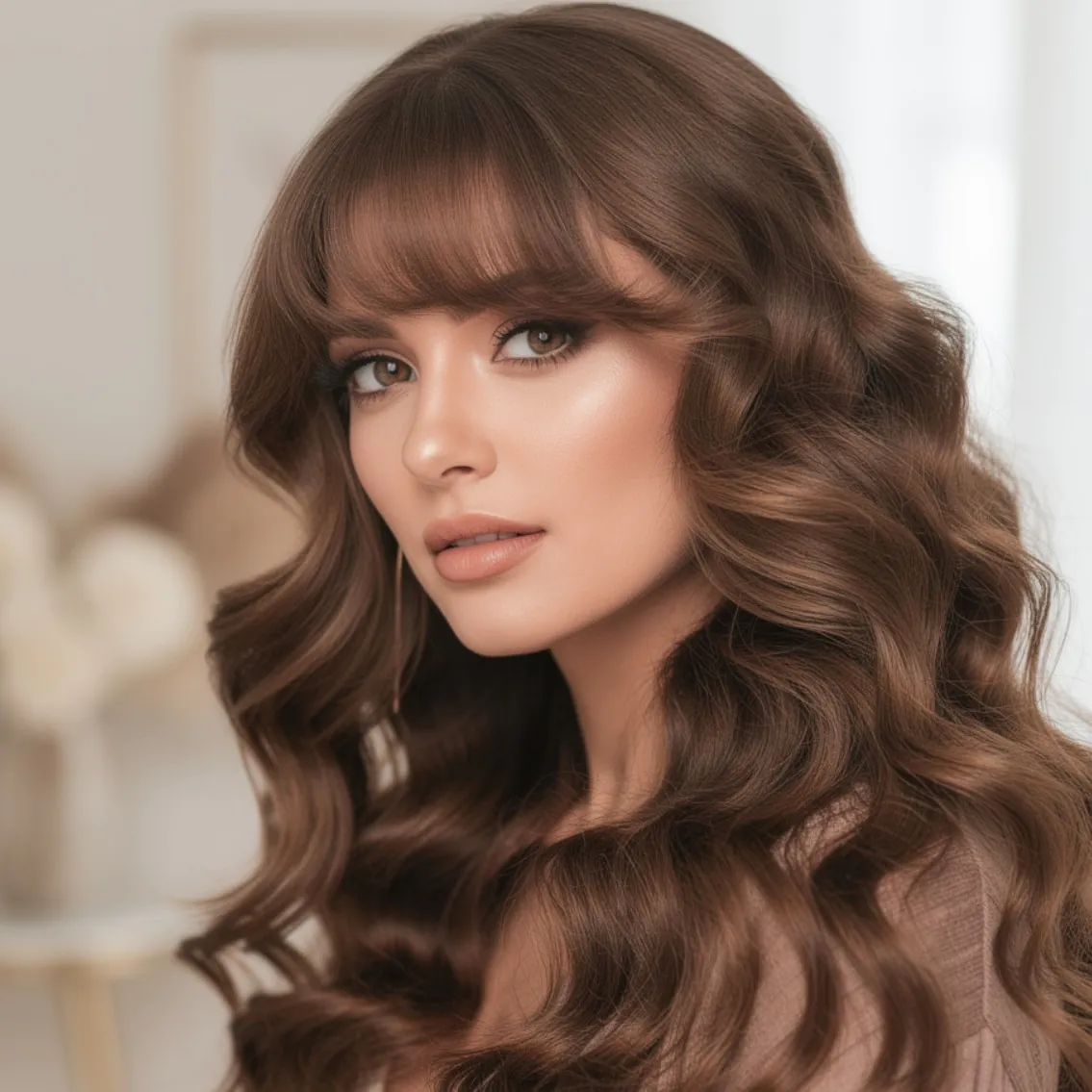
Side-swept bangs offer the most accessible entry point into fringe styling for curly-haired women who are uncertain about committing to a full frontal fringe. Rather than cutting a complete section across the entire forehead, side-swept bangs begin longer on one side, sweep diagonally across part of the forehead, and taper into the rest of the hair on the opposite side creating a gentle, asymmetric frame that moves with the curl pattern naturally. This suits type 2b through 3b wave and ringlet patterns particularly well, as looser textures sweep and fall gracefully rather than springing straight outward. Square and round face shapes benefit most significantly from this arrangement because the diagonal sweep introduces an angular line that visually counterbalances rounder proportions. Encourage the sweep direction by applying a small amount of curl cream and using fingers to gently guide the curls toward the temple while the hair is still damp and drying.
5. Curly Bangs on a Bob
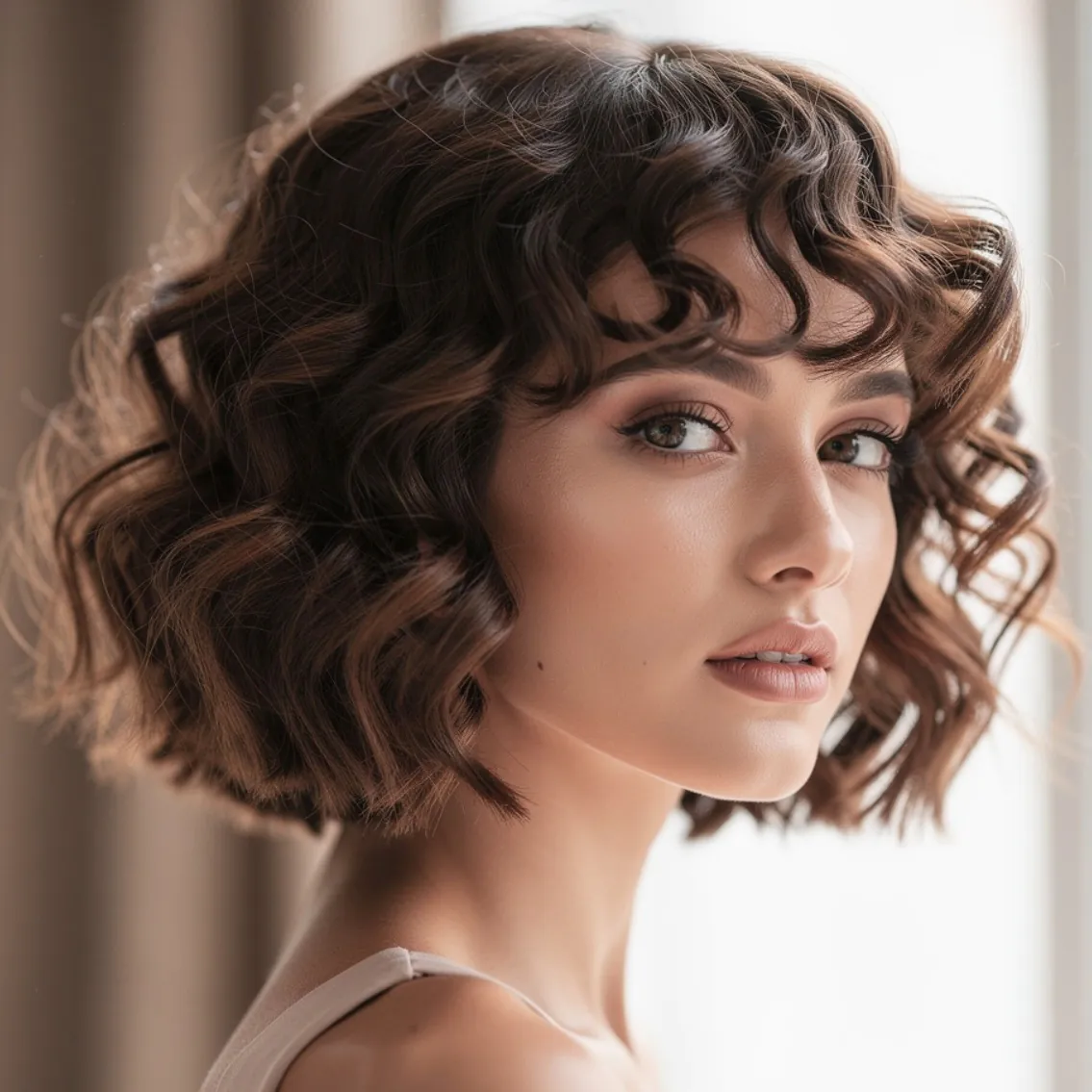
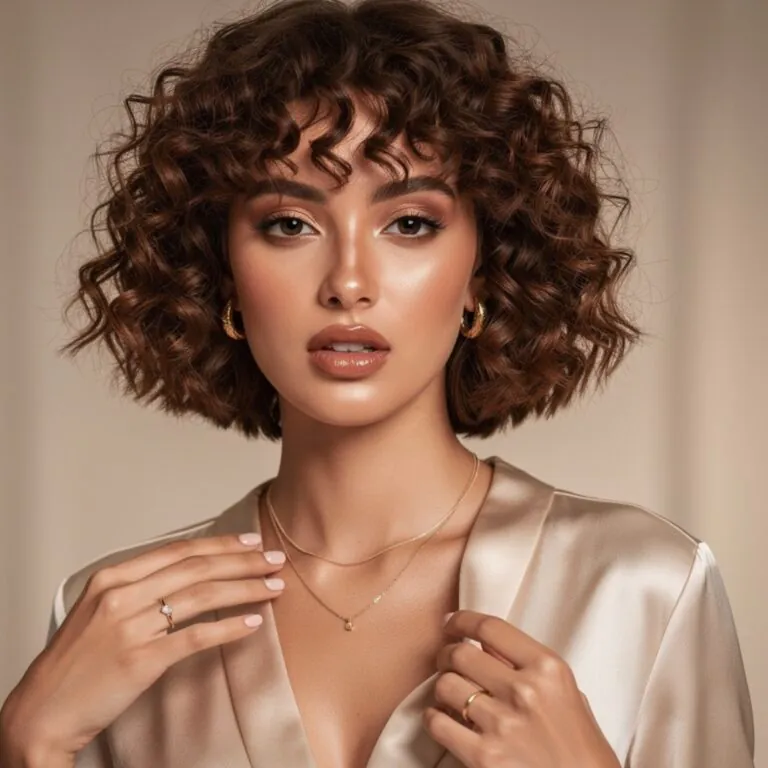
Combining a curly bob with a matching fringe creates a cohesive, retro-influenced look that feels simultaneously vintage and thoroughly contemporary. The fringe at the front mirrors the rounded silhouette of the bob at the sides and back, producing a complete, enclosed shape where every angle of the cut relates harmoniously to every other. Type 3a and 3b ringlets are ideally suited to this combination because their curl size tends to match the proportion of a bob cut not so tight that the fringe disappears into dense coils, and not so loose that the fringe hangs flat against the forehead without shape. Round and oval face shapes suit this combination particularly well, as the circular shape of a full bob with fringe actually emphasizes rather than minimizes the natural roundness that many styling guides unnecessarily discourage. Apply a defining mousse to freshly washed, damp hair before diffusing for a polished, cohesive finish across both the fringe and the bob sections.
For a sportier yet elegant option, check out our collection of curly pixie hairstyles that work beautifully with curly textures.
6. Wispy Curly Bangs
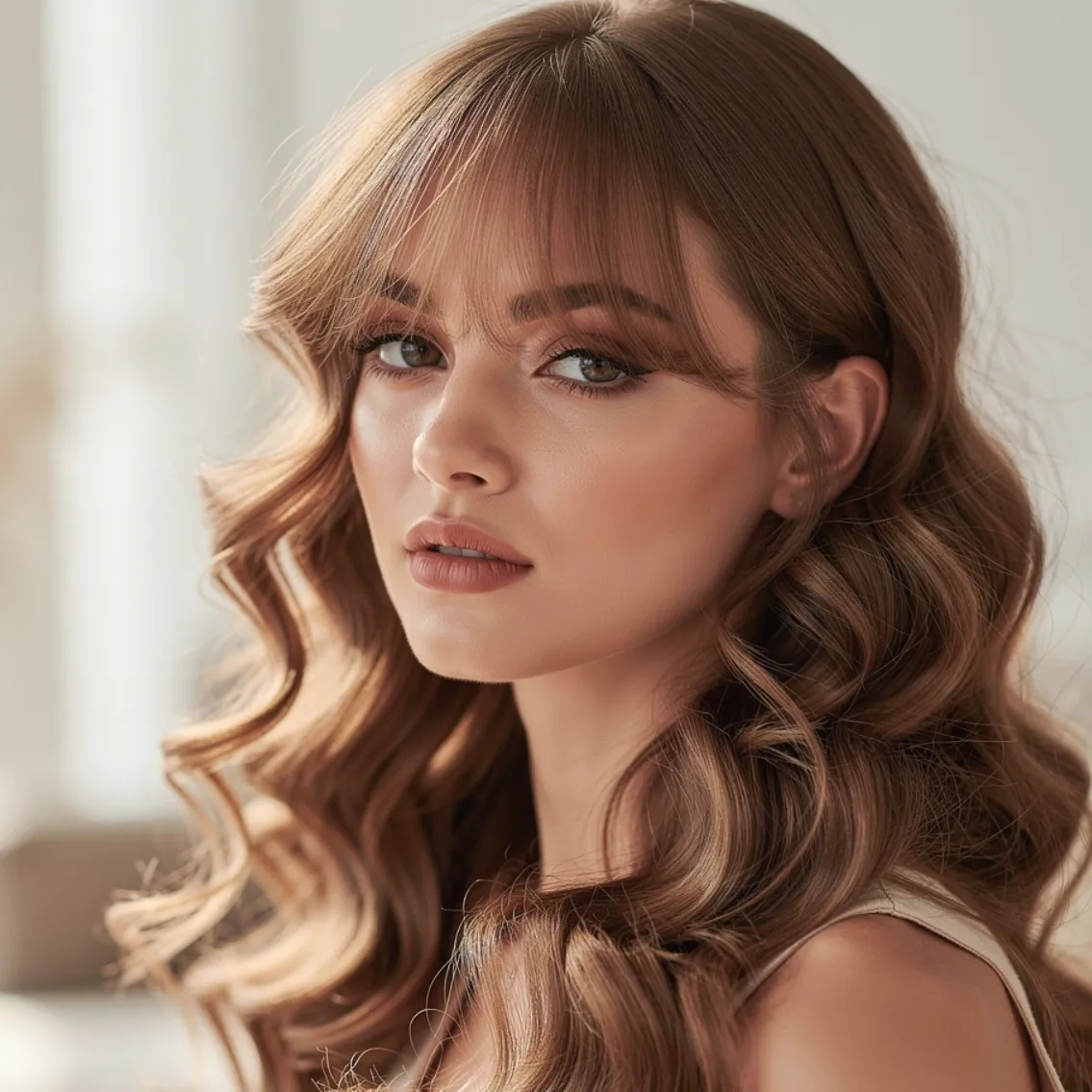
Wispy bangs are the antidote to any anxiety about commitment they are thin, lightly textured, and deliberately undone in a way that looks effortless and adds a delicate, airy frame to the face without making a heavy visual statement. Rather than cutting a full dense section across the forehead, wispy bangs use only a small amount of hair from the front section, allowing the scalp to show slightly through the fringe in a way that reads as intentional rather than sparse. This works exceptionally well on type 2c and 3a curl patterns where individual wave sections are clearly defined and fine enough in width to create a genuine wispy quality. Long and oval face shapes suit wispy bangs most naturally since the light framing maintains the face’s natural proportions rather than shortening or widening them. These bangs require almost no maintenance between salon visits and can be grown out with minimal awkwardness, making them an ideal starting point for anyone trying a fringe for the first time.
7. Curly Shag With Fringe
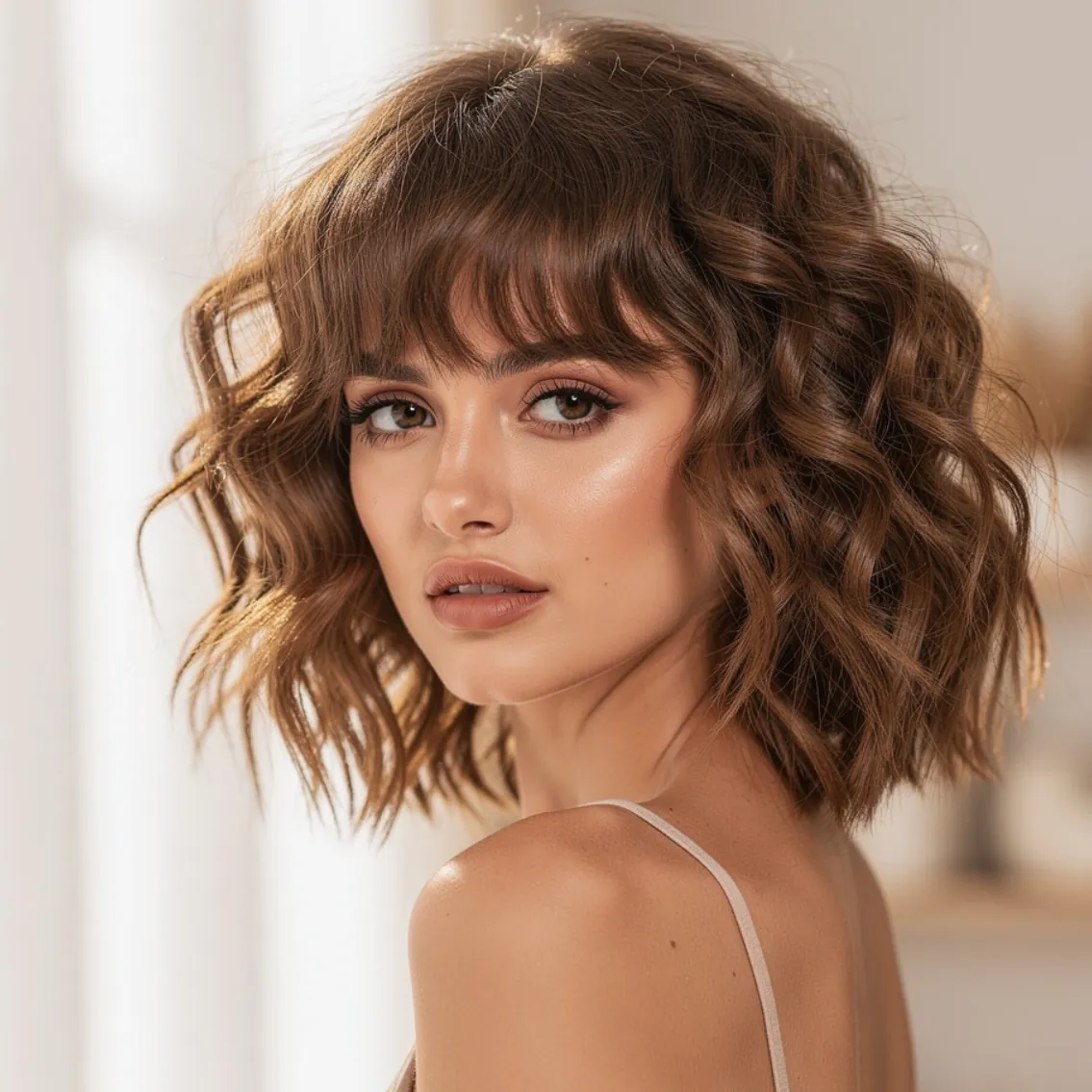
The shag haircut defined by heavy layers throughout, a deliberately disheveled texture, and a curtain-style or full fringe across the forehead translates brilliantly into curly textures because the natural movement of curls at each layer length creates visual complexity that amplifies the shag’s characteristic undone energy. Each layer in a curly shag springs to a different height as it dries, creating a cascading, multidimensional effect from crown to ends that is genuinely difficult to achieve through styling alone on any other cut. Type 2c through 3c curl patterns suit the shag most naturally, as these textures produce enough variety in ringlet size across different sections to make the layering visible and impactful. All face shapes can wear a shag with appropriate layer placement, and the built-in fringe frames the face without requiring any separate styling decision. Ask your stylist specifically for a razor-cut finish on the fringe section to maintain the undone, airy quality that defines this style.
8. Defined Coil Bangs on Natural Hair
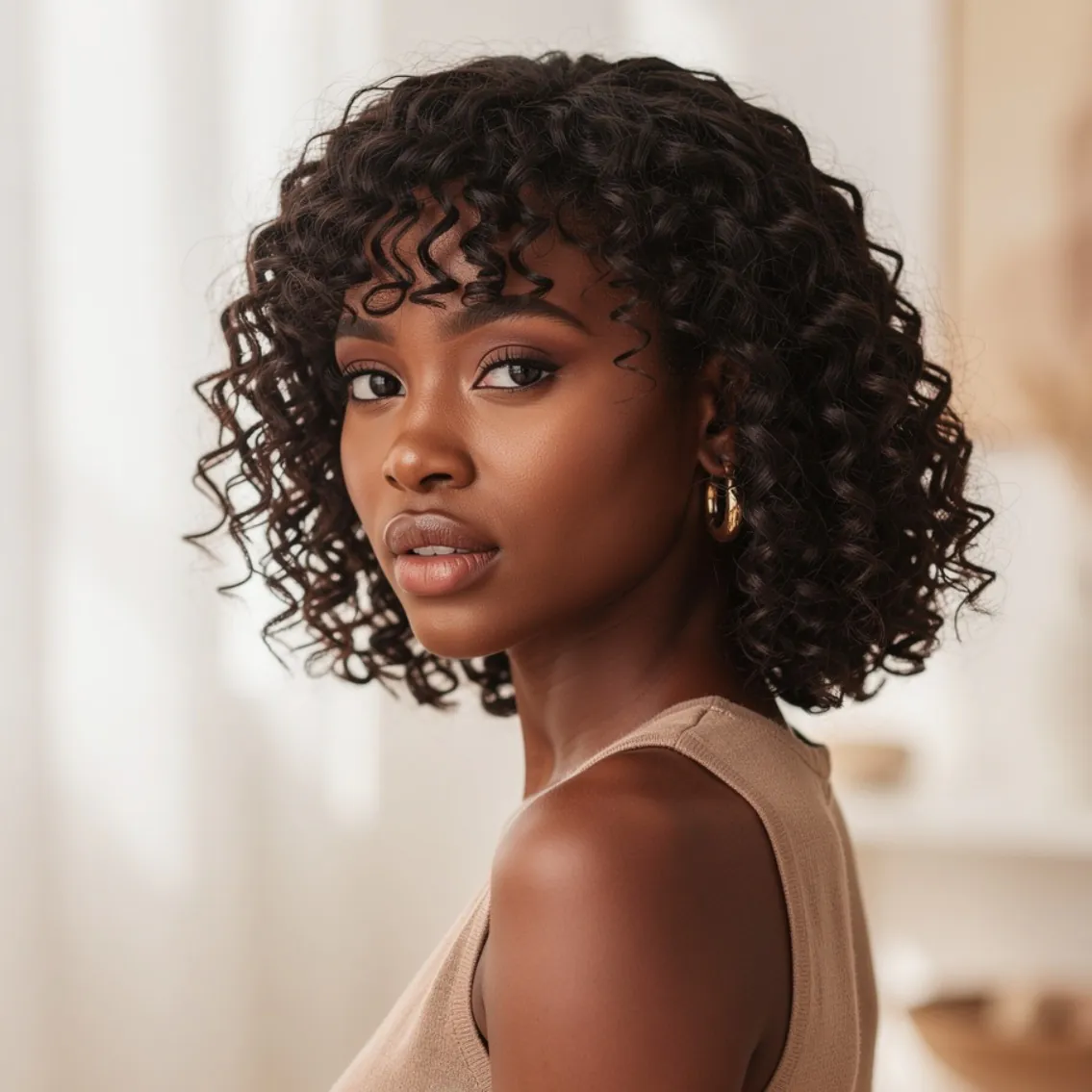
For type 4a and 4b coil patterns, traditional fringe concepts require complete reinterpretation coils this tight spring upward and outward rather than falling downward, so the “bang” becomes less of a forehead-covering fringe and more of a defined cluster of coils that frame the upper face from above. Achieved by allowing the front section of the hair to grow slightly longer than the rest or by coiling individual sections forward with fingers and a holding cream, defined coil bangs create a crown-like effect at the forehead that is deeply flattering and highly personal to tighter curl patterns. This is one of the most culturally resonant interpretations of the curly bang, rooted in natural hair styling traditions that predate every mainstream trend cycle. Round, oval, and heart face shapes all suit defined coil bangs beautifully, and the style requires no special cutting simply a deliberate product application and styling technique applied to the front section each morning after washing.
9. Long Curly Bangs Past the Chin
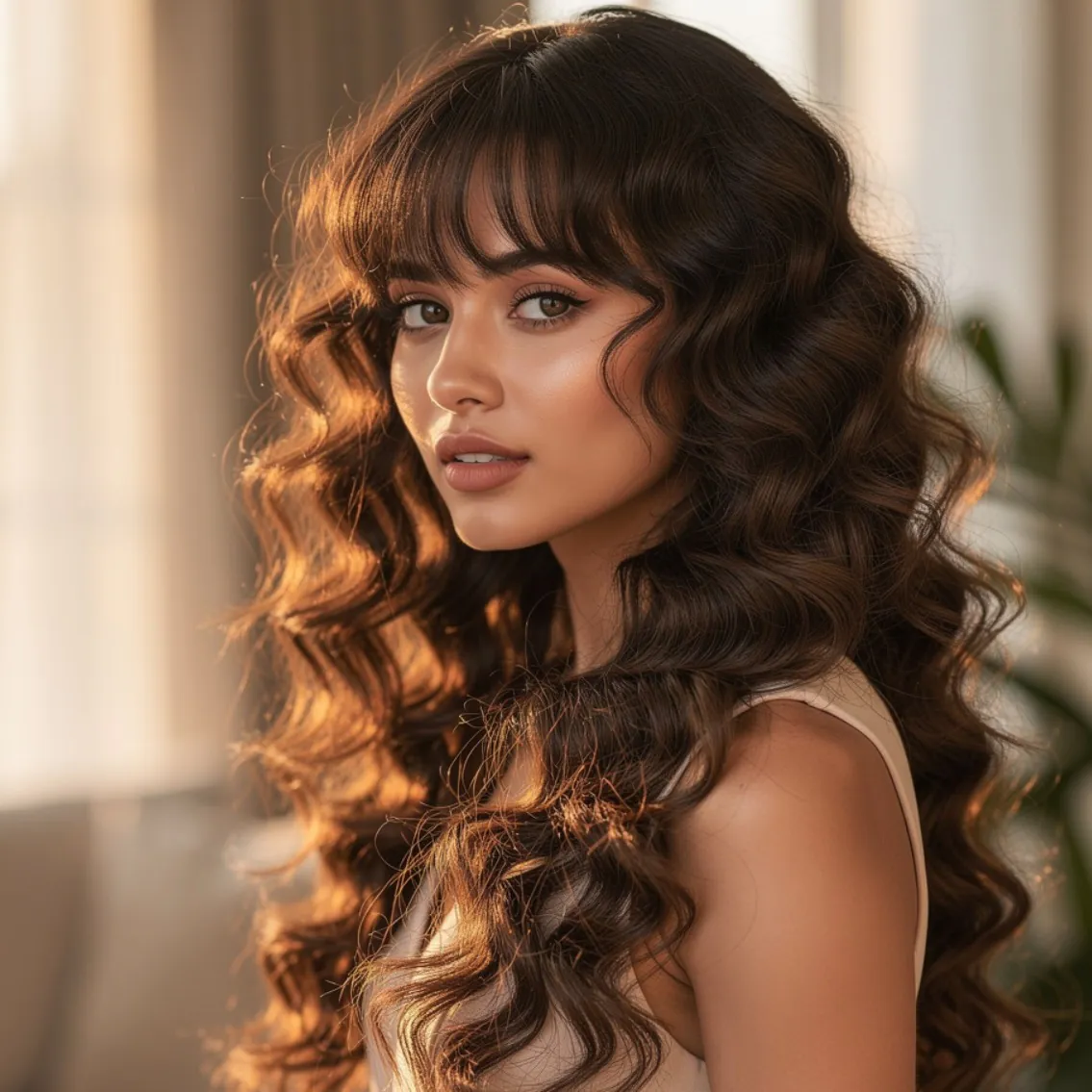
Pushing the definition of bangs toward its absolute limit, long curly bangs that extend past the nose all the way to the chin or beyond function as dramatic face-framing sections that blend seamlessly with the rest of the hair while still creating the focused, forward-falling effect associated with traditional fringes. These extended sections are technically closer to long layers cut specifically at the front of the head, but their effect on the face is identical to a true fringe: they draw the eye forward and downward, creating a frame that focuses attention on the eyes and cheekbones. Type 3b and 3c ringlets are particularly stunning at this length because the curls have enough length to develop their full spiral without losing the front-facing direction that makes them function as bangs. Long and oval face shapes carry this style effortlessly, and it is one of the most grow-out-friendly versions on this list since there is no precise short length to maintain.
10. Curly Lob With Eyebrow-Grazing Bangs
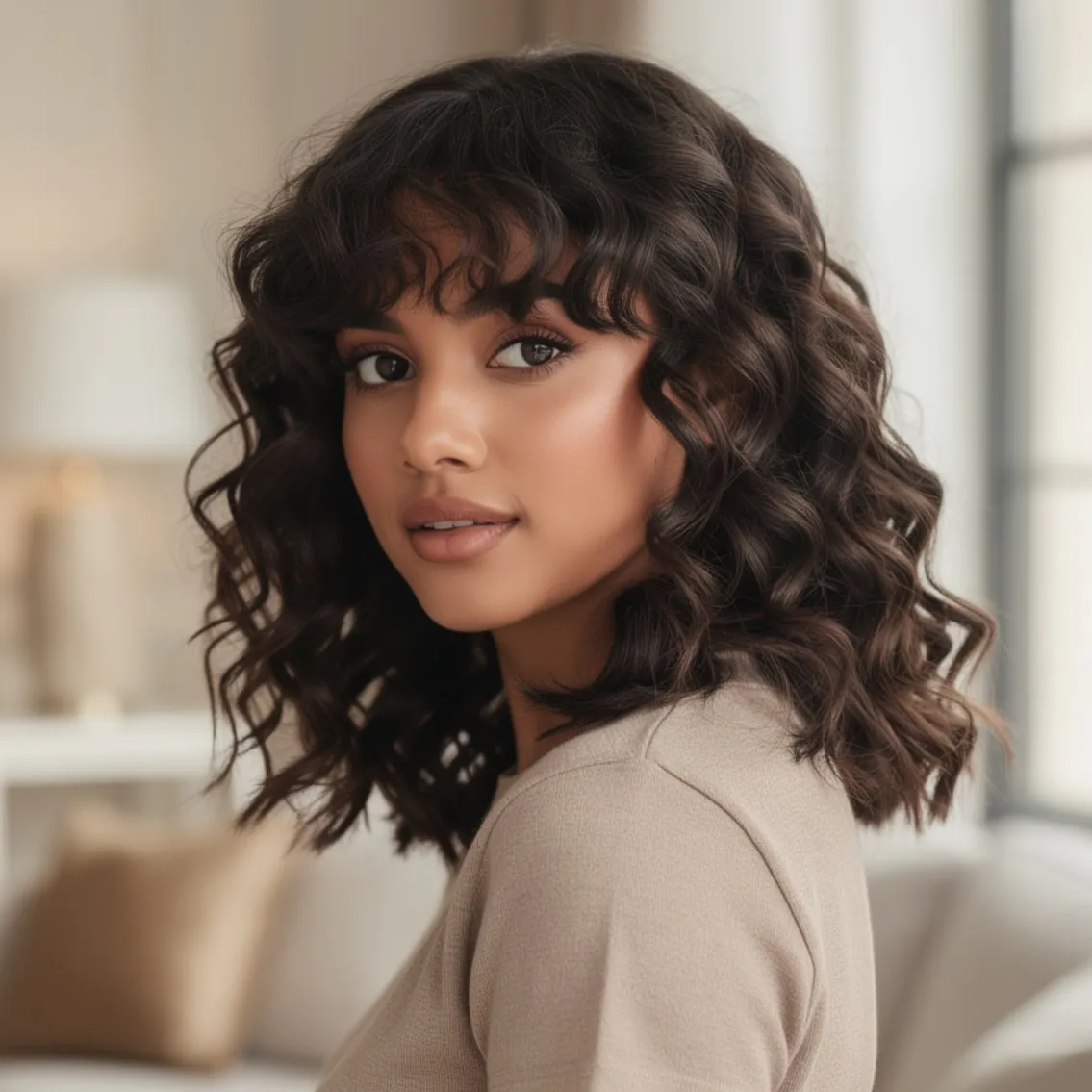
Combining a curly lob a long bob that sits between the chin and the collarbone with a fringe that just grazes the eyebrows creates a complete, considered aesthetic where every element of the cut works in deliberate relationship with the others. The lob length keeps the overall volume manageable while the fringe adds a focal point at the face that a lob without bangs can sometimes lack. This combination works across a wide range of curl patterns from 2c waves to 3c ringlets, though tighter patterns will need their fringe cut longer to account for shrinkage bringing it above the brows after drying. Heart, oval, and diamond face shapes particularly suit this combination because the fringe balances a wider forehead while the lob length adds width at the jaw where these face shapes tend to be narrower. This is one of the most Pinterest-popular curly hairstyles currently because it photographs beautifully from every angle.
11. Curly Bangs With a Half Up Style
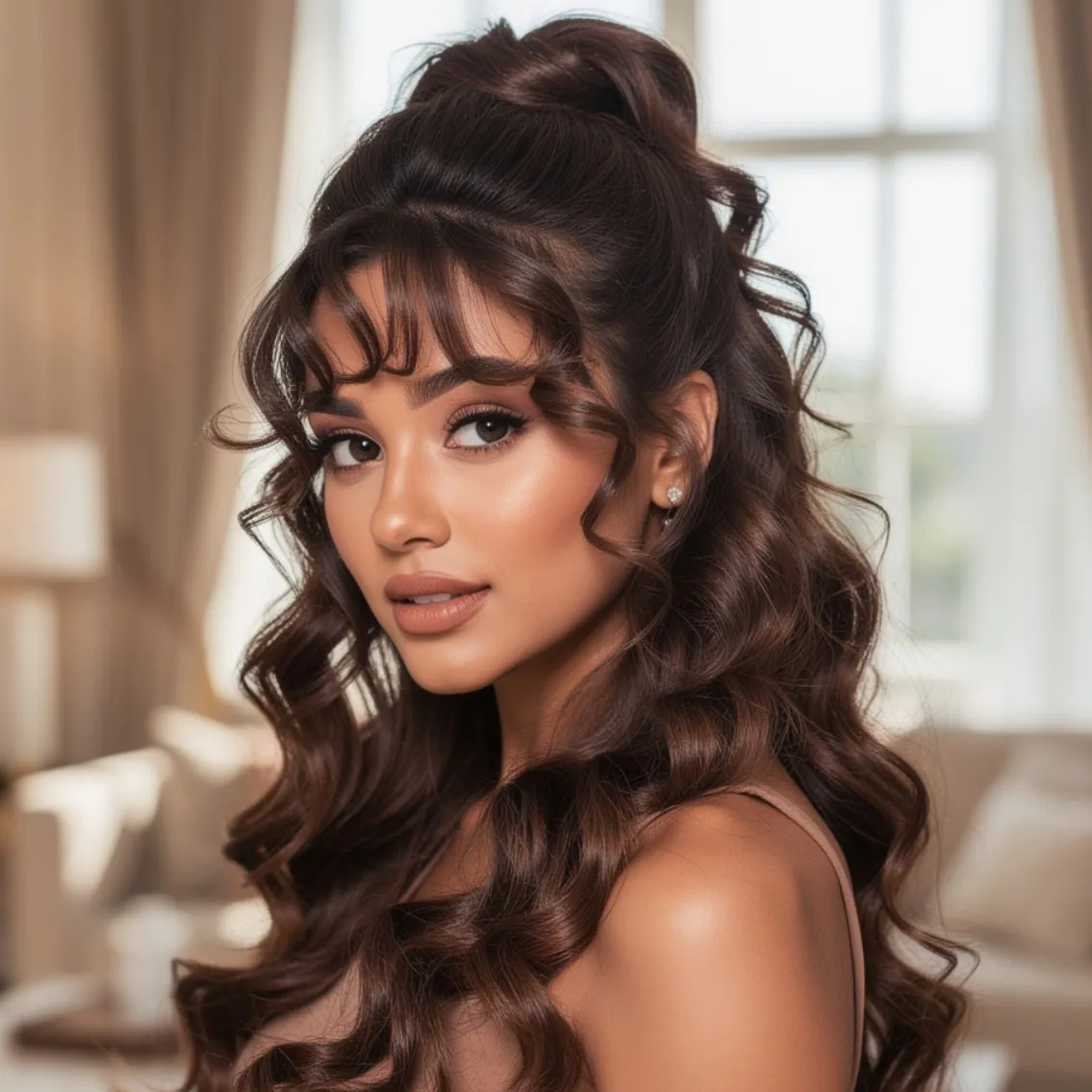
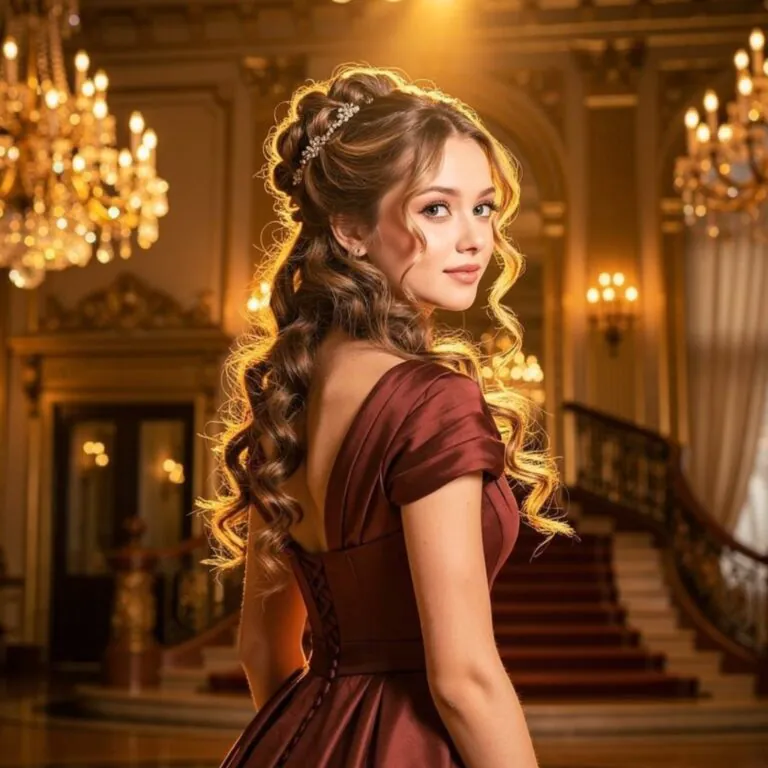
Rather than allowing bangs to simply fall forward across the forehead as a standalone feature, this approach integrates the fringe into a half up arrangement where the back of the crown section is gathered and pinned while the bangs remain free and frame the face from the front. The result is a hybrid style that benefits from both the organizational neatness of a half up arrangement and the face-framing character of a defined fringe two qualities that complement each other rather than competing. Type 3a through 3c curl patterns execute this most naturally, as the curl definition is usually consistent enough that the fringe reads as a distinct section rather than blending invisibly into the gathered top. Oval, heart, and long face shapes wear this combination particularly well, and it suits occasions ranging from casual daily wear to formal events simply by adjusting the polish of the gathered section and the amount of curl definition applied to the fringe.
12. Textured Piecey Curly Bangs
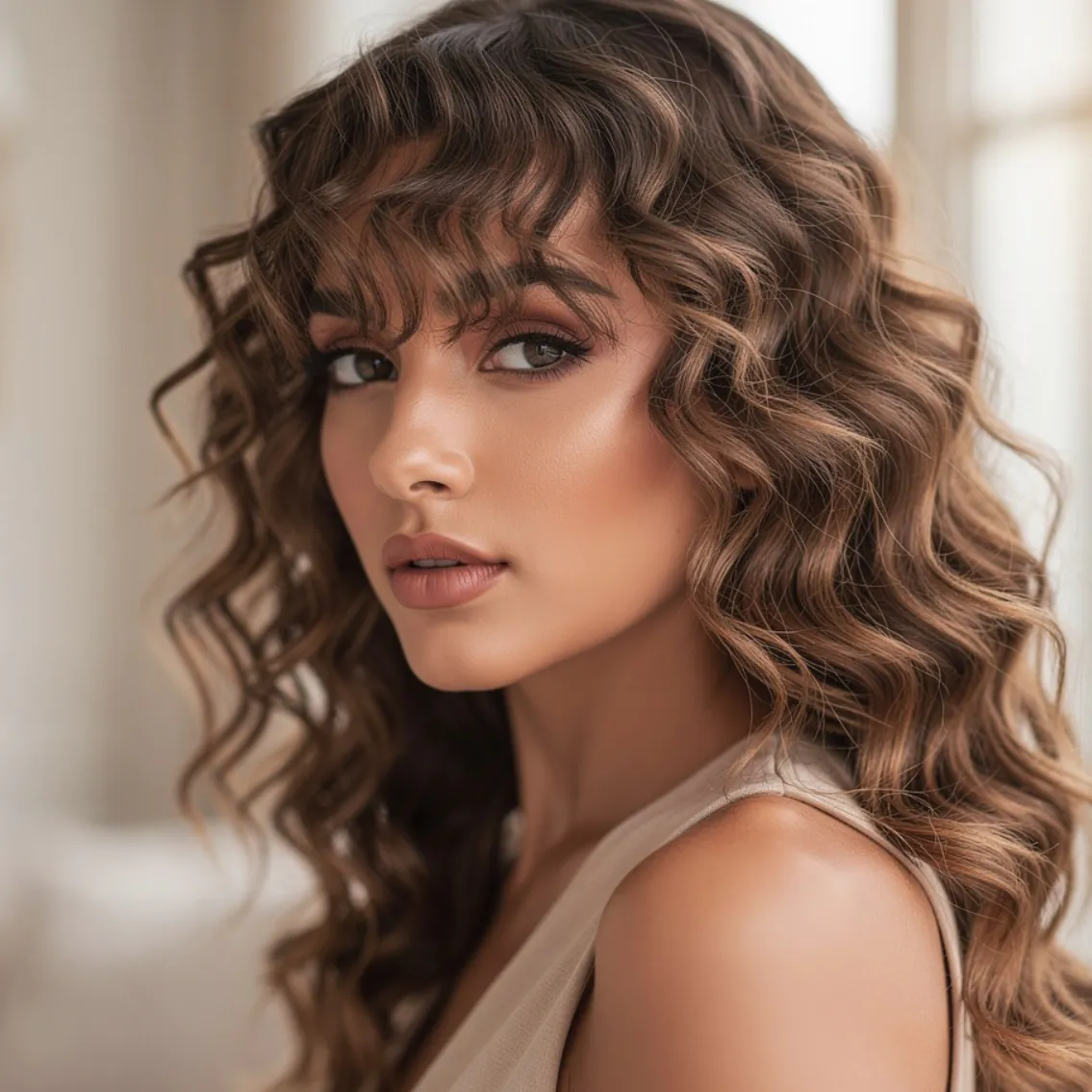
Piecey bangs are styled to separate into individual curly sections rather than falling as a cohesive mass, creating a graphic, intentional effect where each piece of the fringe is distinct and visible as its own defined curl or wave. Achieved by applying a light hold gel to individual sections of the damp fringe and finger-coiling each one separately before allowing to dry completely, piecey bangs introduce a modern, artistic quality that works beautifully against longer, freer curls below. Type 2c and 3a textures translate most naturally into piecey bangs because the wave or ringlet structure is consistent enough to respond predictably to individual finger coiling. All face shapes can experiment with piecey bangs since the styling is entirely adjustable wider, more spread-out pieces suit broader foreheads, while more clustered, central pieces suit narrower ones. Avoid touching the sections while they dry, as any disturbance during the drying process causes separation and frizz that undermines the piecey effect.
13. Curly Bangs on Short Natural Hair
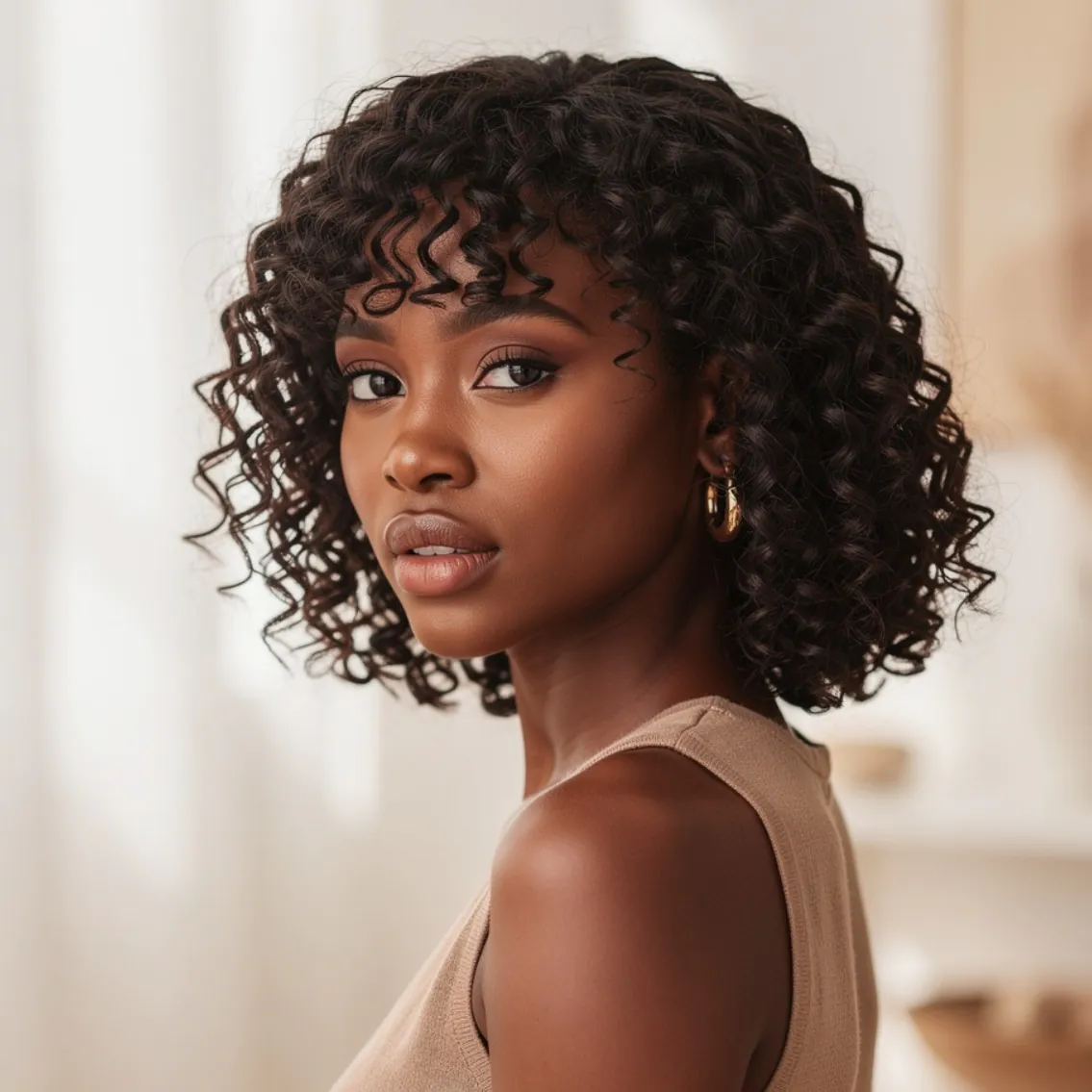
Short natural hair, anything between a TWA and a short natural cut of three to five inches, may seem like an unlikely candidate for intentional fringe styling, but the front section of the hair can absolutely be encouraged to fall forward and frame the upper face in a way that functions visually as a bang even without significant length. Achieved through strategic shaping by a natural hair stylist who leaves the front section slightly longer than the crown and sides, or through deliberate product application that encourages the front coils to fall toward the forehead rather than springing upward, this version of curly bangs is entirely texture-led. Type 4a and 4b coils respond particularly well to this approach when moisturized and encouraged with a curl-defining cream applied with a Denman brush or finger coiling technique. Round, oval, and heart face shapes find this forehead-framing technique especially flattering, and it adds a layer of intentionality to a short natural style that can sometimes feel unfinished without a distinct focal point at the face.
14. Retro Curly Bangs Inspired by the 1970s
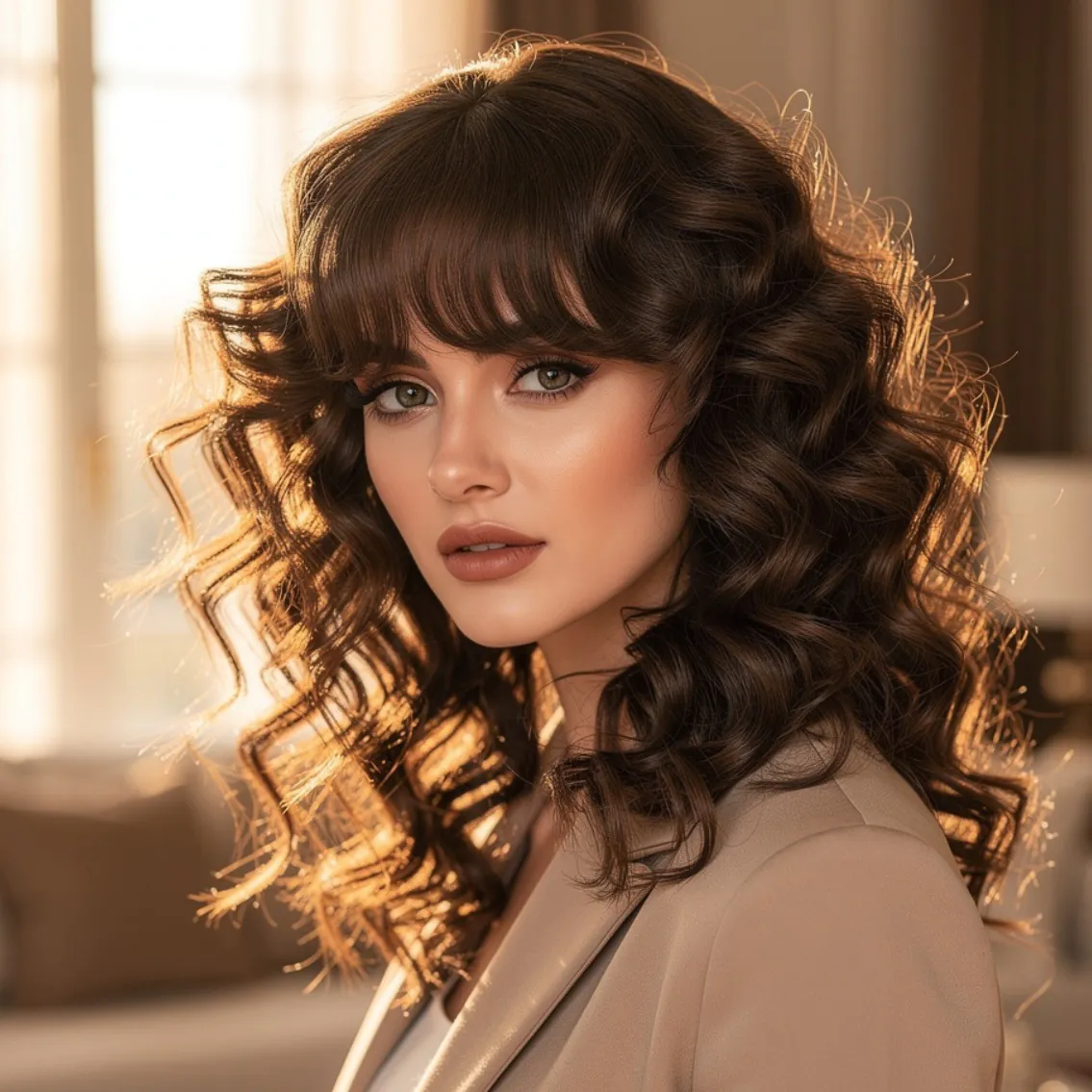
The 1970s produced some of the most enduringly beautiful interpretations of curly bangs ever documented full, rounded fringes that matched the voluminous, natural texture of the era’s most iconic hair and created a complete, era-defining silhouette that contemporary stylists have been referencing ever since. A modern version of this approach involves a full fringe cut to just above the eyebrows, intentionally rounded in shape to mirror the circular silhouette of a full natural Afro or a voluminous curly blow-out, and styled without any sleekness or precision that would contradict the organic, free-spirited quality of the original aesthetic. Type 3b through 4b textures suit this retro interpretation most authentically, as tighter curl patterns produce the density and volume necessary to create the full, rounded fringe shape. Oval and round face shapes find this style particularly harmonious, and accessorizing with a wide headband or statement earrings amplifies the vintage sensibility without requiring any additional styling effort.
15. Invisible Bangs on Curly Hair
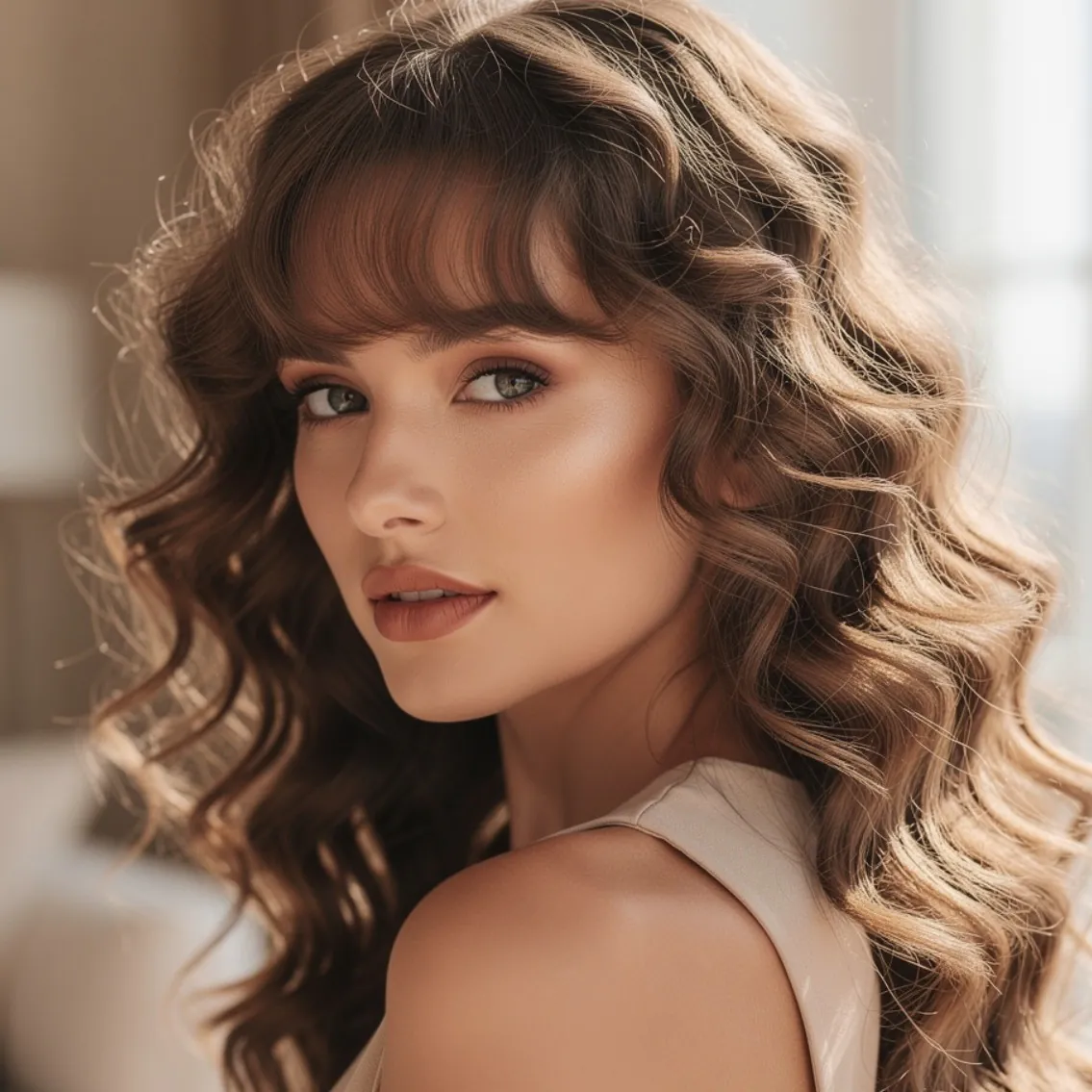
Invisible bangs also called see-through bangs in some styling communities, are cut so finely and lightly across the forehead that the scalp remains visible through the fringe, creating a barely-there effect that adds subtle face framing without the commitment or visual weight of a traditional bang. For curly textures, this translates into a few deliberately separated curl or wave sections encouraged forward across the forehead, creating the impression of a fringe without a true cut section. This suits type 2b through 3a wave and ringlet patterns where individual sections are fine enough to appear translucent when separated and positioned forward. All face shapes suit invisible bangs since the impact on facial proportions is minimal and the effect is closer to strategic face framing than structural forehead coverage. This is the most commitment-free entry on this list because the fringe is so fine and light, growing it out requires no special strategy and produces no awkward intermediate phase.
How to Choose the Right Curly Bang Style
Selecting the right curly bang begins with a realistic assessment of your curl pattern’s natural behavior, because no styling product or technique can permanently override the direction your curls naturally want to grow. Coils that grow upward and outward will always resist a downward-falling fringe without daily intervention, making defined coil bangs or invisible bangs a more sustainable choice than a full cut fringe for type 4 textures. Looser wave patterns that fall naturally toward the face are the most fringe-compatible textures and can support virtually every style on this list with minimal daily effort. Beyond texture, consider the amount of forehead you want to cover more coverage suits those who want to visually shorten a longer face, while less coverage suits those who prefer to keep the face’s proportions unchanged. Your lifestyle also matters: if you swim regularly, exercise outdoors, or live in a high-humidity climate, a full dense fringe requires more daily maintenance than a wispy or curtain-style alternative.
Best Face Shapes for Curly Hairstyles With Bangs
Oval face shapes have the widest compatibility with every fringe style on this list, from micro bangs to long curtain sweeps, because the balanced proportions of an oval face create a neutral canvas that harmonizes with any length or density of fringe. Round faces are most flattered by side-swept or asymmetric fringes that introduce a diagonal line across the forehead, visually counteracting circular proportions rather than emphasizing them. Heart face shapes benefit most from full or curtain bangs that cover a wider forehead and draw attention downward toward the eyes and lips. Square faces suit wispy or piecey bangs that soften the horizontal strength of a prominent forehead without adding additional weight or mass. Long and oblong faces are genuinely transformed by full fringes any bang style that reduces the visible length of the forehead brings the face’s proportions into closer balance, making this the face shape category that gains the most flattering benefit from committing to a bang.
Styling and Maintenance Tips for Curly Bangs
The most important principle in maintaining curly bangs is accepting that they will behave differently on wash days than on second- or third-day hair, and building a realistic routine around both scenarios rather than expecting identical results every morning. On wash days, apply curl cream or a light hold gel to the damp fringe immediately after washing and finger-coil or scrunch individual sections before allowing to air dry or diffuse never touch the fringe while it is wet and unstyled, as this causes frizz that no amount of finishing product can reverse once dry. On refresh days, mist the fringe lightly with water, add a tiny amount of fresh product with just your fingertips, and allow to dry again without manipulation. Trim the fringe every three to four weeks regardless of whether the rest of your hair needs attention, as fringe growth alters the style’s proportions more quickly and visibly than growth anywhere else on the head. Sleep with a satin bonnet or on a satin pillowcase to prevent friction-induced frizz in the fringe section overnight.
How to Ask Your Hairstylist for This Look
Communicating a curly bang request accurately requires more specificity than most clients initially expect, because the stylist needs to understand not just the desired final appearance but also the behavior of your specific curl pattern and the realistic maintenance level you can sustain. Begin by describing your curl pattern and whether it falls toward your face naturally or springs away from it this single piece of information tells a skilled stylist which fringe styles are achievable without daily product intervention and which ones will require active styling every morning. Bring at least two reference photos including one that shows a curly bang on someone with a similar texture to yours, not just a similar face shape, because texture determines behavior in a way that face shape alone cannot predict. Specify the length you want in terms of facial landmarks rather than inches “just above the eyebrow,” “grazing the lash line,” or “mid-forehead” are far more useful references than a measurement that means different things depending on shrinkage level. Ask your stylist to cut the fringe slightly longer than your target on the first appointment, since shortening further is always possible while fixing a too-short fringe requires waiting for regrowth.
FAQ: Curly Hairstyles With Bangs
Q: Will curly bangs spring up too short after drying?
Shrinkage is the primary technical consideration in any curly bang cut, and every experienced stylist working with natural textures accounts for it automatically. The degree of shrinkage varies significantly by curl pattern type 4 coils can shrink by fifty percent or more, meaning a bang cut to three inches wet may dry at one and a half inches. Always cut curly bangs while dry, or ask your stylist to wet-cut them significantly longer than the target length and then dry and trim to the final length as a second step.
Q: How do I stop curly bangs from frizzing throughout the day?
Frizz in curly bangs is almost always caused by touching the fringe while it is drying, sleeping without protective covering, or applying product to dry hair rather than wet. Establish a no-touch rule during the drying process, sleep with a satin bonnet, and always apply product to completely saturated hair rather than damp or dry strands. A small amount of anti-humidity serum applied as a finishing step after the fringe has fully dried adds an additional barrier against environmental moisture on particularly humid days.
Q: Can I get curly bangs if my curls are very tight like 4c?
Absolutely, though the interpretation differs from looser curl pattern fringes. Very tight 4c coils do not fall downward across the forehead in the traditional fringe sense — they spring upward and outward. Working with this natural direction rather than against it produces defined coil bangs, invisible bangs, or retro-inspired rounded fringes that are genuinely beautiful and authentically suited to that texture. Any stylist who attempts to cut a traditional falling fringe on 4c coils without accounting for shrinkage and growth direction will produce disappointing results.
Q: How do I maintain curly bangs between salon visits?
Trim the fringe at home between appointments using sharp hair scissors never craft or kitchen scissors, which crush rather than cut the hair shaft. Snip small amounts at a time while the bang is completely dry and in its natural curl state, taking off no more than a quarter inch per home session. For daily refresh, a mist of water followed by a small amount of curl cream and a hands-off drying period is all most curl patterns need to restore the fringe to its shaped appearance.
Q: Will bangs make my face look shorter?
A full fringe does reduce the visible length of the forehead, which effectively shortens the apparent length of the face. For round or square face shapes, this effect can be minimized by choosing a lighter, wispier fringe or a side-swept variation that does not cover the full forehead width. For long and oblong face shapes, this shortening effect is actually desirable and is one of the primary reasons a full curly fringe is one of the most recommended styling strategies for that face shape category.
Q: Are curly bangs suitable for fine or low-density curly hair?
Fine or low-density curly hair suits wispy and piecey bang styles better than full, dense fringes. Attempting to cut a heavy fringe from fine hair removes volume from the rest of the hairstyle in a way that can make the overall density appear even thinner. A wispy fringe uses only a small amount of hair, preserving the volume of the crown and sides while still introducing the face-framing benefit of a forward-falling section. Ask your stylist to assess your density honestly before committing to any fringe style that requires a significant amount of hair from the front section.
Conclusion
Curly bangs are not a risky experiment they are a deeply flattering styling choice that becomes rewarding the moment you find the version calibrated correctly to your specific texture, face shape, and daily routine. From the bold commitment of a full coil fringe to the barely-there delicacy of invisible bangs, the fifteen styles above prove that there is a curly bang arrangement for every curl pattern and every level of styling confidence. Bring your reference photos, communicate your texture honestly with your stylist, and give yourself permission to make a change that the rest of this article has hopefully made feel considerably less intimidating.