17 Trendy Short Straight Hairstyles That Are Worth the Cut & you’ll Love
There is a particular kind of confidence that comes from cutting your hair to Short Straight Hairstyles, a bold, deliberate decision that signals you know exactly who you are and what you want. If you have been scrolling through Pinterest boards dedicated to short straight hairstyles, bookmarking images at every turn but hesitating to take the leap, this guide is the push and the roadmap you have been looking for. Most hairstyle websites show you the picture and stop there, leaving you with no idea whether that sleek pixie actually suits your face shape, whether your hair density can pull off that blunt bob without looking flat, or how to explain any of it to your stylist in thirty seconds.
Short Straight Hairstyle Ideas
In this guide you’ll learn about 17 Short Straight Hairstyle Ideas.
1. Blunt Chin Length Bob Short Straight Hairstyle
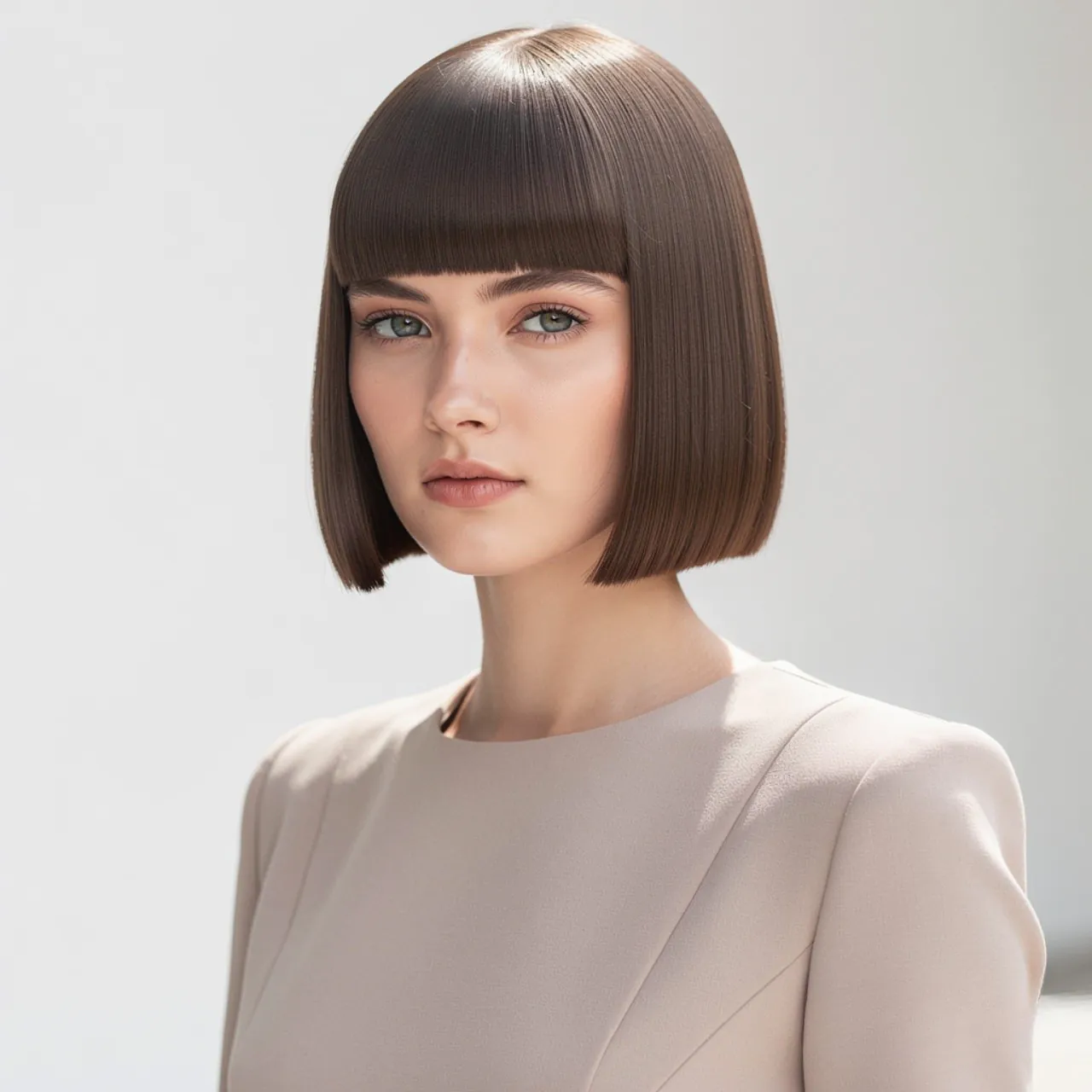
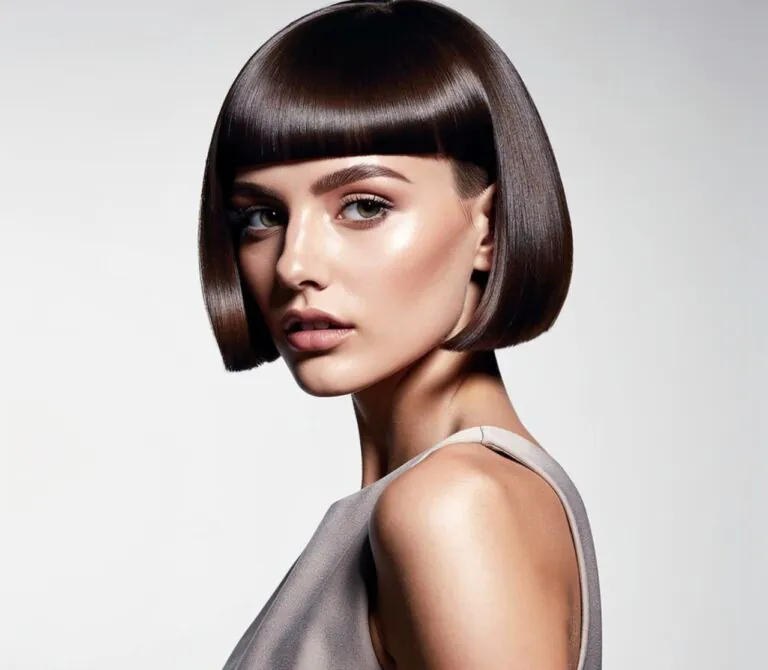
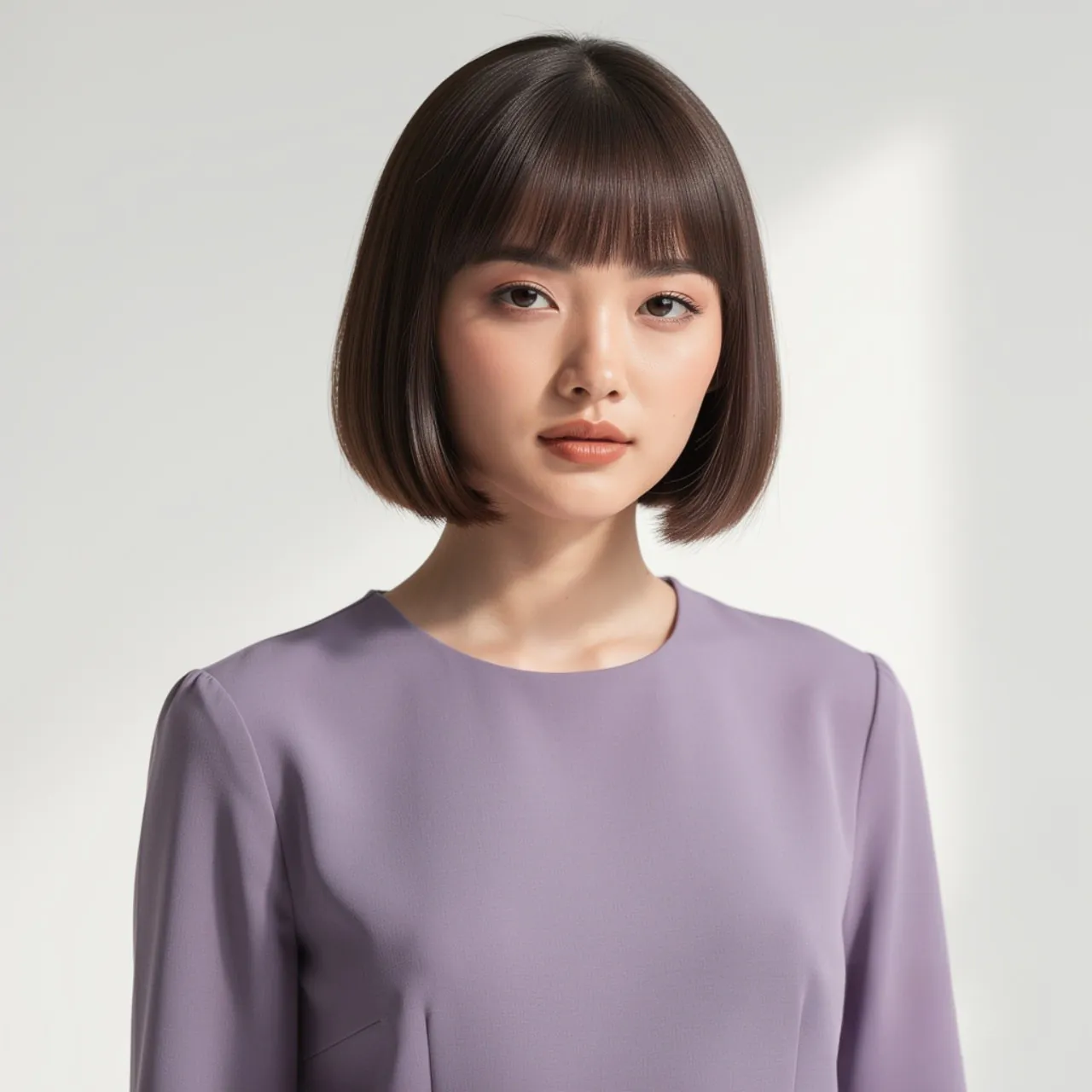
The blunt chin-length bob is the gold standard of short straight hairstyles architectural, intentional, and effortlessly polished without requiring complex daily maintenance. The hemline sits precisely at the jaw, cut in a clean, even line that creates a bold geometric silhouette framing the face from both sides simultaneously. Medium to thick straight hair holds this cut with the most conviction, as the blunt edge requires sufficient weight to maintain its sharpness between appointments. Heart, oval, and square face shapes benefit most from this length since the hemline draws the eye to the jawline and chin in a flattering, defining way. Finish with a flat iron pass and a lightweight shine serum for a glass-smooth result that photographs beautifully under any lighting condition.
2. Short Straight Pixie with Side Sweep
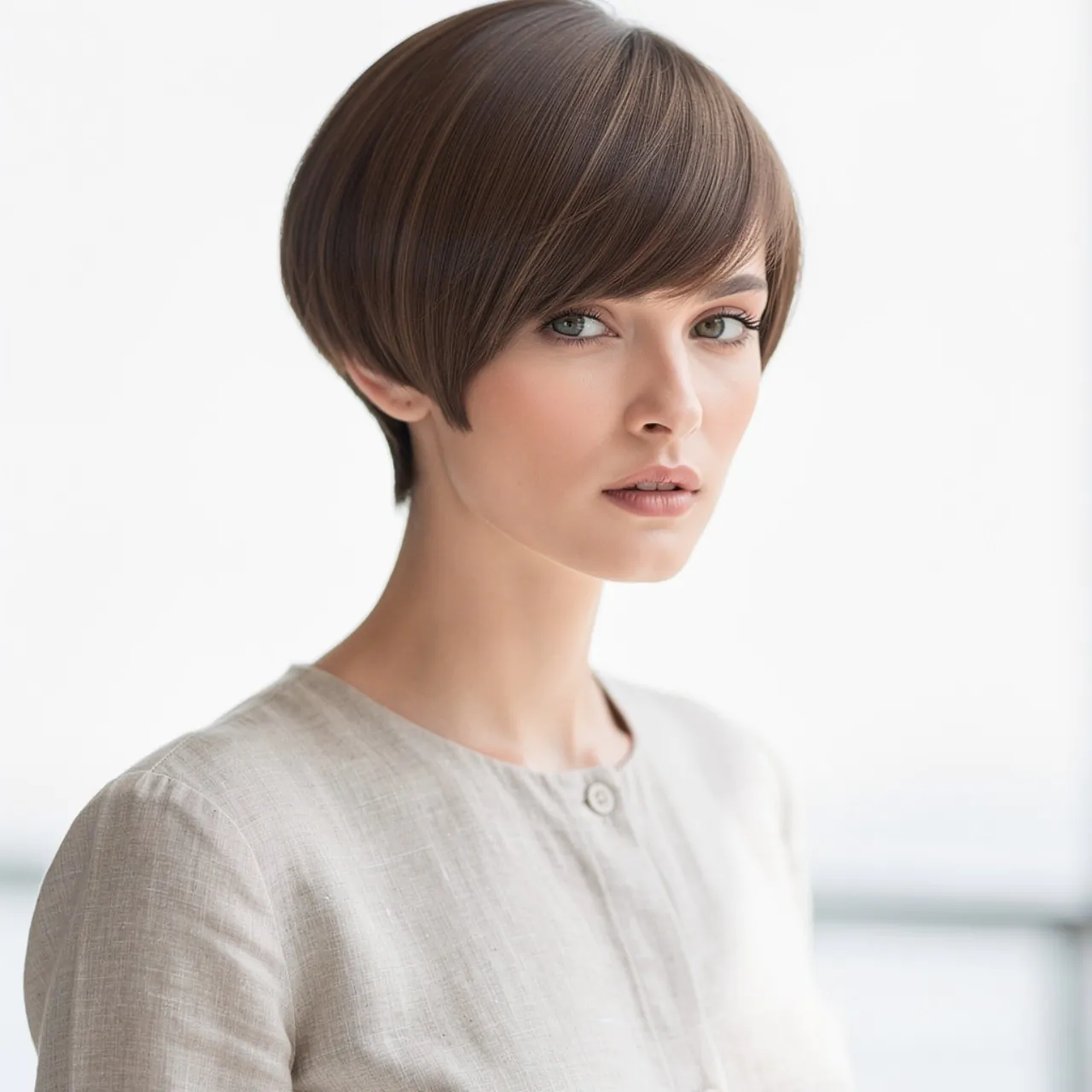
The side-swept pixie combines the clean brevity of a close-cropped cut with the softening influence of a longer front section that sweeps diagonally across the forehead, creating a style that reads as both bold and feminine simultaneously. The back and sides are cut short and tight, while two to three inches of length are maintained on top and swept to one side using a flat iron and a small amount of styling cream. This cut suits fine to medium straight hair beautifully, as the reduced bulk at the back allows the top section to sweep cleanly without becoming heavy or falling out of shape. Heart and oval face shapes find the diagonal sweep most flattering since it draws the eye toward the cheekbones and away from a wider forehead or temples.
3. Short Straight Bob with Blunt Fringe
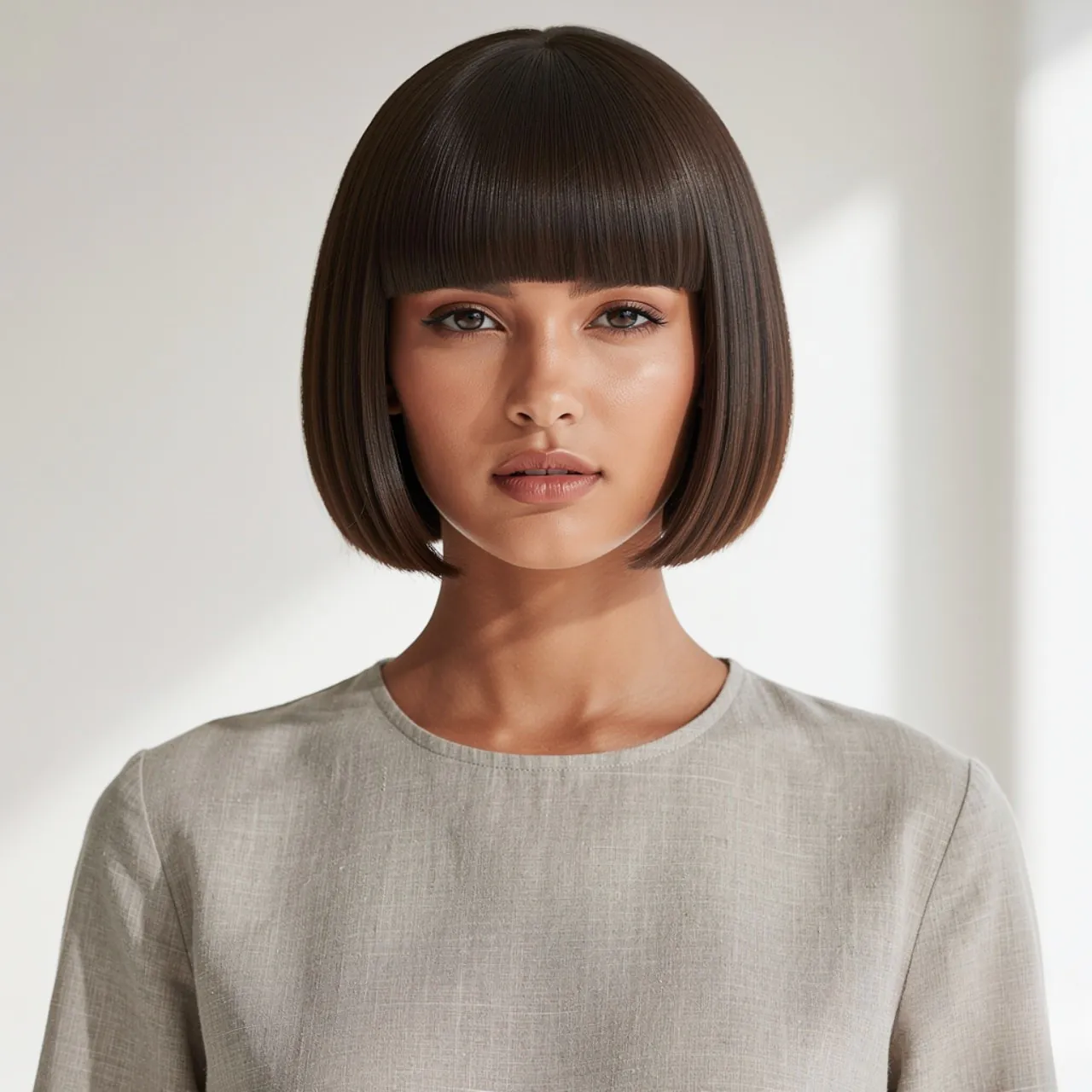
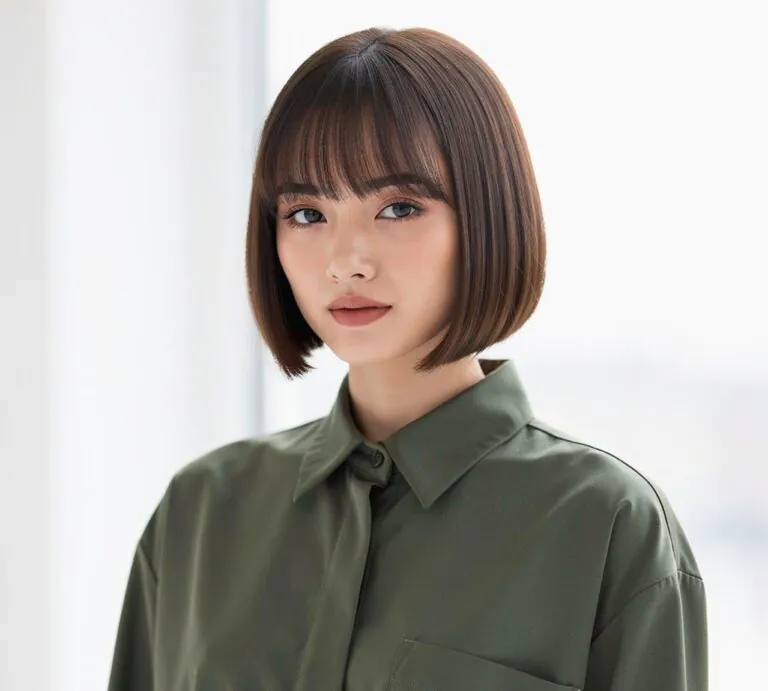
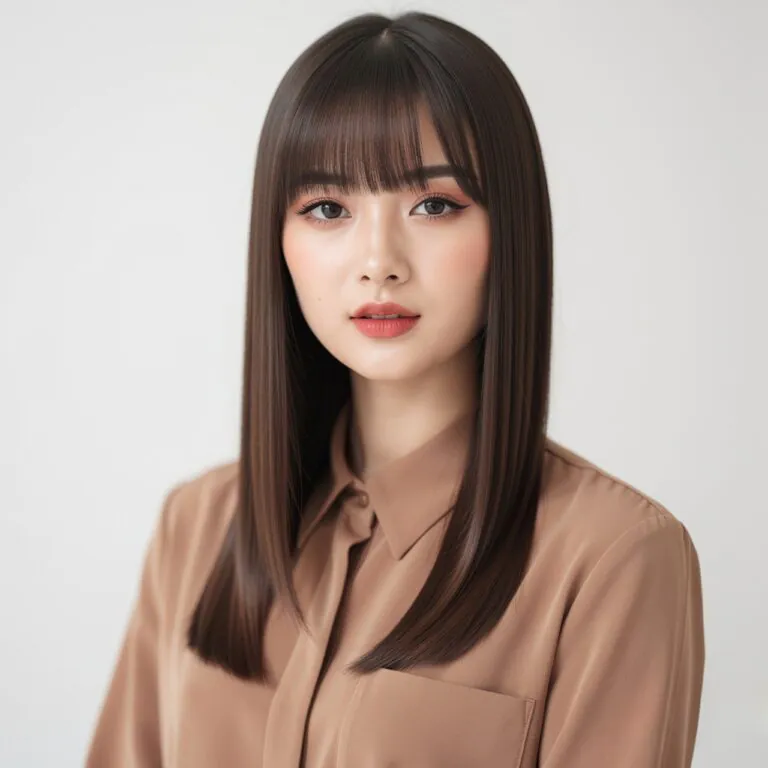
Pairing a short bob with a blunt, eyebrow-skimming fringe creates one of the most graphic and deliberately striking short straight hairstyles available, delivering a look that is simultaneously retro-inspired and entirely current in its precision and intentionality. The fringe sits in a clean horizontal line just above the brows, echoing the blunt hemline of the bob below and creating a cohesive, deliberate frame around the entire face. Fine to medium straight hair holds both the fringe and bob hemline most precisely, as heavier textures may require thinning to achieve the crisp, flat result this style demands. Round face shapes should use a slightly arched rather than completely flat fringe to avoid emphasizing horizontal width, while oval and oblong faces carry the full blunt fringe most harmoniously.
4. Textured Short Crop with Curtain Fringe
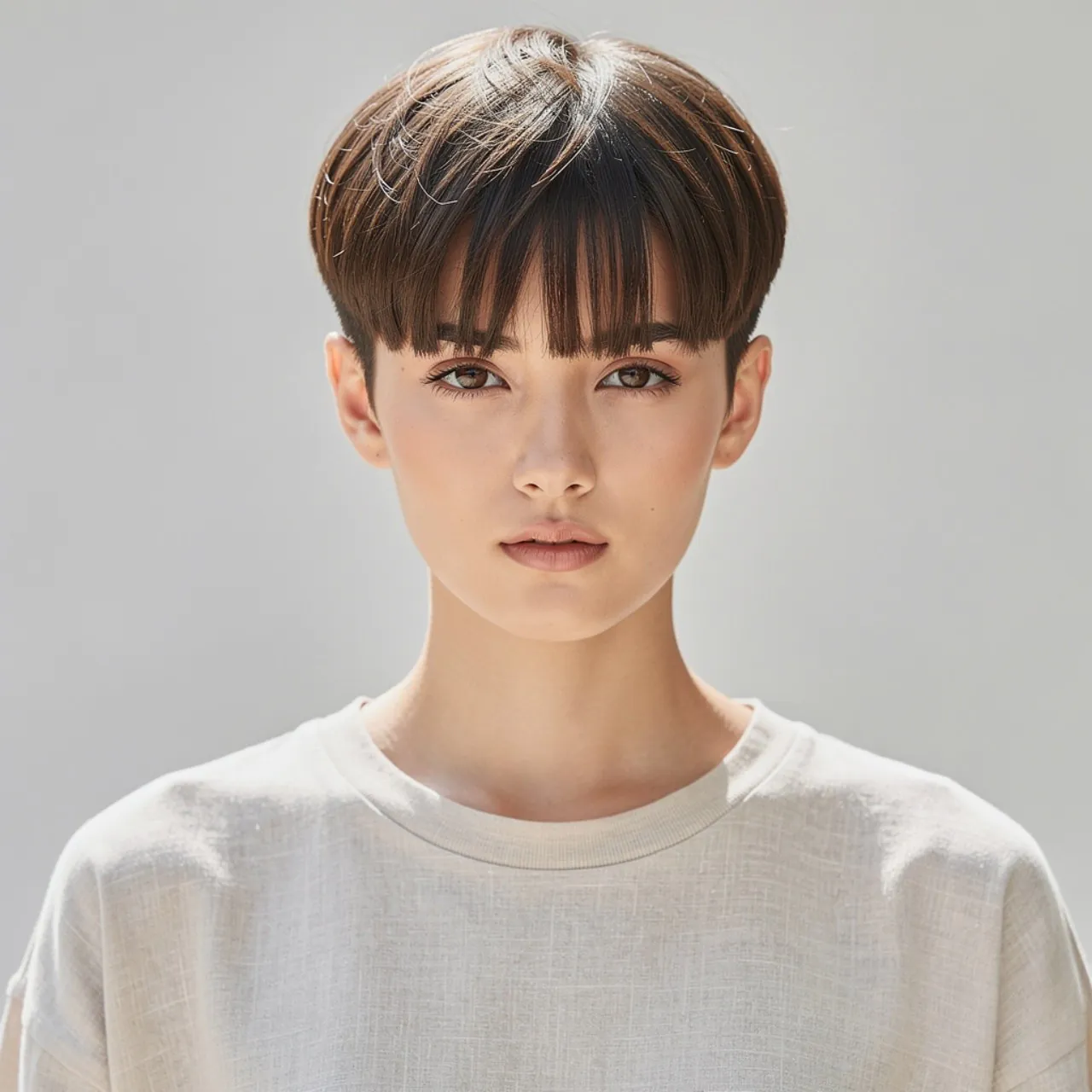
The textured short crop paired with curtain fringe is a contemporary short straight hairstyle that balances structured brevity with softness, making it one of the most wearable options for those making their first significant length transition. The crop keeps the overall shape compact and clean, while the curtain fringe swept gently to each side from a center part introduces a face-framing softness that prevents the cut from appearing too severe or masculine. This combination suits all face shapes remarkably well, with the center part and outward fringe creating the widening effect that benefits oblong and rectangular faces most. Medium density straight hair creates the most natural curtain fringe, as the strands fall evenly without requiring excessive product to stay in position throughout an active day.
To check out more straight hairstyles men ideas.
5. Short Straight A Line Bob
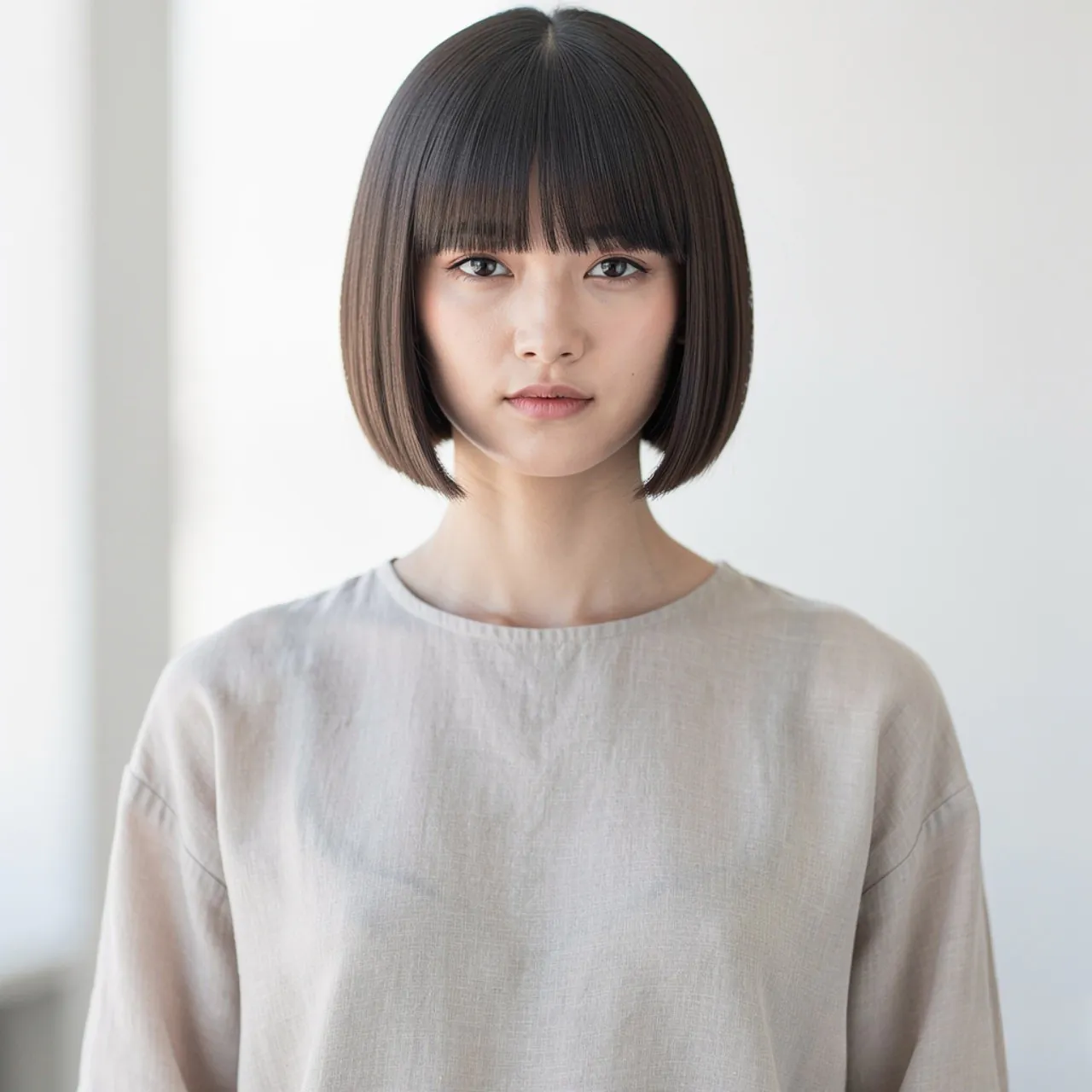
The A-line bob is a graduated short straight hairstyle where the back is cut shorter, sometimes stacked close to the nape while the front sections are left longer, creating a diagonal hemline that angles downward from back to front. This shape introduces movement and dimension into straight hair without relying on layers or texture, making it a genuinely clever design solution for those who love sleek finishes but want more visual interest than a standard one-length bob provides. Thin to medium straight hair suits an A-line bob particularly well because the graduation at the back adds the appearance of thickness and body where it is needed most. Oval, heart, and diamond face shapes all benefit from the front-lengthening effect, which frames the chin and jaw beautifully.
6. Short Straight Shag with Micro Fringe
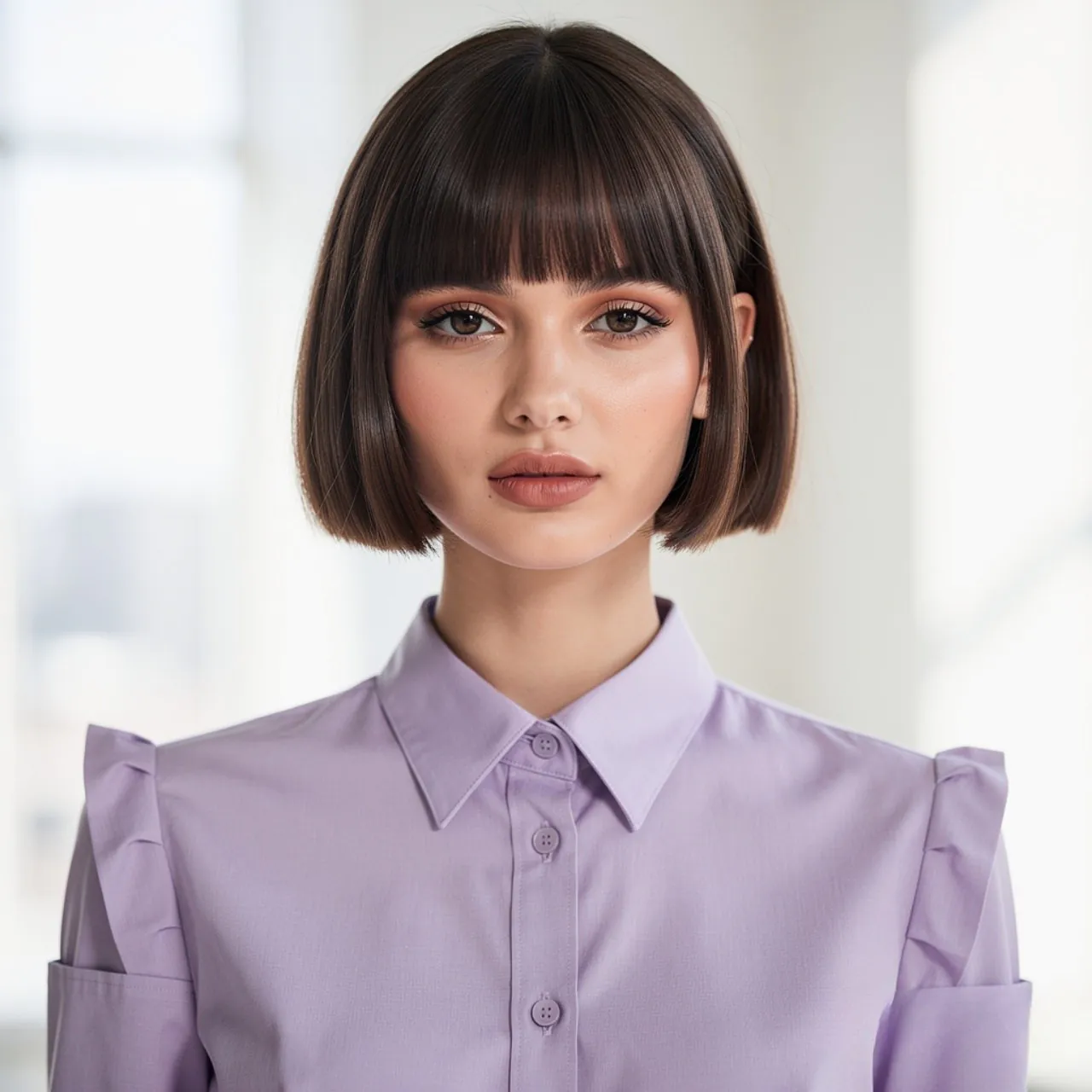
The short straight shag with a micro-fringe is an audacious, fashion-forward style that combines heavy interior layering, a choppy hemline, and an extremely short fringe sitting well above the eyebrows into a cohesive, editorial whole. Each element of this cut amplifies the others the micro-fringe draws immediate attention upward, the layers create visible separation throughout the top and sides, and the choppy hemline prevents the overall silhouette from appearing too rigid or finished. Medium to thick straight hair holds a shag’s multiple layers most impressively, as the density creates the stacked, dimensional quality that defines the cut’s character. Oval and heart face shapes suit the micro-fringe component most naturally, as they carry a shorter forehead fringe without the face appearing overwhelmed or crowded by the graphic fringe placement.
7. Short Straight Bob with Undercut Nape
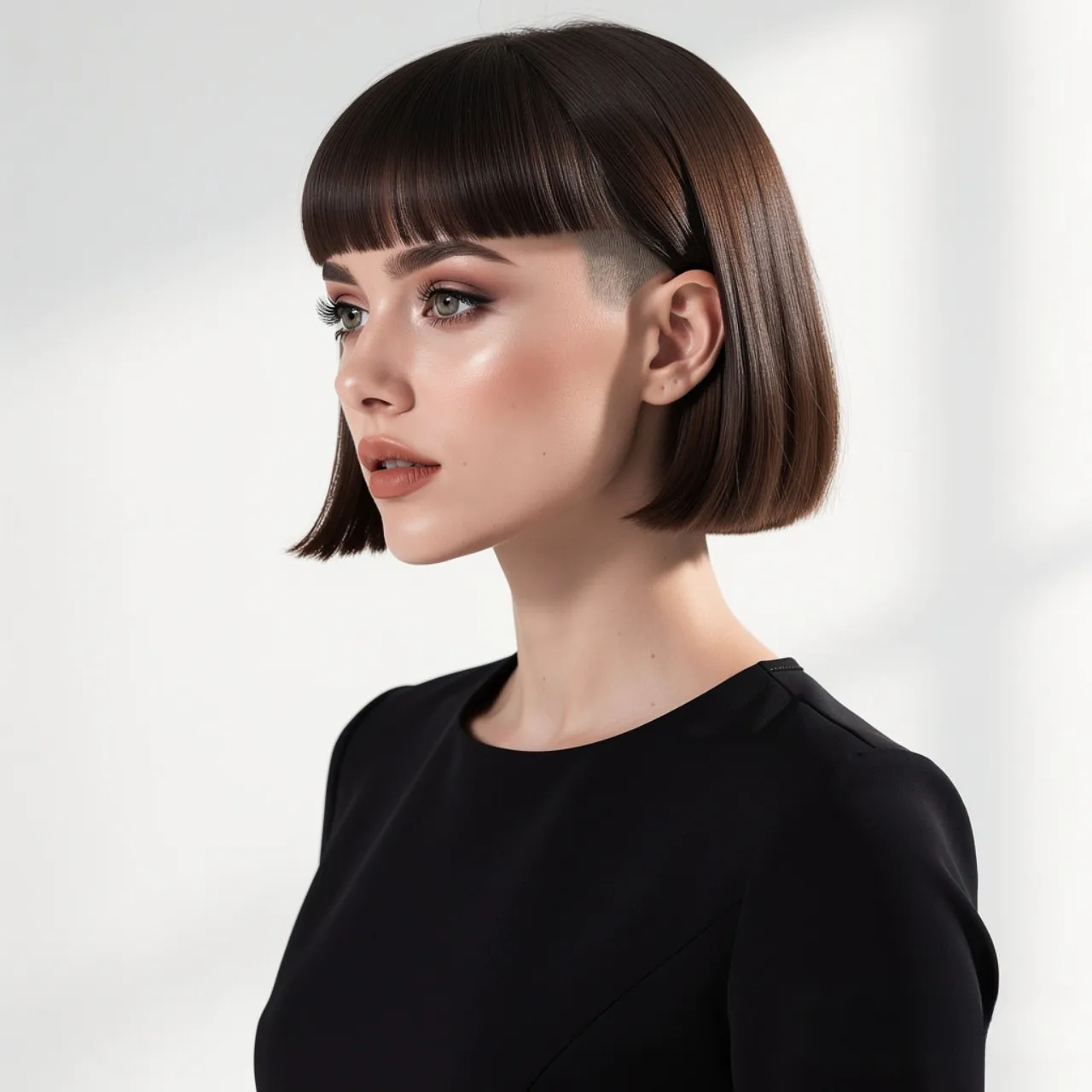
The undercut nape bob is a subtle yet surprisingly impactful short straight hairstyle where the back section near the nape is shaved or faded short beneath the outer bob layer, creating a hidden design element that reveals itself when the hair is worn up or lifted by the wind. Worn down, the bob appears entirely conventional, sleek, polished, and professional. Lifted or pinned up, the undercut nape introduces an edge and personality that transforms the same haircut entirely. This style suits all face shapes and works on fine to thick straight hair, though the outer bob layer needs sufficient length at least to the chin to adequately conceal the undercut beneath. It is an ideal choice for women who want a creative detail without visible unconventionality in formal environments.
8. Short Straight Pixie with Tapered Sides
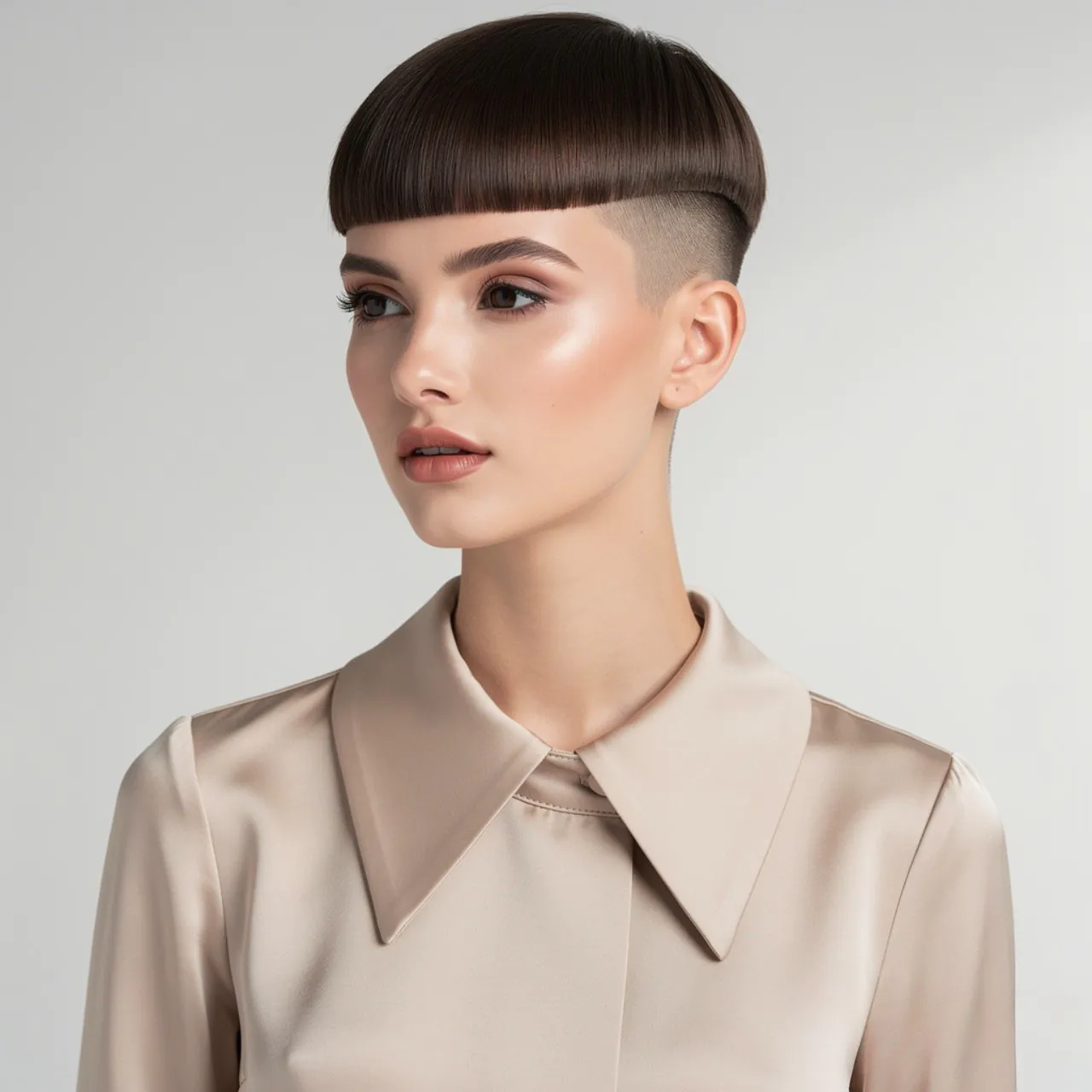
The tapered pixie is a refined, close-cropped short straight hairstyle where the sides and back graduate through a gentle taper rather than a dramatic fade, creating a polished, wearable result that sits closer to classic elegance than punk-inspired edge. The top section retains an inch or two of length that can be styled forward, swept to one side, or left to sit naturally depending on the desired finish for any given day. Fine straight hair suits this cut exceptionally well because the tapered sides remove weight that might otherwise lie flat or shapeless, and the reduced overall length requires minimal product to look intentional. Diamond, oval, and heart face shapes benefit most from the clean, tailored quality of a tapered pixie, which emphasizes bone structure and eye area with geometric precision.
9. Short Straight Bob with Money Piece Color
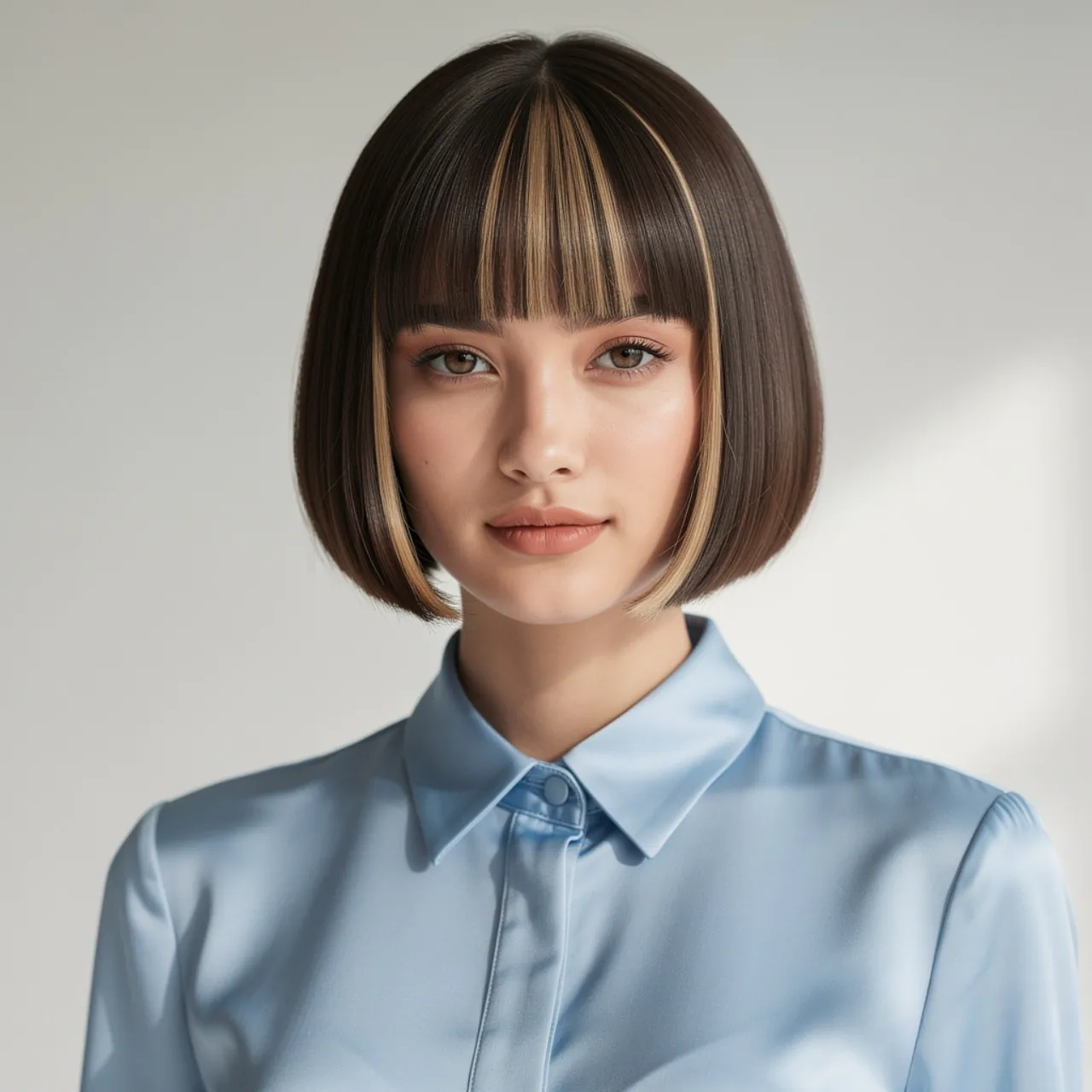
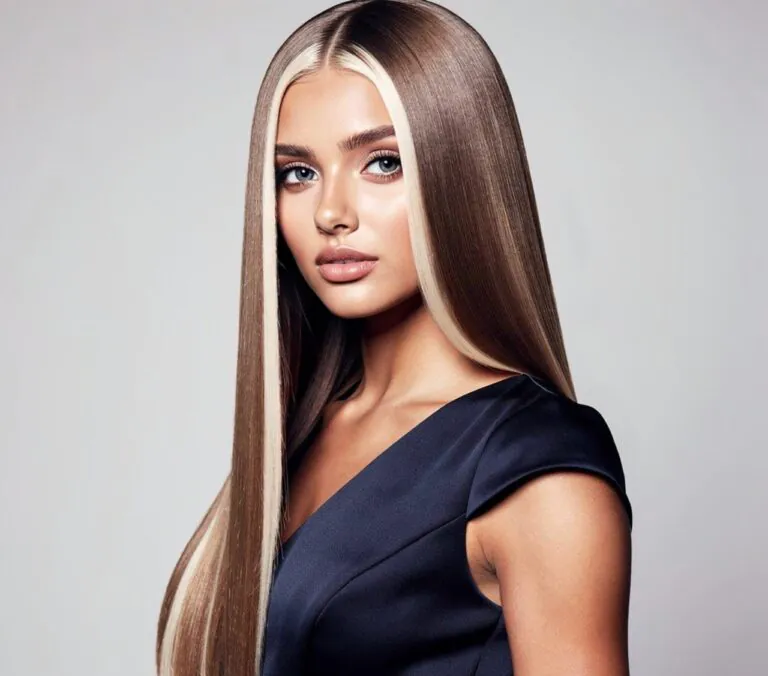
A classic short straight bob elevated with bold money piece highlights is one of the most impactful and Instagram-worthy transformations in contemporary hairstyling, adding face-framing dimension and color contrast to a cut that might otherwise read as too uniform or plain. Money pieces consist of noticeably lighter sections placed at the very front of the hair on both sides, typically two to four shades brighter than the base, creating a spotlight effect that draws immediate attention toward the face. Warm caramel and honey tones complement brunette bases most naturally, while platinum and icy blonde money pieces on darker hair create a high-contrast, fashion-forward result. This color technique suits every bob length and face shape, and requires only a partial highlight refresh every eight to ten weeks to maintain its vibrancy and freshness.
10. Short Straight Bixie Cut
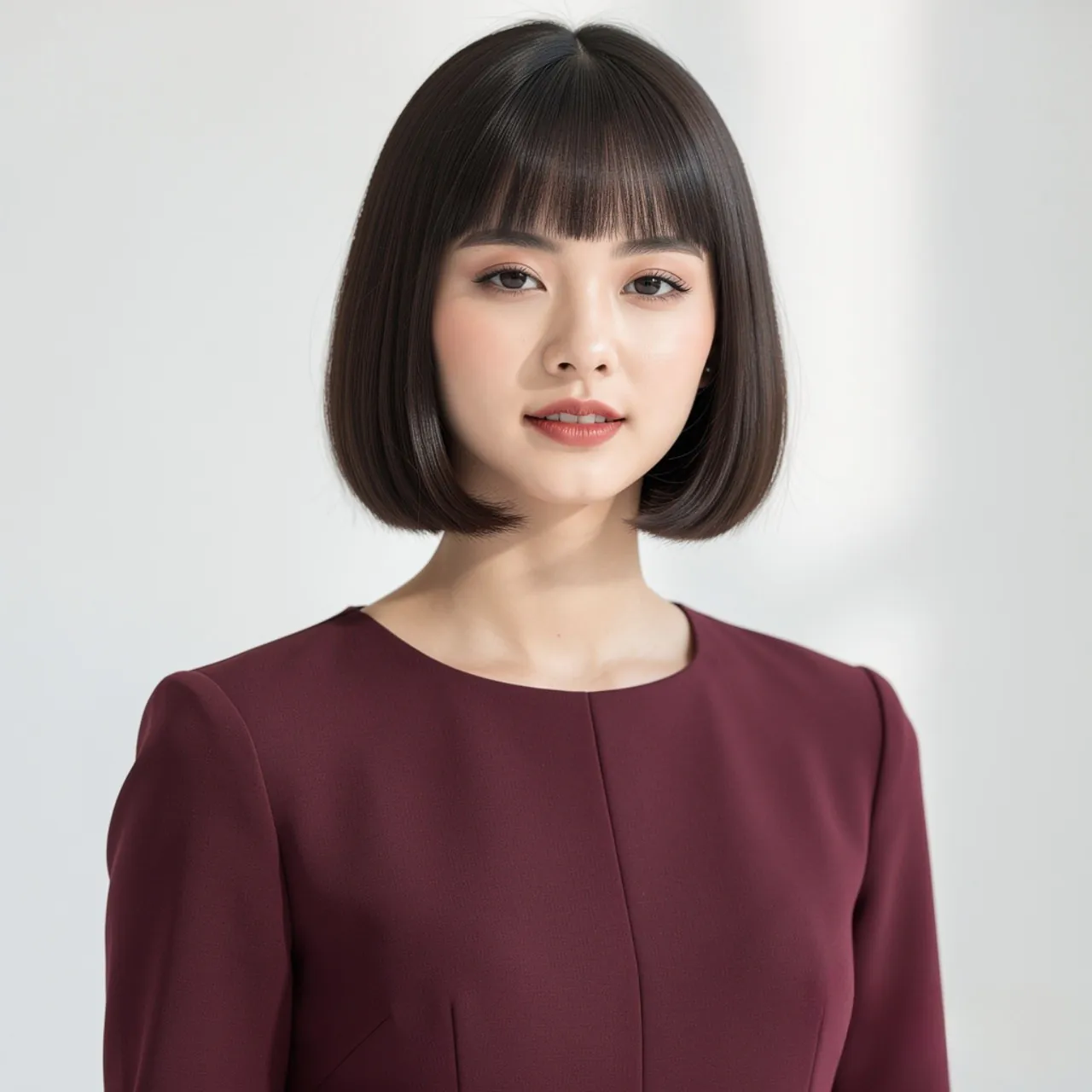
The bixie sits precisely between a bob and a pixie longer than a traditional pixie but shorter than a conventional bob creating a uniquely proportioned short straight hairstyle that manages to feel both low-maintenance and intentionally styled simultaneously. The length typically falls somewhere between the earlobe and jaw, and can be worn tucked behind the ears, left to frame the face, or styled with a slight tousled texture for a more casual interpretation. Medium straight hair holds the bixie shape most naturally, maintaining the deliberately ambiguous length without looking like a growing-out pixie or an unfinished bob. All face shapes can wear a bixie, though oval and heart faces find it most universally flattering without needing significant customization to the fringe or parting placement. A matte styling cream enhances the relaxed, effortless quality this cut is defined by.
11. Short Straight Bob with Wispy Ends
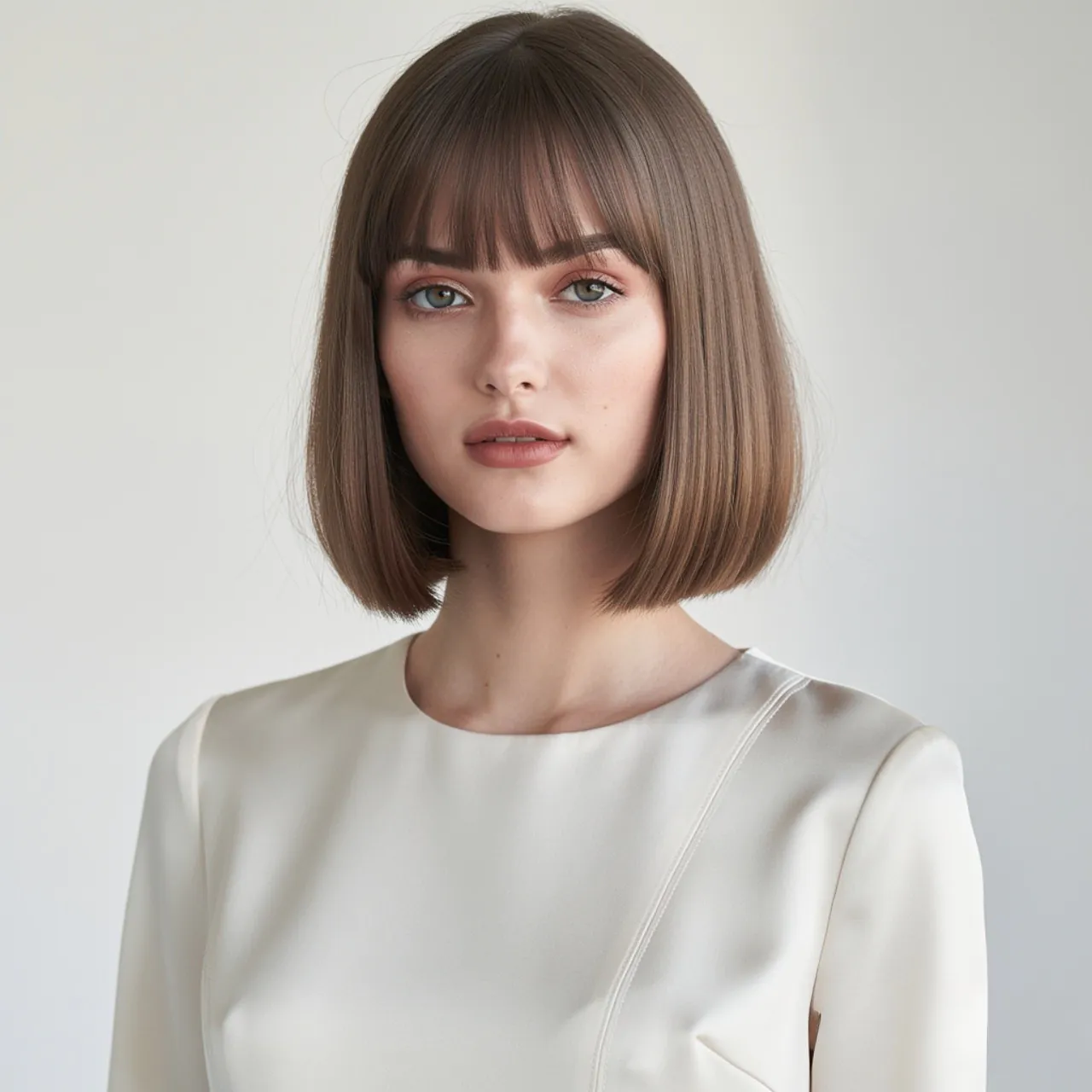
The wispy-ended bob is a softer interpretation of the classic short straight bob, where the hemline is point-cut or razor-finished to create delicate, feathered tips rather than a solid, blunt edge. This single technique change fundamentally alters the character of the cut transforming it from sharp and graphic into something lighter, more romantic, and significantly more forgiving as it grows out between appointments. Fine straight hair benefits most from this approach because the wispy finish creates the illusion of movement and airiness that one-length fine hair often lacks. All face shapes suit this style, though those with softer features round, heart, and oval faces will find the gentle finish most complementary to their natural proportions. Finish with a light-hold finishing spray rather than a heavy serum to preserve the delicate, airy quality of the ends.
12. Short Straight Stacked Bob
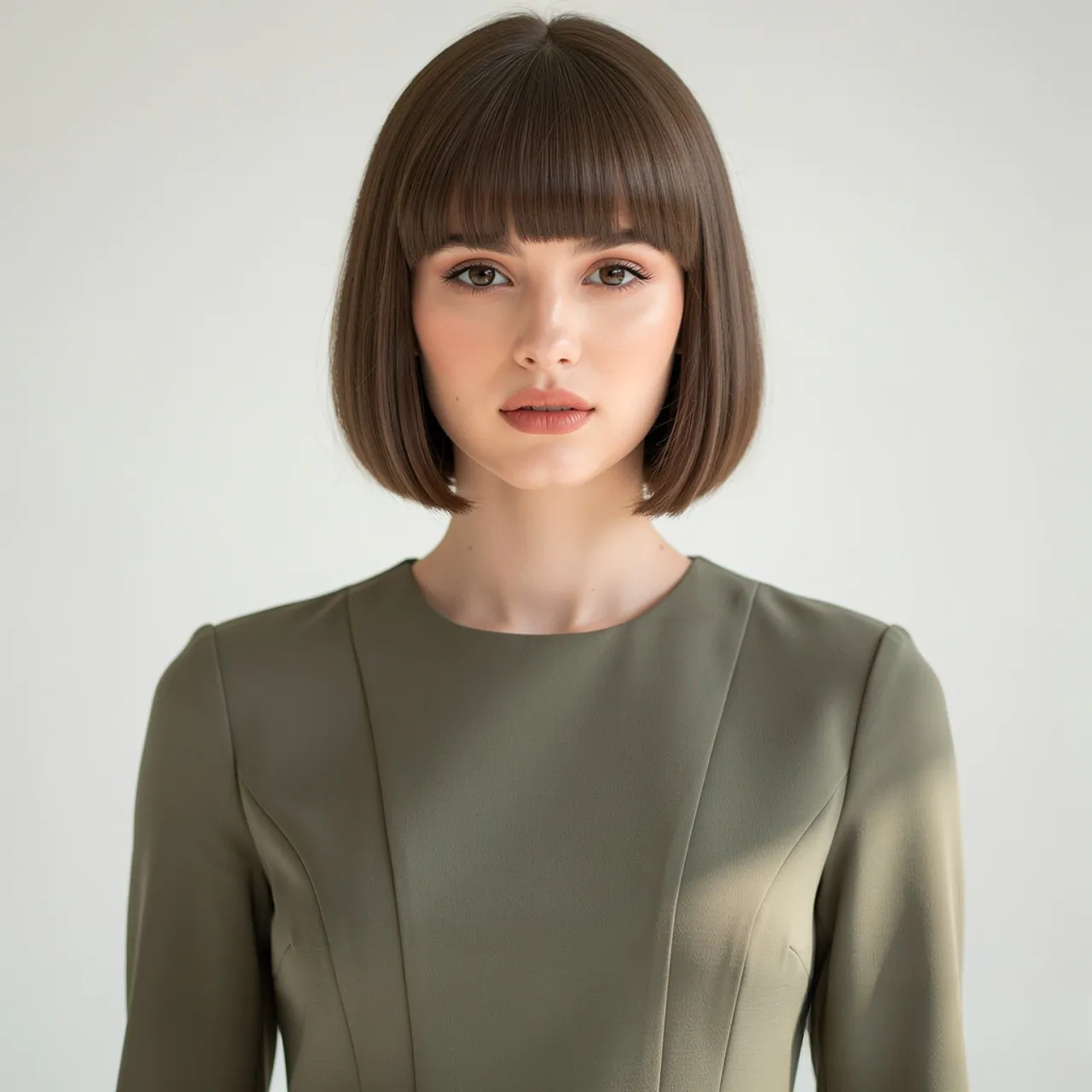
The stacked bob is a volume-engineered short straight hairstyle where the back section is layered and graduated or “stacked” close to the nape to create a rounded, full silhouette at the crown that tapers cleanly downward. This stacking technique introduces body and dimension into straight hair that might otherwise fall flat at the back, making it a particularly intelligent choice for women with fine or medium-density straight hair who want the appearance of thickness without chemical or heat-based volume tricks. The front sections are typically left longer than the back, echoing the A-line principle, and frame the face in a forward sweep. Square and round face shapes benefit from the rounded back silhouette, which softens angular or wide jawlines. Regular six-week trims are essential to maintain the stacked graduation before the back layers collapse and lose their shape.
13. Short Straight Asymmetrical Bob
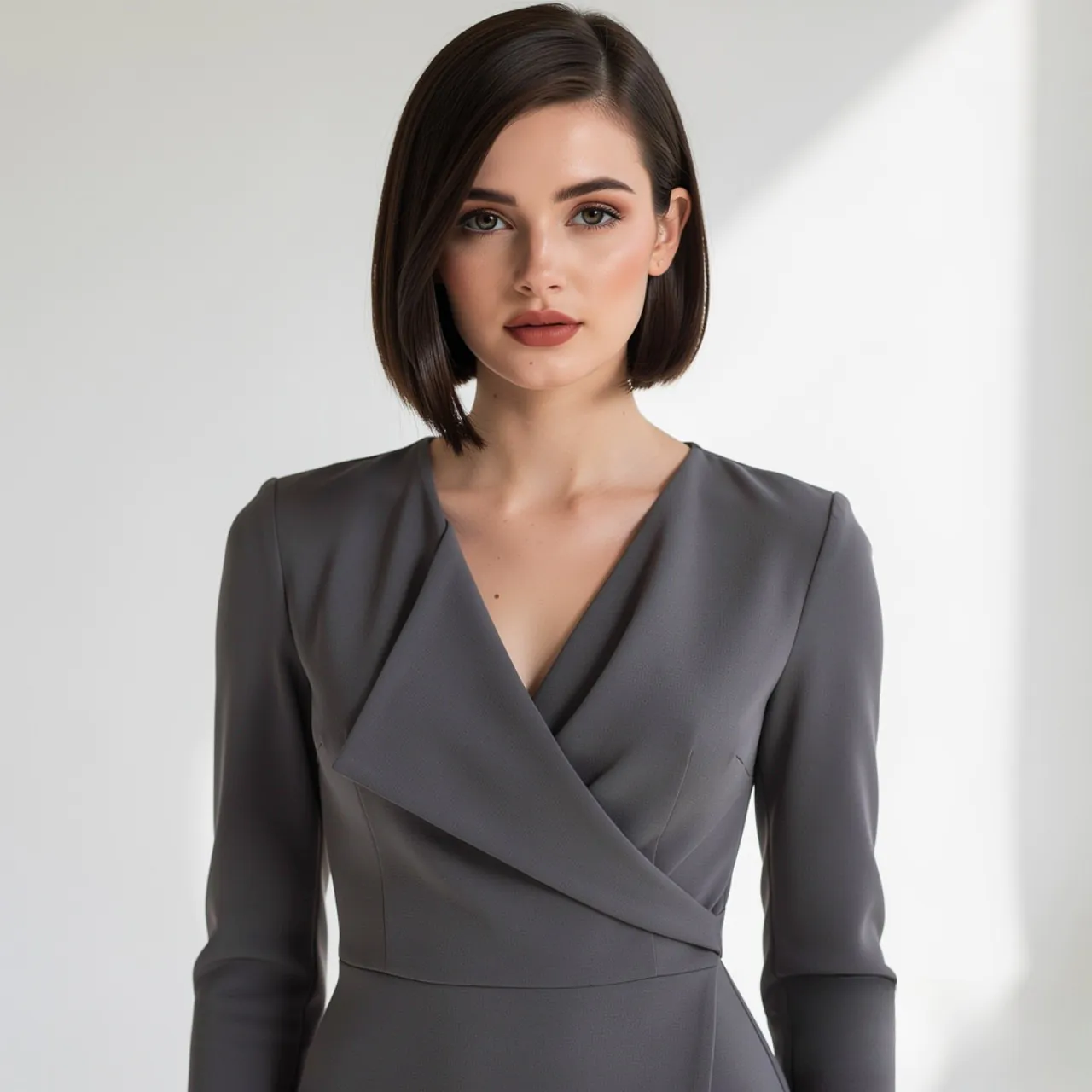
The asymmetrical bob is a daring, artistically composed short straight hairstyle where one side is cut noticeably longer than the other, creating a deliberate diagonal or curved hemline that introduces visual tension and movement into the overall silhouette. This directional contrast gives straight hair a dynamic quality that symmetrical cuts simply cannot replicate, making it a compelling choice for women who want their hairstyle to communicate genuine individuality and creative confidence. Fine to medium straight hair holds an asymmetrical bob best, as the clean texture allows the uneven hemline to display with full clarity rather than being obscured by texture or frizz. Oval and oblong face shapes wear this cut most naturally, though heart faces can benefit enormously from an asymmetrical bob that places the shorter side near the wider temple area to create visual balance.
14. Short Straight Hair with Soft Layers and Side Part
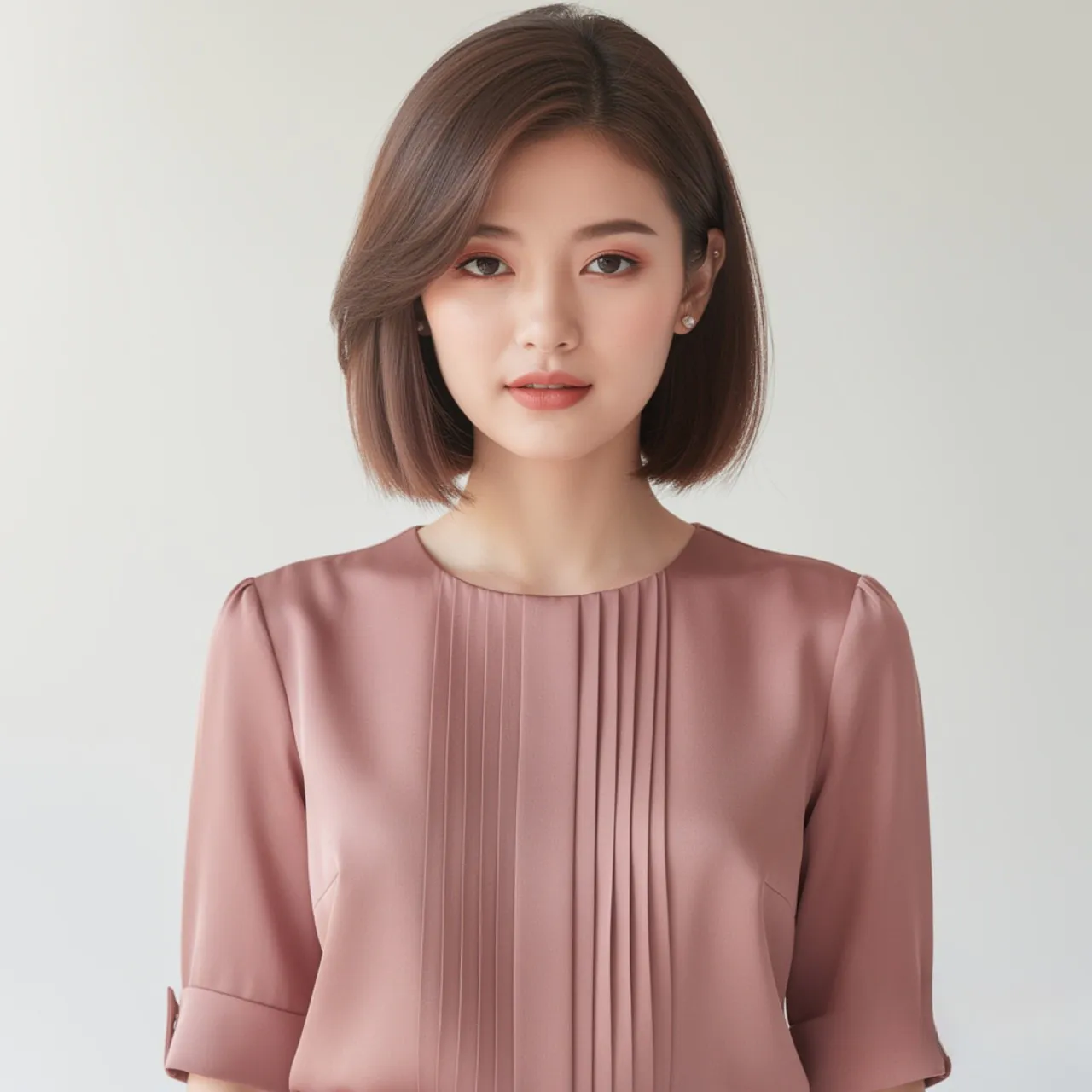
Soft interior layers combined with a sweeping side part create a polished, movement-rich short straight hairstyle that avoids the rigidity of a blunt cut while still maintaining a clean, professional overall impression. The layers are added beneath the surface of the outer silhouette, removing internal weight and allowing straight hair to move with a subtle lift that a single-length cut cannot produce on its own. This combination suits medium to thick straight hair most effectively, as the layering creates essential breathing room within heavier textures that would otherwise sit flat and dense. A deep or moderate side part elongates the face and adds asymmetry that flatters round and square face shapes with particular elegance. Blow-dry with a medium round brush and finish with a light pomade for a sleek, refined result.
15. Short Straight Bob with Peek a Boo Color
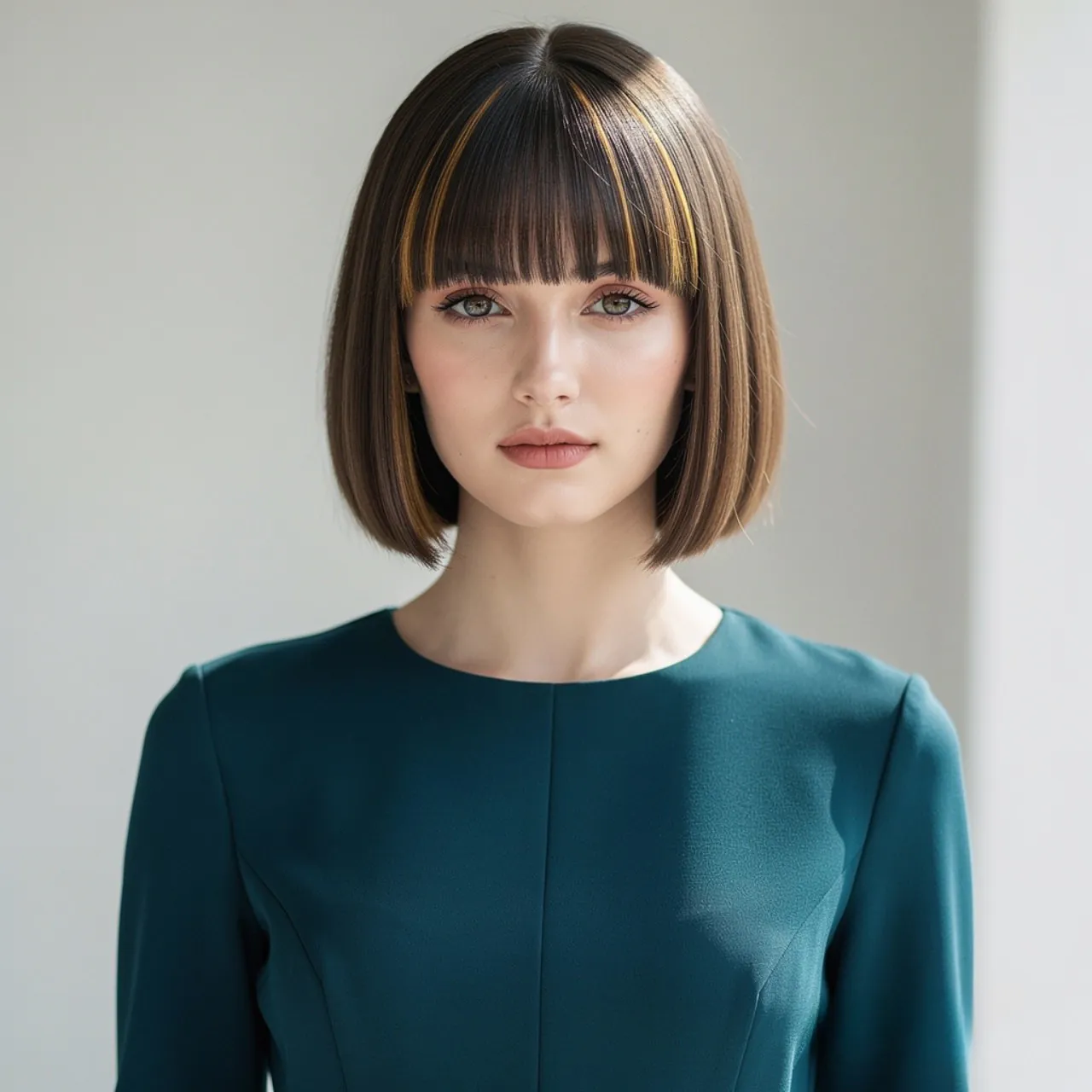
Peek-a-boo color refers to vibrant or contrasting sections placed beneath the outer layer of a short straight bob, hidden from view when the hair is worn down but dramatically revealed when tucked behind the ears, pulled back, or lifted by movement. This color technique allows women to enjoy bold, expressive hues, vivid reds, deep purples, striking blues within the boundaries of a conservative outer style that remains appropriate for professional or formal environments. The placement works best on chin-length to ear-length straight bobs where the outer layer has sufficient length to conceal the color sections effectively. All face shapes suit this approach, and it works on every natural hair color from very light to very dark. The hidden placement also reduces the frequency of color maintenance since the sections are not constantly exposed to light or environmental fading.
16. Short Straight Wolf Cut Bob
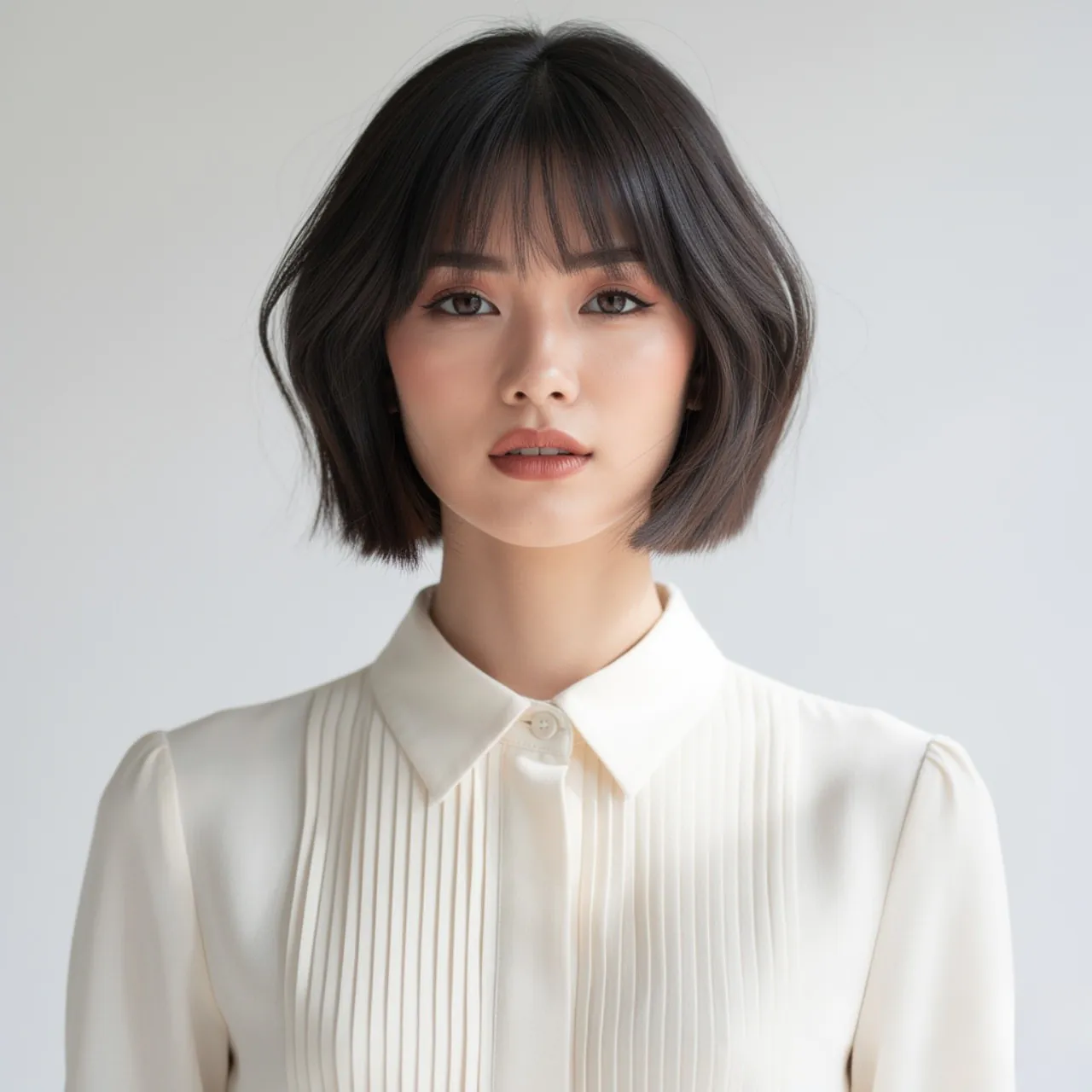
The wolf cut bob adapts the layered, shaggy characteristics of the longer wolf cut into a compact short straight hairstyle that retains all the textural personality and lived-in edge without requiring shoulder-length or longer hair to pull it off. Significant internal layers, a choppy blunt perimeter, and often a set of curtain bangs combine into a cut that looks intentionally imperfect in exactly the right way. Medium to thick straight hair creates the most convincing wolf cut bob because the multiple layers require enough density to stack and separate visually rather than collapsing onto one another. Oval and oblong face shapes carry the wide, horizontal layering most proportionately. A salt spray or texturizing foam applied to towel-dried hair before air-drying activates the layers and creates the effortlessly tousled finish that defines this style perfectly.
17. Short Straight Crop with Nape Undercut Design
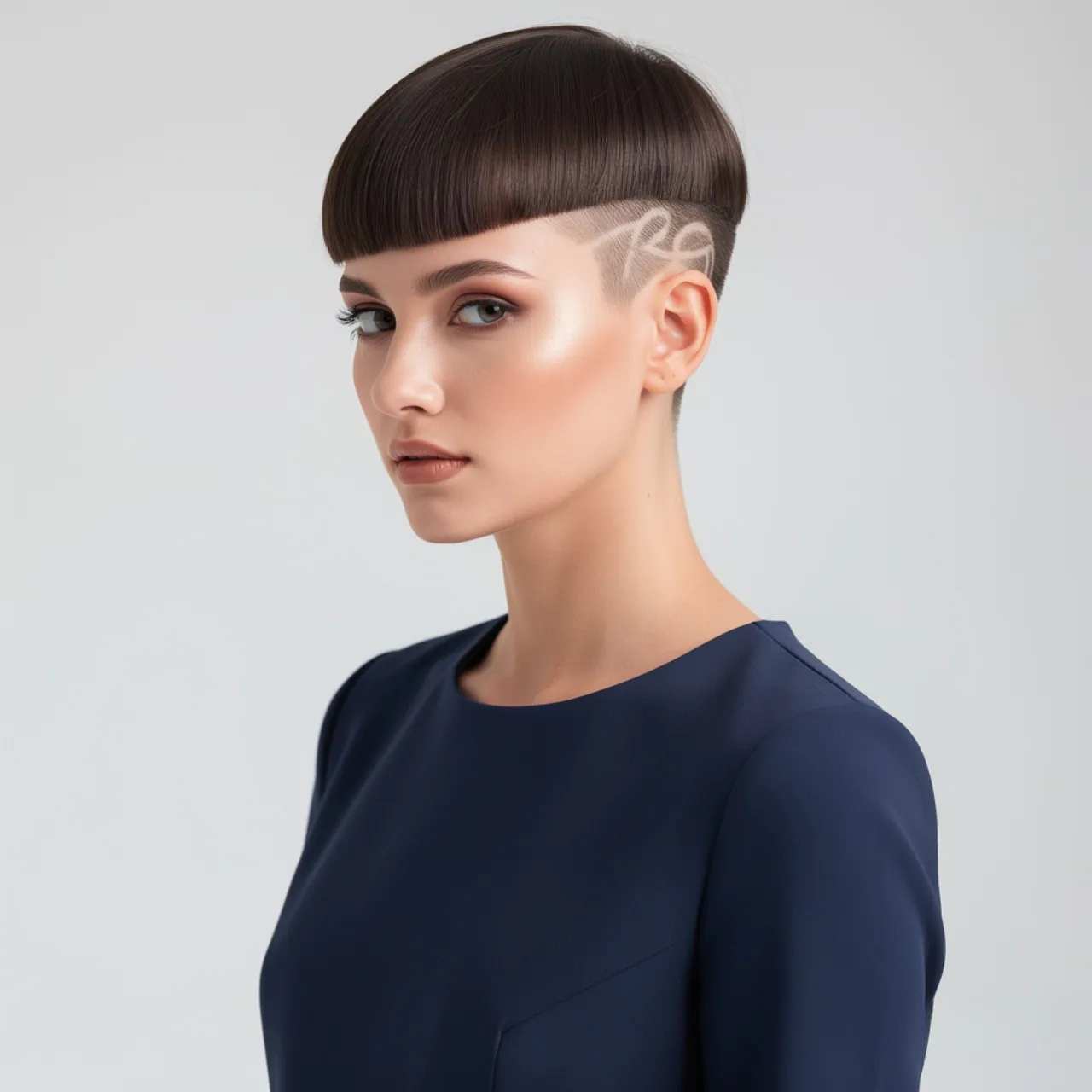
The short straight crop with a nape undercut design takes a conservative cut and transforms it into a genuine conversation piece through a shaved pattern geometric lines, botanical motifs, or abstract shapes etched into the closely cropped nape section. Worn down, the crop presents as a clean, workplace-appropriate style. Worn in a short updo or with the back section deliberately revealed, the design elevates the entire look into something uniquely expressive and artistically considered. This style suits fine to medium straight hair best, as the closeness of the crop requires strands that lie flat and smooth against the scalp. All face shapes can carry this cut confidently, though oval and heart faces find the exposed nape area most naturally flattering due to the clean lines the cut creates around the jaw and neck.
How to Choose the Right Short Straight Hairstyle
Choosing the ideal short straight hairstyle requires honest consideration of your face shape, hair density, lifestyle, and how much transformation you are genuinely ready to embrace in a single appointment. Face shape should guide the most fundamental structural decisions length, fringe placement, and whether the cut adds width or length to the overall silhouette. Hair density is equally critical because fine straight hair performs best in blunt or subtly layered cuts that preserve bulk, while thick hair often benefits from internal weight removal to prevent a dense, shapeless result. Consider your morning routine realistically: a crisp blunt bob requires daily flat ironing to look intentional, while a textured crop or shaggy wolf cut bob can look polished after a simple air-dry with the right product applied beforehand.
Best Hair Types and Face Shapes for Short Straight Hairstyles
Short straight hairstyles suit a broader range of hair types and face shapes than most people initially assume, provided the cut is tailored to individual characteristics rather than applied as a one-size-fits-all solution. Fine straight hair thrives in blunt bobs, A-line cuts, stacked bobs, and pixie styles where the hemline concentration creates the illusion of thickness. Medium straight hair is the most versatile density and works across virtually every short style on this list. Thick straight hair benefits from internal layering, undercut napes, or shag variations that remove bulk strategically. Oval faces have the greatest compatibility across all short styles, while round faces look most elongated in chin-length or longer bobs with a center or deep side part. Square faces soften beautifully in wispy-ended or layered crops, and heart faces balance most effectively in cuts that add volume near the jaw.
Styling and Maintenance Tips for Short Straight Hair
Short straight hairstyles require a concise but consistent care routine to maintain the precision and polish that makes them look intentional rather than simply short. Wash with a smoothing or volumizing shampoo depending on whether your priority is frizz control or body, and always condition the ends even on very short cuts where dryness accumulates invisibly. Apply a thermal protectant before any heat tool, use even a brief flat iron pass since short hair is more vulnerable to heat damage because the ends are continuously exposed during every styling session. Schedule salon visits every five to seven weeks for blunt bobs and precise crops that lose their shape quickly, and every six to eight weeks for softer, more forgiving cuts like bixies or wispy bobs. A silk pillowcase reduces morning frizz and extends the freshness of a short straight style by one to two additional days.
How to Ask Your Hairstylist for This Look
Clear, detailed communication at the consultation stage is the most important factor in achieving the short straight hairstyle you have been envisioning, particularly when making a significant length change that cannot be reversed after the first cut. Arrive with three to five saved reference images showing the style from multiple angles front, side, and back because hairstylists absorb visual information far more efficiently than verbal descriptions alone. Be specific about the elements that attracted you to the image: is it the fringe placement, the hemline texture, the color detail, or the overall proportions? Share your hair history openly, including previous cuts that did not work and why, so your stylist can adjust the approach accordingly. Ask directly how the style will grow out over the following weeks, what products you will need for daily maintenance, and whether your natural hair texture can achieve the result shown in your reference images without additional treatments.
Frequently Asked Questions
Q1: What short straight hairstyle is best for a round face?
Women with round faces look most flattered in chin-length or slightly longer short straight hairstyles that create vertical length. An A-line bob, an asymmetrical bob, or a blunt bob with a deep side part all work excellently. Avoiding very short cuts that sit above the ear is advisable, as these styles expose the full width of the face without any length to counterbalance it visually.
Q2: Will a short straight hairstyle work on fine hair?
Fine straight hair is actually ideally suited to many short hairstyles, particularly blunt bobs, stacked bobs, and A-line cuts, where the concentration of weight at the hemline creates a convincing appearance of thickness. Avoid excessive layering that removes the limited density fine hair possesses. A volumizing mousse applied before blow-drying adds lift at the roots that fine short hair benefits from significantly throughout the day.
Q3: How often do I need to trim short straight hairstyles to keep them sharp?
Precision cuts like blunt bobs, pixies, and crops with defined fringes require a trim every five to six weeks to maintain their shape before the hemline grows out and loses its graphic quality. Softer cuts like bixies, wispy bobs, and wolf cut bobs are more forgiving and can extend to every seven to eight weeks without looking visibly overgrown or unkempt between appointments.
Q4: What is the easiest short straight hairstyle to maintain at home?
The bixie, textured crop, and short straight bob with wispy ends are all genuinely low-effort in terms of daily styling because their softer, less geometric hemlines look intentional even on air-dried hair with minimal product. A matte cream or light styling paste applied after washing is all these cuts require to look polished, making them ideal for women with active lifestyles or limited time in the morning.
Q5: Can I add color to a short straight hairstyle without committing to full color?
Absolutely. Money pieces, peek-a-boo panels, a single babylight gloss, or a subtle toner refresh all introduce color dimension to short straight hairstyles without requiring a full-head color commitment. These partial techniques are also significantly more budget-friendly to maintain since they cover a smaller surface area and require less frequent touch-ups than an all-over color application would demand.
Q6: Is going short with straight hair a good idea before knowing how it grows out?
Asking your stylist how your chosen short straight style grows out before committing is genuinely essential, and any experienced stylist will appreciate the question. Blunt bobs and precise crops grow out in the most controlled, predictable way. Asymmetrical bobs and heavily layered cuts require more frequent appointments to maintain their shape during growth. Understanding the grow-out trajectory helps you decide whether a style fits your maintenance budget and schedule realistically.
Conclusion
Short straight hairstyles represent one of the most creatively rich and personally liberating categories in all of hairstyling, offering everything from the quiet sophistication of a blunt bob to the expressive audacity of a shag crop or asymmetrical cut. The right short style has the genuine power to reframe your facial features, simplify your morning routine, and amplify your confidence in ways that longer, safer styles rarely achieve. With the detailed guidance in this article, you now have everything you need to identify the style that genuinely suits your face shape, hair density, and lifestyle and to communicate that vision clearly to your stylist. Going short is a decision worth making carefully, and you are now fully equipped to make it well.