13 Trendy Color Hair Ideas for Every Hair Type
Color hair ideas have taken over Pinterest boards everywhere, and if you’ve spent the last hour saving photo after photo of glossy balayage, rich chocolate tones, and sun kissed highlights, you already know the feeling of wanting a change but not knowing exactly where to start. Choosing a new shade is one of the most personal decisions you can make for your appearance, since it affects everything from your skin’s natural glow to how your outfits and makeup read day to day. Whether you’re drawn to something subtle that grows out gracefully or a bold transformation that turns heads the moment you step outside, there’s a shade ahead that will feel like it was made for you.
Color Hair Ideas to Inspire Your Next Salon Visit
This guide breaks down thirteen stunning color directions that work beautifully across different hair types, undertones, and lifestyles, so you can walk into your next salon appointment with clarity instead of a screenshot folder full of vague inspiration.
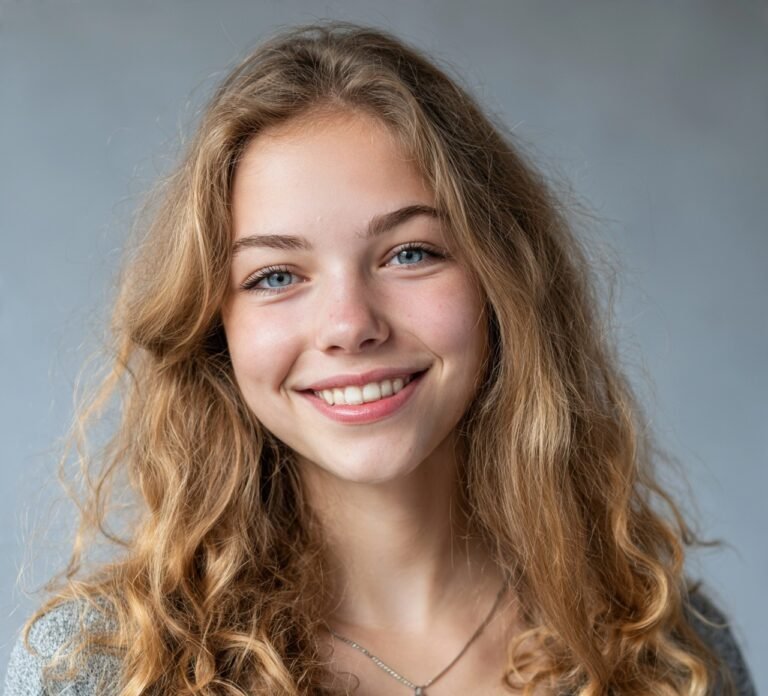
1. Golden Balayage Color Hair
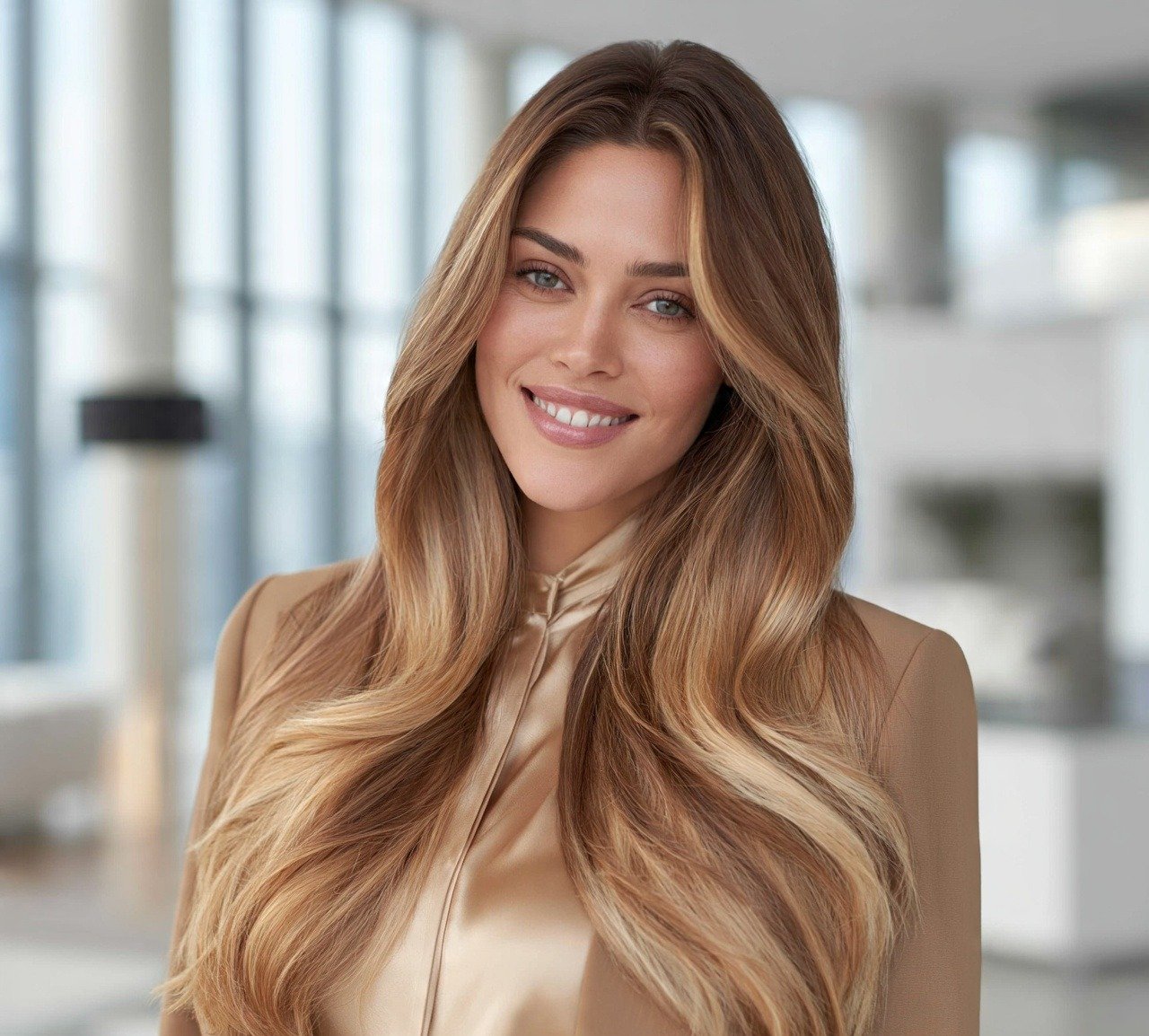
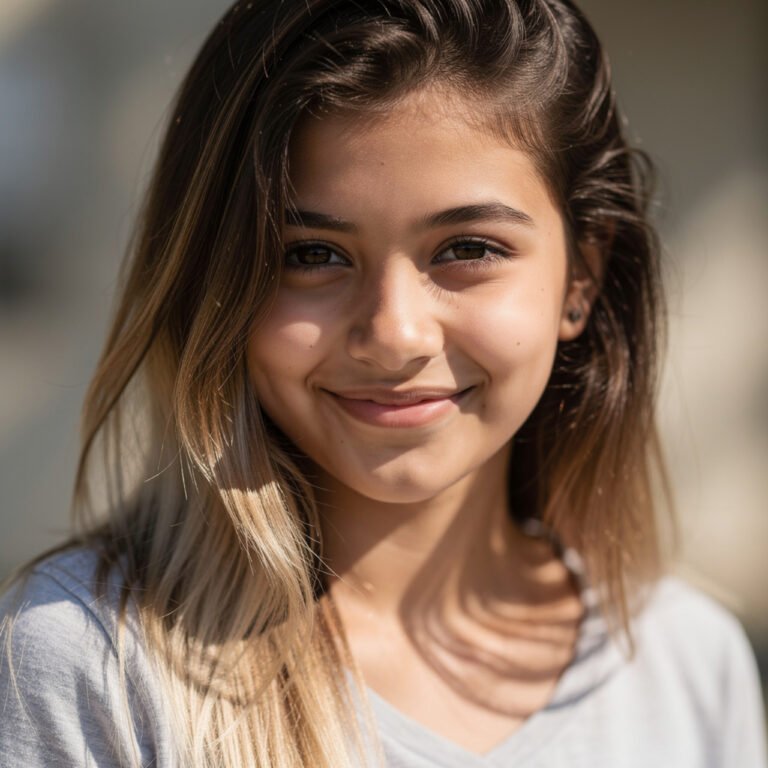
Golden balayage remains one of the most requested techniques because it mimics the way sunlight naturally lightens strands near the face and along the crown. This hand painted method avoids harsh lines, blending seamlessly from a deeper root into warm, honeyed ends that shimmer in motion. It flatters nearly every skin tone, though those with warm or olive undertones will notice the richest glow. Balayage suits low maintenance lifestyles beautifully, since regrowth looks intentional rather than obvious, meaning fewer trips back to the chair. Ask your colorist for “sun kissed” placement concentrated around the face for a soft, lived in finish that photographs effortlessly in any light.
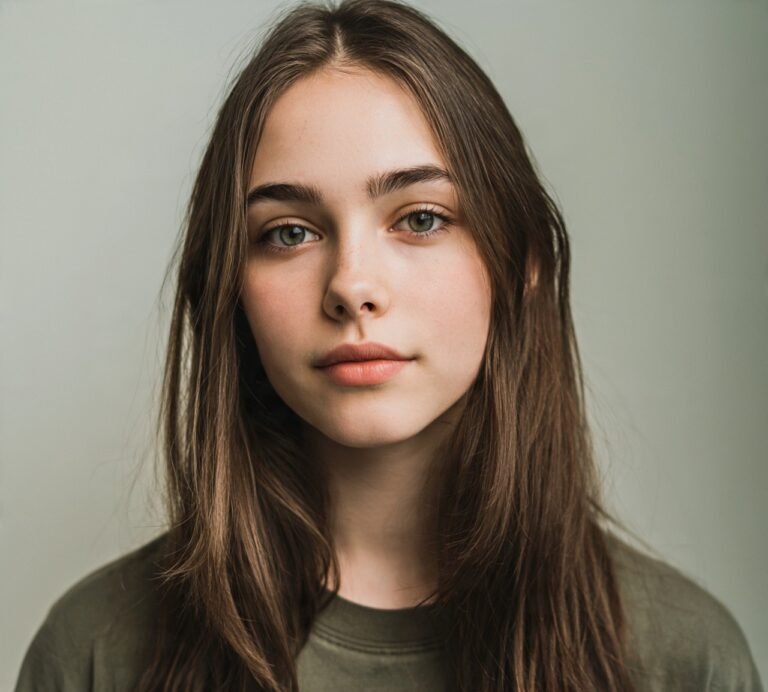
2. Chocolate Brown Color Hair
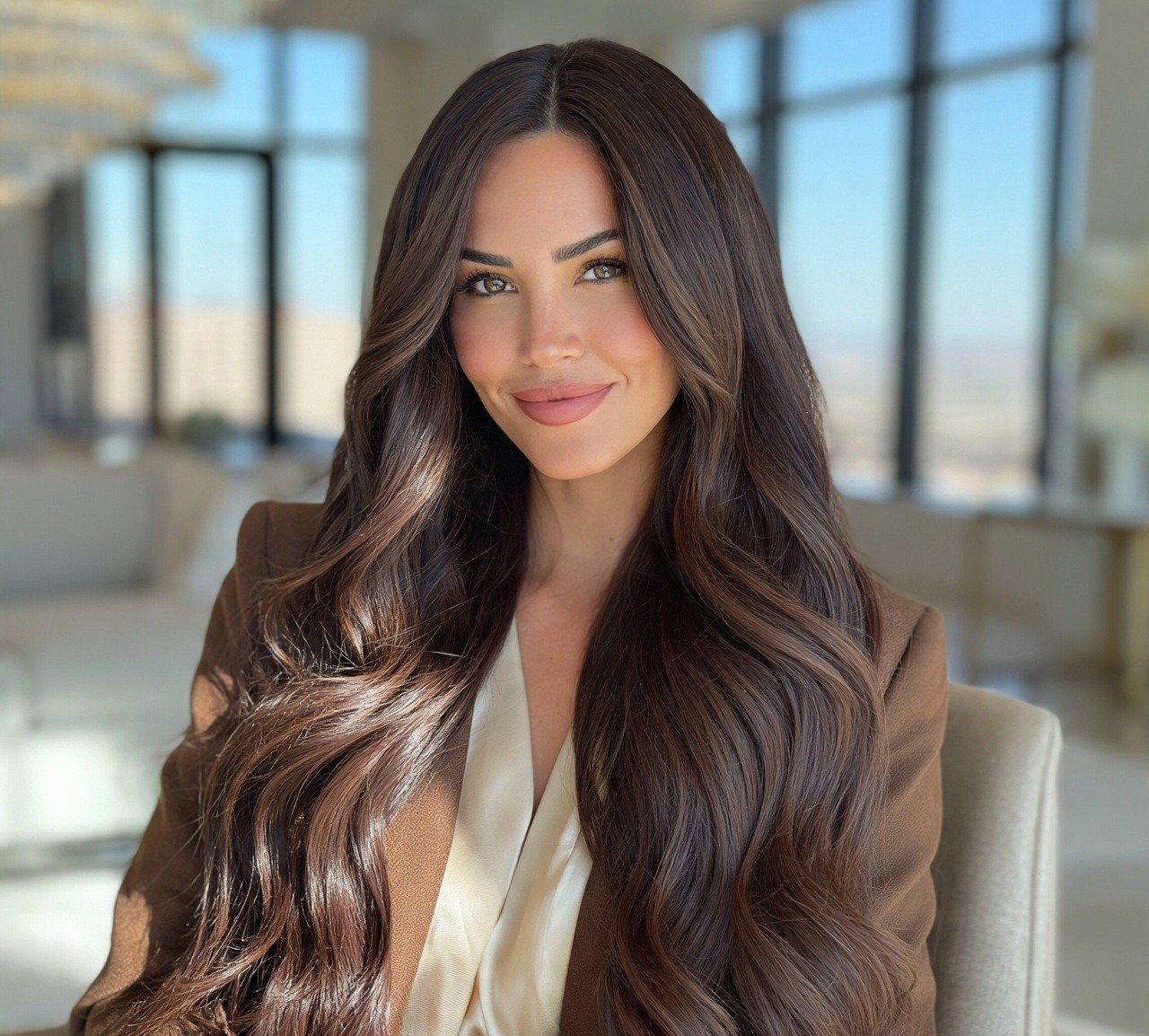
Chocolate brown delivers depth and shine without venturing into anything too dramatic, making it a favorite for people transitioning away from over processed or brassy strands. The tone reads as glossy and healthy, especially when paired with a gloss treatment that seals the cuticle and amplifies reflection under sunlight. Cooler chocolate shades work wonders on fair or pink toned skin, while warmer versions complement medium and deeper complexions. This shade suits professionals who want polish without upkeep, since roots blend naturally as they grow. Request “cool toned chocolate” if you’re prone to unwanted red or orange undertones between salon visits.
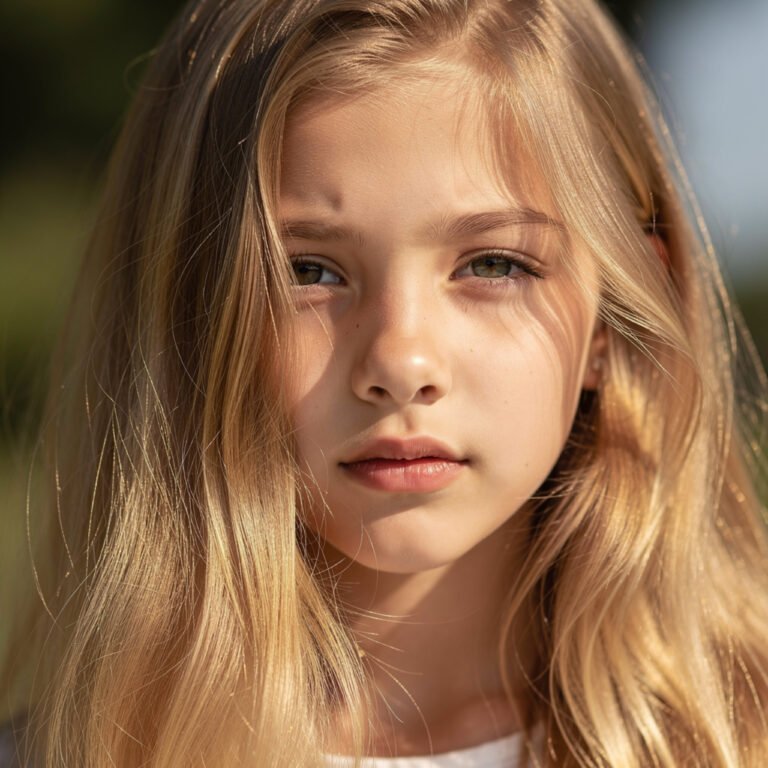
3. Honey Blonde Color Hair
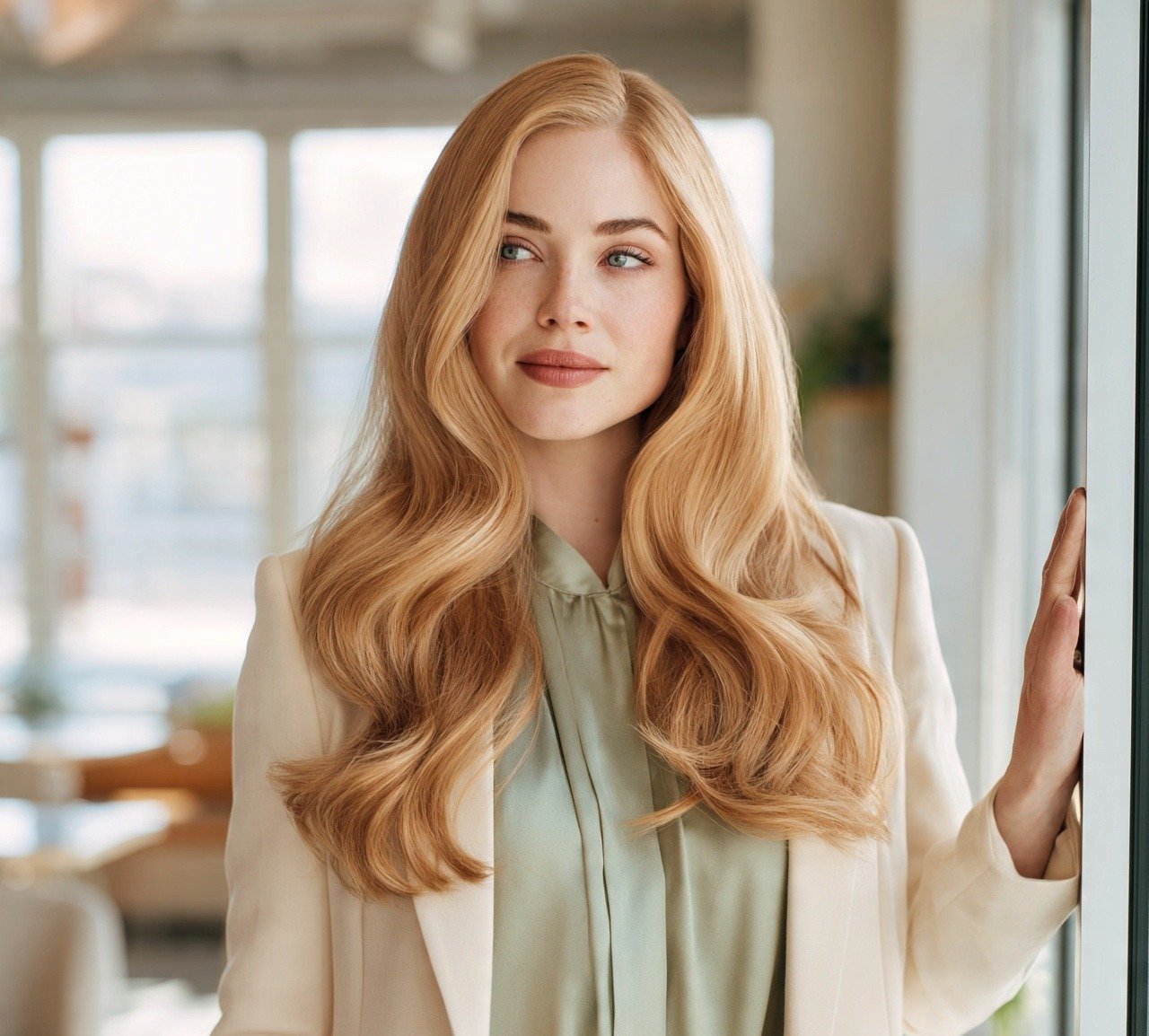
Honey blonde captures that irresistible in between glow, warmer than platinum but far brighter than bronde, making it ideal for anyone craving dimension without full commitment to blonde maintenance. The shade pulls golden and amber notes through the mid lengths, creating movement that catches light beautifully during outdoor activities. Wavy and curly textures especially benefit, since the multi tonal effect highlights natural volume and shape. Fair to medium skin with warm undertones tends to glow hardest with this palette. For upkeep, purple based shampoo isn’t necessary here; instead ask your stylist about a warm toned toner refresh every eight weeks to keep the honey notes vibrant and never dull.
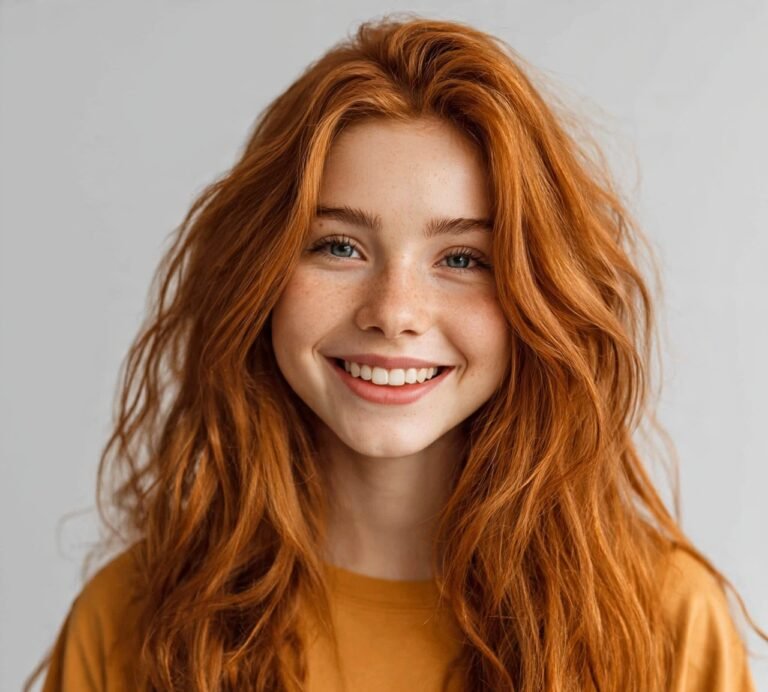
4. Copper Red Color Hair
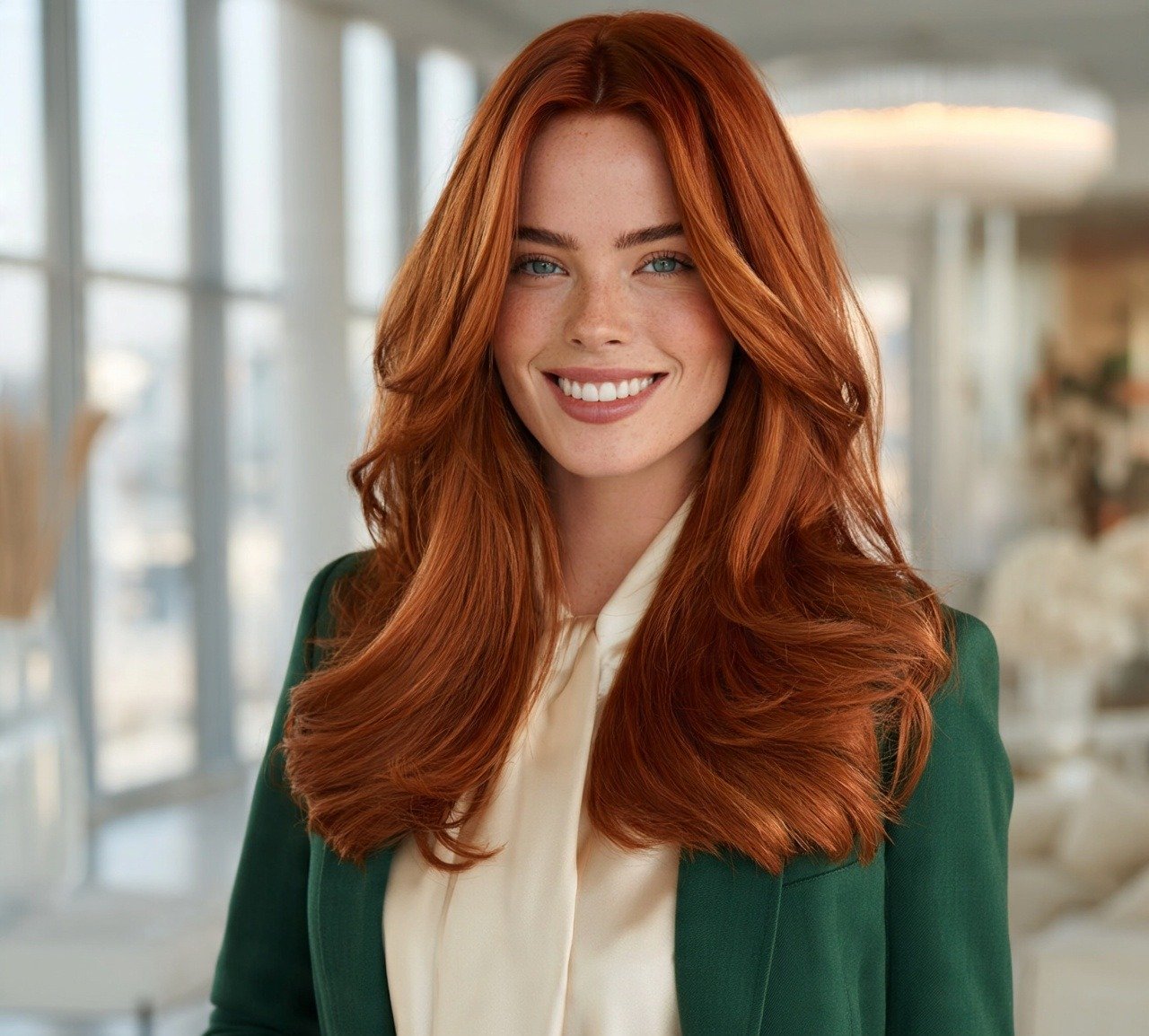
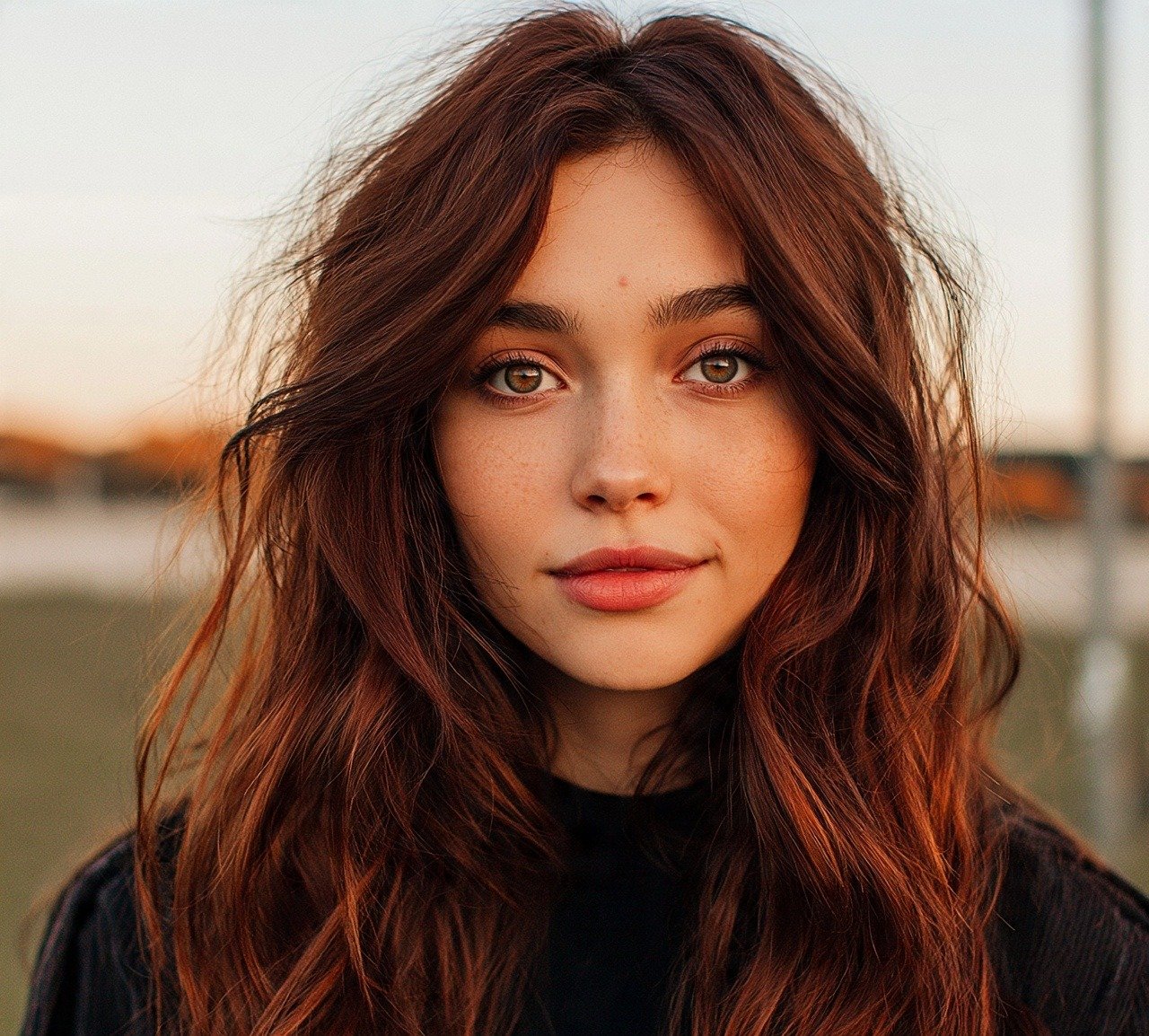
Copper red brings fiery, unapologetic personality to anyone bored of neutral tones, and it remains one of the most flattering choices for warm or peachy undertones. The vibrant orange red base catches attention indoors and out, especially against darker denim or neutral clothing that lets the color take center stage. This shade suits bold personalities and creative industries where standing out feels natural rather than risky. Copper fades faster than cooler tones, so committing to color safe, sulfate free products becomes essential for longevity. Bring reference photos showing exact saturation, since “copper” ranges widely from soft ginger to deep auburn depending on the salon’s interpretation.
Learn More About Copper Hair Color.
5. Ash Blonde Color Hair
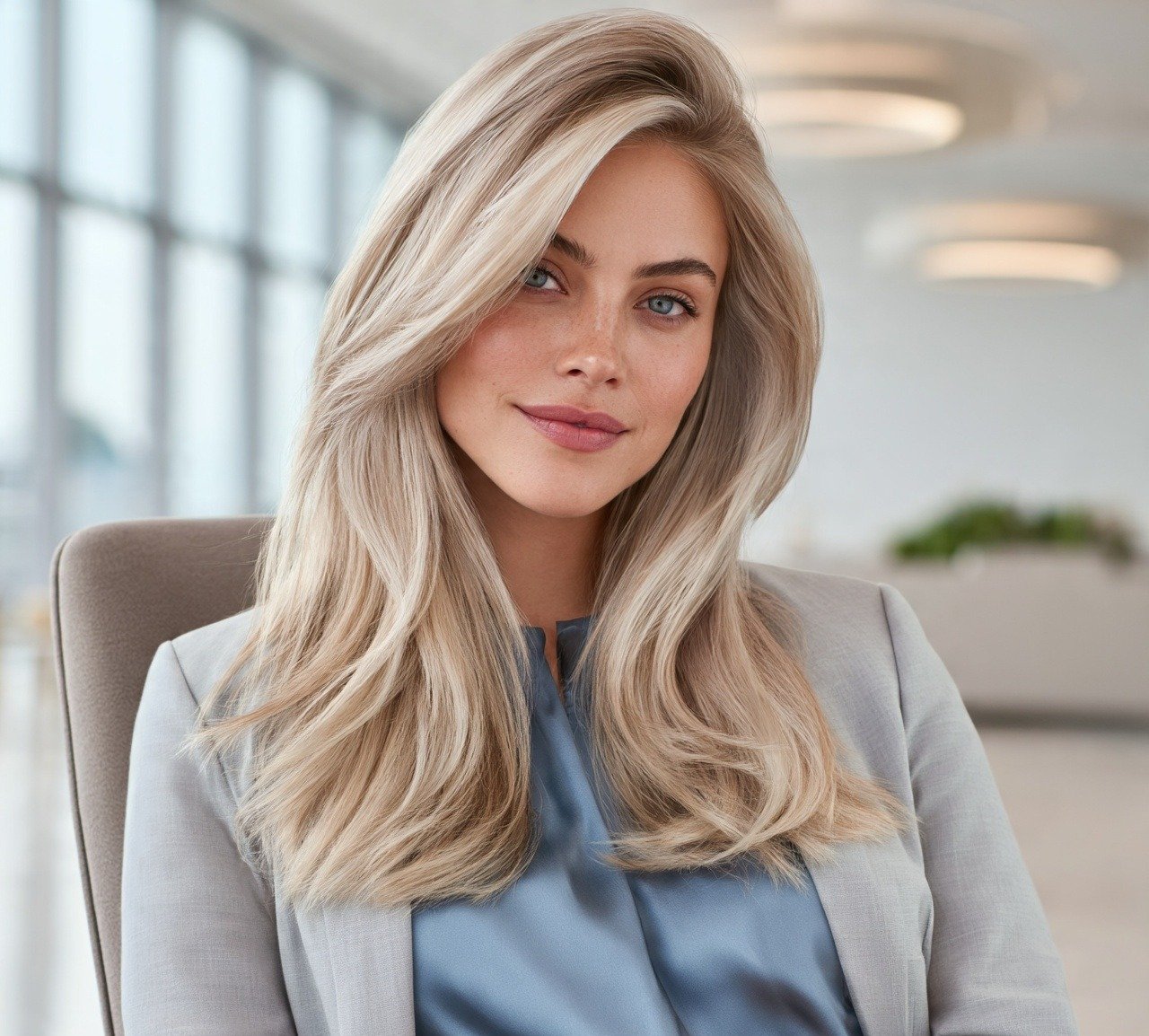
Ash blonde strips away warmth entirely, leaving a cool, almost smoky finish that pairs beautifully with cool or neutral undertones and blue or green eyes. The muted quality feels editorial and modern, distancing itself from the golden or buttery blondes that dominated past seasons. Straight, sleek hair textures showcase this tone particularly well, since the lack of warmth reads cleanest against smooth surfaces. This look suits minimalists who favor monochrome wardrobes and understated makeup, letting the cool hair color carry visual interest on its own. Purple toned shampoo becomes a weekly essential here to combat brassiness and preserve that signature icy finish.
6. Chestnut Brown Color Hair
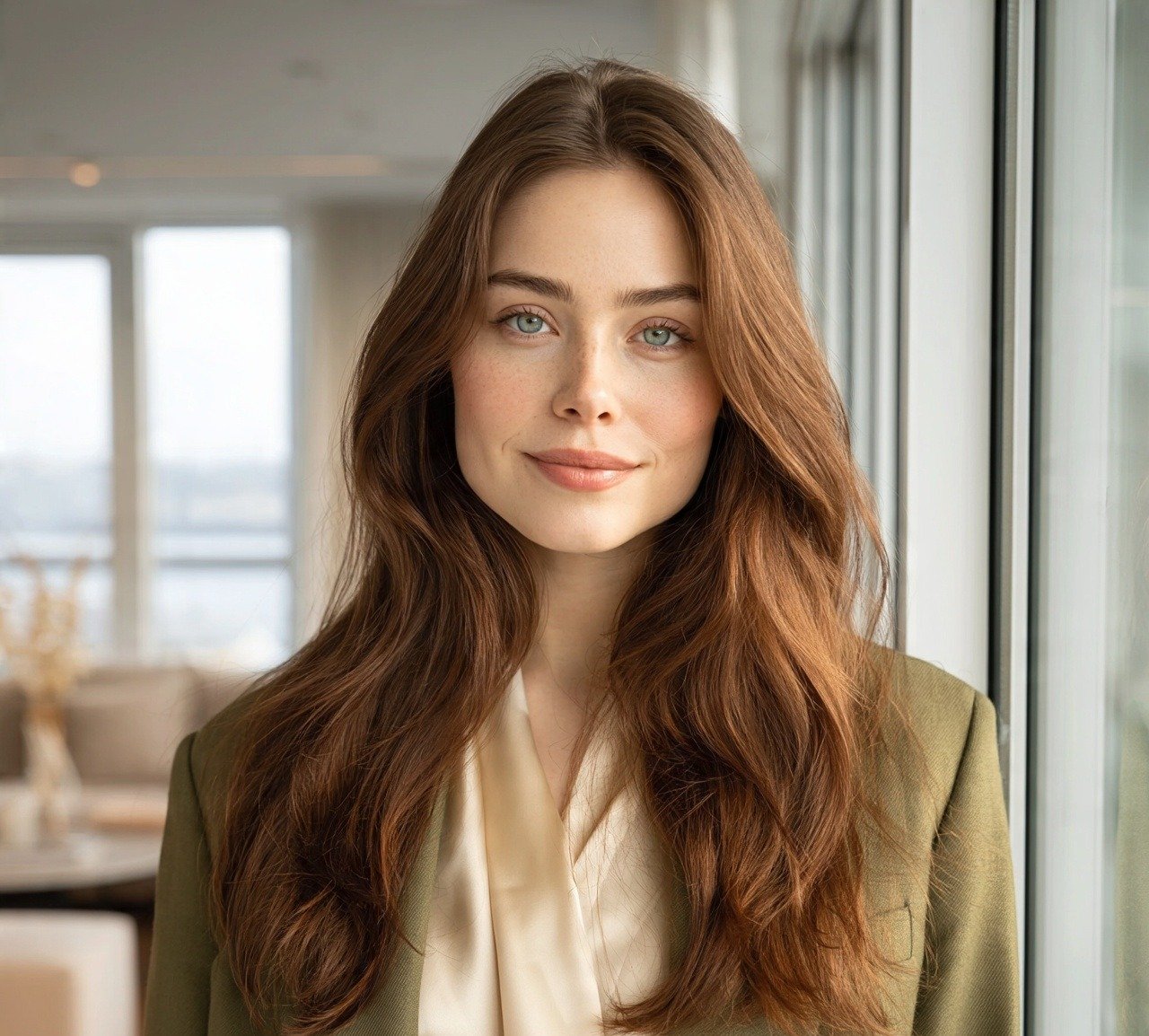
Chestnut brown sits perfectly between chocolate and auburn, offering warmth through reddish undertones without tipping into full copper territory. This versatile shade flatters an enormous range of skin tones, from fair to deep, because the balance of warm and neutral pigments adapts to whatever undertone surrounds it. Thick, textured hair benefits especially, as the multidimensional color prevents the density from reading flat or heavy. Busy schedules pair well with chestnut, since regrowth stays subtle for months at a time. Mention “warm chestnut with subtle red undertones” to your colorist to avoid a result that skews too neutral or mousy.
7. Platinum Blonde Color Hair
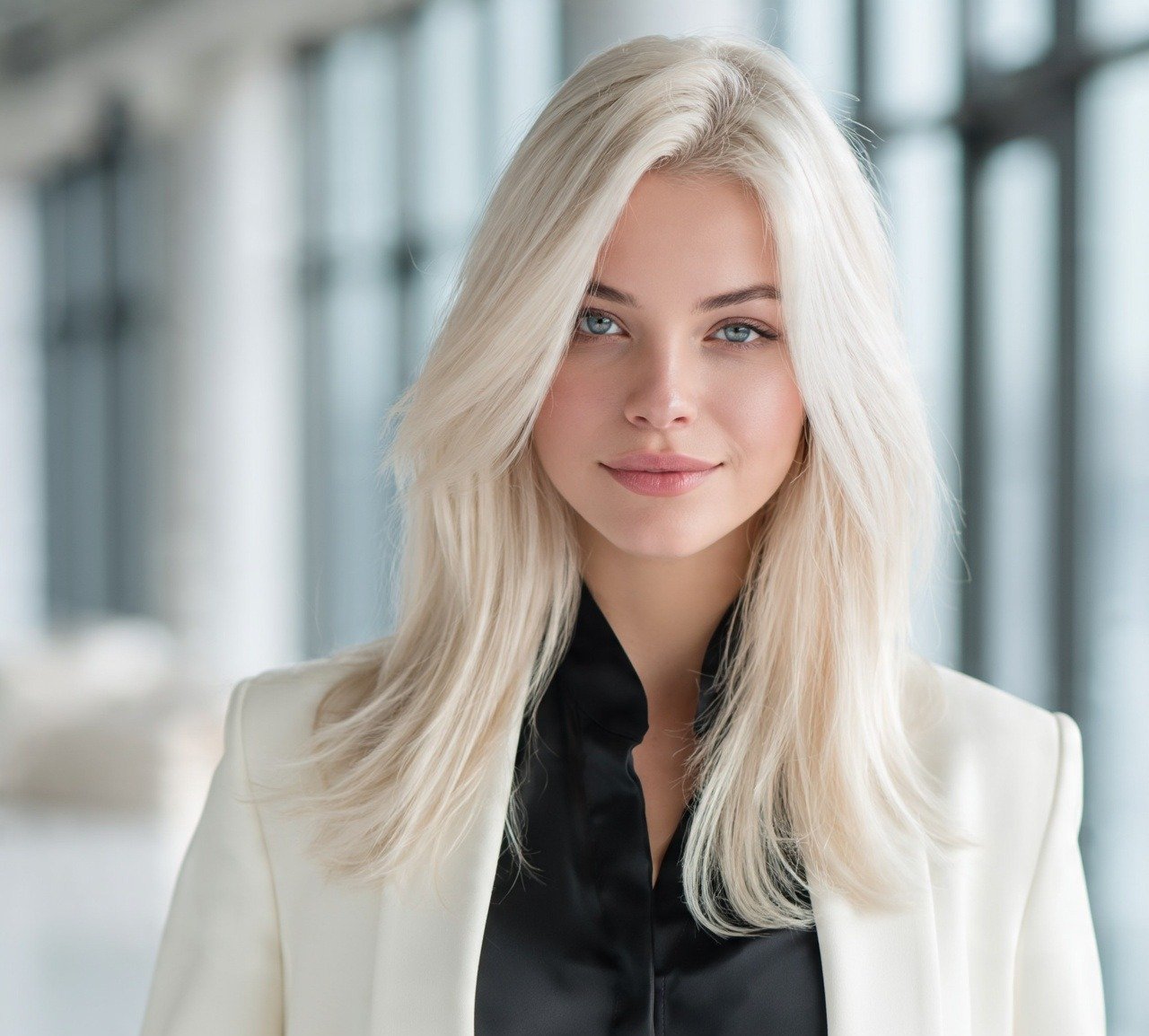
Platinum blonde is the ultimate statement shade, stripping hair down to its palest possible state for a striking, high fashion finish that demands commitment and care. Cool undertones and fair complexions typically pair best, though deeper skin tones can absolutely pull off platinum when paired with the right toner. This transformation suits people ready for regular salon visits, since dark regrowth becomes visible quickly and toner fades within weeks without proper maintenance. Bond building treatments are non negotiable before and after lightening this dramatically. Discuss a realistic timeline with your stylist, as reaching true platinum from dark hair often requires multiple sessions spaced apart for hair health.
8. Burgundy Wine Color Hair
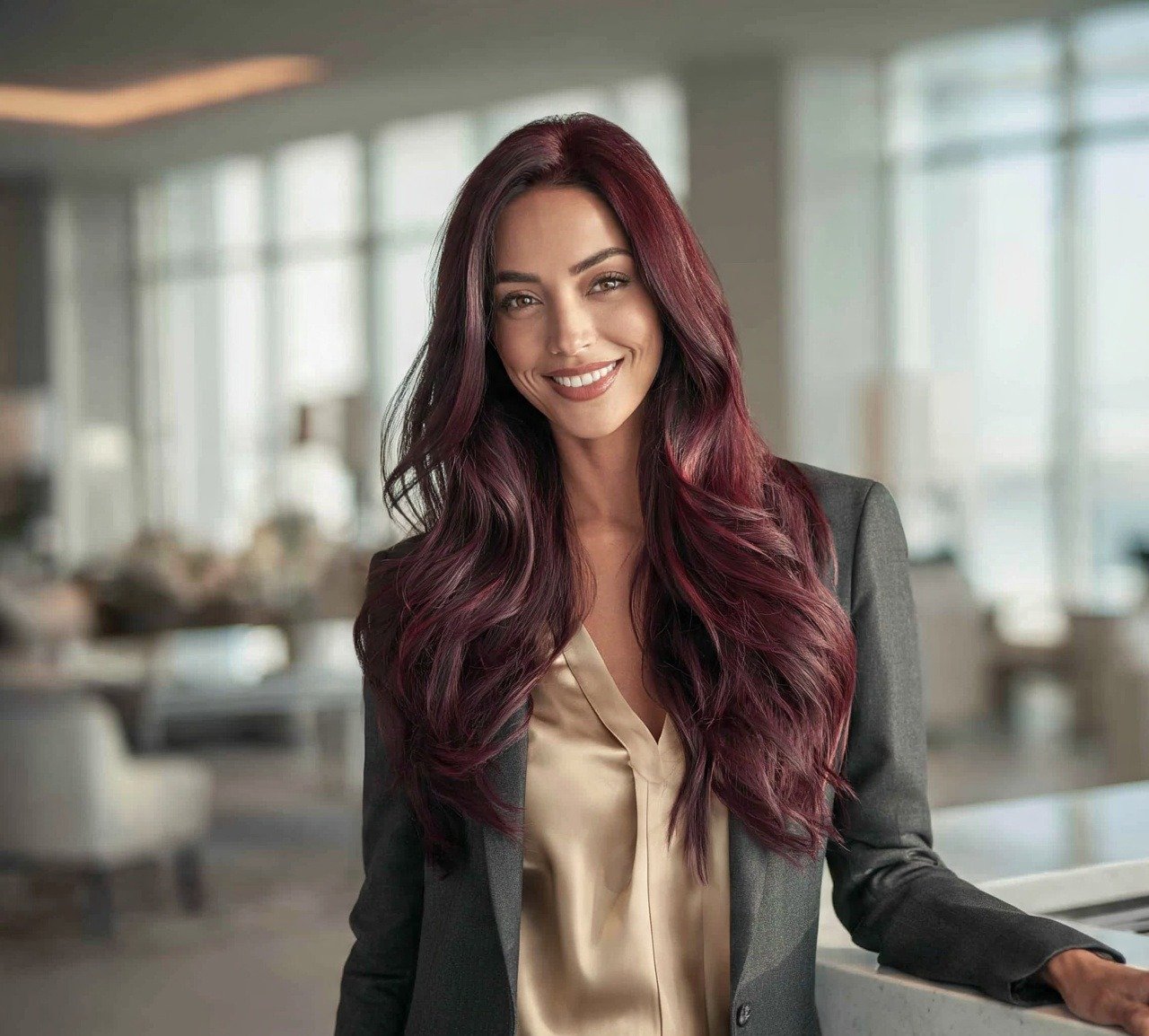
Burgundy wine delivers rich, moody sophistication that looks especially luxurious against deep brunette bases, requiring less lift than brighter fantasy shades while still making a dramatic statement. The deep red purple tone glows under warm indoor lighting and adds unexpected depth in sunlight, shifting subtly between red and violet depending on the angle. Cooler undertones and darker complexions tend to glow hardest with this palette, though anyone can wear it with confidence. This shade suits fall and winter especially, coordinating naturally with seasonal wardrobes. Semi permanent glazes refresh burgundy quickly between appointments, keeping the wine tone from fading into flat brown.
9. Caramel Highlights Color Hair
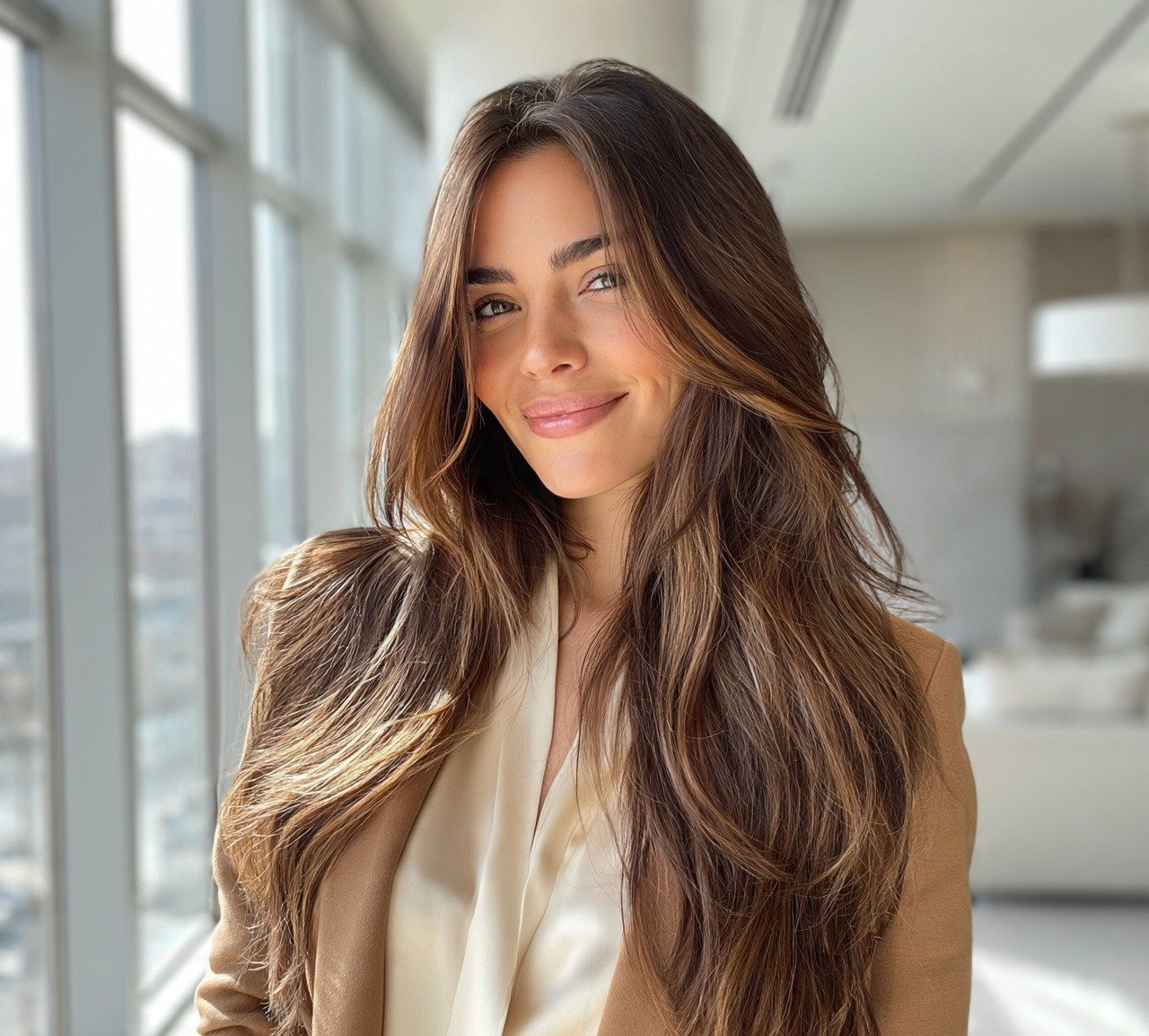
Caramel highlights weave warmth through a darker base without requiring a full color transformation, making this one of the gentlest ways to experiment with dimension. Thin strands benefit tremendously, as strategically placed highlights create the illusion of thicker, more textured hair. Medium skin tones with golden or olive undertones tend to see the most flattering contrast against this combination. This option suits anyone easing into brighter color for the first time, since the low commitment approach grows out gracefully over several months. Request “babylights” if you want an ultra fine, natural looking version rather than chunkier, more visible highlight sections.
10. Jet Black Color Hair
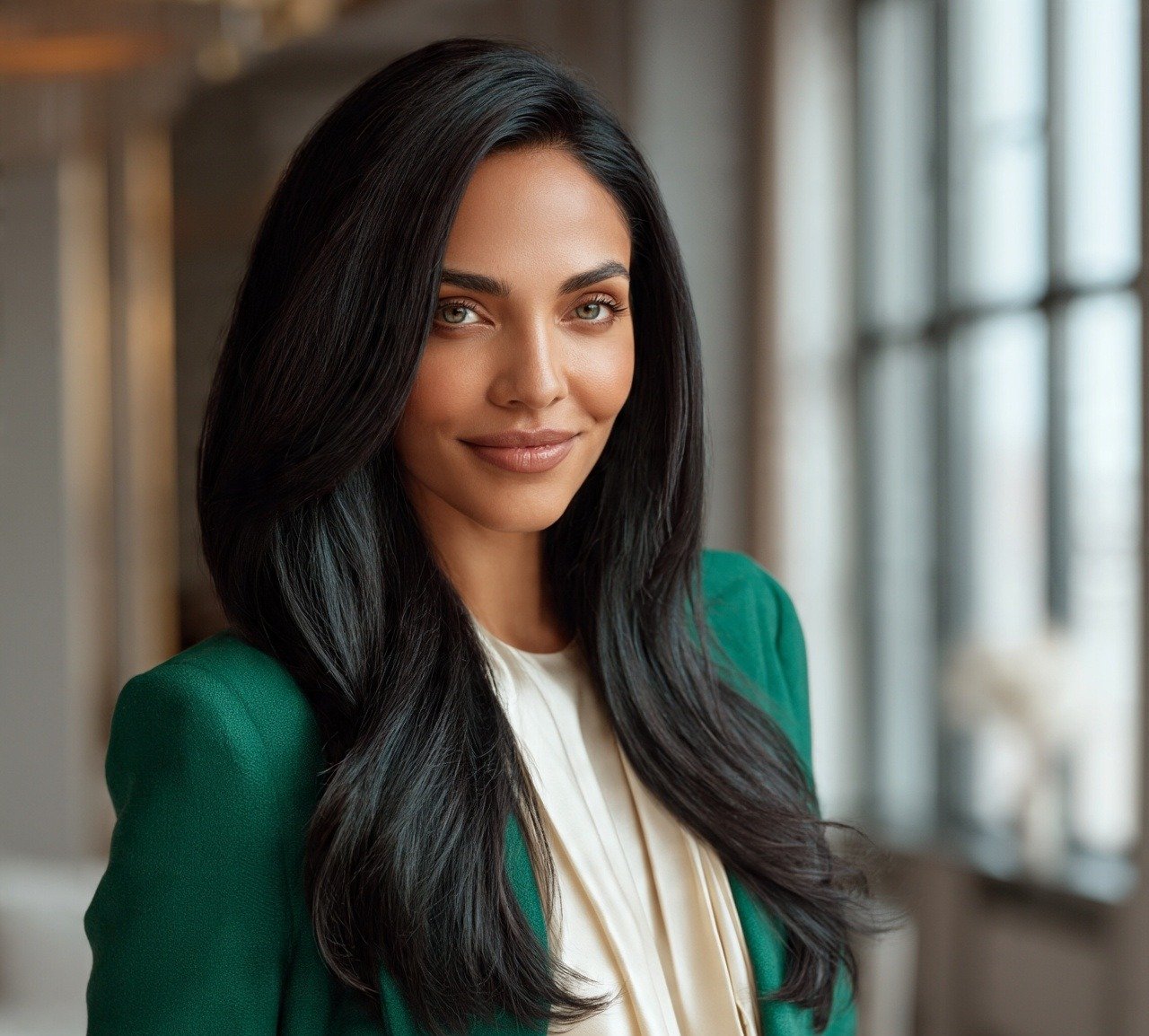
Jet black offers unmatched sleekness and intensity, delivering a glossy, almost blue black shine when properly conditioned and cared for at home. This deep shade suits cooler undertones exceptionally well, though warmer complexions can balance the contrast with bronzed makeup tones. Straight or silky textures showcase jet black most dramatically, since shine reflects most visibly across smooth surfaces. Anyone drawn to dramatic, high contrast beauty looks will find this shade endlessly striking against pale or medium skin. Weekly gloss treatments at home help maintain vibrancy, since black pigment can fade to a dull, brownish cast without proper upkeep and protection.
11. Rose Gold Color Hair
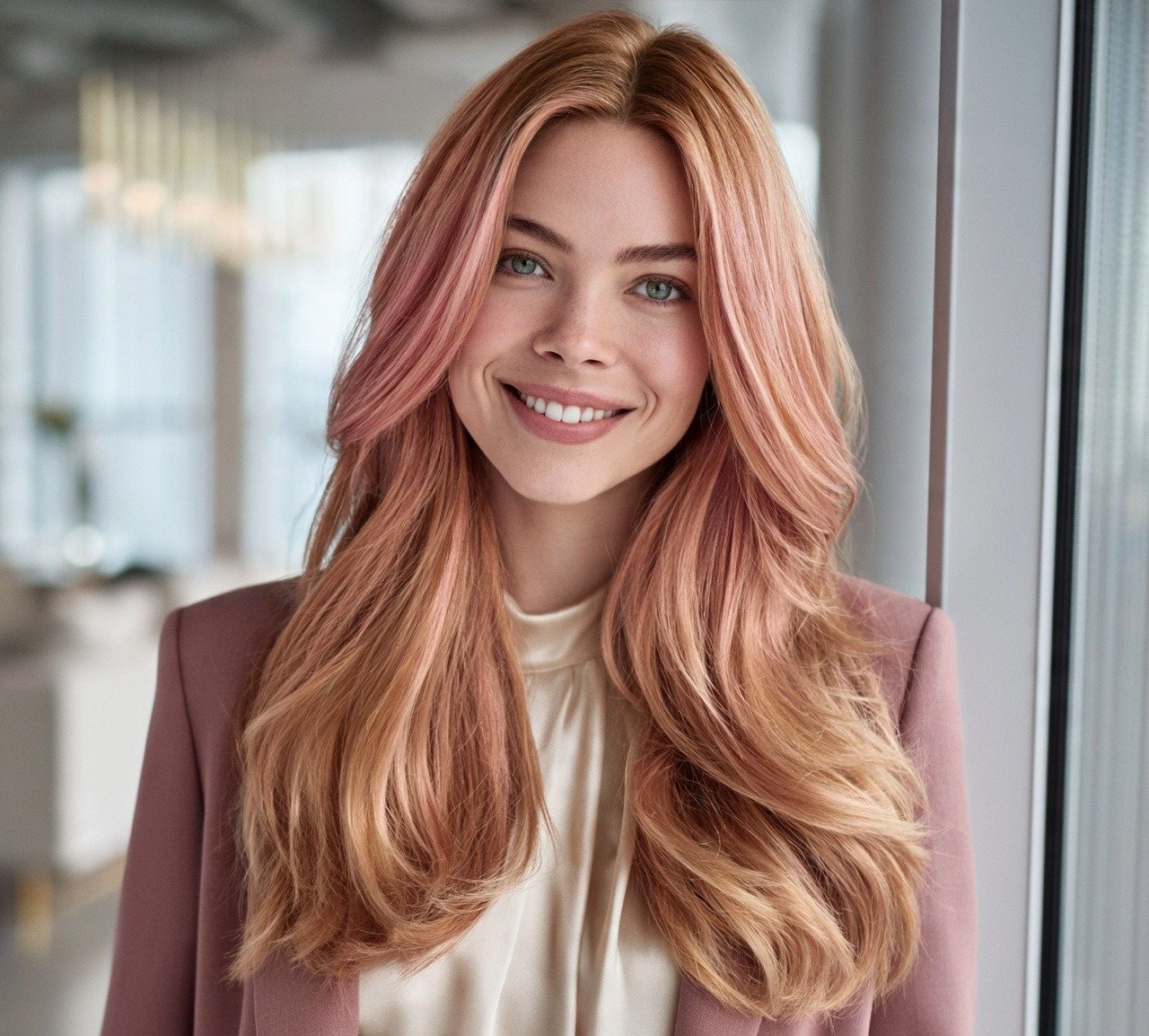
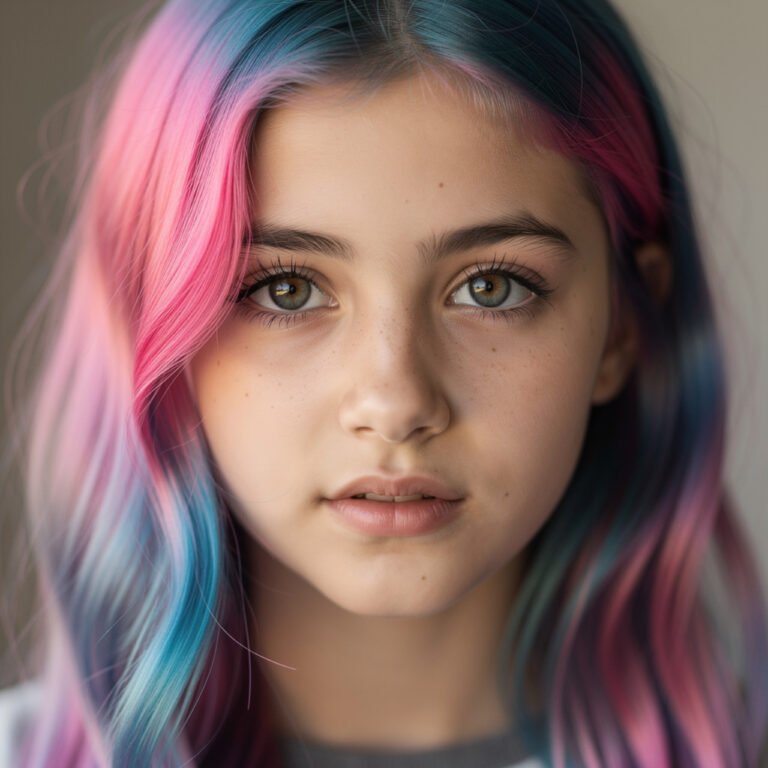
Rose gold blends soft pink undertones with warm blonde or copper bases, producing a dreamy, romantic finish that photographs beautifully in natural light. Fair to medium skin tones with pink or neutral undertones tend to glow most with this trendy pastel adjacent shade. Wavy and curly textures add extra dimension, letting the pink tones catch light differently across each curl. This color suits creative, playful personalities who enjoy standing apart from conventional blonde or brunette palettes. Because pink pigments fade fastest of all tones, a color depositing conditioner used weekly at home keeps rose gold looking fresh between salon refresh appointments.
12. Espresso Brown Color Hair
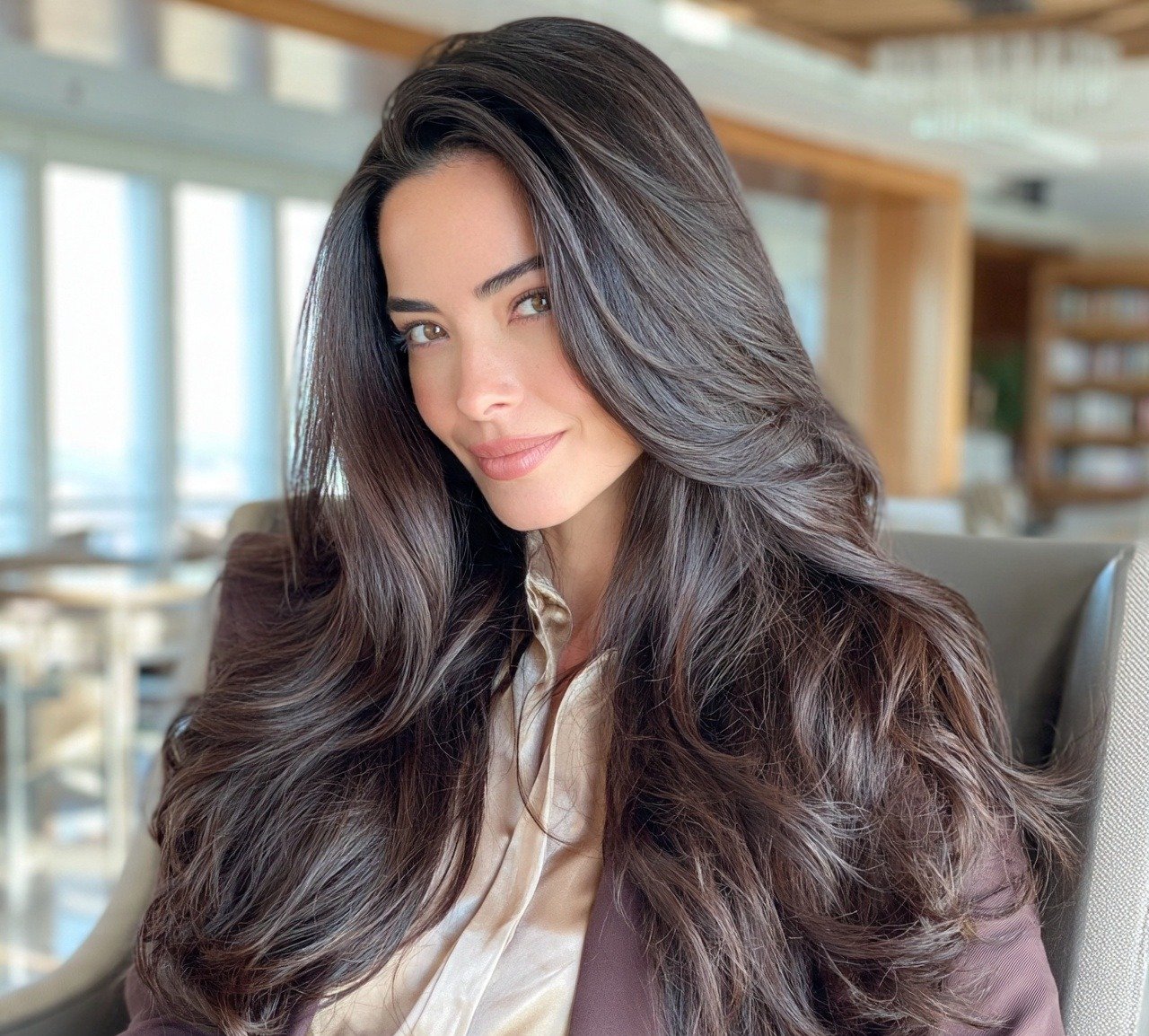
Espresso brown intensifies classic brunette with cool, almost black undertones, creating a rich, velvety finish that feels both grounded and glamorous. This shade flatters nearly every undertone, though it particularly enhances olive and deep skin by adding contrast without harshness. Fine hair gains apparent density from espresso’s deep saturation, since darker pigment naturally reads as fuller and thicker. Anyone seeking a low maintenance yet luxurious upgrade from their natural color will appreciate how seamlessly espresso grows out. Ask for “cool espresso” specifically if you want to avoid any unwanted red reflection appearing under bright daylight.
13. Money Piece Highlights Color Hair
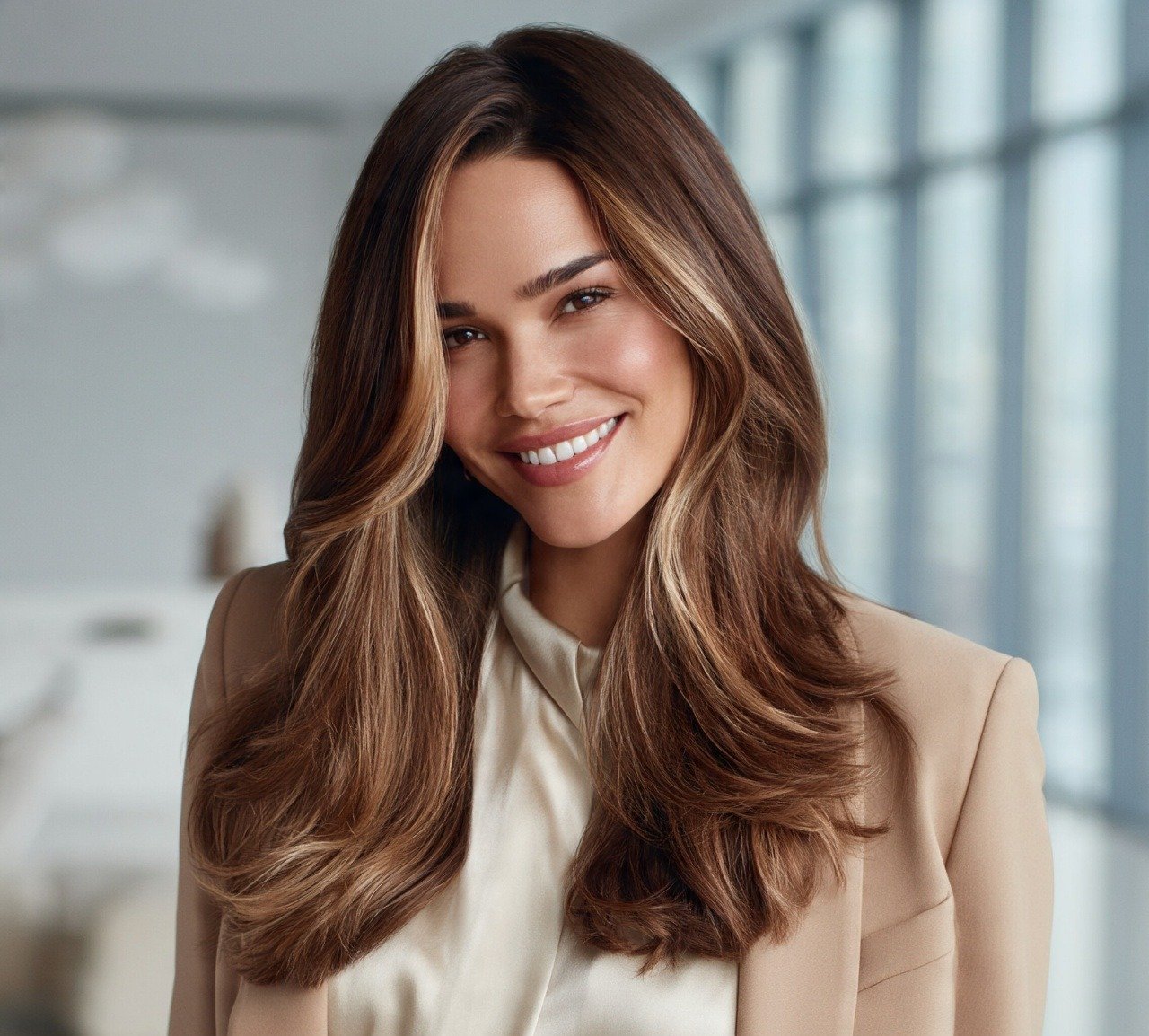
Money piece highlights concentrate bold, bright color exclusively around the face, framing features with a bold pop while leaving the rest of the hair relatively natural. This technique works wonderfully for anyone wanting a dramatic accent without the full commitment or cost of an all over transformation. Every skin tone benefits, since the shade and placement can be customized to complement individual undertones and features. This style suits people who want maximum visual impact during video calls or photos, since the brightness sits directly around the face. Show your colorist reference images with clear framing so placement matches your desired intensity exactly.
How to Choose the Right Color Hair Idea
Choosing a shade starts with your skin’s undertone, since warm undertones typically glow brightest in copper, honey, or chestnut tones, while cool undertones lean flattering toward ash, platinum, or burgundy. Consider your maintenance tolerance honestly, because dramatic lighting demands frequent salon visits, whereas balayage and lowlights grow out gracefully. Lifestyle matters too; active schedules favor lower upkeep techniques. Finally, think about longevity versus experimentation, since semi permanent glazes let you test bold shades before committing fully.
Best Hair Types and Skin Tones for Hair Color
Fine hair typically benefits from lighter, multi dimensional techniques like highlights or balayage, which create visual texture and depth. Thick, coarse hair carries deeper, richer tones beautifully, since density prevents color from looking flat. Warm undertones pair naturally with copper, caramel, and honey shades, while cool undertones shine brightest in ash, platinum, and burgundy palettes. Curly and wavy textures showcase multi tonal color especially well, as each curl catches and reflects light differently throughout the day.
Styling and Maintenance Tips for Colored Hair
Color treated hair requires sulfate free shampoo to prevent premature fading, along with weekly deep conditioning to replace moisture lost during the lightening or dyeing process. Heat protectant becomes essential before any styling tool use, since colored strands are more porous and prone to damage. Cooler tones benefit from purple or blue toned shampoo, while warmer shades thrive with color depositing conditioners. Scheduling regular gloss or toner refreshes every six to eight weeks keeps color vibrant, preventing the dull, brassy fade that untreated color eventually develops.
How to Ask Your Hairstylist for This Look
Walking into your appointment prepared makes an enormous difference in how closely your final result matches your vision. Bring two or three clear reference photos rather than dozens of conflicting images, and choose examples with lighting similar to your natural hair texture and current color, since photos taken in dramatic studio lighting can be misleading. Use specific vocabulary when describing your goal: mention whether you want “warm” or “cool” undertones, specify if you’re hoping for “low maintenance” growth versus a dramatic transformation, and clarify placement terms like “face framing,” “all over,” or “root to tip.” Ask your stylist directly about the number of sessions required, realistic upkeep expectations, and which at home products will protect your investment. A skilled colorist will also assess your hair’s current condition and history, so be honest about previous treatments, since this information affects what’s achievable in a single visit without compromising hair health.
Frequently Asked Questions
How long does hair color typically last before fading?
Semi permanent color usually lasts four to six weeks, while permanent color grows out gradually over two to three months depending on hair growth rate. Sun exposure and washing frequency both accelerate fading, so protective products help extend vibrancy significantly.
Is it possible to go from dark hair to a bright shade in one session?
Dramatic lightening from dark hair to platinum or pastel tones usually requires multiple sessions to protect hair integrity. Attempting it in one visit risks significant breakage, so a patient, gradual approach is always the safer choice.
How do I prevent brassiness between salon visits?
Purple or blue toned shampoo neutralizes unwanted warmth in blonde and ash tones when used once or twice weekly. UV protectant sprays also help, since sun exposure is one of the biggest contributors to brassy, faded color.
Will hair color damage my curls or waves?
Any chemical lightening process affects hair’s protein structure to some degree, but bond building treatments during the service significantly reduce damage. Deep conditioning at home afterward helps curls maintain their natural bounce and definition.
How often should I get a root touch up?
Root touch ups typically happen every four to six weeks for high maintenance shades like platinum, while balayage and lowlights can stretch to twelve weeks or longer. Your colorist can recommend a schedule based on your specific technique.
Can I color my hair if it’s already been chemically treated?
Yes, but it’s essential to tell your stylist about any previous perms, relaxers, or keratin treatments beforehand. This history determines how your hair will absorb color and helps prevent unexpected results or unnecessary damage.
Conclusion
Choosing among these color hair ideas comes down to matching your personality, lifestyle, and undertone with a shade that feels authentically yours rather than simply trendy. Every option here offers something different, from low maintenance balayage to bold, transformative platinum. Bring your reference photos, ask thoughtful questions, and trust your colorist’s expertise to guide the process. The right shade won’t just change your hair; it will change how confidently you walk into every room.