13 Trendy Hairstyles Straight Hair that You’ll Love
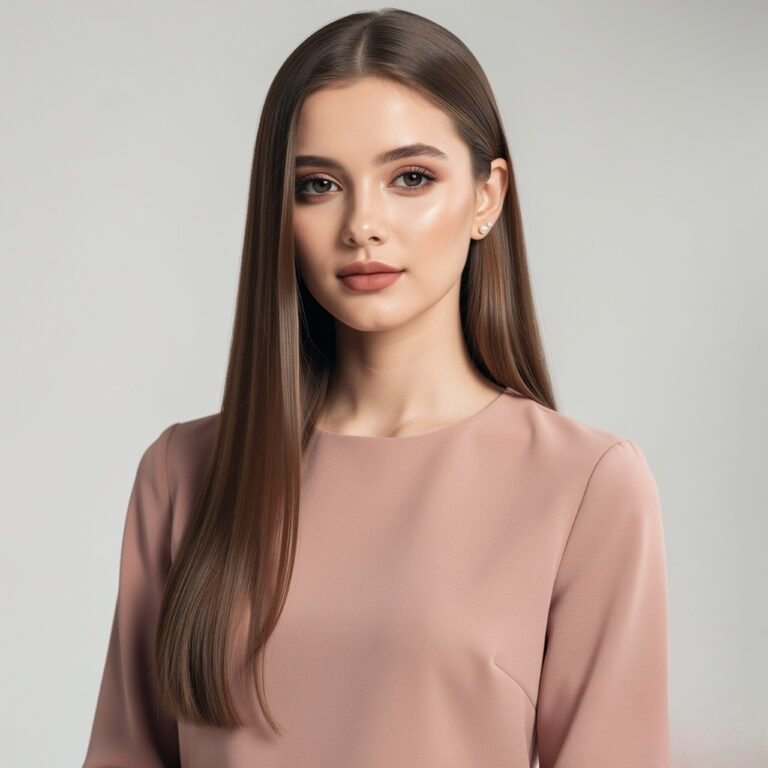
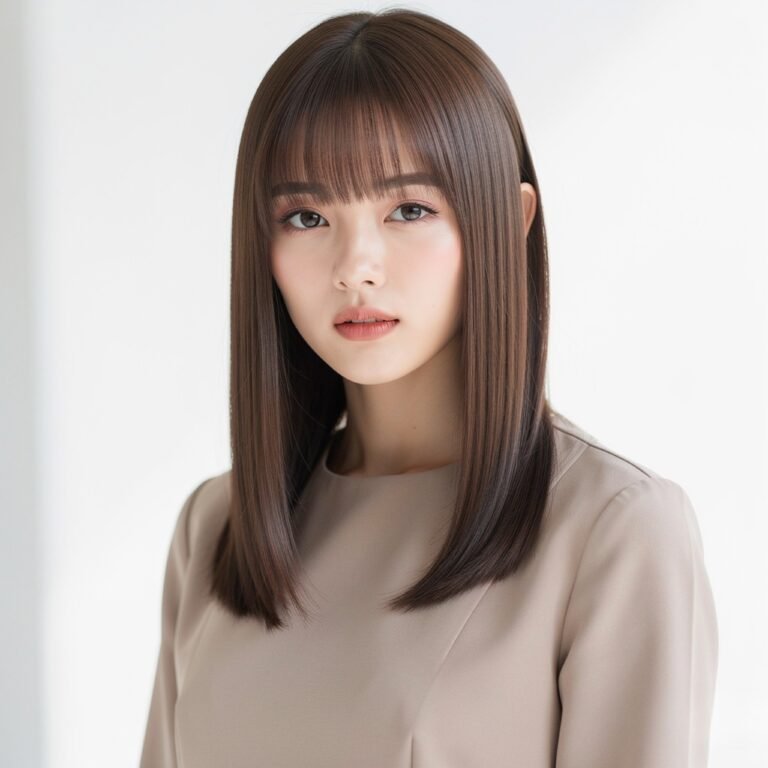
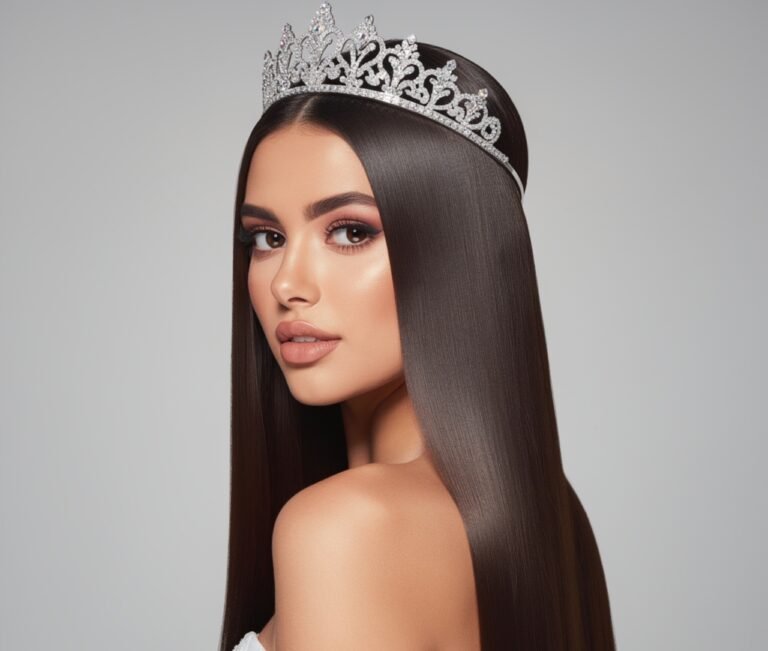
Straight hair is one of the most versatile textures in the hairstyling world, yet so many people with naturally sleek strands feel stuck cycling through the same tired looks year after year. If you have ever found yourself scrolling endlessly through Pinterest boards labeled “hairstyles straight hair,” saving dozens of images but never quite knowing which one genuinely suits your face shape, density, or daily schedule, this guide was written for you. The problem with most online hairstyle content is that it stops at the image. There is rarely an explanation of who the style actually flatters, how to achieve it at home, or what to say when you sit down in the salon chair..
Hairstyles for Straight Hair
This article changes that entirely by pairing each hairstyle idea with real, actionable guidance that makes your next transformation as informed as it is exciting
1. Polished Straight Hair with a Deep Side Part
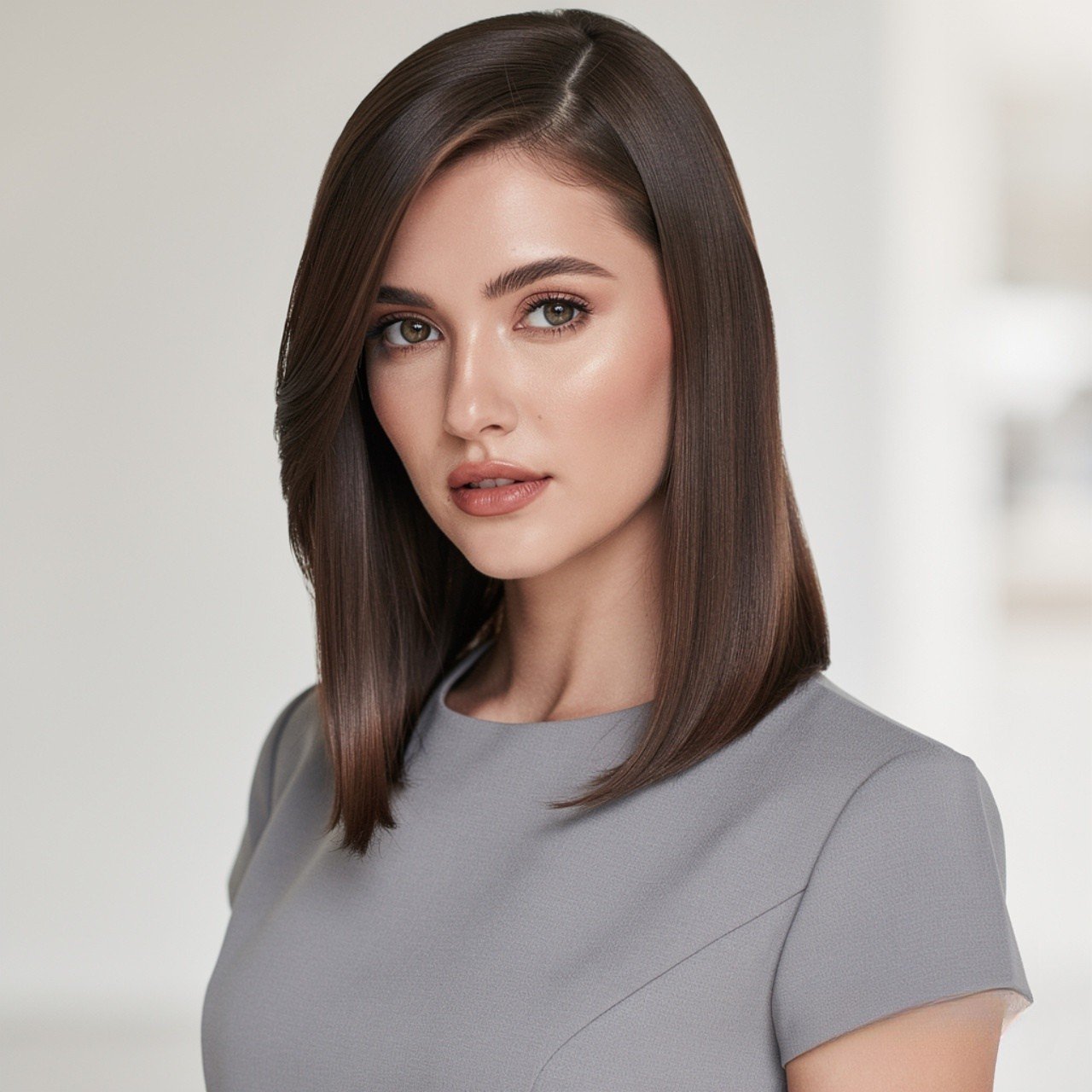
A deep side part is one of the most transformative and underrated styling choices available for straight hair, instantly shifting a simple blowout into something that reads as deliberate and sophisticated. By parting the hair dramatically to one side typically two inches or more from the center one portion of the hair sweeps across the forehead and falls longer while the other side is tucked cleanly behind the ear. This technique works especially well on fine to medium straight hair where the weight falls naturally and lies flat without requiring excessive product. Round and square face shapes benefit most from this approach, as the strong diagonal line disrupts symmetry and creates a lengthening, slimming visual effect. Finish with a light mist of shine spray for a glossy, editorial result.
2. Straight Hair with a Textured Fringe
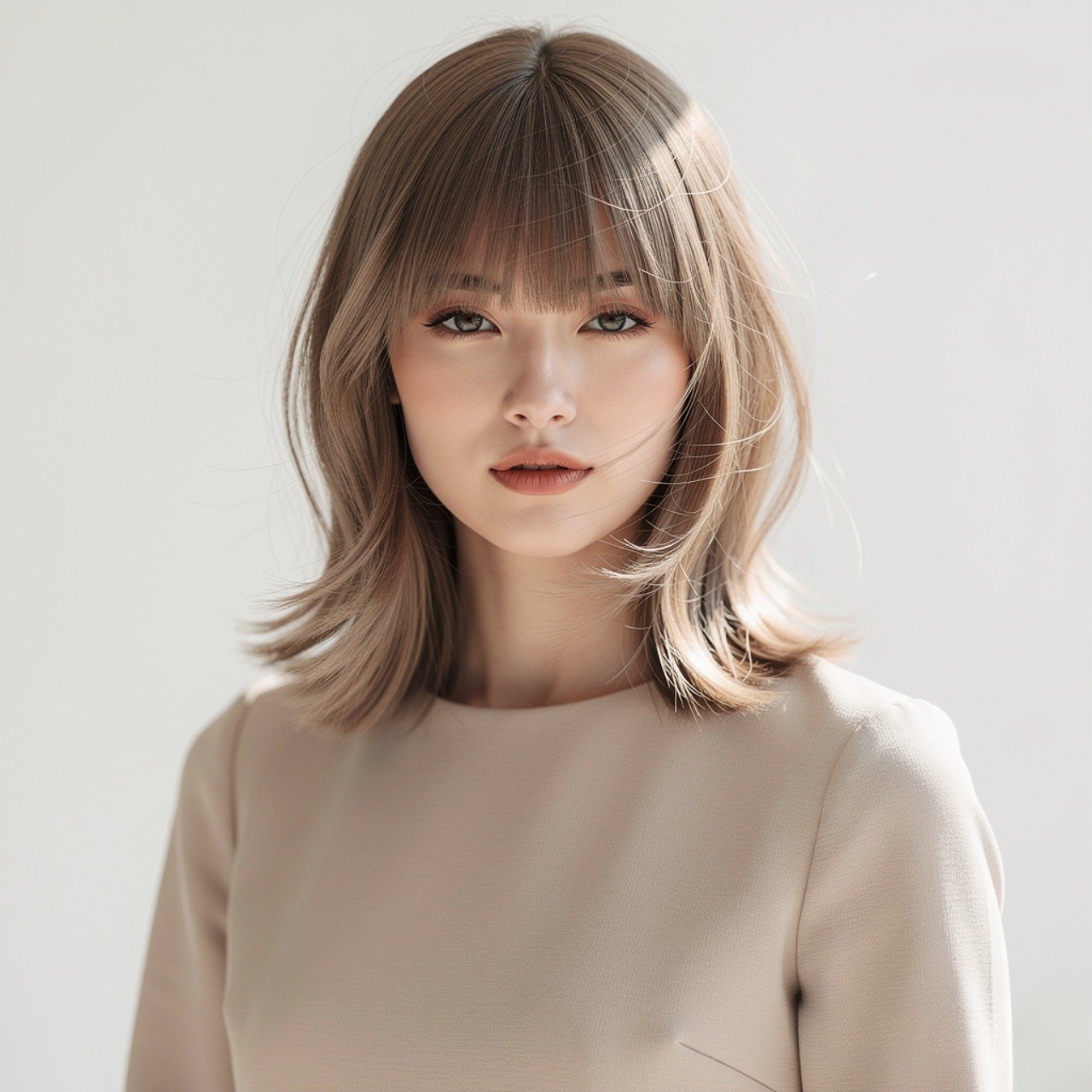
A textured fringe characterized by its choppy, point-cut edge rather than a solid blunt line adds personality and softness to straight hair hairstyles without requiring a dramatic length change or complete style overhaul. Unlike a traditional blunt fringe that sits as a firm, graphic bar across the forehead, a textured version has visible gaps between the tips that create a wispy, natural appearance suited to a wider range of face shapes. Heart-shaped and oval faces look particularly beautiful with this fringe because it softens the forehead without covering it entirely. This style works on fine to medium density straight hair and is especially low-maintenance since the textured edge grows out gracefully over several weeks rather than immediately losing its shape. A lightweight styling cream enhances the airy finish beautifully.
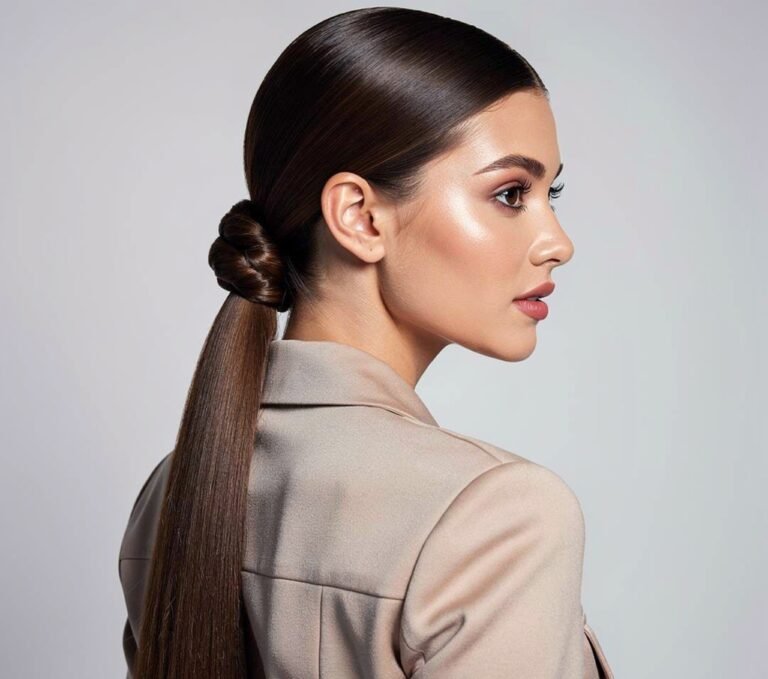
3. Straight Hair in a Twisted Low Bun
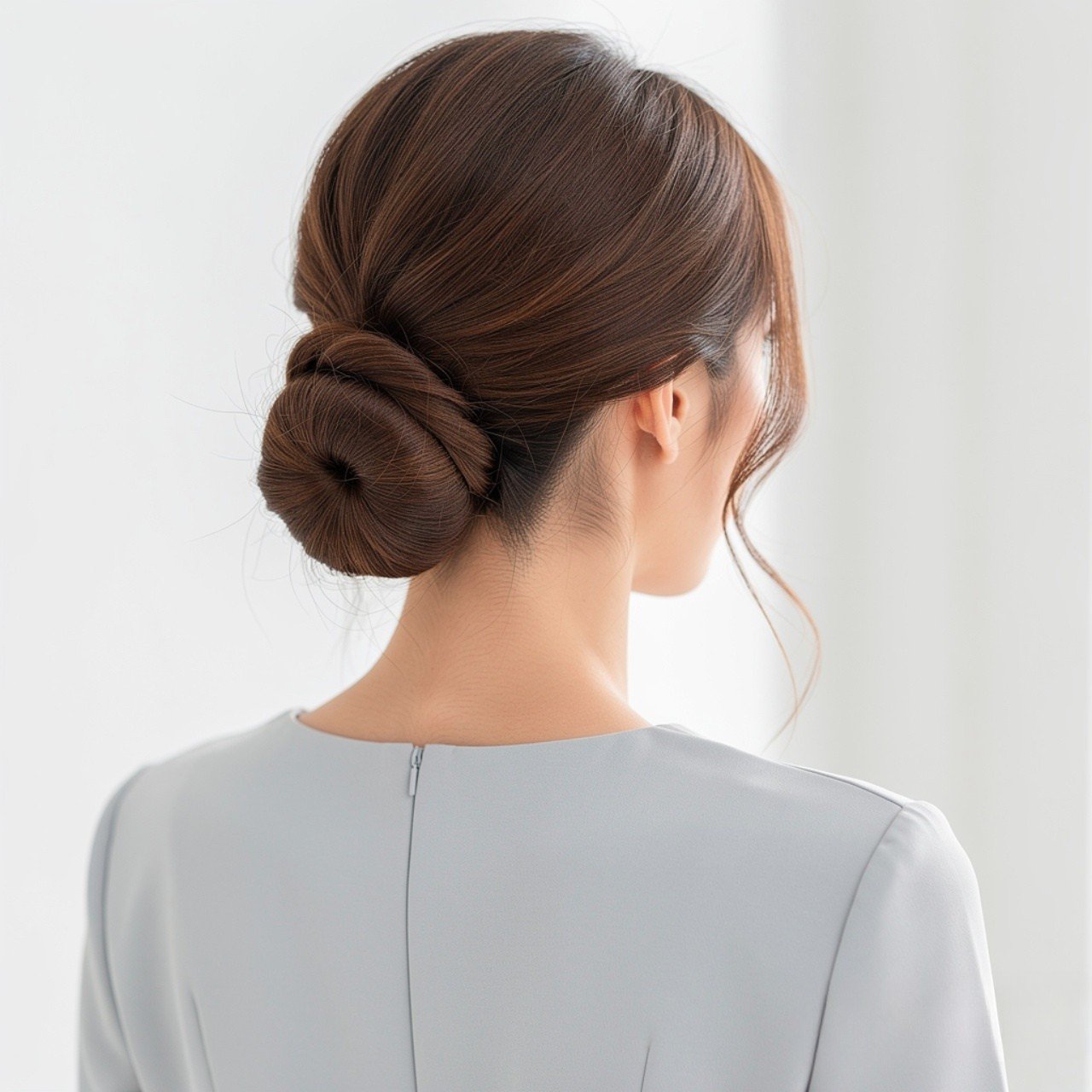
The twisted low bun transforms straight hair into an elegant updo with minimal tools and a surprisingly short styling window, making it a practical yet polished choice for both professional settings and special occasions. To create it, divide the hair into two sections at the nape, twist each section inward, wrap them together into a single low bun, and secure with bobby pins and a small elastic. Straight hair is actually ideal for this technique because its smooth texture creates a clean, bump-free surface that updos with wavy or textured hair often struggle to replicate. All face shapes suit this style well, and it works across every straight hair length beyond the shoulder. Accessorize with a tortoiseshell clip or pearl pins for an added touch of refinement.
Explore more straight hair hairstyles ideas.
4. Straight Hair with Ribbon Wrapped Ponytail
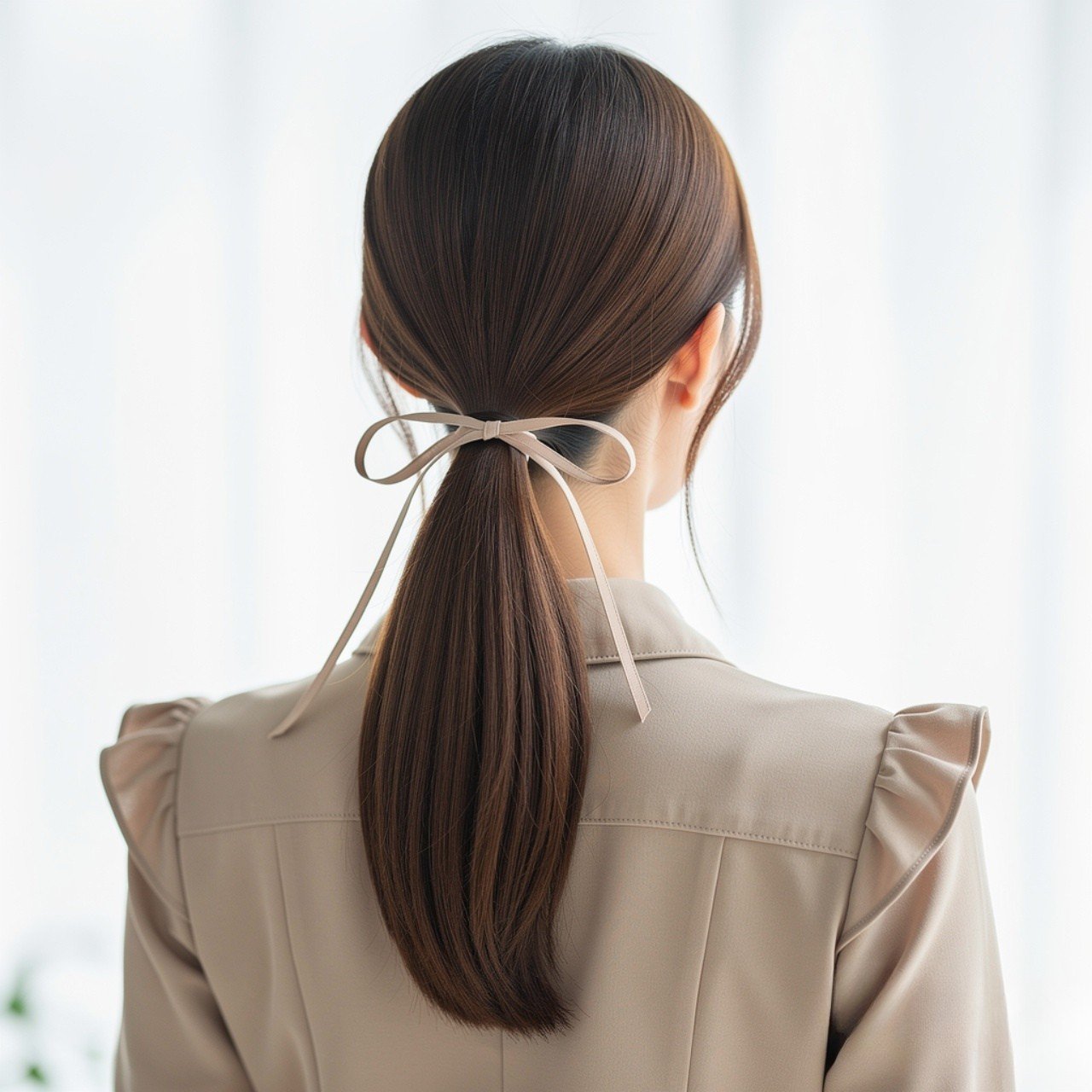
Elevating a standard ponytail into a fashion-forward hairstyle for straight hair is as simple as incorporating a ribbon, scarf, or decorative cord wrapped around the length from the base to the tip. This styling choice adds color, texture, and visual interest to sleek straight hair that might otherwise read as too plain or understated for events requiring a more intentional aesthetic. Satin ribbons in ivory, black, or burgundy create an effortlessly chic effect, while printed silk scarves bring a retro, editorial quality that photographs beautifully. This look suits all face shapes and every straight hair length beyond the collarbone, and it works particularly well on thick hair where the full ponytail provides a satisfying base around which the ribbon wraps most evenly and securely.
5. Straight Blunt Cut with Bold Color
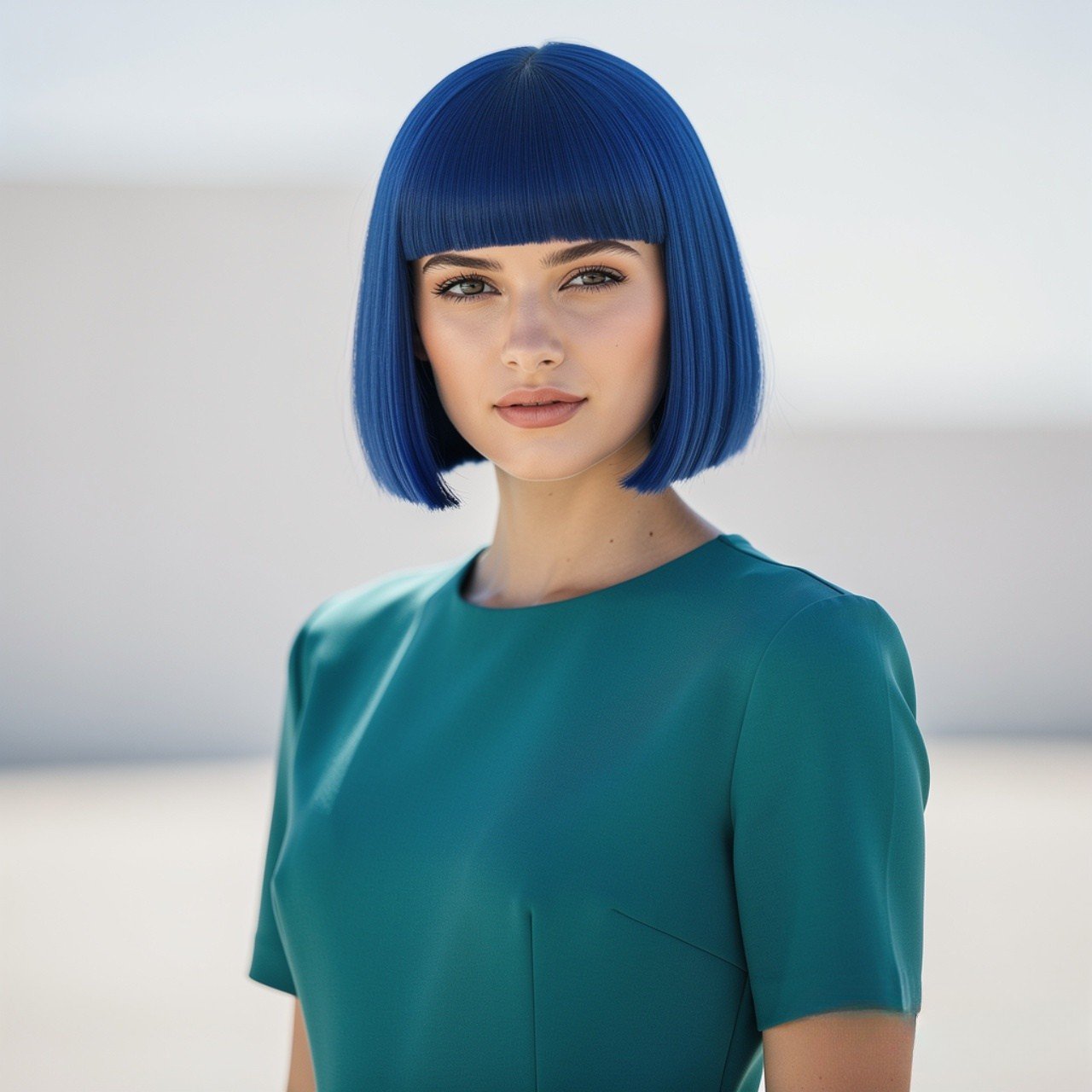
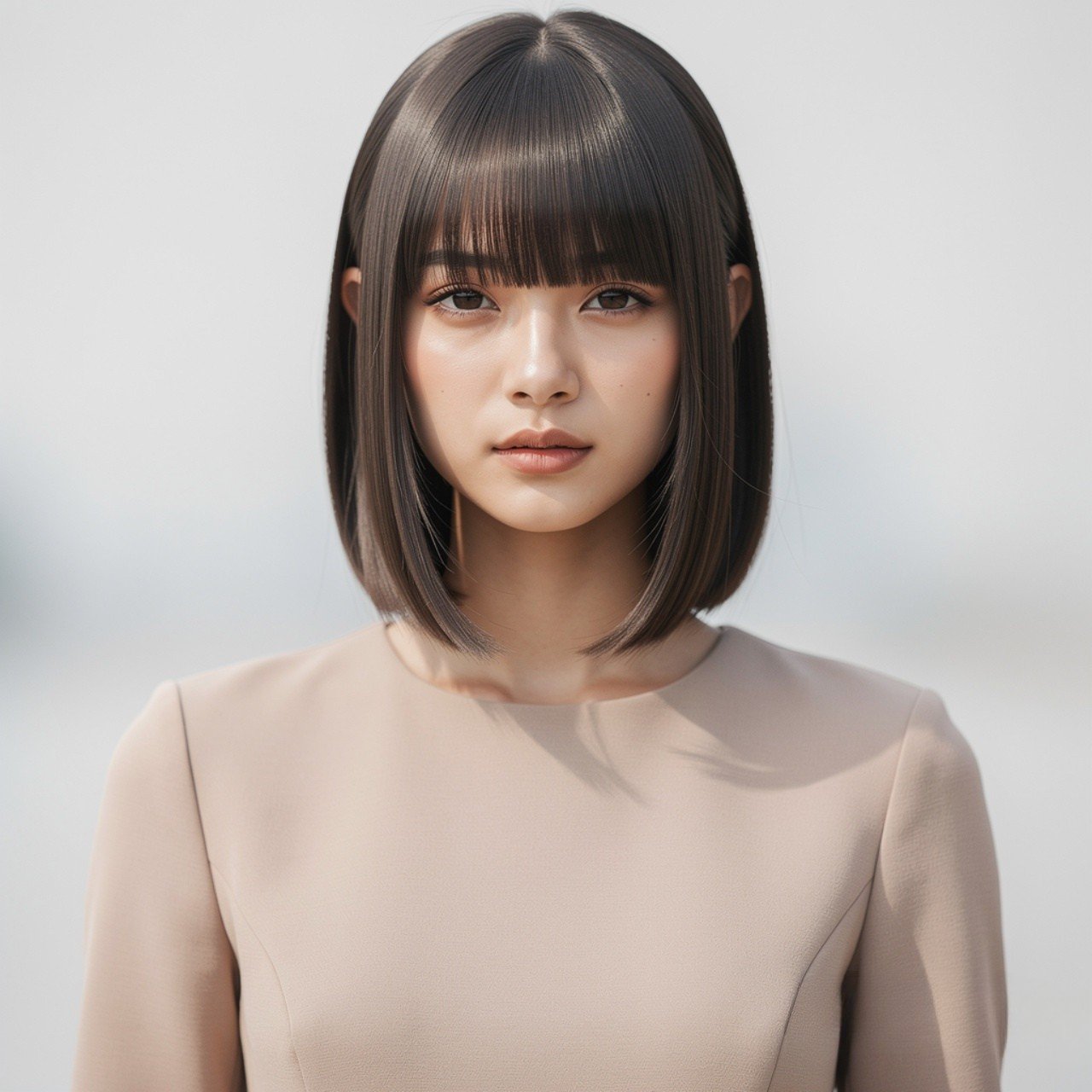
Pairing a precise blunt cut with a bold, intentional hair color is one of the most visually impactful approaches to hairstyles for straight hair, creating a look that appears almost architectural in its deliberateness and precision. The clean, even hemline of a blunt cut provides the perfect canvas for rich, saturated colors because the straight edge creates a defined boundary where the color terminates, emphasizing the geometric quality of the cut itself. Jet black delivers maximum intensity and a lacquered, high-fashion appearance, while deep burgundy and midnight blue offer dramatic alternatives that still feel wearable in everyday settings. This combination suits all face shapes but looks most striking on those with oval and heart faces where the sharp hemline frames the features without overwhelming them.
6. Straight Hair Side Braid
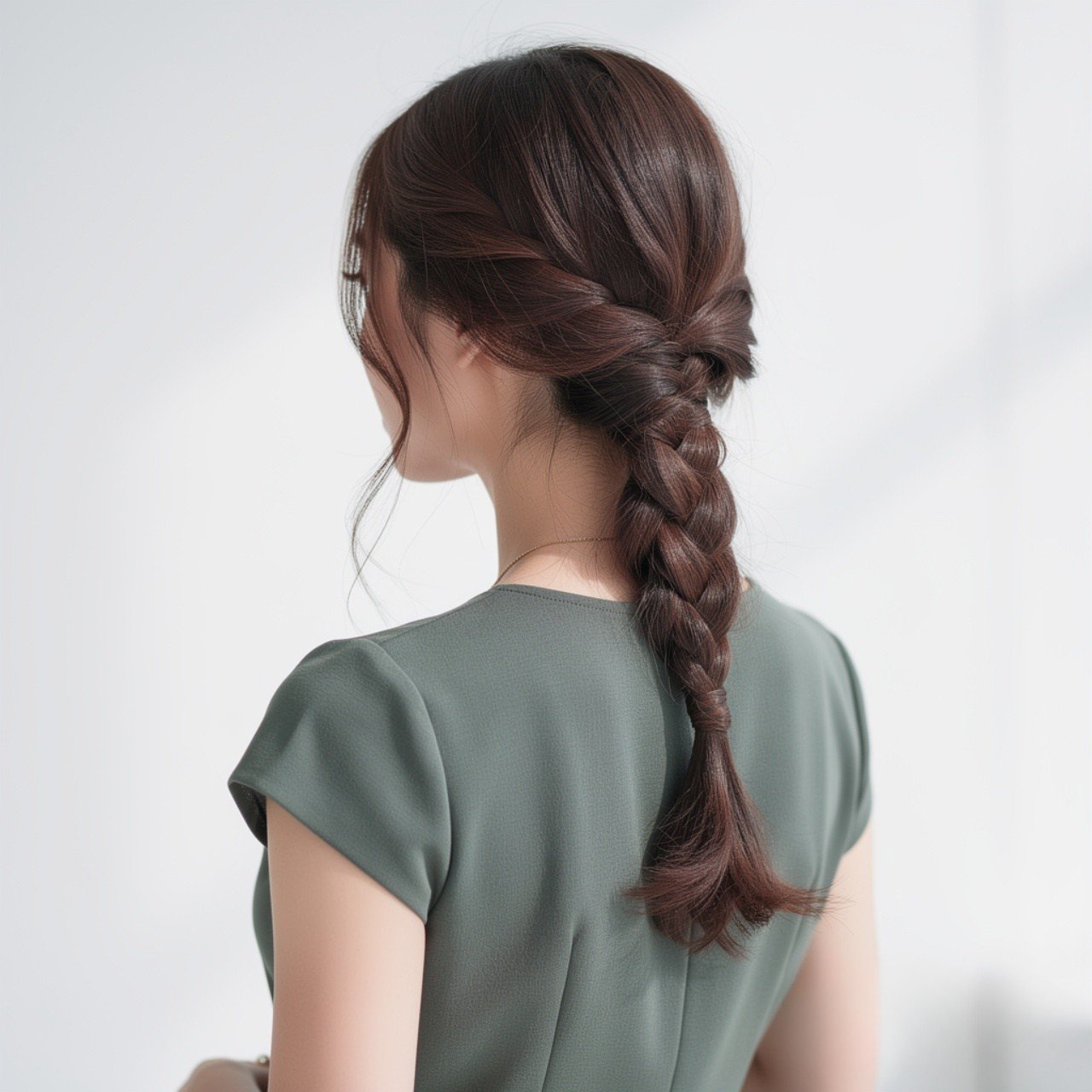
A sleek side braid introduces dimension and visual interest to straight hair hairstyles while requiring only basic technique and minimal product, making it accessible to those who prefer simple styling routines without sacrificing a thoughtfully put-together appearance. To achieve the cleanest result on straight hair, start by applying a small amount of smoothing cream from roots to ends before brushing everything to one side and braiding from just behind the ear down to the tip. Straight hair holds a braid exceptionally well because the smooth cuticle prevents frizz from disrupting the pattern, resulting in a clean, defined plait that maintains its structure throughout the day. This style suits all face shapes and looks particularly romantic when paired with face-framing pieces left loose around the temples and jaw.
7. Straight Hair with Invisible Layers
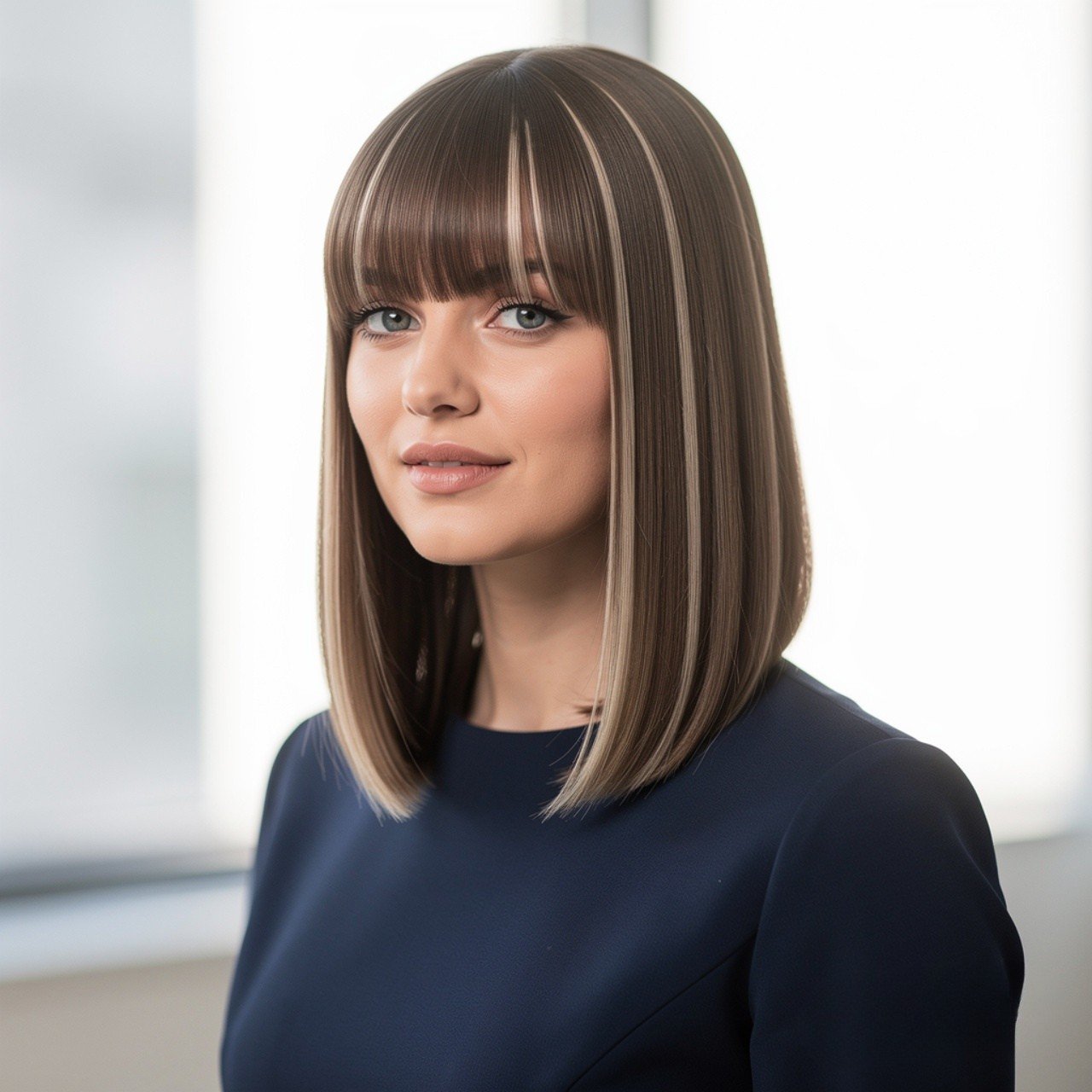
Invisible layers, also called internal layers, are added beneath the surface of straight hair where they remove weight and improve movement without visibly disrupting the outer silhouette making this one of the most clever and versatile cuts available for straight hair. Unlike traditional layers that are visible from the outside, invisible layers stay hidden when the hair is worn down, but their effect is immediately felt through how much lighter, bouncier, and more manageable the hair becomes throughout the day. This technique suits thick and heavy straight hair most, as it eliminates the dense, flat appearance that uncut thick straight hair can develop over time. The outer length remains visually uniform and precise while the interior feels significantly more comfortable to wear and style. Ask specifically for “internal weight removal” or “point-cut internal layers” during your consultation.
8. Straight Hair Space Buns
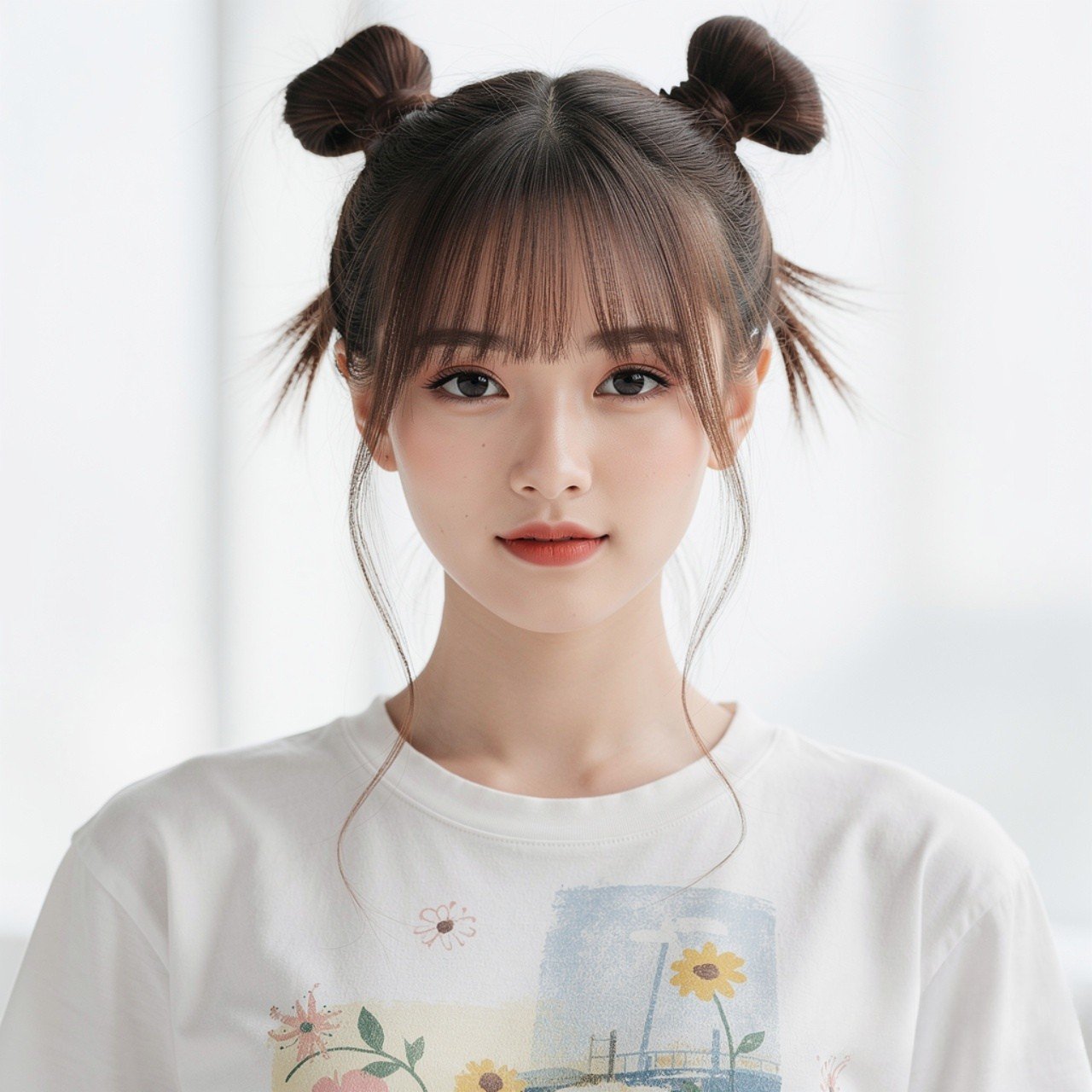
Space buns have evolved far beyond their early internet novelty status into a genuinely chic hairstyle for straight hair that suits music festivals, creative workplaces, and casual weekend outings with equal charm and ease. Creating them on straight hair involves parting from ear to ear across the top of the head, dividing the front section into two equal parts, twisting each into a tight coil, and wrapping it into a bun secured with an elastic and bobby pins. Straight hair creates particularly clean, symmetrical space buns because the smooth texture produces tidy coils without flyaways or frizz interrupting the shape. Those with rounder or wider foreheads may prefer slightly smaller, more elevated buns, while longer face shapes can wear larger, lower versions for a more proportionate result overall.
9. Straight Hair Sleek French Tuck
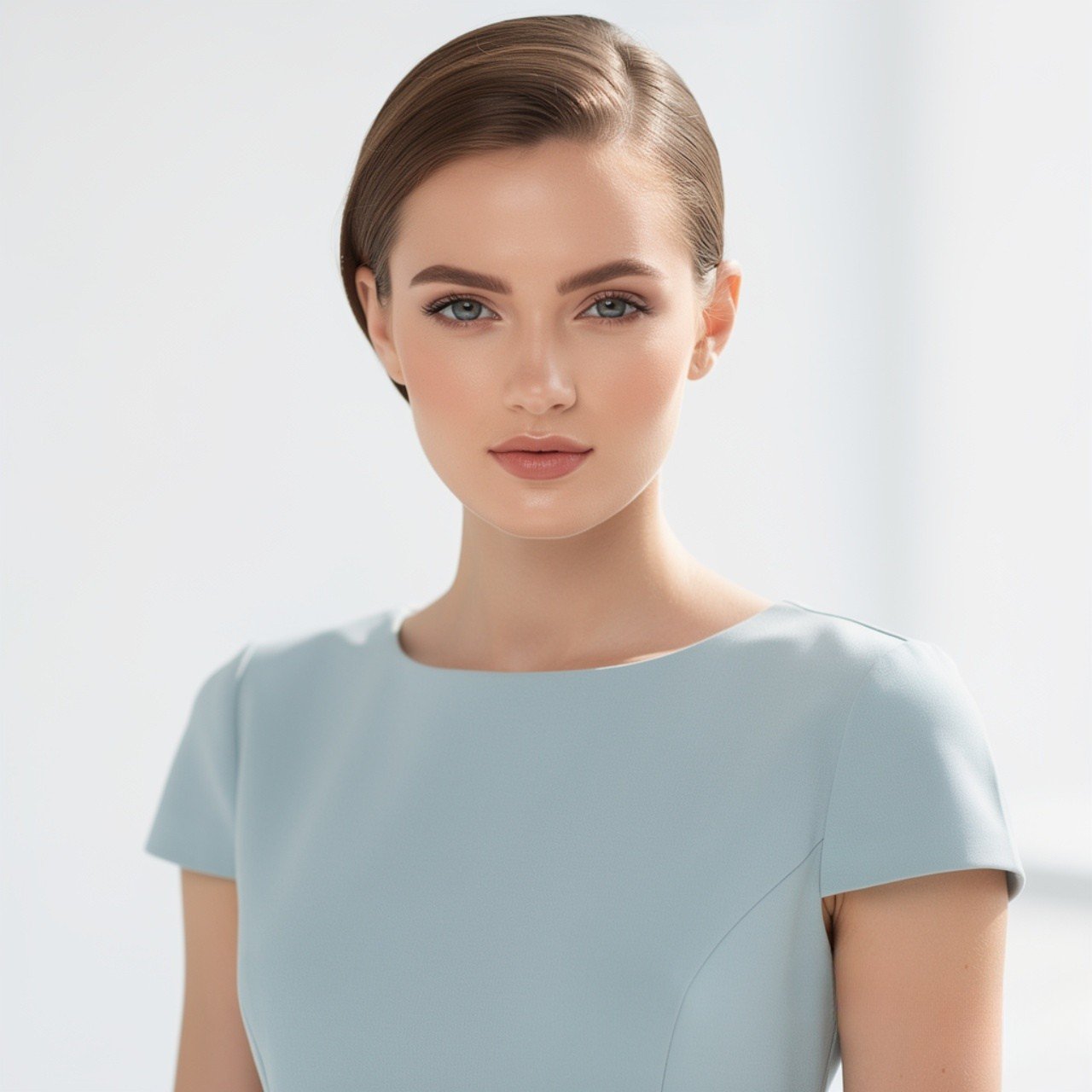
The French tuck or half-tuck is a styling approach for straight hair that splits the hair horizontally, pinning or tucking the back half upward while allowing the front sections to fall freely around the face. The result is a hybrid style that combines the sophistication of an updo with the softness of wearing hair down, making it adaptable across both formal and casual settings without needing to choose between the two aesthetics. Straight hair creates an especially clean version of this style because the forward sections hang smoothly and evenly without any wave or bend to disrupt the intentional contrast. Oval, heart, and oblong face shapes find this style most flattering since it draws attention upward toward the eyes and cheekbones. Use fine-tipped bobby pins in a matching hair color to keep the tuck invisible and secure.
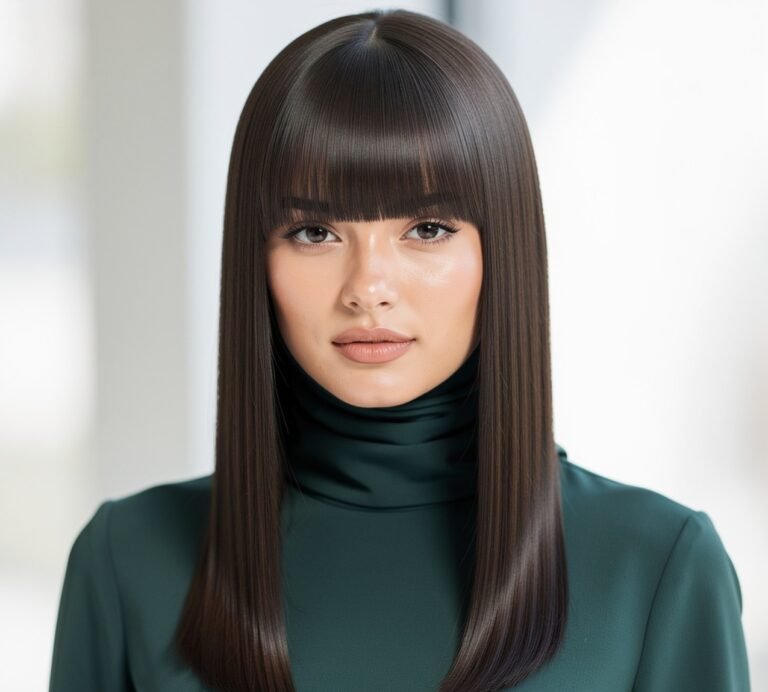
10. Straight Hair with Bottleneck Bangs
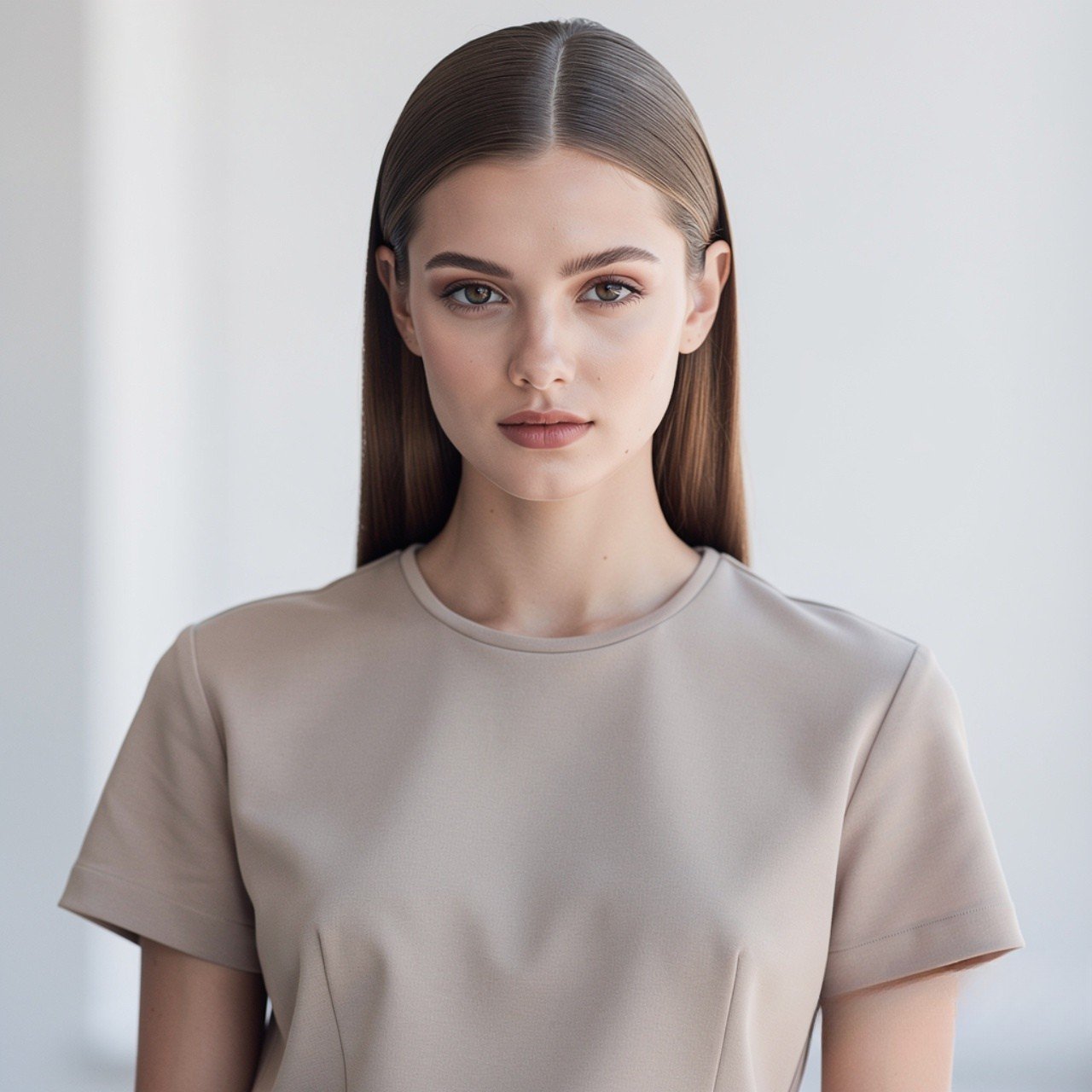
Bottleneck bangs named for the narrow width of a bottle neck are a refined, narrow fringe that sits in the very center of the forehead and widens gradually toward the outer corners of the eyebrows, creating a shape that draws the eye directly to the center of the face. This fringe style is experiencing significant popularity in current hairstyle straight hair trends because it flatters an unusually wide range of face shapes while maintaining the modern, editorial quality that makes it endlessly pinnable and shareable. Oval and round faces benefit most from the narrowing effect at the center, while heart faces appreciate the way the fringe balances a wider forehead without covering it completely. Style them by blow-drying directly downward with a flat paddle brush, then finish with a quick flat iron pass for a smooth, precise result.
11. Straight Hair with a Sleek Braided Headband
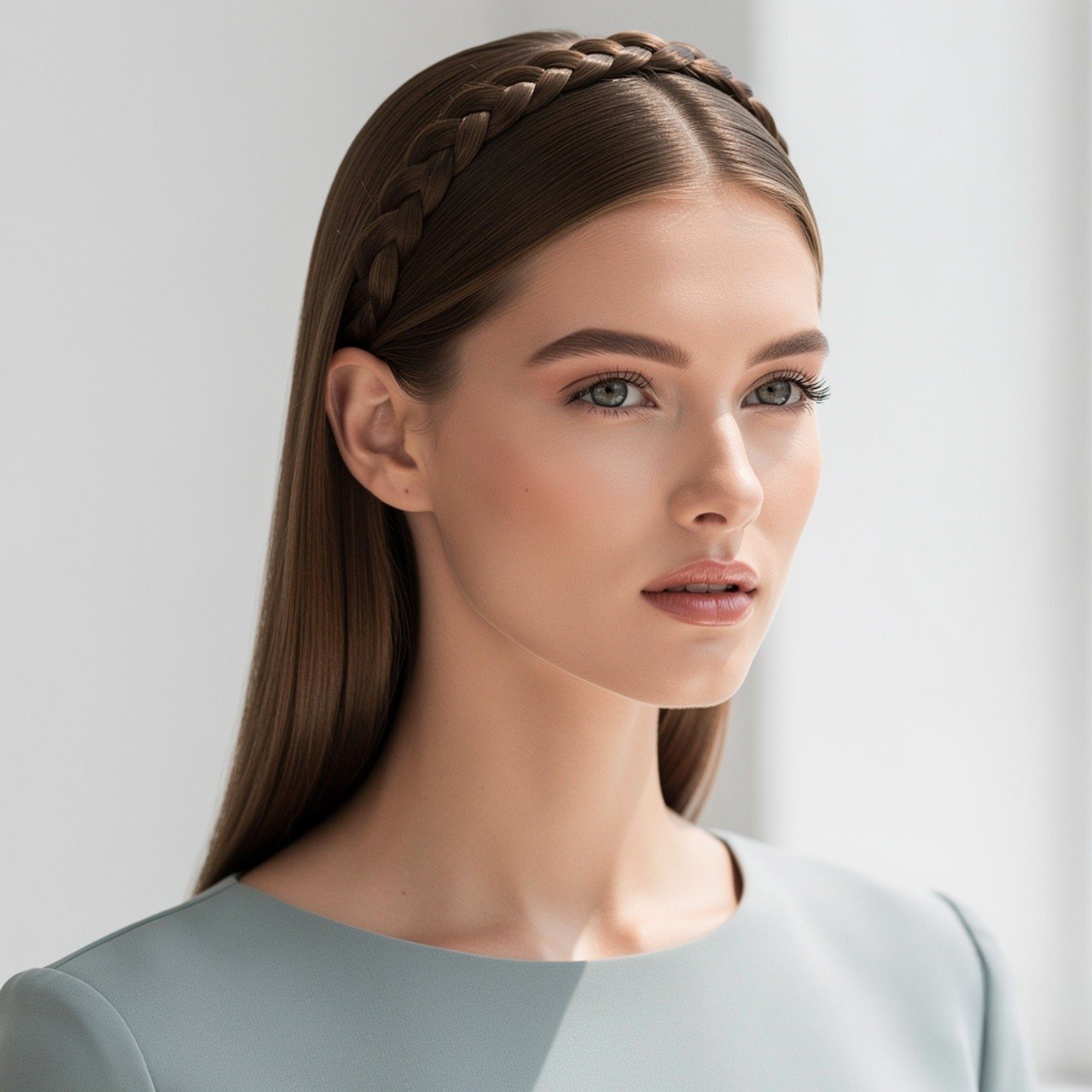
The braided headband is an elegant hairstyle for straight hair that borrows a thin section from one side, braids it loosely across the crown, and pins it behind the opposite ear, mimicking the look of an expensive hair accessory using only the hair itself. This style works beautifully on straight hair because the smooth surrounding strands contrast against the braid’s texture, making even a simple three-strand plait appear detailed and intentional. It suits every face shape and works across all lengths beyond the ear though the style is most impactful on mid-length to long straight hair where the contrast between the braided headband and the flowing length below is most visually dramatic. No special products are required; simply mist the section to be braided with a light-hold spray before plaiting to prevent slipping throughout the day.
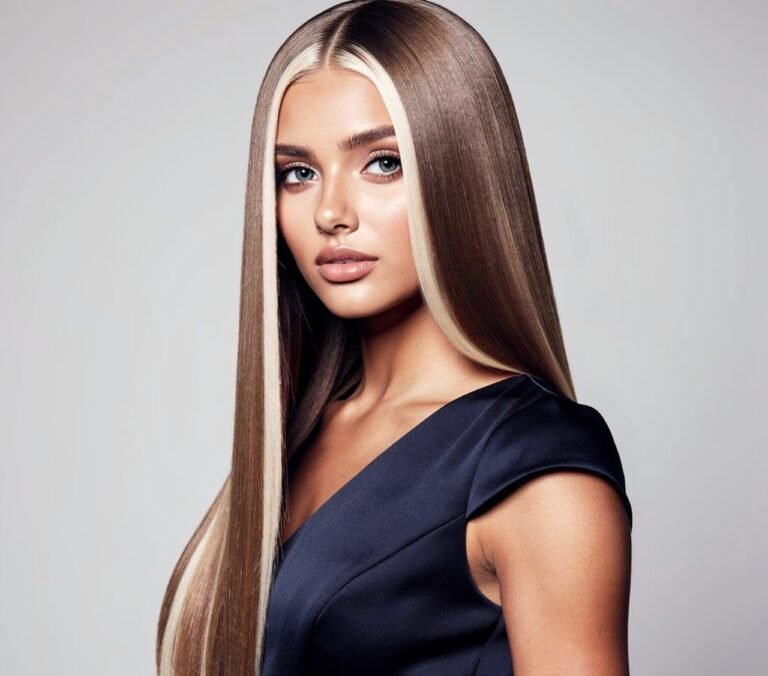
12. Straight Hair with Chunky Money Pieces
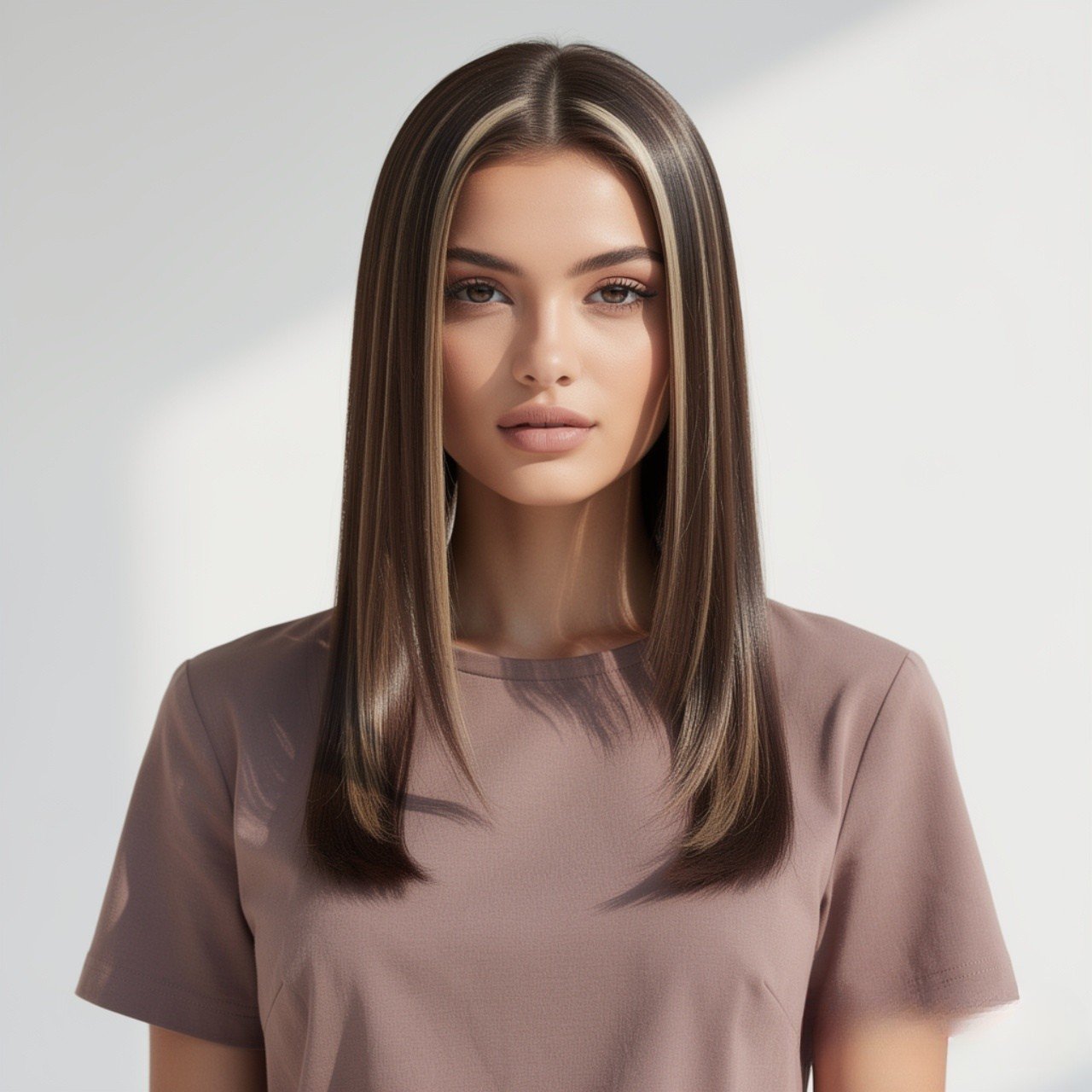
Money pieces are bold, face-framing highlights placed at the very front sections of the hair on both sides of the center part, and when applied to straight hair, they create a striking, high-contrast effect that frames the face like a natural spotlight. Unlike the subtle, seamless quality of babylights or balayage, money pieces are intentionally visible and dimensional typically two to four shades lighter than the base color making them a confident, fashion-forward choice for those who want their color to make a statement. Warm caramel on brunette bases creates a sun-kissed, effortless quality, while platinum or icy blonde on darker bases delivers a high-fashion, editorial result. This coloring technique suits every face shape and straight hair length, and requires only a partial highlight refresh every eight to ten weeks to maintain the contrast.
13. Straight Hair Waterfall Twist
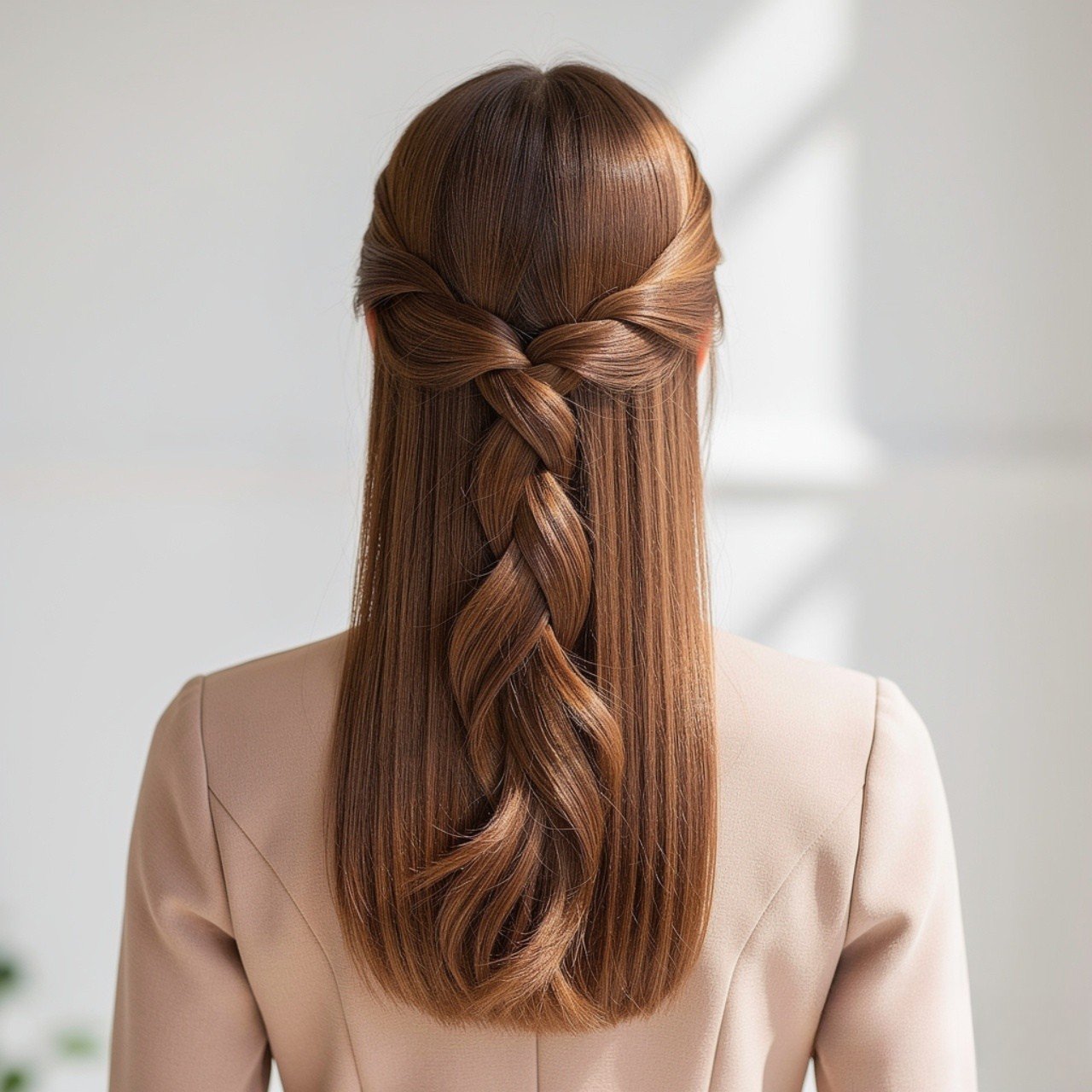
The waterfall twist is a semi-updo hairstyle for straight hair that begins at one temple, incorporates a gentle twist across the crown, and cascades the hair downward in a flowing, romantic descent that reads somewhere between casual and formally elegant. On straight hair, the smooth strands that fall through the twist create a particularly clean, refined version of this style compared to the more bohemian result it achieves on wavy textures. This hairstyle suits oval, heart, and long face shapes most flatteringly because the horizontal movement created by the twist across the crown adds width and softens the overall silhouette. It works best on mid-length to long straight hair and requires only a few bobby pins and light-hold hairspray to stay secure through an entire day or evening event without needing adjustment.
How to Choose the Right Hairstyle for Straight Hair
Selecting the most flattering hairstyle for straight hair requires a practical assessment of three key factors: your hair’s natural density, the shape of your face, and the amount of daily effort you are genuinely willing to invest. Fine straight hair requires cuts that preserve weight and density. Heavy layering strips the bulk needed for the style to hold shape throughout the day. Thick straight hair benefits from internal weight removal and strategic layering that prevents the style from appearing flat or shapeless. Face shape should guide fringe placement, parting choices, and whether you need styles that add width or length. Lifestyle is equally important; a high-maintenance blowout look demands daily heat styling, while a well-cut twisted bun or side braid looks polished with almost no effort at all.
Best Hair Types and Face Shapes for Straight Hairstyles
The most universally adaptable straight hair hairstyles are those that can be customized through small adjustments in parting, fringe, and layer placement to suit different facial proportions. Oval faces are the most flexible and can carry virtually every style from a blunt cut to space buns without modification. Round faces look most elongated in longer straight styles with deep side parts or center parts, avoiding width-adding elements like full fringes or very short blunt bobs. Heart faces balance beautifully with styles that add volume near the jawline, such as a lob with subtle layers or a waterfall twist. Square faces soften significantly with wispy ends, curtain bangs, and styles that avoid sharp geometric hemlines at the chin. Fine hair thrives in one-length or blunt cuts while thick hair benefits from internal layering.
Styling and Maintenance Tips for Straight Hair
Great hairstyles for straight hair begin and end with a disciplined, thoughtful care routine that prioritizes health, moisture, and frizz prevention at every stage. Use a smoothing or hydrating shampoo that deposits moisture into the cuticle rather than stripping it, paired with a conditioner applied generously from mid-length to ends and rinsed thoroughly to prevent residue buildup. Before reaching for any heat tool, work a quality thermal protectant evenly through damp sections skipping this step leads to the cumulative damage and dullness that no amount of shine spray can fully correct. Section the hair before flat ironing, working in half-inch to one-inch portions for the most uniform, long-lasting smoothness. Bi-weekly deep conditioning treatments maintain the elasticity and shine that make hairstyles for straight hair look genuinely healthy rather than merely styled.
How to Ask Your Hairstylist for This Look
The difference between leaving the salon thrilled and leaving disappointed almost always comes down to how specifically and honestly you communicated your vision before the scissors came out. Begin by preparing a folder of four or five reference images on your phone that capture your chosen style from multiple angles. Even images that show what you do not want are genuinely useful for narrowing down the conversation. Share your full hair history openly, including any chemical treatments, box color, heat damage, or previous cuts that did not work, so your stylist can adjust their approach accordingly. Replace vague language with precise descriptions: “a blunt bob sitting one inch below my jaw” communicates far more clearly than “something shorter and chic.” Ask your stylist to demonstrate the key styling steps before you leave so you can recreate the look at home with confidence using the right products and technique.
Frequently Asked Questions
Q1: What hairstyles suit straight hair the most naturally?
Straight hair naturally lends itself to sleek blowouts, blunt cuts, polished updos, and any style that benefits from a smooth, frizz-free texture as its foundation. Styles like the sleek French tuck, twisted low bun, and center-parted lob all exploit the inherent qualities of straight hair to achieve their most refined version. Wavy or textured hairstyles, by contrast, require additional product and effort to replicate on naturally straight textures.
Q2: How do I add volume to flat straight hair without curling it?
Volumizing mousse or spray applied at the roots before blow-drying with a round brush is the most effective approach for adding lift to flat straight hair. Dry shampoo at the roots on freshly washed hair also provides grip and elevation without adding curl or texture. A subtle invisible layer cut from your stylist removes internal weight and allows the hair to move with more body naturally throughout the day.
Q3: Are bangs a good idea for straight hair?
Bangs and straight hair are a genuinely excellent combination because the smooth texture allows fringe to lie flat, stay in place, and maintain its shape between styling sessions far more reliably than wavy or curly hair. From blunt fringes to curtain bangs, bottleneck bangs, and textured fringe, the variety of options ensures that virtually every face shape has a flattering bang style available within the straight hair category.
Q4: What color techniques look best on straight hair?
Money pieces, babylights, ombre, and face-framing balayage all perform exceptionally well on straight hair because the smooth texture allows each color zone to display with full clarity and luminosity. Chunky highlights or very visible foil sections also read cleanly on straight textures. Avoid extremely subtle or diffused color techniques on fine straight hair, as they may not be visible enough to justify the investment and maintenance they require.
Q5: How can I make my straight hairstyle last longer between washes?
Apply an anti-humidity spray as your final styling step each morning to lock the style against moisture-related frizz. Sleep on a silk or satin pillowcase to minimize friction that disrupts smoothness overnight. Use a boar bristle brush to distribute natural oils from the scalp through the mid-lengths, which reduces the dull, flat appearance that straight hair can develop on the second or third day after washing.
Conclusion
Hairstyles for straight hair span a far broader and more creative spectrum than most people initially realize, ranging from the clean architectural simplicity of a blunt bob to the romantic intricacy of a waterfall twist or braided headband. With the right cut, color technique, and daily care routine working together, straight hair becomes one of the most expressive and consistently beautiful textures to style. The key is moving beyond inspiration images and investing in genuine understanding of what each style requires and what it can do for your specific features. Use this guide as your foundation, communicate clearly with your stylist, and approach your next salon visit as the confident, informed client you now are.