Trending Slick Back Hairstyles Natural Hair: 13 Gorgeous Looks to Inspire Your Next Salon Visit
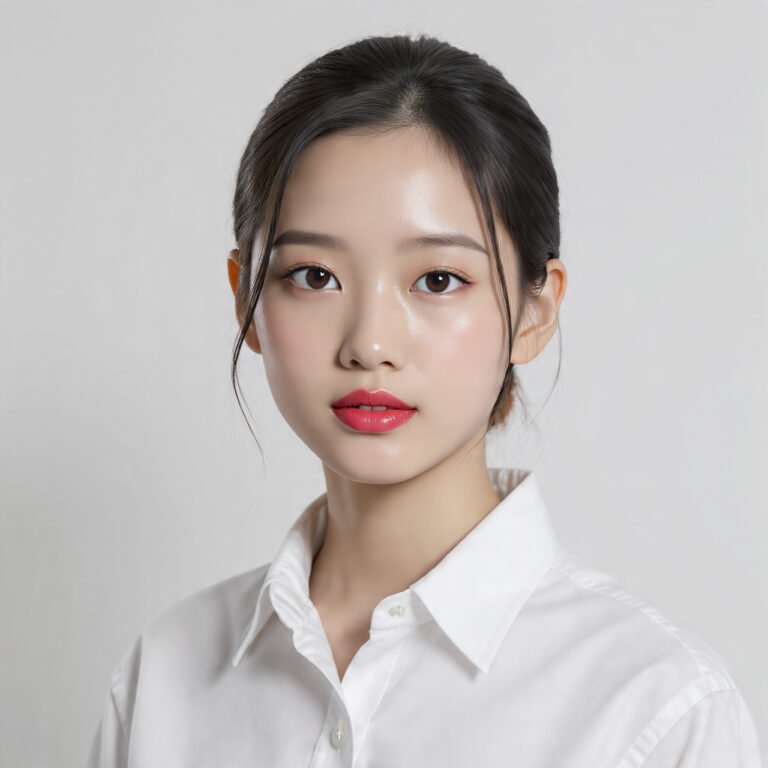
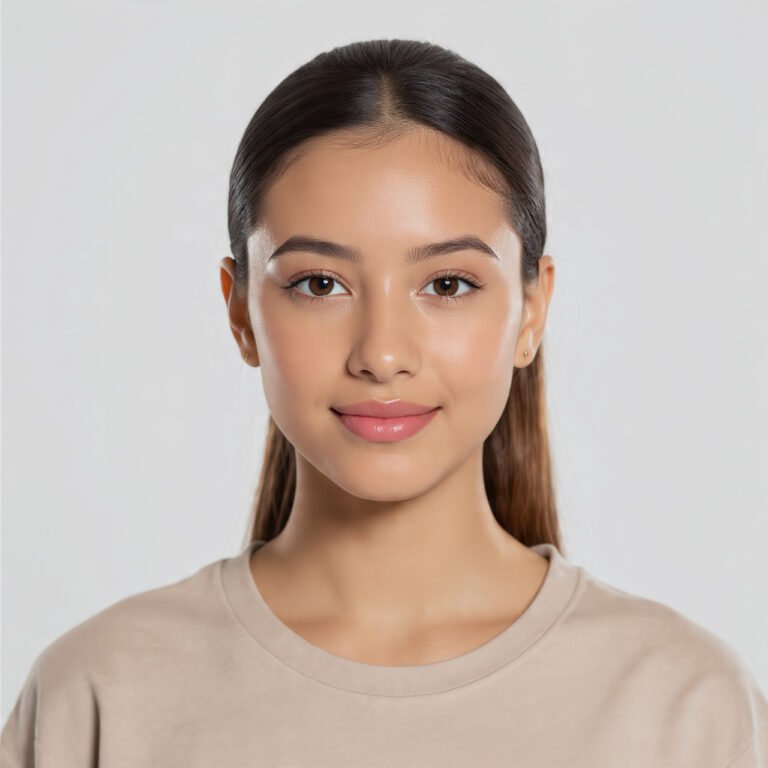
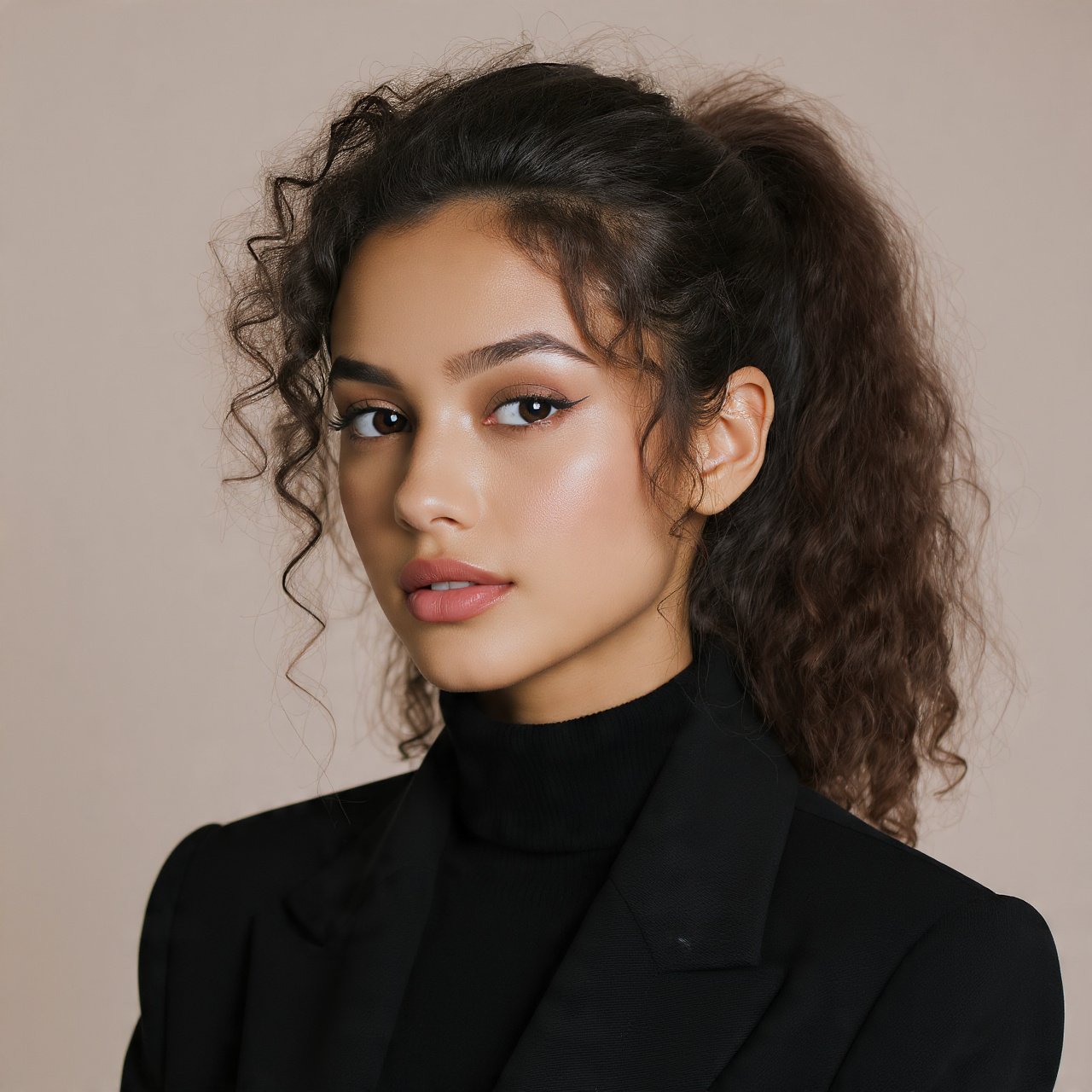
If your Pinterest board is overflowing with beautifully polished natural hairstyles and you find yourself gravitating toward anything sleek, smooth, and effortlessly put-together, the slick-back movement for natural hair was made precisely for you. This aesthetic has quietly dominated natural hair communities for several years now, and its staying power speaks volumes about how universally flattering and practical it truly is. Unlike protective styles that require hours at the salon or heat-dependent looks that risk long-term damage to your coils, slick-back hairstyles for natural hair celebrate texture while adding a layer of refinement that works in any room boardrooms, ballrooms, and everything in between. The beauty of this style category lies in its remarkable range: a slicked-back look on 4C coils communicates entirely different energy than one worn on 2C waves, yet both are breathtakingly valid and genuinely stunning.
13 Slick Back Hairstyles for Natural Hair
Whether you are visiting your stylist for the first time in months or simply refreshing your wash-day routine with new inspiration, these 13 detailed natural hair slick-back ideas will give you everything you need to walk in confident and leave transformed.
1. The Sleek Natural Puff Hairstyle
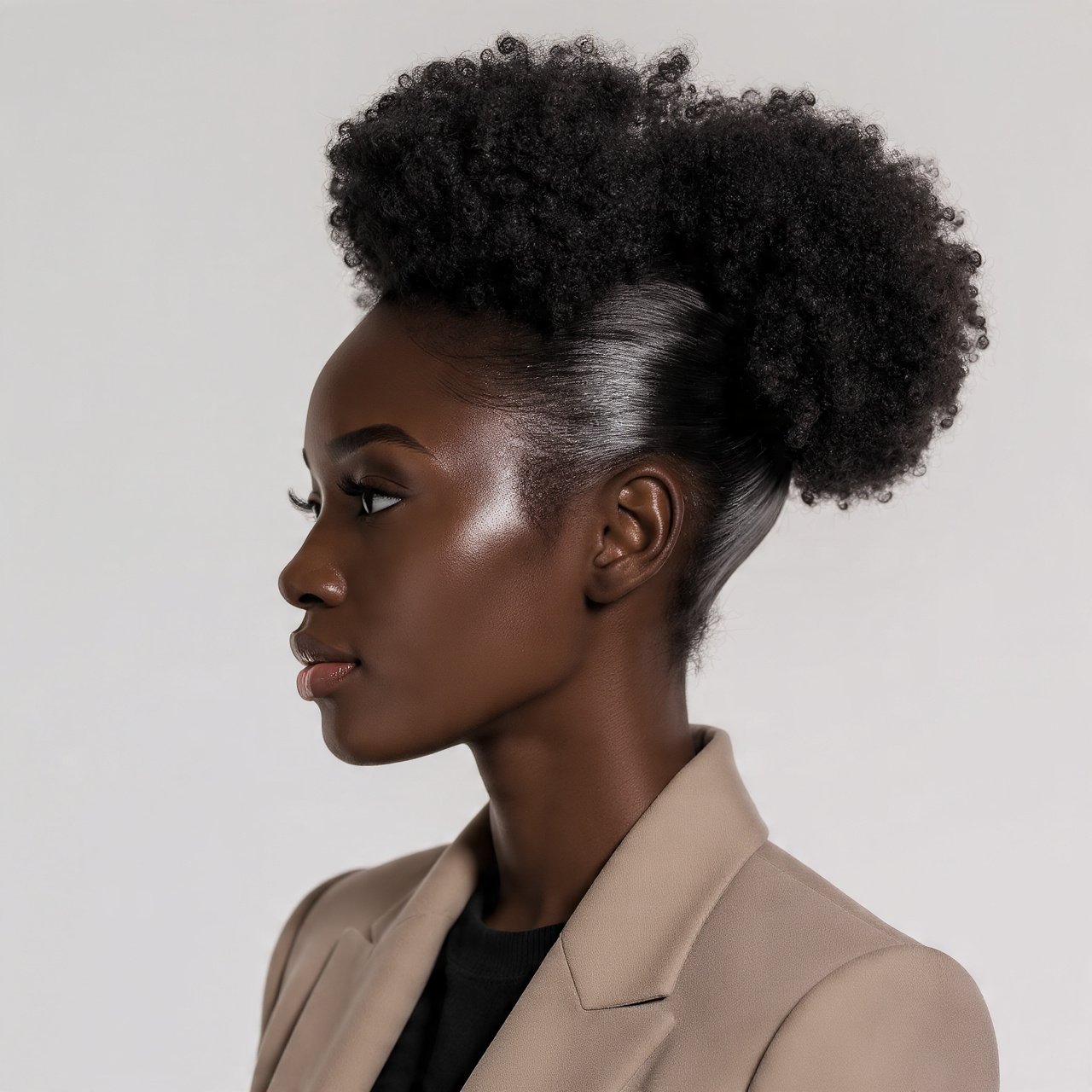
The sleek natural puff is arguably the most iconic and universally beloved entry point into slick-back styling for natural hair, earning its legendary status through sheer versatility and crowd-pleasing visual impact. The technique involves smoothing the perimeter edges, temples, and nape completely flat against the scalp using a firm-hold edge control or gel, while the remaining hair at the crown is allowed to expand freely into a full, rounded puff of natural texture. This look is especially powerful on 3C to 4C curl and coil types, where the density and volume of the gathered section creates a beautiful, proportionate sphere above a polished frame. It flatters heart, oval, and round face shapes brilliantly, with the height of the puff functioning as a natural equalizer that elongates the face in the most flattering direction. Secure the puff with a soft hair tie to avoid denting the coils, and wrap the hairline in a satin scarf for at least fifteen minutes after applying edge control to set the smoothest possible finish.
2. Slicked-Back TWA (Teeny Weeny Afro) Hairstyle
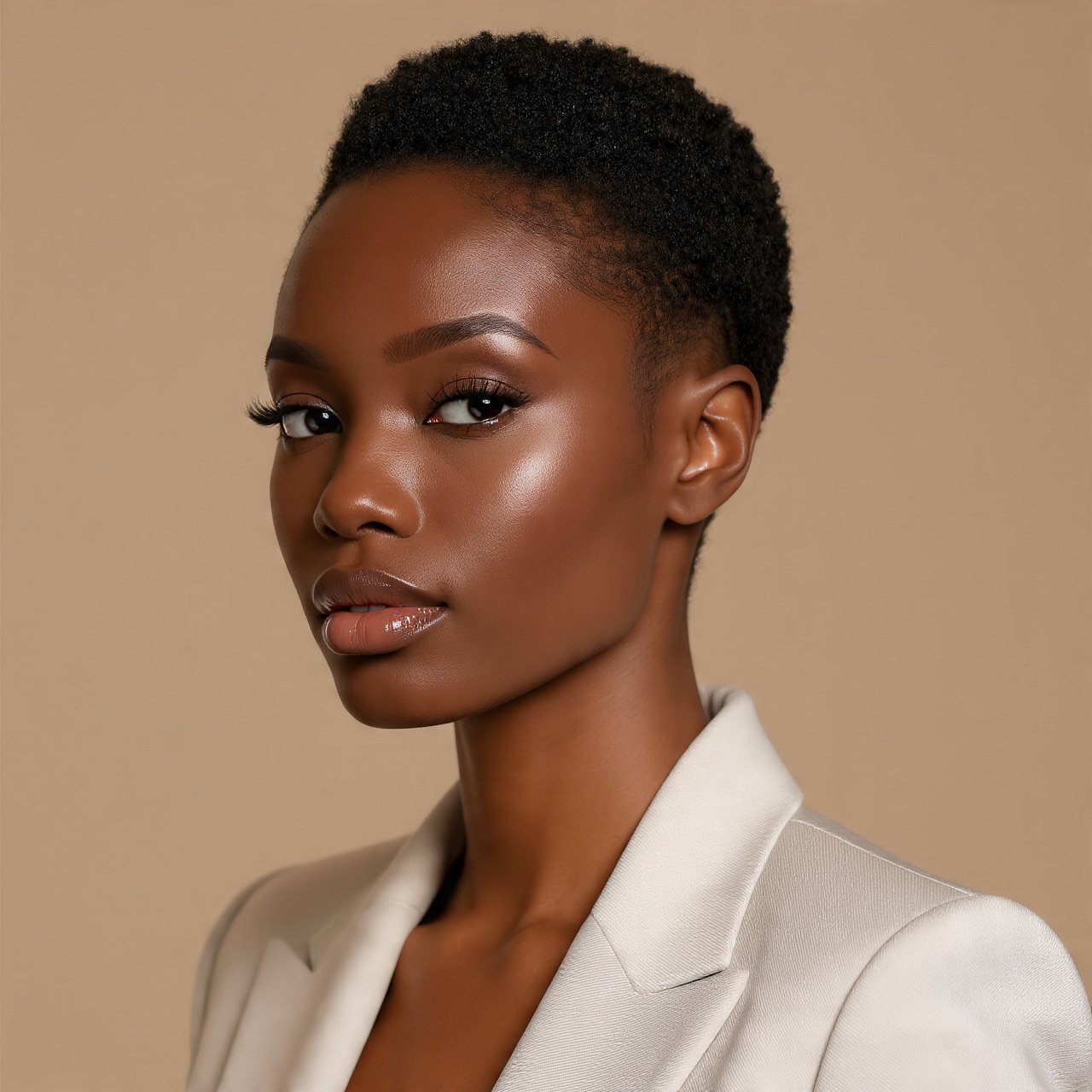
The teeny weeny afro affectionately known as the TWA gets an undeniable style upgrade when combined with slick-back technique, proving once and for all that short natural hair is never a limitation but rather a powerful canvas for bold expression. With a TWA, the sides and back are smoothed close to the scalp using a lightweight gel or curl cream, while the coils on top are defined and shaped into a neat, compact silhouette that sits clean and intentional. This approach works best on 4A to 4C coil patterns, where the natural density of the hair creates a satisfying visual fullness even at very short lengths, and it is especially flattering on oval, round, and diamond face shapes that benefit from close-cropped definition. It is the ultimate low-manipulation, high-style choice for women who recently did a big chop and want their natural hair journey to begin with confidence rather than compromise. Refresh the style daily with a fingertip dab of curl cream and a gentle pat to reshape without disrupting the coil pattern.
3. Slick-Back Natural Hair With Baby Hairs Hairstyle
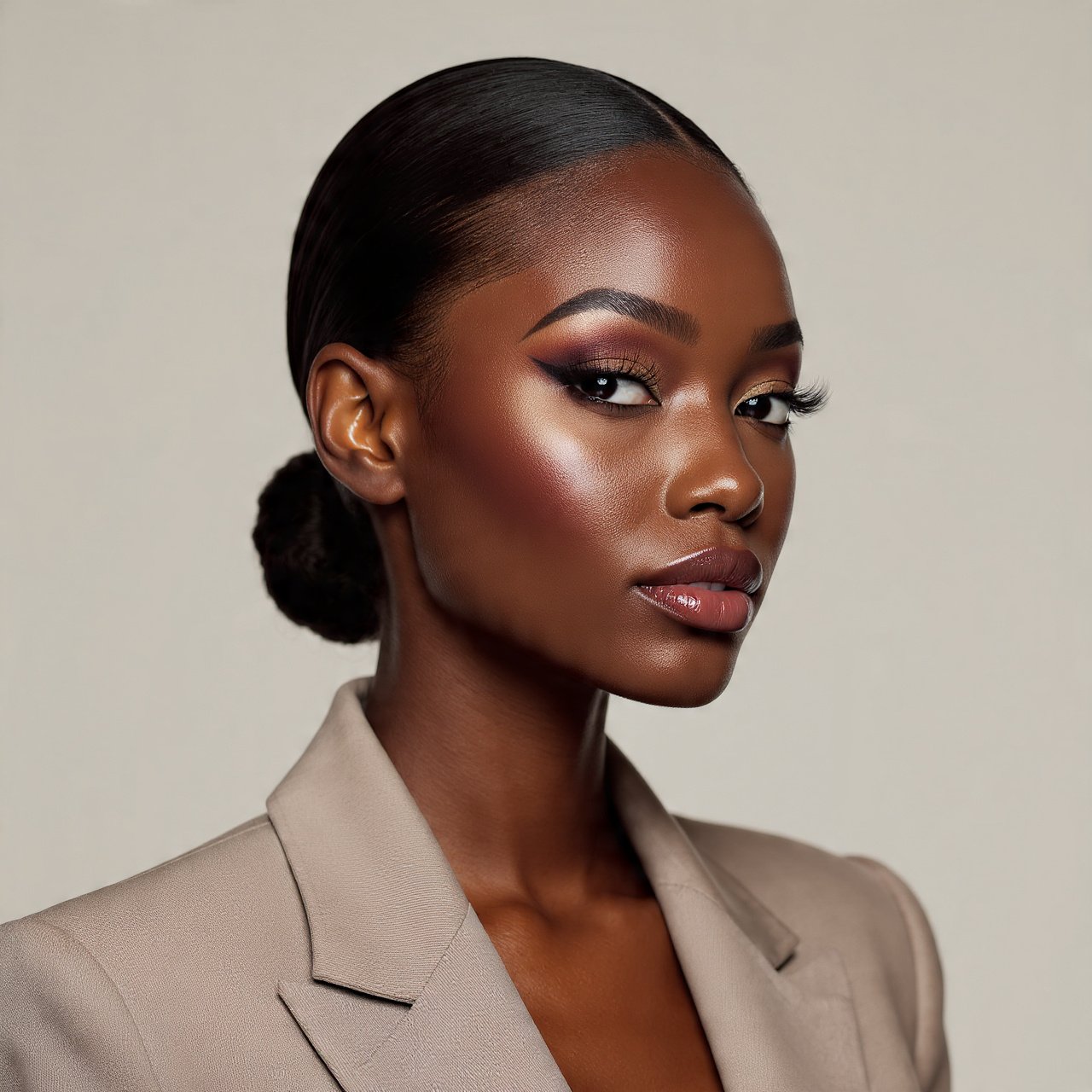
Few details in the natural hair world carry as much cultural resonance and pure visual power as perfectly laid baby hairs framing a slicked-back style, and this look has transcended trend status to become a genuine art form celebrated across generations and communities. The primary hair is smoothed backward whether into a puff, bun, or free-hanging coils while the fine, delicate hairs at the hairline are brushed into intricate swirls, waves, or elegant curved designs using a soft-bristle toothbrush or dedicated edge brush loaded with a small amount of gel. This technique works on virtually every natural hair type, though it is most dramatic and detailed on 4A to 4C textures where baby hairs tend to be finer, longer, and more cooperative with creative shaping. It suits all face shapes but is especially striking on round and heart faces where the decorative hairline draws attention to the face’s most expressive features. Allow the baby hair design to fully dry before touching it to preserve the crisp definition of each intentional curl and swirl.
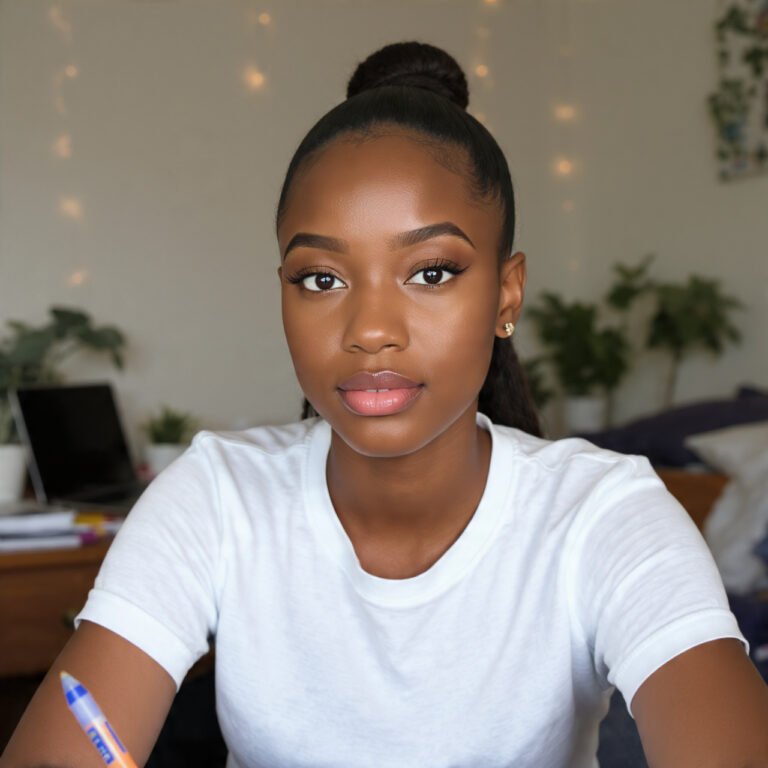
4. Slicked-Back Natural Hair Bun Hairstyle
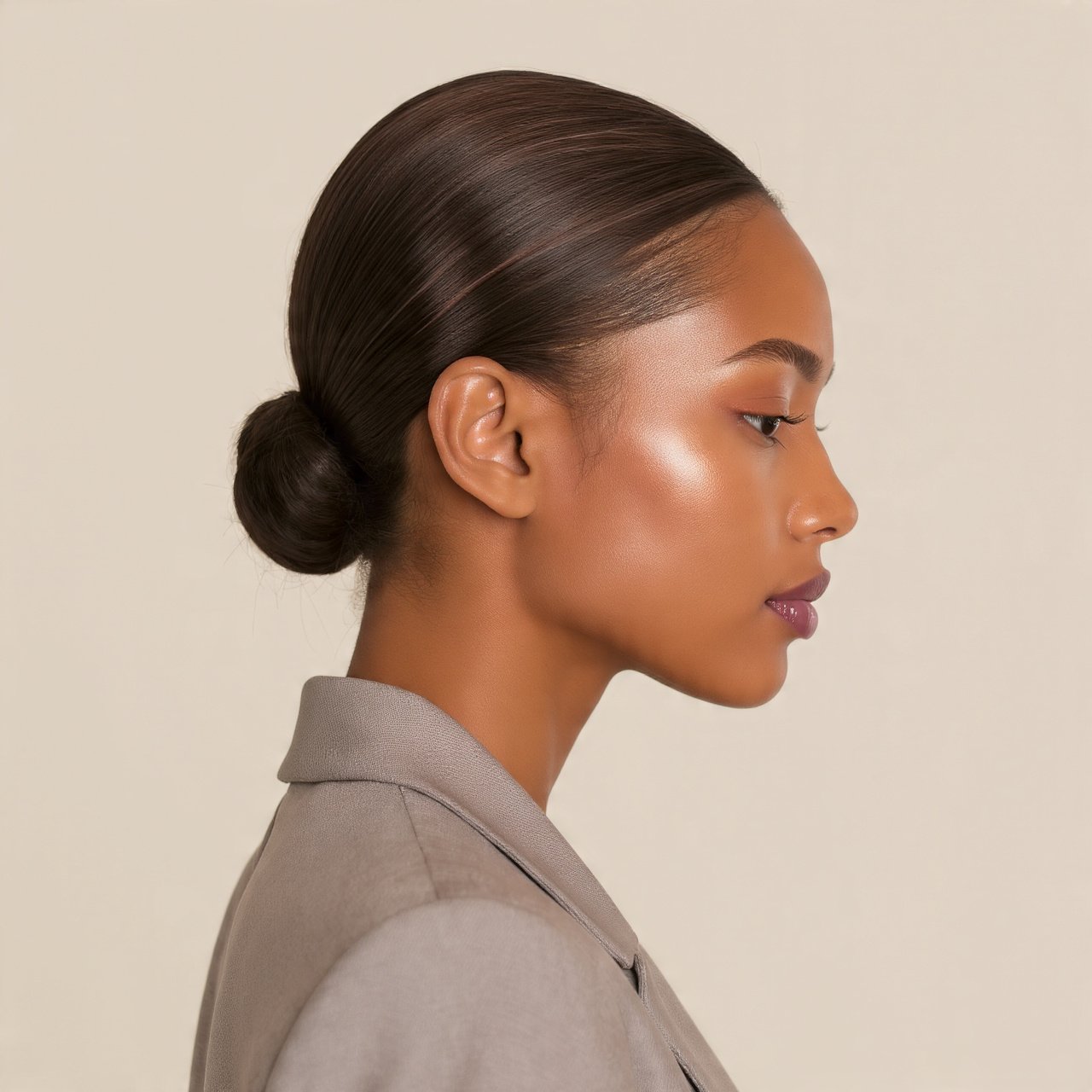
The slicked-back natural hair bun is a masterclass in understated elegance a style that communicates effortless refinement without requiring hours of preparation or salon-level technical skill to execute beautifully at home. Starting from a freshly moisturized wash day or a refreshed second-day natural, the entire head of hair is smoothed backward from every angle hairline, temples, sides, and nape before being gathered and twisted or coiled into a rounded bun secured at the desired position on the head. High buns create drama and elongation that suits oval and oblong face shapes, while mid-level and low buns feel more romantic and balanced on heart and round faces. This style accommodates 3A through 4C natural hair textures and is particularly beloved by working professionals and students who want a reliable, polished look that survives an entire workday without needing mid-afternoon touch-ups. A satin scrunchie or a carefully wrapped section of the hair itself can replace a conventional elastic to protect the edges from tension-related damage over repeated wearings.
5. Slick-Back Natural Hair With Defined Coils on Top Hairstyle
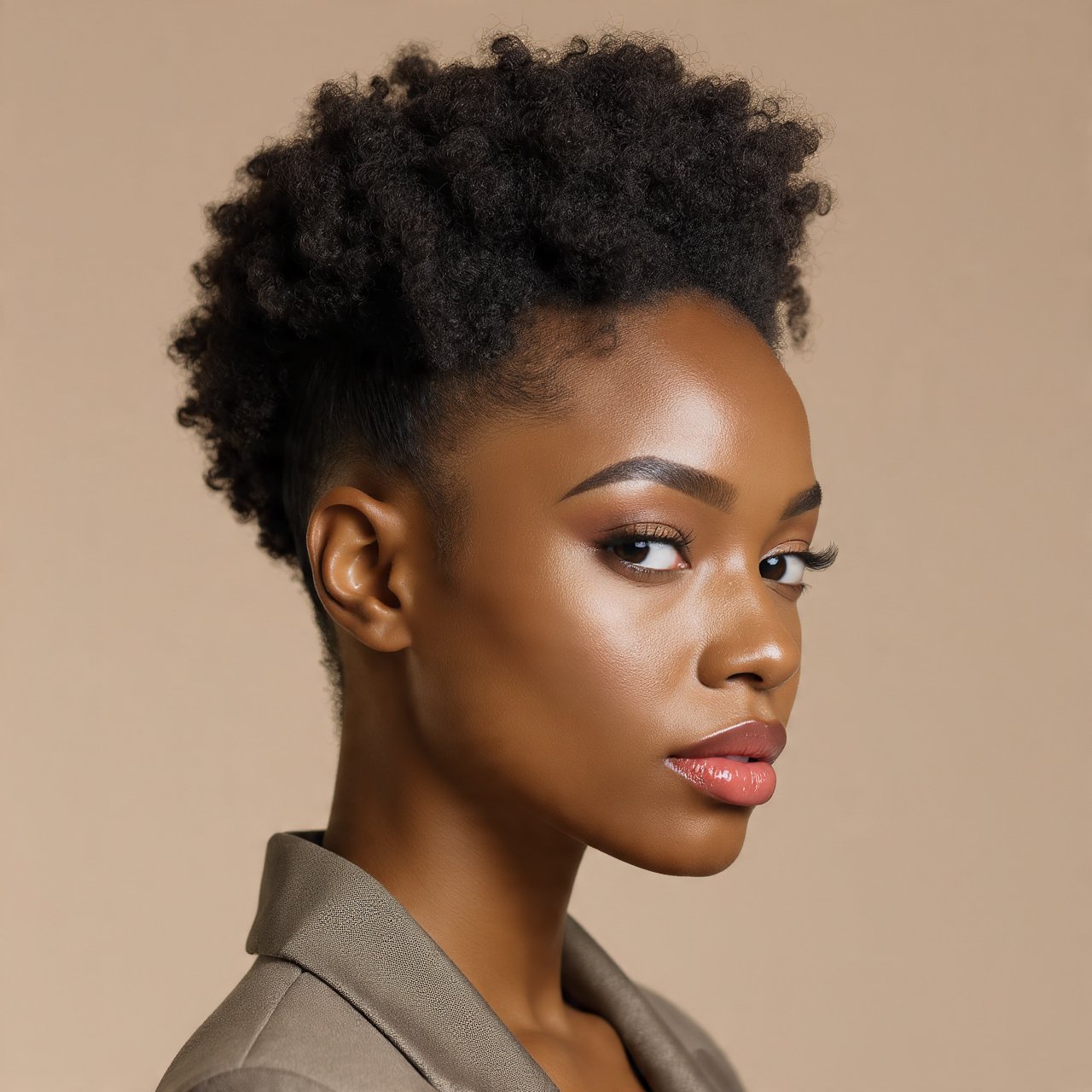
This sophisticated variation keeps the foundation of the slick-back smooth, controlled edges and sides while allowing the coils at the crown to be deliberately defined, stretched, or elongated for a dramatic visual contrast that photographs beautifully from every angle. Rather than leaving the top section in a free, unpatterned puff, this approach applies a curl-defining gel or styling butter to individual sections, encouraging each coil to form a clean, separated spiral or ringlet that sits with intentional structure. It works magnificently on 3B to 4B natural hair types where the curl pattern is visible enough to reward the extra definition effort, and it suits oval, diamond, and heart-shaped faces particularly well due to the way defined volume at the crown creates upward visual flow. This is a wonderful style choice for special events engagement shoots, birthday celebrations, or graduation ceremonies where you want natural hair to feel genuinely dressed up without artificial extensions or heat manipulation. Use the shingling or finger-coiling technique section by section on wet hair for the crispest, most camera-ready coil definition
To look at more ideas about slick back hairstyles for curly hair click here.
6. Slicked-Back Space Buns on Natural Hair Hairstyle
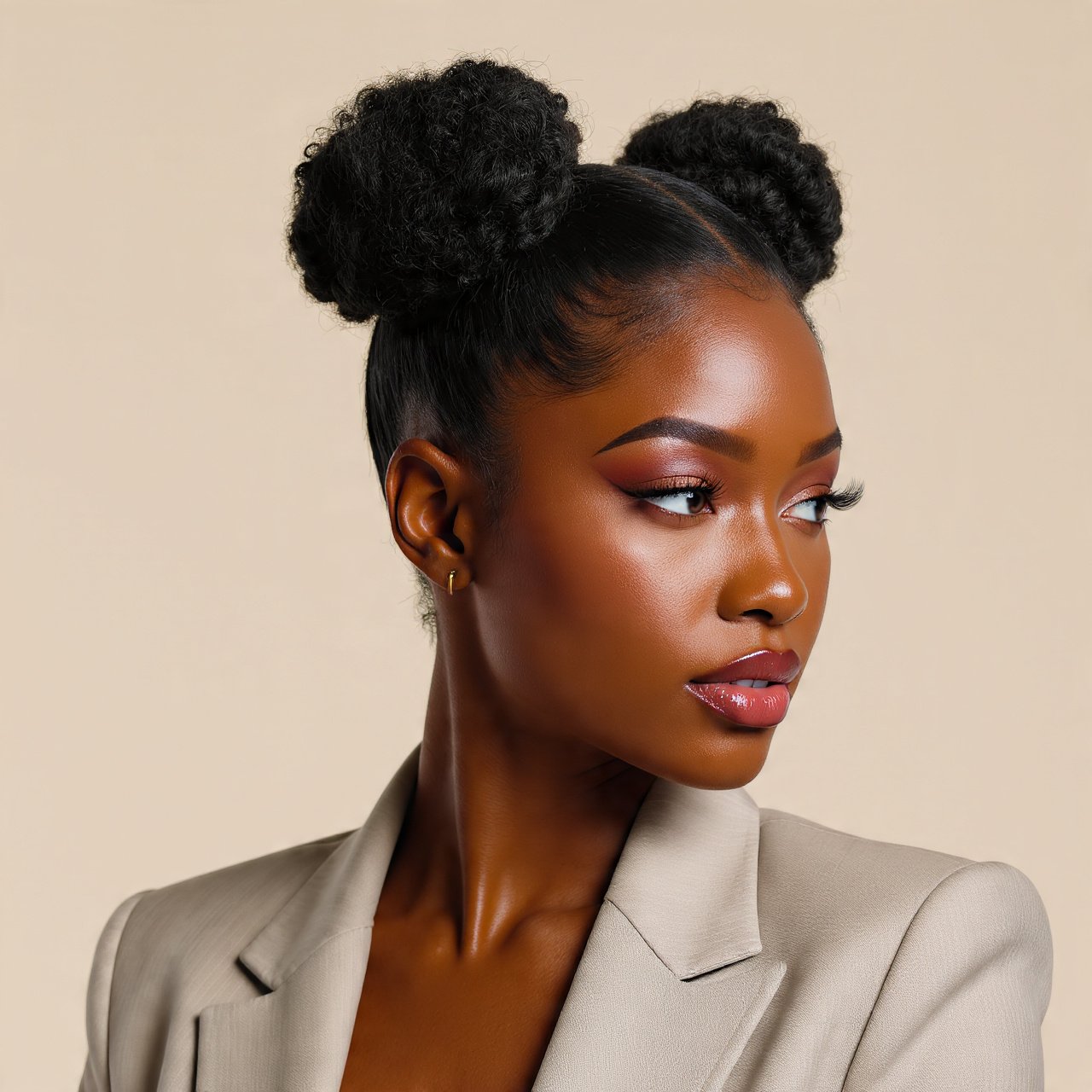
Space buns on natural hair are joyful, youthful, and boldly expressive and when the foundation is a slicked-back technique, the overall look gains a polished, intentional quality that elevates the playful aesthetic into something genuinely head-turning and editorial. The hair is smoothed flat from the hairline to the crown, then divided into two even sections and twisted or gathered into round, puffed buns positioned symmetrically on either side of the head typically above the ears for maximum visual impact. This style works beautifully on 3C to 4C natural hair types and is particularly flattering on round and oval face shapes where the bilateral volume creates charming width without overwhelming the facial structure. It is a festival-ready, brunch-perfect, and social-media-beloved look that translates effortlessly from a casual weekend outing to a themed event or creative workplace. Embellish the bun sections with gold cuffs, colorful wire wraps, or pearl pins for an accessorized finish that takes the entire style to another dimension of visual richness.
7. Slick-Back Natural Hair With Highlights Hairstyle
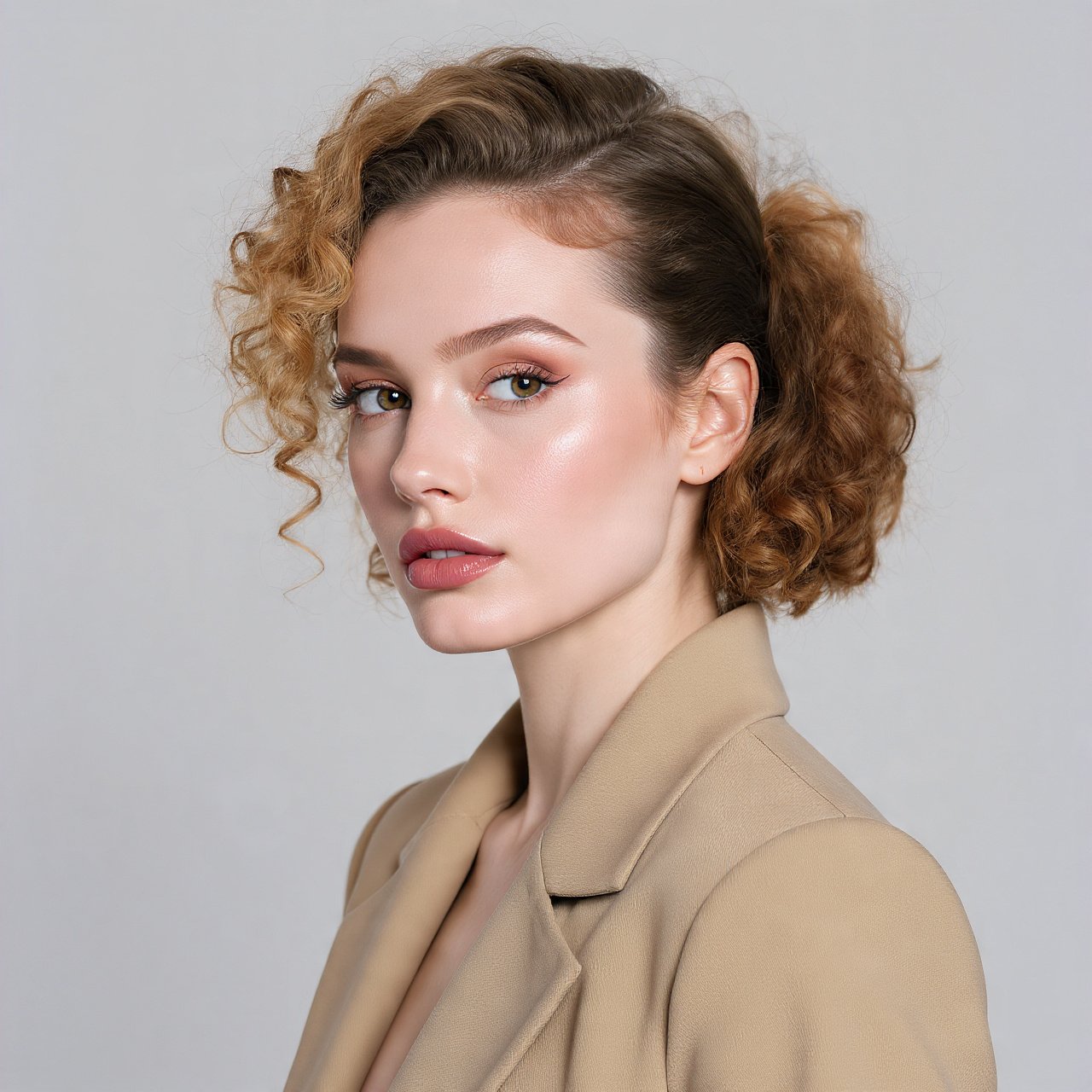
Color additions particularly warm highlights, face-framing brightening, or bold fantasy tones completely reimagine the visual personality of a slicked-back natural hair style and reward the investment with multi-dimensional results that shift beautifully in different lighting environments. Caramel, honey, copper, and auburn highlights introduce warmth and dimension into deeper natural hair bases, making defined coils appear even more complex and jewel-like when smoothed back and styled in the sunlight. This color-meets-technique combination is especially effective on 3C to 4B coil patterns where the curl structure creates natural shadowing and highlighting between each spiral, amplifying the depth of the color application without additional effort. Medium to dark skin tones glow particularly beautifully with warm highlight tones placed around the face and crown, while cooler platinum and ash tones work best on lighter complexions. Always follow a color treatment with a deeply moisturizing bond-repair conditioning session to prevent color-related porosity damage that can compromise coil definition over time.
8. Slicked-Back Natural Updo With Flat Twists Hairstyle
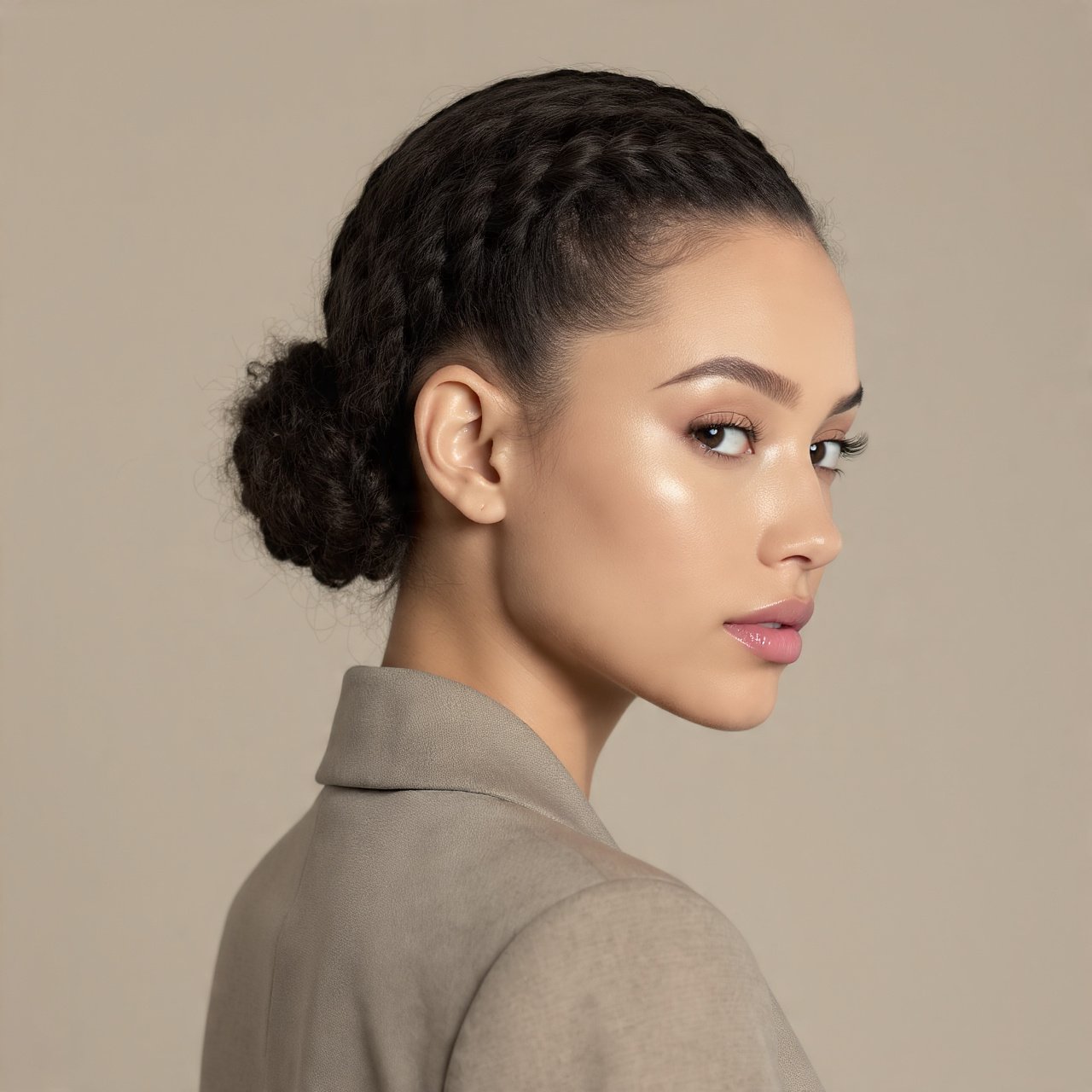
Incorporating flat twists into a slicked-back natural updo creates a textured, multidimensional style that bridges protective styling and everyday natural wear with seamless, artful sophistication. In this approach, sections of the hair near the hairline, temples, or throughout the front are flat-twisted toward the crown, creating geometric lines of twisted texture that feed organically into a gathered updo whether a bun, puff, or folded style at the back or top of the head. The flat-twisted sections replace the purely smooth perimeter of a standard slick-back, adding visual complexity and cultural depth while still maintaining the polished, pulled-back silhouette that defines this style category. It works best on 4A to 4C natural hair types where the coil pattern grips the twisting technique reliably and holds the style structure without slipping throughout the day. This is an excellent transitional style beautiful enough for weddings and formal gatherings, laid-back enough for farmers markets and creative workspaces making it one of the most genuinely wearable options on this entire list.
9. Slick-Back Natural Hair With Braided Edges Hairstyle
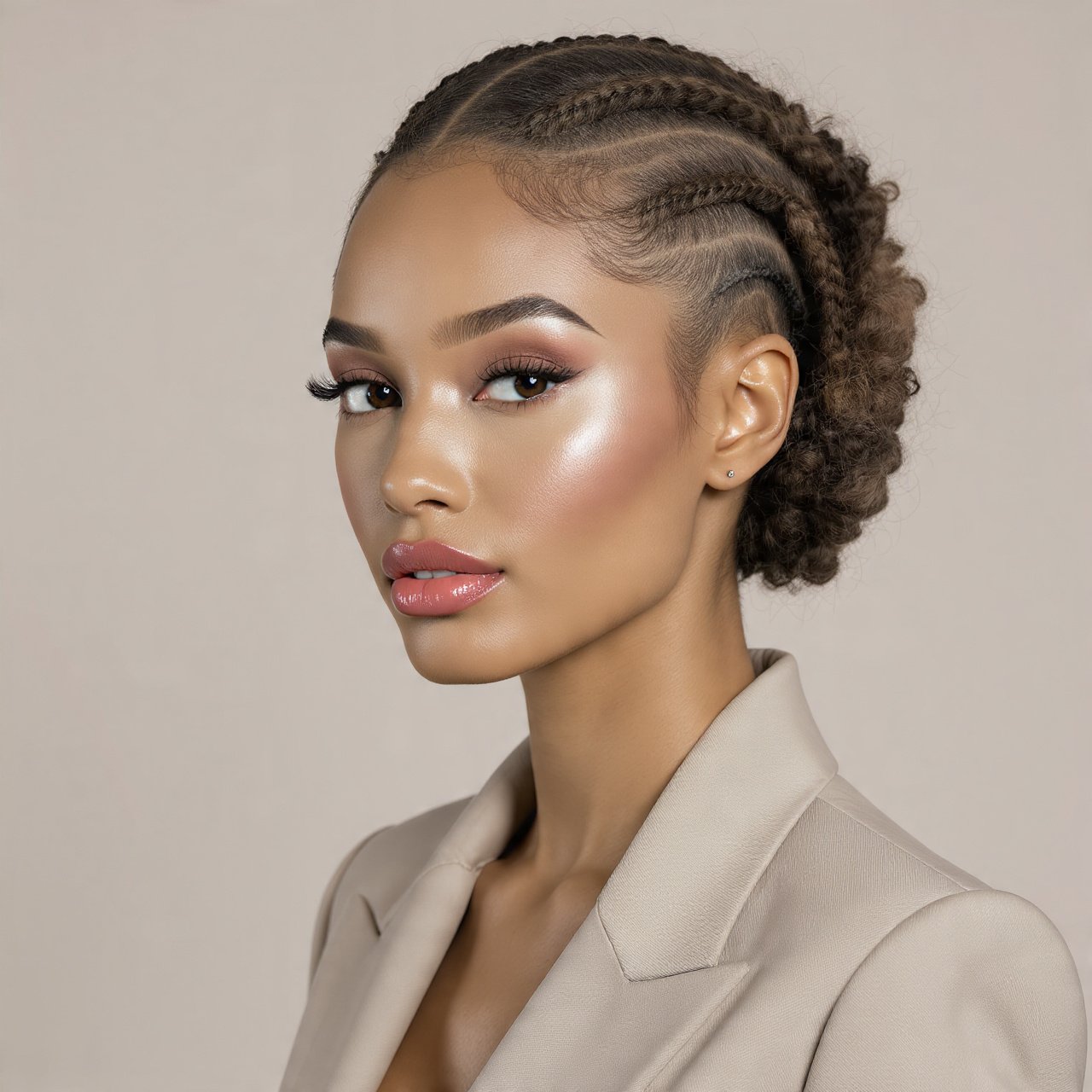
Braided edges combined with slicked-back natural hair represent one of the most visually striking intersections of precision and organic texture available in the natural hair styling repertoire, and the results consistently stop scrolling thumbs on social media platforms. Tiny cornrows or micro-braids are laid along the hairline sometimes just one row, sometimes two or three while the rest of the hair is gathered backward into a puff, bun, or free-hanging coil section at the crown or nape. The contrast between the structured, geometric braid lines at the perimeter and the free, voluminous natural texture above creates a compelling visual tension that reads simultaneously as polished and expressive. This style suits 4A to 4C natural hair types most effectively and flatters oval, heart, and oblong face shapes where the braided frame draws attention to the face’s upper features in the most complimentary way. Seal the braided edges with a nourishing lightweight oil like jojoba or sweet almond to maintain moisture and reduce the risk of frizz along the laid sections between touch-up sessions.
10. Sleek Natural Hair High Ponytail Hairstyle
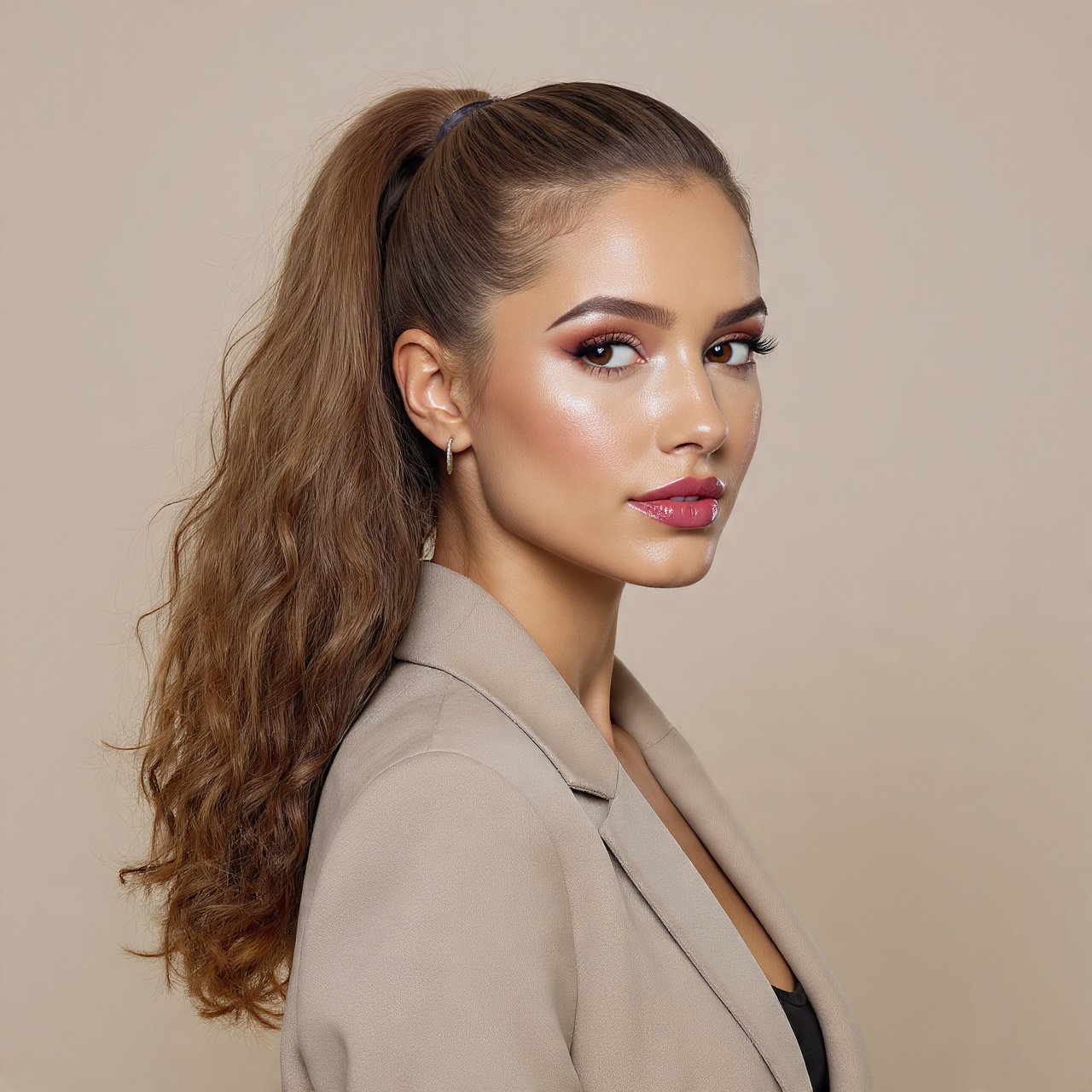
The high ponytail has been a timeless style across decades and hair types, but on natural hair with a slicked-back foundation, it becomes something altogether more powerful, more deliberate, and more breathtakingly beautiful than its conventional counterpart. Every strand from the hairline to the crown is smoothed backward with firm-hold gel and an edge brush until the scalp shines and not a single flyaway remains, and then the gathered hair is secured at the absolute highest point of the head, allowing the natural coils to cascade downward in their full, unmanipulated glory. This style dramatically elongates the neck and jawline, making it particularly flattering on round and square face shapes where vertical emphasis creates a slimming, elegant proportional effect. It performs best on 3B to 4C natural hair types with enough length and density to create a satisfying cascade at the ponytail section, and it remains one of the few natural styles equally appropriate for a ballet class, a corporate presentation, and a red-carpet event. Wrap a small section of natural hair around the base of the ponytail to conceal the hair tie and add a seamless, polished finishing detail that instantly elevates the entire look.
11. Slick-Back Natural Hair Faux Hawk Hairstyle
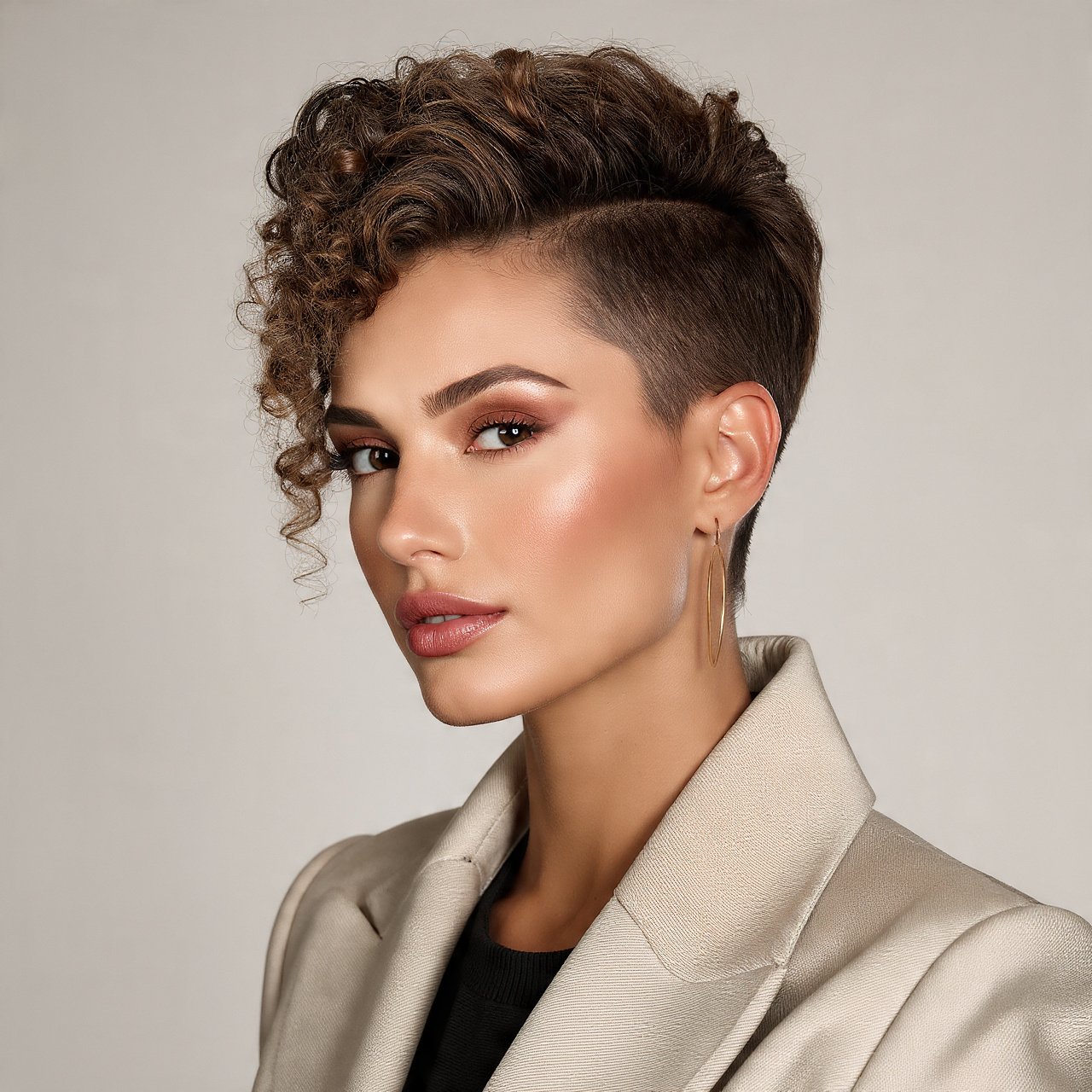
The faux hawk on natural hair is an unapologetically bold style statement that channels edge, confidence, and creative rebellion into a silhouette that remains fundamentally wearable for everyday life a rare and valuable combination in any hairstyle. The sides of the natural hair are smoothed completely flat against the head using a strong-hold gel and a fine-tooth comb, while the center section running from the forehead to the nape is left natural, volumized, or sculpted upward to create the signature raised mohawk-inspired strip. This look works powerfully on 3A to 4C natural hair types and is most flattering on diamond, oblong, and oval face shapes where the central vertical volume adds dramatic height without widening the face at its broadest points. The faux hawk communicates creative confidence in artistic professional environments, music venues, outdoor festivals, and fashion-forward social circles where conventional styling feels like an underwhelming choice. Enhance the central section with a diffuser to maximize volume and curl definition while the slicked sides are set firmly in position with a light mist of holding spray.
12. Slicked-Back Natural Hair With a Scarf or Headwrap Hairstyle
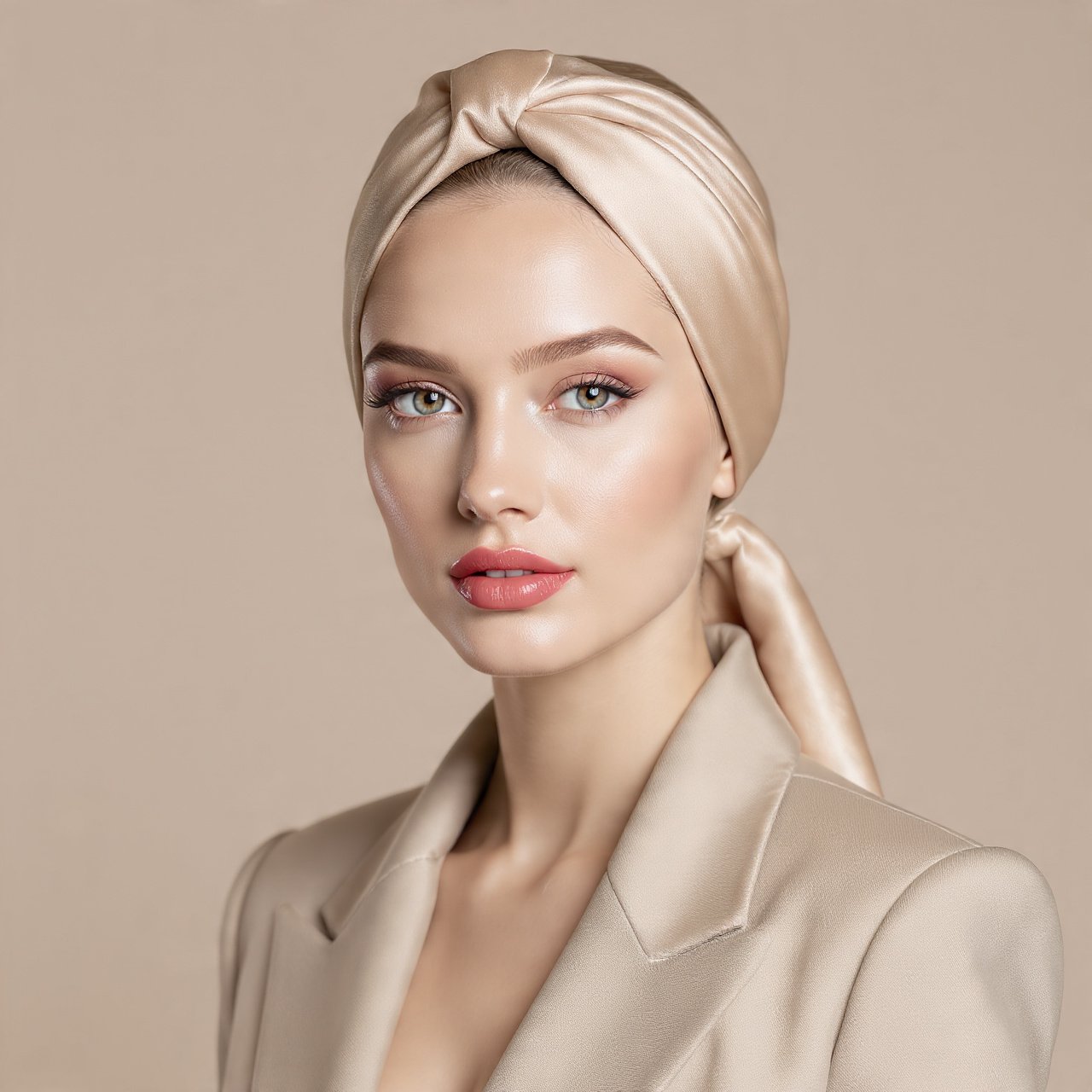
Incorporating a colorful scarf or printed headwrap into a slicked-back natural hair style produces a look that is both culturally expressive and effortlessly chic a combination that has resonated deeply within natural hair communities and increasingly across mainstream fashion audiences worldwide. The foundation begins with the standard slick-back technique edges smoothed, sides controlled, hair gathered before a scarf or wrap is tied, knotted, twisted, or draped over the gathered section in a way that becomes a decorative architectural element in its own right. African wax prints, solid-color silk scarves, and embroidered headbands all interact differently with natural coils peaking through or around the wrap, creating a customizable aesthetic that can shift from Afrocentric to minimalist to maximalist depending entirely on the fabric and knot placement chosen. This accessory-forward variation suits every curl type and virtually every face shape, making it one of the most inclusive and adaptable entries on this list. Choose fabrics with silk or satin lining, or wrap a satin layer beneath printed cotton scarves, to protect the natural hair from friction-related dryness and breakage during extended wear.
13. Slick-Back Natural Hair With Elongated Coils Hairstyle
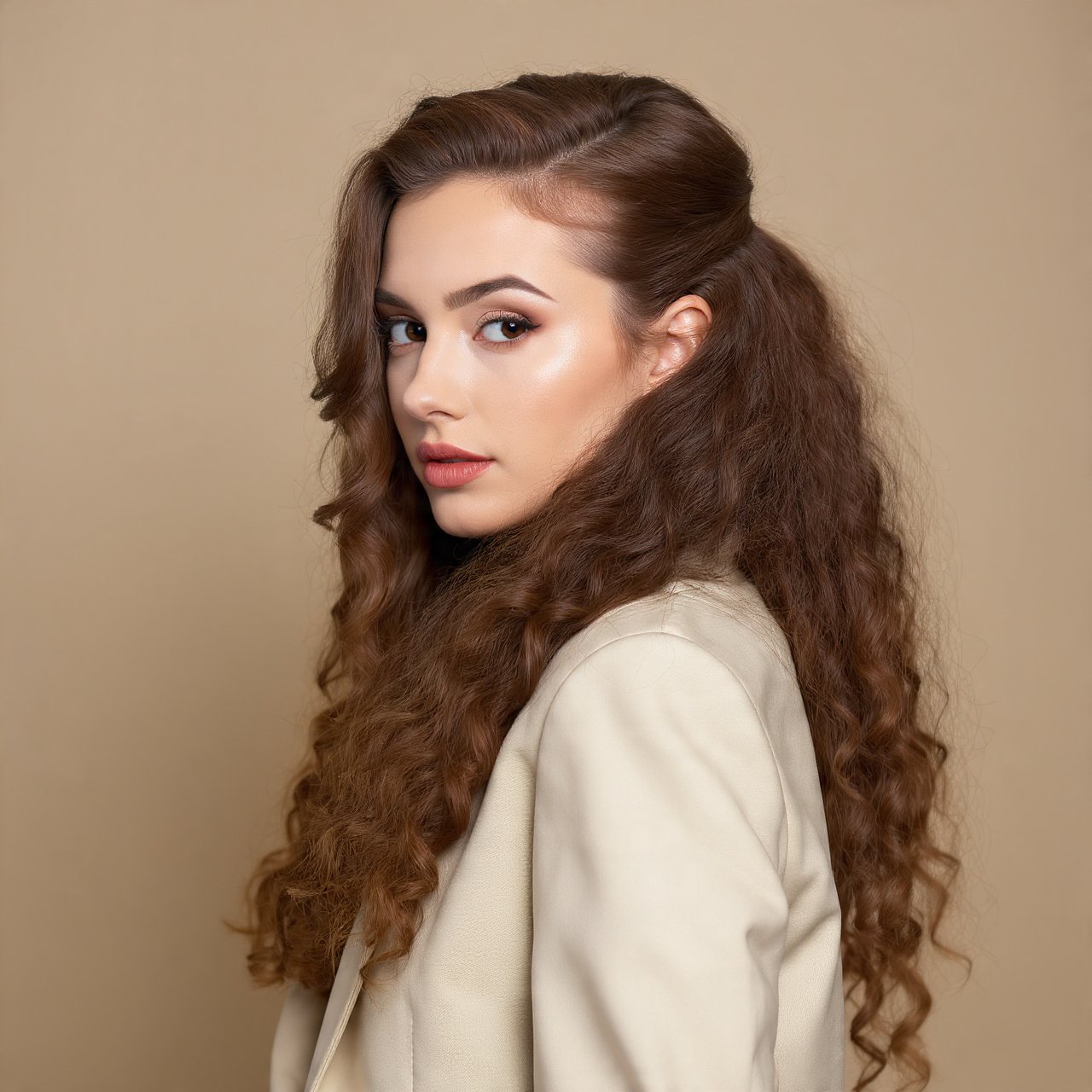
Elongation the practice of stretching the natural curl pattern to reveal length that coil shrinkage typically conceals transforms a slicked-back natural hair style from beautiful to genuinely breathtaking, particularly for hair types that experience significant shrinkage between washes. Banding, threading, African threading, or stretching methods are used to elongate the coils before the style is executed, resulting in a slicked-back look where the gathered section hangs in long, stretched spirals or waves rather than compact, fully contracted coils close to the scalp. This technique reveals inches of hidden length that most 4A to 4C naturals carry without realizing, and the resulting silhouette polished at the perimeter, dramatically elongated at the crown or nape is simultaneously surprising and stunning. It flatters oval, oblong, and heart face shapes where the added visible length creates elegant vertical flow that emphasizes the face’s natural symmetry. Avoid heat-based stretching methods in favor of tension-free techniques like African threading or banding to preserve coil integrity and prevent the heat damage that gradually alters the natural curl pattern over repeated applications.
How to Choose the Right Slick-Back Style for Your Natural Hair
Navigating thirteen distinct style options is genuinely exciting, but arriving at the right choice for your specific hair, lifestyle, and preferences requires a few deliberate considerations that will save you time, product, and potential frustration. The starting point should always be your curl or coil type not because some types are superior to others, but because understanding how your specific pattern behaves with gel, smoothing, and gathering helps you select styles that your hair will cooperate with naturally rather than fight against. Beyond texture, consider your daily schedule and how much time you realistically have for styling maintenance between wash days, since some of these looks like the baby hair design or the flat twist updo require more time investment than others like the simple slick puff or high ponytail. Your face shape should also guide the height and fullness of whatever gathered section sits at the crown or nape, since balanced proportions between the style’s volume and your facial structure determine how truly flattering the final result appears. When in doubt, start with one of the more foundational looks the sleek puff or slicked bun master the technique and product combination that works for your hair, and then graduate to more intricate variations once your confidence and product knowledge are firmly established.
Styling and Maintenance Tips for Slicked-Back Natural Hair
Sustaining a polished slick-back look on natural hair across multiple days requires a consistent, intentional care routine that prioritizes both style retention and the long-term health of your coils, edges, and scalp. Begin every style with adequately moisturized hair either on wash day or with a thorough refreshing session because attempting to smooth dry, brittle natural hair leads to breakage, flaking product buildup, and a rough, dull perimeter that undermines the polished aesthetic you are working toward. Apply your edge control or slicking gel in thin, even layers rather than one thick application, as layering allows each coat to grip the hair gradually and produce a smoother, longer-lasting result without the white residue that heavy single applications often leave along darker hairlines. At night, preserve your edges by wrapping the hairline with a satin scarf and tying it snugly without pulling before sleeping on a satin or silk pillowcase that further minimizes friction against the gathered curl section. Every two to three weeks, perform a gentle clarifying wash to remove any silicone or wax buildup from edge control products that can accumulate on the scalp and hairline, followed by a deep conditioning treatment to restore moisture lost during the clarification process. Give your edges deliberate rest days between fully slicked-back styles wearing the hair in a loose protective style or free-wash-and-go to prevent the traction-related thinning that develops from repeated tension applied consistently to the same delicate perimeter hairs.
Best Face Shapes and Hair Types for Slick-Back Natural Hairstyles
Understanding which styles within this category work best for your particular combination of face shape and hair type removes the guesswork from the inspiration process and fast-tracks your journey to finding a genuinely personalized, flattering look. Oval faces are the universal beneficiaries of almost every slick-back variation the balanced proportions of this face shape harmonize with both symmetrical and asymmetric styles, both high and low gathered sections, and both voluminous and close-cropped silhouettes without any visual imbalance. Round faces gain the most from styles that build vertical height the high ponytail, faux hawk, and tall puff are especially effective at creating the illusion of length that elongates a naturally circular facial profile beautifully. Square faces soften dramatically when the slick-back incorporates romantic elements like loose tendrils, braided edge details, or a headscarf wrap that interrupts the straight lines of a strong jawline with organic curves and flowing fabric. Regarding hair type, denser, coarser coils in the 4A to 4C range tend to hold slicked sections most effectively and produce the highest-contrast results because the texture difference between the smooth perimeter and the natural crown section is most visually dramatic on these patterns.
How to Ask Your Hairstylist for This Look
Arriving at your salon or barbershop appointment with clear, detailed communication is the single most valuable thing you can do to ensure the finished style matches the vision you have been refining in your head since you first began scrolling through inspiration images. Start by sharing two to three reference photographs that show the specific slick-back variation you want from multiple angles front, side, and back because a single image rarely captures everything a stylist needs to replicate the silhouette, texture, and product finish of a complex natural hair look. Identify the specific style name for instance, “slicked-back natural bun with baby hair detail” or “slick-back natural faux hawk” so your stylist can immediately categorize the technique and begin mentally preparing their product selection and tool choices. Describe your current hair length, density, and any ongoing concerns like thinning edges, high porosity, or color treatment history that affect how your hair will respond to the smoothing and gathering process during and after the appointment. Clarify whether you want the held sections to appear glassy and firm or soft and naturally matte, since this distinction determines whether your stylist reachesfor a gel-based product, a pomade, or a butter each delivering a distinctly different finish on the same style framework. If you are interested in incorporating additional elements like color, braids, or accessories into the look, communicate this upfront so your stylist can allocate adequate time and prepare the necessary materials before your appointment begins rather than improvising under time pressure.
Frequently Asked Questions About Slick Back Hairstyles Natural Hair
Q1: How do I slick back natural hair without causing edge damage?
Edge health is the most important long-term consideration for anyone who regularly wears slicked-back natural hairstyles, and protecting those delicate perimeter hairs requires both the right products and the right technique. Always use a soft-bristle brush rather than a fine-tooth comb directly on the hairline, applying gentle smoothing pressure rather than scraping or pulling motions that create micro-tears in the fragile edges. Choose edge control formulas that contain moisturizing ingredients castor oil, aloe vera, and shea butter are excellent markers of a conditioning formula and avoid products with drying alcohols listed among the first several ingredients. Incorporate regular edge massages using pure castor oil or a growth serum between styled days to stimulate circulation and support the retention of healthy baby hairs along the perimeter.
Q2: What is the best gel for slicking back natural hair?
The most effective gels for slicking back natural hair share several characteristics: a strong enough hold to last through humidity and physical activity, a formula free of drying alcohols and harsh sulfates, and a finish that remains smooth without flaking or turning white on darker hair tones. Flaxseed gel whether homemade or commercially purchased is among the most beloved options in natural hair communities for its moisture-rich, flexible hold. Eco Styler Olive Oil Gel, Aunt Jackie’s Don’t Shrink Gel, and Camille Rose Curl Maker are frequently recommended by natural hair stylists for their reliable performance across multiple curl and coil types without the product buildup that cheaper alternatives tend to leave.
Q3: Can slick-back hairstyles work on very short natural hair?
Absolutely some of the most impactful slick-back looks on natural hair are specifically designed for shorter lengths, including the TWA slick-back and the slicked-back natural faux hawk, both of which are detailed in this guide. Short natural hair actually benefits enormously from slick-back techniques because the smoothing element adds intentionality and polish to a length that might otherwise appear unstyled or unfinished to some observers. The key adjustment for shorter lengths is choosing lighter-weight products that define without weighing the coils down, and focusing smoothing attention on the hairline and sides rather than attempting to control the entire surface of a very close-cropped style.
Q4: How do I refresh a slicked-back natural hairstyle on day two or three?
Refreshing a slick-back on natural hair between wash days is entirely manageable with the right approach and takes significantly less time than recreating the style from scratch. Begin by lightly misting the gathered curl section with a mixture of water and a small amount of your regular leave-in conditioner, then scrunch or pat gently to revive the coil definition without fully saturating the hair. For the smoothed edges and sides, apply a fresh, thin layer of edge control with a brush and re-wrap the hairline with a satin scarf for ten to fifteen minutes to reset the smooth finish without adding excessive product buildup.
Q4: How do I refresh a slicked-back natural hairstyle on day two or three?
Transitioning natural hair meaning hair that contains both chemically relaxed ends and newly grown natural roots actually responds beautifully to slick-back styling because the technique works with the two textures rather than against them. The natural roots smooth back cooperatively with gel, while the relaxed ends blend into a gathered section, bun, or puff without dramatic textural conflict. This makes slick-back styles particularly popular and practical among women in the transitioning phase who want stylish, polished looks while growing out their natural texture without committing to a big chop.
Q6: How often should I wash my hair if I wear slick-back styles regularly?
Washing frequency for regular slick-back wearers depends on your scalp type, your product load, and how many days you typically refresh between full wash-day resets. As a general guideline, washing once per week to once every ten days maintains scalp health while preventing the silicone and wax buildup from edge control products from accumulating to the point of clogging follicles or dulling the natural hair’s shine. Between washes, a scalp spray with tea tree oil or peppermint diluted in water helps manage oil production and keeps the scalp fresh without disrupting the style prematurely.
Conclusion
Slick-back hairstyles on natural hair are far more than a passing trend they represent a beautiful, confident celebration of textured hair in its most intentional, empowered form, styled with purpose and worn with pride. Whether you choose the timeless simplicity of a sleek puff, the cultural richness of braided edges, or the dramatic flair of an elongated coil ponytail, each of these thirteen looks offers natural hair wearers a genuine style identity that stands beautifully on its own without heat, extensions, or chemical alteration. Use this guide as your comprehensive reference before your next wash day or salon appointment, share it with your stylist for effortless communication, and approach your natural hair journey knowing that your texture exactly as it grows from your scalp is worthy of every polished, gorgeous look on this list.