Ombre Hair Color : 14 Trending Ideas to Refresh Your Whole Look
If you’ve spent any amount of time scrolling through hair inspiration lately, ombre hair color has probably stopped your thumb more than once. There’s a reason this technique has maintained its place at the top of salon request lists for years. It’s dimensional, versatile, and endlessly customizable in a way that flat, single process color simply cannot compete with. Ombre works by transitioning from a deeper root shade into a lighter or contrasting tone toward the ends, creating movement and depth that makes hair look naturally sun kissed or dramatically transformed depending on the execution.
Ombre Hair Color Ideas That Are Worth Every Penny
This guide covers stunning ombre hair color ideas with everything you need to walk into your appointment fully prepared.
1. Classic Brown to Blonde Ombre Hair Color
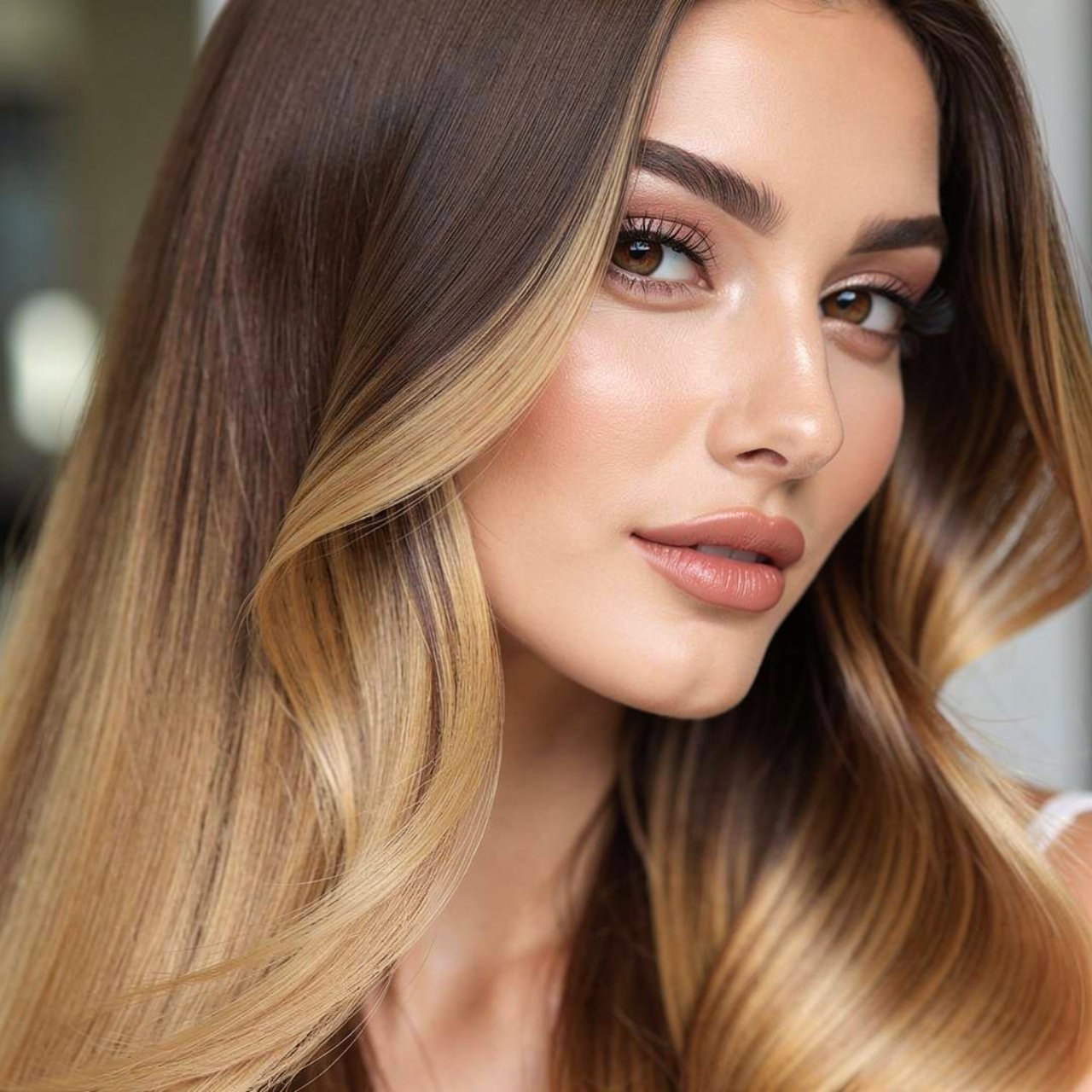
The brown to blonde ombre is the look that essentially launched a thousand salon appointments, and it remains one of the most requested styles for good reason. This transition moves from a warm or cool brunette base at the roots into a golden or ash blonde at the ends, mimicking the natural effect of hair lightened by extended sun exposure. It suits warm and neutral skin tones most flatteringly, particularly those with honey, peachy, or golden undertones in the complexion. Medium to long hair lengths show off the gradient most dramatically, though shorter cuts carry the contrast beautifully as well. Ask your stylist for a seamless, feathered blend rather than a hard line to keep the finish looking intentional and polished rather than grown out.
2. Black to Deep Red Ombre Hair Color
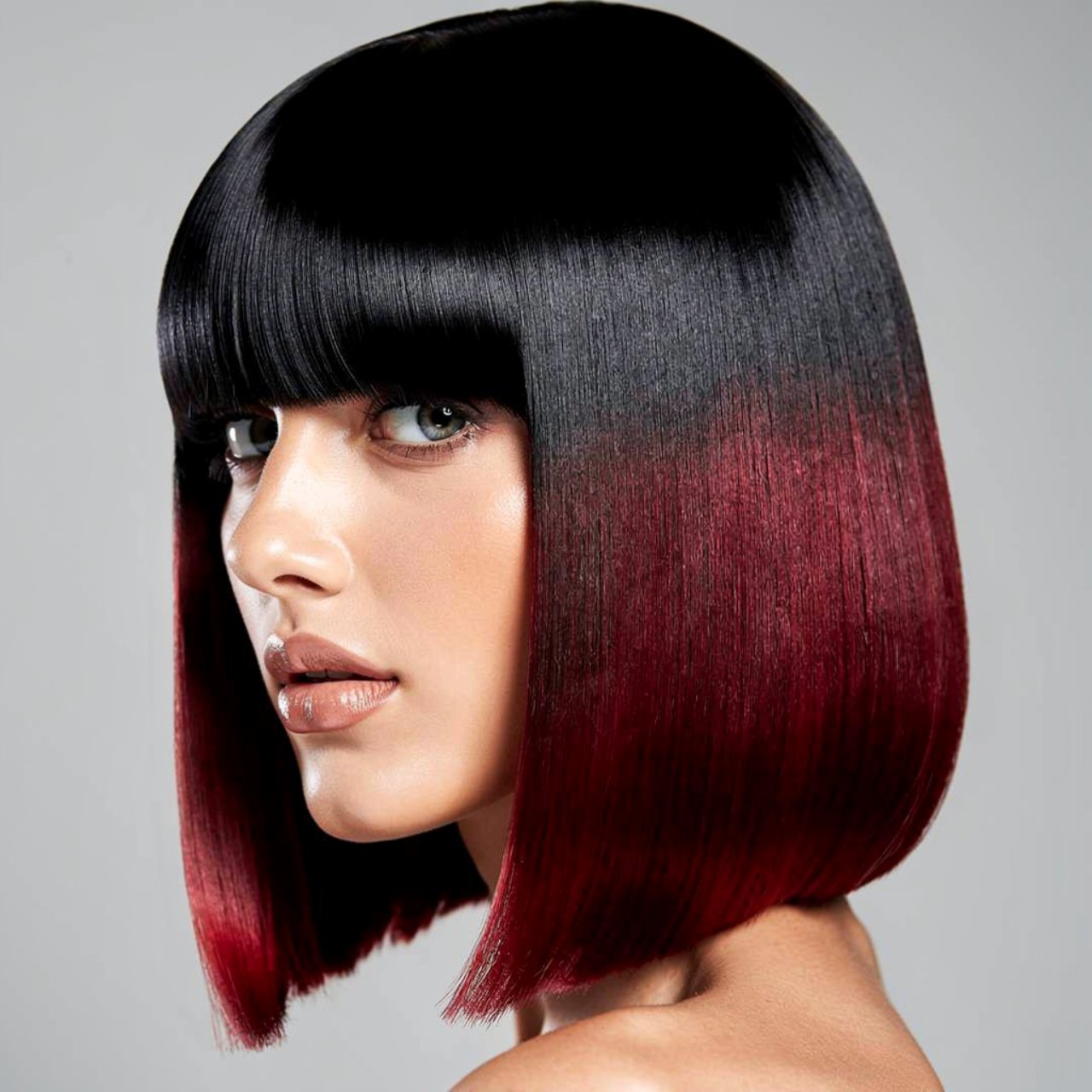
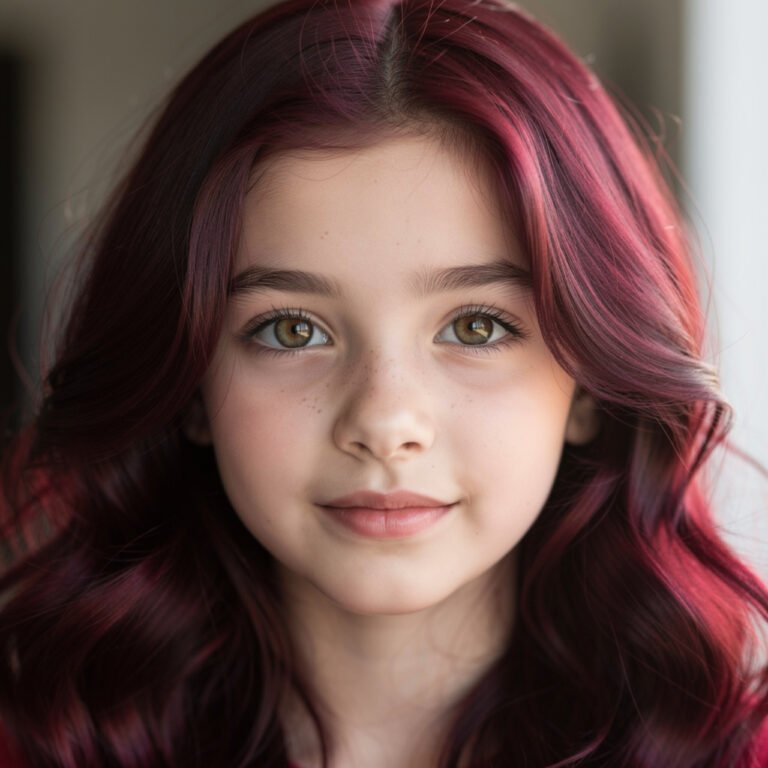
For anyone who wants drama dialed all the way up, black to deep red ombre delivers exactly that. Starting from a jet or near black base, this transition bleeds into a rich, saturated crimson or burgundy toward the ends creating a look that’s equal parts editorial and wearable. It photographs exceptionally well and suits deep, olive, and medium complexions where the contrast between dark roots and vivid ends creates a genuinely striking visual. Coarse and thick hair textures hold the red pigment more deeply, producing a more saturated result. Since red is one of the faster fading color families, using a color depositing conditioner weekly and washing in cool water extends the vibrancy significantly between appointments.
3. Caramel Ombre on Dark Hair Color
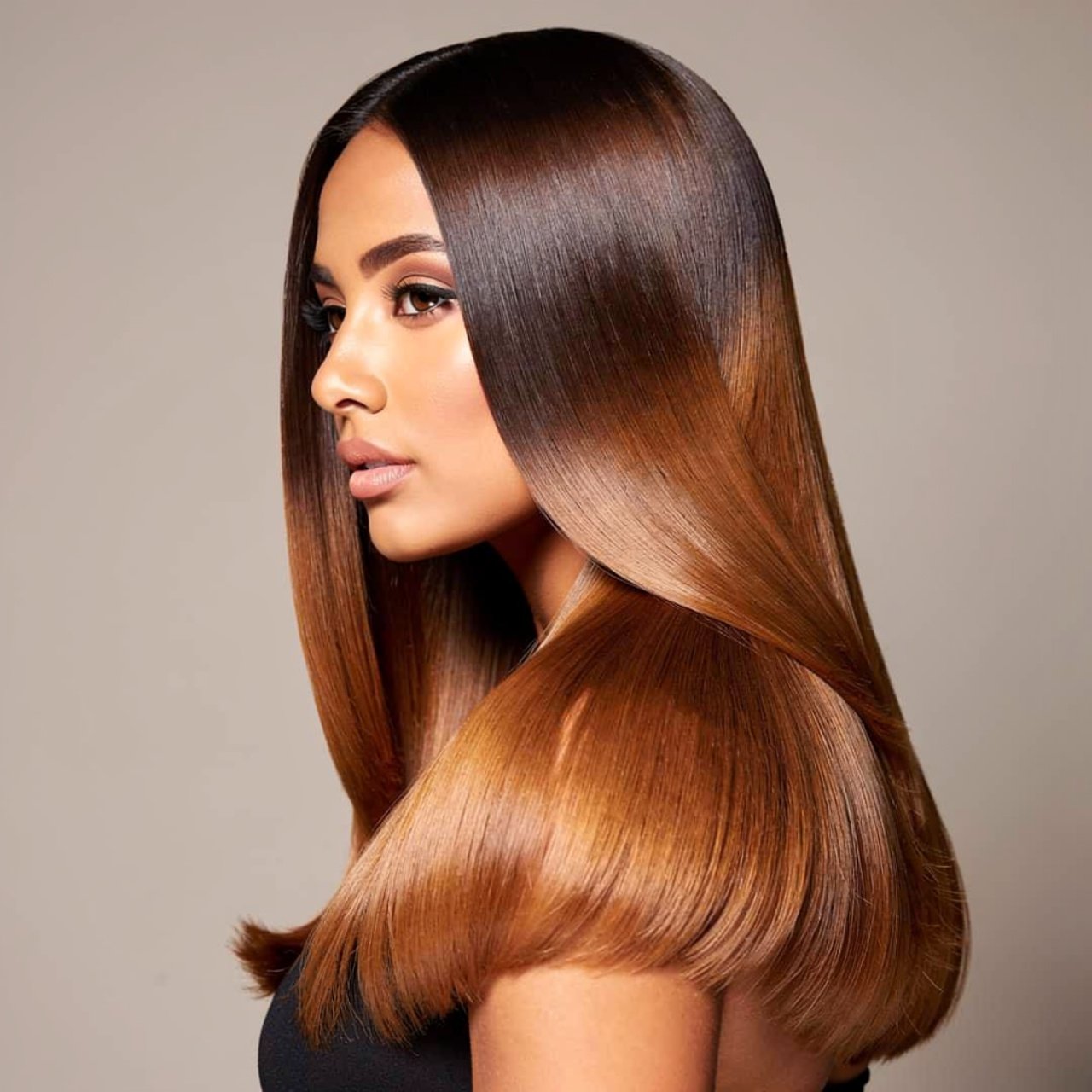
Caramel ombre on a dark base is the definition of warmth made wearable. The transition moves from a deep brown or near black root into rich, golden caramel tones at the mid lengths and ends, resulting in a look that feels sun drenched and effortlessly dimensional. This combination is particularly flattering on warm and olive skin tones where the caramel echoes the golden undertones of the complexion naturally. Wavy and curly hair textures bring out this color beautifully because the gradient follows each curl’s movement, creating depth with every turn. Ask your stylist specifically for hand painted application to ensure the caramel placement is strategic and face framing rather than uniformly distributed across the section.
Learn More About Dark hair color ideas.
4. Ash Brown to Silver Ombre Hair Color
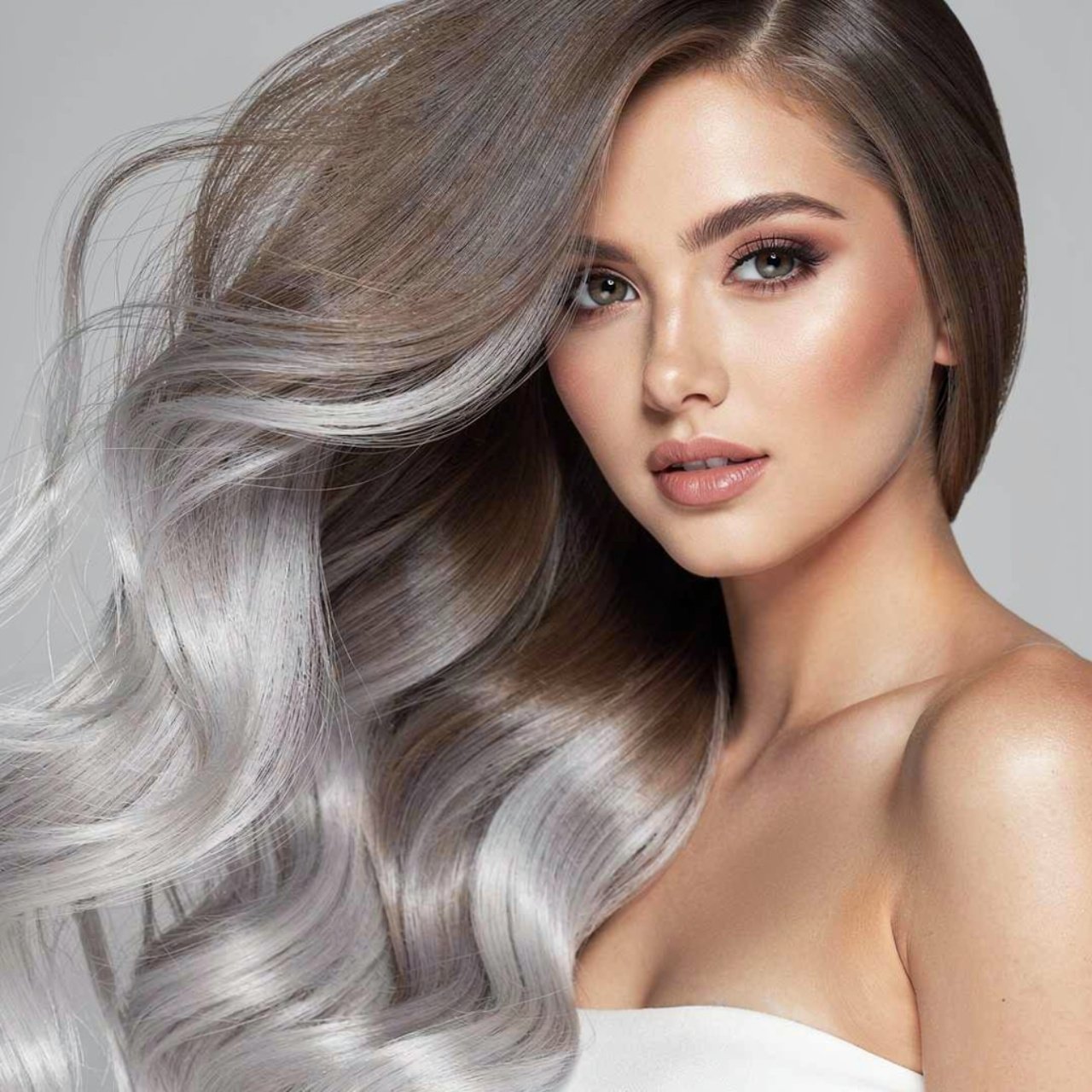
Ash brown to silver ombre is a cooler, more modern take on the classic gradient and it has been absolutely everywhere on editorial feeds and Pinterest boards alike. The base starts in a cool, muted brown before softening into a silvery, almost metallic finish toward the ends. This shade combination suits cool and neutral undertones particularly well, especially those with light eyes or naturally fair complexions where silver creates a luminous, almost ethereal contrast. Fine to medium hair textures carry this look most gracefully since the cool tones can feel slightly heavy on very thick hair without strategic thinning. A violet toning shampoo is essential for maintaining the silver clarity and preventing it from shifting warm or yellow over time.
5. Chocolate to Honey Blonde Ombre Hair Color
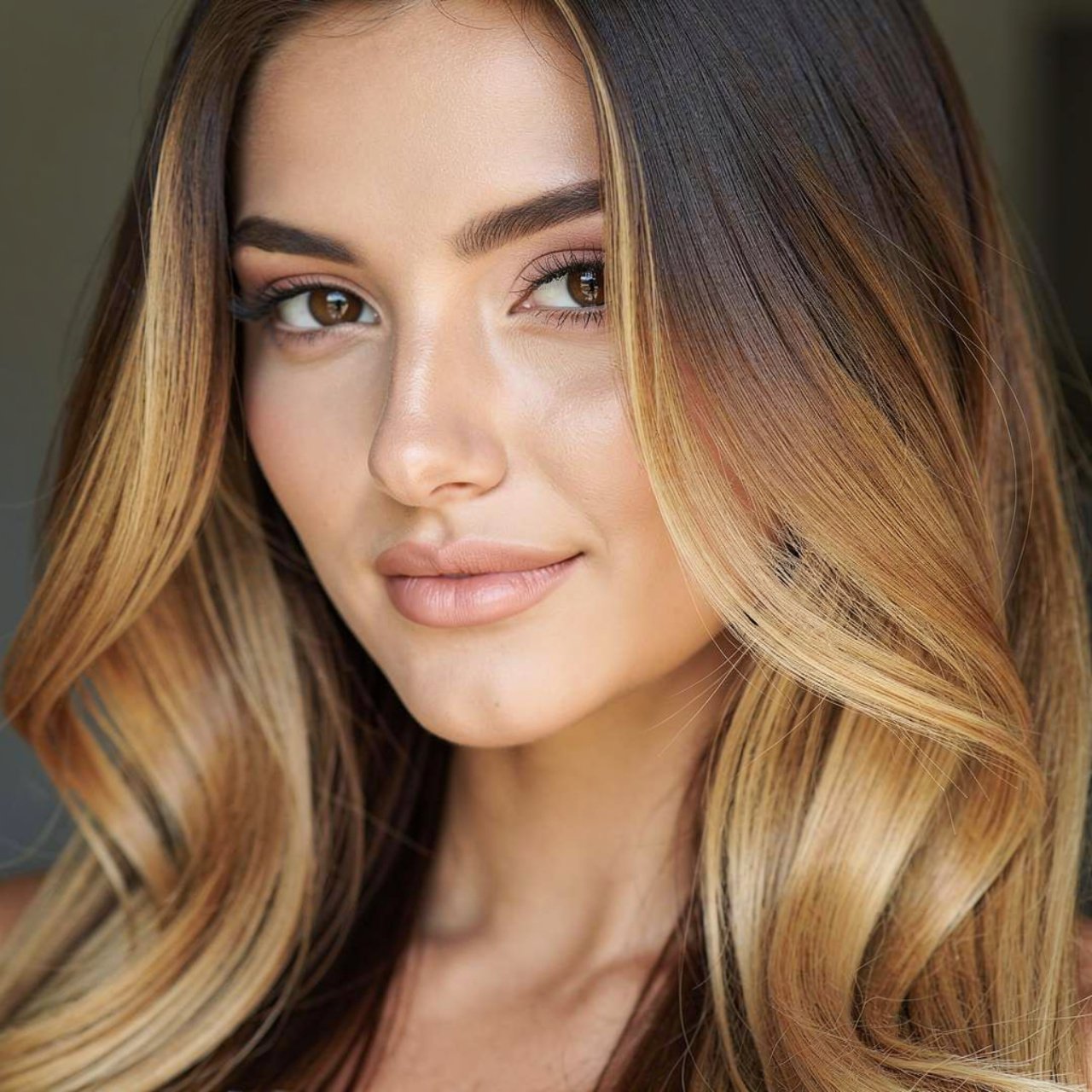
Chocolate to honey blonde ombre sits in the warm, cozy corner of the color spectrum, the kind of shade that makes people ask whether you just returned from a long holiday somewhere sunny. The deep chocolate base gradually opens into a warm, golden honey at the tips, creating a transition that feels organic and deeply flattering rather than dramatically contrasted. This look works beautifully on medium and warm complexions, adding a natural glow that enhances the face without overpowering it. Straight hair styles carry this particular gradient with incredible elegance, while wavy textures bring extra dimension. This is also one of the more forgiving ombre options in terms of maintenance since the warm tones blend gracefully with natural root growth.
6. Dark Roots to Platinum Blonde Ombre Hair Color
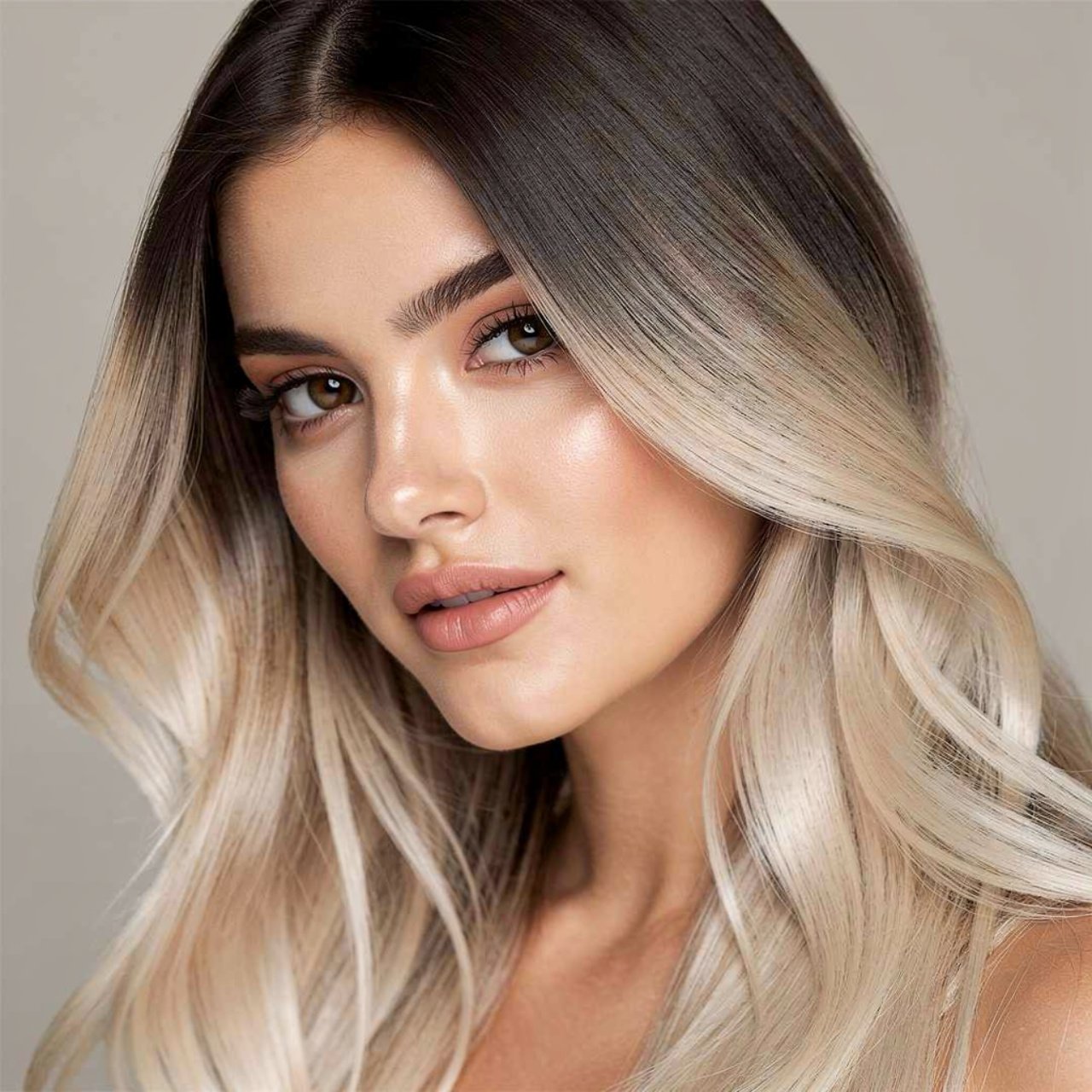
High contrast is the entire point of dark roots meeting platinum blonde ends, and if bold is your intention, this combination delivers without compromise. The deep, intentional root whether natural black, dark brown, or a deliberate shadow root transitions sharply into an icy, near white blonde that commands attention. This look suits cooler and neutral complexions most naturally, though warm skin tones can pull it off with the right warm tinted platinum rather than a purely icy finish. Because platinum requires significant lifting and consistent toning, this is among the higher maintenance ombre options in this list. Purple shampoo every two to three washes, regular gloss appointments, and deep conditioning treatments are all non negotiable for keeping this look sharp and healthy.
7. Brunette to Rose Gold Ombre Hair Color
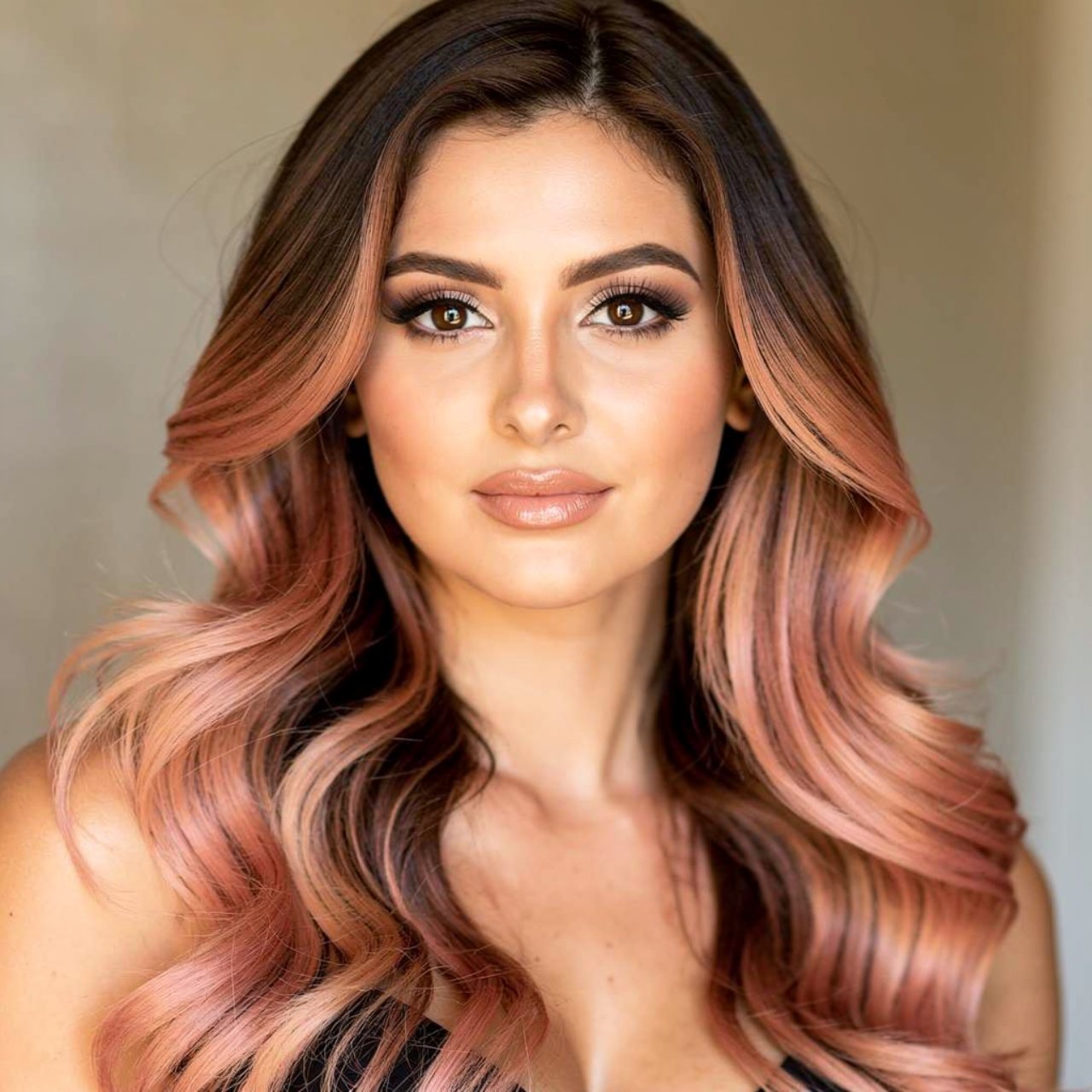
Rose gold has proven itself far more than a passing trend its warm, blush meets copper finish continues to appear across feeds, runways, and salon floors alike. When layered over a brunette base through an ombre technique, rose gold gains depth and complexity that a flat application simply cannot replicate. The dark roots ground the look while the rosy ends introduce warmth, femininity, and a touch of the unexpected. This combination suits fair to medium skin tones with warm or neutral undertones, where the blush tones echo the natural flush of the complexion. Straight and sleek styles show off the gradient in a clean, editorial way, while loose waves give it a more romantic, effortless character.
8. Navy Blue to Teal Ombre Hair Color
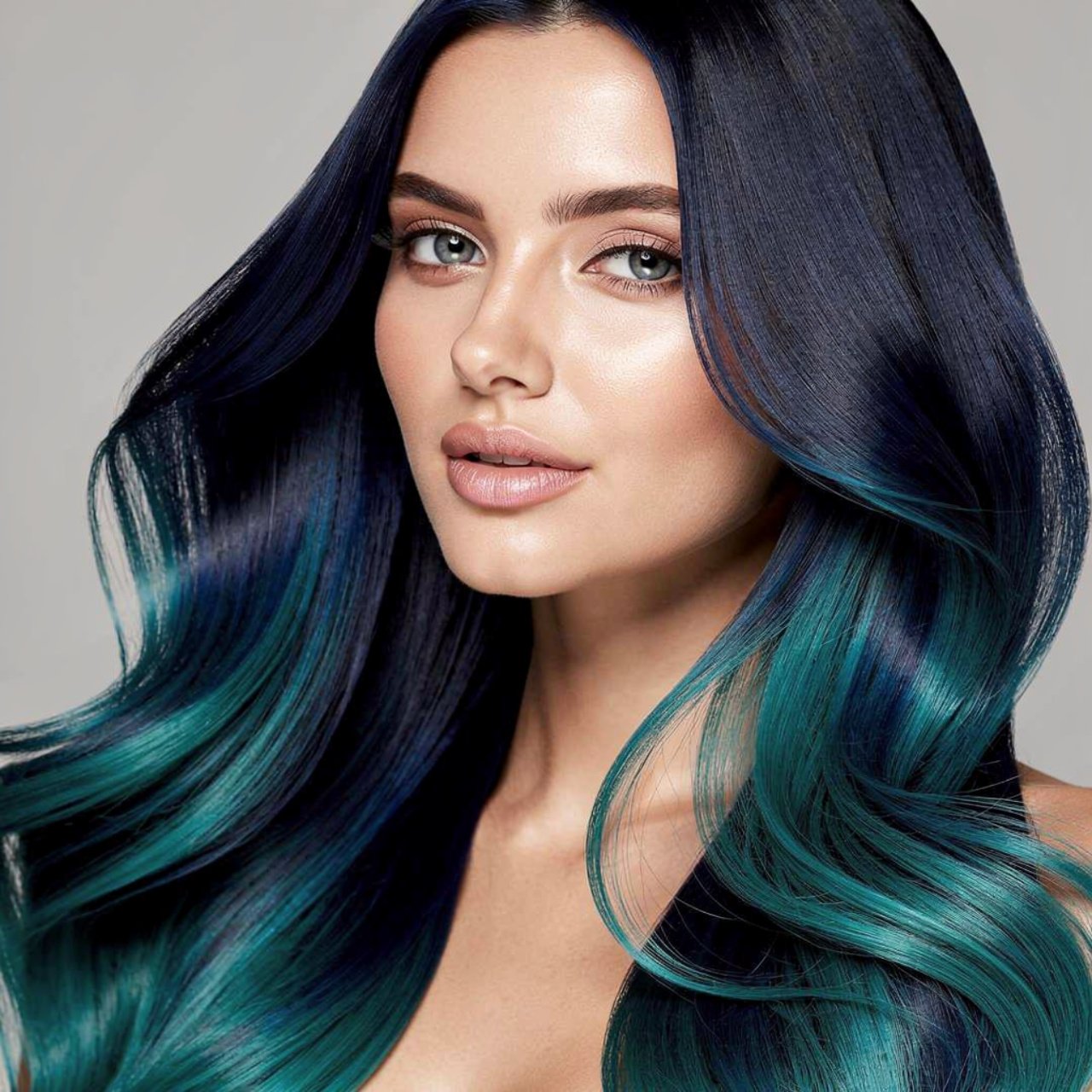
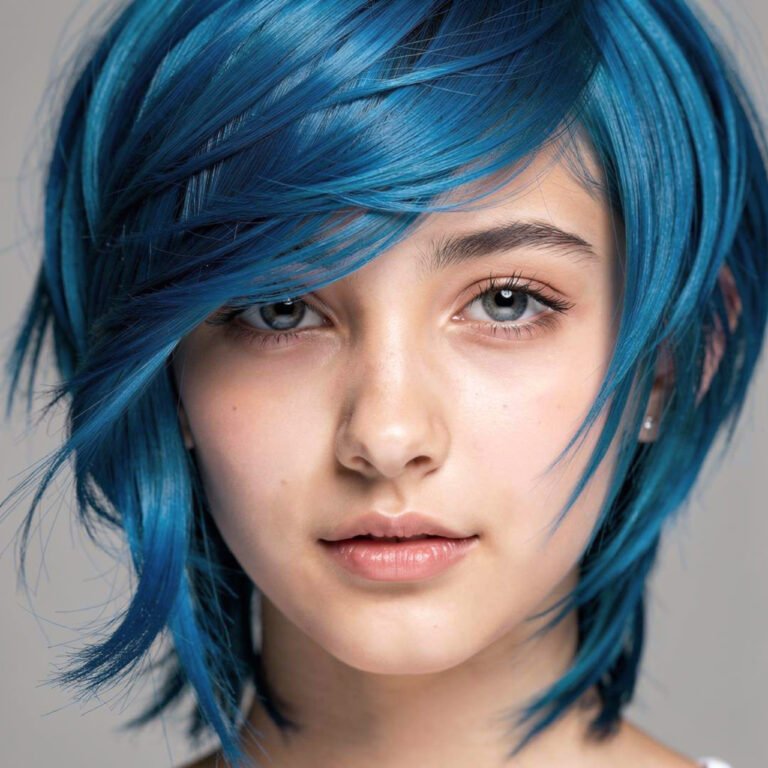
Navy to teal ombre is for the person who has looked at conventional color options and decided they deserve something far more interesting. Starting from a deep, inky navy at the roots, this gradient transitions into a vibrant teal or peacock blue at the ends creating a look that is genuinely unlike anything in the natural color spectrum. It suits all skin tones with remarkable versatility, though it reads most striking against fair and medium complexions where the jewel tones pop clearly. Dark natural hair benefits from pre lightening before application to ensure the colors achieve their full intended vibrancy. Sulfate free shampoo and minimal heat exposure are essential for preserving the intensity of both tones as long as possible.
9. Red to Orange Fire Ombre Hair Color
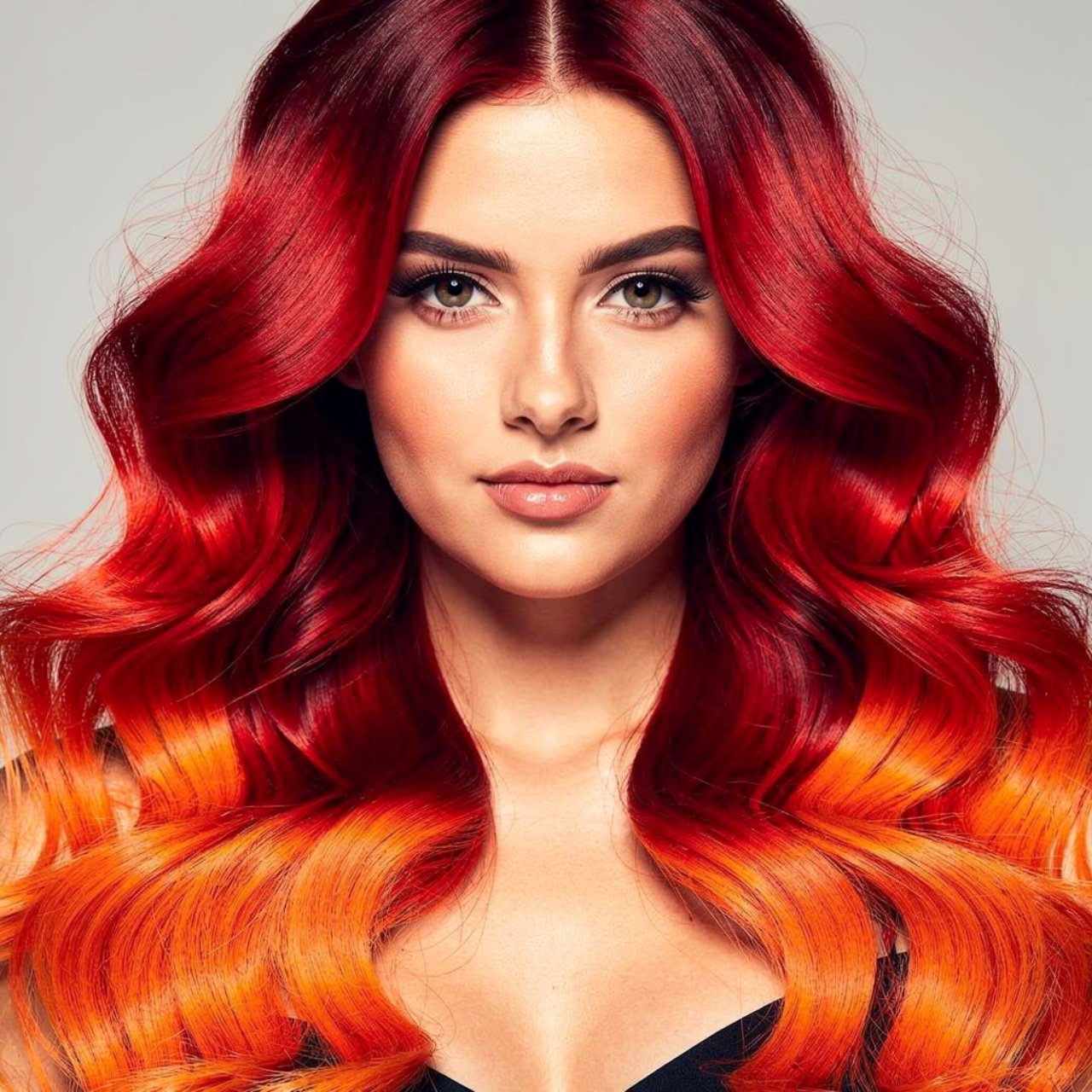
Fire ombre captures exactly what the name promises a gradient that moves from deep, burning red at the roots through copper and into a bright, warm orange at the tips, mimicking the living movement of an actual flame. This is a bold, personality forward choice that suits confident individuals who enjoy having a signature look that turns heads consistently. Warm and medium skin tones wear this combination most naturally since the entire palette sits in the warm family. Wavy and curly hair brings an almost three dimensional quality to the gradient since the colors shift visually with every movement of the curl. Color depositing products in both red and orange shades help maintain both ends of the transition between coloring sessions.
10. Black to Purple Ombre Hair Color
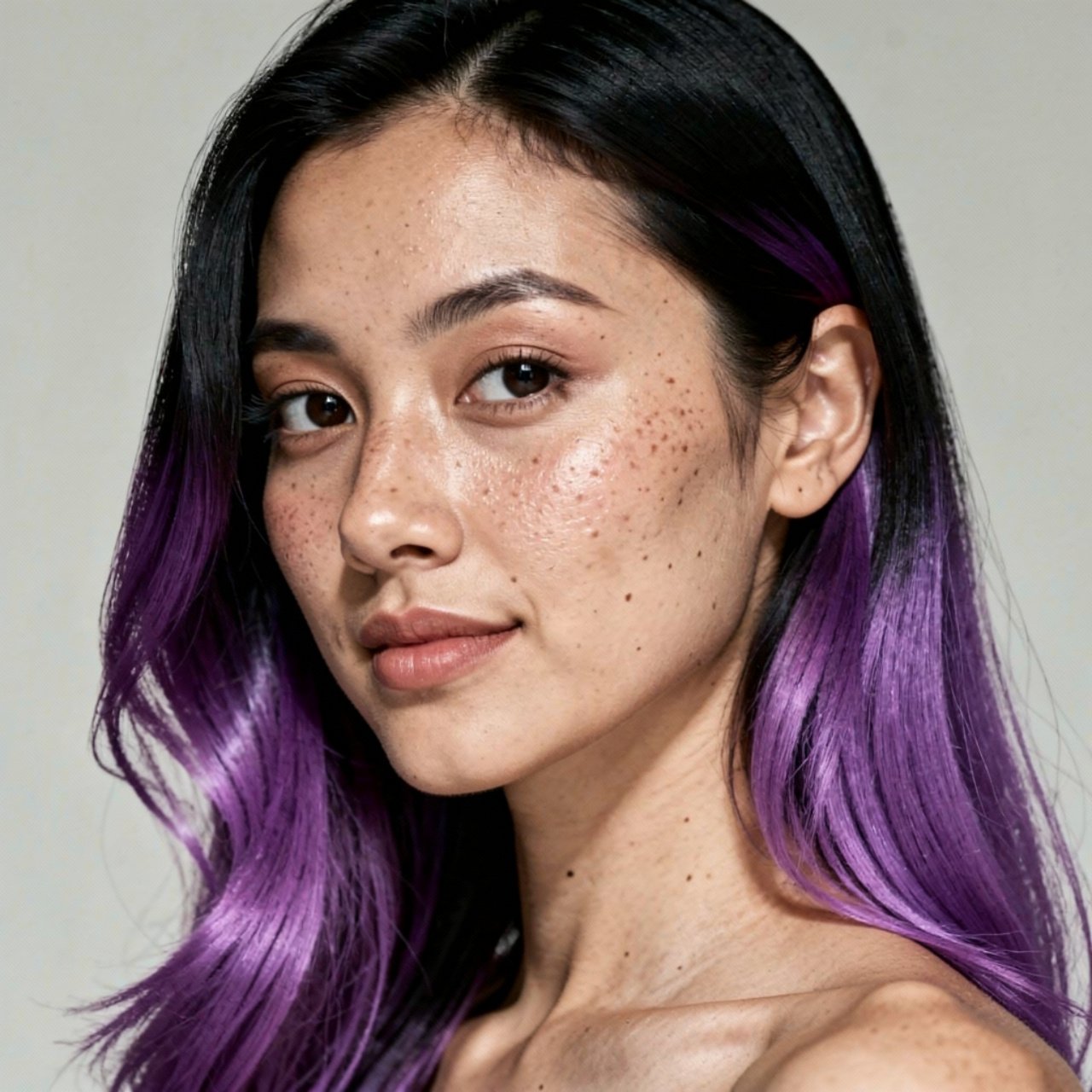
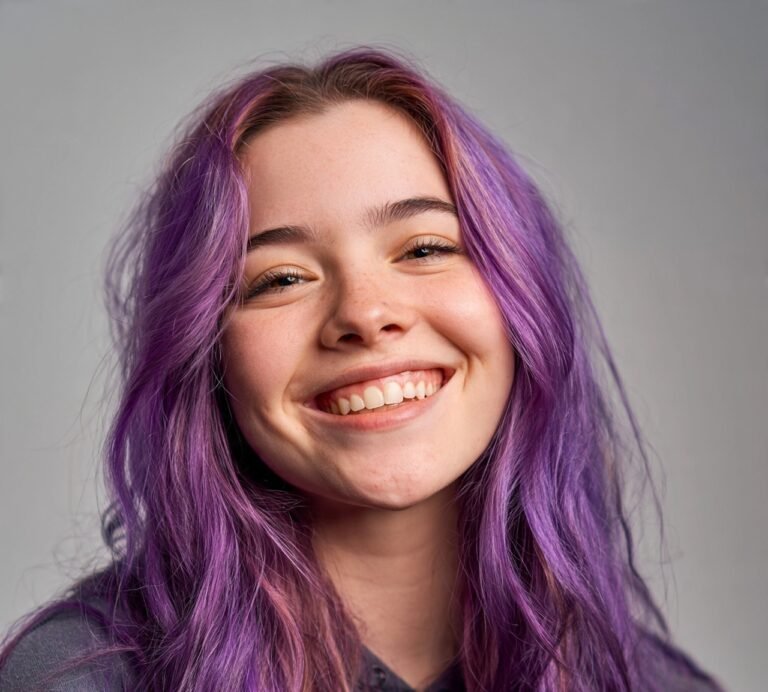
Black to purple ombre sits at the intersection of dark edge and creative expression, making it one of the most popular requests among those wanting something bold without fully abandoning the comfort of a dark base. The near black root transitions into a rich, jewel toned violet or deep plum toward the ends, adding a moody, luxurious quality that photographs beautifully in both natural and artificial lighting. This look suits all skin tones with surprising flexibility, as the depth of the purple can be adjusted from subtle to vivid based on individual preference and lifestyle requirements. Coarse and thick hair types carry the purple pigment with exceptional richness. A color protecting serum applied before heat styling prevents the violet from oxidizing too quickly.
11. Soft Black to Warm Auburn Ombre Hair Color
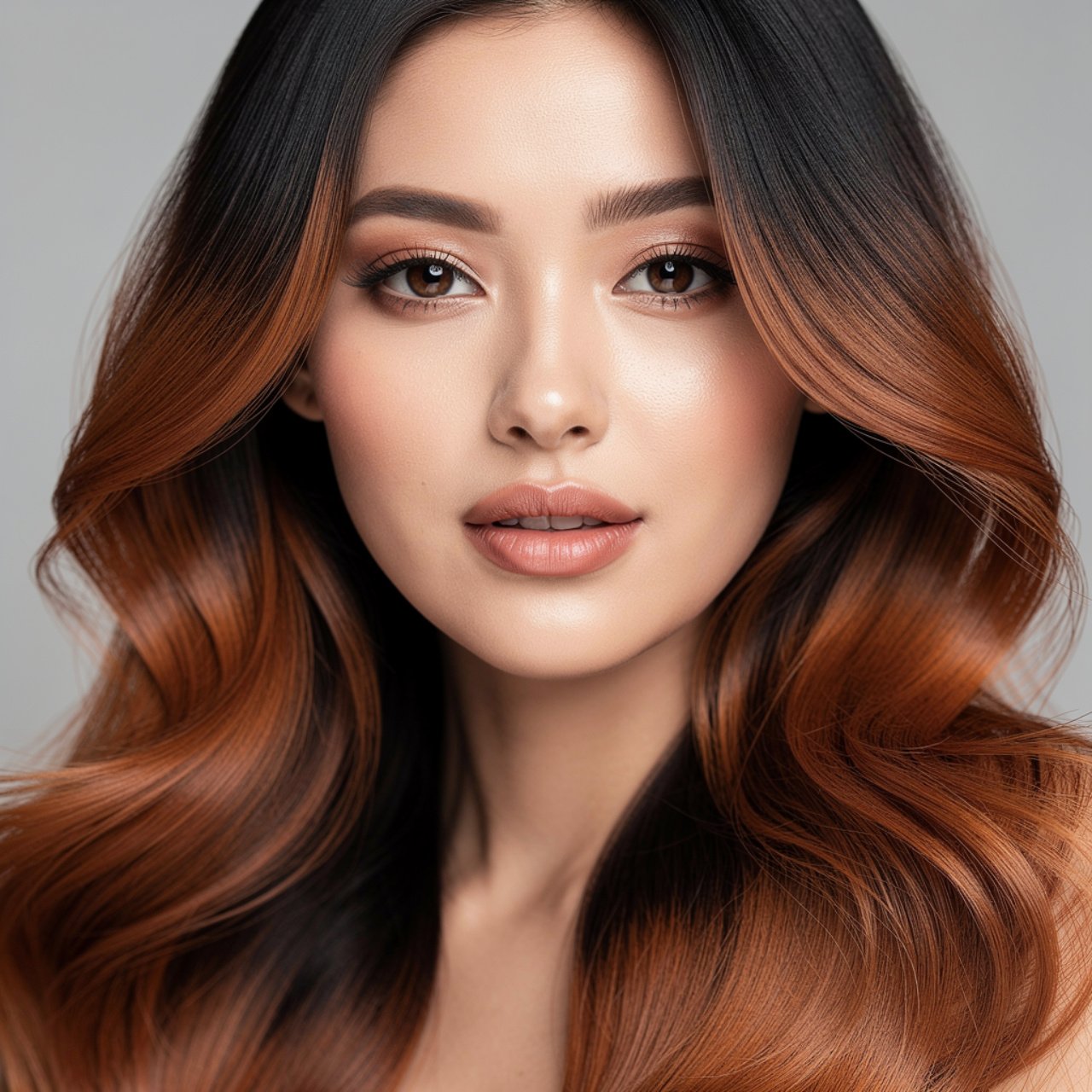
Warm auburn emerging from a soft black base creates one of the most naturally convincing color gradients available, the kind that makes people genuinely unsure whether the color is natural or carefully crafted at a salon. Auburn carries red, copper, and brown in one package, creating a transition from the dark root that feels like a seasonal warmth gradually revealing itself toward the ends. It flatters warm and deep complexions especially well, enhancing golden and reddish undertones already present in the skin. This is also a practical choice for those new to ombre since the colors are close enough in the color family to require less aggressive lifting. Touch ups are manageable and the color ages gracefully without harsh demarcation.
12. Pastel Ombre on Blonde Base Hair Color
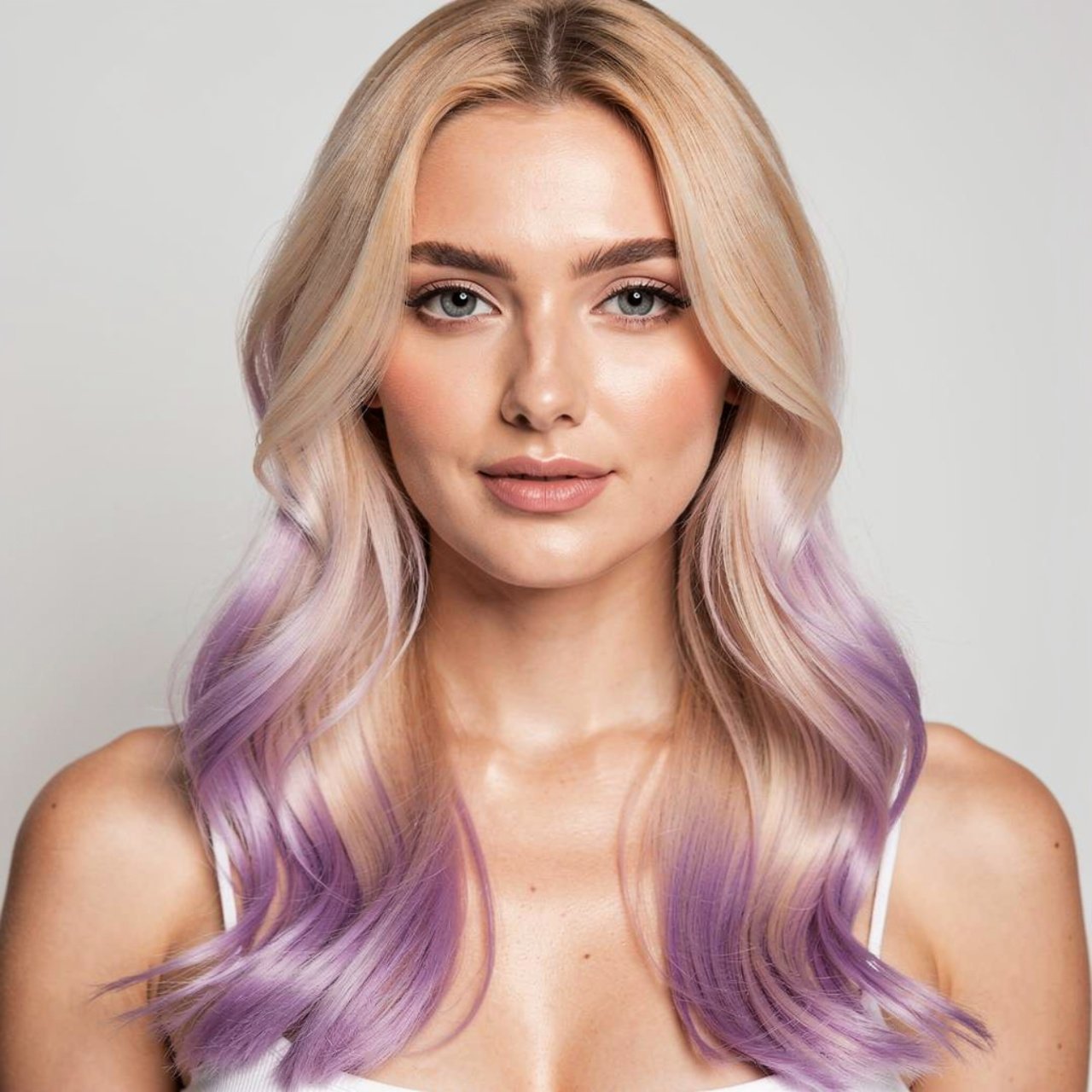
Pastel ombre takes a lighter approach literally by building a gentle gradient across a blonde or pre lightened base using soft, diluted tones like lavender, baby pink, peach, or mint. The result is dreamy, whimsical, and completely distinct from any natural color option, making it a favorite among those who treat their hair as a genuine form of artistic expression. Fair to light complexions carry pastels most effortlessly, though medium tones can work beautifully with the right shade selection. Because these tones are semi permanent by nature, the fade process actually becomes part of the aesthetic colors softened over time into an even more delicate, washed out finish. Regular conditioning masks keep the bleached base strong enough to support the color.
13. Copper to Gold Ombre Hair Color
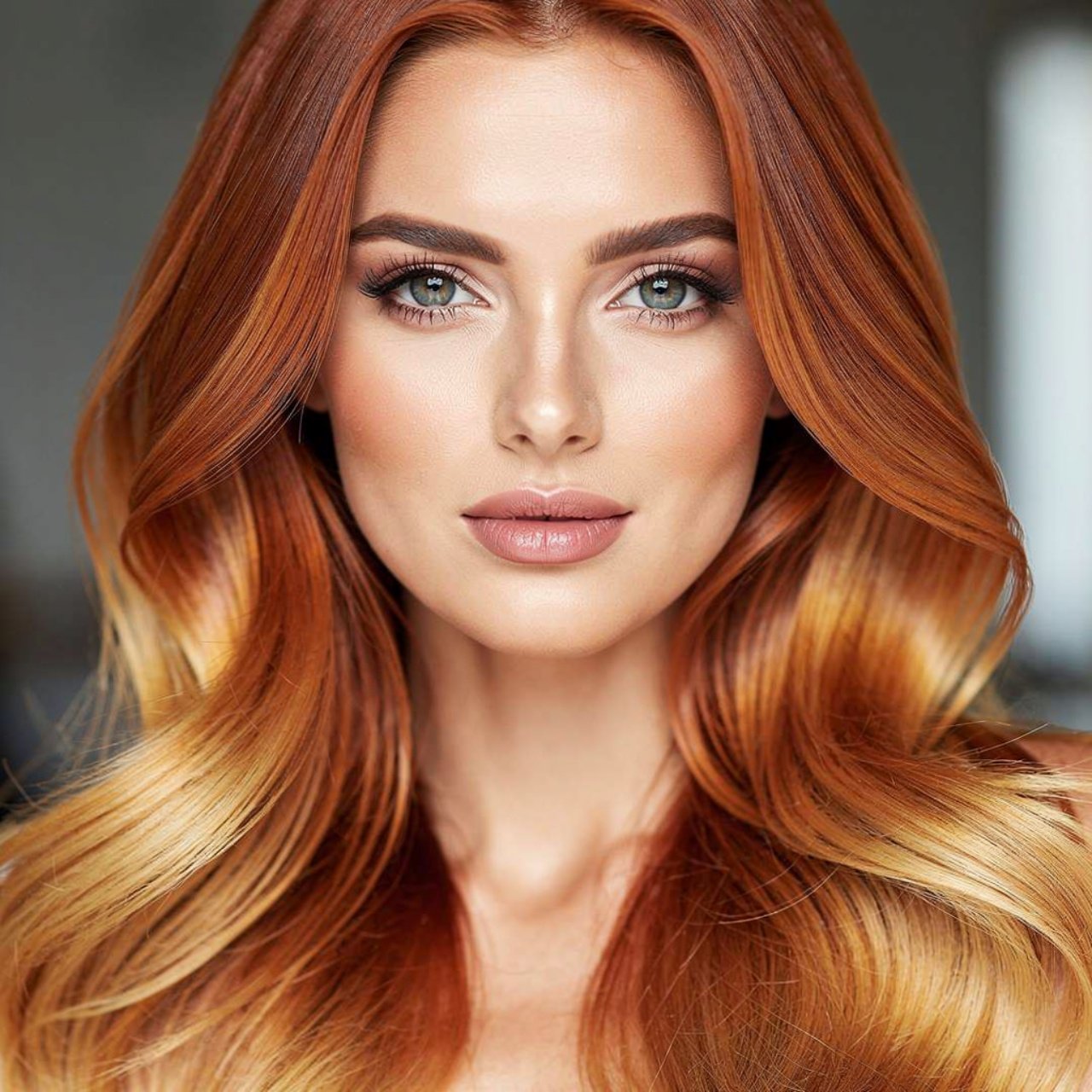
Copper to gold ombre is an all warm gradient that feels radiant, rich, and completely cohesive from root to tip. Unlike higher contrast ombre options, this transition stays within a single warm family, moving from a deeper, burnished copper at the base into a lighter, sun washed gold at the ends. The result is luminous rather than dramatic, the kind of color that glows under natural light in a way that almost appears to have been designed by sunlight itself. It suits warm and peachy complexions most beautifully, creating a harmonious relationship between skin and hair tone. Straight, blow dried styles showcase the warm spectrum elegantly, while wavy textures add movement that enhances the shift between copper and gold throughout the lengths.
14. Subtle Ombre for Natural Dark Hair Color
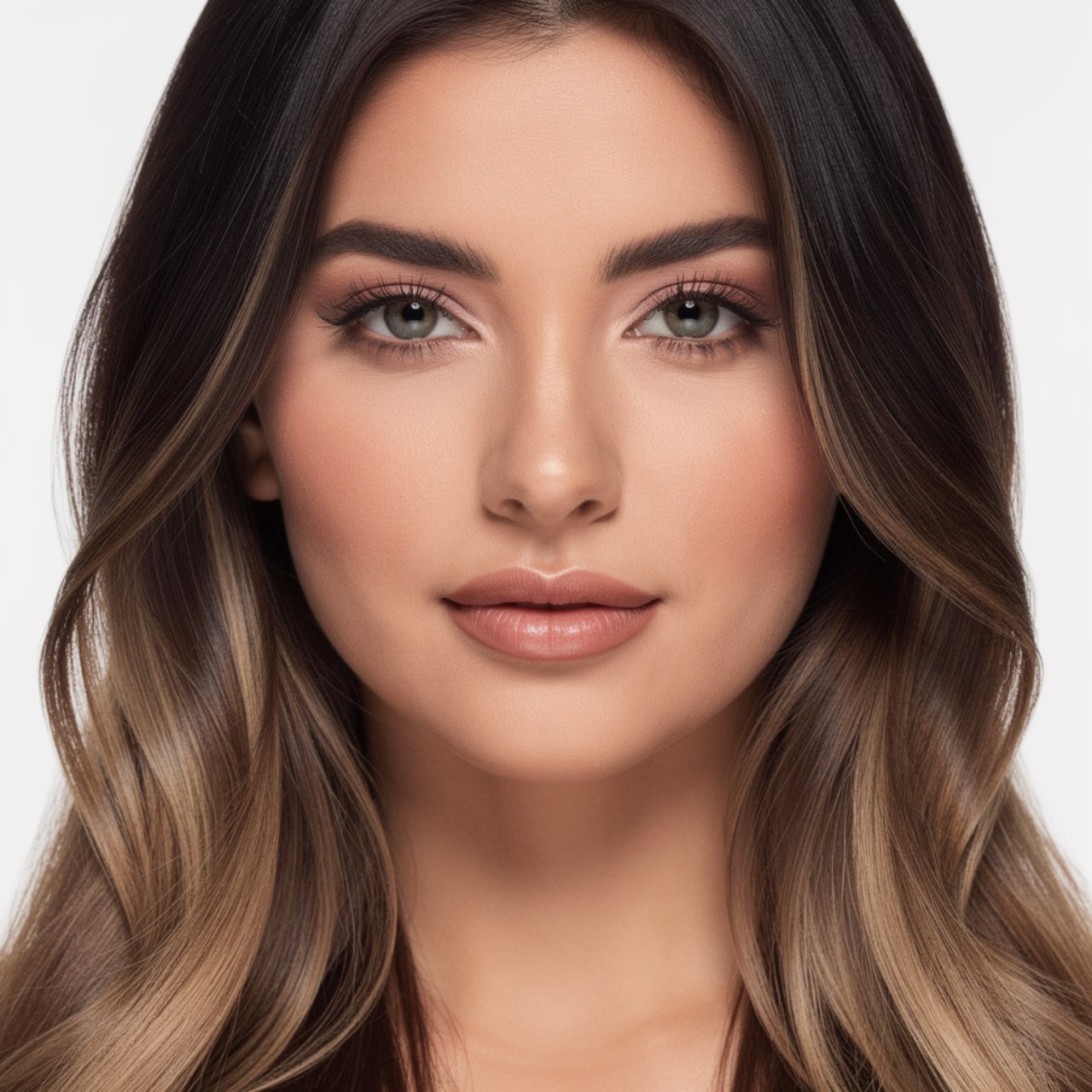
Not every ombre needs to make a statement from across the room. Sometimes the most sophisticated approach is the one people have to look twice to fully appreciate. Subtle ombre on natural dark hair involves lifting the mid lengths and ends just two to three shades lighter than the natural base, creating a barely there gradient that adds dimension without obvious color work. It suits all skin tones and virtually every hair texture, making it the most universally accessible option in this entire list. This is also the smartest choice for professional environments or those with strict dress codes who still want color interest. The grow out process is nearly seamless, and touch up appointments are needed far less frequently than with more dramatic techniques.
How to Choose the Right Ombre Hair Color
Selecting from this many ombre hair color options requires honest consideration of three key factors: your skin undertone, your natural base color, and your genuine maintenance commitment. Warm undertones open the door to caramel, copper, rose gold, and auburn transitions, while cool undertones shine alongside silver, ash, platinum, and cool violet options. Your starting base determines how much processing is involved going from very dark hair to platinum ombre, for example, is a multi session process that requires significant investment of both time and budget. Maintenance availability matters enormously because some of the most visually striking options require the most consistent upkeep to stay looking intentional rather than neglected.
Best Hair Types and Skin Tones for Ombre Color
Ombre is one of the most inclusive color techniques available because it genuinely works across a wide range of textures and complexions with proper customization. Curly and wavy hair types benefit especially since the natural movement of each strand creates additional depth within the gradient, making colors appear richer and more dimensional than they would on flat, straight hair. Fine hair benefits from ombre because the lighter ends create the visual illusion of volume and fullness without structural changes. In terms of complexion, the key is matching the warmth or coolness of the chosen ombre palette to your skin’s undertone harmony between skin and hair color produces the most flattering, cohesive result.
Styling and Maintenance Tips for Ombre Looks
Ombre hair demands a care routine that prioritizes both color longevity and structural health since lightened ends are inherently more vulnerable to dryness and breakage. Sulfate free shampoo should be used exclusively since standard formulas strip color pigment aggressively. Deep conditioning treatments applied from mid length to ends every week replenish moisture in the sections that have undergone the most processing. Heat styling tools should always be paired with a thermal protectant spray applied before each use. Cold or lukewarm water rinsing after every wash seals the hair cuticle, significantly enhancing shine and preserving vibrancy. Gloss or toning appointments every six to eight weeks keep the lighter portions of the gradient true to their intended shade.
How to Ask Your Hairstylist for This Look
Arriving prepared for an ombre consultation dramatically increases the likelihood that you leave with exactly what you envisioned. Save at least two reference photos from this article or your own Pinterest board — one showing the overall color transition you want and one showing the finish or texture you’re aiming for. When speaking to your stylist, describe both ends of the gradient specifically: the depth of the root and the tone of the ends, including whether you want warmth or coolness in the lighter section. Say something like, “I want a deep chocolate root transitioning into warm honey at the tips with a blended, seamless fade” rather than just pointing at a photo without context. Ask your stylist directly how many sessions the look will require given your current base and what the total commitment looks like financially. Inquire about which specific at home products they recommend for your chosen color family, since maintaining ombre correctly at home makes an enormous difference in how long the result stays salon fresh.
Frequently Asked Questions
How long does ombre hair color last?
The longevity of ombre depends on the shades involved and your maintenance habits, but most ombre results look fresh for roughly eight to twelve weeks before toning or touch up appointments become necessary. Vivid and pastel options fade faster than natural toned gradients like brunette to blonde or copper to gold.
Is ombre damaging to hair?
Ombre does involve lightening, which requires careful processing to avoid structural damage but when done by a skilled stylist using quality products, the impact on hair health is manageable. Following up with consistent deep conditioning and protein treatments keeps the lightened ends strong and resilient.
Can ombre work on short hair?
Absolutely short hair actually showcases ombre in a very clean, concentrated way since the transition happens within a smaller canvas and the contrast becomes immediately visible. Bob and lob lengths in particular carry ombre beautifully and are increasingly popular in current salon trends.
What is the difference between ombre and balayage?
Ombre refers to a gradient color transition from dark to light, while balayage is a freehand painting technique used to achieve that transition with a natural, sun kissed finish. Balayage is often used to create an ombre effect, but ombre can also be achieved through other application methods.
How much does ombre hair color typically cost?
Pricing varies based on salon location, stylist experience, hair length, and the complexity of the technique, but most ombre services range between $100 and $300 or more for full applications. Always book a consultation beforehand to get an accurate quote specific to your hair and goals.
Conclusion
Ombre hair color has earned its lasting place in the beauty world because it genuinely delivers something transformative in depth, movement, and personality in one cohesive technique. Whether you walked into this article knowing exactly what you wanted or you discovered a new favorite somewhere along the way, the right shade combination is absolutely out there for you. Save the looks that made you pause, book that consultation with confidence, and trust the process from the first appointment through the final reveal. Your hair is one of the most expressive things about you, and giving it a fresh gradient of color is one of the most rewarding ways to honor that. Go make an appointment, this is your sign.