15 Bold, Beautiful Curly Pixie Hairstyles Ideas for Every Curl Pattern
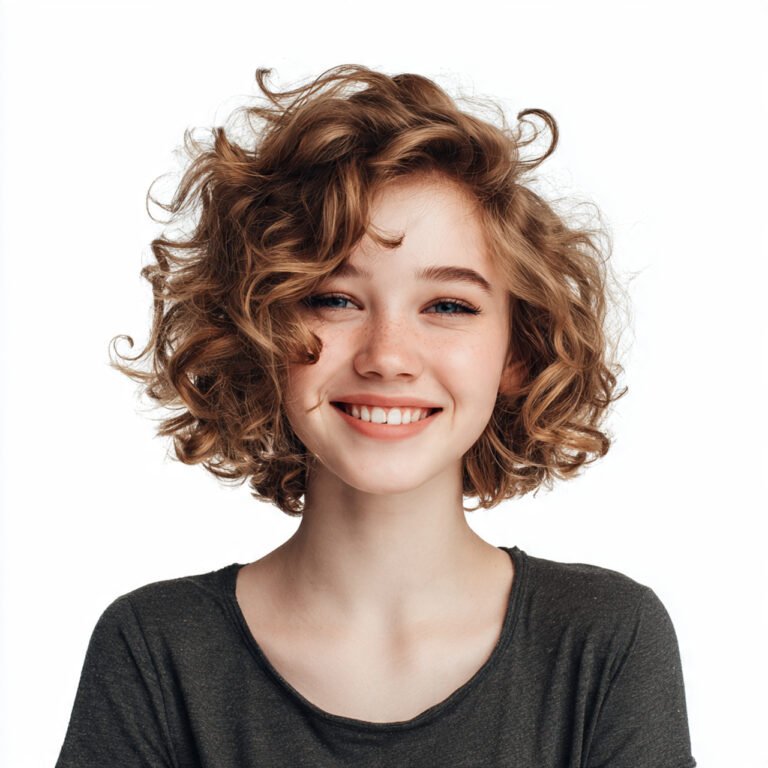
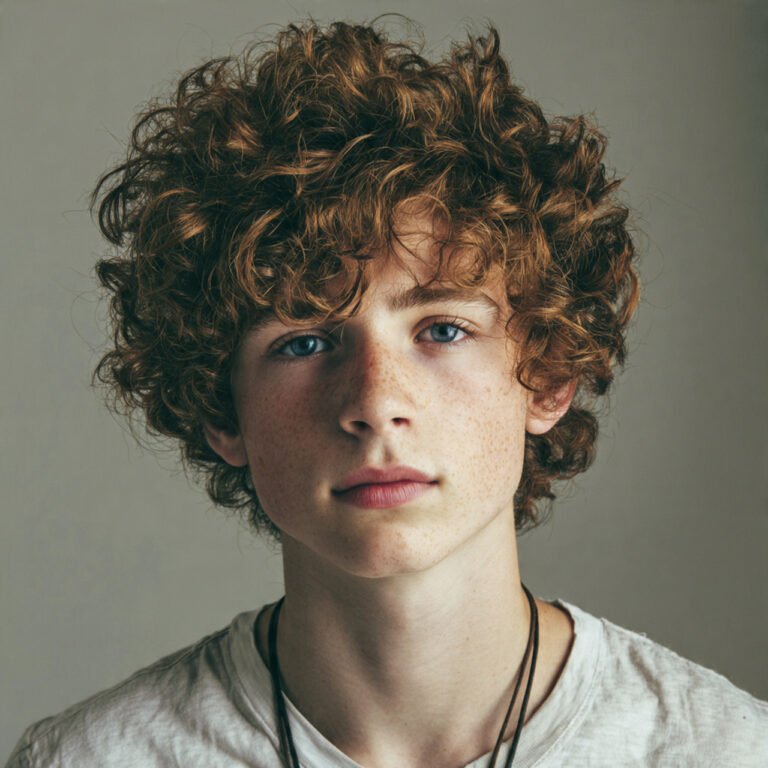
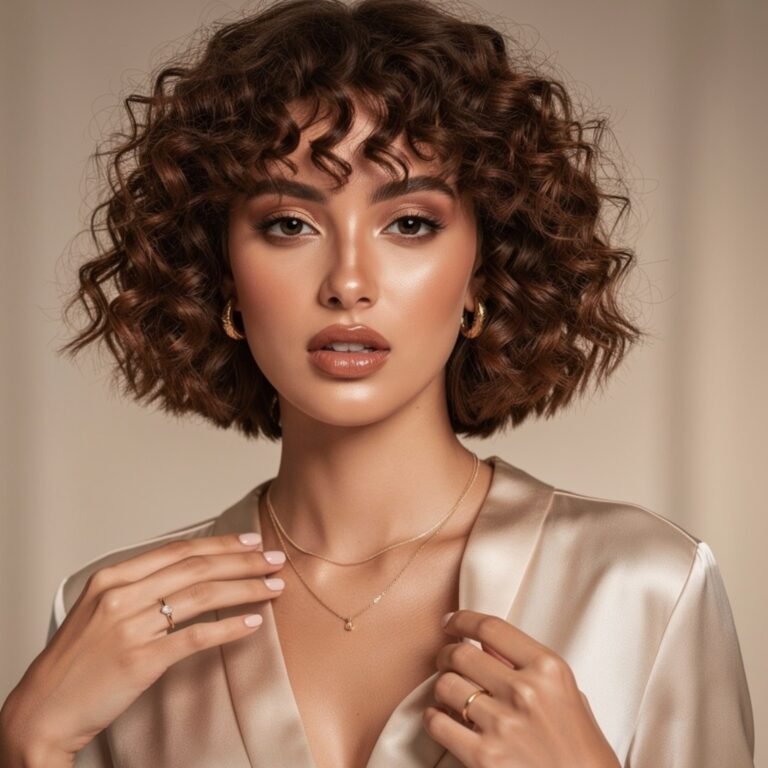
Curly pixie hairstyles are the perfect way to embrace your natural curls while enjoying the confidence and convenience of a short haircut. This chic hairstyle combines playful texture with effortless elegance, making it an excellent choice for women who want a modern, low-maintenance look without sacrificing style. Whether you prefer a soft, tousled pixie, a tapered curly cut, or a bold undercut with defined curls, there are countless ways to personalize this timeless hairstyle for your unique personality and curl pattern.
15 Curly Pixie Hairstyle Ideas
1. The Classic Tapered Curly Pixie
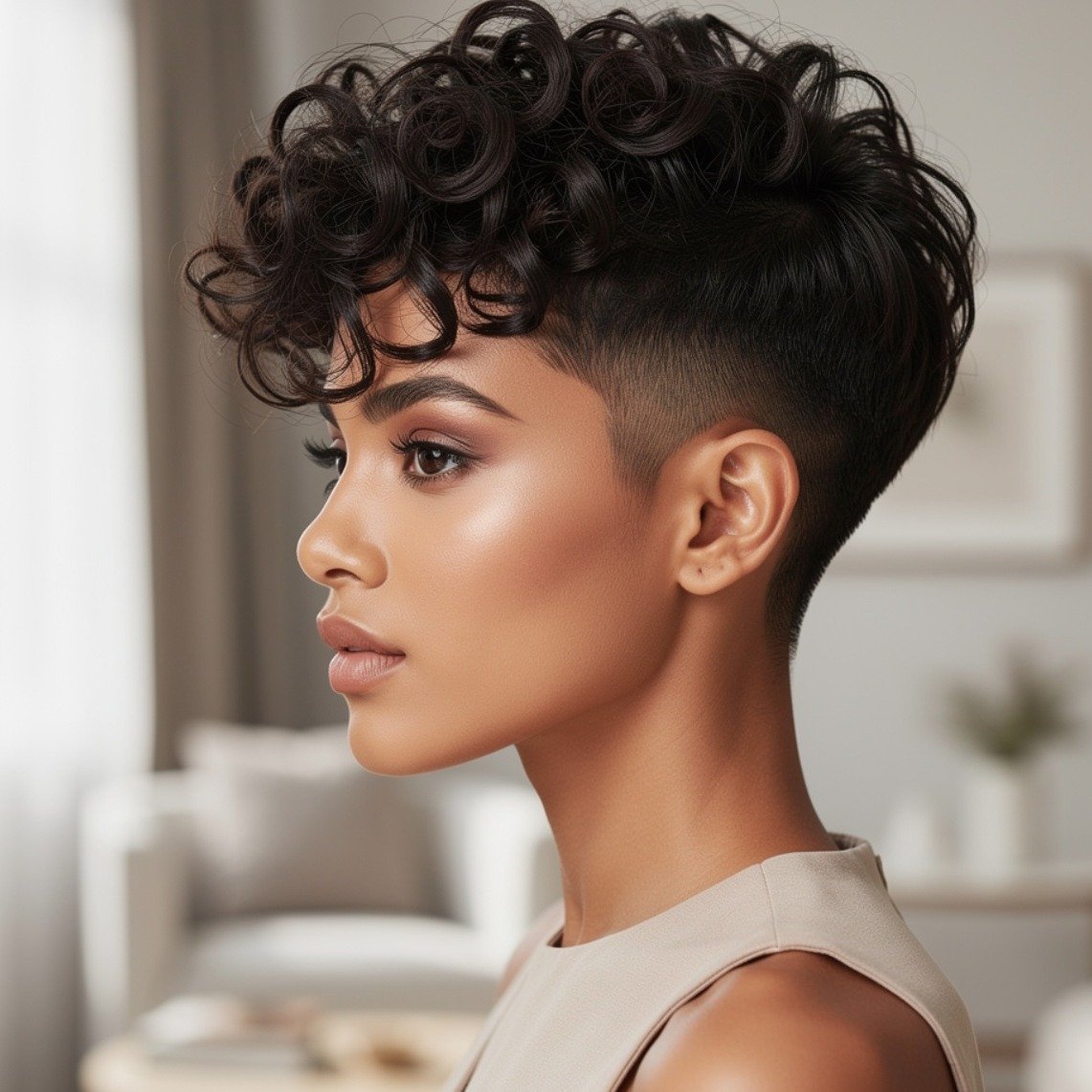
The tapered curly pixie is the foundation from which every variation on this list grows, making it the ideal starting point for anyone approaching short curly cuts for the first time. The sides and nape are cut close and gradually taper into a longer, fuller crown section where the natural curl pattern is allowed to expand freely upward and outward. This graduated length difference creates a beautiful architectural silhouette that emphasizes the natural volume of your texture without any heat styling required. It works exceptionally well on type 3a through 4b curl patterns, as tighter coils in the crown produce impressive height while the closely cut sides stay neat without additional effort. Oval and heart face shapes particularly suit this arrangement, and the overall maintenance is surprisingly manageable with a good curl cream applied to damp hair each morning.
2. Curly Pixie with Undercut
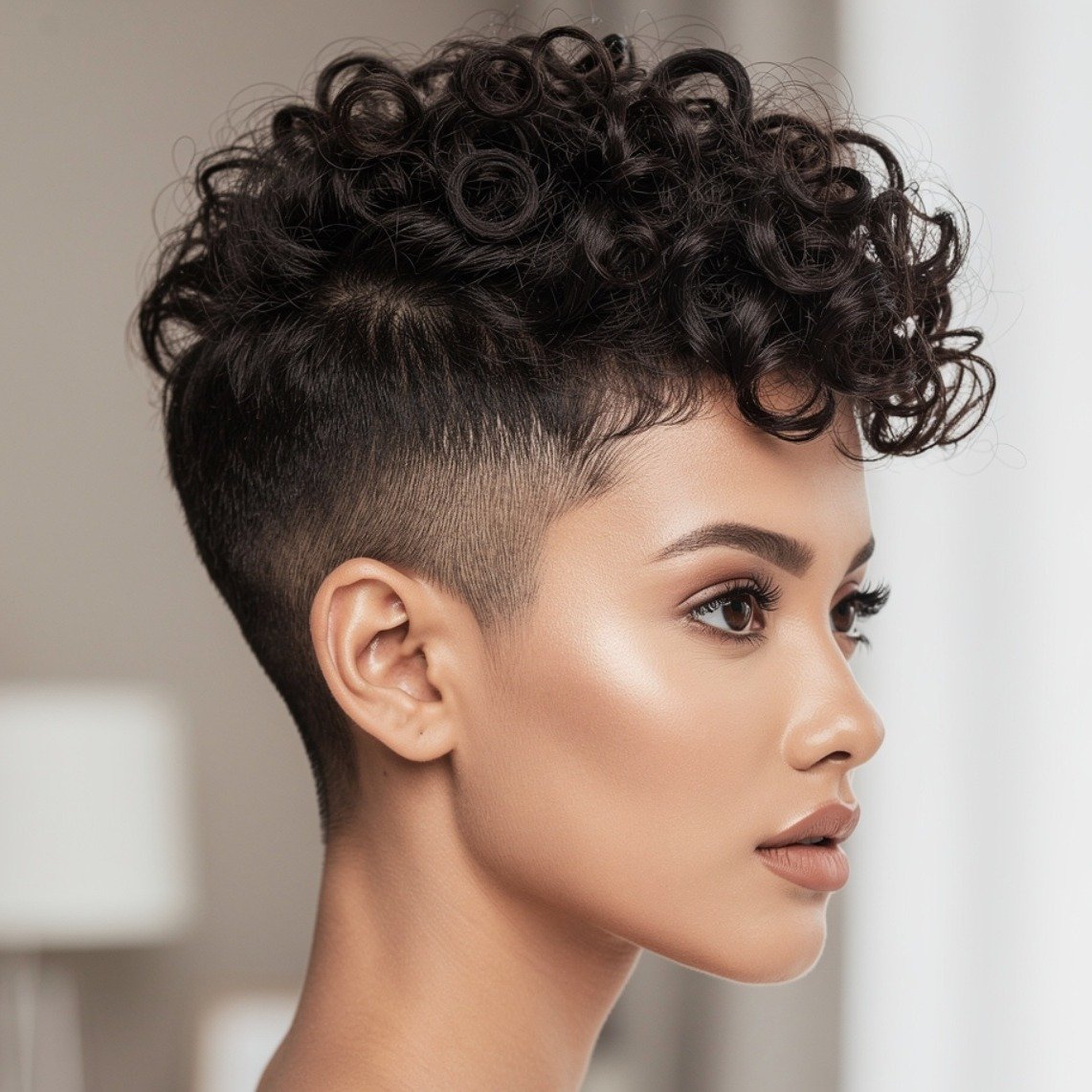
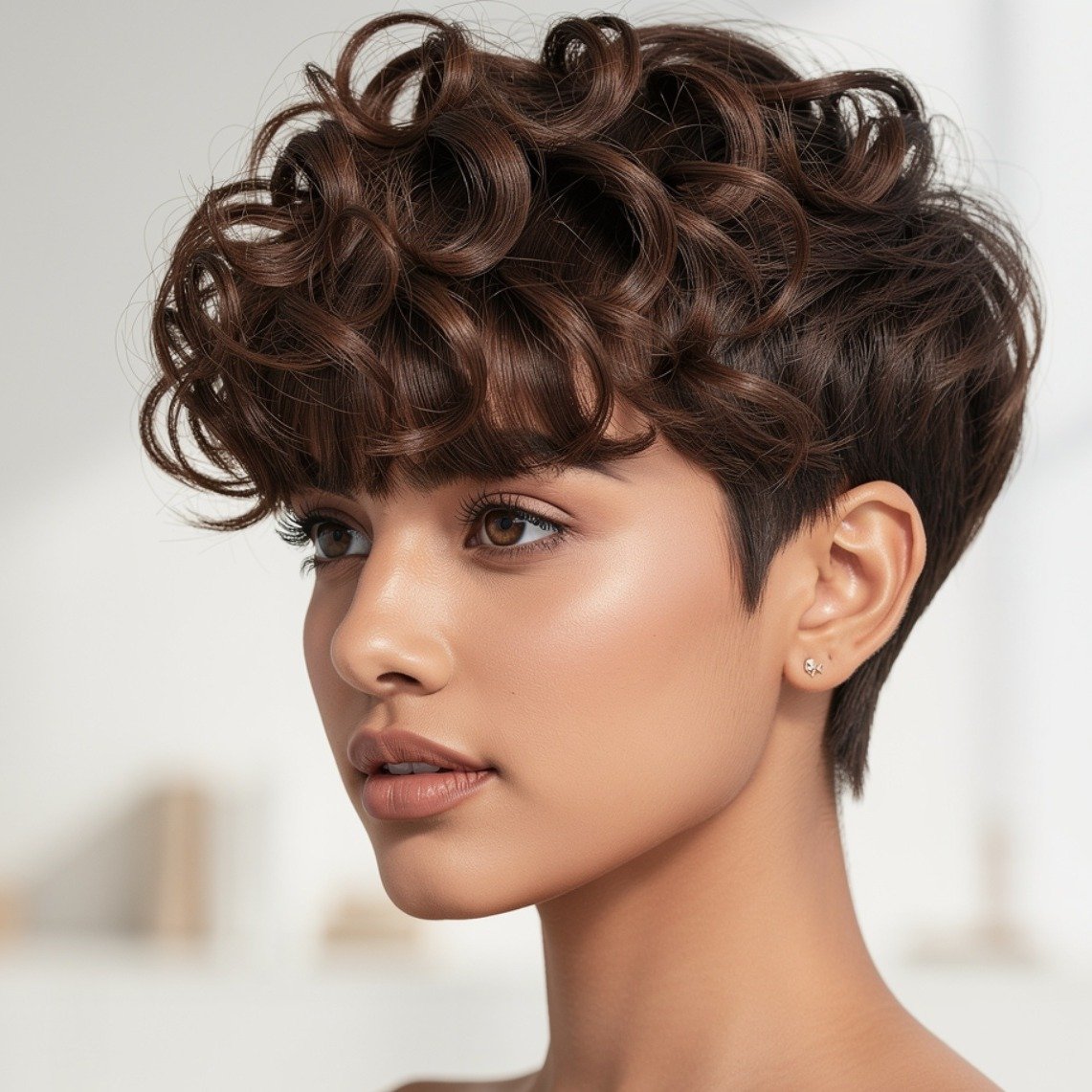
Taking the tapered concept a step further, the undercut pixie involves shaving or closely cropping the hair beneath the occipital bone and sometimes extending that close cut up toward the temples while leaving the top section dramatically longer and curlier. The visual contrast between the exposed skin or close-cropped undercut and the voluminous curls on top creates a bold, editorial effect that photographs exceptionally well and turns ordinary hair into a genuine style statement. This cut suits type 3b through 4c curl patterns where the top section has enough spring and density to create dramatic volume against the shaved base. Square and oval face shapes carry this silhouette most naturally, though anyone willing to commit to the contrast will find it genuinely transformative. Maintenance requires trimming the undercut section every three to four weeks to preserve the clean contrast line.
3. Afro-Textured Curly Pixie
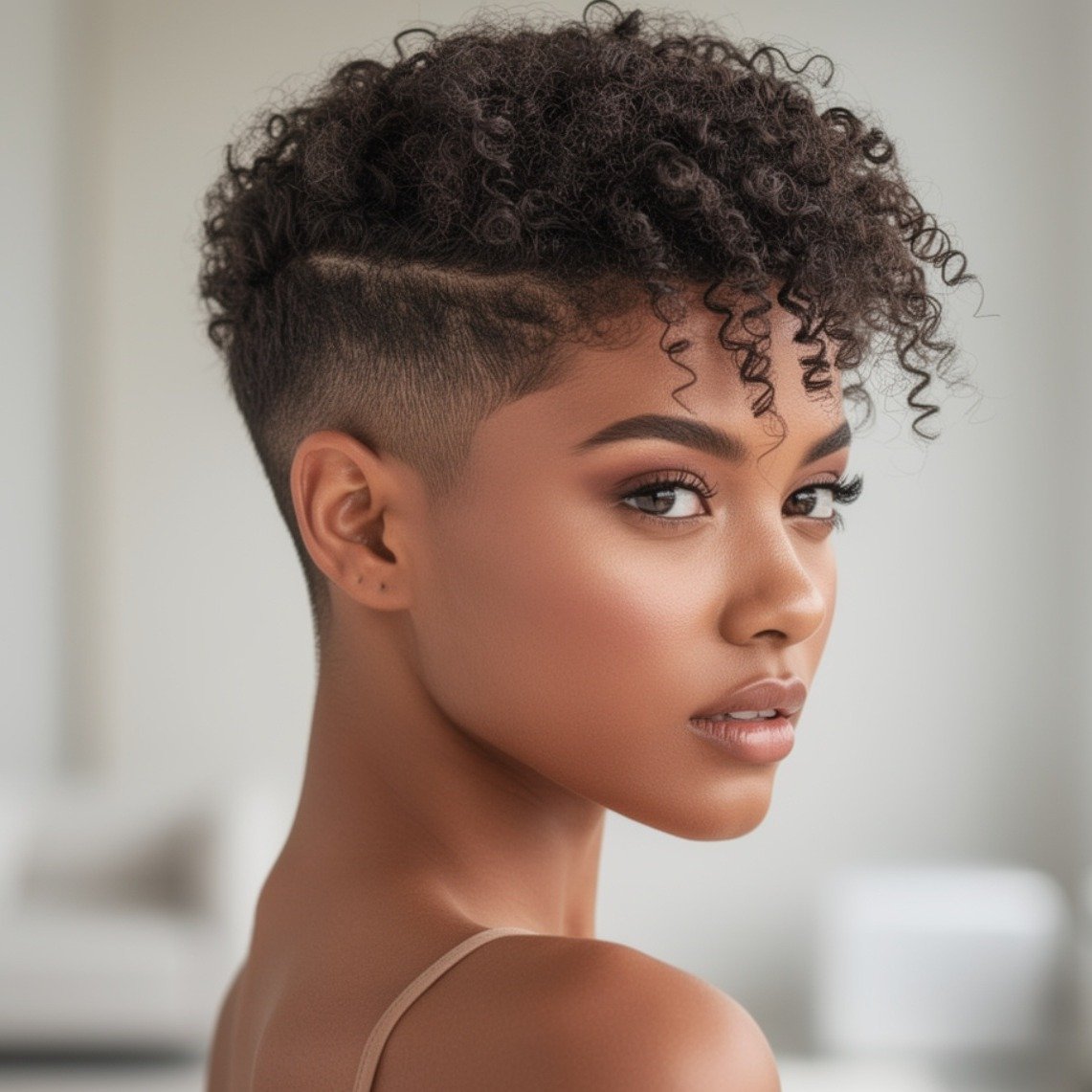
Designed to celebrate rather than minimize the fullness of 4a, 4b, and 4c coil patterns, this version keeps overall length short, typically two to four inches on the crown, while allowing the natural shrinkage and density of tighter textures to create a rounded, sculptural shape that sits beautifully without manipulation. There is no attempt to elongate or stretch the coils; instead, the cut is shaped to work in harmony with the hair’s natural tendency to pull upward and inward, resulting in a style that becomes more defined and shapely as it dries completely. Because the final shape depends on the hair’s own behavior, every person who wears this version ends up with something subtly unique. Round and square face shapes benefit enormously from the crown height this style produces, and moisturizing daily with a butter-based product keeps the coils springy and defined without any crunch or stiffness.
For even more natural and protective hairstyle inspiration, explore our guide to curly hairstyles half up half down for women featuring braids, twists, buns, and everyday looks.
4. Wavy Pixie Cut with Side Part
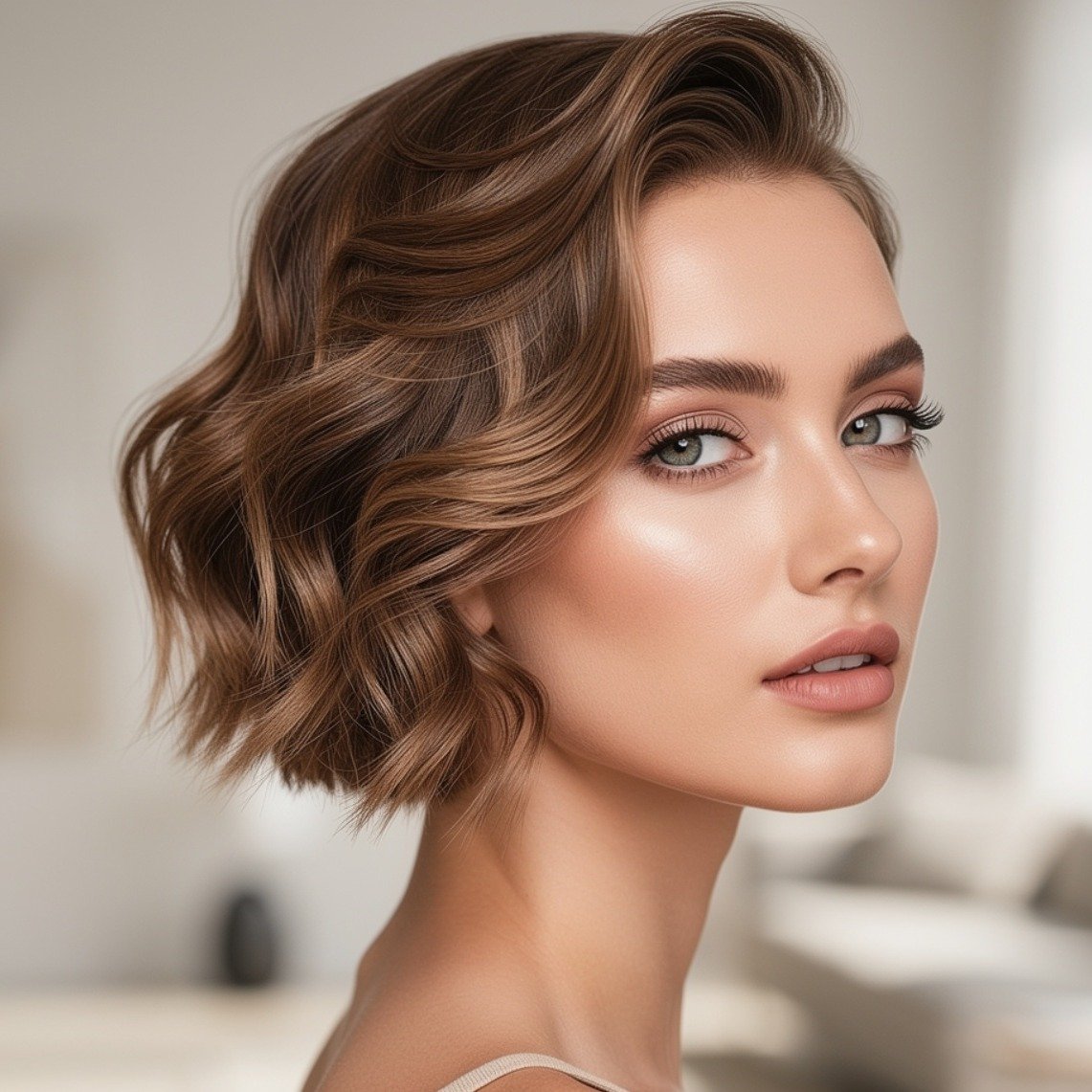
For those with type 2b and 2c wave patterns who worry that a pixie cut will eliminate their texture, the side-parted wavy pixie demonstrates decisively that shorter lengths actually enhance wave definition rather than flattening it. The hair is cut asymmetrically with a deep side part, one side falling slightly longer and sweeping across the forehead while the shorter side sits closely cropped near the temple. The waves that emerge at each length create a layered, dimensional effect that appears intentional and crafted even on hair that has simply air-dried. Oval, heart, and diamond face shapes find this asymmetric arrangement particularly flattering since the sweeping longer side balances facial proportions in different ways depending on which direction the part falls. Finish with a small amount of wave-enhancing mousse scrunched into damp strands for maximum definition.
5. Curly Pixie Bob Hybrid
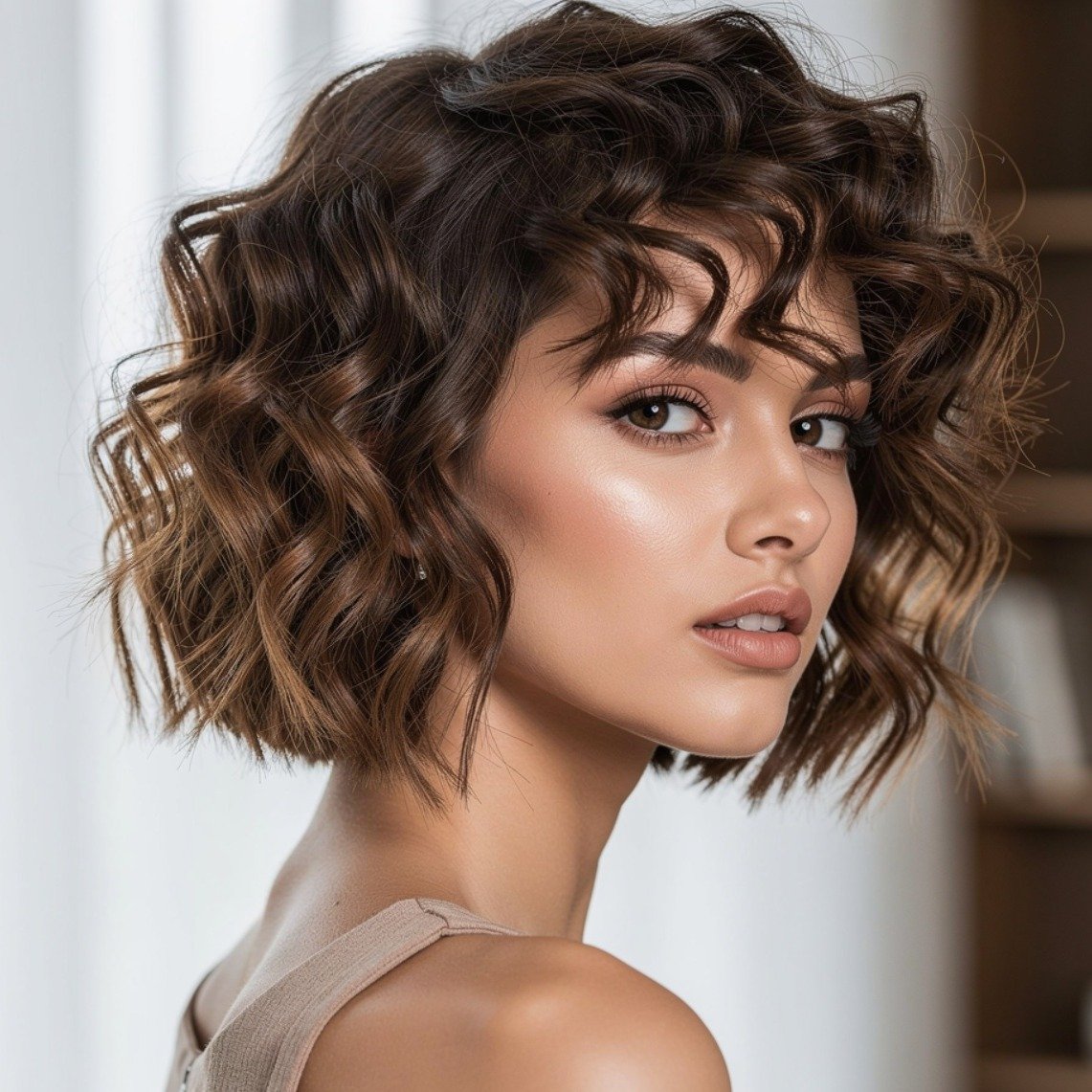
Sitting precisely at the intersection of a pixie and a bob, this hybrid style keeps the sides and back significantly shorter than a true bob but allows the front sections to extend toward the jaw, creating a face-framing length that softens the sharpness typically associated with very close pixie cuts. Curls at the longer front sections develop into defined spirals that draw attention toward the face, while the shorter back and sides stay tidy and low-maintenance. This arrangement is particularly well-suited to type 3a and 3b curl patterns where the front sections have enough length to form full ringlets that are visually distinct from the shorter cropped sections behind them. Heart and oval face shapes wear this silhouette beautifully, and it serves as an excellent transitional cut for those growing out a shorter pixie or gradually moving toward a curly lob.
6. Messy Curly Pixie with Texture
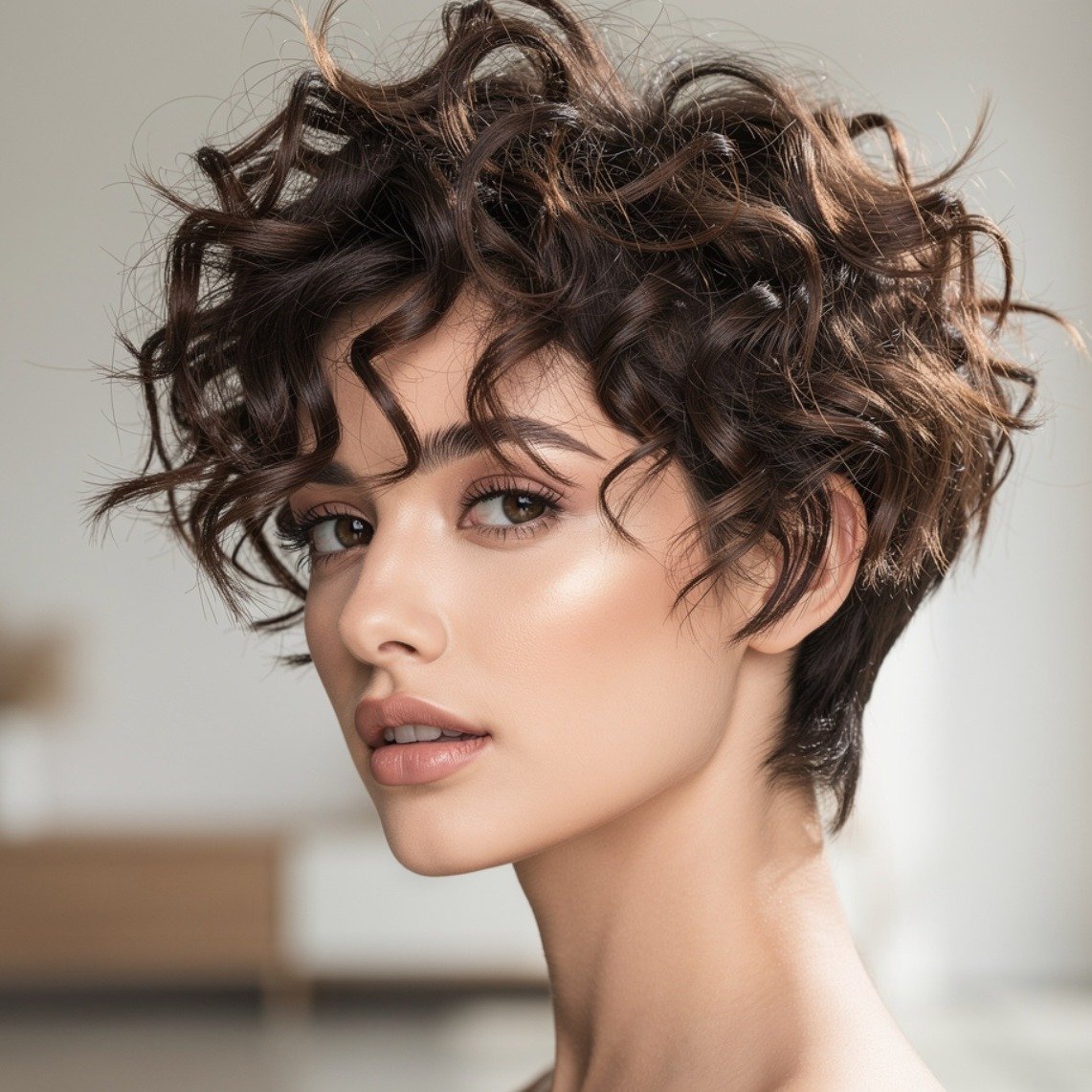
Not every pixie needs precision or symmetry the deliberately undone version prioritizes lived-in texture, asymmetric length, and a general air of effortlessness that paradoxically requires considerable skill from a stylist to achieve and very little effort to maintain at home. Layers are cut throughout the top section at varying lengths so that curls emerge at different heights and angles, creating a tousled, dimensional effect that never looks flat or one-dimensional. This approach suits type 3a through 3c curl patterns particularly well, as the variation in ringlet size that naturally occurs within these textures contributes additional visual interest to an already layered cut. All face shapes can wear this style successfully because the asymmetry and variation inherent in the cut means there is no single strong geometric line that must align with facial proportions. Scrunch a texturizing sea salt spray into damp curls and allow to air dry for the most authentic result.
7. Defined Coil Pixie for Natural Hair
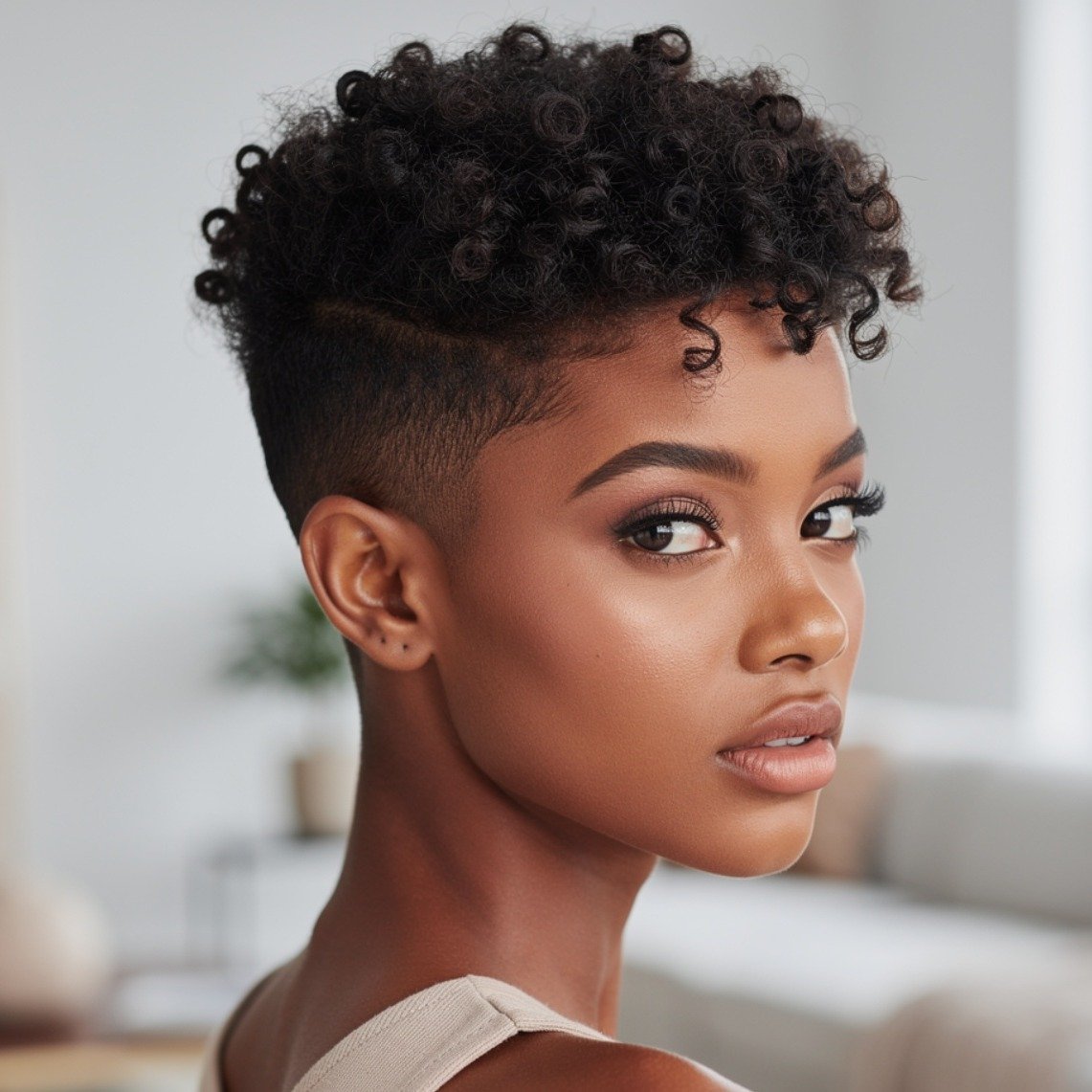
Prioritizing curl definition above all other considerations, this style is cut to a uniform short length across the entire head, typically one to three inches then shaped into a rounded silhouette that allows each individual coil to express its full, defined character. The result resembles a miniature version of a full natural Afro but with the clean edges and precise shaping that distinguish a deliberate cut from simply grown-out short hair. It suits type 4a and 4b coil patterns where the tight spiral structure creates extraordinary density and definition at short lengths, producing a style that looks more complex and intentional the closer you examine it. Round, oval, and heart face shapes all wear this arrangement naturally, and the daily routine is genuinely minimal a quick spritz of water and a small amount of curl cream is typically all that is needed each morning to restore shape.
8. Curly Pixie with Fringe
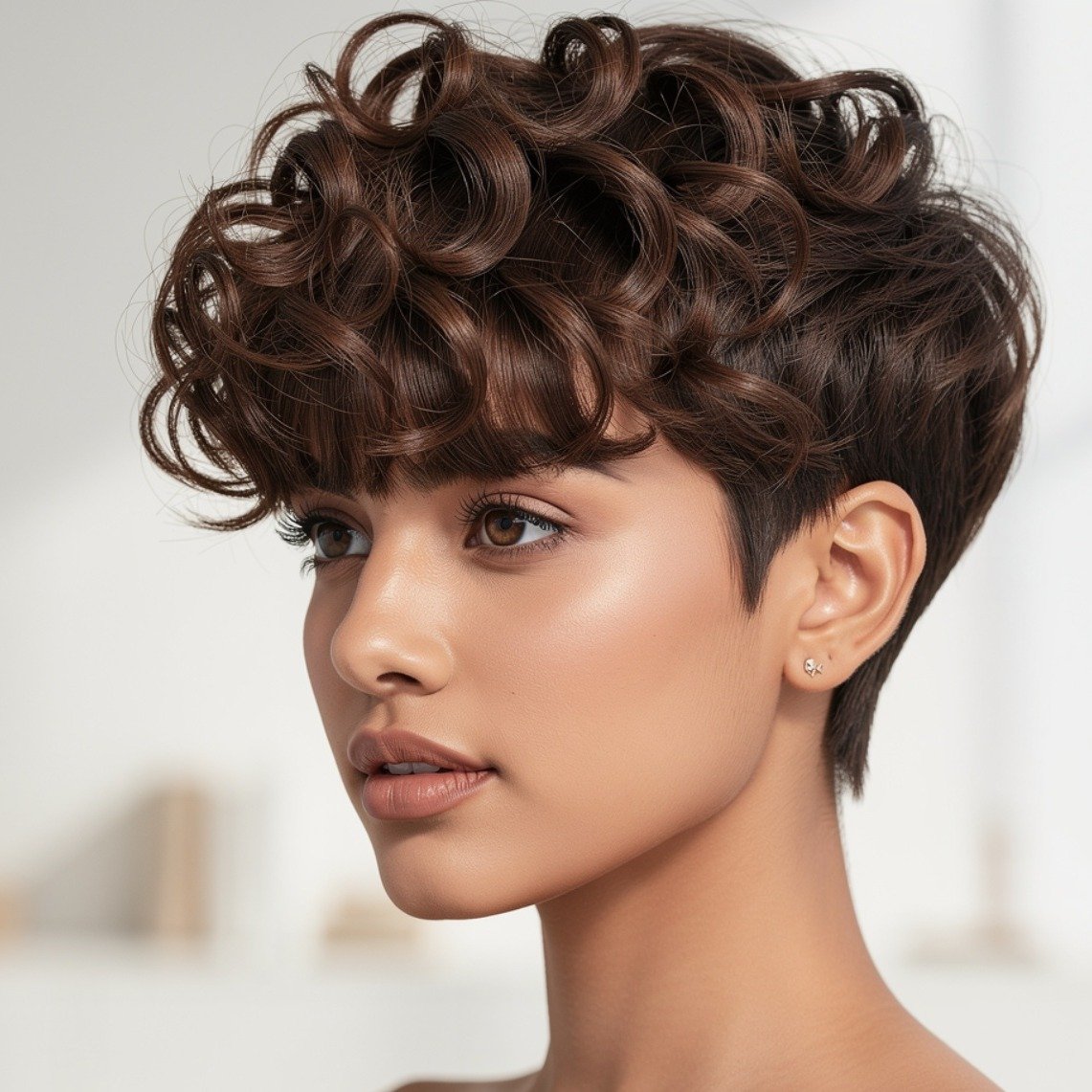
Adding a fringe whether a full, curly curtain across the forehead or a shorter, textured micro-fringe completely changes the character of a pixie cut and introduces a retro, feminine element that balances the bold nature of very short overall length. Curly fringes behave very differently from straight ones: they bounce, spring upward slightly, and frame the face in a softer, less structured way that is deeply flattering without requiring daily straightening or precision styling. This works best on type 2c and 3a curl patterns where the wave or ringlet size is large enough to create a visible fringe shape without the curls clumping so tightly that the fringe disappears into the rest of the cut. Long, oblong, and oval face shapes benefit most from a curly fringe since it visually shortens the forehead and introduces horizontal emphasis. Ask your stylist to cut the fringe slightly longer than you think you want it, as curl shrinkage will raise it considerably after drying.
9. TWA (Teeny Weeny Afro) Styled as a Pixie
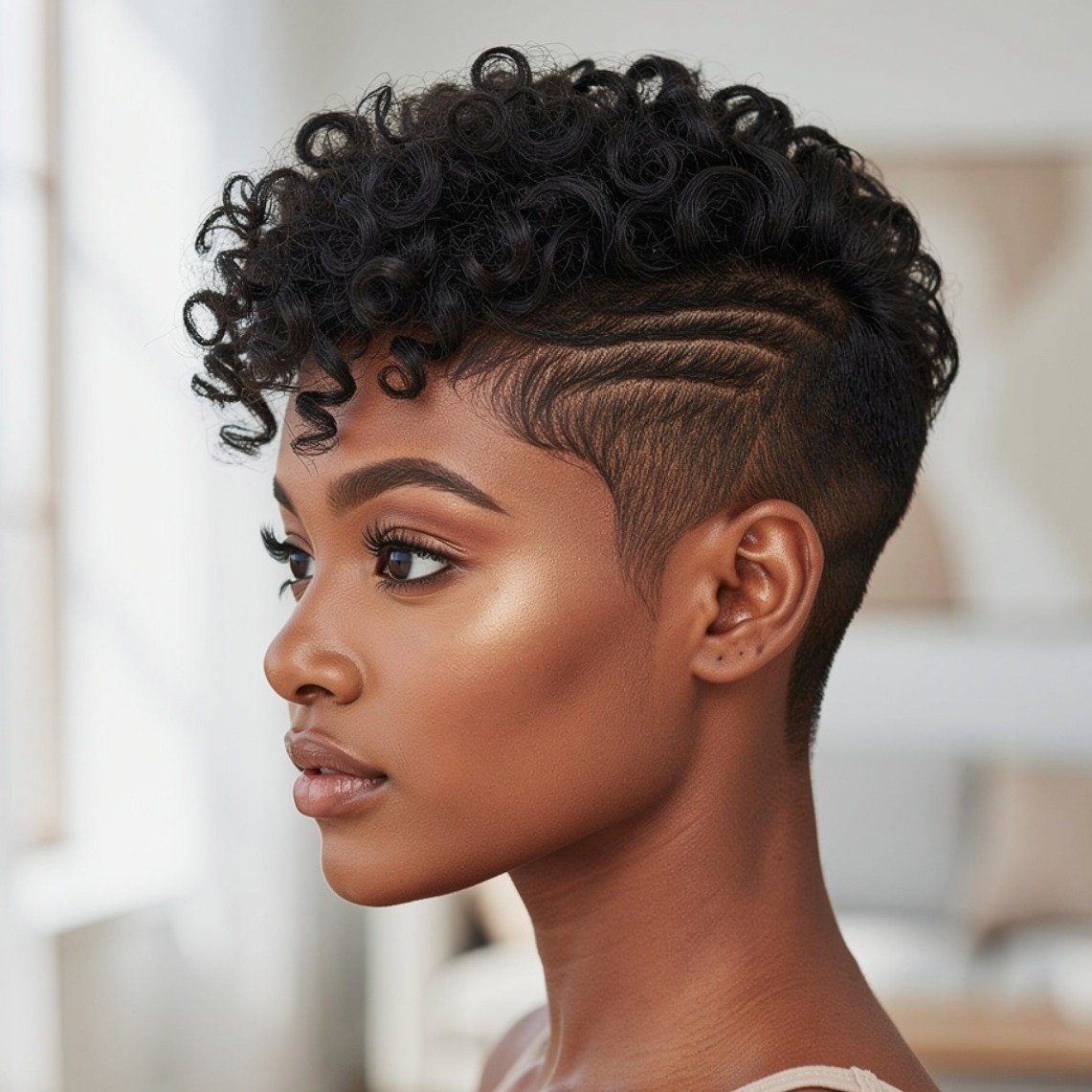
The TWA occupies a beloved and historically significant position in natural hair culture — it is often the first style a person discovers after a big chop, and it deserves far more detailed styling guidance than most mainstream hairstyle platforms provide. At its shortest, a TWA measures less than an inch across the entire head, but with the right shaping at a salon, the edges can be defined, the crown can be subtly layered, and the nape can be tapered to create a style that looks as intentional as any longer cut. Type 4b and 4c textures excel at this length because the tight coil pattern creates natural density and shape that holds without product. All face shapes can wear a well-shaped TWA, and its protective qualities for the scalp and hair shaft make it an excellent choice for anyone transitioning to natural hair or recovering from chemical or heat damage.
10. Colored Curly Pixie
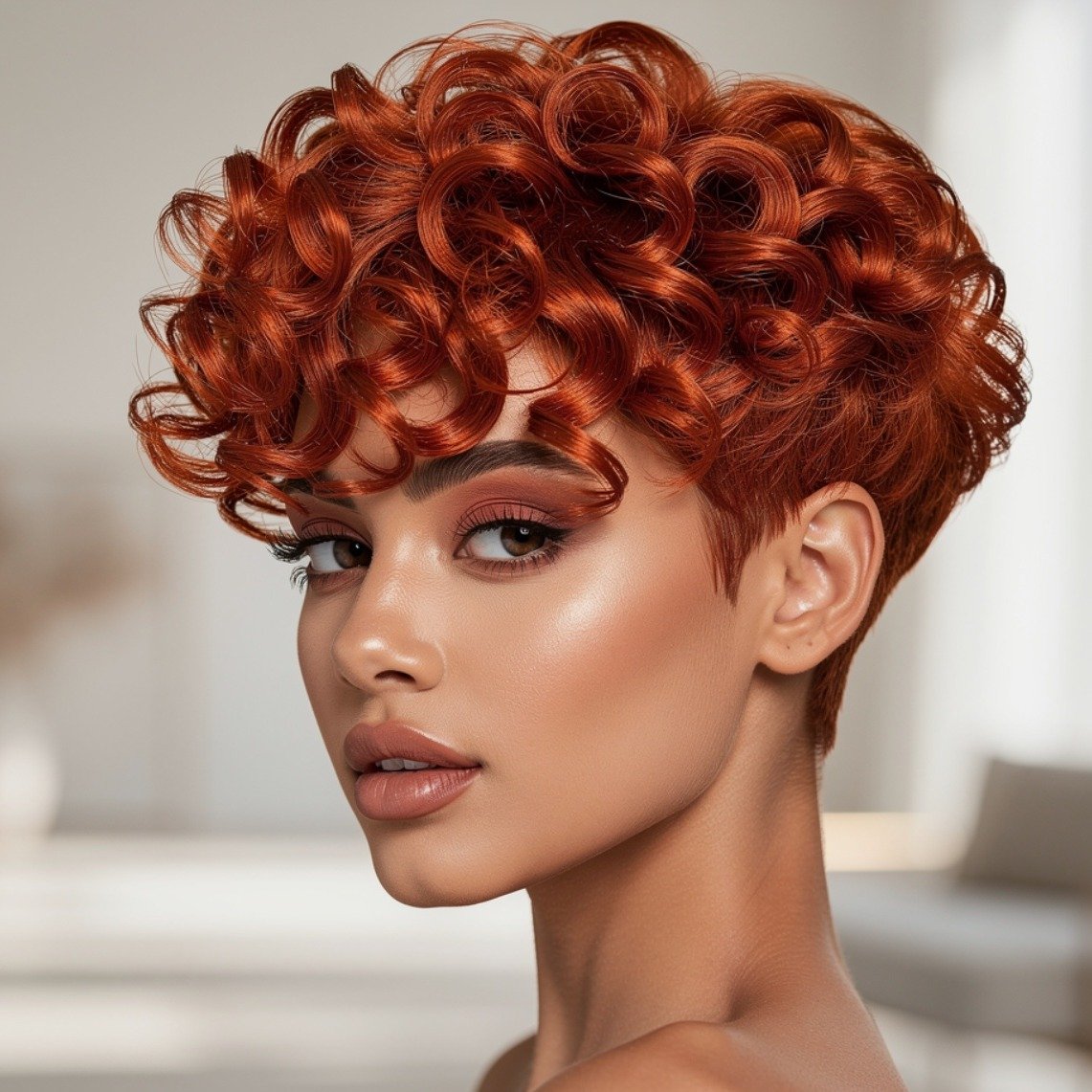
Color transforms any pixie cut into something entirely personal, and curly textures respond to color in a uniquely beautiful way each coil catches light differently, creating a multidimensional effect that appears far more complex than a single flat application would suggest. Copper and caramel tones on dark brown coils create warm, sun-kissed dimension. Platinum or silver on tighter 4c coils produces a striking, high-fashion contrast. Vivid jewel tones like deep violet, cobalt, or emerald suit looser 3a ringlets beautifully and appear especially luminous at short lengths where the color saturates every visible strand. Ask for a balayage or money piece application rather than all-over color if you want dimension without the high-maintenance root regrowth. All face shapes benefit from color on pixie cuts because it draws the eye to the hair’s texture and movement rather than emphasizing the structural proportions of the cut itself.
11. Curly Pixie with Defined Edges
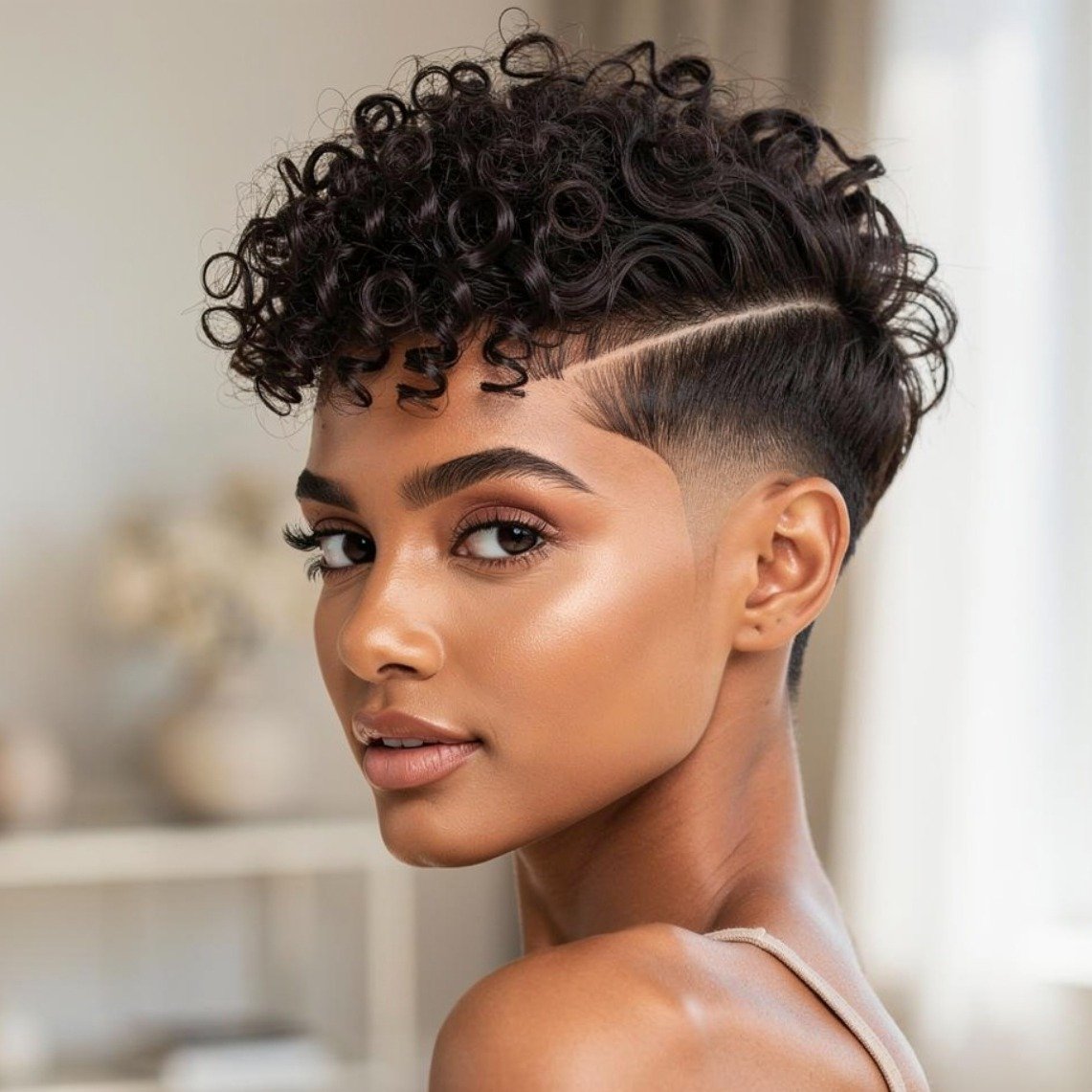
Regardless of curl pattern or cut length, crisp, defined edges along the hairline can elevate any curly pixie from casually short to impeccably groomed. Edges the fine, delicate baby hairs that line the forehead, temples, and nape respond well to light-hold edge control applied with a small bristle brush and smoothed into subtle swirls or laid flat and sleek depending on personal preference. This finishing touch works across all cut lengths and all curl patterns, though it is most commonly associated with type 4 coil textures where the contrast between defined edges and voluminous coils above creates the most visually striking effect. Round and square face shapes find edge styling particularly beneficial since the deliberate shaping around the hairline creates the appearance of a more defined facial frame. Visit a barber or stylist experienced specifically with natural hair for the initial edge shaping, then maintain it yourself between appointments.
12. Curly Pixie for Mature Hair
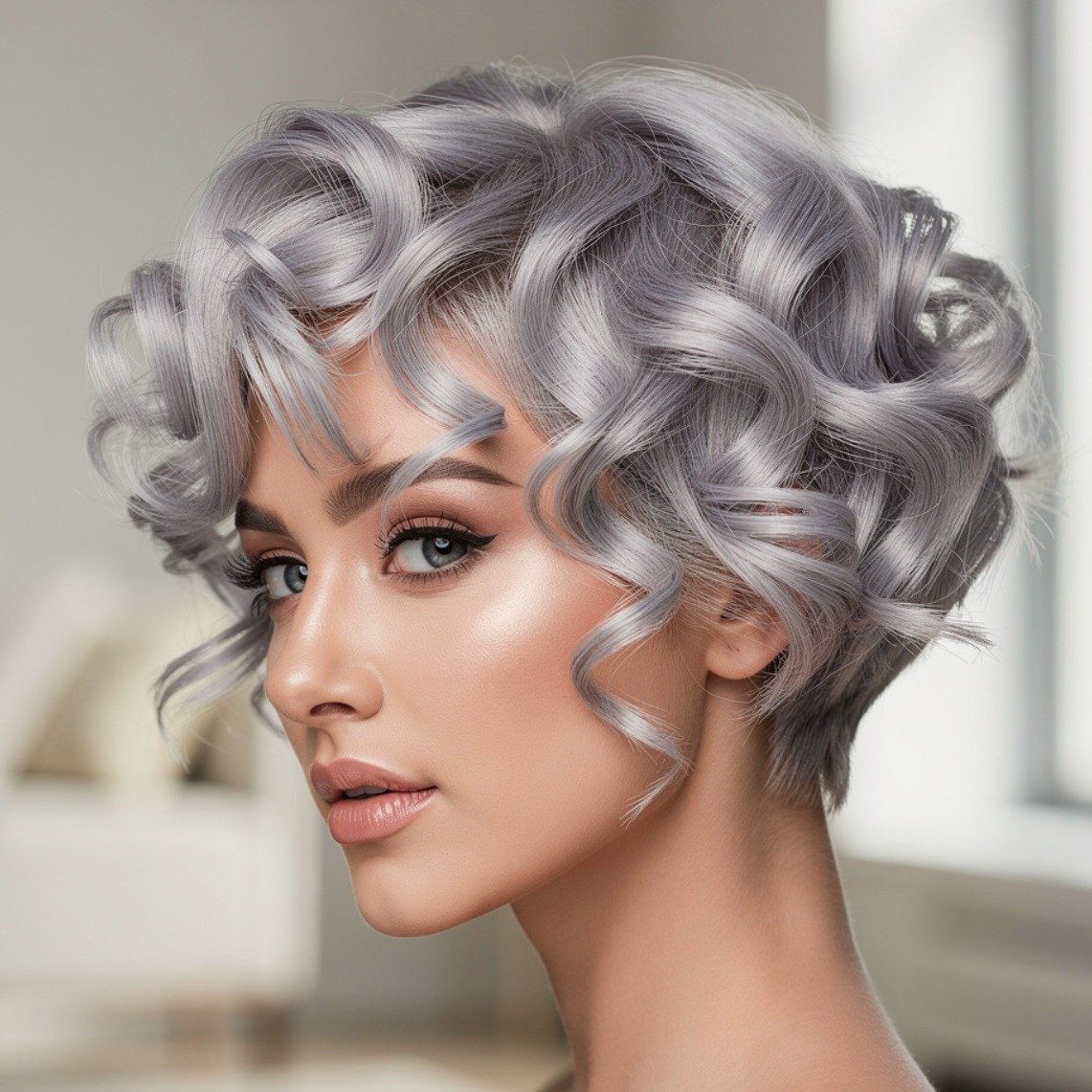
Curls do not disappear with age, but they do change and a well-considered pixie cut can actually reinvigorate texture that has become looser, finer, or less defined over time by removing length that weighs individual strands downward. At shorter lengths, even a loosened curl pattern regains some of its original spring and bounce because the strand no longer has to support its own full length against gravity. This makes a layered, low-maintenance curly pixie one of the most practical and flattering choices for women in their forties, fifties, and beyond who want a style that celebrates their natural texture without requiring extensive daily effort. Oval and heart face shapes particularly suit shorter lengths at this life stage. Choose a cut with soft layers rather than harsh angles, and ask your colorist about dimensional highlights that add depth without requiring frequent touch-up appointments.
13. Curly Pixie with Long Top and Short Sides
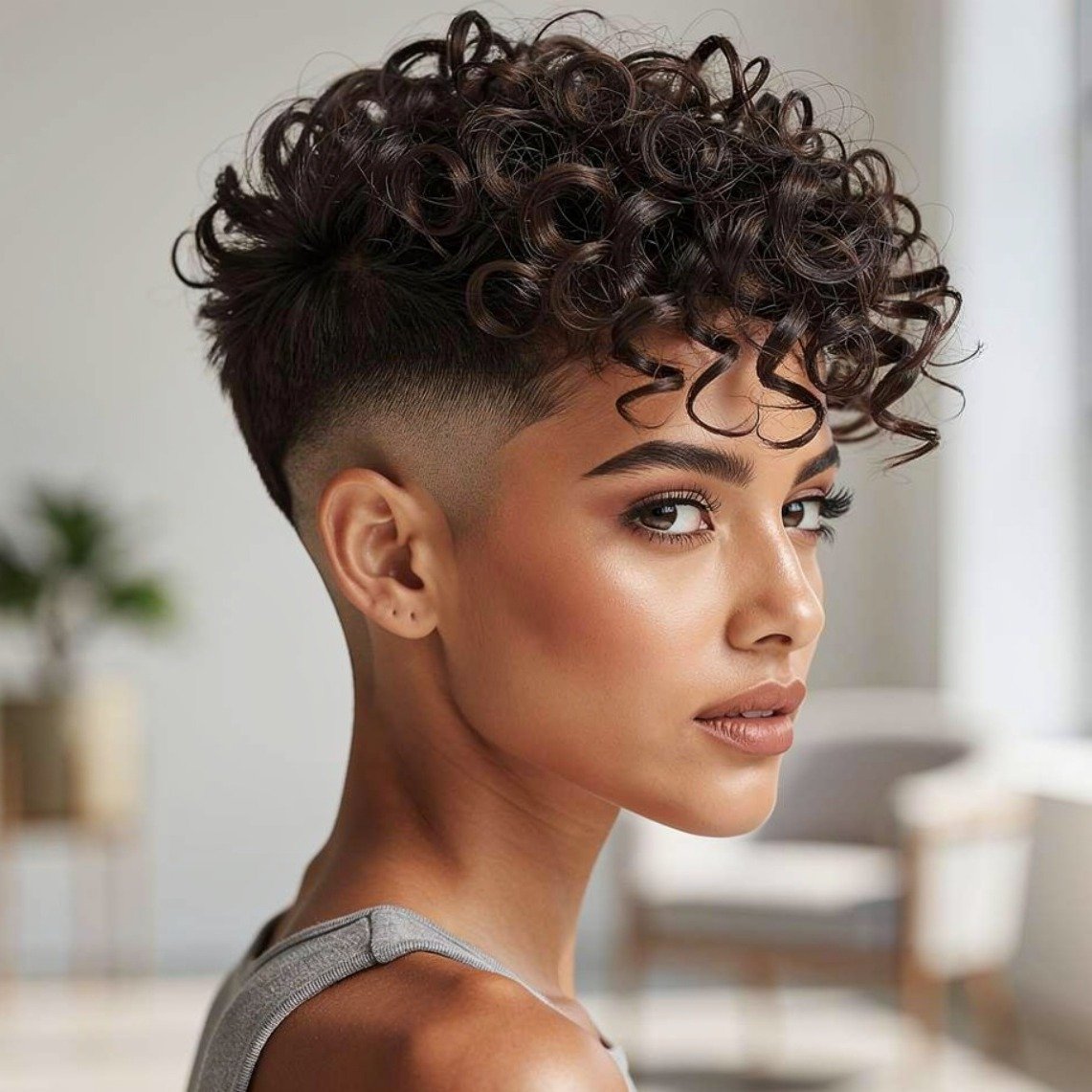
Sometimes described informally as a curly faux hawk or a curly mohawk-inspired pixie, this arrangement leaves the top section significantly longer than the sides long enough for the curls to fall sideways in a dramatic drape or spring upward in a voluminous ridge depending on how you choose to style them on any given day. The versatility is the primary appeal: two entirely different looks emerge from the same underlying cut simply by changing the direction in which the top section is encouraged to fall. It suits type 3b through 4a curl patterns where the coils are defined enough to hold directional shape without bobby pins or product-heavy intervention. Long and oval face shapes wear the upward-styled version most flatteringly, while rounder and wider faces benefit from allowing the top curls to fall to one side, creating asymmetry that visually lengthens the overall silhouette.
14. Natural Curly Pixie for Transitioning Hair
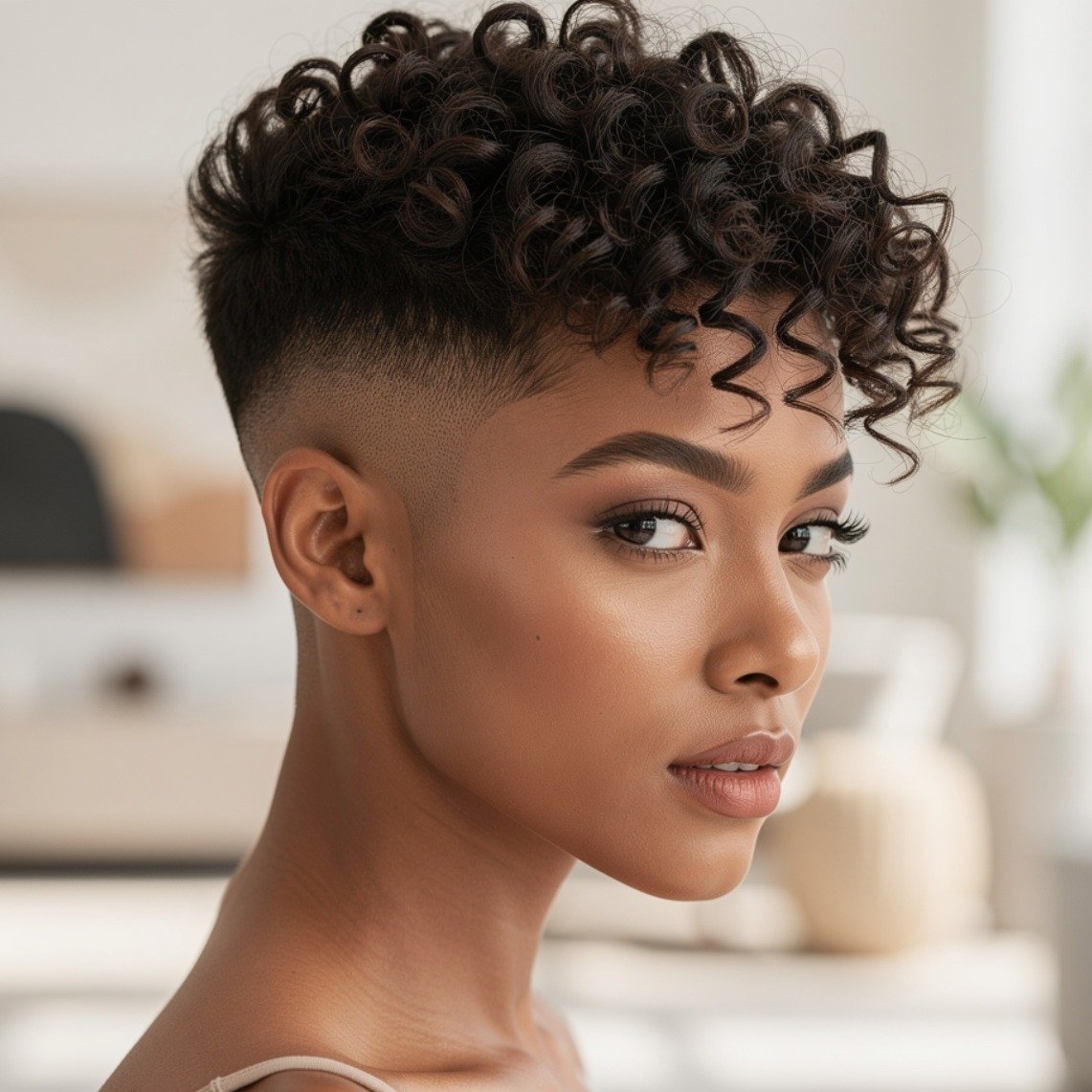
The transitioning pixie addresses one of the most common challenges in the natural hair journey: the awkward period when chemically processed ends and newly grown natural roots coexist on the same head and resist every attempt at cohesive styling. A skilled stylist can cut the overall length short enough to minimize the proportion of processed ends that remain while preserving enough natural root growth at the crown to create a genuine curly texture throughout the style. The resulting cut tends to have more variation and visual interest than a standard pixie because the slight difference in texture between transitioning and fully natural sections creates unexpected dimension. All face shapes can work with a transitioning pixie, and the style also serves as an excellent motivational milestone seeing your natural texture thriving at short length often provides the confidence needed to commit fully to the remainder of the transition.
15. Sleek-to-Curly Contrast Pixie
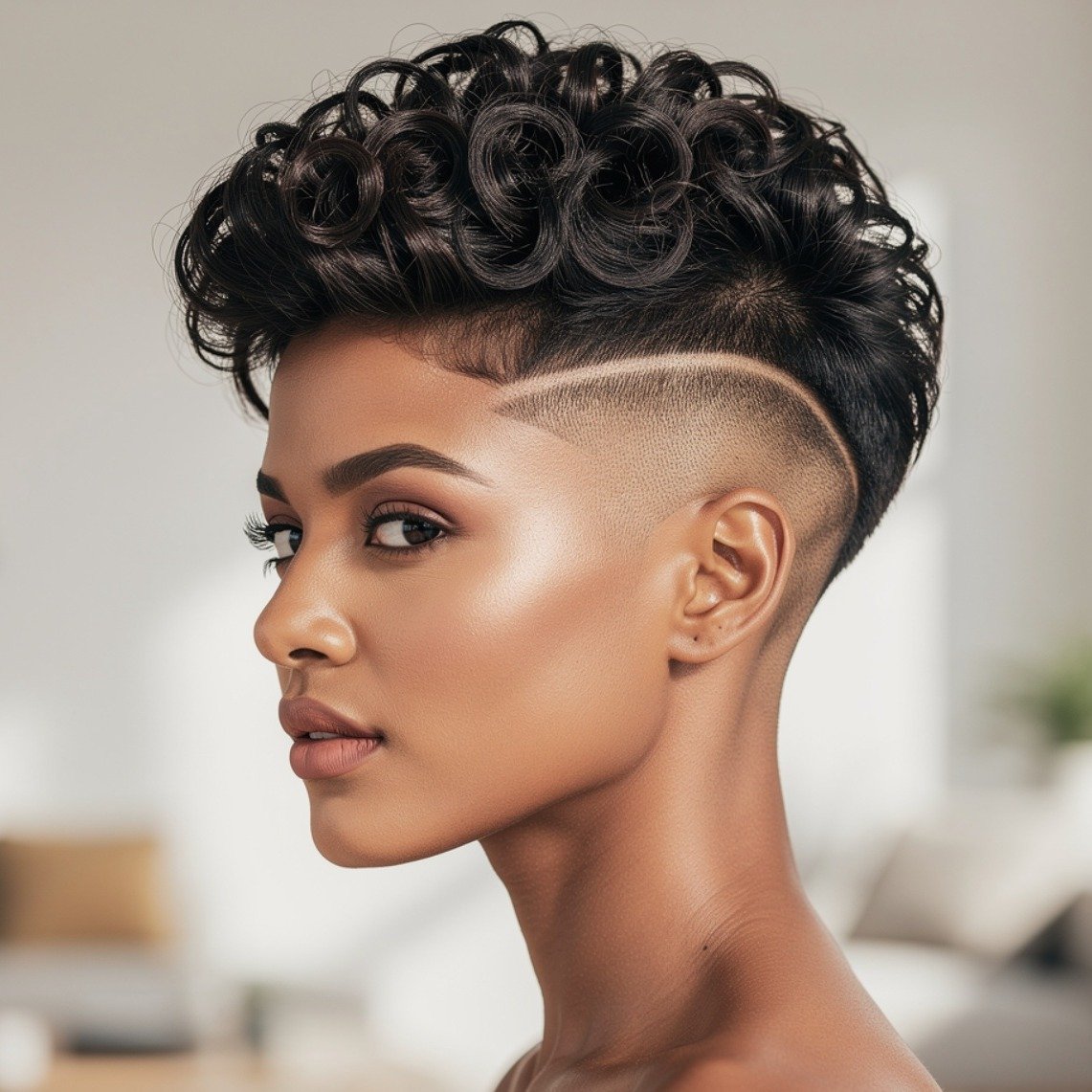
One of the most fashion-forward interpretations of the curly pixie, this style contrasts two entirely different textures within the same cut: the sides and edges are smoothed with a light pomade or edge control to create a sleek, polished finish, while the crown curls are fully embraced and encouraged to spring as freely and voluminously as possible. The textural contrast between the smooth sides and the expressive top creates an intentional, sculptural quality that looks like significant effort but actually requires very little styling time once the right products are identified. Type 3c and 4a curl patterns produce the most dramatic contrast in this style because their tight, defined coils create maximum volume against polished sides. Square and oval face shapes wear this arrangement particularly well since the smooth sides emphasize jaw definition while the voluminous crown adds balanced height above.
How to Choose the Right Curly Pixie Hairstyle
Choosing the right version of a curly pixie begins with an honest assessment of three factors: your curl pattern, your face shape, and the amount of daily maintenance you are genuinely willing to commit to. Tighter coil patterns in the 4a through 4c range tend to produce naturally voluminous, high-rising pixies that maintain shape without much daily intervention they are often the lower-maintenance end of this style category once the initial cut is established. Looser wave and ringlet patterns in the 2c to 3b range may require more active definition work to prevent the shorter sections from looking limp or undefined between wash days. Beyond texture, consider your personal style identity: a sleek contrast pixie suits someone who enjoys a polished, deliberate aesthetic, while a messy layered pixie is more aligned with a relaxed, undone sensibility. Be honest with your stylist about how much morning styling time you actually have, as the right cut should fit seamlessly into your existing routine.
Best Face Shapes for Curly Pixie Cuts
Oval face shapes genuinely have the most freedom here the balanced proportions of an oval face harmonize with nearly every pixie variation from the most dramatic undercut to the softest wavy fringe style. Heart face shapes look particularly striking in curly pixies because the short length draws attention upward toward the eyes and cheekbones, which are typically the most beautiful features of this face shape. Round faces benefit most from pixie styles that add height at the crown the tapered pixie, the defined coil pixie, or the long-top-short-sides version all create vertical elongation that balances circular proportions beautifully. Square faces are flattered by pixies with soft, rounded top sections and no harsh geometric lines at the sides, as curved silhouettes counterbalance strong angular jawlines. Long or oblong faces suit pixies with width-adding elements: a curly fringe, a side sweep, or a textured crown that expands outward rather than upward all reduce apparent vertical length.
Styling and Maintenance Tips for Curly Pixie Cuts
The most common misconception about curly pixie cuts is that they require less maintenance than longer styles in reality, they require different maintenance, and for some textures, more frequent salon visits to preserve the cut’s intended shape as growth alters the proportions. Budget for a trim every four to six weeks if the precision of your cut matters to the overall look; some styles like the undercut require a fresh edge every three weeks. For daily styling, apply your curl cream or defining gel to damp hair immediately after washing while the strands are still completely saturated product applied to dry or partially dry curls distributes unevenly and creates frizz pockets. At short lengths, a small amount of product goes much further than you expect, so begin with less and add more only if necessary. Refresh second-day curls by misting lightly with water, scrunching gently, and allowing to air dry rather than disturbing the curl pattern with excessive touching.
How to Ask Your Hairstylist for This Look
Requesting a curly pixie cut requires more descriptive language than most haircut conversations involve, and the effort you put into communicating precisely will directly determine how closely the result matches what you envisioned. Start by specifying the crown length you want this is the most important measurement in any pixie cut and the single number that most dramatically changes the character of the style. Bring at least two reference photos that show the style from different angles, including a back view if possible, since stylists need to understand the shape from every perspective not just the front-facing one that most inspiration photos show. Mention your specific curl pattern and whether your curls are predictable or variable depending on weather and humidity, as a stylist who understands your texture will cut accordingly. Communicate your maintenance preferences clearly if you want to air dry every morning without styling, say so explicitly, because a cut that requires product and effort to look intentional is the wrong cut for that lifestyle regardless of how beautiful it appears in a photo.
FAQ: Curly Pixie Hairstyles
Q: Will a pixie cut make my curls look smaller or less visible?
The opposite typically happens. Shorter lengths remove the weight that pulls curl patterns downward, so most curl types actually become bouncier, more defined, and more visually pronounced after a pixie cut. Type 4 coils particularly intensify at short lengths because shrinkage that previously condensed several inches of length into a fraction of that now concentrates into a tightly coiled, high-rising shape that is impossible to ignore.
Q: How do I know if a curly pixie will suit me before committing to the cut?
Apps that allow you to try virtual hairstyles provide a reasonable preliminary impression, though the most accurate preview comes from asking your stylist to show you photos of curly pixies they have personally cut on clients with similar curl patterns and face shapes. Many stylists document their work on social media, making this research easier than it has ever been. A consultation appointment before the actual cut allows for this conversation without any immediate commitment.
Q: Can I grow a curly pixie out without an awkward phase?
Every pixie grows out through some degree of transition, but strategic shaping appointments every six to eight weeks can guide the process in a direction that looks deliberate rather than accidental. Ask your stylist to gradually add length to specific sections in an order that moves toward your eventual goal style for example, growing a pixie toward a curly lob works best when the crown is allowed to grow first while the sides are trimmed to maintain proportion until the top length catches up.
Q: What curl types are best suited to a pixie cut?
Every curl type from 2b waves to 4c coils can wear a pixie cut beautifully, but the specific version of the cut that works best differs significantly between textures. Looser waves suit longer, layered pixies with movement and sweep. Tighter ringlets and coils suit shorter, more structured cuts where the natural density creates shape without relying on length. Your stylist should be experienced with your specific texture before you commit to a significant cut.
Q: How often does a curly pixie need trimming to stay looking good?
Most curly pixies need a shape-up every four to six weeks to maintain the proportions that make them look intentional. Cuts with shaved or close-cropped elements like undercuts require more frequent maintenance typically every three weeks to preserve the contrast line that defines the style. Softer, more textured pixies with less precision can sometimes extend to eight weeks between cuts without losing their character.
Q: Are curly pixie cuts high maintenance in terms of daily styling?
Daily styling for a curly pixie is typically faster than styling longer curly hair because there is simply less hair to work product through. Most wearers report that a morning routine of misting damp hands, applying a small amount of curl cream, and scrunching takes under five minutes. The higher maintenance aspect is salon frequency rather than home effort the cut itself needs regular professional shaping to continue looking like a deliberate style choice rather than simply short grown-out hair.
Conclusion
A curly pixie cut is not a compromise it is an amplification of everything that makes natural texture remarkable, delivered in a shape that requires confidence to choose and rewards that confidence every single day. From the classic tapered version to the bold undercut, the natural TWA to the face-framing fringe pixie, every style on this list proves that short hair and stunning curls are not competing ideas but deeply complementary ones. Use the face shape guidance and styling tips above to narrow your options, save two or three of these variations as references, and walk into your next salon appointment knowing exactly what you want and precisely how to describe it.